





 津田修吾
津田修吾Why does Judo, a martial art born in Japan, seem so calm—almost restrained—compared to what many expect from a fighting discipline?
Judo is a Japanese martial art developed not merely as a method of combat, but as a practice of education, discipline, and mutual respect.
In Japan, Judo has never been only about winning.
It reflects a way of thinking that values self-control over dominance, respect over force, and long-term growth over immediate results.
This article explores how Judo quietly reflects Japanese values—not through explanation or technique, but through attitudes toward learning, discipline, and coexistence.
By reading this article, you will understand how Judo reflects Japanese ideas of learning, discipline, and human growth beyond competition.
What Is Judo? Understanding Japan Through Judo
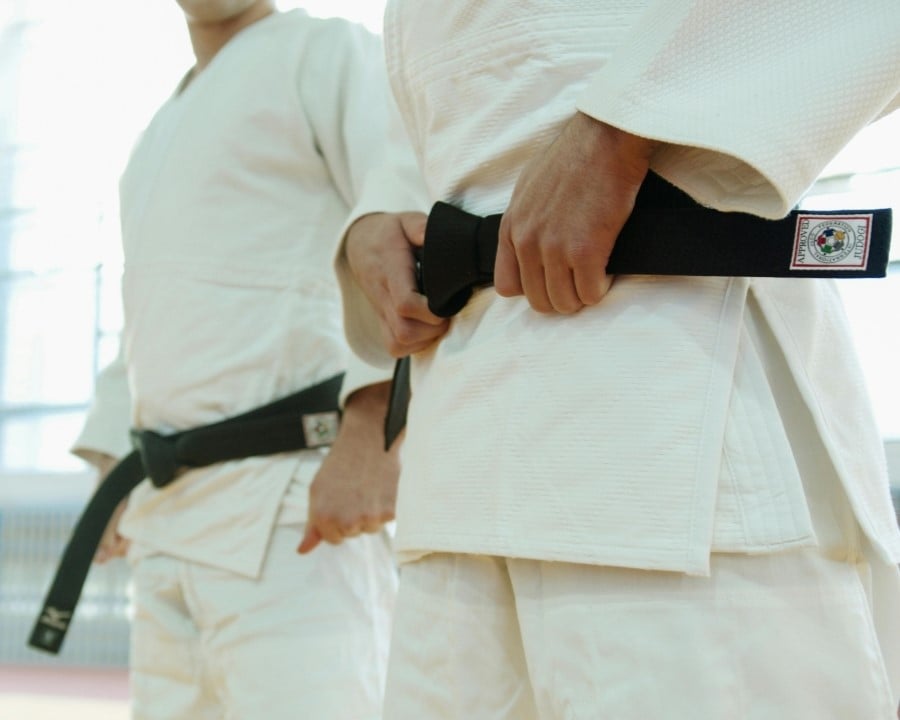
Judo is a Japanese martial art founded by Jigoro Kano in 1882, designed not only as a system of self-defense, but as an educational practice based on efficiency, self-control, and mutual respect.
Judo is a Japanese martial art born in Japan, but it is not a system created to explicitly explain ideas, teach lessons, or promote abstract philosophy. This article does not describe competition, victory, or training outcomes.
Instead, it uses judo as a quiet mirror of how Japan approaches action, interaction, and restraint.
In judo, movements are deliberate and controlled. Force is applied only when necessary, and excess is avoided. This reflects a Japanese preference for measured behavior, mutual awareness, and balance, rather than assertion or domination.
Judo as a Way of Seeing Japan
The meaning of judo emerges through form, timing, and silence. In judo, power is deliberately held back.
This restraint reflects a Japanese preference for moderation over excess, where strength is measured by control, not display.
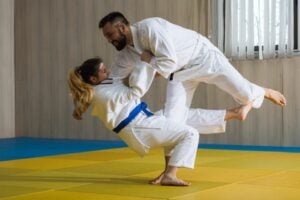
Practice is always shared. Partners move together, adjusting to one another’s balance and rhythm, which suggests the importance Japan places on harmony and mutual awareness.
There is also no sense of haste. Movements are unhurried, showing respect for time and natural flow rather than urgency or force. Judo is not something to be explained. It is something to be sensed.
Judo Is Not About Winning
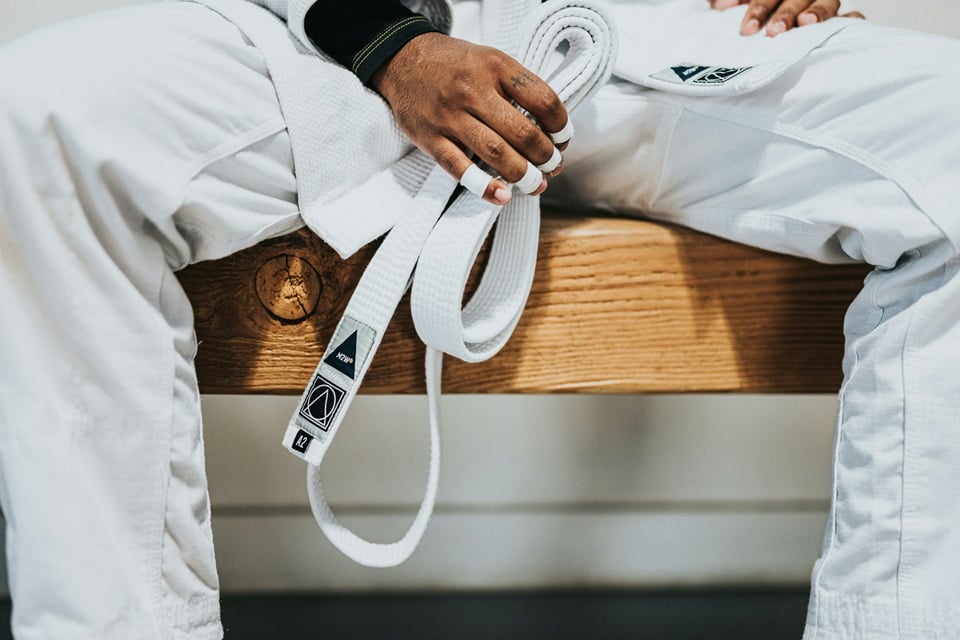
At first glance, judo may look like a contest of strength and technique. But in Japan, it has never been understood simply as a method for winning. Victory exists in judo, and it is not rejected.
However, it is not treated as the central purpose. Winning is acknowledged as one possible outcome, not the reason for practice itself.This distinction shapes how judo is approached, discussed, and practiced in Japan.
The focus remains deliberately restrained, avoiding an excessive fixation on results.
Why Victory Is Secondary In Judo
In judo, victory marks an endpoint of a match, not the conclusion of its meaning. A win does not define the value of what has taken place.
In judo, winning is acknowledged but not prioritized, losing is accepted as part of the exchange, and the final outcome remains secondary to the act itself.
Rather than elevating victory above all else, judo places it within a broader context where results are temporary, and the practice continues beyond them.
Judo and the Japanese View of Learning and Self-Discipline
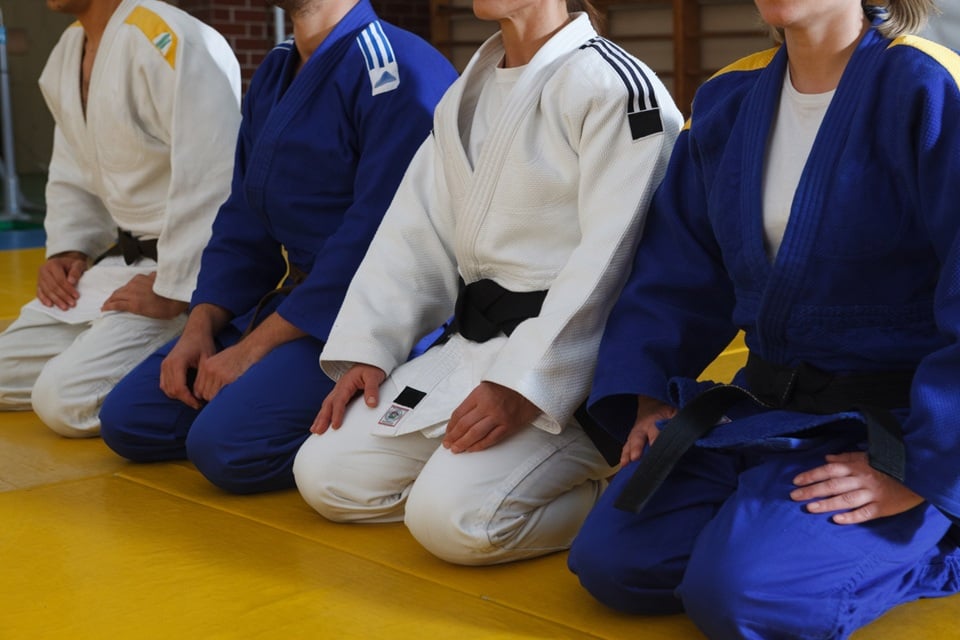
In Japan, learning is seen as a lifelong process of shaping one’s character through discipline, repetition, and reflection. Judo embodies Japanese educational philosophy in physical form.
Rather than prioritizing immediate success, judo places value on how a person learns, behaves, and grows over time. This approach explains why judo became deeply connected to Japanese education, not merely as a martial art, but as a method of human development.

Why Self-Control Comes Before Skill
In judo, technical skill is never the starting point. Before learning how to throw or counter, practitioners are expected to regulate their emotions, posture, and intent.
This reflects a fundamental Japanese belief:
learning begins with the ability to control oneself. Emotional reactions such as anger, fear, or impatience interfere with perception and judgment.
Judo therefore treats self-control as the foundation upon which all learning is built.
Without discipline, technique has no meaning.
Here are three reasons why judo teaches self-control as its foundation:
- Emotional restraint allows accurate observation and response
- Impulse control prevents reckless action and injury
- Mental calm creates the conditions for consistent learning
Only when this foundation is established can practitioners develop awareness, allowing them to read the situation and their opponent accurately.
This order reflects Japanese educational thinking, where inner readiness is considered essential before outward performance can truly emerge.
Learning Through Repetition, Reflection, and Continuity
Japanese learning places greater importance on process over outcome. Judo follows this principle through constant repetition of basic movements, reflection, and continuity.
Repetition is not mechanical, but instead is about building stability and consistency. Each movement is followed by reflection—small adjustments, quiet awareness, and gradual refinement. Reflection transforms experience into understanding.
This cycle creates continuity. Continuous learning allows growth beyond short-term goals; it deepens through sustained practice.
Growth Over Winning
In judo, the ultimate measure of success is whether a person has developed as a human being through practice. Winning can occur by chance or physical advantage. Growth, however, requires discipline, humility, and sustained effort.
Judo teaches individuals to accept failure, respect others, and continue improving without obsession over results. Winning ends a match, while growth continues a lifetime.
By placing personal development above competition, judo aligned naturally with Japanese educational values and became a tool for shaping people, not just athletes.
Core Philosophy of Judo: Efficiency and Mutual Growth
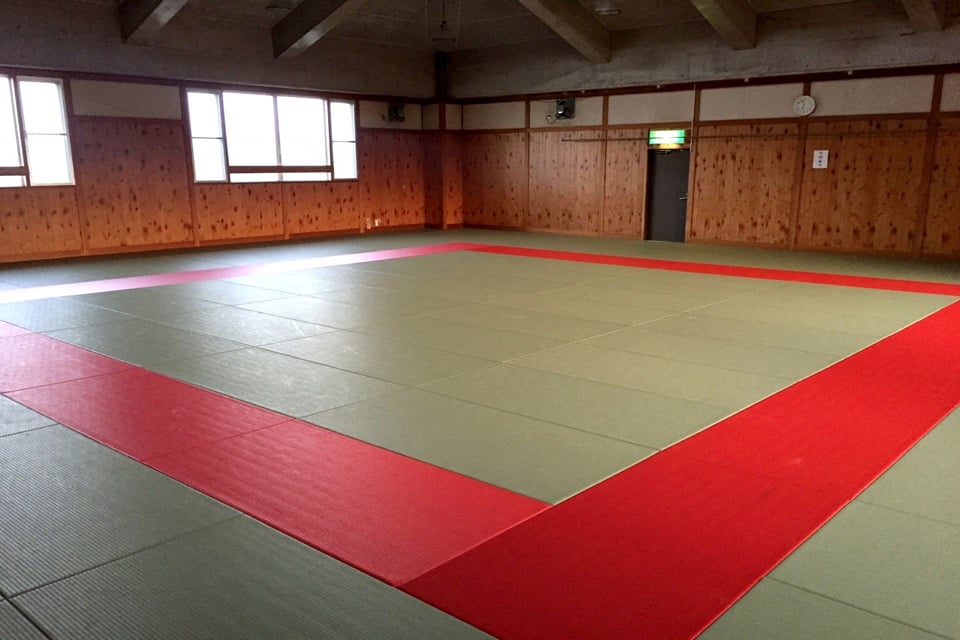
Judo’s core philosophy is not a technique or a tactic. It is a way of thinking about how human beings should use strength, relate to others, and continue growing over time.
At the center of this philosophy are two ideas that define judo as a form of Japanese thought rather than mere combat:
efficient use of energyand shared human development. These principles explain why judo values restraint over force and relationship over domination.
Efficiency Without Excess
In judo, efficiency does not mean speed or aggression. It means removing what is unnecessary. Rather than exhausting all available power, practitioners are taught to use only what is required at the right moment. Strength is not proven by spending everything, but by knowing what not to use. This reflects the principle of the best possible use of one’s energy.
Key characteristics of this way of thinking include:
- Economy of movement rather than explosive force
- Control and timing over raw strength
- Endurance through restraint, not exhaustion
In judo, holding back is not weakness. The ability to stop before excess becomes a form of strength itself. This mindset contrasts with systems that value overwhelming power and instead promotes sustainability and clarity.
Mutual Growth Instead of Domination
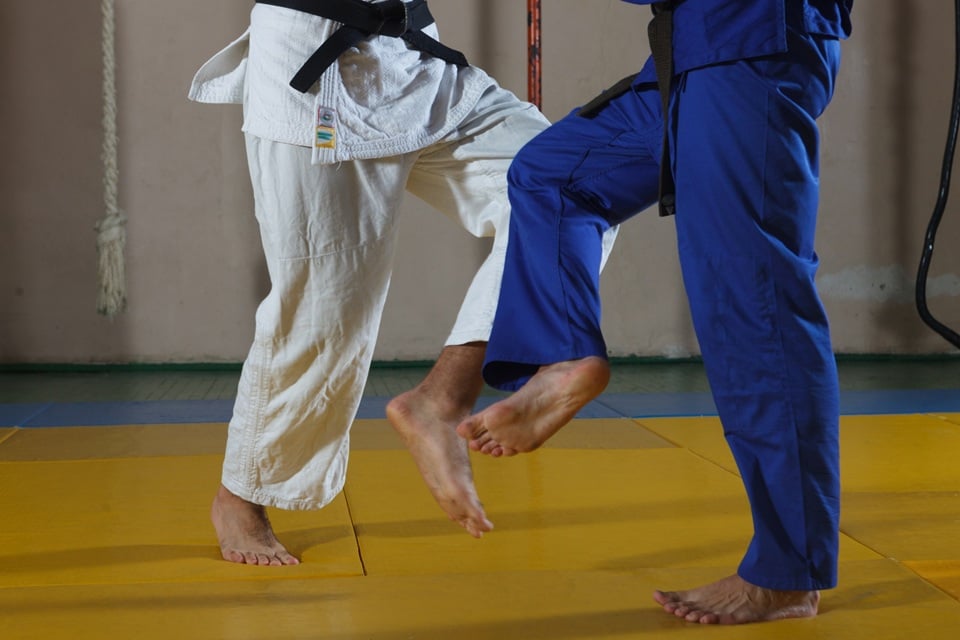
Judo does not define success as the destruction of the opponent. Its philosophy is grounded in the idea that both sides improve through interaction.
Victory is temporary. Growth is continuous.
- Mutual improvement through practice
- Respectful engagement instead of control
- Requirement for another person’s presence
The opponent is not an obstacle. They are a necessary partner in growth. This approach transforms conflict into education and competition into cooperation, even within struggle.
Connection to Japanese Cultural Values
The philosophy of judo is deeply aligned with broader Japanese cultural values; harmony(調和), moderation(節度), and relationship(関係性).
In judo, these three core values can be expressed as a balance between self and others, avoiding excess force or ego, and growth emerging through interaction. These values reflect Japanese philosophy, which often prioritizes balance, context, and continuity over absolute outcomes.
Judo does not separate mind, body, and society. It treats them as one system, shaped through repeated, respectful engagement. Through this lens, judo becomes more than a Japanese martial art.
It becomes a practical expression of how Japanese culture understands strength, learning, and human connection.
Why Safety and Continuity Matter in Judo
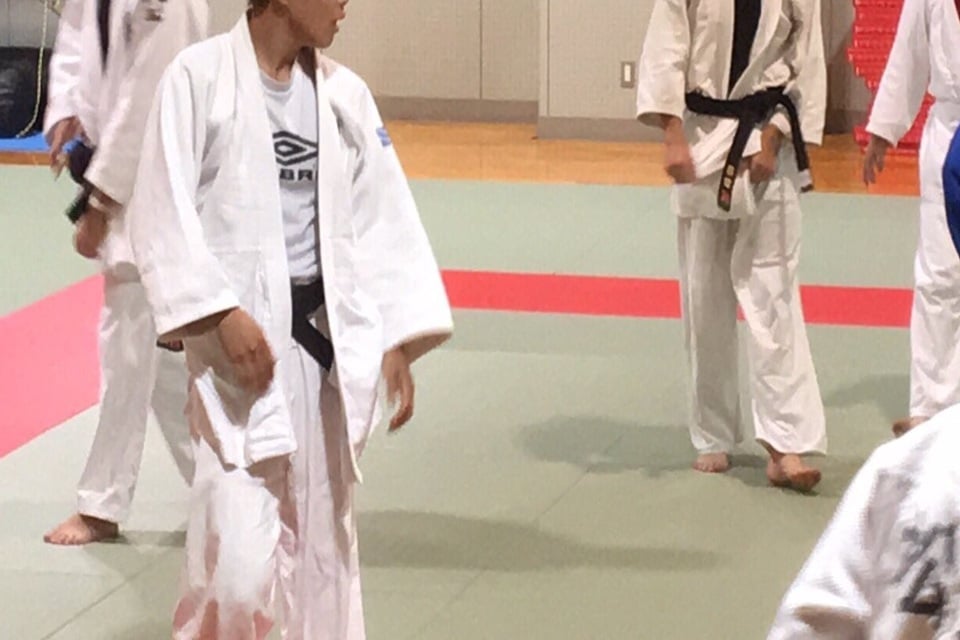
In judo, safety and continuity are not secondary considerations. They are theessential conditions that allow judo to exist as education rather than violence.
Judo was deliberately shaped to remain within society. It was designed to be taught in schools, practiced across generations, and sustained over time. This section focuses on the decisions that made judo a martial art that could continue, rather than disappear.
The Choice to Remove Lethal Techniques
One of the most defining decisions in judo was the clear choice not to take life. Traditional martial systems often included techniques intended to cause severe injury or death. Judo intentionally removed such techniques from its core structure.
This was not a technical compromise. It was a conscious decision to preserve martial practice within society.
If lethal techniques had remained, judo could not have been taught safely, nor accepted as education.
By prioritizing safety, judo became compatible with schools, communities, and long-term learning. Combat-oriented martial arts are primarily designed for survival and destruction, with effectiveness in extreme situations placed above all other considerations.
In contrast, judo was developed with a fundamentally different purpose:
education and human development.
In many combat-focused systems, the use of force is largely unrestricted, allowing techniques that prioritize immediate dominance or incapacitation. Judo, however, deliberately limits the use of force, emphasizing control, restraint, and responsibilityin every movement.
Because of these differences, combat-oriented martial arts often struggle to integrate into everyday society. Judo, by maintaining controlled practice and clear ethical boundaries, achieves a high level of social sustainability, making it suitable for schools, communities, and lifelong learning.
A Martial Art Designed to Continue
Judo was created as a structure that allows learning to continue throughout life.
Its purpose is not defined by short-term victory or physical dominance.
This continuity is supported by several key design choices.
- Systematic exclusion of high-risk techniques
- The skill of how to fall safely before learning how to throw
- Techniques designed for differences in age, strength, and experience
Because of this structure, judo can be practiced beyond youth and physical peak. Progress does not end with competition. Understanding deepens through years of practice. It is not something one completes. It is something one continues.
Education Made Possible by Safety
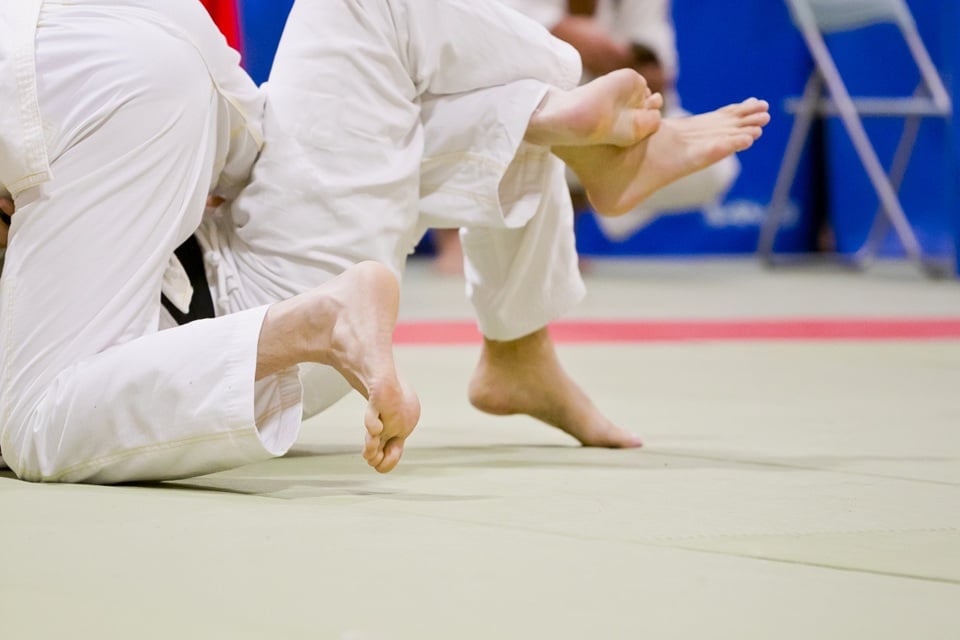
Judo could only function as educationbecause safety was secured first. Without safety, repetition is impossible. Without repetition, learning cannot exist.
Because safety is embedded in judo:
- Failure is treated as part of learning
- Practice can be repeated without fear
- Learning becomes cooperative rather than destructive
This approach reflects Japanese rationality and long-term thinking.
Immediate strength is less important than sustained growth.
Why Judo Survived After the War
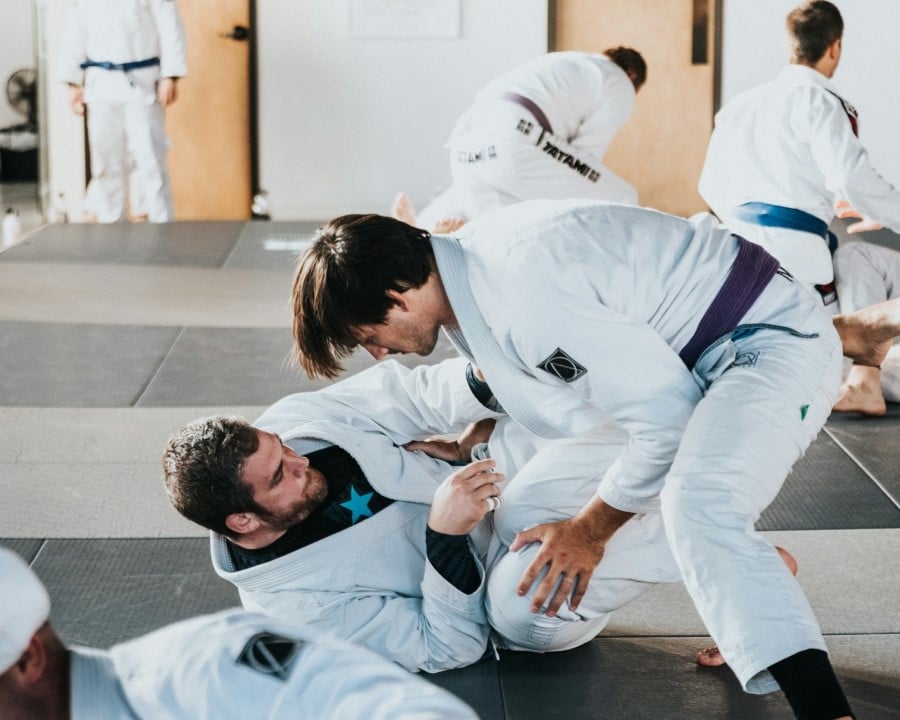
After World War II, martial arts in Japan were placed under strict scrutiny.
Many were judged to be closely tied to militarism and were either banned or discouraged.
Judo, however, was not entirely rejected. It remained present in schools and society.
The reason is clear. Judo was not treated as a tool for warfare.
More Than a Military Technique
Judo did not function as a combat system designed for the battlefield. Techniques intended to seriously injure or kill were institutionally excluded from its structure.
During the postwar occupation, practices were evaluated based on whether they promoted violence or military discipline. Judo did not meet those criteria.
It was recognized that:
- Judo was not built around lethal or battlefield-oriented techniques
- It did not train collective military behavior
- It could exist meaningfully in peacetime society
A Philosophy the World Could Share
Another reason judo survived was that it was not confined to a single national ideology. Its structure did not depend on enforcing a specific political or cultural worldview.
As Japan re-entered the international community, judo was not positioned as something to be erased from the past.
Instead, it was understood as a cultural practice that could be shared beyond national borders.
- It did not conflict easily with other value systems
- It did not impose culture through doctrine
- It could transition into international exchange and competition
This adaptability allowed judo to move outward rather than disappear.
Judo survived after the war because it was not a weapon of war, and because it could exist beyond Japan itself.
Judo as an Experience, Not an Explanation
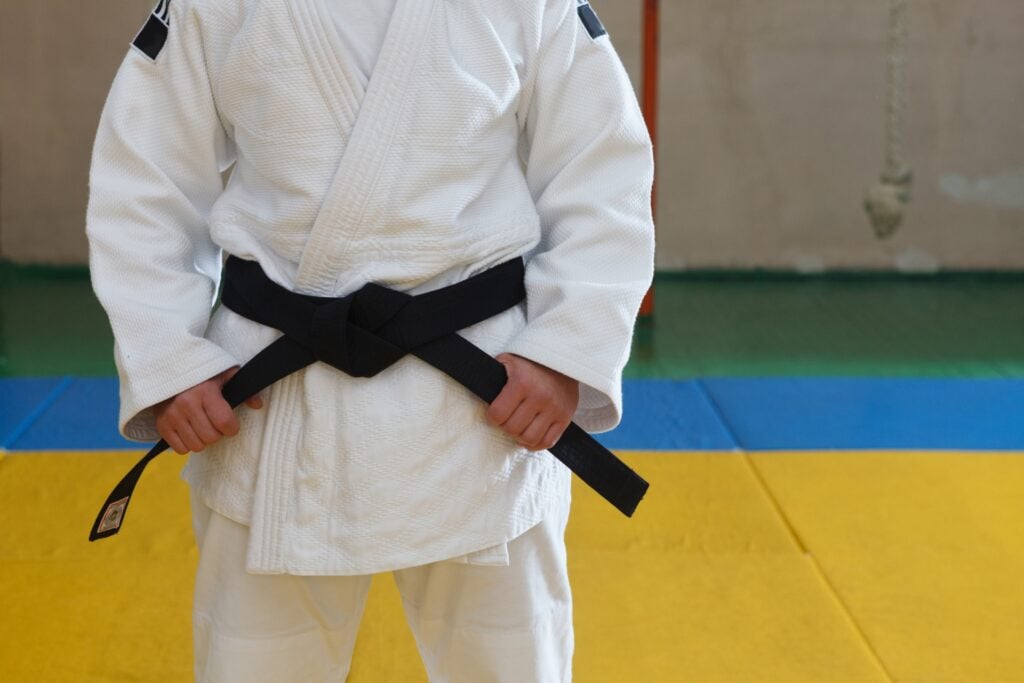
Judo cannot be fully understood through definitions or theory alone. In Japan, judo is not something to be “known,” but something to be felt through the body, rhythm, and silence of practice.
Even today, martial arts remain deeply rooted in daily life and education in Japan. They are taught not as performances, but as disciplines that shape posture, patience, and awareness over time.
Because of this, the deeper philosophy of judo becomes clear only through presence. By actually being in Japan, one begins to sense how this spiritual culture is lived, not explained.
Such understanding naturally leads toward high-value experiences grounded in thought, not spectacle.
This quiet depth is where judo reveals its true meaning.
・元プロボクサー 柔道有段者 アームレスリング選手
・元飲食店5店舗の代表取締役であり、飲食業界の総合コンサルタント、広告クリエイター
・独自の視点と挑戦を続ける姿勢で、SEOやWebマーケティングに関する記事を執筆しLPのコンバージョン率UP
・海外でのビジネス経験を持ち、国際的な視点からもアプローチ
・現在、山奥で狩猟生活|Web戦略・SEO・LP制作・チャットボット構築支援を行う
・生成AI×プロ編集でSEO記事制作を推進。勝てるキーワードから集客導線を設計。
・構成設計からHTML入稿、効果測定まで伴走。


