





Planning a family trip to Japan can feel overwhelming at first.
With so many destinations, attractions, and cultural experiences to choose from, it can be difficult to know how many days you need, where to go, and what will actually work for your children. This guide helps you plan a smoother family trip, from choosing the right itinerary to finding experiences the whole family can enjoy.
- How many days you need for a family trip to Japan and sample 7-, 10-, and 14-day itineraries
- The best places to visit in Japan with kids, from Tokyo and Kyoto to Nara and Hakone
- The best things to do with kids, including theme parks, interactive attractions, and hands-on Japanese cultural experiences
- What to consider when estimating the cost of a family trip to Japan, including accommodation, transportation, and attractions
- Practical advice on trains, strollers, luggage, accommodation, reservations, and traveling at a comfortable pace with children
Is Japan a Good Destination for Families with Kids?

Yes. Japan is an excellent destination for families, especially those looking for a combination of entertainment, food, nature, and cultural experiences.
Why Japan Works Well for Families
Japan’s extensive public transportation network makes it possible to explore most major destinations without renting a car. The Shinkansen also connects major stops such as Tokyo, Kyoto, Nagoya, and Osaka, making multi-city trips relatively straightforward.
Another advantage is variety. A single family trip can include Tokyo’s pop culture and digital attractions, Kyoto’s temples and traditional culture, Nara’s deer, Osaka’s theme parks, and a quieter stay surrounded by nature in Hakone.
Convenience stores, restaurants, public restrooms, and other useful facilities are also widely available in major destinations. This makes it easier to adjust plans when children need a snack, drink, rest, or change of pace.
Challenges to Keep in Mind
Japan is family-friendly, but traveling with children still requires planning.
Major stations can be enormous, elevators sometimes require detours, popular attractions become crowded, and sightseeing often involves more walking than families expect.
Hotel rooms can also be compact. Always check room capacity, bed arrangements, and children’s accommodation policies rather than assuming a standard room will work for a family of four.
How Many Days Do You Need in Japan with Kids?
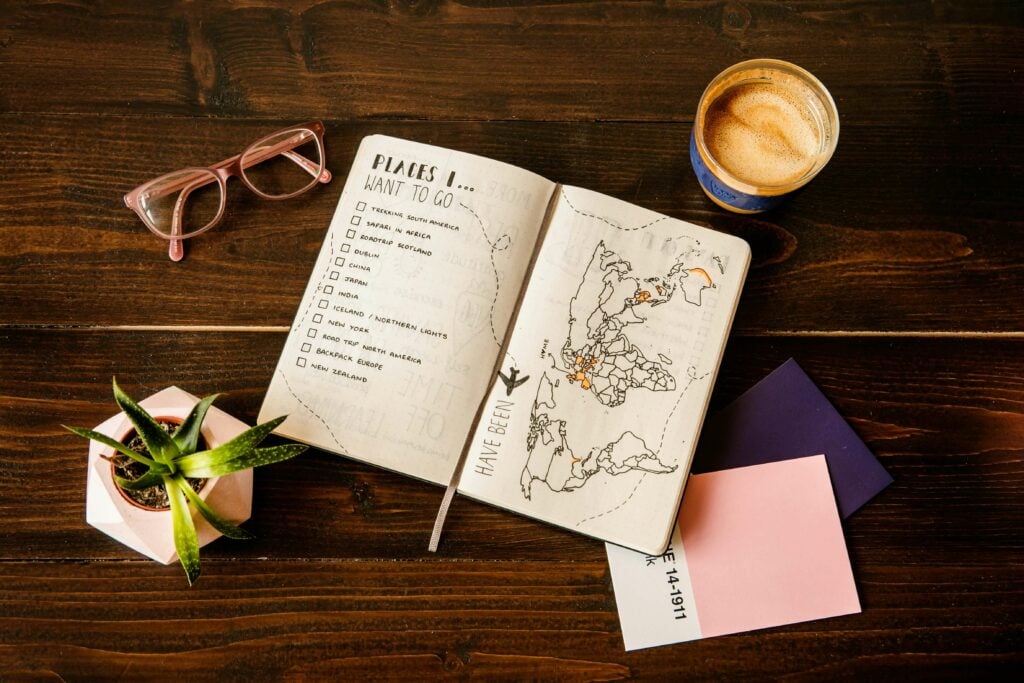
For most first-time families, 10 to 14 days is a practical length for a trip to Japan. If you only have 7 days, focus on Tokyo plus Kyoto or Osaka. With 10 days, you can comfortably add Hakone, while 14 days gives you more time for Nara or another regional destination.
| Trip length | Sample route | Best for |
|---|---|---|
| 7 days | Tokyo + Kyoto or Osaka | Families with limited time |
| 10 days | Tokyo + Hakone + Kyoto + Osaka | First-time visitors |
| 14 days | Tokyo + Hakone + Kyoto + Nara + Osaka + one additional area | Families who prefer a slower pace |
7-Day Japan Family Itinerary
With only one week, avoid trying to cover too many cities.
Spend three to four days in Tokyo and the remaining days in either Kyoto or Osaka. Tokyo offers the widest variety of entertainment, while Kyoto is stronger for traditional culture and Osaka works particularly well for families prioritizing Universal Studios Japan, food, and entertainment.
Keeping the trip to two main bases also reduces the time spent packing, checking out, navigating stations with luggage, and settling into new hotels.
10-Day Japan Family Itinerary
Ten days gives families enough time to experience Japan’s major cities while keeping travel days manageable. You can combine modern attractions, traditional culture, and a short escape from the city without changing hotels too frequently.
Days 1–4: Tokyo
Allow time for jet lag and combine major attractions with flexible neighborhood exploration.
Day 5: Hakone
Take a break from large cities with mountain scenery, a ryokan stay, or an onsen experience.
Days 6–8: Kyoto
Explore temples and traditional neighborhoods while adding a hands-on Japanese cultural experience.
Days 9–10: Osaka
Finish with food, an aquarium, shopping, or Universal Studios Japan.
This route introduces children to several sides of Japan without requiring the family to change accommodation every day or two.
14-Day Japan Family Itinerary
Two weeks gives families more flexibility.
After Tokyo, Hakone, Kyoto, Nara, and Osaka, consider adding Hiroshima and Miyajima for history and scenery, Nagano for mountains and snow activities, or another regional destination based on the season and your children’s interests.
The additional days are also useful for turning some day trips into overnight stays rather than simply adding more attractions.
Want to add a private cultural experience to your family itinerary? Explore family-friendly Japanese cultural experiences from MOTENAS JAPAN.
Best Places to Visit in Japan with Kids
The best places to visit in Japan with kids depend on their ages and interests. For a first trip, Tokyo, Kyoto, Osaka, Nara, and Hakone offer a particularly useful balance of entertainment, culture, food, and nature.
Tokyo – Best for Entertainment and Pop Culture
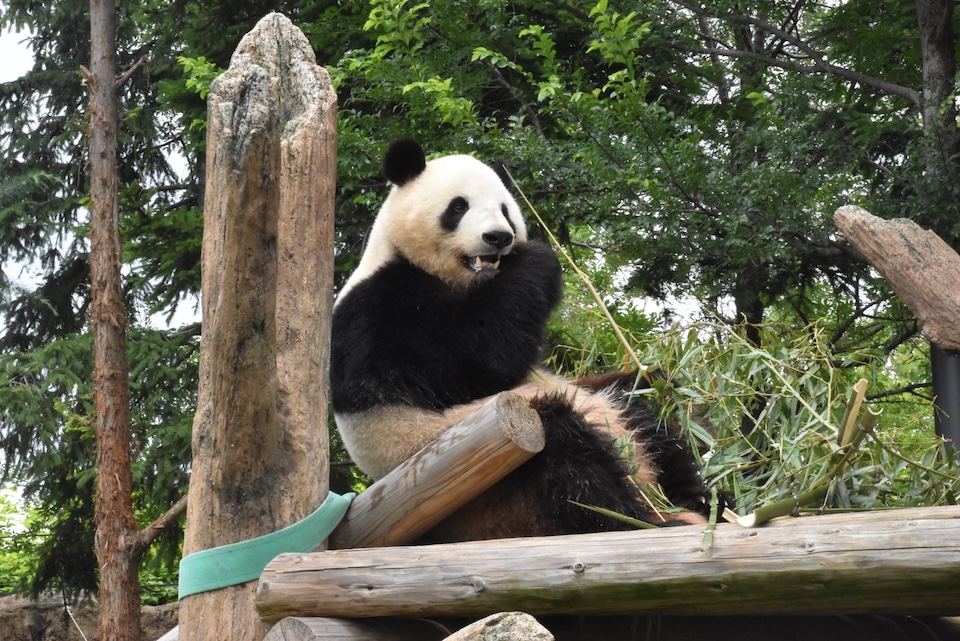
Tokyo offers one of the broadest selections of family activities in Japan.
Families can visit Tokyo Disney Resort, experience digital art at teamLab, explore Pokémon and character stores, discover anime and gaming culture, or choose from numerous museums, parks, zoos, and aquariums.
Not every activity has to be expensive. Ueno Zoo, for example, charges ¥600 for adults under its standard admission rate and is normally open from 9:30 a.m. to 5:00 p.m., with admission ending one hour before closing.
For an indoor option, Sumida Aquarium at Tokyo Skytree Town charges ¥2,700 for adults, ¥2,000 for high school students, ¥1,400 for elementary and junior-high students, and ¥900 for children aged three and over. These rates have applied since February 10, 2026.
Rather than crossing Tokyo several times in one day, group attractions by area. Ueno Zoo, for example, can be combined with Ueno Park and nearby museums, while Sumida Aquarium can fit into a day around Tokyo Skytree and Asakusa.
Kyoto – Best for Japanese Culture
Kyoto gives families a very different experience from Tokyo.
Walk through the torii gates at Fushimi Inari, explore Arashiyama and historic neighborhoods, or introduce children to Japanese culture through tea ceremony, calligraphy, kimono, traditional crafts, or cooking.
For younger children, mixing temples and shrines with interactive activities can help prevent sightseeing fatigue. Rather than scheduling several temples consecutively, consider combining one major cultural site with a workshop or time outdoors.
Osaka – Best for Theme Parks and Food
Osaka is particularly attractive to families because of Universal Studios Japan and Osaka Aquarium Kaiyukan.
Its casual food culture also makes exploring Japanese cuisine approachable for children. Dishes such as takoyaki and okonomiyaki can turn a meal into part of the sightseeing experience.
Because Osaka and Kyoto are close, families do not necessarily need to change hotels to experience both cities.
Nara – Best for an Easy Family Day Trip
Nara works particularly well as a day trip from Kyoto or Osaka.
The deer in Nara Park are usually the main attraction for children, while nearby temples give families an opportunity to add history and culture without planning an entire museum day.
Parents should supervise young children around the deer and follow local guidance when feeding or interacting with them.
Hakone and Mt. Fuji – Best for Nature and Relaxation
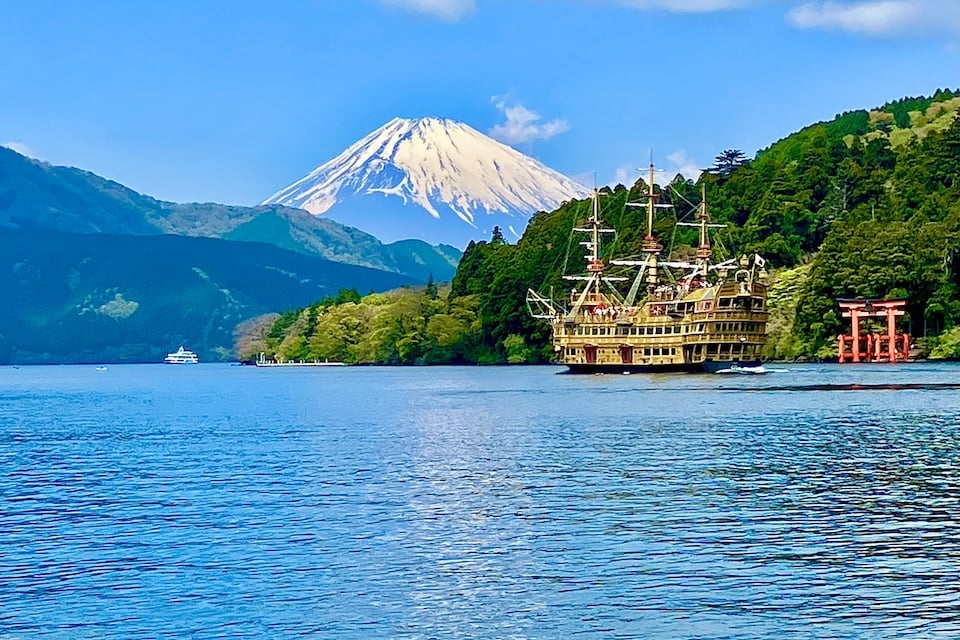
Hakone provides a useful change of pace between Tokyo and Kyoto.
Mountain scenery, boats, ropeways, hot springs, and ryokan stays introduce another side of Japan while giving families a break from dense urban sightseeing.
If seeing Mt. Fuji is a priority, keep in mind that visibility depends on weather conditions and cannot be guaranteed.
Beyond the Golden Route
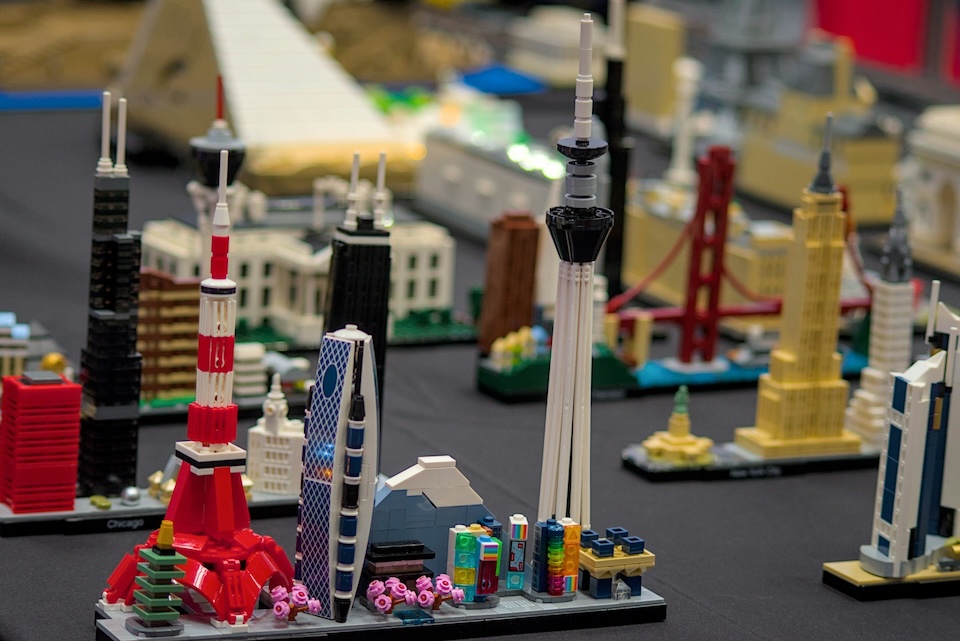
Families with more time can consider Nikko, Kamakura, Nagano, Hokkaido, Fukuoka, Takayama, Kanazawa, Nagoya, or Himeji.
For families interested in history, Himeji Castle is particularly notable because its admission policy changed in March 2026. General admission is ¥2,500 for visitors aged 18 and over, while visitors under 18 can enter free.
Nagoya can combine history with child-focused entertainment. Nagoya Castle currently costs ¥500 for adults and is free for junior-high-school students and younger. However, the adult admission fee will increase to ¥1,000 from October 1, 2026, so families traveling after September should budget for the new price.
For younger theme-park fans, LEGOLAND Japan is another option in Nagoya. Online 1-Day Passes currently start at ¥4,900 for adults aged 19 and over and ¥3,700 for children aged 3–18, with prices varying by date.
These destinations do not all need to appear in one itinerary. Choose additional stops according to the season, your children’s interests, and how much travel your family is comfortable with.
Best Things to Do in Japan with Kids
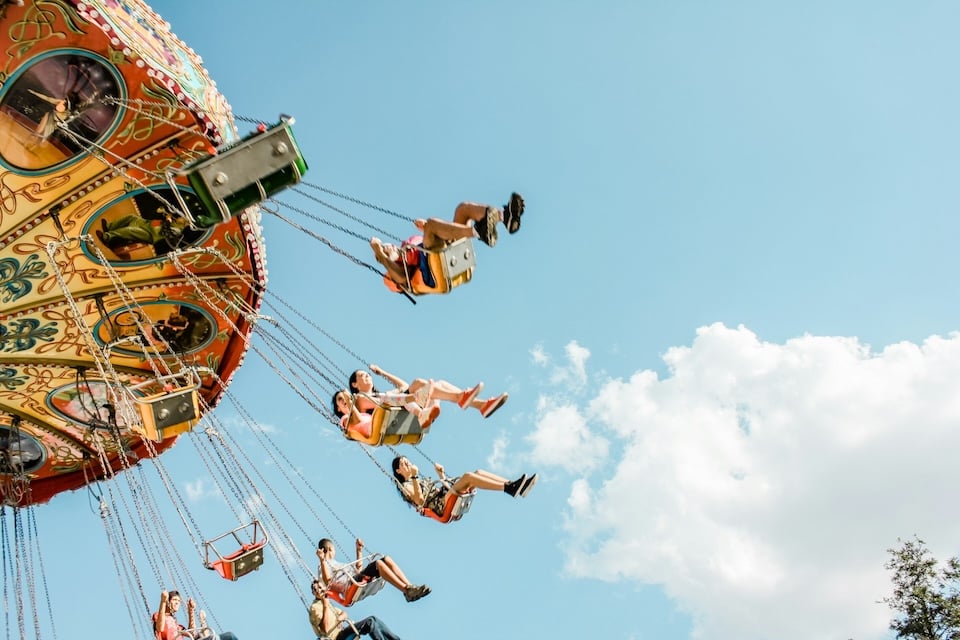
Japan’s biggest strength as a family destination is the variety of experiences available. A good itinerary can combine activities children already know they will enjoy with experiences they could only have in Japan.
Theme Parks and Pop Culture
Tokyo Disney Resort and Universal Studios Japan are obvious choices for theme-park fans, while Pokémon, Nintendo, anime, manga, and gaming can turn shopping districts into attractions in their own right.
Ghibli-related attractions can also be highlights for families already familiar with Studio Ghibli films.
Some of these attractions use date-specific tickets, timed admission, or other reservation systems. Check the official website for the attraction your family considers a must-do before fixing the rest of that day’s schedule.
Nature and Interactive Attractions
Not every family day needs to revolve around a theme park.
Children can encounter deer in Nara, visit aquariums, experience interactive digital art, explore parks and gardens, or enjoy seasonal activities such as skiing and playing in the snow.
These activities can be especially useful between days dominated by temples, museums, shopping, or long periods of walking.
Hands-On Japanese Cultural Experiences for Families
One of the most memorable ways to introduce children to Japan is to let them participate in Japanese culture rather than simply observe it.
A tea ceremony can introduce Japanese hospitality, sweets, utensils, and etiquette. However, longer or highly formal programs may be challenging for very young children, so the format and duration matter.
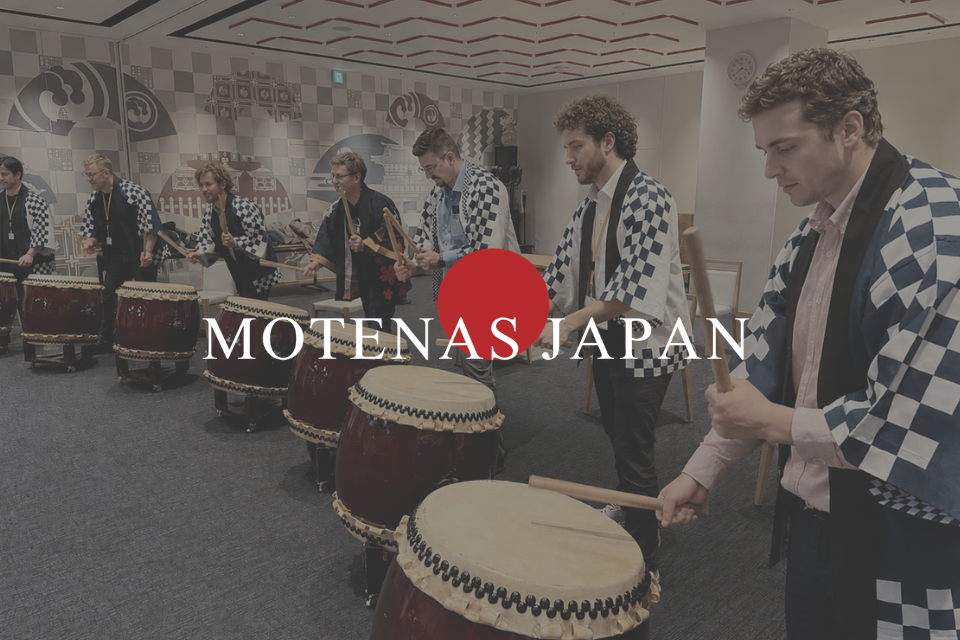
Taiko drumming offers a more physical option. Children can listen, move, and make sound themselves, making it suitable for families looking for something more active.
Calligraphy and traditional crafts allow children to create something themselves and can make Japanese aesthetics and craftsmanship easier to understand.
Families interested in food can consider Japanese cooking or sushi-making experiences, turning a meal into something parents and children prepare together.
Kimono and other traditional arts may also work well depending on your children’s interests.
- Recommended age
- Duration
- Activity level
- How much children participate
- Language support
- Whether the experience can be adapted for the family
A private experience can be particularly useful when a family wants the activity to fit its children’s ages, interests, and existing travel schedule rather than joining a fixed program designed for a general audience.
Looking for a family-friendly cultural experience in Japan? MOTENAS JAPAN can arrange private Japanese cultural experiences tailored to your children’s ages, interests, and your family’s schedule.
How Much Does a Family Trip to Japan Cost?

The cost of a family trip to Japan varies significantly depending on accommodation, season, transportation, dining, and the number of paid attractions.
Rather than relying on one fixed “family of four” total, estimate your trip by category.
| Category | What affects the budget |
|---|---|
| Accommodation | City, season, room size and number of rooms |
| Food | Casual meals vs. specialty or higher-end restaurants |
| Transportation | Number of cities, Shinkansen journeys and taxis |
| Activities | Theme parks, museums and private experiences |
| Extras | Luggage forwarding, shopping, SIM/eSIM and souvenirs |
【HIGHLIGHT BOX】
Quick Cost Example for a Family of Four: A regular-season reserved Nozomi trip from Tokyo to Shin-Osaka costs ¥44,140 one way for two adults and two fare-paying children. Attraction costs vary widely: Ueno Zoo costs ¥600 per adult, while LEGOLAND Japan 1-Day Passes start from ¥4,900 per adult and ¥3,700 per child aged 3–18.
Attraction costs demonstrate how widely a family’s daily spending can vary. Sumida Aquarium, for example, costs ¥2,700 for an adult and ¥1,400 for an elementary or junior-high student.
Accommodation can create an even larger difference, particularly because some Japanese hotel rooms do not accommodate four people. Always check whether your family can stay in one room or will need two.
Transportation also becomes a major expense when traveling between several cities. Compare your actual rail journeys rather than assuming a rail pass will automatically save money.
A useful way to control the overall budget is to mix expensive days—such as theme parks or private experiences—with lower-cost sightseeing days involving parks, neighborhoods, shrines, and public attractions.
What Is the Best Time of Year to Visit Japan with Kids?
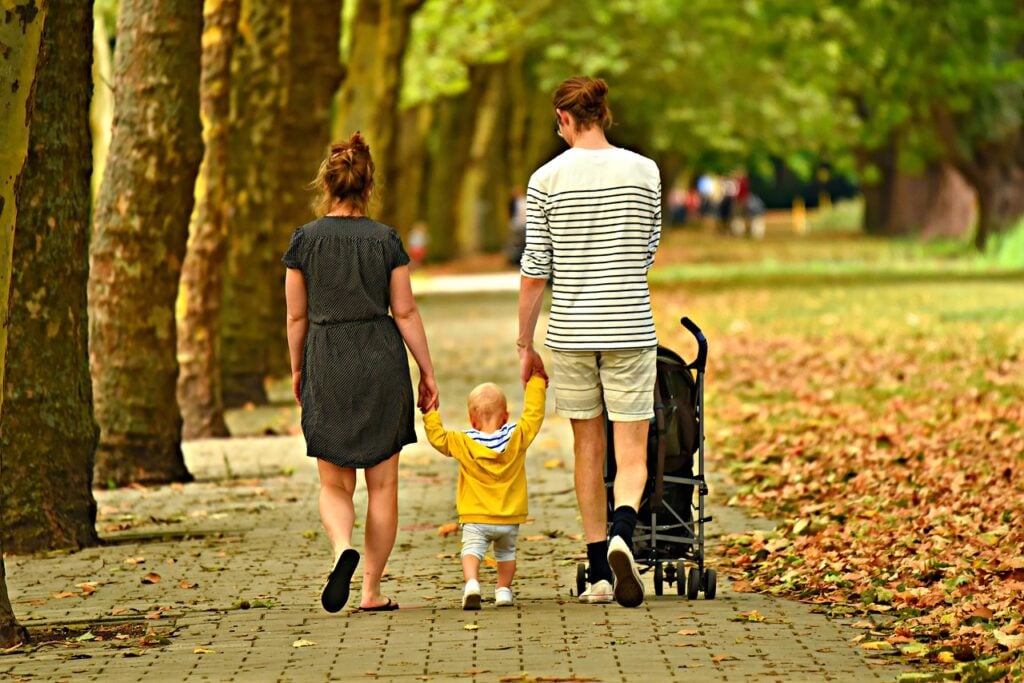
There is no single best season for every family, but spring and autumn generally provide the most comfortable conditions for sightseeing with children.
| Season | Advantages | Things to consider |
|---|---|---|
| Spring | Mild weather, cherry blossoms | Popular periods can be crowded |
| Summer | Festivals, fireworks, school holidays | Heat and humidity |
| Autumn | Comfortable weather, autumn colors | Popular foliage areas can be busy |
| Winter | Snow and winter activities | Cold weather and shorter daylight |
Spring is attractive for outdoor sightseeing, although cherry-blossom season can bring larger crowds and greater accommodation demand.
Summer offers festivals and fireworks but can be hot and humid, particularly in Tokyo, Kyoto, and Osaka. June also overlaps with the rainy season in much of Japan.
Autumn is another strong option for walking and outdoor sightseeing. Winter is particularly attractive for families interested in skiing, snow, Hokkaido, or Nagano.
The best season therefore depends less on finding a universally “perfect” month and more on matching the weather and seasonal activities to what your family wants to do.
How to Get Around Japan with Kids
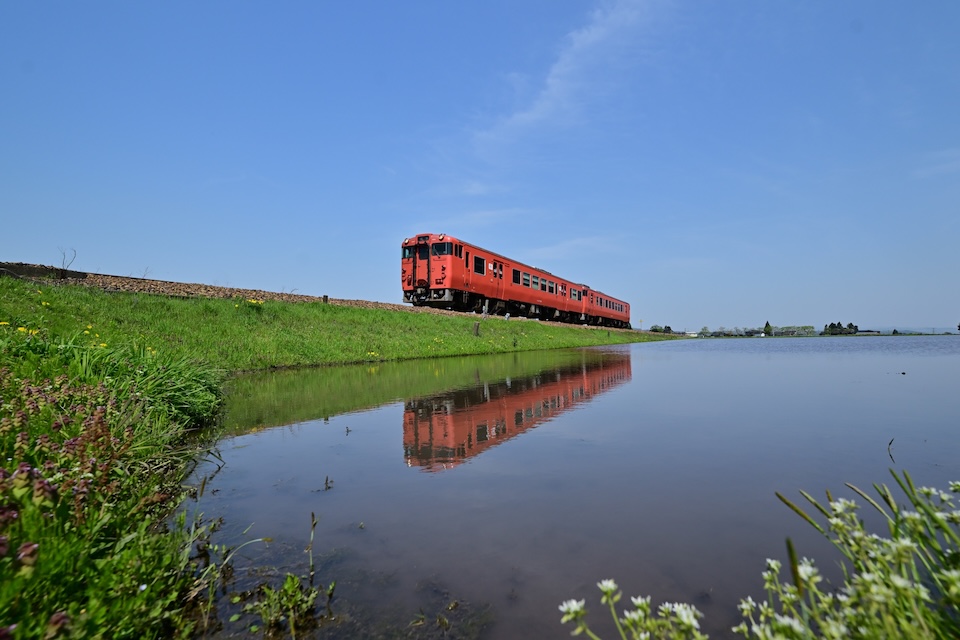
Public transportation is usually the easiest way for families to travel between Japan’s major destinations.
Trains, Shinkansen and IC Cards
Local trains and subways cover most major sightseeing areas, while IC cards reduce the need to buy a separate ticket for every short journey.
For longer distances, the Shinkansen makes routes such as Tokyo–Kyoto–Osaka relatively straightforward.
JR’s standard rules generally classify children aged 6–11 as “children,” with basic fares, limited-express charges, and reserved-seat charges normally calculated at half the adult amount. Rules for younger children depend on factors such as whether they occupy their own reserved seat, so check the relevant operator’s conditions before booking.
For a concrete example of how transportation affects a family budget, a regular-season reserved Nozomi seat from Tokyo to Shin-Osaka is ¥14,720 for an adult and ¥7,350 for a child under the applicable child fare. For two adults and two fare-paying children, that works out to ¥44,140 one way.
This is why the number of long-distance journeys can have a substantial effect on the overall cost of a family trip.

Strollers and Luggage
A lightweight, compact stroller is generally easier to manage than a large one.
Many stations have elevators, but reaching them can require a longer route. Avoiding rush hour can also make journeys considerably easier when traveling with children, a stroller, and luggage.
Luggage forwarding is useful on multi-city trips because larger suitcases can be sent between hotels instead of being carried through stations and onto trains.
For Shinkansen travel, also check baggage requirements in advance if you are carrying unusually large suitcases.
Practical Tips for Traveling to Japan with Kids
A smooth family trip often depends less on adding more attractions and more on reducing unnecessary friction.
Choose Family-Friendly Accommodation
Check the actual room size, number and width of beds, children’s occupancy policy, and whether a crib is available if needed.
Staying near a well-connected station can also reduce walking at the beginning and end of each day.
If you plan to stay at a ryokan, check meal arrangements, bathing facilities, bedding, and children’s policies before booking.
Build Recovery Time Into Each Day
Instead of scheduling attractions continuously from morning until evening, leave room for lunch, transportation delays, hotel breaks, and spontaneous stops.
This is particularly useful in Tokyo, where transferring through a large station can add significantly more walking and time than a route may appear to require on a map.
For younger children, returning to the hotel for a break may sometimes be more valuable than adding another attraction.
Check Reservation Windows Before Planning the Rest of the Day
Reservation systems vary considerably between attractions.
Some use date-specific tickets, timed admission, advance sales, or other restrictions. Identify your family’s highest-priority activities first and check their booking system before arranging flexible sightseeing around them.
This reduces the risk of building an entire day’s itinerary around an attraction only to discover that tickets are unavailable.
Prepare for Food Allergies and Dietary Restrictions
Families with serious food allergies or dietary restrictions should research suitable restaurants in advance and consider preparing a clear written explanation in Japanese.
Convenience stores and supermarkets can also be useful for drinks, snacks, breakfast, and simple meals when children need something quickly.
FAQs About Family Trips to Japan
- Is Japan stroller-friendly?
-
Major cities are generally manageable with a stroller, but crowds, stairs, large stations, and some traditional sites can make a large stroller inconvenient. A compact stroller or baby carrier can make travel easier.
- What is the best age to take kids to Japan?
-
There is no perfect age. School-age children can often manage longer walking days and participate in a wider range of cultural experiences, while toddlers and teenagers can also enjoy Japan when the itinerary is adapted to their pace and interests.
- Do children get discounted train fares in Japan?
-
Yes. Children generally qualify for discounted JR fares, although the exact conditions depend on age, ticket type, seating, and operator. Check the rules for the trains you plan to use rather than applying one rule to every transport service.
- Is Tokyo or Osaka better for kids?
-
Tokyo offers greater variety, including Disney, museums, digital attractions, anime, gaming, and character experiences.
Osaka is more compact and particularly attractive for Universal Studios Japan, the aquarium, and food.
For a 10- to 14-day first trip, families can comfortably include both rather than choosing only one.
Make Your Family Trip to Japan More Memorable with MOTENAS JAPAN
A family trip to Japan can be more than visiting famous landmarks and theme parks.
Sharing a cultural experience gives children and adults the opportunity to discover Japan together. Preparing Japanese food, trying a traditional art, learning from an artisan, or participating in a cultural practice can become one of the moments your family remembers long after the trip ends.
MOTENAS JAPAN creates private Japanese cultural experiences for international guests. Experiences can be planned around your family’s interests, schedule, and children’s ages rather than offering the same program to every visitor.
Whether your family is interested in Japanese food, traditional arts, crafts, or another aspect of Japanese culture, MOTENAS JAPAN can help you find an experience that fits naturally into your itinerary.
旅をこよなく愛するWebライター。アジアを中心に16の国にお邪魔しました(今後も更新予定)。
ワーホリを機にニュージーランドに数年滞在。帰国後は日本の魅力にとりつかれ、各地のホテルで勤務。
日本滞在が、より豊かで思い出深いものになるように、旅好きならではの視点で心を込めてお届けします!

