






White Day on March 14 is a uniquely Japanese tradition that extends far beyond romance. For international executives and senior professionals, it is a cultural moment where discretion, balance, and awareness matter.
This guide explains White Day in Japan from an executive perspective — covering gift etiquette, luxury selections, and refined Tokyo dining options for a sophisticated celebration.
What Is White Day? — The Japanese Gift Culture Every Executive Should Know

White Day, celebrated annually on March 14, is a uniquely Japanese response to Valentine’s Day. While Valentine’s Day in Japan traditionally involves women giving gifts, White Day reverses the roles, with men offering return gifts. For international executives, this custom may appear symbolic or optional, but in reality, it reflects deeper cultural values tied to balance, obligation, and social harmony.
Understanding White Day is not about following a romantic trend; it is about navigating expectations in a society where small gestures can carry lasting meaning.
The Origin of White Day in Japan
White Day originated in Japan in the late 1970s, initially promoted by confectionery companies as a counterpart to Valentine’s Day. Over time, it evolved beyond marketing into an established social custom. Today, it is widely recognized across personal, professional, and even semi-formal relationships.
Why White Day Matters Beyond Romance
For executives and senior professionals, White Day extends beyond romantic partners. It represents acknowledgment, reciprocity, and consideration — values deeply embedded in Japanese culture. Ignoring White Day entirely may be interpreted not as a mistake, but as a lack of awareness.
Common Misunderstandings Among International Professionals
Many international professionals assume White Day is optional or purely personal. Others believe that matching the Valentine’s Day gift exactly is expected. In reality, context matters more than equivalence, and misunderstanding this balance is where missteps often occur.
Who Should You Give Gifts To? — Partner, Assistant, and Team Members

One of the most important aspects of White Day is understanding who should receive a gift and how that relationship defines expectations.
Gifts for Your Partner: Expectations and Boundaries
For romantic partners, White Day gifts are expected to show thoughtfulness rather than extravagance alone. While luxury is appreciated, overly conspicuous gifts can sometimes feel disproportionate. The goal is to demonstrate consideration, not display status.
Gifts for Your Assistant or Secretary: Professional Etiquette
Gifts for assistants or secretaries should remain clearly professional. Appropriate price ranges, tasteful presentation, and neutral items such as high-quality sweets or refined accessories are preferred. Personal or intimate gifts should be avoided entirely.
Gifts for Team Members or Colleagues
For teams, consistency matters more than individuality. Group gifts or standardized items help maintain fairness and avoid unintended favoritism. White Day in this context, is about maintaining harmony rather than making a statement.
The Meaning Behind White Day Gifts — How to Choose Without Making Mistakes

White Day gifting in Japan emphasizes intention, balance, and appropriateness over raw monetary value.
Why Price Alone Does Not Define a Good Gift
An expensive gift does not automatically convey respect. In some cases, it may even create discomfort. Japanese gifting culture values proportionality — the relationship, context, and timing are as important as the price itself.
What Not to Give on White Day in Japan
Avoid overly romantic, personal, or symbolic gifts in professional settings. Subtlety and balance are always preferred.
- Personal items such as perfume, jewelry, watches, or clothing, which may imply intimacy.
- Romantic symbols, including flowers, heart-shaped items, or love messages.
- Disproportionately expensive gifts that may create pressure rather than appreciation.
- Religious or spiritual objects, which can conflict with personal beliefs.
- Cash, gift cards, or novelty items, as they feel transactional or unprofessional.
- Unfamiliar international brands without clear context or cultural relevance.
When in doubt, a refined, neutral gift with thoughtful presentation is the safest and most appropriate choice.
Luxury White Day Gift Guide — ¥30,000 to ¥100,000 Selections
For executives seeking to express appreciation at a higher level, White Day also offers space for refined luxury — when chosen carefully. In executive settings, the value of a gift should feel intentional, balanced, and appropriate to the relationship.
High-End Sweets and Chocolates with Cultural Value
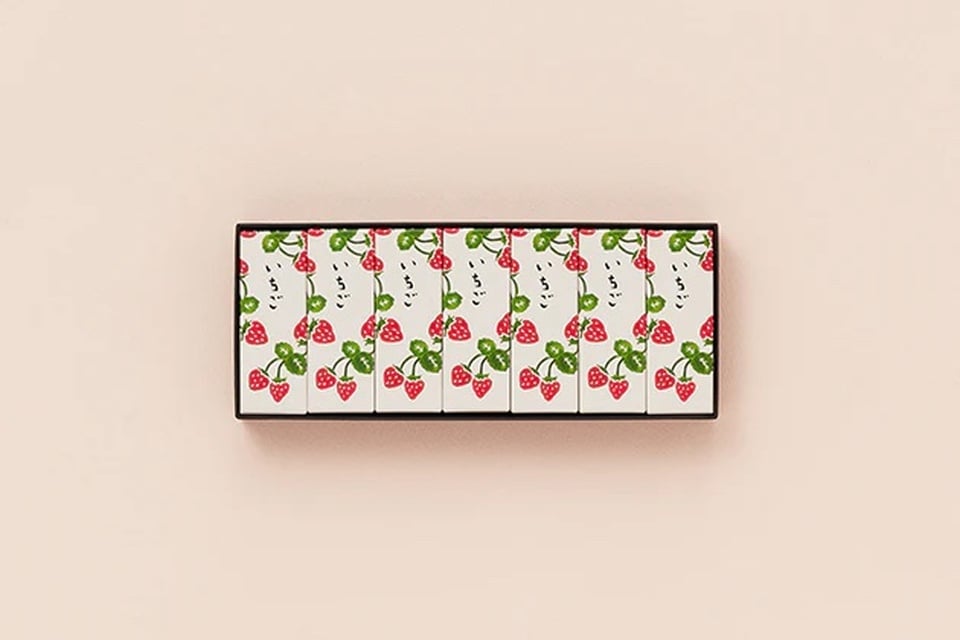
Typical price range: ¥30,000–¥50,000
For executive-level White Day gifting in Tokyo, the safest and most refined choices are department store exclusives and established Japanese confectioners.
Seasonal White Day selections from stores such as Isetan, featuring brands like Pierre Hermé Paris or Jean-Paul Hévin, are widely trusted and require no explanation.
High-end assortments from traditional makers such as Toraya, presented in elegant seasonal packaging, convey cultural literacy and refinement.
Limited seasonal sets from luxury Tokyo patisseries, available exclusively around March, offer a sense of exclusivity without appearing excessive.
These gifts balance quality, seasonality, and discretion, making them particularly suitable for executives who wish to show appreciation while respecting Japanese cultural expectations.
Non-Edible Luxury Gifts for a Lasting Impression
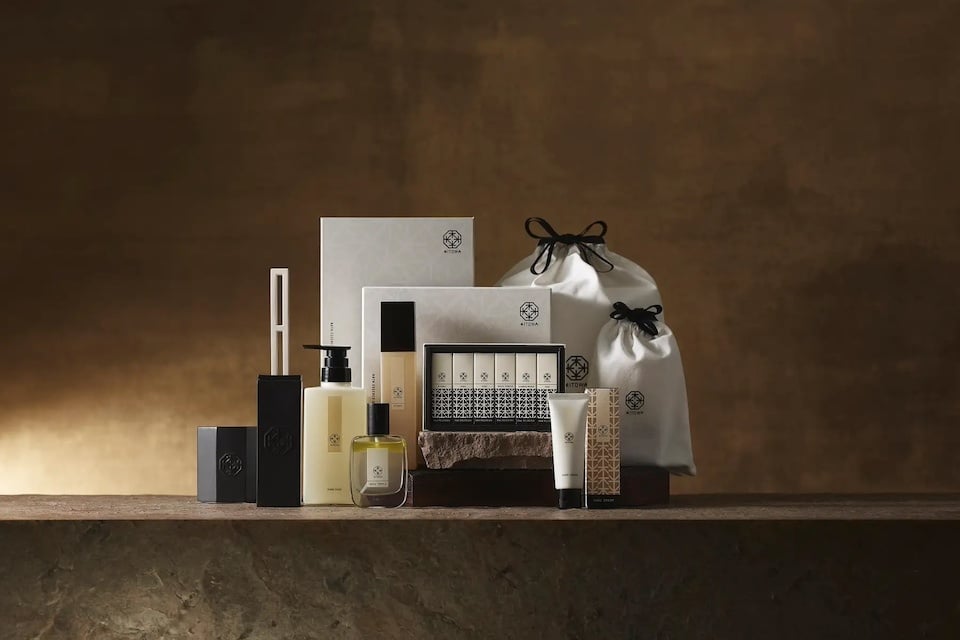
Typical price range: ¥50,000–¥100,000
For executive-level White Day gifting, non-edible items are best chosen for daily usability, refined design, and cultural neutrality.
Ceremonial-grade teas and elegant teaware from houses such as Ippodo Tea or premium selections curated at Nihombashi Mitsukoshi offer a balance of tradition and everyday luxury.
Limited seasonal sets from luxury Tokyo patisseries, available exclusively around March, offer a sense of exclusivity without appearing excessive.
Refined objects such as handcrafted chopstick sets, lacquered trays, or minimalist sake cups from specialty boutiques in Ginza or Nihombashi convey craftsmanship without personal overtones.
High-end room fragrances or diffusers from brands such as KITOWA provide a subtle sensory experience while avoiding the intimacy of personal perfume.
At this level, quality, design, and restraint matter most. The ideal gift feels intentional and culturally informed — never excessive, never attention-seeking.
Where Executives Buy White Day Gifts in Japan
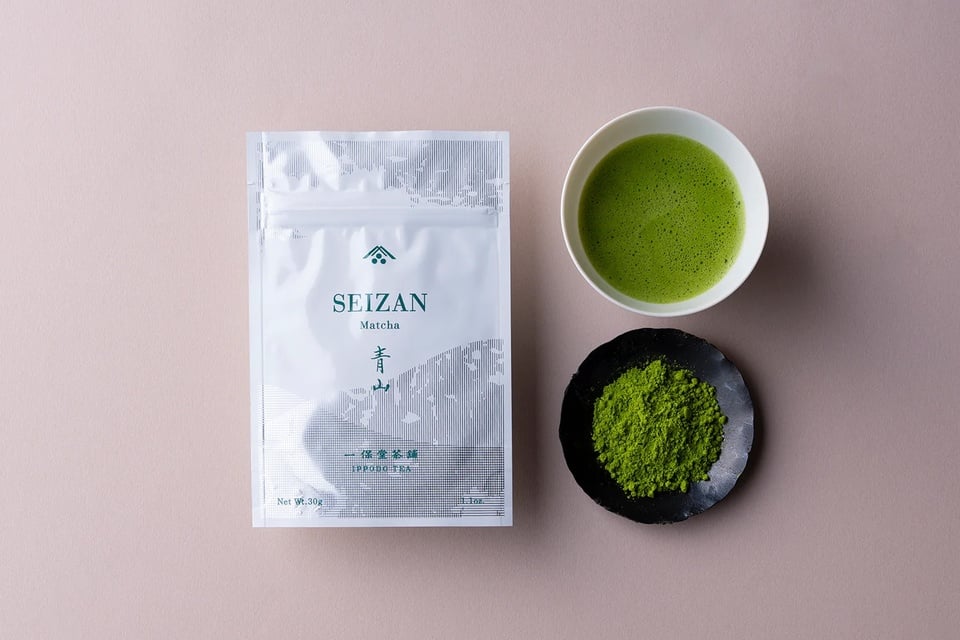
Expected budget range: ¥30,000–¥100,000
For executive-level White Day gifting, reliability, presentation, and cultural context matter as much as the gift itself. Preferred sources in Tokyo include the following.
Flagship stores such as Isetan Shinjuku, Nihombashi Mitsukoshi, and Takashimaya Nihombashi offer curated White Day selections, refined gift wrapping, and English-friendly service. These are the safest and most widely trusted options.
Artisan boutiques in areas like Ginza and Nihombashi specialize in limited-edition wagashi, leather goods, fragrances, and tableware. These stores are ideal for executives seeking culturally distinctive gifts that feel personal without being intimate.
Ceremonial-grade teas and elegant teaware from houses such as Ippodo Tea or premium selections curated at Nihombashi Mitsukoshi offer a balance of tradition and everyday luxury.
Luxury hotels, private boutiques, and concierge platforms provide advance reservations, bespoke gift curation, and discreet delivery. This option is particularly suited to busy executives who value efficiency, privacy, and flawless presentation.
These purchasing channels ensure not only product quality, but also the level of service and discretion expected in executive gifting.
Best Tokyo Restaurants for a White Day Date
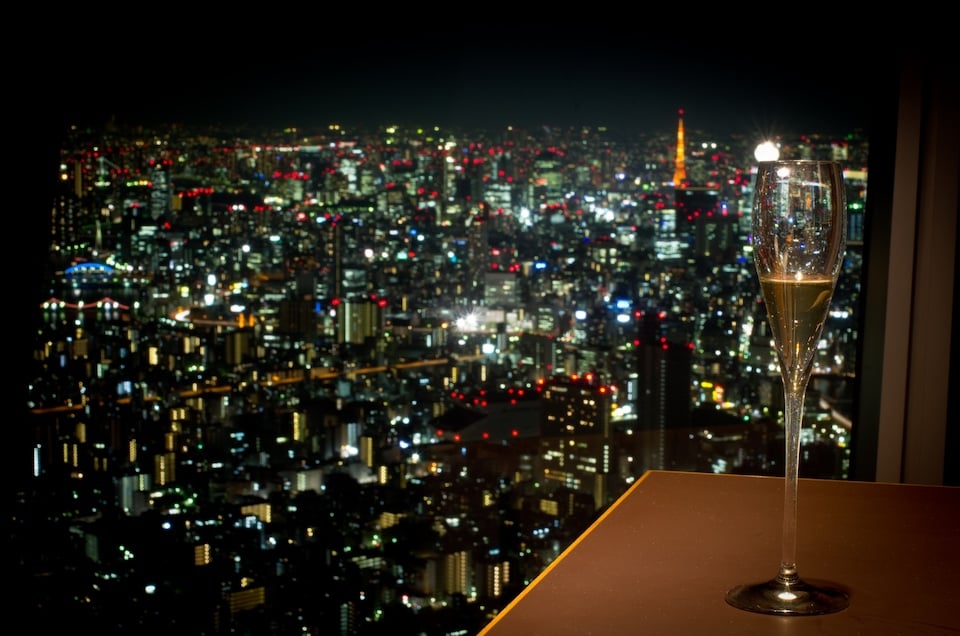
For partners, White Day often culminates in a shared experience rather than an exchange of objects. Choosing the right restaurant can turn this occasion into a memorable, culturally rich evening — especially for executives who value privacy, service, and an elegant atmosphere.
What Makes a Restaurant Suitable for White Day
Privacy, service quality, and atmosphere matter more than trendiness. Quiet spaces, attentive staff, and refined pacing are essential for a White Day setting. For executives, venues with private dining options, wine pairings, and world-class service elevate the experience beyond a standard dinner.
Fine Dining and Hotel Restaurants for Executives
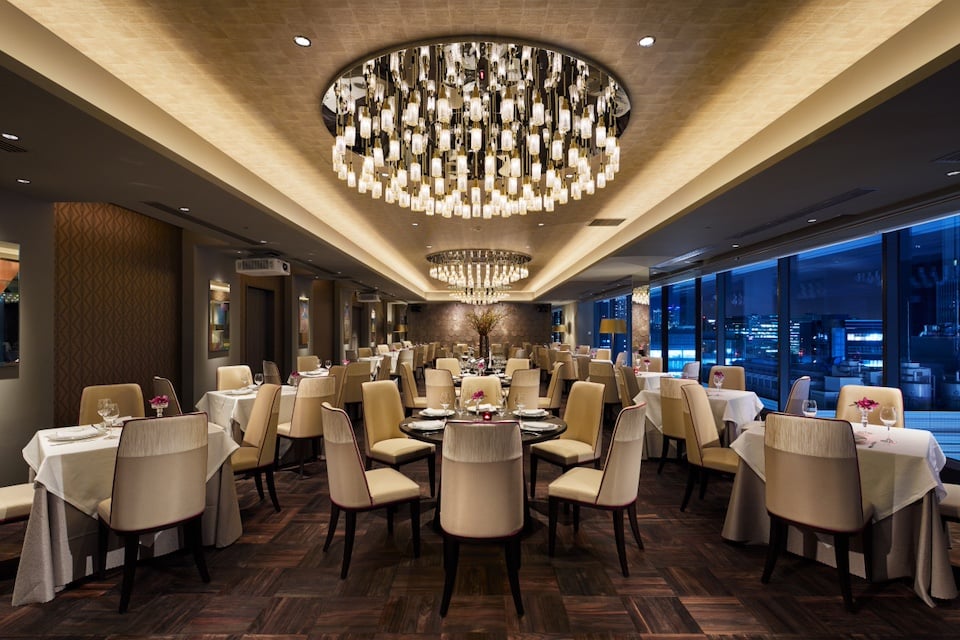
Here are refined dinner recommendations in Tokyo that pair exceptional cuisine with service and atmosphere suited for a memorable White Day celebration.
Signature (French Fine Dining — Mandarin Oriental Tokyo)
At Signature, the French fine-dining restaurant inside the Mandarin Oriental Tokyo, guests are welcomed into an elegant space where panoramic city views frame a beautifully orchestrated multi-course experience. Seasonal ingredients are transformed through classic French techniques with modern refinement, and each dish is presented with meticulous plating and thoughtfully paired wines that enhance the narrative of the cuisine.
The combination of culinary artistry, attentive service, and sweeping skyline views makes it an ideal setting for a sophisticated and romantic White Day evening.
- Price: Approx. ¥25,000–¥45,000 per person (dinner course with wine pairing; varies by seasonal menu)
- Dress Code: Smart casual or casual elegance; a jacket or collared shirt is recommended for gentlemen; overly casual attire should be avoided
Teppanyaki “Takumi” (Hotel InterContinental Tokyo Bay — Teppanyaki)
For those who prefer an interactive and intimate dining experience, Teppanyaki Takumi at Hotel InterContinental Tokyo Bay offers a refined yet dynamic setting. Seated at the counter, guests watch as the chef prepares premium seasonal ingredients tableside — from delicately grilled seafood to expertly seared Wagyu beef.
The chef’s live performance and personalized service create a memorable, high-end experience well suited for an executive White Day dinner.
- Price: Approx. ¥35,000–¥120,000+ per person (premium tasting menus and champagne pairings at the higher end; special occasion courses may feature abalone, lobster, and A3 or A5 Wagyu)
- Dress Code: No strict dress code; elegant, smart casual, or business attire recommended
THE GRAND 47 (Modern French — Ginza SIX)
Located in Ginza SIX, THE GRAND 47 presents contemporary French cuisine in a stylish modern environment overlooking the Tokyo skyline. The dining experience is refined yet relaxed, with courses that often begin with an amuse-bouche and progress through seasonal fish and meat selections before concluding with an artfully composed dessert. Wine pairings are available to complement the flavors and enhance the overall flow of the evening.
For couples seeking elegance without excessive formality, this restaurant offers a balanced and contemporary White Day option.
- Price: Approx. ¥15,000–¥30,000 per person (reflects Ginza’s fine-dining standards; slightly less formal than luxury hotel venues)
- Dress Code: Smart casual; business attire or elevated evening wear naturally complements the sophisticated setting
Reservation Tips During White Day Season
White Day falls during one of Tokyo’s busiest fine-dining periods, so:
- Book early (ideally 2–4 weeks in advance).
- Request preferred seating (window view, private table, or quieter area).
- Mention dietary preferences and any special occasion (e.g., White Day celebration) to enrich the experience.
- Confirm cancellation and dress code policies ahead of time, as upscale venues often enforce strict terms.
By choosing one of these refined venues with thoughtful planning, your White Day dinner can become a truly memorable experience that balances elegance, service, and cultural appreciation.
White Day Trends in 2026 — How the Tradition Is Evolving
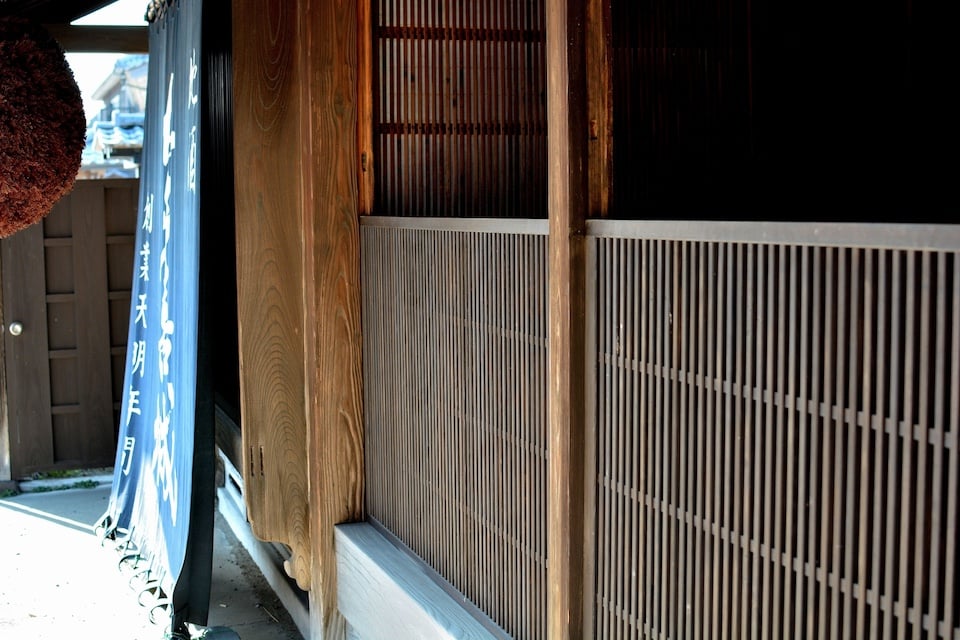
White Day continues to evolve alongside social and professional norms, particularly among executives and high-net-worth individuals who prioritize meaning, discretion, and cultural alignment over formality.
From Objects to Experiences
There is a clear shift from physical gifts toward shared, high-quality experiences that emphasize time, atmosphere, and memory rather than ownership. In 2026, popular White Day experiences among executives include:
- Book early (ideally 2–4 weeks in advance).
- Private fine-dining experiences, such as chef’s table reservations, omakase counters, or private rooms at luxury hotel restaurants
- Short luxury getaways, including one-night stays at ryokan or resort hotels within easy reach of Tokyo
- Cultural experiences with exclusivity, such as private tea ceremonies, art gallery previews, or invitation-only exhibitions
- Wellness-focused experiences, including spa retreats, premium onsen visits, or personalized wellness programs
These experiences allow couples to celebrate White Day in a way that feels intentional, intimate, and free from excess, while aligning with modern luxury values.
The Rise of Premium and Personalized Gifts
Mass-produced gifts are increasingly being replaced by curated, personalized selections that reflect thoughtfulness and discernment. In 2026, favored White Day gifts at the executive level include:
- Limited-edition Japanese confections are available only during the White Day season, often with reservation-only sales
- Artisan-crafted lifestyle items, such as bespoke leather accessories, hand-finished stationery, or design-forward home objects
- High-grade Japanese teas or sake, selected for provenance and craftsmanship rather than brand recognition
How International Executives Are Adapting to White Day

International executives in Japan increasingly view White Day as a chance to show cultural understanding rather than a social obligation. By choosing balanced, thoughtful gifts and meaningful experiences aligned with Japanese values, they use White Day to build trust and strengthen both personal and professional relationships.
Key Takeaways for International Executives in Japan
White Day in Japan is less about romance and more about awareness. For executives and senior professionals, understanding its nuances allows you to navigate relationships with confidence and respect. By choosing appropriate gifts, observing boundaries, and appreciating the cultural context, White Day becomes not a challenge — but an opportunity to build trust and goodwill in Japan.
For tailored cultural guidance, executive concierge support, or assistance with arranging refined corporate gifting experiences in Japan, consider consulting MOTENASU JAPAN to ensure every gesture reflects the highest standards of professionalism and hospitality.

毎月1回以上国内・海外旅行をする旅好きライターです。
フランス・ベトナム一人旅を筆頭に、ひとりで美味しいものを食べながらゆったり旅をするのが好きです。

