





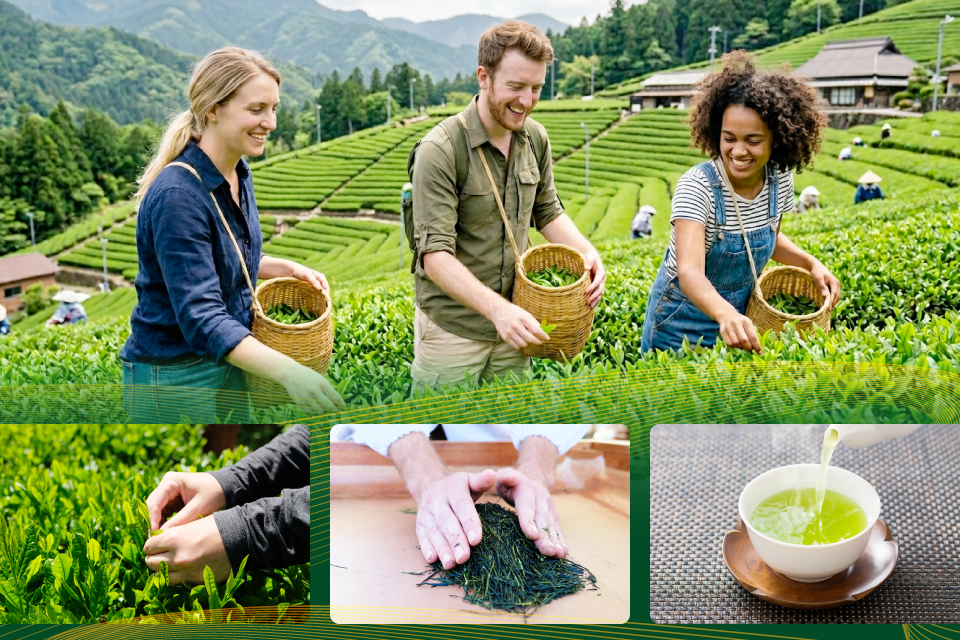

Japanese tea has evolved into a global symbol of mindfulness and wellness. While many enjoy its health benefits, truly understanding this craft requires exploring deep-rooted traditions and the art of Omotenashi.
Whether you are a connoisseur or a corporate leader seeking an exclusive wellness retreat, this guide explores how to experience the authentic essence of Japanese tea beyond the shelf.
Japanese Tea: Process & Health Benefits
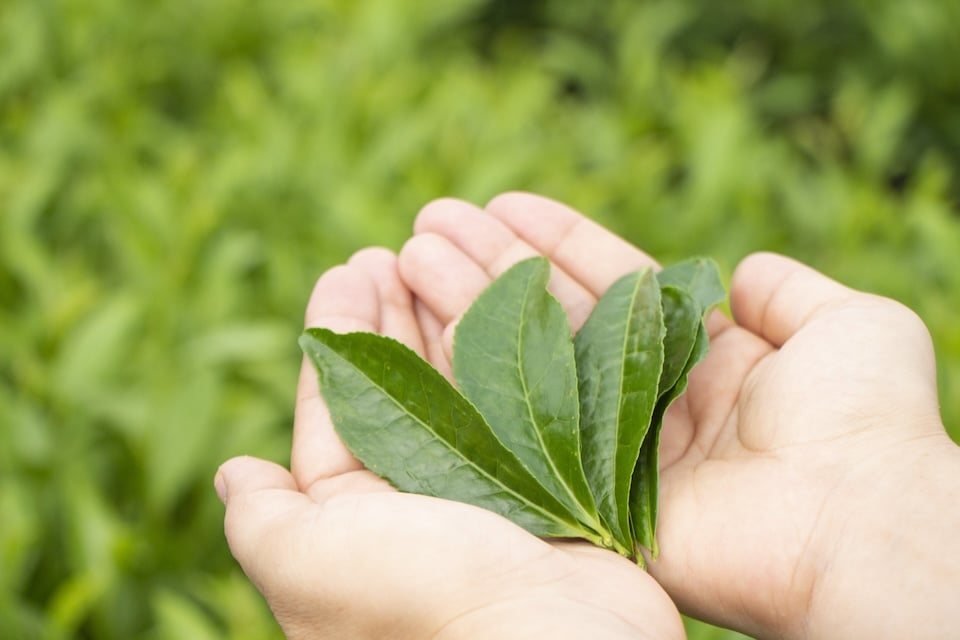
Japanese tea is uniquely defined by a rapid steaming process shortly after harvest, which prevents oxidation and preserves its vibrant green color. Cultivated in volcanic soil, this green tea from Japan offers exceptional health benefits, including high antioxidants and L-theanine for calm, focused energy.
The Unique Steaming and Shading Cultivation
The secret to Japan’s umami-rich tea lies in its production. Unlike pan-fired varieties, Japanese leaves are steamed for 15–20 seconds immediately after harvest. This process halts oxidation, locking in a vibrant green pigment and fresh aroma.
For premium teas, a unique shading process is used for 1–3 weeks before harvest. By blocking sunlight, plants produce higher levels of chlorophyll and amino acids, creating the intense, savory sweetness found in top-tier varieties.
Health Benefits & Medical Safety
Japanese tea is celebrated globally as a functional superfood rich in antioxidants (EGCG), which support metabolic and cellular health. Unlike steeped tea, matcha provides a concentrated nutrient boost because the entire leaf is ingested.
The synergy between natural caffeine and L-theanine delivers sustained focus and “calm energy” without the jittery crash common with coffee.
High consumption may interact with medications like statins (rosuvastatin). We recommend that VVIP guests and executives consult a physician to ensure a safe, optimal experience.
Exploring the Main Types of Japanese Tea
The main types of Japanese tea include Sencha, the most popular unshaded green tea, and Matcha, a rich, shade-grown powdered tea. Other key varieties are sweet, top-grade Gyokuro, toasty low-caffeine Hojicha, popcorn-infused Genmaicha, and delicate Kukicha made from tea stems.
Sencha, Gyokuro, and Everyday Green Teas
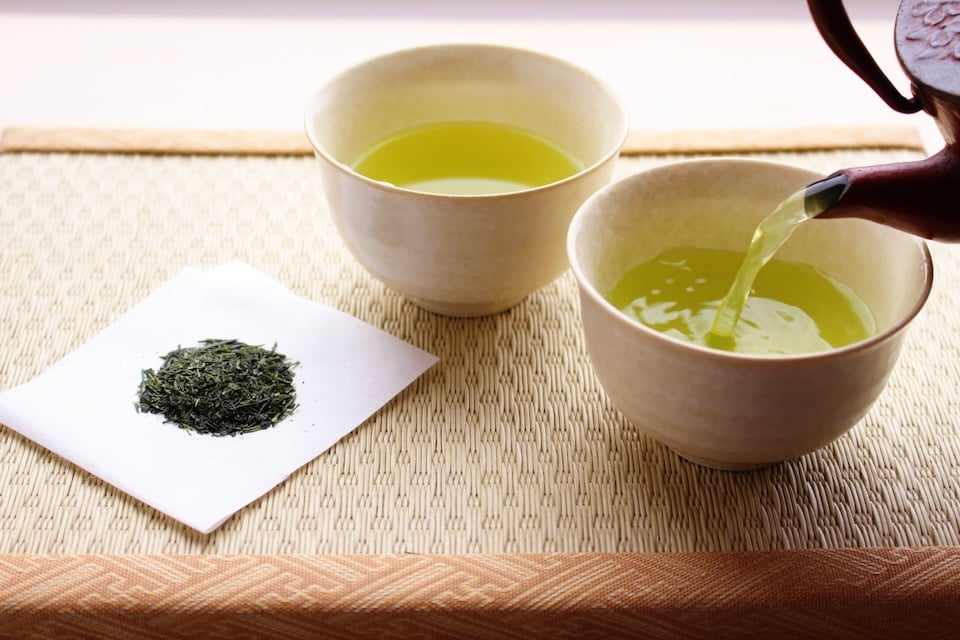
- Sencha
Accounting for 80% of Japan’s production, Sencha is the essential everyday green tea. Grown in full sunlight, it offers a perfect balance of mild sweetness and refreshing astringency. - Gyokuro
The “emperor of teas” is a top-grade, shade-grown variety. Its unique cultivation yields a profoundly sweet, syrupy umami flavor, best savored at lower temperatures (122°F–140°F). - Bancha & Others
For a casual daily brew, varieties like Bancha (late-harvest leaves) provide a robust, refreshing taste with lower caffeine, making them a staple in Japanese households.
Matcha: The World-Famous Powdered Superfood
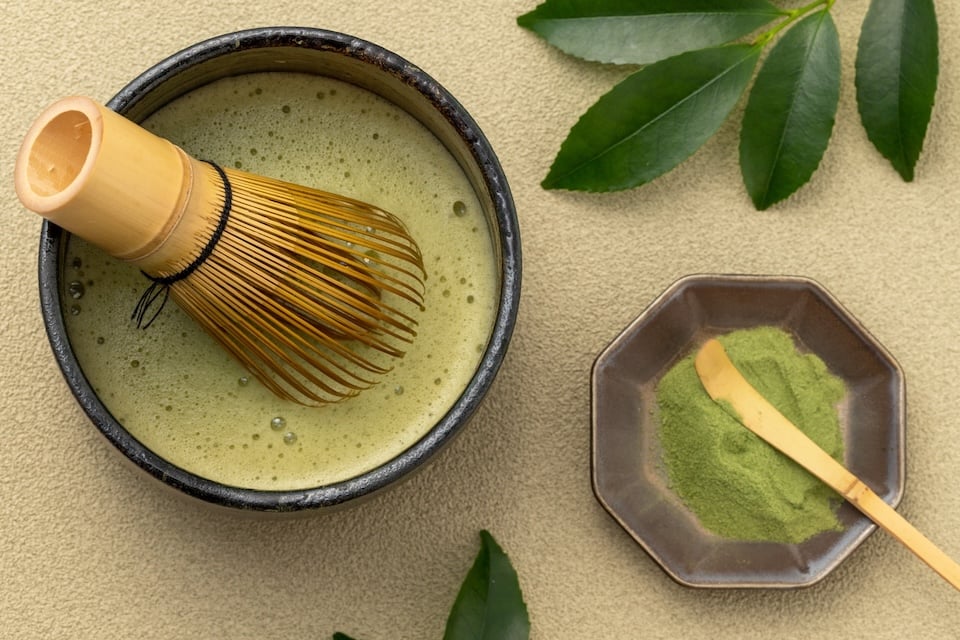
Matcha is a global wellness icon. Before harvest, leaves are deeply shaded for weeks, then processed into tencha by removing veins and stems. These leaves are stone-ground into a vibrant, ultra-fine powder. Celebrated for its creamy texture and intense umami, matcha is both the heart of the traditional tea ceremony and a premium ingredient in modern gastronomy.
Roasted and Blended Teas: Hojicha, Genmaicha & Mugicha
Not all Japanese teas are vividly green.
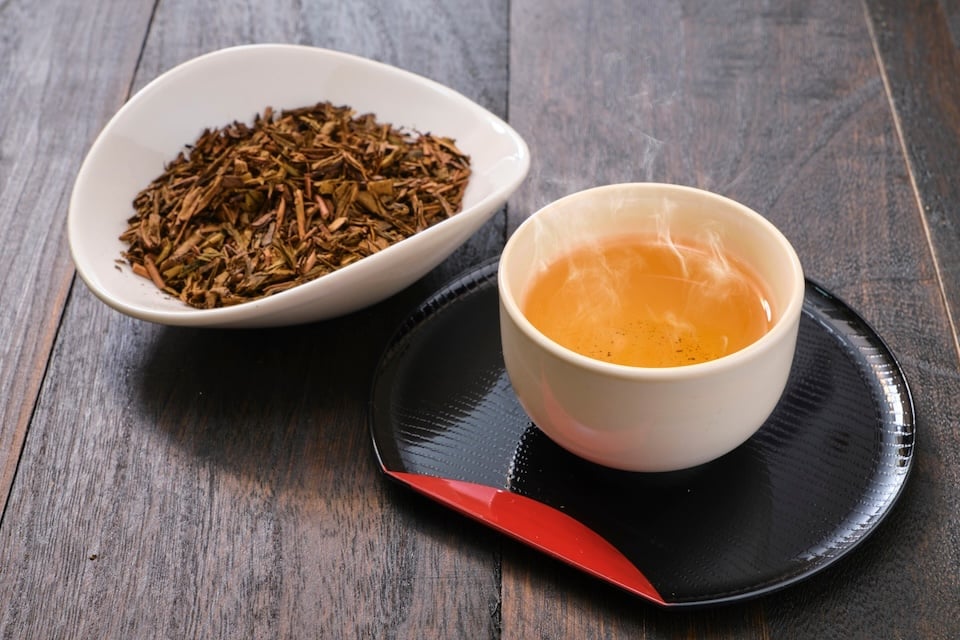
Hojicha
A roasted green tea with a distinct brownish hue and toasty, nutty aroma. The high-heat roasting makes it remarkably low in caffeine, perfect as an evening beverage.
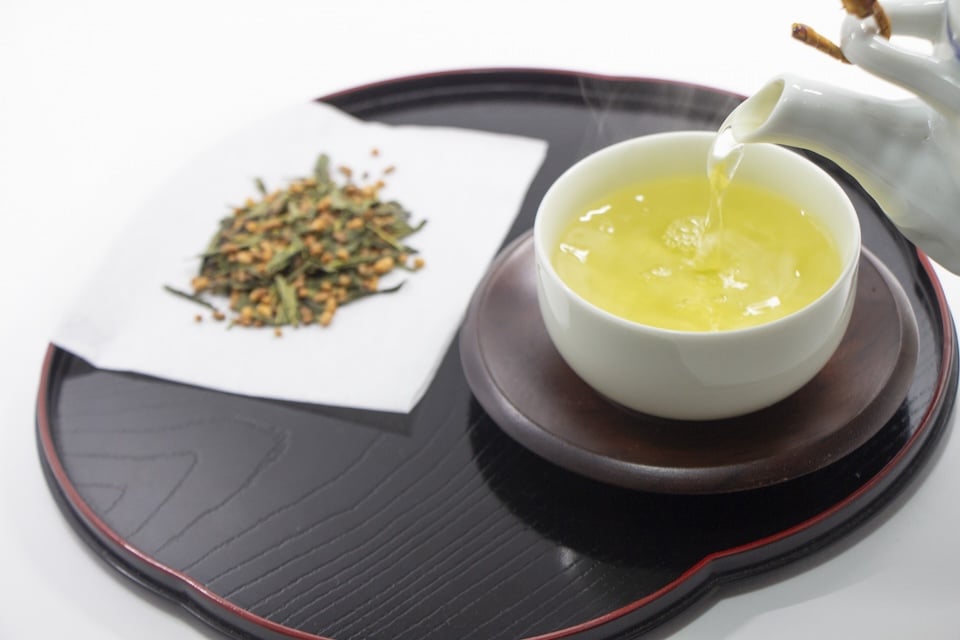
Genmaicha
Known as “popcorn tea,” this blend of green tea and roasted brown rice offers a savory, toasted profile that is highly approachable for beginners.
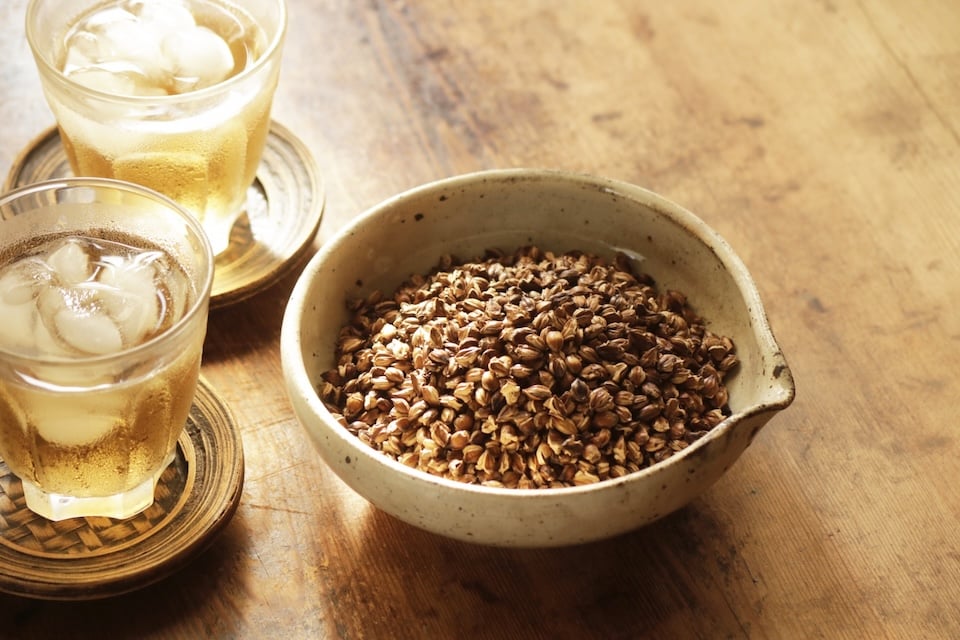
Kukicha & Mugicha
Kukicha is crafted from tea stems and twigs, providing a delicate, creamy flavor. Mugicha (roasted barley) is a caffeine-free staple, traditionally served ice-cold during Japan’s humid summers.
| Tea Type | Cultivation / Processing | Key Flavor Profile | Best For |
|---|---|---|---|
| Sencha | Unshaded, steamed | Balanced sweetness & astringency | Daily drinking, refreshing focus |
| Gyokuro | Shaded (approx. 3 weeks) | Intensely sweet, rich umami | Special occasions, slow sipping |
| Matcha | Shaded, stone-ground powder | Creamy, robust umami, vegetal | Ceremonies, superfood nutrition |
| Hojicha | Roasted green tea | Toasty, nutty, caramel notes | Evening relaxation (low caffeine) |
| Genmaicha | Blended with roasted rice | Savory, comforting, mild | Pairing with meals |
Top Tea Regions: Soil & Flavor
Japan’s nutrient-rich volcanic soil and coastal climate create the perfect environment for tea cultivation across the archipelago. While the primary producing regions are Shizuoka Prefecture, the largest overall producer, and Uji in Kyoto and Yame in Fukuoka for exceptionally high-quality matcha and gyokuro, premium tea is also cultivated in diverse regions from the Kanto plains to the southern islands of Kyushu.
Shizuoka: The Heart of Green Tea Japan Production
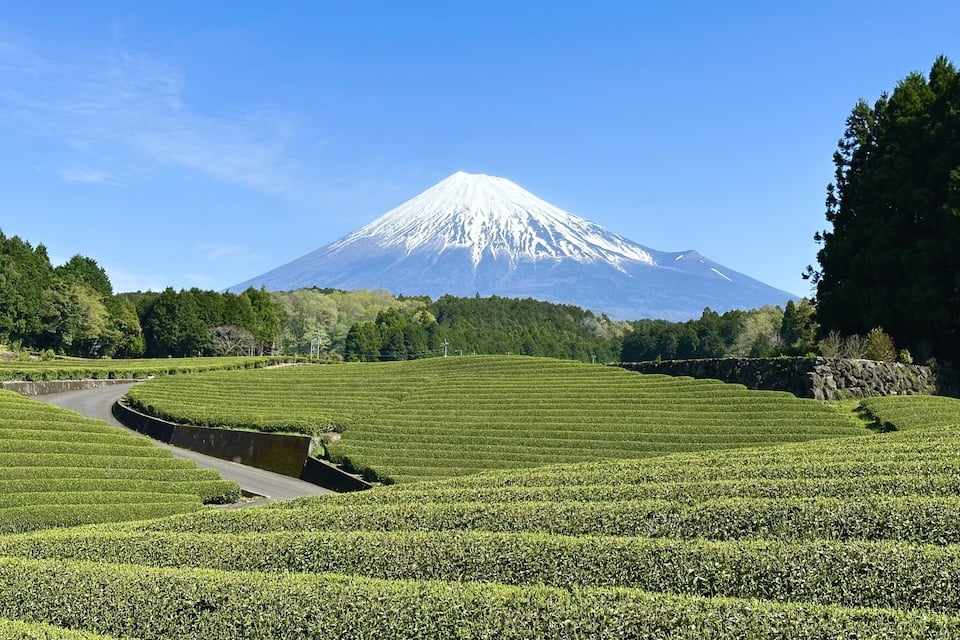
Situated near the iconic Mt. Fuji, Shizuoka Prefecture is the undisputed powerhouse of Japanese tea, responsible for the largest share of the country’s production.
The combination of a mild climate, abundant sunshine, and pristine water sources produces high-quality, balanced Sencha celebrated worldwide. Touring Shizuoka’s rolling, emerald-green tea terraces remains a quintessential Japanese experience.
Uji & Yame: The Historic Centers of Premium Matcha
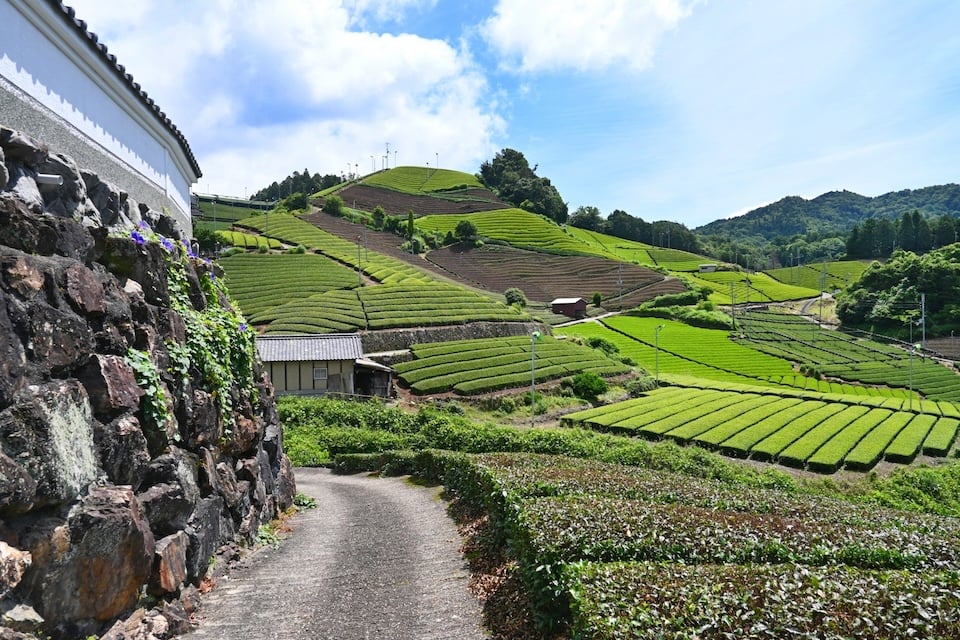
For luxury teas, Uji (Kyoto) and Yame (Fukuoka) hold legendary status.
- Uji: The historic birthplace of Japanese tea culture, Uji has perfected shading techniques over centuries. It remains the gold standard for ceremonial-grade matcha.
- Yame: Located in Kyushu, Yame’s unique climate produces award-winning, intensely flavorful Gyokuro and premium matcha, celebrated for its deep sweetness.
| Area | Region | Primary Tea Types | Key Characteristics |
|---|---|---|---|
| Kanto / Chubu | Shizuoka | Sencha | Japan’s largest producer; famous for balanced, refreshing flavors. |
| Kanto | Sayama (Saitama) | Sencha | Known for its rich body and deep, robust flavor profile. |
| Kansai | Uji (Kyoto) | Matcha, Gyokuro | The historic center of high-end tea and tea ceremony culture. |
| Kyushu | Yame (Fukuoka) | Gyokuro | Renowned for intense sweetness and deep umami notes. |
| Kyushu | Ureshino (Saga) | Pan-fired (Kamairicha) | Distinctive toasty aroma with a clean, refreshing finish. |
| Kyushu | Kagoshima | Sencha | High-scale production ensuring consistent, premium quality. |
The Cultural Significance of the Tea Ceremony in Japan
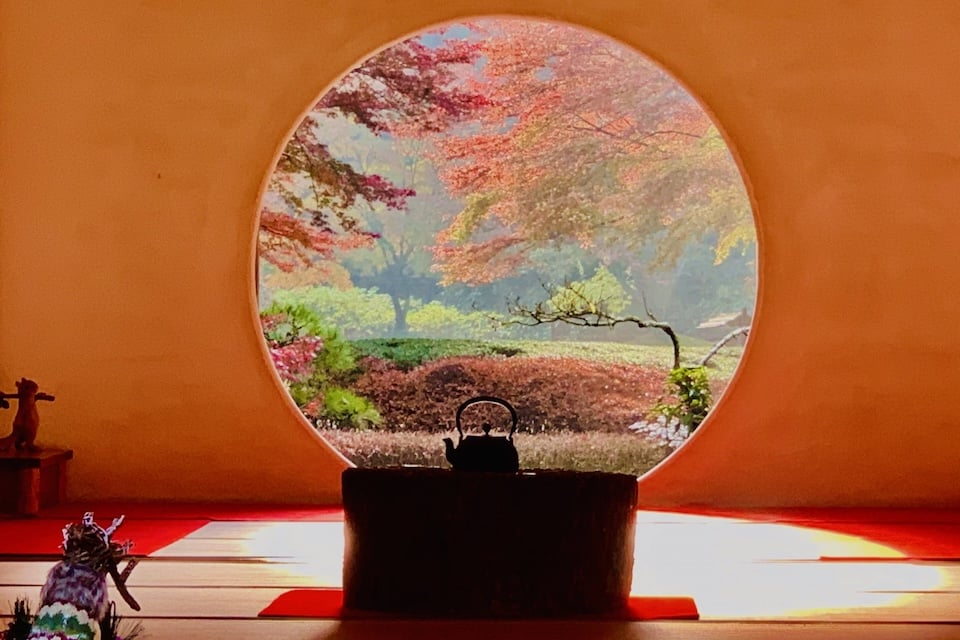
The Japanese tea ceremony (Chanoyu) is a formal Zen-rooted ritual centered on the meditative preparation of matcha. Beyond the ritual, tea is the heart of Japanese hospitality (Omotenashi), serving as a daily symbol of respect and mindfulness in social gatherings and everyday life.
The Roots of Chanoyu and Zen Buddhism
Understanding Japanese tea is a gateway to Japanese philosophy. As noted in Kakuzo Okakura’s The Book of Tea, it is a profound spiritual discipline rather than a mere beverage.
Perfected by 16th-century master Sen no Rikyu, the ceremony (Chanoyu) centers on four Zen principles: Harmony (Wa), Respect (Kei), Purity (Sei), and Tranquility (Jaku). Every detail—from the whisking of matcha to the curation of seasonal art—is designed to anchor participants in the present moment.

Everyday Tea Culture vs. Formal Hospitality
While the tea ceremony is an artistic pinnacle, tea permeates every level of Japanese society. Serving it is the ultimate expression of Omotenashi—the philosophy of selfless hospitality.
From a formal cup of Sencha offered at corporate meetings to a soothing Hojicha served after a meal, tea acts as a vital social lubricant and a universal gesture of welcoming respect.
From Knowledge to Experience
Hands-on experiences transform fascination into deep understanding. Beyond just tasting, visitors can harvest fresh leaves, roast fragrant hojicha, or whisk their own matcha in immersive workshops. These activities create a personal connection to Japanese tradition that a simple cup of tea cannot convey.
Tea Picking, Processing, and Tasting Tours
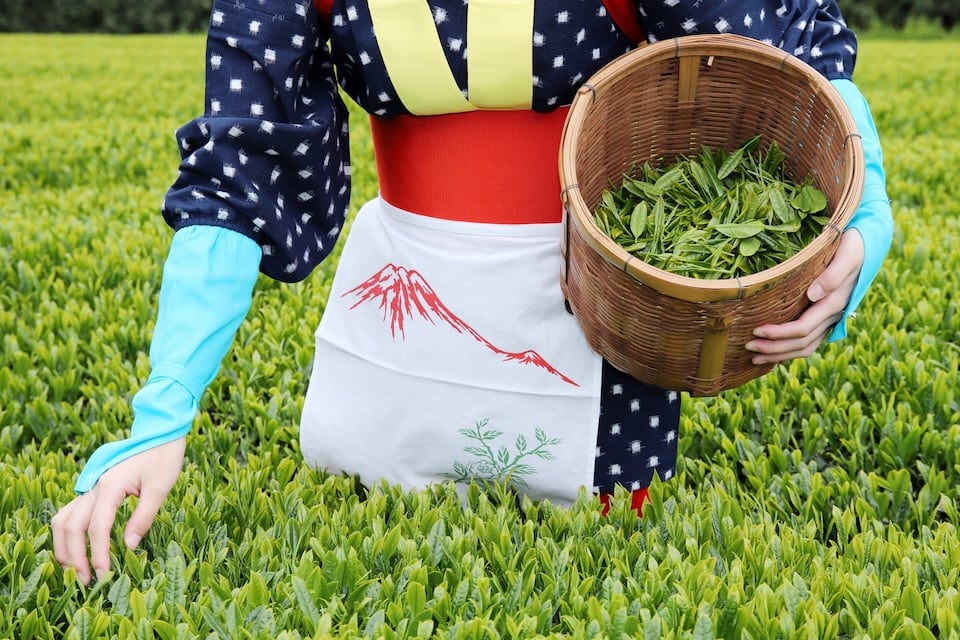
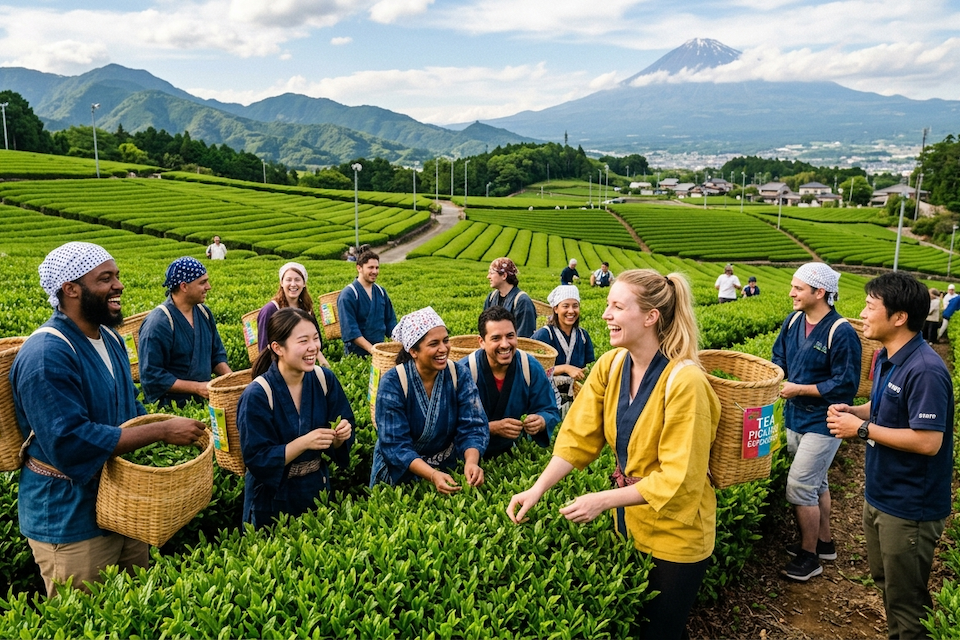
Stepping into a tea field offers an unparalleled sensory journey. During the spring harvest, guests can pluck the coveted “one shoot and two leaves” (isshin niyo).
Specialized tours allow you to grind matcha using traditional stone mills or roast your own Hojicha over an open flame. Engaging all senses through these hands-on crafts solidifies a lasting appreciation for the artistry behind every cup.
Participating in a Traditional Tea Ceremony
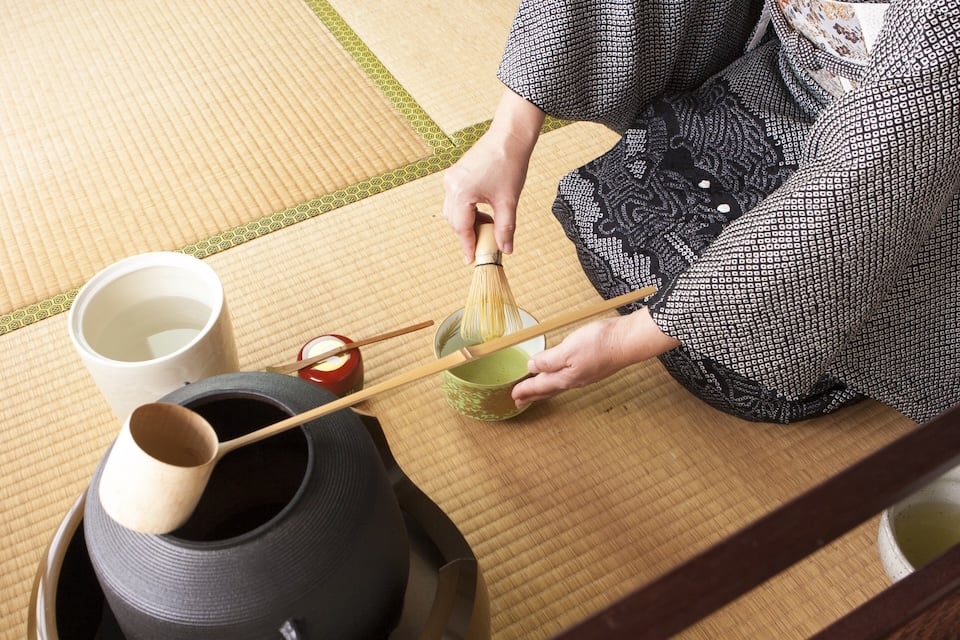
Beyond simple café sessions, a traditional tea ceremony offers a transformative experience.
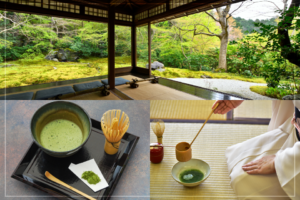
In a serene tatami room, the rhythmic sound of the bamboo whisk (chasen) and the pairing of bittersweet matcha with seasonal wagashi create a moment of true mindfulness. This meditative ritual allows you to disconnect from the modern world and fully embrace the present moment.
MOTENAS JAPAN: VIP Tea & Logistics
For corporate groups and VIPs, MOTENAS JAPAN provides an all-in-one luxury solution, transforming standard tastings into exclusive cultural journeys.
We manage all premium logistics—from booking private flights and luxury hotels to arranging bespoke tea ceremonies tailored for impactful VIP team building.
Authentic, Private Tea Ceremonies for VIPs
Global executives and VIPs demand experiences far beyond standard itineraries. MOTENAS JAPAN unlocks access to Japan’s most exclusive cultural assets, arranging private ceremonies in historic, invitation-only temples typically closed to the public.
Hosted by esteemed Grand Masters, these bespoke encounters guarantee an authentic, luxurious immersion that honors the true spirit of Omotenashi.
Corporate Wellness & Team Building (Incentive Travel)
In today’s corporate landscape, executives increasingly seek mindfulness-oriented retreats. The Japanese tea ceremony—rooted in Zen Buddhism—serves as an exceptional team-building exercise focused on the present moment.
MOTENAS JAPAN designs customized incentive travel programs where teams engage in traditional tea preparation and Zen meditation. This shared experience fosters deep communication, mutual respect, and mental clarity, providing an unforgettable wellness retreat that standard corporate events cannot match.
Full Logistics Support: Flights, Hotels, and Transport
Coordinating a premium group trip to Japan often involves complex logistics. MOTENAS JAPAN provides a complete, turnkey solution, allowing you to focus entirely on the experience while we handle the details.
Our comprehensive concierge services include:
- Luxury Accommodations & Travel: Booking premium flights and five-star ryokans with private hot springs.
- Seamless Ground Transport: Private VIP vehicles with bilingual chauffeurs.
- Specialized Dietary Support: Tailoring all culinary experiences—including tea ceremony sweets and Kaiseki meals—to Halal, Vegan, or specific medical requirements.
- Expert Bilingual Guides: Top-tier interpreters fluent in business etiquette and deep cultural contexts.
Elevate your next executive retreat or VIP incentive trip from ordinary to extraordinary. Let MOTENAS JAPAN curate an impeccable, hassle-free journey into the heart of Japanese culture.
Contact us today to design your exclusive Japanese tea and cultural experience.
旅をこよなく愛するWebライター。アジアを中心に16の国にお邪魔しました(今後も更新予定)。
ワーホリを機にニュージーランドに数年滞在。帰国後は日本の魅力にとりつかれ、各地のホテルで勤務。
日本滞在が、より豊かで思い出深いものになるように、旅好きならではの視点で心を込めてお届けします!


