







Planning a business event but not sure where to begin?
Choosing the right business event planner can make the difference between a stressful planning process and a well-organized event that achieves your company’s goals. Whether you’re organizing a conference, executive meeting, incentive trip, client reception, or product launch, selecting the right planning partner is one of the most important decisions you’ll make.
This guide explains what a business event planner does, when it makes sense to hire one, how pricing typically works, and what to look for when comparing planning partners. If you’re considering hosting a business event in Japan, you’ll also learn why working with an experienced local partner can help simplify logistics, improve coordination, and create a more successful experience for your attendees.
- What a business event planner does and how they differ from organizers, coordinators, and event management companies
- The types of business events a planner can support — from conferences and incentive trips to client receptions and product launches
- When it makes sense to hire a business event planner versus managing an event in-house
- How business event planner pricing works, including common fee structures and what to ask before signing a proposal
- What to look for when comparing planning partners and evaluating proposals
- Why Japan is an increasingly popular destination for business events and how a local planning partner can simplify the process
What Is a Business Event Planner?

A business event planner is a professional who plans, coordinates, and manages business-related events such as conferences, executive meetings, incentive trips, client receptions, and product launches. They oversee logistics, vendor coordination, budgets, timelines, and on-site execution to help organizations achieve their objectives while reducing the workload placed on internal teams.
If you have been asked to organize a business event, you may come across terms such as business event organizer, business event coordinator, and event management company. Although these titles are sometimes used interchangeably, they can describe different responsibilities and levels of involvement.
A small executive meeting may only require help with logistics and on-site coordination. A multi-day conference or incentive program, however, may need strategic planning, supplier management, attendee communication, and full event-day oversight.
Planner vs. Organizer vs. Coordinator vs. Event Management Company
| Role | Primary Responsibility | Level of Involvement | Best For |
| Business Event Planner | Develops the event strategy, budget, timeline, and attendee experience | From early planning through execution | Conferences, executive meetings, incentive trips, and complex business events |
| Business Event Organizer | Oversees event delivery and coordinates multiple stakeholders | Broad operational responsibility | Organizations seeking comprehensive planning and management |
| Business Event Coordinator | Manages schedules, vendors, registrations, and on-site logistics | Mainly during implementation | Companies that already have a plan but need execution support |
| Event Management Company | Provides a team covering planning, production, logistics, suppliers, and operations | End-to-end project management | Large-scale, multi-day, or multi-location events |
Many business event management companies provide services that overlap across these categories. Rather than choosing a provider based only on its title, review the exact scope of work, communication process, and experience with events similar to yours.
The right partner is the one whose responsibilities, resources, and planning approach match your event goals, budget, and timeline.

What Does a Business Event Planner Handle?

A business event planner is responsible for much more than booking venues or managing schedules. Depending on the type of event, they oversee planning, logistics, supplier coordination, attendee communication, and on-site operations to ensure every stage runs according to plan.
While the exact scope varies from one event to another, the goal is always the same: to help your team focus on business objectives while the planner manages the operational details behind the scenes.
Meetings & Conferences
Business meetings and conferences require careful planning long before attendees arrive. A business event planner typically manages venue selection, agenda scheduling, speaker coordination, registration, audiovisual requirements, catering, and attendee communications.
During the event, the planner oversees timelines, resolves unexpected issues, and coordinates suppliers to keep the program running smoothly. With a planner overseeing the details, unexpected issues can be resolved quickly without disrupting the program
Incentive Trips & Offsites

Incentive trips and company offsites involve a broader range of logistics than a standard meeting. Planning may include accommodations, transportation, group activities, dining arrangements, and schedules designed to balance business sessions with shared experiences.
A well-planned incentive program helps strengthen team relationships, recognize employee achievements, and create meaningful experiences that support long-term business goals.
Client Hospitality & Receptions
Client receptions, executive dinners, and hospitality events are designed to build relationships rather than simply deliver information. A planner helps coordinate the venue, guest flow, catering, entertainment, transportation, and overall event atmosphere to ensure guests feel welcomed and valued.
Attention to timing, service quality, and guest experience can have a significant impact on how your company is perceived by clients and business partners.
Product Launches
Launching a new product often involves coordinating multiple stakeholders, including marketing teams, media representatives, vendors, speakers, and production partners. A business event planner helps align these moving parts while maintaining a consistent schedule and brand presentation.
Whether the launch is held in person, hybrid, or across multiple locations, careful coordination helps ensure the event supports broader marketing and business objectives.

When Should You Hire a Business Event Planner?

Not every business event requires outside support. Smaller internal meetings with a clear agenda and limited logistics can often be managed by an in-house team. However, as an event grows in size, involves multiple vendors, or includes attendees traveling from different locations, planning becomes significantly more complex.
Hiring a business event planner is often the most effective choice when your team needs specialized expertise, additional resources, or dedicated project management to deliver a successful event. Rather than reacting to challenges as they arise, an experienced planner helps identify potential issues early and keeps the project on schedule.
As a general guide, you may be able to manage an event internally if:
- The event has a small number of attendees.
- The venue and suppliers are already confirmed.
- Your team has previous event planning experience.
- The schedule and logistics are relatively straightforward.
Event management software can also help in-house teams handle tasks such as registration, scheduling, and attendee communications. However, software supports the process rather than replaces it — complex logistics, vendor negotiations, and on-site coordination still typically require professional expertise.
On the other hand, consider working with a business event planner if:
- The event involves multiple venues, vendors, or stakeholders.
- Attendees are traveling from different regions or countries.
- The program includes executive guests, clients, or VIPs.
- Your internal team has limited time or event planning experience.
- The event has significant business or brand importance.
Timing is another important consideration. As a general guideline, larger conferences, incentive programs, and multi-day business events should ideally begin planning 6–12 months before the event, while smaller meetings and workshops are often planned 3–6 months in advance.
If you’re organizing a business event overseas, it’s wise to allow even more lead time to account for travel arrangements, local coordination, and destination-specific planning requirements.

Business Event Planner Costs: Hiring Fees vs. Salaries

The cost of hiring a business event planner depends on several factors, including the size of the event, its complexity, the planning timeline, and the level of support required. Rather than focusing on a single price, it’s more helpful to understand how different pricing models work and which one best fits your event.
Common Pricing Models
| Pricing Model | How It Works | Best For | Things to Consider |
| Percentage of Budget | Fees are based on the overall event budget. | Large or complex events where the scope may change over time. | Costs may increase if the event budget expands during planning. |
| Flat Fee | A fixed project fee is agreed upon before planning begins. | Events with clearly defined objectives and deliverables. | Significant scope changes during planning may require renegotiating the fee. |
| Hourly or Day Rate | Charges are based on the amount of time spent planning and managing the event. | Consulting, short-term support, or limited-scope projects. | Costs can vary depending on how much support is ultimately required. |
No single pricing model is inherently better than another. The most suitable option depends on your event’s scope, timeline, and the flexibility needed throughout the planning process.
When reviewing proposals, compare not only the pricing model but also the services included. Two planners may quote similar fees while offering very different levels of support.
Hiring Fees vs. Salaries
It’s also important to distinguish between hiring an external business event planner and employing an in-house event professional.
According to the U.S. Bureau of Labor Statistics (BLS), the median annual wage for Meeting, Convention, and Event Planners was $59,440 as of May 2024. This figure reflects salaried professionals and should not be confused with the fees charged by independent planners or event management firms.
The Northstar Meetings Group 2026 Independent Planner Pricing Survey found that only about 10% of independent planners use hourly or day rates as their primary pricing model, with most preferring project-based approaches. When asked what they would charge per hour, the largest group of respondents (35%) cited $50–99, while 31% cited $100–149 — a useful reference point for understanding the value of professional planning time.
Before accepting any proposal, make sure you understand the fee structure, the services included, and the conditions under which additional charges may apply. Clarifying these details early can help prevent misunderstandings and make it easier to compare planning partners fairly.
How to Choose the Right Business Event Planning Partner
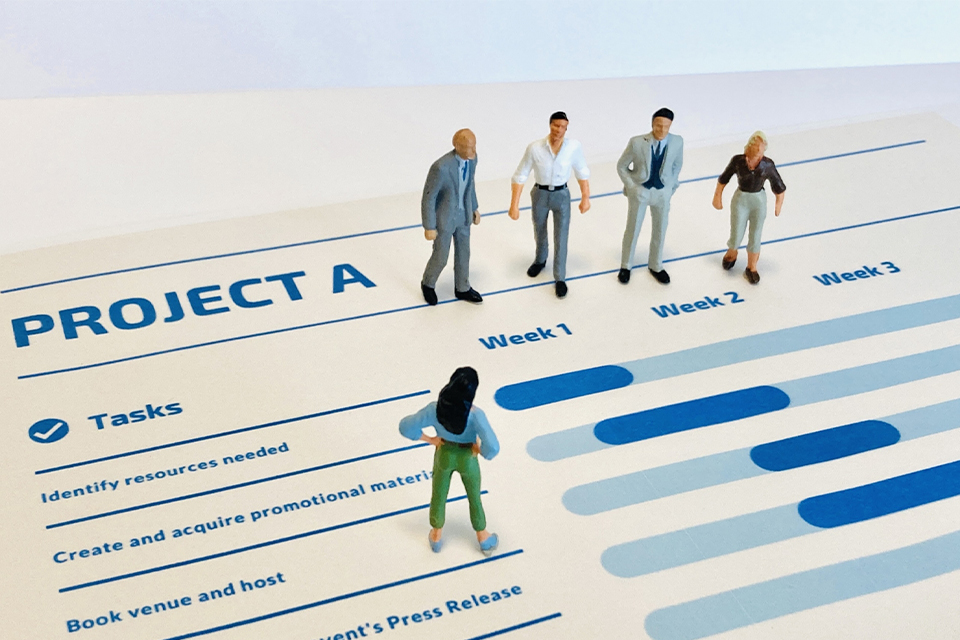
Selecting the right planning partner is about more than comparing proposals or pricing. The most successful business events are typically supported by partners who understand your objectives, communicate clearly, and have experience delivering similar programs.
When evaluating potential providers, use the following checklist to compare their capabilities beyond cost alone.
Relevant experience with similar events
Look for a partner that has planned events similar in size, format, and purpose to yours. Experience with executive meetings, conferences, incentive trips, or product launches often translates into smoother planning and better risk management.
Strong vendor and venue network
Established relationships with venues, production teams, transportation providers, caterers, and other suppliers can improve coordination and provide greater flexibility when changes arise.
Transparent budgeting and proposals
A reliable planning partner should clearly explain what is included in the proposal, identify any optional services, and outline circumstances that could result in additional costs. Transparency makes it easier to compare proposals fairly.
Knowledge of the destination
If your event takes place outside your company’s home market, destination expertise becomes increasingly important. Familiarity with local regulations, business practices, suppliers, and venues can help prevent delays and improve the overall planning process.
Clear communication and project management
Ask how the planning team manages timelines, approvals, reporting, and regular updates. A structured communication process helps ensure everyone involved understands responsibilities and project milestones from start to finish.
Choosing the right business event planning partner is ultimately about finding a team that can support your business goals, adapt to unexpected challenges, and deliver a well-managed experience for both organizers and attendees.
Planning a Business Event in Japan

As more global companies expand their presence across Asia, Japan has become an increasingly attractive destination for incentive trips, executive retreats, anniversary celebrations, leadership meetings, and client engagement programs. Its reliable infrastructure, world-class hospitality, and unique blend of business efficiency and cultural experiences make it well suited for organizations looking to create meaningful events.
However, planning an event from overseas presents challenges that go beyond venue selection. Time zone differences, language barriers, local business practices, and vendor coordination can all add complexity. Choosing the right local partner can simplify the planning process while helping your team focus on the event’s objectives rather than operational details.
The table below highlights some of the key differences between working with a US-Based planner and partnering with a destination management company (DMC) based in Japan.
| Comparison | US-Based Planner | Japan-Based DMC |
| Time zone coordination | May require overnight communication and longer response times | Real-time coordination with local suppliers and venues |
| Language & business practices | May rely on third-party interpretation | Direct communication with local vendors and understanding of business etiquette |
| Local vendor access | Limited existing relationships in Japan | Established network of trusted venues, transportation providers, and experience partners |
| Unique venue sourcing | May require additional local support | Easier access to historic venues, cultural facilities, and exclusive event locations |
| Cost structure | May involve additional intermediary or coordination fees | Local management can help streamline logistics and reduce unnecessary intermediaries |
One of the advantages of hosting an event in Japan is the opportunity to combine business objectives with experiences that participants may not encounter elsewhere. Programs can include exclusive venue access, traditional cultural workshops, private dining experiences, or team-building activities designed around local traditions. These elements can strengthen relationships while creating a more engaging program without distracting from your company’s primary goals.
If your itinerary includes multiple cities, experienced local planners can also coordinate transportation, accommodations, and scheduling across destinations, allowing attendees to enjoy a seamless journey throughout the country.
If you’re exploring ideas for employee rewards, leadership retreats, or executive travel, you may also find our Incentive Travel in Japan and Corporate Event Planner in Japan guides helpful. (Internal links to be added by the editorial team.)
If you’re considering hosting a business event in Japan, MOTENAS JAPAN can help you navigate the local planning process while tailoring every program to your company’s objectives, schedule, and budget. Whether you’re still comparing options or ready to begin planning, we’re happy to discuss ideas and provide practical guidance with no obligation.
FAQ

Hiring a planning partner often raises practical questions about responsibilities, pricing, and whether destination-based support is necessary. The answers below provide a concise overview for organizations comparing options for an upcoming business event.
What Does a Business Event Planner Do?
A business event planner develops the event plan and manages the practical work required to deliver it. Responsibilities may include budgeting, venue sourcing, vendor coordination, registration, transportation, schedules, production, and on-site operations. The exact scope depends on the event type, complexity, and support available within the client’s organization.
How Much Does a Business Event Planner Cost?
Business event planner fees vary according to the project scope, timeline, location, and level of support required. Common pricing structures include a percentage of the event budget, a flat project fee, or hourly and day rates. Always confirm what the proposal includes and when additional charges may apply.
What’s the Difference Between an Event Planner and a DMC?
An event planner may manage strategy, logistics, suppliers, and delivery for events in various locations. A destination management company, or DMC, specializes in one destination and typically provides local venue access, transportation, cultural programming, supplier relationships, and on-the-ground coordination for groups arriving from elsewhere.
Do I Need a Local Planner for an Event in Japan?
A local planner is not mandatory, but it can be valuable when your event involves Japanese venues, suppliers, transportation, cultural protocols, or multiple destinations. Local support can reduce communication gaps, simplify negotiations, and provide faster responses during local business hours, particularly for complex or high-profile programs.
Ready to Plan Your Business Event in Japan?

Whether you are comparing destinations, reviewing potential partners, or ready to begin planning, MOTENAS JAPAN can help you explore the options that fit your event goals. Share your preferred dates, group size, budget, and program objectives, and our team will provide practical recommendations tailored to your organization.
Even if your plans are still at an early stage, you can contact us for guidance without committing to a final program.
From executive meetings and client receptions to incentive trips and conferences, we coordinate the local details needed to deliver a well-managed experience. Let’s start with a conversation and build an event plan that works for your team.

毎月1回以上国内・海外旅行をする旅好きライターです。
フランス・ベトナム一人旅を筆頭に、ひとりで美味しいものを食べながらゆったり旅をするのが好きです。

