





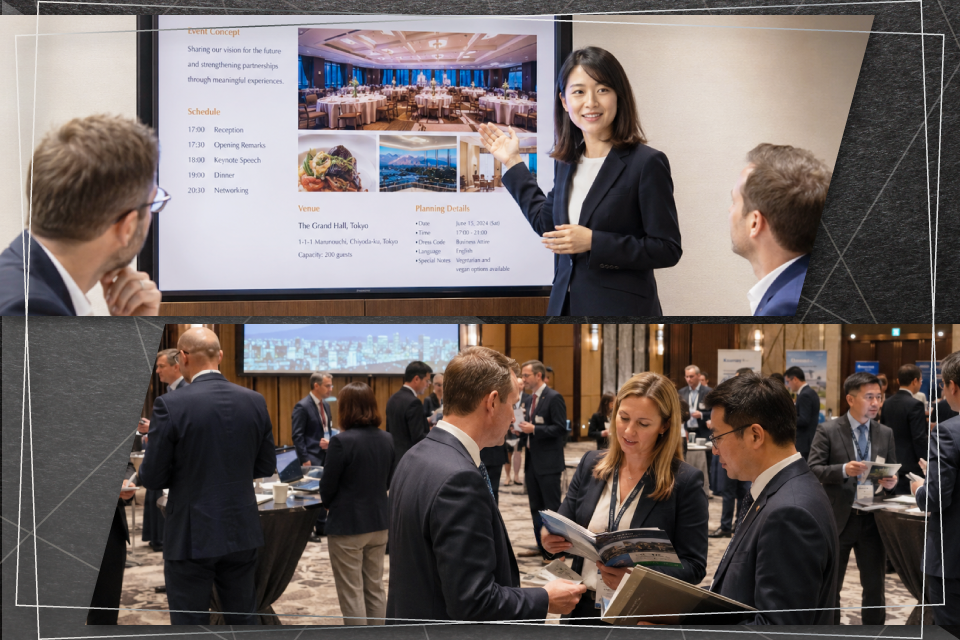
Are you planning a corporate event or incentive trip for your employees or clients, but unsure whether you should hire a corporate event planner or how much it will cost?
Japan has become one of the most popular destinations for U.S. companies hosting corporate events — combining world-class infrastructure, exceptional safety, and cultural experiences your attendees won’t find anywhere else.
Whether you’re just starting your research or comparing planning options, this article will help you make a more informed decision.
- What a corporate event planner does and how they differ from event coordinators and meeting planners
- Why Japan has become a top destination for U.S. corporate events and incentive trips
- The types of corporate events you can organize in Japan — from incentive trips to executive retreats
- How corporate event planner pricing works and what affects your budget
- The key questions to ask before hiring a Japan-based event planner
- A planning timeline and checklist to keep your event on track
Corporate Event Planner in Japan: The Complete Guide for U.S. Companies [2026]

Before planning your corporate event, let’s first explore what a corporate event planner does and why Japan has become one of the world’s most desirable destinations for corporate events.
What a corporate event planner does
A corporate event planner is a professional who plans and manages events that help companies achieve their business goals.
These events may include incentive trips, conferences, employee recognition programs, and other corporate gatherings.
Why Japan is an ideal destination
Why is Japan considered an ideal destination for corporate events?
One of the main reasons is its world-class transportation infrastructure, including the Shinkansen (bullet train), which connects Tokyo and Osaka in approximately 2.5 hours.
Japan is also one of the safest countries in the world, ranking 12th in the 2025 Global Peace Index.
In addition, unique cultural experiences such as Kabuki performances and traditional tea ceremonies add a distinctive and memorable touch to corporate events.
Safety: 2025 Global Peace Index
How Corporate Event Planners Differ from General Event Planners

The biggest difference between a corporate event planner and a general event planner is their primary objective. While a general event planner focuses on delivering a successful event, a corporate event planner designs events that help achieve your company’s business goals.
Through consultations with your team, They identify your objectives and create an event that fits your budget while supporting outcomes such as increased employee engagement, stronger brand awareness, and a higher return on investment (ROI).
They also provide end-to-end support, including budget management, vendor coordination, and on-site event management, significantly reducing the workload for your team.
Corporate Event Planner vs. Event Coordinator vs. Meeting Planner
There are several types of event planners, each with different areas of expertise and responsibilities.
The table below highlights the key differences.
| Role | Primary Responsibilities | Best For |
| Corporate Event Planner | Develops event strategy, manages the budget, coordinates vendors, oversees logistics, and ensures business objectives are met. | Large corporate events, incentive trips, executive retreats, conferences, and multi-day programs. |
| Event Coordinator | Handles event logistics, scheduling, registrations, vendor communication, and on-site operations. | Supporting the execution of an event after the overall plan has been established. |
| Meeting Planner | Plans business meetings, conferences, seminars, and executive sessions, including venues and attendee management. | Companies hosting meetings, conferences, training sessions, or annual gatherings. |
If you’d like to see real examples of corporate events planned by professional corporate event planners, be sure to check out the button below.
Why U.S. Companies Are Choosing Japan for Corporate Events
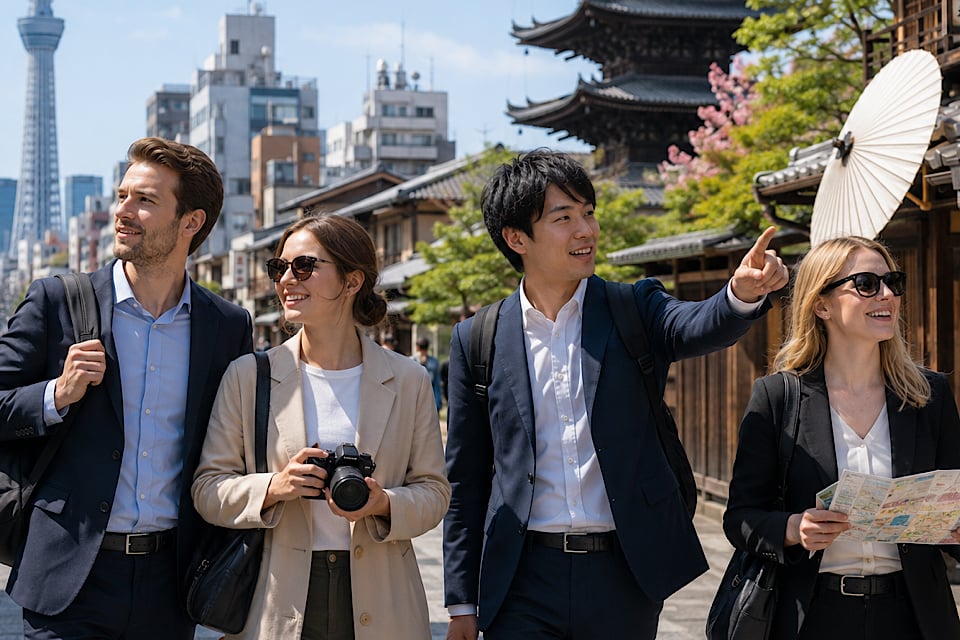
In recent years, Japan has become an increasingly popular destination for corporate events and incentive trips among U.S. companies. In addition to its excellent transportation infrastructure and high level of safety, Japan has established a strong track record as a global destination for international business events.
According to the International Congress and Convention Association (ICCA), Japan hosted 491 international meetings in 2025, ranking 6th in the world and 1st in the Asia-Pacific region for the fourth consecutive year. In addition, 19 Japanese cities were included among the top 85 Asia-Pacific cities that hosted five or more international meetings, demonstrating that destinations across Japan—not just Tokyo, but also Kyoto, Osaka, and many other cities—have the infrastructure and expertise to host world-class corporate events.
Types of Corporate Events a Japan-Based Planner Handles

There are many types of corporate events, each designed to achieve different business objectives. The following guide introduces the most common event formats and their key benefits, helping you choose the option that best aligns with your company’s goals.
Incentive Trips & President’s Club Programs
If you’re unsure which event format to choose, Incentive Trips & President’s Club Programs are an excellent option.
By combining unique cultural experiences with luxury accommodations, they provide unforgettable experiences for both valued clients and top-performing employees.
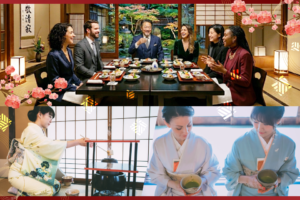
In Japan, companies can offer exclusive programs such as private yakatabune (traditional houseboat) cruises and interactive experiences with maiko, creating memorable events that showcase the country’s rich culture while strengthening business relationships and employee engagement.
If you’re considering a luxury corporate event with exclusive experiences, you may also find the articles below helpful
Comparison of Corporate Event Types in Japan
Each type of corporate event offers different benefits and is suited to different business objectives.
The table below compares the key features of each event format and the types of companies they are best suited for.
| Event Type | Typical Group Size | Planning Focus | Why Japan Is an Ideal Choice |
| Incentive Trips & President’s Club Programs | 20–200 participants | Rewarding top performers, strengthening employee motivation, creating memorable experiences | Japan offers exclusive cultural experiences, luxury accommodations, and exceptional hospitality that make incentive trips truly unforgettable. |
| Executive Retreats | 10–50 participants | Strategic planning, leadership development, executive networking | Japan’s tranquil ryokan, hot spring resorts, and scenic destinations provide the perfect environment for focused discussions and team bonding. |
| Team Building Events | 20–300 participants | Collaboration, communication, employee engagement | Activities such as samurai experiences, traditional crafts, and Japanese cooking classes create engaging team-building opportunities unique to Japan. |
| Conferences & Corporate Meetings | 50–2,000+ participants | Professional presentations, networking, knowledge sharing | Japan offers world-class convention centers, efficient transportation, and reliable infrastructure for seamless event management. |
| Product Launches | 50–500 participants | Brand awareness, media exposure, customer engagement | Japan’s blend of cutting-edge technology and traditional culture creates distinctive settings that leave a lasting impression on attendees. |
| Award Ceremonies | 30–500 participants | Employee recognition, celebrating achievements, strengthening company culture | Premium hotels, historic venues, and fine dining experiences help create elegant and memorable award celebrations. |
How to Hire a Corporate Event Planner for Japan
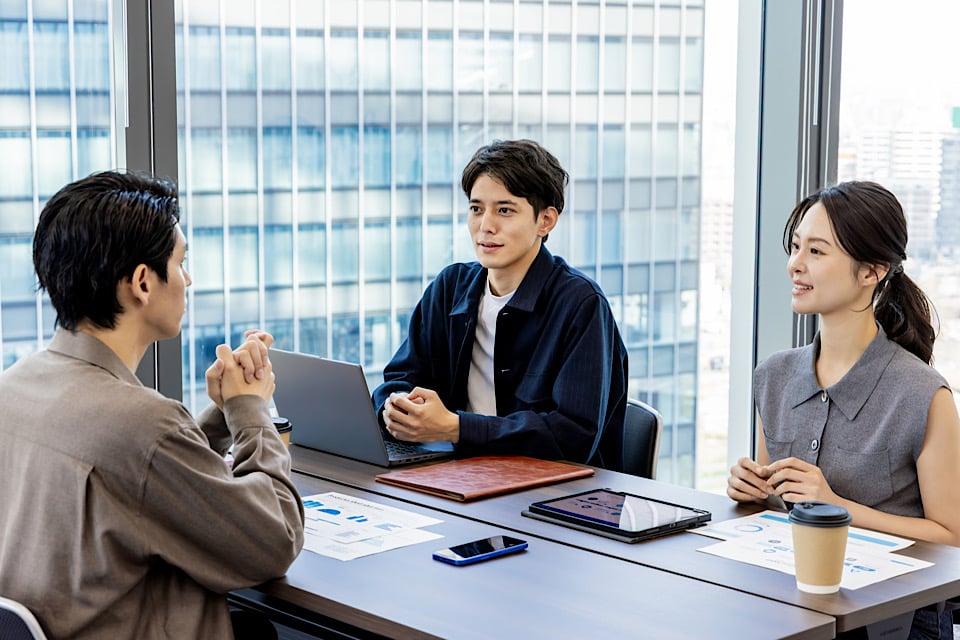
Choosing the right corporate event planner can make a significant difference in the success of your event.
Beyond planning logistics, an experienced Japan-based planner can help you navigate cultural differences, communicate with local vendors, and create a seamless experience for your guests.
Before making your decision, consider the following factors.
Questions to Ask Before Hiring a Corporate Event Planner in Japan
| Question | Why It Matters |
| Have you organized corporate events for international companies? | Demonstrates experience working with global clients and understanding international business expectations. |
| Do you have a strong network of local vendors and venues across Japan? | Established relationships often lead to better venue options, smoother coordination, and more competitive pricing. |
| Can your team provide bilingual support in English and Japanese? | Clear communication minimizes misunderstandings and keeps every stage of the event running smoothly. |
| Can you share client references or case studies? | Past results provide confidence in the planner’s expertise and reliability. |
| Do you offer on-site event management? | Having professional support on-site allows your team to focus on guests instead of operational issues. |
| Can you arrange exclusive cultural experiences? | Access to experiences such as private temple visits, tea ceremonies, or Kabuki performances can make your event truly memorable. |
Selecting a planner with these qualifications will help reduce risk, improve efficiency, and ensure your event achieves its business objectives.
Looking for a corporate event planner that meets these standards?
Contact MOTENAS JAPAN today for a free consultation.
How Much Does a Corporate Event Planner Cost in Japan? [2026]
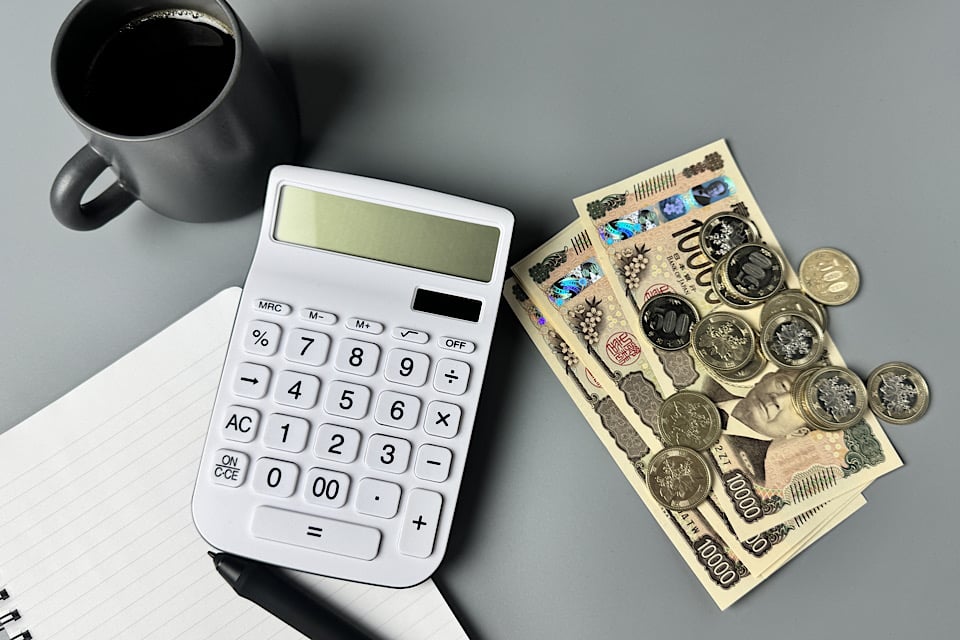
Unlike standardized services, corporate event planning in Japan is typically priced on a custom quotation basis. Most planners provide individualized proposals because every event differs in size, objectives, venue requirements, and level of support. Rather than offering a fixed price, they tailor their services to meet each company’s specific needs.
Several factors can significantly influence the overall cost of your event
✓Group size – Larger groups require more venues, staff, and logistical coordination.
✓Destination – Major cities such as Tokyo and Kyoto generally have higher venue and accommodation costs than regional destinations.
✓Season – Cherry blossom and autumn foliage seasons are in high demand, often resulting in higher prices and limited availability.
✓Language support – Professional interpreters, bilingual staff, and multilingual event materials may increase the budget.
✓Event type – Conferences, incentive trips, executive retreats, and product launches all have different planning requirements and costs.
Hidden costs
It’s also important to consider hidden costs that may not be included in an initial estimate, such as local transportation, interpreter fees, special permits, cultural experiences, and currency exchange fluctuations. Planning ahead can help minimize unexpected expenses and secure better availability.
Because every corporate event is unique, the most accurate way to estimate your budget is to discuss your requirements with an experienced planner.
If you’re considering hosting a corporate event in Japan, contact MOTENAS JAPAN for a free consultation and a customized quotation tailored to your goals.
Planning Timeline: How Far in Advance Should You Book?
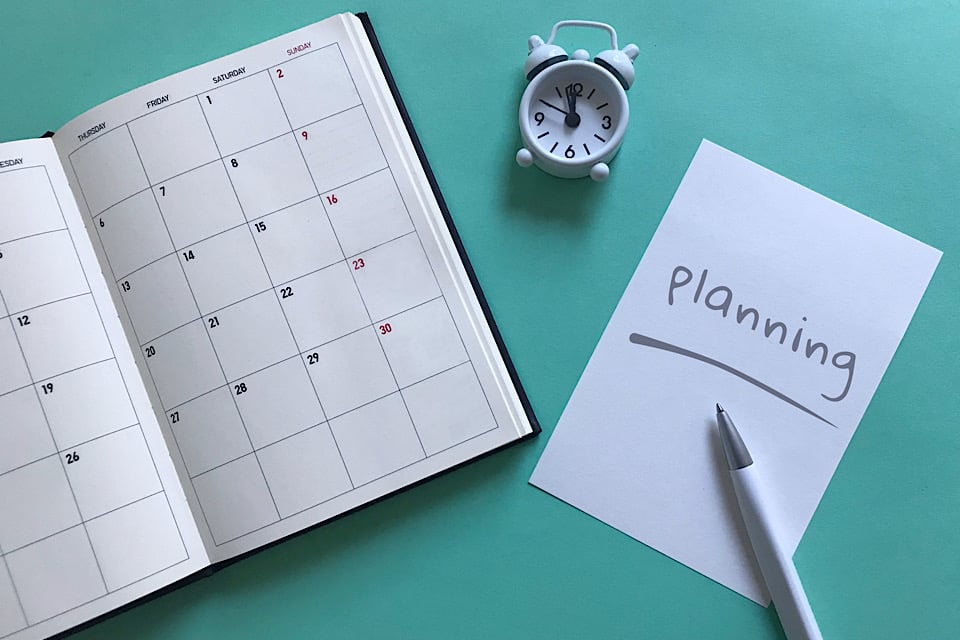
Planning ahead is one of the most important factors in organizing a successful corporate event in Japan.
Popular venues, luxury hotels, and unique cultural experiences can book out quickly, especially during the cherry blossom season (late March–early April) and the autumn foliage season (November).
In many cases, Japan’s most popular venues and accommodations are reserved 9–12 months in advance.
Starting early gives you more venue choices, better pricing, and greater flexibility when planning transportation, accommodations, and exclusive experiences.
Corporate Event Planning Timeline for Japan
| Timeline | Recommended Actions |
| 12–9 Months Before | Define your event objectives, estimated budget, and preferred dates. Select a corporate event planner, shortlist destinations, and secure popular venues and hotels. |
| 9–6 Months Before | Confirm the venue, accommodations, and transportation. Book cultural experiences, entertainment, and key suppliers. Begin developing the event agenda. |
| 6–3 Months Before | Send invitations, finalize attendee numbers, arrange flights, and confirm catering, audiovisual equipment, interpreters, and event branding. |
| 3–1 Months Before | Review the event schedule, conduct venue inspections if possible, confirm all vendor arrangements, and prepare contingency plans. |
| Final Month | Finalize guest lists, distribute itineraries, confirm transportation schedules, and conduct final meetings with all suppliers and the event team. |
| Event Day | Manage on-site operations, support attendees, coordinate vendors, and quickly resolve any unexpected issues to ensure a seamless experience. |
If your team doesn’t have the time or resources to manage these preparations, it’s a good idea to contact a corporate event planner about 12 months before your event.
By getting started early, the planner can develop a customized plan based on your budget, event objectives, and estimated number of attendees, while managing everything from venue selection and logistics to on-site event execution.
What Makes Japan Unique for Corporate Events
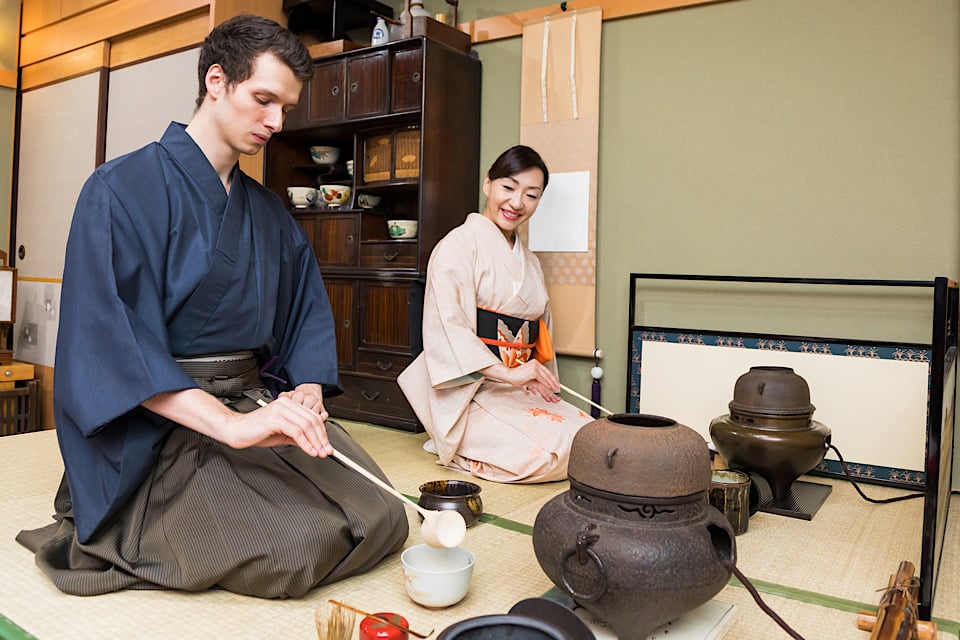
Japan offers far more than modern venues and efficient transportation—it provides experiences that leave a lasting impression. One of the country’s greatest strengths is omotenashi, the Japanese philosophy of wholehearted hospitality.
In a business setting, this means anticipating guests’ needs, paying close attention to every detail, and delivering exceptional service throughout the event.
For corporate groups, this creates a premium experience that strengthens client relationships, rewards employees, and reflects positively on your company.
What kinds of corporate experiences showcase Japan’s spirit of omotenashi while helping strengthen relationships with clients and employees?
Let’s explore some of the most unique and memorable programs available in Japan.
Private Temple & Shrine Access
Enjoy exclusive after-hours access to historic temples and shrines, allowing your group to experience Japan’s cultural heritage in a private setting.
This creates a unique VIP experience that is ideal for executive gatherings, client entertainment, and incentive trips.
Traditional Tea Ceremony
A traditional tea ceremony introduces guests to Japanese hospitality, etiquette, and craftsmanship.
The calm, interactive atmosphere encourages meaningful conversations and provides a memorable cultural experience for international attendees.
Sake Brewery Tours
Visit a traditional sake brewery to learn about Japan’s centuries-old brewing techniques while tasting a variety of premium sake.
This experience offers an excellent opportunity for networking in a relaxed setting and introduces guests to an important part of Japanese culture.
Samurai & Ninja Team Building
Interactive samurai and ninja experiences encourage communication, teamwork, and problem-solving in a fun and engaging way.
They provide a refreshing alternative to conventional team-building activities while giving participants a memorable introduction to Japanese history and traditions.
Ryokan Stay & Hot Springs
Staying at a traditional ryokan with natural hot springs allows guests to experience authentic Japanese hospitality in a peaceful environment.
It is an ideal choice for executive retreats and incentive trips, helping participants relax, strengthen relationships, and return home refreshed.
If you’re interested in creating a premium corporate event with exclusive Japanese cultural experiences, you may also find the articles below helpful.

Top Cities in Japan for Corporate Events
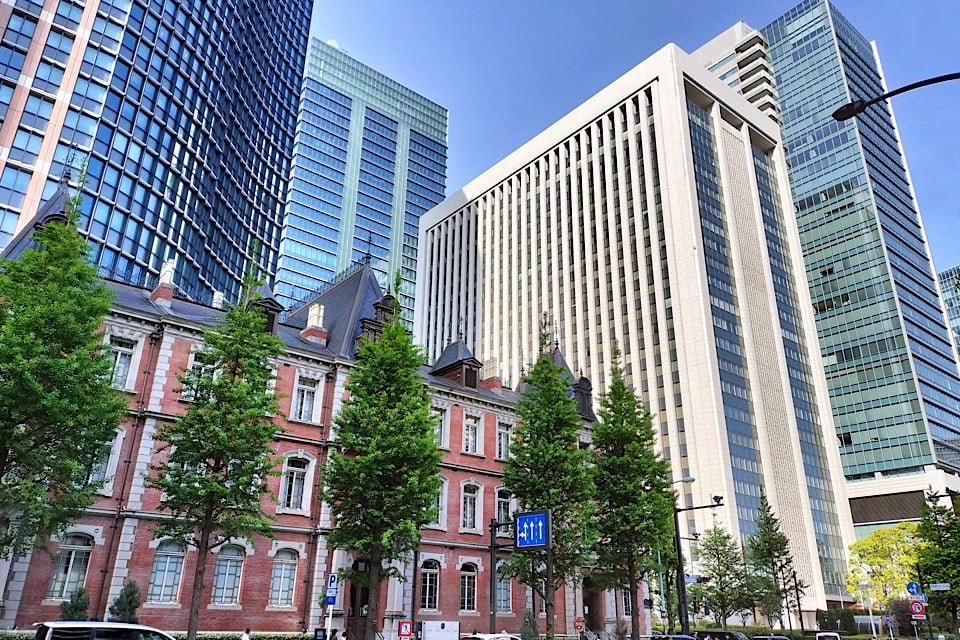
Japan offers a wide variety of destinations, each with its own strengths for corporate events.
Whether you’re planning a large international conference, an executive retreat, or an incentive trip, choosing the right city can greatly enhance your attendees’ experience.
Thanks to Japan’s world-class Shinkansen (bullet train) network, major destinations such as Tokyo, Kyoto, Osaka, and Hakone are easily connected, making it convenient to combine multiple cities into a single itinerary.
Best Cities in Japan for Corporate Events
Choosing the right destination is an important part of creating a successful corporate event.
Below, we’ve compared some of Japan’s top event destinations, along with their unique features and the types of events they are best suited for.
| City | Best For | Venue Highlights | Recommended Group Size |
| Tokyo | Conferences, product launches, client events, international meetings | World-class convention centers, luxury hotels, modern event venues, excellent international flight access | 50-200participants |
| Kyoto | Incentive trips, executive retreats, VIP events | Historic temples, traditional gardens, luxury ryokan, cultural venues | 50-200participants |
| Osaka | Team building, corporate meetings, award ceremonies | Modern hotels, entertainment districts, exhibition halls, renowned dining scene | 30-200participants |
| Hakone | Executive retreats, incentive trips, leadership workshops | Hot spring resorts, luxury ryokan, scenic mountain views, private meeting spaces | 10-200participants |
Tokyo
Tokyo is Japan’s business hub and the ideal destination for international conferences, product launches, and large-scale corporate events. With world-class venues, luxury hotels, and direct flights from major U.S. cities, it offers outstanding convenience for global companies.
Kyoto
Kyoto is perfect for companies seeking memorable cultural experiences.
Private temple events, traditional tea ceremonies, and historic venues create an exclusive atmosphere that is especially well suited for incentive trips and executive retreats.
Osaka
Osaka combines modern business facilities with a vibrant food and entertainment culture.
It is an excellent choice for team-building activities, award ceremonies, and corporate meetings while offering easy access to Kyoto by Shinkansen in about 15 minutes.
Hakone
Located about 35–80 minutes from Tokyo by train (depending on the route), Hakone is known for its luxury ryokan, hot springs, and beautiful natural scenery.
It provides a peaceful setting for executive retreats, leadership workshops, and small incentive groups looking to relax away from the city.
Corporate Event Planning Checklist for Japan
Planning a successful corporate event in Japan requires careful preparation before, during, and after the event. The checklist below will help you stay organized and ensure a smooth experience for both your team and your guests.
✓Define your event objectives, target audience, and budget.
✓Select a destination and venue that matches your event goals. Book accommodations, transportation, and cultural experiences in advance.
✓Confirm vendors, interpreters, and audiovisual equipment.
✓Send invitations and collect attendee information.
✓Prepare a detailed event schedule and contingency plan.
✓Conduct a final venue walkthrough before guests arrive.
✓Confirm vendor arrival times and event setup.
✓Welcome attendees and provide event materials or name badges.
✓Coordinate the event schedule and manage time effectively.
✓Be prepared to handle unexpected issues or schedule changes.
✓Ensure guests have a comfortable and enjoyable experience throughout the event.
✓Collect feedback from attendees and stakeholders.
✓Review the event budget and final expenses.
✓Evaluate whether the event achieved its business objectives.
✓Thank guests, speakers, sponsors, and partners.
✓Share event photos, videos, or recap materials.
✓Record lessons learned to improve future events.
If you’re still concerned about managing your event or want experienced professionals to handle unexpected issues on the day, we’re here to help.
Our corporate event planners provide end-to-end support from the initial planning and preparation to on-site management and troubleshooting so you can focus on your guests while we take care of the details.
Frequently Asked Questions

If you’re considering hosting a corporate event in Japan, you may have questions about planning, costs, and logistics. Below, we’ve answered some of the questions we hear most often from international companies.
Do I need a local planner for a corporate event in Japan?
While it’s possible to plan an event remotely, working with a local corporate event planner can save significant time and reduce risk.
A local planner has established relationships with venues and suppliers, understands Japanese business culture, and can provide bilingual support to ensure smooth communication and on-site operations.
What is the best time of year for corporate events in Japan?
Spring (March to April) and autumn (October to November) are the most popular seasons thanks to pleasant weather, cherry blossoms, and autumn foliage.
Because these periods are in high demand, venues and hotels often book up several months in advance.
Planning early gives you the best selection and pricing.
How does Japan compare in cost to Hawaii or Europe?
Event costs vary depending on the destination, group size, and program. In recent years, however, the weaker Japanese yen has made Japan more cost-competitive for many U.S. companies.
Combined with high-quality venues, efficient transportation, and unique cultural experiences, Japan can offer excellent value for international corporate events.
Can a Japan corporate event be planned remotely from the U.S.?
Yes. Most of the planning process—including consultations, venue selection, itinerary reviews, and budget discussions—can be handled online through video meetings and email.
A bilingual local planner can also coordinate with Japanese vendors and manage on-site operations, making it easy to organize an event without frequent trips to Japan.
Is Japan safe and logistically accessible for large corporate groups?
Yes. Japan is widely recognized for its high level of public safety and reliable transportation network.
Major cities are connected by the Shinkansen (bullet train), while international airports offer convenient access from the United States.
These advantages make Japan well suited for both small executive meetings and large-scale corporate events.
If you have other questions about traveling in Japan or are planning your first trip and want to learn more, please check out the articles below for additional information.

Why Choose MOTENAS JAPAN as Your Corporate Event Partner
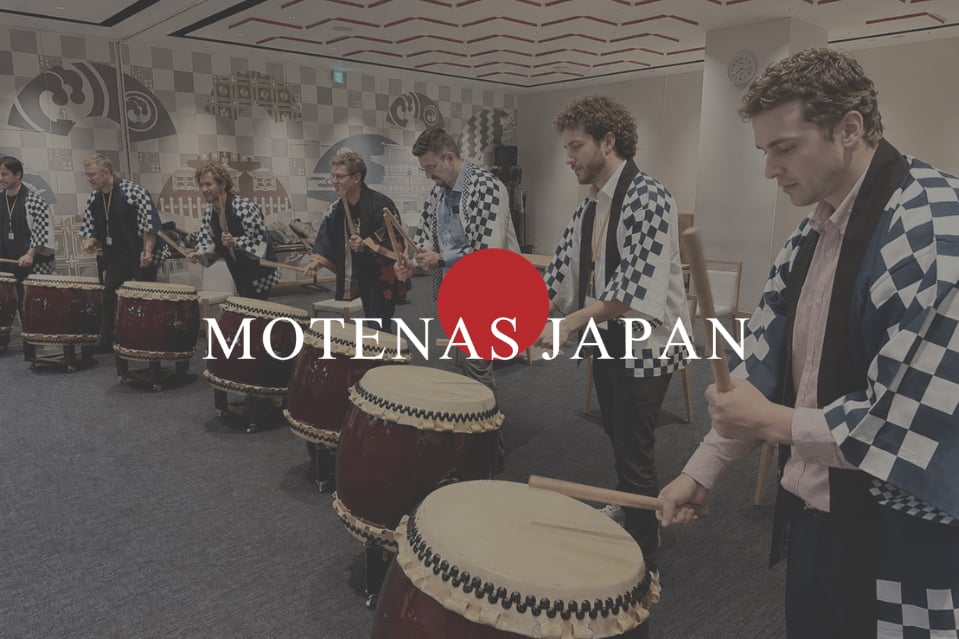
Planning a successful corporate event in Japan requires more than booking a venue it takes local expertise, cultural understanding, and reliable on-site support.
As a Japan-focused corporate event planner, MOTENAS JAPAN provides bilingual English-Japanese assistance and works closely with a trusted network of venues, hotels, and cultural experience providers across the country.
From initial planning to on-site event management, we help international companies deliver seamless and memorable corporate events in Japan.
If you’re ready to start planning, we’d be happy to discuss your goals.

After graduating from Kansai University, I joined JTB as a new graduate and worked in the inbound tourism sector.
After getting married, I moved to Australia due to my husband’s work and obtained a diploma in early childhood education there.
I am currently working at a kindergarten while also working as a writer.

