







Planning a workshop isn’t about choosing a topic and booking a meeting room. A successful workshop starts with a clear outcome, thoughtful facilitation, and activities that encourage meaningful participation.
This guide explains how to plan a workshop from defining outcomes and building an effective agenda to facilitating cross-cultural and mixed-language teams. You’ll learn how to build an effective workshop agenda, avoid common planning mistakes, and design sessions that work for global teams.
Whether you’re organizing a training workshop, strategy session, or experiential program, these practical steps will help you create workshops that deliver lasting value.
- What a workshop is and how it differs from meetings, presentations, and training sessions
- The seven practical steps for planning a successful workshop from start to finish
- How to design a workshop agenda that encourages active participation and meaningful outcomes
- What to consider when planning workshops for cross-cultural and mixed-language teams
- How experiential workshops can improve communication, trust, and collaboration across global teams
- A sample half-day workshop agenda and common planning mistakes to avoid
- When to consider experiential team-building programs for international teams in Japan
What a Workshop Is — and What It Isn’t

A workshop is an interactive session where participants actively solve problems, develop ideas, practice skills, or make decisions together. Unlike a meeting, presentation, or lecture, a workshop is designed around participation rather than information sharing. The success of a workshop depends on what participants create or achieve together, not simply on what they learn.
Understanding this distinction is essential before you decide how to create a workshop plan. Many sessions are called workshops, but if participants only listen, they function more like presentations than collaborative working sessions. A successful workshop event gives participants opportunities to discuss, practice, test ideas, or produce tangible outcomes.
Most business workshops fall into one of four categories. Training workshops focus on developing knowledge or practical skills. Strategy workshops help teams align priorities, make decisions, or solve organizational challenges. Creative workshops encourage brainstorming and innovation through structured collaboration. Experiential workshops use shared activities and hands-on experiences to strengthen communication, trust, and team relationships.
Each format serves a different purpose, so selecting the right one should begin with the outcome you expect participants to achieve. For example, how to plan a training workshop differs significantly from designing a strategy session or an experiential program because the activities, facilitation methods, and participant expectations are different.
Experiential workshops deserve particular attention in global organizations. When participants come from different cultures, professional backgrounds, or language groups, shared experiences often encourage more balanced participation than discussion alone. We’ll return to this idea later in the guide, where you’ll see why experiential workshops are especially effective for cross-cultural teams and how thoughtful design helps everyone contribute with confidence.

The Seven Steps of Planning a Workshop
A successful workshop rarely happens by accident. Most problems—low participation, unclear discussions, or weak follow-up—can be traced back to decisions made long before participants enter the room.
The seven steps below provide a practical framework for planning a workshop that encourages participation and produces meaningful outcomes. While every organization has its own goals, these principles apply across strategy sessions, training workshops, creative workshops, and experiential programs.
1. Start from the Outcome, Not the Topic

Many workshop plans begin with a topic. While this feels natural, it often leads to sessions that cover interesting ideas without producing meaningful results. A better approach is to define the outcome first and then design every activity around that objective.
Ask yourself what participants should have by the end of the session. Some workshops produce tangible outcomes, such as a decision, action plan, prioritized roadmap, or documented recommendations. Others aim for intangible outcomes, including stronger trust, greater alignment, or improved collaboration. Both are valuable, but they require different facilitation methods.
Before selecting activities, clarify how to create a workshop plan that supports those outcomes. The agenda, exercises, and discussion format should all contribute to the same objective rather than compete for participants’ attention.
One question is often overlooked: How much authority do participants actually have? If they expect to make decisions but leadership has already decided the outcome, disappointment is almost inevitable. On the other hand, if the purpose is to gather ideas or explore options, say so from the beginning. Clear expectations allow participants to focus on meaningful contributions instead of guessing how their input will be used.
2. Know Who Will Be in the Room

The same workshop format rarely works for every group. Before designing activities, consider who will participate, how they work together, and what they need from the session.
Start with practical factors such as job roles, experience levels, and group size. A leadership team discussing strategic priorities requires a different structure than a cross-functional project team or a group of new employees attending a training workshop.
Group size also affects participation. Smaller groups encourage deeper discussion and faster decision-making. Larger groups benefit from structured facilitation, breakout sessions, and clearly defined activities that keep everyone involved.
If your participants come from different offices or countries, think beyond organizational charts. Communication styles, decision-making habits, and language proficiency may influence how comfortable people feel contributing. You do not need to solve every cross-cultural challenge at this stage, but recognizing these differences early helps you choose an appropriate format later.
We’ll explore these considerations in more detail when discussing workshops for mixed-language and cross-cultural teams later in this guide.
3. Choose the Format

Once the outcome and participants are clear, select the workshop format that best supports your objective.
Most organizations choose between three options: in-person, virtual, and hybrid. Each offers different advantages. In-person workshops encourage spontaneous discussion and hands-on collaboration. Virtual workshops reduce travel and make global participation easier. Hybrid workshops provide flexibility but require careful facilitation to keep remote and on-site participants equally engaged.
Duration also matters. A focused half-day session often works well for a specific decision or planning activity. Full-day workshops provide more time for discussion and practice but require regular breaks and varied activities to maintain energy. Multi-session workshops allow participants to apply ideas between meetings before returning to continue the discussion.
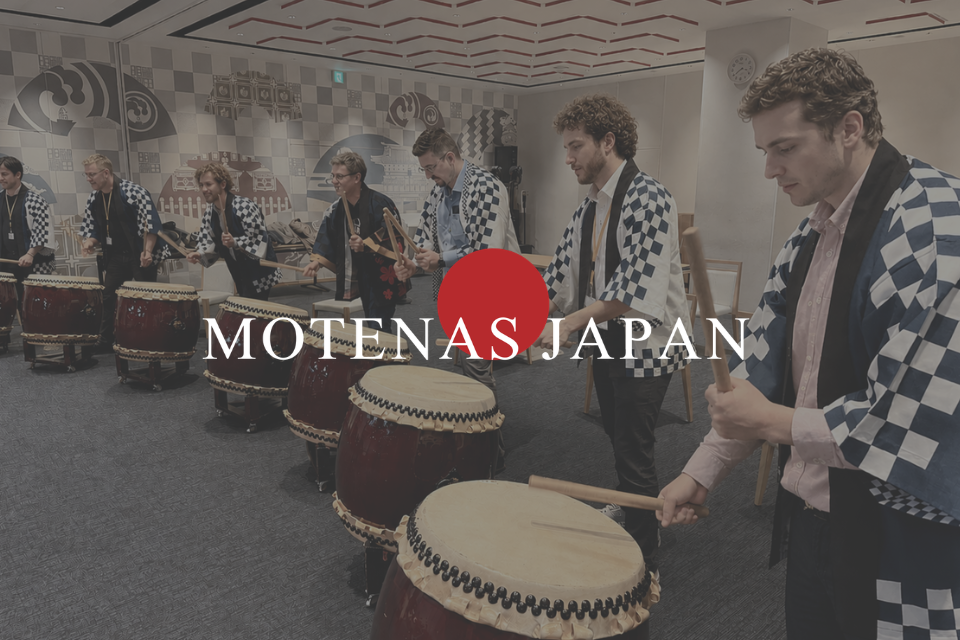
Some workshop formats depend heavily on physical interaction. Experiential workshops, in particular, are most effective when participants share the same physical space. Activities that rely on observation, movement, or shared experiences lose much of their impact when separated by screens. This is one reason experiential formats remain popular for team-building and leadership programs.
4. Build the Agenda

An effective workshop agenda guides participants through a logical sequence rather than filling every available minute with activities.
A useful rhythm is simple: introduce the concept, let participants apply it, then create time for reflection. This pattern keeps participants engaged while giving them opportunities to connect ideas with practical experience.
Estimate the duration of every activity and include buffer time between major sections. Discussions often take longer than expected, particularly when participants need time to build consensus or explore different perspectives. A realistic workshop agenda is easier to facilitate than one that depends on perfect timing.
Avoid the common temptation to include too many activities. A smaller number of well-designed exercises almost always produces better results than a schedule packed with unrelated discussions.
Participation also improves when individual work alternates with group activities. Giving participants time to think independently before sharing ideas helps quieter voices contribute and often leads to more thoughtful discussion.
5. Prepare the Room and the Materials

The physical environment should support the way participants will work throughout the session.
Choose a room layout that matches your objective. Round tables encourage discussion and collaboration. A U-shaped arrangement works well for demonstrations and shared conversation. Island-style seating supports small-group exercises and breakout activities. Your seating layout should make participation easy rather than forcing people to adjust throughout the day.
Preparation extends beyond furniture. Confirm practical details with the venue in advance, including access times, whether materials can be displayed on walls, Wi-Fi availability, audio-visual equipment, and space for breakout discussions. Solving these issues before participants arrive prevents unnecessary interruptions during the workshop.
Prepare materials that participants will actually use rather than documents that simply provide information. Worksheets, discussion prompts, templates, and visual aids should help participants complete activities instead of encouraging passive observation.
A well-prepared room allows the facilitator to focus on participants rather than logistics.
6. Facilitate on the Day
Planning creates the structure, but facilitation determines how participants experience the workshop.
The first fifteen minutes are particularly important. They establish expectations, explain how people will participate, and create the tone for the rest of the session. A confident introduction encourages engagement from the beginning.
Different groups require different responses. Some hesitate to speak and need structured questions or smaller discussions before sharing ideas publicly. Others become highly enthusiastic and move away from the agenda. The facilitator’s role is to guide the conversation without limiting productive discussion.
This balance requires continuous judgment. Sometimes the original plan should be followed closely to achieve the intended outcome. At other times, a valuable discussion deserves additional time even if it means shortening another activity. Knowing how to run a planning workshop involves making these decisions deliberately rather than simply following the printed agenda.
Successful facilitation is not about controlling every conversation. It is about helping participants reach the intended outcome while adapting to what happens in the room.
7. Follow Up While It’s Still Warm

A workshop should continue influencing participants after the session ends. Without structured follow-up, valuable ideas often remain unfinished.
Whenever possible, confirm responsibilities and deadlines before participants leave. Clear ownership helps transform discussion into action and reduces uncertainty about next steps.
Within the next few days, distribute workshop materials, agreed actions, and any documents created during the session. Sending these promptly reinforces momentum while the discussions remain fresh in participants’ minds.
Collecting feedback is equally important. Ask participants what supported productive discussion, what could be improved, and whether the workshop achieved its intended outcome. These insights help refine future sessions and identify opportunities to improve facilitation.
Following up quickly demonstrates that the workshop was designed to create lasting results rather than simply filling time on the calendar.
A Workshop Planning Checklist for Cross-Cultural Teams

The success of a workshop depends on preparing participants before the session begins, not simply translating materials or adjusting the agenda.
One of the first questions is whether participants should receive materials in advance and, if so, in which language. Providing key documents before the workshop gives non-native speakers more time to understand important concepts and reduces the amount of explanation required during the session. This preparation often leads to more confident participation once discussions begin.
Language support should be considered part of the workshop design rather than an operational task handled on the day of the event.
Next, consider whether interpretation will be necessary. If simultaneous or consecutive interpretation is part of the program, the workshop agenda should allow additional time for explanations and discussion.
Well-timed breaks help participants process information and maintain engagement throughout the workshop.
Participants working in a second language usually process information more slowly and benefit from regular opportunities to pause, reflect, and continue informal conversations.
Creating multiple ways to participate encourages more balanced discussions than expecting everyone to speak immediately in front of the group.
Small details can also influence participation. Decide how participants will introduce themselves and how names will be used throughout the session. Creating comfortable opportunities for everyone to contribute—rather than asking for immediate comments in front of the entire group—helps reduce unnecessary pressure and encourages broader participation.
Clear communication during the workshop allows participants to focus on collaboration instead of logistics.
Finally, establish a simple communication method for the day itself. Whether you use a messaging platform, email, or another channel, participants should know how updates, schedule changes, or logistical information will be shared.
What Changes When Your Participants Don’t Share a Language

When participants do not share the same language, the challenge is rarely translation alone. Communication speed, confidence, decision-making, and participation all change. A workshop that works well for a single-language team may feel slow, uneven, or frustrating when participants rely on interpretation or communicate at different levels of fluency.
Designing for mixed-language groups means reducing unnecessary barriers to participation rather than simply adding language support.
The Interpreter Problem
Interpreters make communication possible, but they also change the rhythm of a workshop. Every explanation, question, and discussion takes longer because participants must wait for interpretation before responding. Activities that depend on rapid conversation or spontaneous brainstorming often lose momentum.
One practical solution is to reduce explanation and increase demonstration.
Instead of describing every activity in detail, show participants what to do before asking them to begin. A short demonstration is usually easier to understand than several minutes of translated instructions. Visual examples, completed samples, and facilitator modeling also reduce misunderstandings while keeping the session moving.
This approach benefits everyone—not only participants working in a second language. Clear demonstrations create shared understanding without depending entirely on spoken communication.
Silence Means Different Things
Silence does not carry the same meaning in every culture. In some workplaces, remaining silent may indicate agreement, careful consideration, or respect for the speaker. In others, silence can be interpreted as uncertainty, disagreement, or lack of engagement.
Assuming that everyone participates in the same way often leads facilitators to misread the room.
One common example is asking for volunteers to speak first. Participants from cultures where speaking quickly is encouraged may dominate the discussion, while equally engaged participants remain silent until they have had time to organize their thoughts.
Instead of relying only on open discussion, consider designing activities where everyone works at the same time. Individual reflection followed by pair discussions before moving into a larger group conversation gives every participant an opportunity to think before speaking. This simple sequence often produces broader participation than inviting comments immediately from the whole room.
The Beginner’s Advantage
When participants have different levels of language ability, professional seniority, or cultural background, selecting the right activity becomes just as important as selecting the right facilitator.
One effective approach is to choose an activity that is equally unfamiliar to everyone.
When nobody is expected to be an expert, existing hierarchies temporarily become less important. Participants begin from the same starting point, making it easier to ask questions, experiment, and learn together. Rather than comparing professional expertise or language skills, the group focuses on a shared experience.
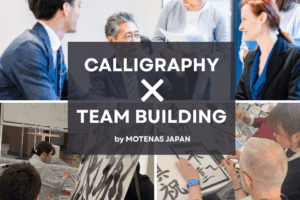
We have seen this approach work particularly well in experiential workshops designed for international leadership teams. In one program, participants explored Japanese calligraphy as a collaborative activity. Because almost everyone was trying the practice for the first time, conversations naturally shifted away from titles and language ability toward curiosity, observation, and mutual support. A similar pattern emerged in another workshop centered on Japanese flower arrangement, where participants first created individual pieces before working together on a shared composition. The progression from personal exploration to collaborative creation encouraged discussion without requiring immediate verbal confidence.
These examples illustrate an important principle rather than a specific activity. Psychological safety often develops when participants experience the challenge of being beginners together. Once everyone accepts that mistakes are part of the process, differences in language proficiency or organizational status become less influential. For many international teams, this creates a more balanced environment than discussion-based workshops alone.
A Sample Half-Day Agenda for a Mixed-Language Team

The following example shows how a half-day workshop can be structured for participants who speak different first languages. The sequence prioritizes understanding before discussion and collaboration before decision-making.
| Time | Activity | Why this comes here |
| 9:00–9:20 | Welcome and workshop objectives | A clear introduction establishes shared expectations before participants begin interacting. |
| 9:20–9:40 | Individual reflection | Starting with individual work allows everyone to think independently before stronger voices influence the discussion. |
| 9:40–10:10 | Pair discussion | Small conversations help participants build confidence before speaking in a larger group. |
| 10:10–10:25 | Break | A short break gives participants time to process information, especially when working in a second language. |
| 10:25–11:20 | Small-group activity | Collaborative tasks encourage communication through shared work rather than relying only on verbal discussion. |
| 11:20–11:50 | Group presentations and discussion | Teams share their work after ideas have already been developed, making participation easier for everyone. |
| 11:50–12:00 | Wrap-up and next steps | Ending with agreed actions ensures participants leave with a shared understanding of what happens next. |
This agenda is only an example. The activities, timing, and facilitation methods should always reflect the workshop’s objectives, participant profile, and desired outcomes.

Common Mistakes

Even well-planned workshops can fall short when a few common issues are overlooked. Recognizing these mistakes early makes it easier to design a session that encourages meaningful participation.
Unclear Objectives
Participants should understand why they are attending and what they are expected to achieve. Vague goals often lead to unfocused discussions and unclear outcomes.
Overloading the Agenda
Trying to cover too many topics usually reduces the quality of discussion. A focused agenda creates more value than a long list of activities.
Skipping Follow-Up
A workshop should end with clear actions, responsibilities, and next steps. Without follow-up, valuable ideas are less likely to become meaningful results.
Assuming Everyone Participates the Same Way
People contribute differently depending on their language, culture, and communication style. Designing multiple ways to participate helps create a more balanced and inclusive workshop experience.
Planning a Workshop That Works for Everyone in the Room
Learning how to plan a workshop means looking beyond the agenda itself. A strong workshop combines clear outcomes, an appropriate format, thoughtful facilitation, and follow-up—but when participants come from different language and cultural backgrounds, the design must also account for how people understand instructions, contribute ideas, and interact with one another.
Effective workshop planning follows a practical process while adapting that process to the people in the room, especially when language and cultural differences affect participation. Sometimes that means allowing more time for interpretation, changing how discussions are structured, or choosing an experiential activity that gives everyone a shared starting point.
If you’re considering an experiential workshop for an international team in Japan, explore our team-building programs for ideas and examples. If you already have a program in mind, you can also contact us to discuss what may work for your group.

毎月1回以上国内・海外旅行をする旅好きライターです。
フランス・ベトナム一人旅を筆頭に、ひとりで美味しいものを食べながらゆったり旅をするのが好きです。

