







The Japanese kimono has evolved over more than 1,000 years, reflecting changes in Japan’s culture, fashion, and craftsmanship. From the layered garments of the Heian court to the flourishing fashions of the Edo period, its history reveals how Japan’s traditional clothing developed over time.
This guide explores the origins and evolution of the kimono, its cultural significance, and how visitors can experience this living tradition today.
- Where the Japanese kimono originated and how it developed from the kosode
- How kimono fashion evolved from the Heian period through modern Japan
- Why kimono patterns, textiles, and craftsmanship hold cultural significance
- The differences between major kimono types and yukata, and when they are worn today
- How visitors can experience kimono culture through dressing, artisan workshops, and private cultural programs
What Is the History of Kimono in Japan?
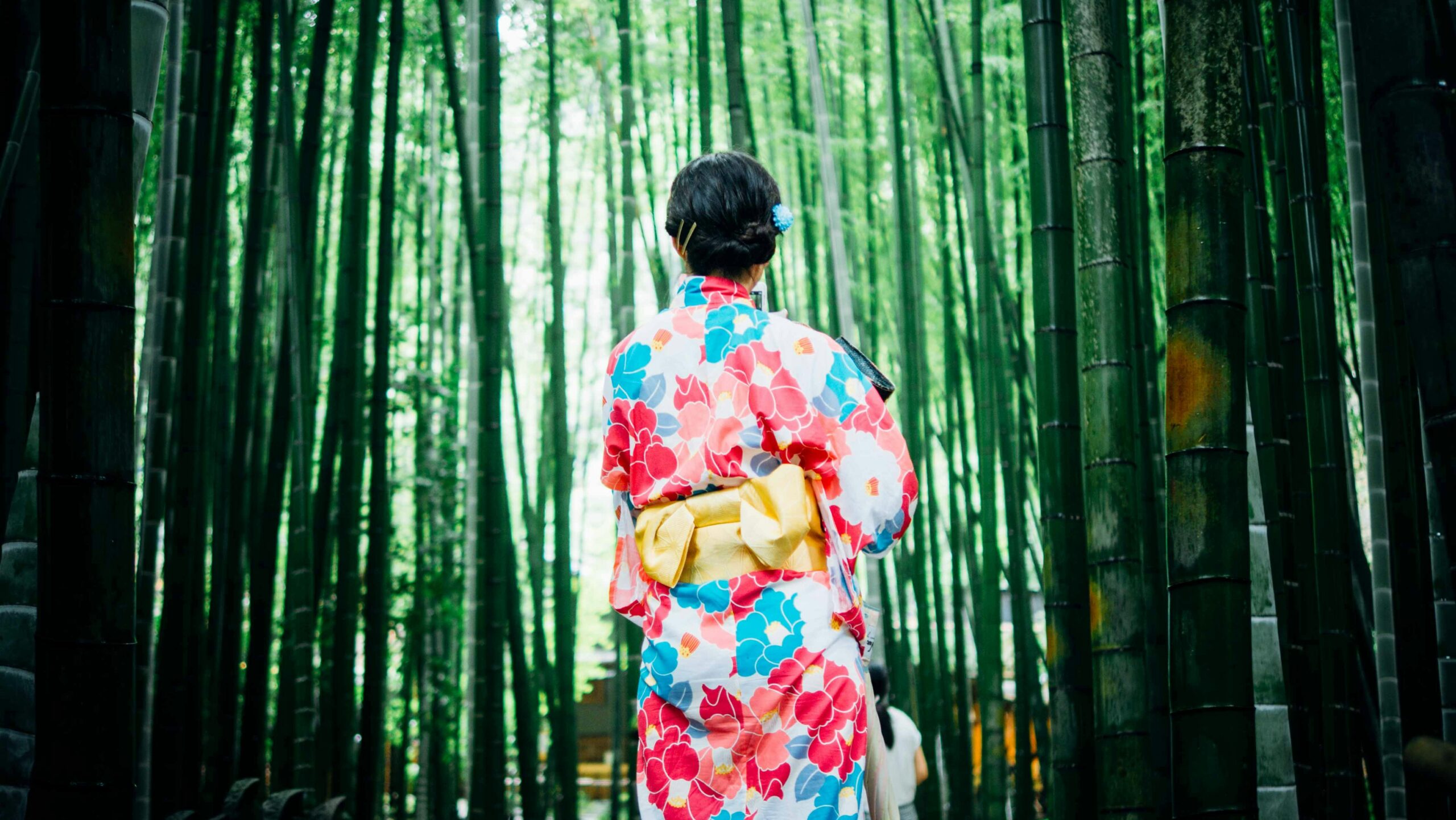
The history of the kimono extends back more than 1,000 years, although the modern garment developed gradually rather than being invented at a single point in time.
Early Japanese clothing was influenced by continental Asian traditions. During the Heian period (794–1185), the kosode, a garment with relatively small sleeve openings, became an important predecessor of the kimono.
Over the following centuries, the kosode evolved into outer clothing. During the Edo period (1603–1868), kimono fashion flourished through advances in textile craftsmanship and the growth of urban consumer culture.
Western clothing spread during Japan’s modernization, but the kimono continued to evolve rather than disappearing.
Timeline of Kimono History
| Historical Period | Key Development |
|---|---|
| Asuka–Nara (592–794) | Continental influences shape Japanese court clothing |
| Heian (794–1185) | Kosode develops alongside elaborate court dress |
| Kamakura–Muromachi (1185–1573) | Kosode increasingly becomes outer clothing |
| Azuchi-Momoyama (1573–1603) | Decorative textile techniques flourish |
| Edo (1603–1868) | Kimono fashion expands through urban culture |
| Meiji–Early Showa (1868–1945) | Western clothing spreads and modern kimono designs emerge |
| Postwar–Present | Everyday use declines while ceremonial and cultural roles continue |
Source: Victoria and Albert Museum — Kimono
Where Did the Japanese Kimono Originate?
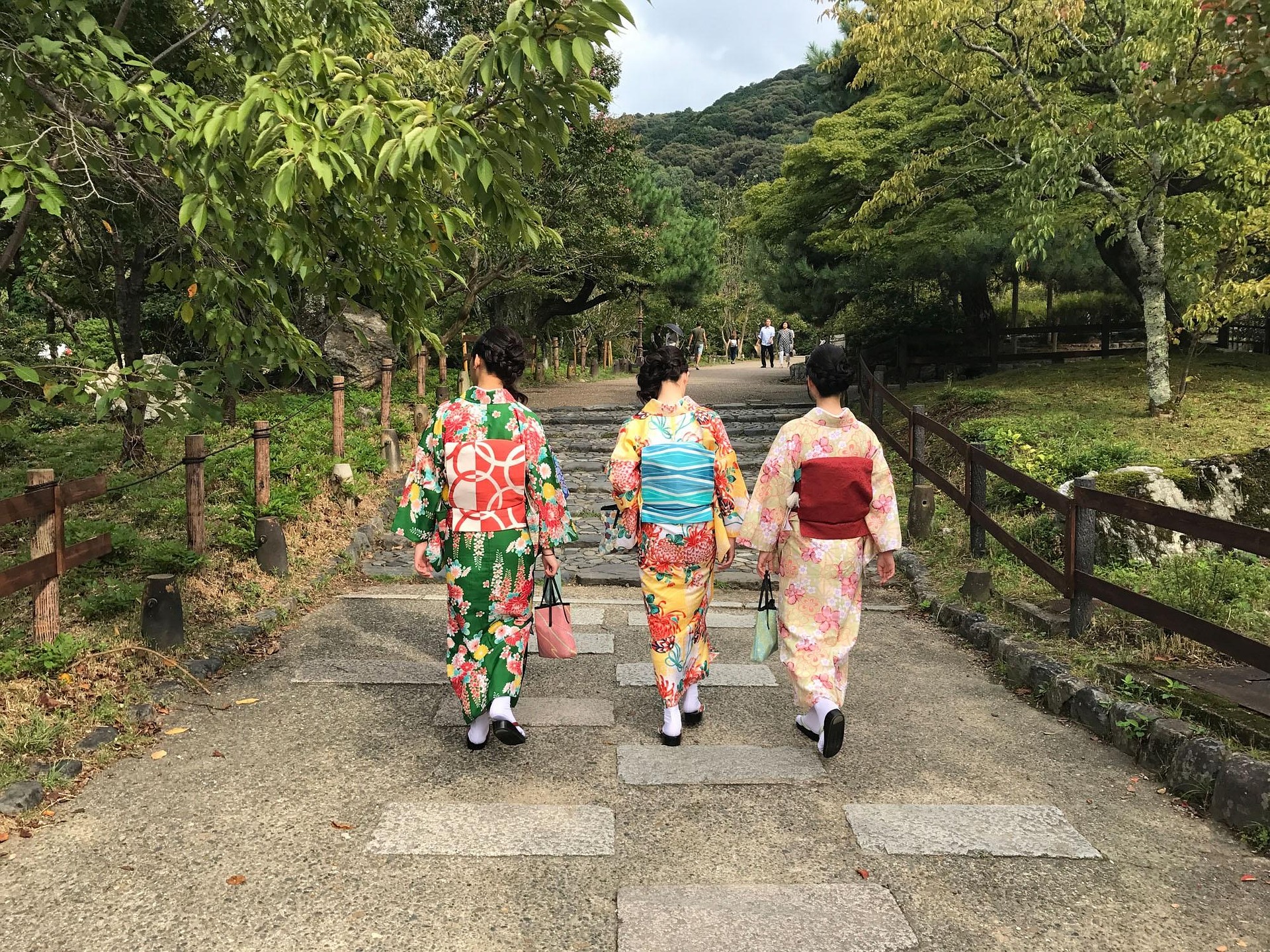
The kimono originated in Japan, developing from earlier garments influenced by clothing traditions from China and other parts of continental Asia. Its recognizable form emerged through centuries of adaptation rather than direct imitation.
Ancient Japanese Clothing and Continental Influences
During the Asuka (592–710) and Nara (710–794) periods, Japan maintained diplomatic and cultural connections with China and the Korean Peninsula.
Chinese court fashion influenced Japanese aristocratic clothing, including layered robes, overlapping collars, and textile decoration.
Clothing varied according to social position. Members of the imperial court wore garments that reflected continental styles, while ordinary people generally wore simpler, more practical clothing.
However, these early garments should not be considered identical to the modern kimono.
Over time, Japanese clothing developed distinctive forms suited to local customs, lifestyles, and aesthetic preferences.
The Emergence of the Kosode in the Heian Period
The Heian period (794–1185) marked a significant stage in the development of Japanese dress.
Aristocratic women wore elaborate layered court garments, often collectively described today as jūnihitoe. Their carefully coordinated colors reflected seasonal aesthetics and courtly traditions.
Beneath larger outer garments, aristocrats also wore the kosode, meaning “small sleeves.”
The kosode’s relatively narrow sleeve openings distinguished it from the wide-sleeved robes used in formal court dress.
Another important feature was straight-line construction, in which rectangular sections of fabric were sewn together instead of being closely tailored to the body’s curves.
This method made garments adaptable to different body shapes and helped preserve the fabric’s rectangular form.
Although the kosode initially served as an undergarment in aristocratic dress, its structure eventually became the foundation of the modern kimono.
Kyoto, Japan’s imperial capital for centuries, also developed into an important center of textile production and craftsmanship.
Sources:
How Has the Kimono Evolved Throughout Japanese History?
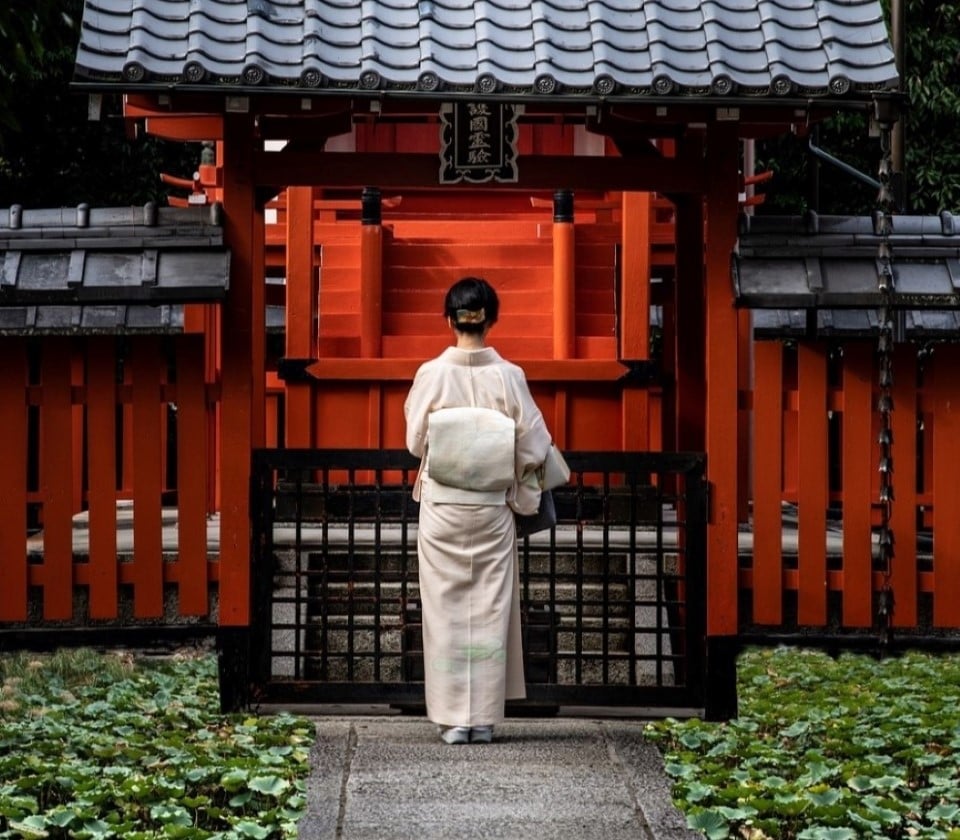
The kimono changed considerably as Japan moved from aristocratic rule through the samurai era, urban commercial society, modernization, and contemporary life.
While its basic construction remained recognizable, its decoration, materials, social meaning, and everyday uses continued to evolve.
Kamakura and Muromachi Periods (1185–1573): From Undergarment to Outerwear
The rise of the samurai class brought changes to Japanese clothing.
Compared with elaborate court garments, clothing associated with warrior households increasingly emphasized practicality and mobility.
The kosode gradually became more prominent as outer clothing, particularly during the Muromachi period.
It was worn by people across different social groups, although materials, accessories, and decoration varied according to wealth and status.
This transition was crucial: a relatively simple garment previously worn beneath other clothing developed into an increasingly visible expression of personal appearance.
Azuchi-Momoyama Period (1573–1603): The Rise of Decorative Kimono
During the Azuchi-Momoyama period, decorative kosode became increasingly elaborate.
Wealthy patrons commissioned garments incorporating embroidery, resist dyeing, metallic decoration, and striking combinations of colors and patterns.
Textiles became important expressions of artistic taste, prestige, and personal identity.
Rather than relying on complicated tailoring, artisans used the broad fabric surface to create compositions that could extend across sleeves, shoulders, and the body.
These developments helped establish the kimono as a major form of Japanese textile art.
Edo Period (1603–1868): The Golden Age of Kimono Fashion
The Edo period was one of the most influential eras in kimono history.
As cities expanded and commercial culture flourished, prosperous merchants and townspeople became important consumers of fashionable clothing.
Kimono developed into a medium for expressing taste, wealth, social identity, and artistic creativity.
The Tokugawa government introduced restrictions on certain luxurious clothing materials and decorations. However, the development of kimono fashion resulted from a combination of economic prosperity, textile innovation, changing tastes, and social regulations.
Artisans refined techniques such as shibori (resist dyeing), embroidery, stencil dyeing, and yūzen, which allowed complex pictorial designs to be created on fabric.
Fashion publications also became increasingly influential.
In 1666, Shinsen Onhiinakata, an early printed pattern book devoted to kosode designs, appeared. Known as hinagatabon, these books displayed fashionable patterns and helped customers select designs, functioning partly like modern fashion catalogs.
An example of Edo-period craftsmanship is the 17th-century Kosode with Mandarin Ducks and Waves on Black Figured Satin, preserved by the Tokyo National Museum.
Its elaborate wave designs combine resist dyeing and embroidery with auspicious motifs, showing how clothing could communicate artistic and symbolic meaning.
The obi also became wider and more decorative over time. Different ways of tying it developed, gradually transforming the sash from a primarily functional accessory into a major element of kimono fashion.
Kabuki actors contributed to popular taste as well. Their costumes, patterns, and distinctive styles attracted admirers, while woodblock prints helped circulate fashionable images.
Sources:

Meiji Period (1868–1912): Westernization and Changing Dress Customs
The Meiji Restoration brought significant changes to Japanese society and clothing.
As Japan modernized, Western-style uniforms and business attire became increasingly common in government, military institutions, and professional environments.
However, Japanese people did not immediately abandon traditional clothing.
Kimono and Western garments coexisted for decades, and different social groups adopted Western fashion at different speeds.
Some people combined kimono with Western accessories, creating styles that reflected Japan’s changing relationship with international culture.
During this period, the kimono also acquired greater significance as a recognizable expression of Japanese identity in contrast to Western dress.
Taisho and Early Showa Periods (1912–1945): Modern Kimono Designs
The early 20th century brought another transformation.
Affordable silk kimono known as meisen became popular, particularly among urban women.
These garments often featured bold colors and geometric patterns, reflecting changing fashion preferences and modern lifestyles.
Department stores played an important role in making ready-to-wear kimono more accessible. As documented by the Metropolitan Museum of Art, meisen gained popularity around the 1920s and was sold through department stores modeled on Western retailers.
This period demonstrates that Japanese kimono fashion did not simply resist Westernization. It continued to adapt to changing consumer tastes and modern forms of retail.
Sources:
Postwar Japan to the Present: The Decline of Everyday Kimono
After World War II, Western-style clothing became increasingly dominant in everyday Japanese life.
Changes in work, education, transportation, and household routines contributed to this transition. Western clothing was often easier to put on, maintain, and adapt to modern daily activities.
Formal kimono dressing could also involve considerable preparation and specialized knowledge.
However, declining everyday use did not mean the disappearance of kimono culture.
During the postwar decades, kimono continued to develop through changing materials, designs, and consumer preferences.
Contemporary designers have also incorporated traditional silhouettes into modern fashion.
Today, the kimono remains both an important form of ceremonial dress and a source of creative inspiration.
Why Is the Kimono Important in Japanese Culture?
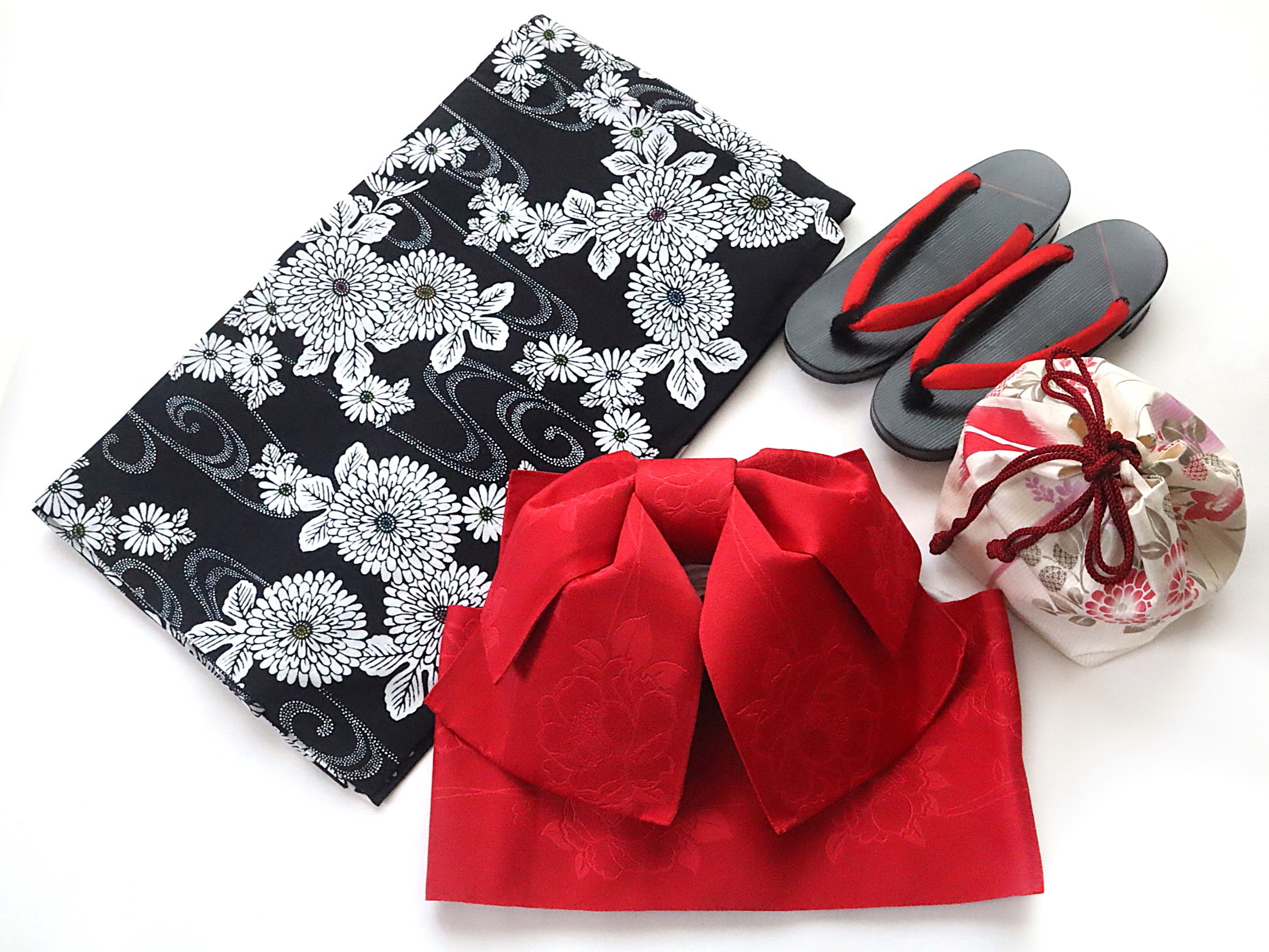
The kimono is culturally important because it connects Japanese craftsmanship, seasonal aesthetics, personal expression, and ceremonial traditions.
Its significance extends beyond its function as clothing.
A Symbol of Japanese Identity and Craftsmanship
Kimono production brings together specialized skills in weaving, dyeing, embroidery, tailoring, and textile design.
Traditional techniques such as Kyoto’s Nishijin-ori weaving and Kyō-yūzen dyeing demonstrate the artistic knowledge involved in creating high-quality textiles.
Some garments require multiple specialists, with different artisans contributing to the design, fabric production, dyeing, and finishing.
These techniques connect contemporary craftsmanship with earlier generations while allowing artisans to develop new designs.
Seasonal Patterns and Their Cultural Meanings
Kimono patterns frequently reflect Japan’s changing seasons, natural landscapes, and traditional symbolism.
| Traditional Motif | Common Symbolic Meaning |
|---|---|
| Sakura (cherry blossom) | Spring, renewal, fleeting beauty |
| Tsuru (crane) | Longevity and good fortune |
| Matsu (pine) | Longevity and endurance |
| Ume (plum blossom) | Renewal and perseverance |
| Seigaiha (waves) | Continuity and peaceful good fortune |
| Momiji (maple leaves) | Autumn and seasonal beauty |
The combination of pine, bamboo, and plum, known as shōchikubai, traditionally represents auspicious qualities such as longevity, resilience, and renewal.
Kimono designs may also reference classical literature, poetry, or historical stories. A pattern might evoke a particular season or literary scene without depicting it directly.
However, motifs do not always have one fixed meaning. Their interpretation depends on historical context, artistic intention, and the wearer.
Sources:
The Role of Kimono in Traditional Ceremonies and Performing Arts
Kimono remains closely associated with tea ceremony, traditional Japanese dance, kabuki, and geisha culture.
Different garments may communicate the occasion’s formality, the wearer’s role, or the season.
In Kyoto’s traditional entertainment districts, maiko wear distinctive long-sleeved kimono, elaborate obi, and seasonal hair ornaments.
These garments form part of a broader artistic tradition involving dance, music, etiquette, and hospitality.
Understanding the clothing can therefore deepen appreciation of the performance and the cultural environment surrounding it.
Experience the Art and Tradition of Japanese Kimono
Discover the craftsmanship and cultural traditions behind Japanese kimono through private cultural experiences, including traditional dressing and tea ceremonies.
What Are the Different Types of Japanese Kimono?
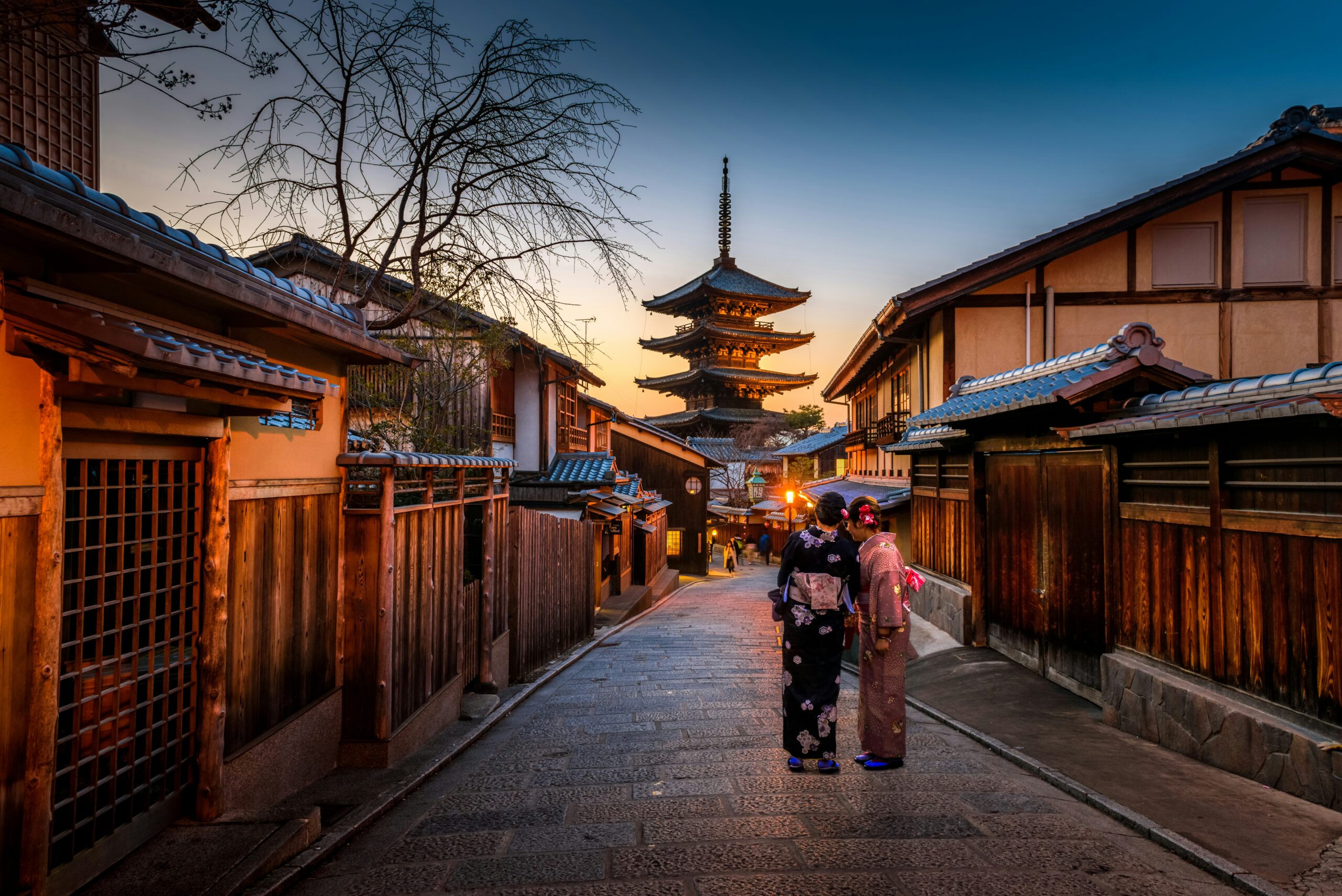
Japanese kimono vary according to formality, occasion, fabric, decoration, and accompanying accessories.
Some of the best-known types include:
| Kimono Type | Characteristics | Typical Occasions |
|---|---|---|
| Furisode | Long, flowing sleeves and elaborate patterns | Coming-of-age celebrations, formal events |
| Tomesode | Formal kimono, often featuring designs near the hem | Weddings and formal ceremonies |
| Hōmongi | Decorative patterns extending across seams | Receptions and celebrations |
| Iromuji | Single-color kimono | Tea ceremonies and formal gatherings |
| Komon | Repeating patterns | Casual outings |
| Tsumugi | Woven textile, often with a distinctive texture | Informal occasions |
| Yukata | Lightweight, informal kimono | Summer festivals, ryokan stays |
Traditionally, some types were associated with particular marital statuses or social conventions. Today, the appropriate choice also depends on the event, fabric, family crests, and accessories.
What Is the Difference Between a Kimono and a Yukata?
A yukata is a casual type of kimono, generally distinguished by its lightweight construction and informal use.
Traditional formal kimono may be made from silk and worn with additional garments, including a nagajuban underlayer.
Yukata are generally unlined, commonly made from cotton or other breathable fabrics, and typically require fewer layers.
They are especially associated with summer festivals, fireworks displays, and traditional Japanese inns.
While formal kimono may be appropriate for weddings and ceremonies, yukata are generally intended for relaxed occasions.
Sources:
Do Japanese People Still Wear Kimono Today?
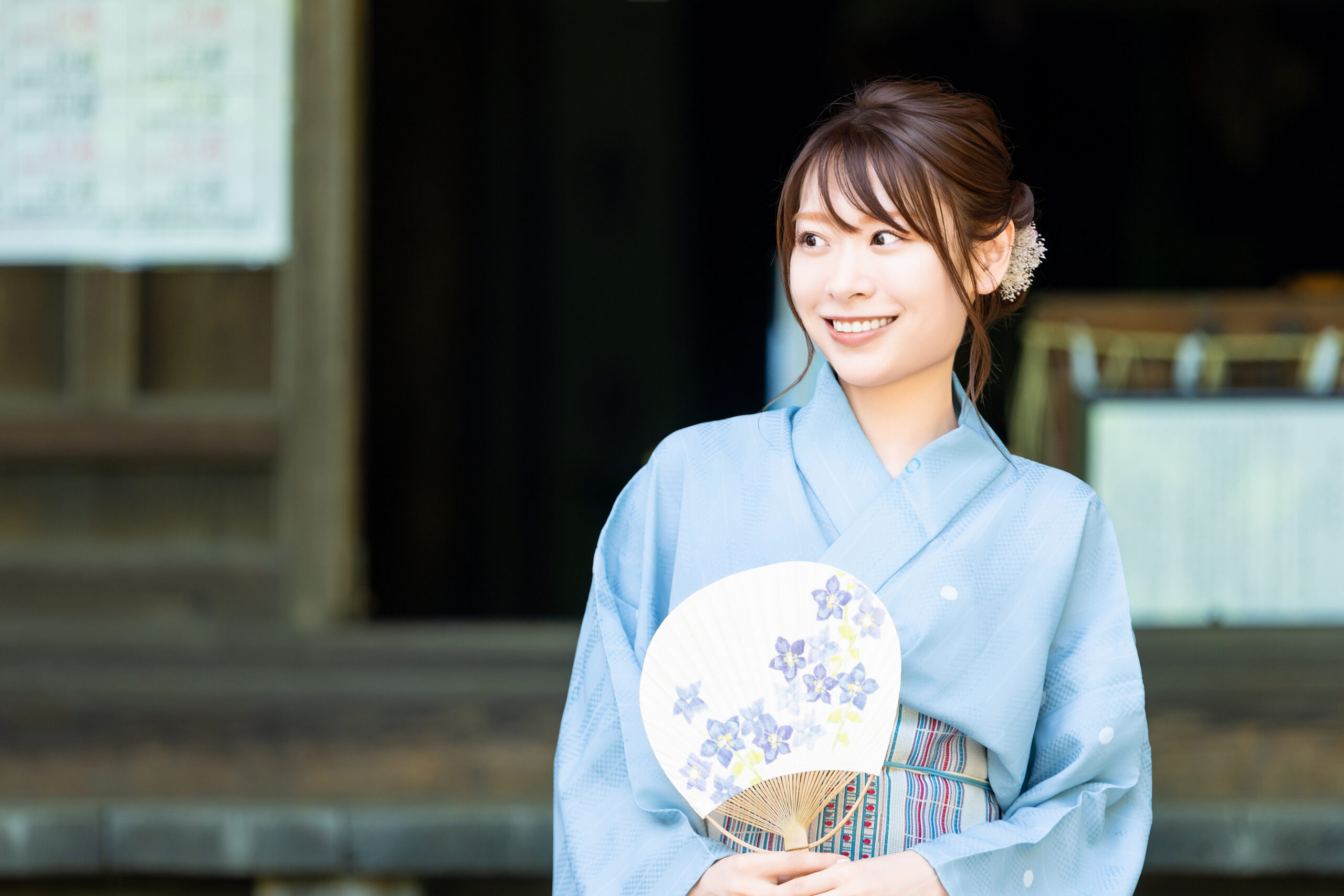
Yes. Japanese people still wear kimono today, although they are no longer standard everyday clothing for most of the population.
Kimono remain important for significant life events and traditional cultural activities.
- Coming-of-age celebrations: Many young adults wear formal kimono, particularly furisode.
- Weddings: Traditional ceremonies may include bridal kimono such as shiromuku and iro-uchikake.
- Shichi-Go-San: Children dress in traditional clothing to celebrate their growth.
- Graduations: Some students wear kimono with hakama.
- Tea ceremonies: Kimono may be selected according to the gathering and its formality.
- Summer festivals: Yukata remain popular during seasonal celebrations.
Some people also enjoy vintage kimono, contemporary designs, and combinations of traditional clothing with modern accessories.
Kimono is therefore not simply preserved as a historical costume. It continues to be worn, interpreted, and appreciated in contemporary Japan.

How Can Visitors Experience Traditional Kimono Culture in Japan?
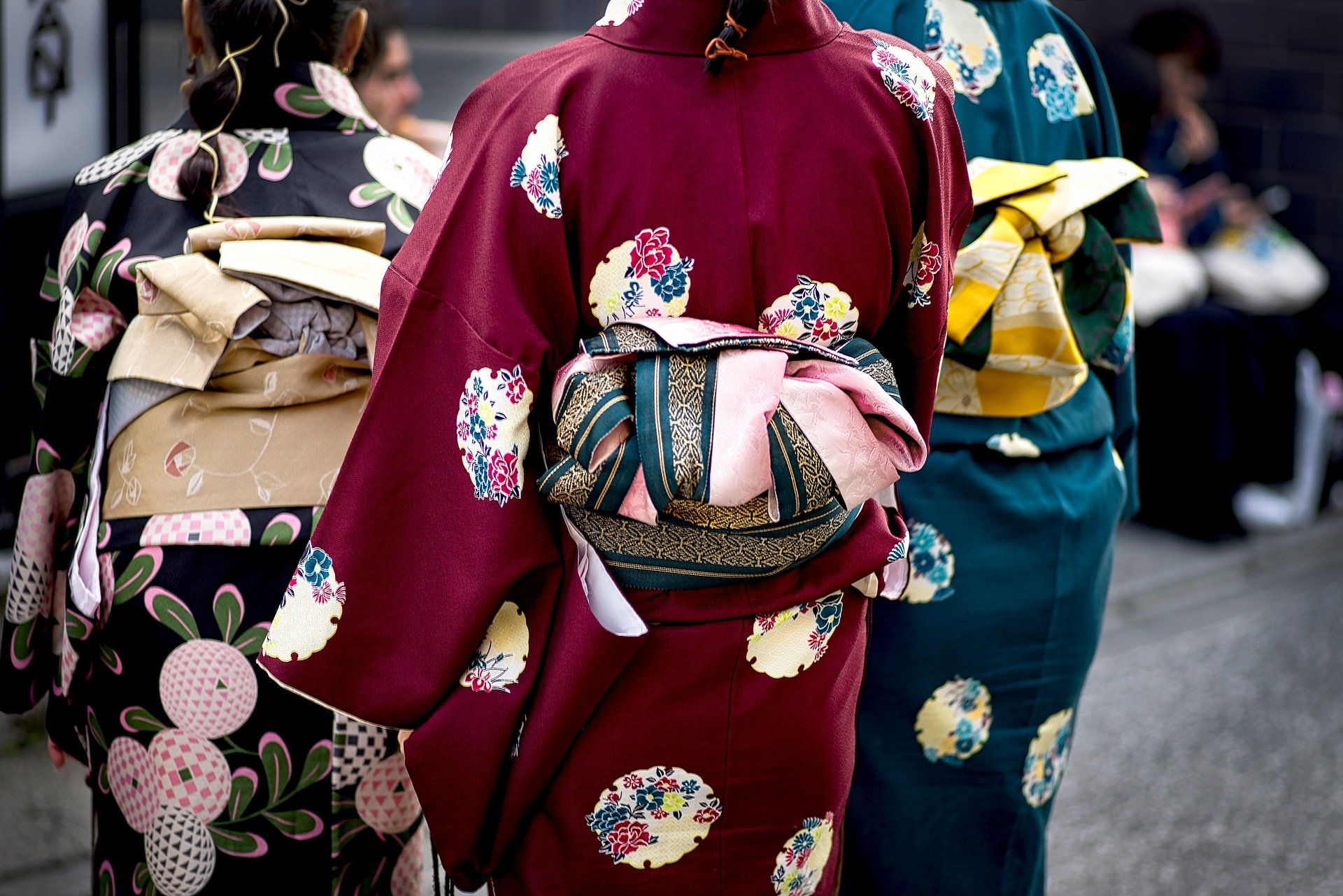
Visitors can explore kimono culture through traditional dressing, textile workshops, cultural activities, and privately arranged experiences.
These activities offer different levels of engagement, from wearing traditional clothing to learning directly about craftsmanship and etiquette.
Traditional Kimono Dressing Experiences
Professional kimono dressing services allow visitors to experience the garment’s construction, accessories, and wearing techniques.
Kyoto, Tokyo, and Kanazawa are among the destinations where visitors can find kimono experiences.
Some programs focus on sightseeing and photography, while others include explanations of the garment’s historical background and cultural significance.
Visitors interested in deeper cultural understanding may prefer experiences that explain the choice of fabric, seasonal patterns, obi, and appropriate etiquette.
Discovering Traditional Kimono Craftsmanship
Textile workshops offer opportunities to learn how Japanese garments are created.
In Kyoto, visitors may encounter demonstrations or workshops relating to Kyō-yūzen dyeing and Nishijin weaving.
Depending on the workshop, activities may include observing artisans, learning about traditional tools, or participating in selected stages of the production process.
Such experiences reveal how specialized craftsmanship contributes to the artistic and cultural value of the finished garment.
Private Kimono Experiences for VIP and Corporate Guests
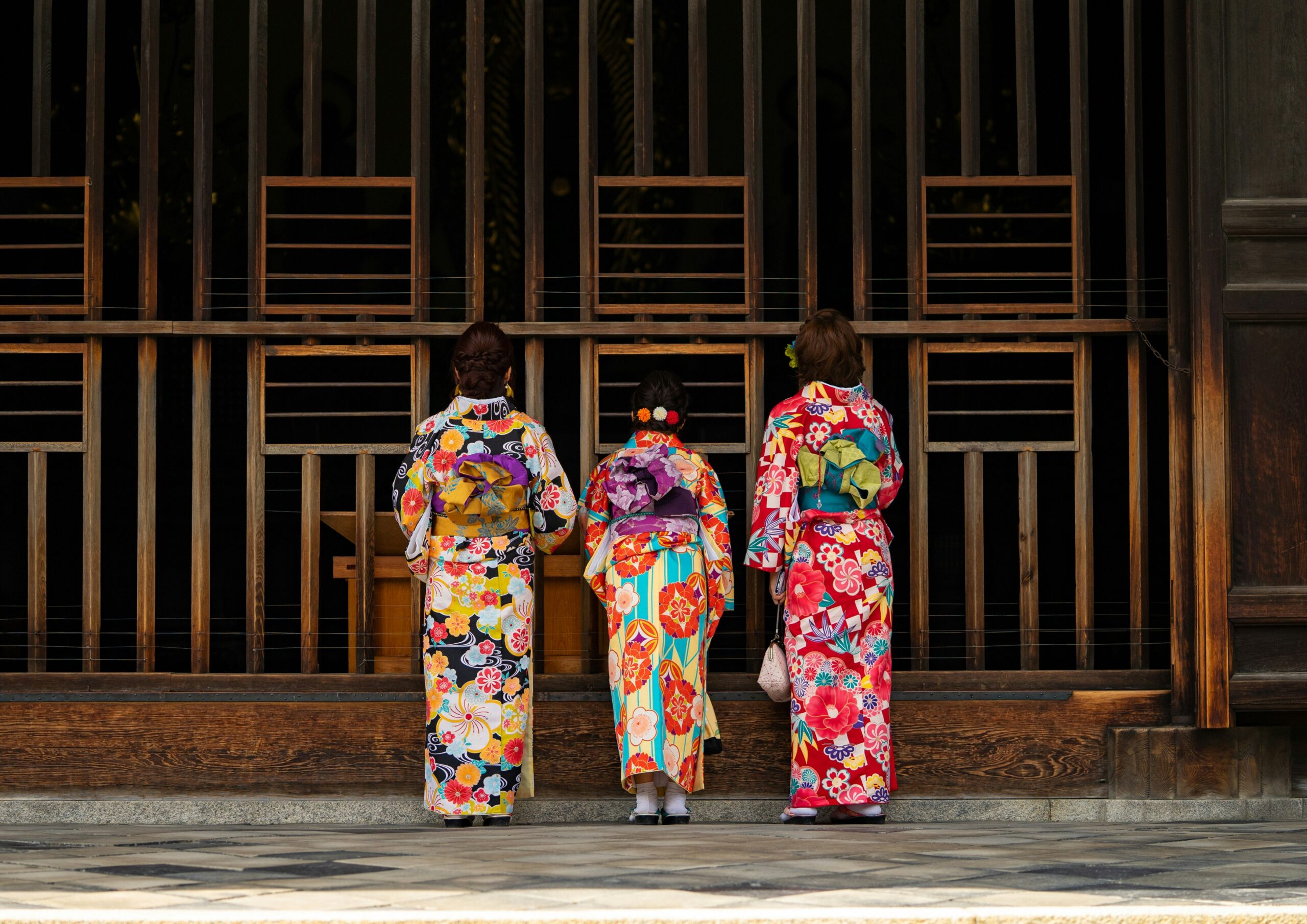
For international VIP travelers and corporate groups, kimono culture can be incorporated into customized Japanese cultural programs.
MOTENAS JAPAN has introduced several private experiences combining traditional clothing with other cultural activities.
Kimono Tea Ceremony on a Traditional Riverboat
In one documented experience, foreign VIP guests wore kimono aboard a traditional Tokyo riverboat.
The program combined kimono dressing with a tea ceremony, seasonal decorations, and scenic views. Guests learned about Japanese tea traditions and practiced preparing tea in a private setting.
Luxury Princess Experience
MOTENAS JAPAN also organized a private experience for wealthy guests from China, combining a formal tea ceremony with elaborate kimono inspired by the women of the shogun’s inner palace (Ōoku).
Professional photography was incorporated to create a personalized record of the occasion.
These examples demonstrate how kimono can become part of a broader cultural experience rather than simply clothing worn for photographs.
MOTENAS JAPAN’s published tea ceremony overview provides an estimated duration of 1–2 hours and an indicative participant range of 2–100 guests, depending on the request. These figures refer to its tea ceremony offerings and should not be interpreted as standard conditions for every kimono program.
Private arrangements and pricing depend on the experience, location, group size, and requested customization.

Plan a Private Kimono Experience in Japan
Looking for a personalized cultural experience for VIP guests or a corporate group?
MOTENAS JAPAN can help create customized programs combining traditional Japanese attire with tea ceremonies and other cultural activities suited to your occasion.
FAQ About Kimono History and Culture
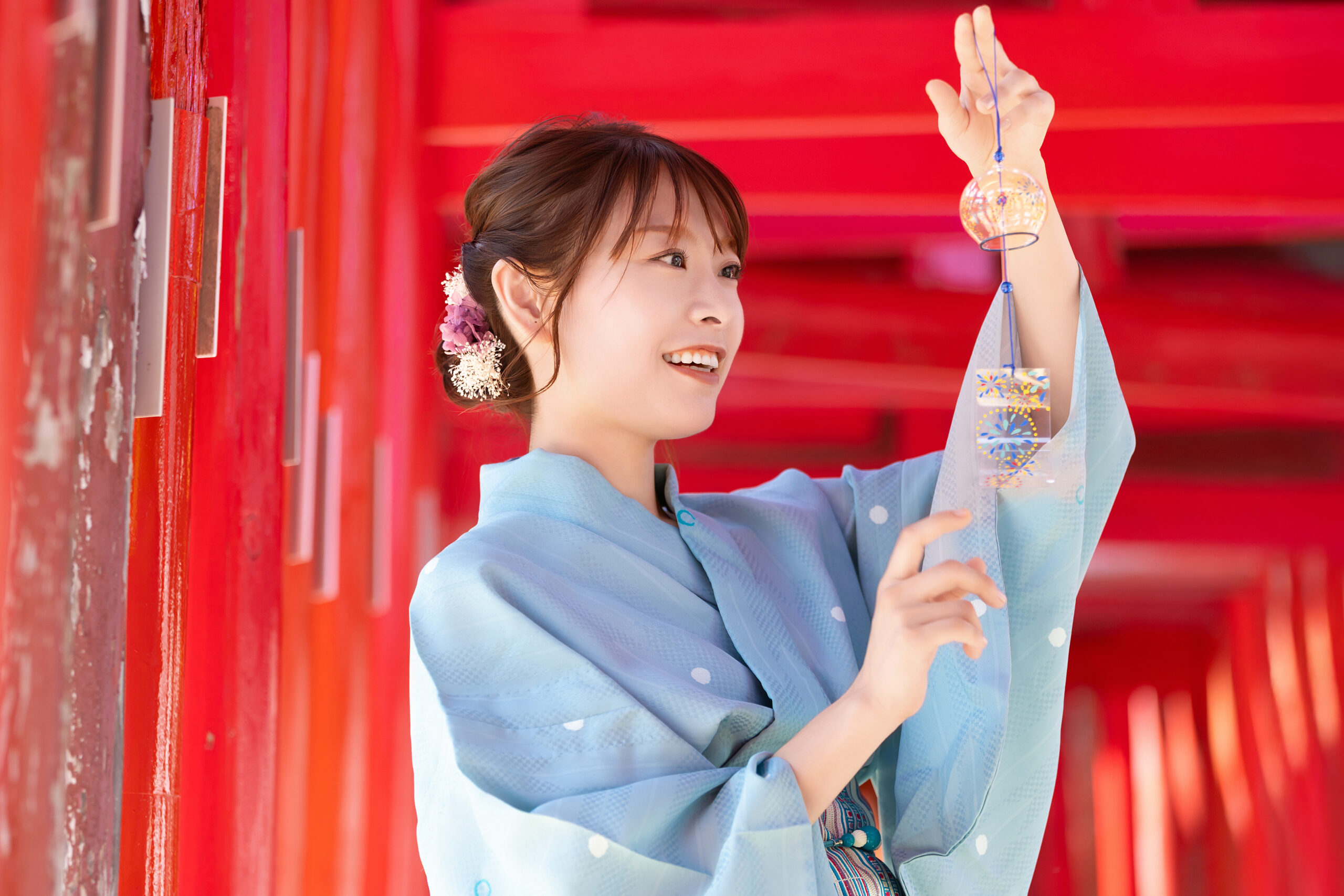
How Old Is the Japanese Kimono?
The kimono’s historical roots extend back more than 1,000 years. Its predecessor, the kosode, was worn during the Heian period (794–1185), while the recognizable modern garment evolved over subsequent centuries.
What Is the Difference Between Traditional and Modern Kimono?
Traditional kimono generally follow established construction and dressing conventions, while contemporary styles may incorporate new fabrics, patterns, and accessories. Modern adaptations can also combine kimono with Western fashion. However, both traditional and contemporary garments may retain the characteristic wrapped, straight-seamed structure.
Can Foreign Tourists Wear Kimono in Japan?
Yes. Kimono dressing experiences are available to international visitors, and wearing kimono is generally welcomed when done respectfully. Visitors should choose clothing appropriate to the occasion and follow guidance from professional dressers or cultural hosts.
What Should Visitors Know Before Wearing a Kimono?
Kimono are traditionally worn with the left side wrapped over the right. The opposite arrangement is associated with dressing the deceased. Visitors should also consider the occasion’s formality, appropriate footwear, and any specific etiquette explained by their host or dresser.
Experience Japan’s Kimono Heritage with MOTENAS JAPAN
The history of the kimono reveals how Japanese clothing has evolved through cultural exchange, artistic innovation, and changing lifestyles.
From Heian-period court garments to Edo-period fashion and contemporary cultural traditions, the kimono reflects both continuity and transformation.
For travelers seeking a deeper connection with Japanese culture, wearing kimono, learning about traditional textiles, or participating in a private cultural program can bring this history to life.
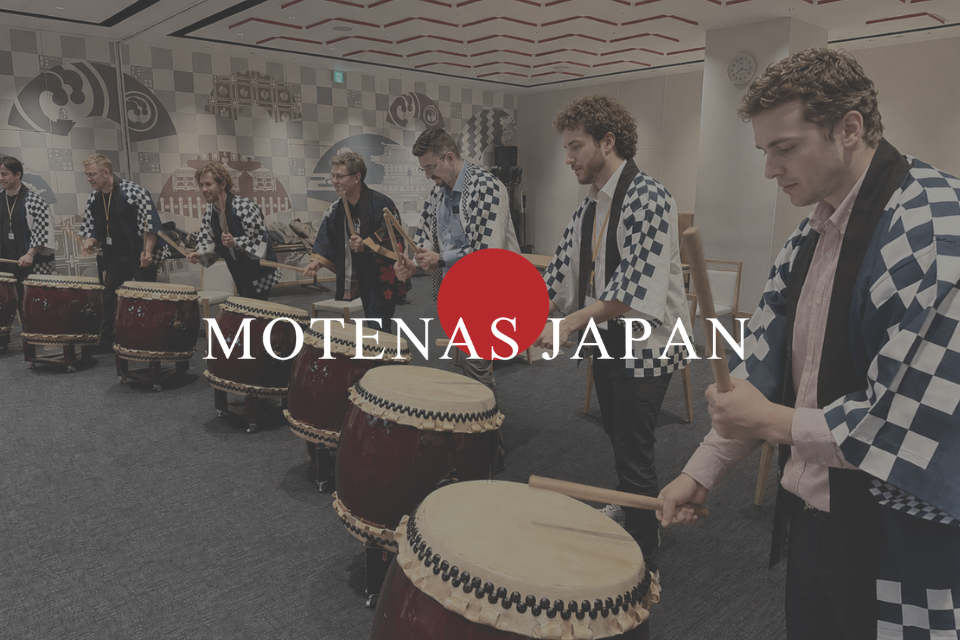
MOTENAS JAPAN designs customized Japanese cultural experiences for international guests, VIP travelers, and corporate groups.
We are working day and night to spread Japan’s unique hospitality culture to people around the world. Please feel free to contact us for any inquiries regarding the reception and hospitality of guests visiting Japan.


