




.png)
As the crescent moon marks the start of Ramadan in 2026, many Muslim travelers may question whether Japan—known for its rich culinary culture yet not traditionally Islamic—is a suitable destination. The answer is yes. Japan’s values of discipline, quietness, and respect closely align with the reflective spirit of Ramadan.
While dietary needs and prayer schedules require planning in a non-Muslim majority country, Japan offers a calm, respectful environment for worship and reflection. With the right preparation, your journey can move beyond sightseeing, blending spiritual depth with refined luxury.
This guide shows how to experience Ramadan in Japan with comfort and peace of mind.
Traveling to Japan During Ramadan: Is it Feasible?
Traveling to Japan during Ramadan is highly feasible and rewarding, despite it being a non-Muslim majority country. For 2026, Ramadan falls in late winter to early spring, offering comfortable temperatures for fasting. While daily life in Japan continues as normal, travelers can find increasing support through prayer rooms at major airports and a growing number of halal-friendly services in Tokyo, Osaka, and Kyoto.
Japan is renowned for its safety, cleanliness, and punctuality—factors that significantly reduce travel stress. Unlike chaotic travel hubs where delays might jeopardize iftar, Japanese trains run to the second, allowing you to plan your fast-breaking with precision. Furthermore, the Japanese concept of Omotenashi (wholehearted hospitality) ensures that once your needs are communicated, they are respected with the utmost sincerity.
Ramadan 2026 Timetable and Weather Conditions

Ramadan in Japan in 2026 is expected to last from mid-February to mid-March. Fasting hours typically range from 12 to 13 hours, which is shorter compared to summer months. The weather is cool and crisp, making it physically easier to manage fasting while sightseeing, though travelers should pack warm clothing for the transition from winter to spring.
Understanding the Fasting Duration
One of the significant advantages of visiting Japan during this period is the manageable daylight hours. Unlike the long summer fasts in Europe or parts of the Middle East, the fasting window in Japan is relatively moderate. Below is an estimated timetable for Tokyo during Ramadan 2026.
Estimated Ramadan Timetable 2026 (Tokyo)
| Date | Day | Fajr (Suhoor End) | Maghrib (Iftar) | Fasting Hours |
| Feb 17 | Start of Ramadan | ~05:00 AM | ~05:25 PM | ~12h 25m |
| Mar 01 | Middle of Ramadan | ~04:45 AM | ~05:35 PM | ~12h 50m |
| Mar 19 | End of Ramadan | ~04:20 AM | ~05:50 PM | ~13h 30m |
Note: Times are approximate and vary by location (e.g., Osaka and Kyoto will differ by minutes). Always verify with local mosque calendars or apps like “Muslim Pro” upon arrival.
Seasonal Advantages for Travelers
The transition from late winter to early spring is arguably the best season for fasting travelers.
Temperature: Expect daytime highs of 50°F–60°F (10°C–15°C). It is cool enough to prevent dehydration, yet pleasant enough for walking throughout the day.
Scenery: By mid-March, early plum blossoms (Ume) and early cherry blossoms (Sakura) begin to bloom, providing a breathtaking backdrop for reflection without the intense humidity of Japanese summers.
Finding Halal Food: Iftar and Suhoor Options
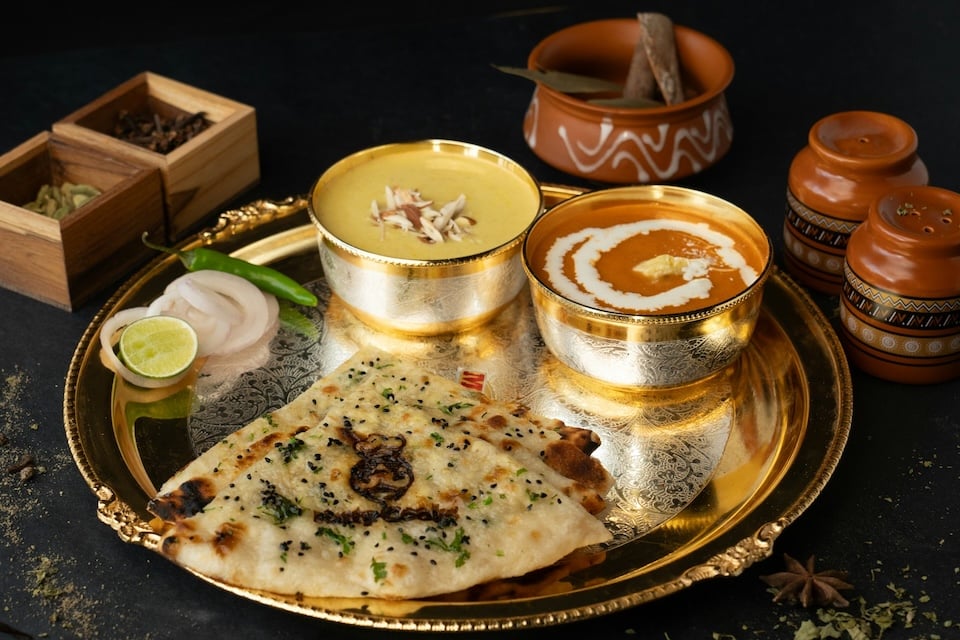
Finding Halal food requires preparation, as standard Japanese restaurants use mirin and alcohol frequently. Travelers should utilize apps like “Halal Gourmet Japan” to locate certified restaurants. For Suhoor, convenience stores offer Salmon Onigiri and water, but checking ingredients is crucial. For a guaranteed seamless dining experience, booking specialized Halal courses in advance is recommended.
Navigating Convenience Stores for Suhoor
Japanese convenience stores (7-Eleven, FamilyMart, Lawson) are open 24/7 and are lifesavers for Suhoor. However, many items contain hidden non-halal ingredients like emulsifiers derived from pork or flavor enhancers containing alcohol.
Safe Bets: Plain salt Onigiri, Salmon (Shake) Onigiri, pickled plum (Ume) Onigiri, bananas, yogurt, and boiled eggs.
Tools: Use Google Translate’s camera function to scan ingredient labels for Kanji characters like 豚肉 (Pork), 酒 (Alcohol), or みりん (Mirin).
Bread: Be cautious, as many Japanese breads use shortening (animal fat). Stick to plain baguettes or verify the ingredients.
Recommended Halal Restaurants in Major Cities
Major cities have seen a rise in high-quality Halal dining. Here are top-tier options where you can enjoy Iftar with peace of mind.
| City | Restaurant Name | Cuisine Type | Features | URL |
| Tokyo | Yakiniku Panga | Japanese BBQ (Wagyu) | Certified Halal Wagyu, highly popular. | Official Site |
| Tokyo | Gonpachi (Nishi-Azabu) | Japanese Izakaya | Offers specific Halal courses (requires pre-booking). Famous from the movie Kill Bill. | Official Site |
| Osaka | Matsuri | Okonomiyaki/Takoyaki | Muslim-friendly, prayer space available. DIY cooking experience. | Official Instgram |
| Kyoto | Yoshiya (Arashiyama) | Kyoto Cuisine | Halal-certified Washoku with views of the Arashiyama bamboo forest. | Official Site |
The Challenge of “Walk-in” Dining
While options exist, they are not ubiquitous. Walking into a random high-end sushi bar or tempura restaurant and expecting Halal options is risky. Most traditional Japanese sauces contain Mirin (sweet rice wine). For international visitors, especially those hosting business partners or family groups, relying on walk-ins can lead to stress and hunger. Advance reservation is not just recommended; it is essential.
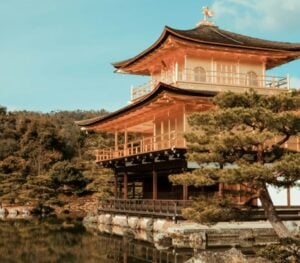
Mosques and Spiritual Connection: Tokyo Camii and Beyond

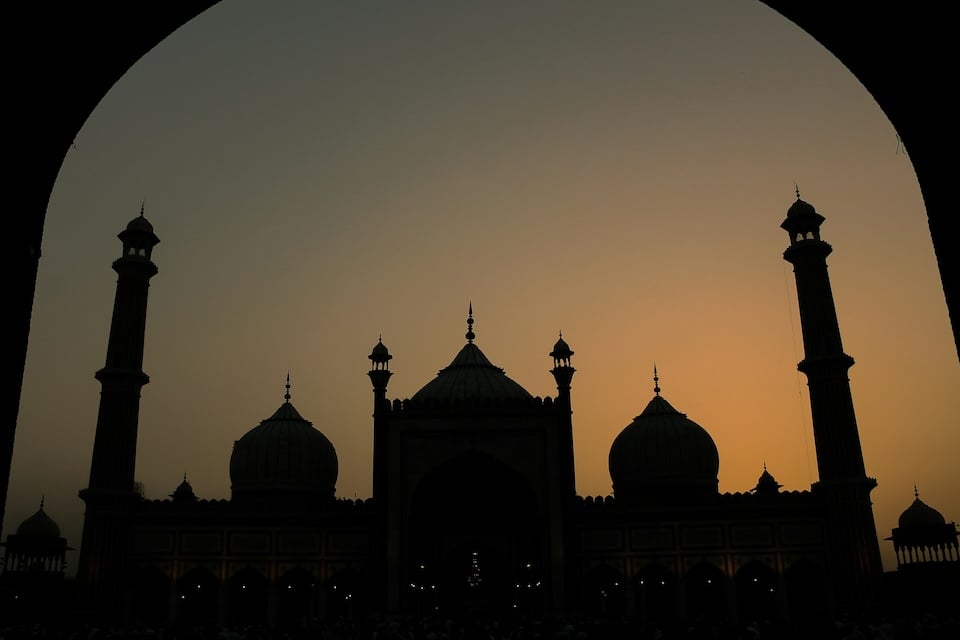
To avoid isolation, visitors should visit Tokyo Camii & Diyanet Turkish Culture Center, Japan’s largest mosque, which frequently hosts community Iftars and offers a stunning architectural sanctuary. Other key spiritual hubs include the Kobe Muslim Mosque and the Hiroo Mosque. These locations provide a vital sense of community and a place to perform Taraweeh prayers alongside local residents.
The Tokyo Camii Experience
Located in the serene Yoyogi-Uehara district, Tokyo Camii is a masterpiece of Ottoman architecture. During Ramadan, it transforms into a vibrant hub of brotherhood. The mosque often organizes community Iftar meals where locals (both Muslim and non-Muslim) and travelers gather. Praying in the magnificent main hall, with its intricate calligraphy and stained glass, is a spiritually uplifting experience that anchors your trip.lly uplifting experience that anchors your trip.
Prayer Rooms in Tourist Areas and Airports
Japan has improved its infrastructure to welcome Muslim travelers. You can find prayer rooms (Kito-shitsu) in key locations.
Airports: Narita (NRT), Haneda (HND), and Kansai (KIX) all have dedicated prayer rooms.
Shopping Malls: Ginza Six and Takashimaya Shinjuku often have prayer facilities or quiet spaces available upon request.
Station Areas: The Osaka Station City and Kyoto Station area have prayer rooms, though hours may be limited.
Cultural Etiquette: How to Spend Ramadan Among Non-Muslims
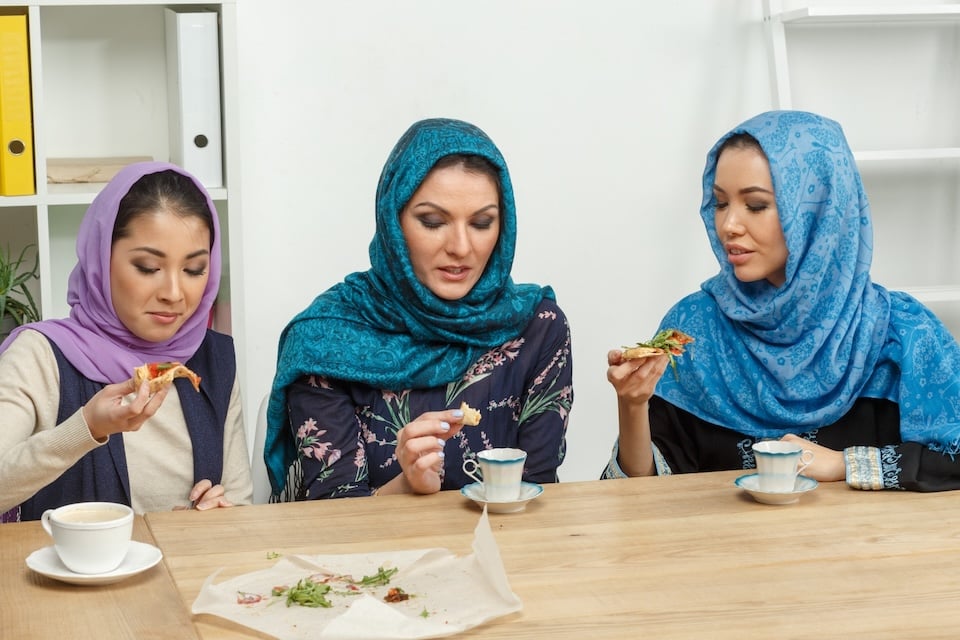
Japanese people are generally respectful but may be unfamiliar with Islamic customs. It is polite to simply explain, “I am fasting for religious reasons” if offered food. Refraining from eating or drinking conspicuously in crowded public transport is considered good manners. In business settings, Japanese hosts appreciate prior notice regarding dietary restrictions to avoid awkwardness during welcome dinners.
The Virtue of Patience: Japan is a society that values patience and order. This aligns perfectly with the spirit of fasting.
Declining Food: If you are visiting a company or a local home, you might be served tea or snacks. It is not rude to leave them untouched after explaining your fast. A simple phrase, “Watashi wadanjiki chyu desu” (I am currently fasting), is usually met with respect and curiosity rather than offense.
Public Etiquette: While it is not illegal to eat in public, avoiding eating or drinking while walking (which is generally frowned upon in Japan anyway) or on crowded trains shows high cultural intelligence.
Recommended Activities: Experiencing Japan Without the Focus on Food
Travelers can maximize their trip by focusing on cultural immersion rather than food tours. Ideal activities include relaxing in private Onsen (hot springs) to rejuvenate, enjoying night views at Roppongi Hills or Tokyo Skytree after Iftar, and participating in traditional Tea Ceremonies arranged with Halal-certified sweets. These experiences allow for deep cultural appreciation without compromising the fast.
Private Onsen and Relaxation
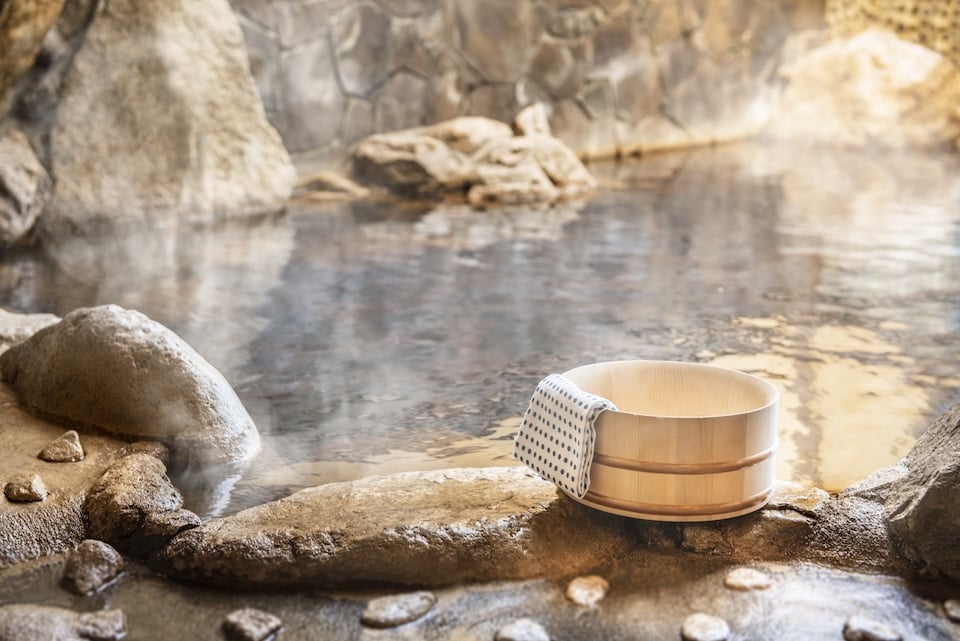
Public baths can be daunting for some international visitors, and dehydration is a risk in hot water while fasting. However, booking a Ryokan (traditional inn) with a private in-room Onsen allows you to control the temperature and duration, providing a deeply relaxing experience before Iftar. The minerals in the water are excellent for relieving travel fatigue.
Evening Sightseeing After Iftar
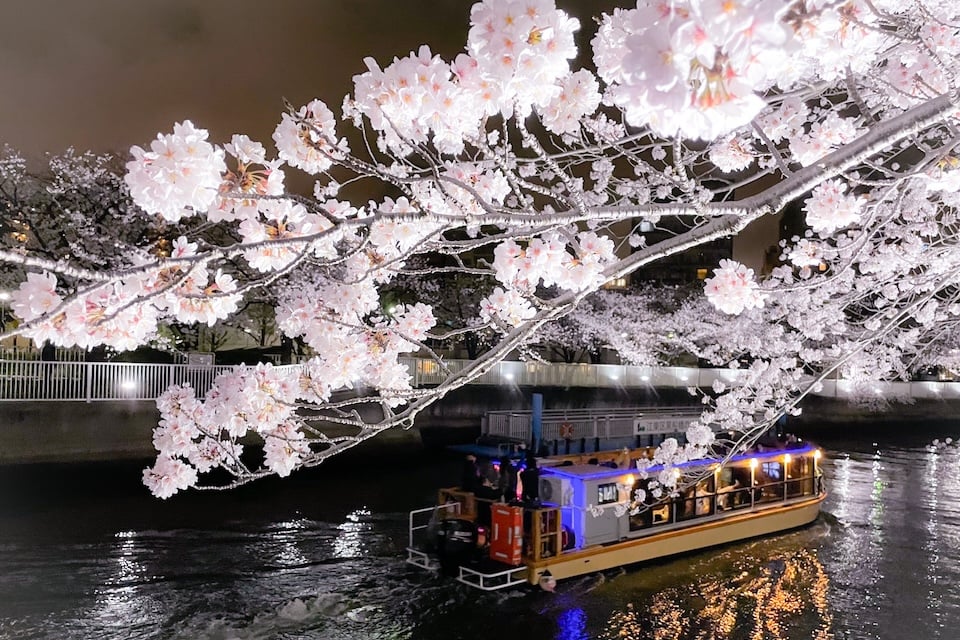
Japan comes alive at night. Since Iftar is around 5:30 PM to 6:00 PM, you have the entire evening to explore.
- Tokyo: Visit the Roppongi Hills Sky Deck or Shibuya Sky for panoramic views of the illuminated metropolis.
- Osaka: The Umeda Sky Building offers a futuristic floating garden observatory.
- Night Blossom Viewing: If your trip aligns with cherry blossom season, Yozakura (night viewing of illuminated Sakura) is a magical, non-food-centric activity.
Cultural Immersion (Tea Ceremony & Kimono)
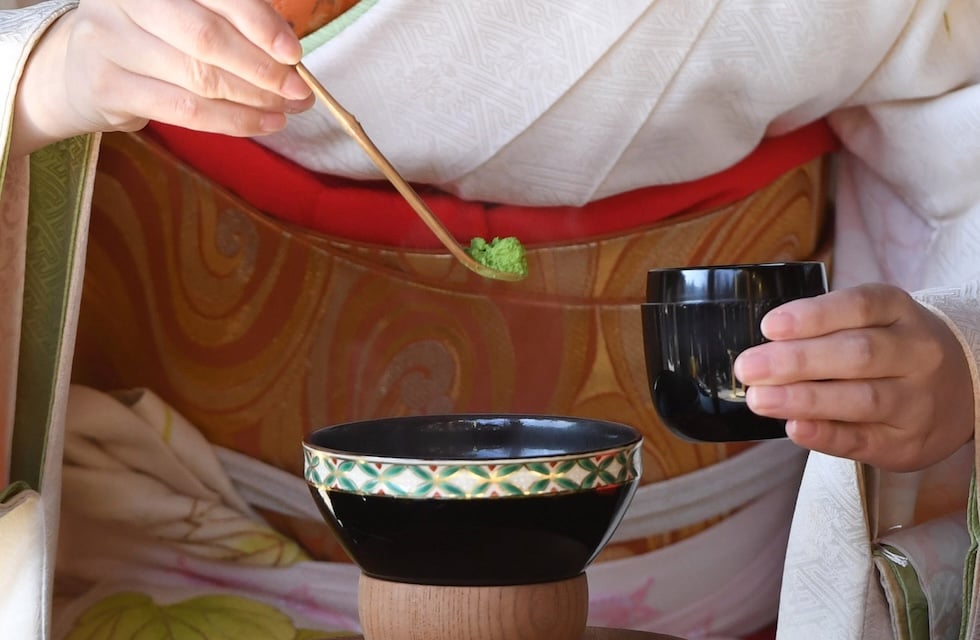
Engage in activities that feed the soul.
- Tea Ceremony (Sado): The Japanese tea ceremony is a meditative practice. Request a private session where the host uses Halal-certified matcha and wagashi (sweets) free from animal products or alcohol.
- Kimono Wearing: Strolling through the historic streets of Asakusa or Gion in a Kimono requires no eating, only an appreciation of beauty and history.
MOTENAS JAPAN: The Ultimate “Omotenashi” Solution for Groups & VIPs

For luxury travelers and corporate groups, MOTENAS JAPAN eliminates the stress of logistical planning during Ramadan. We offer an all-in-one concierge service that manages Halal-certified private dining, prayer-friendly itineraries, and exclusive cultural experiences. Our service transforms a challenging trip into a seamless, high-end journey tailored to your religious and professional needs.
Exclusive Halal Gastronomy (Private Chefs & Kaiseki)
Searching for “Halal restaurants” on an app is not enough for VVIPs or corporate executives. The risk of cross-contamination or the lack of private dining spaces can compromise the experience.
Private Chef Dispatch: We can arrange for top-tier chefs to prepare Halal Sushi or Wagyu courses in the privacy of your luxury villa or hotel suite.
Exclusive Kaiseki: We partner with high-end Ryotei (traditional restaurants) to create bespoke Halal Kaiseki menus, removing alcohol from all sauces and ensuring all meat is Halal-certified, served in private tatami rooms overlooking Japanese gardens.
Stress-Free Logistics for Corporate Incentives
Organizing a trip for a group of 20+ employees where some are fasting and others are not is a logistical nightmare.
- Prayer-Centric Itineraries: We design schedules that account for prayer times, ensuring stops at locations with proper prayer facilities.
- Energy Management: We provide luxury transportation (Alphard or VIP buses) to minimize walking fatigue during the fast.
- Accommodation Checks: We verify that your hotel rooms are equipped with Qibla direction indicators and prayer mats prior to your arrival.
Unique Cultural Team Building
For corporate groups, we offer team-building experiences that respect the solemnity of Ramadan while fostering unity.
- Zen Meditation at Private Temples: Experience the intersection of Islamic introspection and Japanese Zen mindfulness in a private session at a historic temple (arranged with full respect for religious boundaries).
- Samurai & Bushido Experience: A physical yet spiritual workshop focusing on discipline and mental focus, ideal for fasting participants who want to engage without heavy exertion.
- Iftar Banquets: We organize grand Iftar dinners for your team, blending Japanese hospitality with traditional Ramadan foods like dates and laban, ensuring a memorable breaking of the fast together in Japan.
Ready to experience a seamless and spiritual journey in Japan?
Don’t let logistics distract you from your worship or your business goals. Contact MOTENAS JAPAN today to arrange your bespoke Ramadan itinerary, luxury Halal dining, and exclusive corporate incentive packages.
旅をこよなく愛するWebライター。アジアを中心に16の国にお邪魔しました(今後も更新予定)。
ワーホリを機にニュージーランドに数年滞在。帰国後は日本の魅力にとりつかれ、各地のホテルで勤務。
日本滞在が、より豊かで思い出深いものになるように、旅好きならではの視点で心を込めてお届けします!


