






In an increasingly interconnected world, understanding dietary and lifestyle values is essential for global citizens, business leaders, and travelers alike. For Muslims, Halal is not merely a diet; it is a comprehensive way of life guided by faith and mindfulness. While it is easy to find compliant options in the Middle East or parts of the US, navigating these requirements in unique cultural destinations like Japan can be a challenge.
This guide provides a definitive overview of what Halal means, how it differs from other dietary laws, and how discerning travelers and corporate hosts can ensure a seamless, luxurious, and inclusive experience—even in the heart of Japan.
What Does Halal Mean? The Basic Definition in Islam

Halal is an Arabic word translating to “permissible” or “lawful” under Islamic law. While often associated with dietary standards, it encompasses all aspects of life. In the context of food, it refers to items—specifically meat—that are prepared according to the guidelines set in the Quran, standing in contrast to “Haram” (forbidden) items.
Beyond the dinner plate, the concept of Halal extends to ethical conduct, finance (avoiding interest or Riba), pharmaceuticals, and cosmetics. For a Muslim, choosing Halal is an act of obedience to Allah and a commitment to living a life that is physically and spiritually pure. It is about making choices that leave no doubt or “spiritual heaviness” in one’s heart.
What Is Halal Meat and How Is It Prepared?
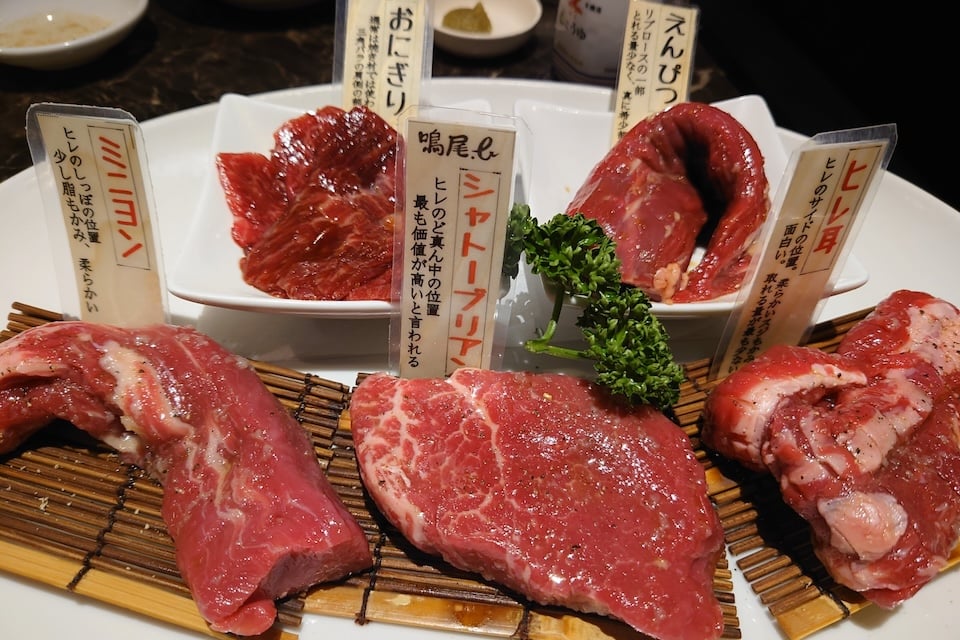
For meat to be considered halal, it must undergo a specific slaughter process known as Zabiha (or Dhabihah). The animal must be healthy at the time of slaughter, and a Muslim must recite a dedication to Allah (God) while making a swift incision to the throat to drain the blood. This method prioritizes animal welfare and hygiene.
The consumption of blood is strictly forbidden in Islam, which is why the thorough draining of blood is a critical step in the Zabiha process. This is believed to result in meat that is cleaner and stays fresh longer.
The Strict Rules of Zabiha Slaughter
To ensure the meat is genuinely Halal, the following conditions must be met without compromise:
- The Slaughterer: Must be a sane adult Muslim who understands the significance of the act.
- The Instrument: A sharp knife must be used to ensure a swift, humane incision that cuts the jugular vein, carotid artery, and windpipe, minimizing pain.
- The Invocation: The name of Allah (Bismillah, Allahu Akbar) must be invoked over each animal individually at the time of slaughter.
- Animal Welfare: The animal should not see the blade before the act, nor should it see other animals being slaughtered.
Is Stunning Permitted in Halal?
This is a subject of debate among Islamic scholars. Traditionally, stunning is avoided to ensure the animal is alive and healthy at the moment of slaughter and that the blood drains fully. However, some Halal certification bodies accept reversible stunning (where the animal is unconscious but alive) if it does not cause death before the knife is used. Non-reversible stunning, which kills the animal before the cut, renders the meat Haram (carrion) and is strictly prohibited.
Halal vs. Kosher: Key Differences Explained
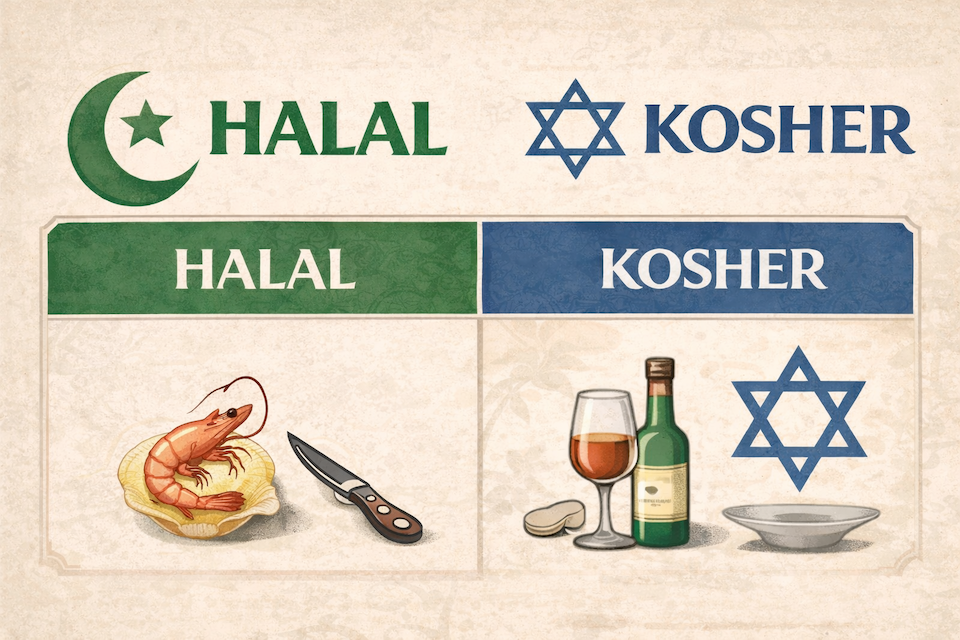
While both Halal (Islamic) and Kosher (Jewish) dietary laws share similarities, they are not interchangeable. Kosher rules strictly prohibit mixing meat and dairy, whereas Halal does not. Conversely, Halal strictly forbids all alcohol, while Kosher permits wine under specific supervision. Halal meat requires a prayer over each animal, while Kosher does not always require a blessing for every individual slaughter.
For hosts planning events for diverse groups, it is crucial to understand that Kosher is not automatically Halal, and Halal is not automatically Kosher. The table below highlights the critical distinctions.
| Feature | Halal (Islamic) | Kosher (Jewish) |
|---|---|---|
| Alcohol | Strictly forbidden (Haram) | Permitted (must be Kosher certified) |
| Meat & Dairy | Can be consumed together | Strictly separated (cannot be eaten together) |
| Shellfish | Permitted (Sunni majority view) | Forbidden (only fish with fins and scales allowed) |
| Slaughter Prayer | Required for each animal | Required for the first animal (intent may cover the rest) |
| Residual Blood | Must be fully drained | Must be drained and removed through salting/soaking |
Common Halal vs. Haram Foods (A Guide for Hosts)
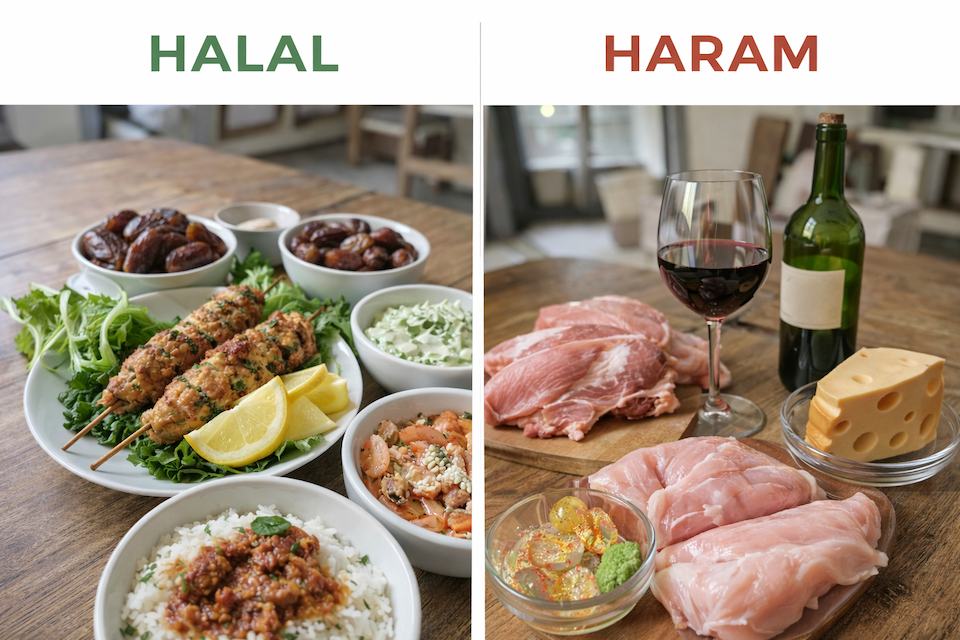
To host Muslim guests effectively, one must avoid Haram ingredients. The primary prohibitions include pork (and its by-products like gelatin), animals not slaughtered correctly, carrion, and intoxicants (alcohol). Halal foods include seafood, plant-based items, and meats certified as Zabiha. Cross-contamination in the kitchen must also be strictly prevented.
When arranging menus for corporate events or VIP dinners, simply offering a “vegetarian option” is often insufficient if the kitchen uses alcohol in sauces or shares cookware with pork dishes.
Hidden Ingredients to Watch Out For
Processed foods often contain derivatives that render them Haram.
- Gelatin: Common in desserts, yogurts, and capsules. Unless specified as “Halal Gelatin” or plant-based, it is often pork-derived.
- Emulsifiers: Ingredients like mono- and diglycerides can be animal-derived.
- Vanilla Extract: Pure vanilla extract often contains a high percentage of alcohol, making it Haram for strict observers.
Alcohol and Ethanol in Cooking
A common misconception in Western cooking is that “alcohol burns off” during heating. In reality, significant amounts of ethanol can remain in dishes like stews or sauces. For a strict Halal diet, any addition of alcohol (wine, beer, spirits) is prohibited, regardless of how long it is cooked.
The Challenge of Finding Authentic Halal in Non-Islamic Cultures
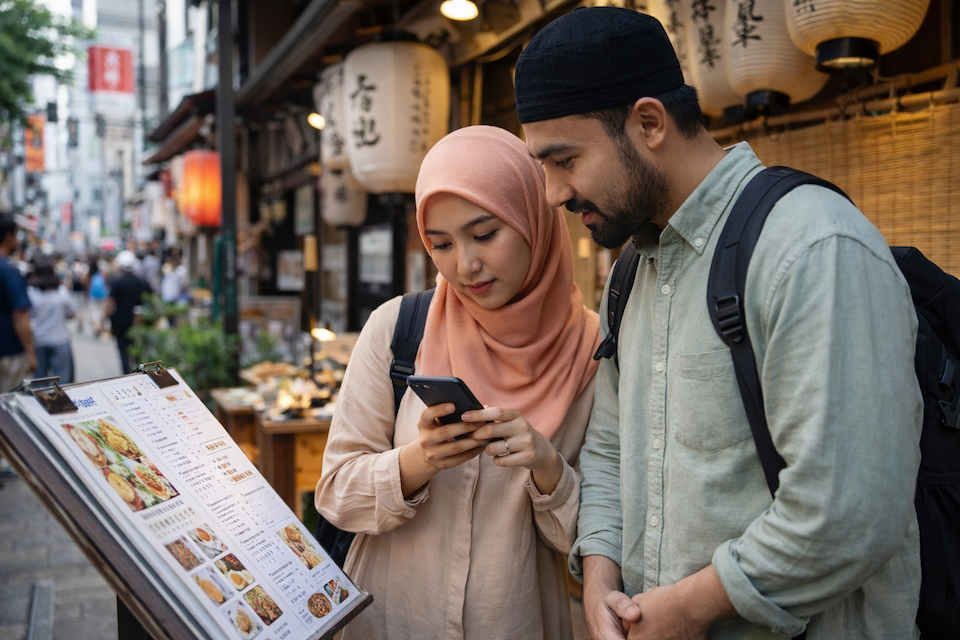
Finding true halal options becomes complex in non-Muslim majority countries, particularly where alcohol is a culinary staple. For example, in Japanese cuisine, common ingredients like soy sauce and mirin often contain alcohol, making “authentic” local dining difficult for Muslim travelers without specialized guidance or a knowledgeable concierge.
Japan is a top destination for luxury travel, yet it presents a unique “Invisible Barrier” for Muslim visitors.
- Mirin & Soy Sauce: These foundational seasonings naturally contain alcohol.
- Cross-Contamination: In small, high-end kitchens, the same knives or cutting boards may be used for Wagyu and pork unless the facility is trained in Halal protocols.
This difficulty often forces travelers to compromise on their experience, resorting to international cuisine instead of enjoying the Kaiseki (traditional multi-course dinner) they traveled so far to experience.

Experience “Universal” Luxury: Halal Travel & Incentives in Japan
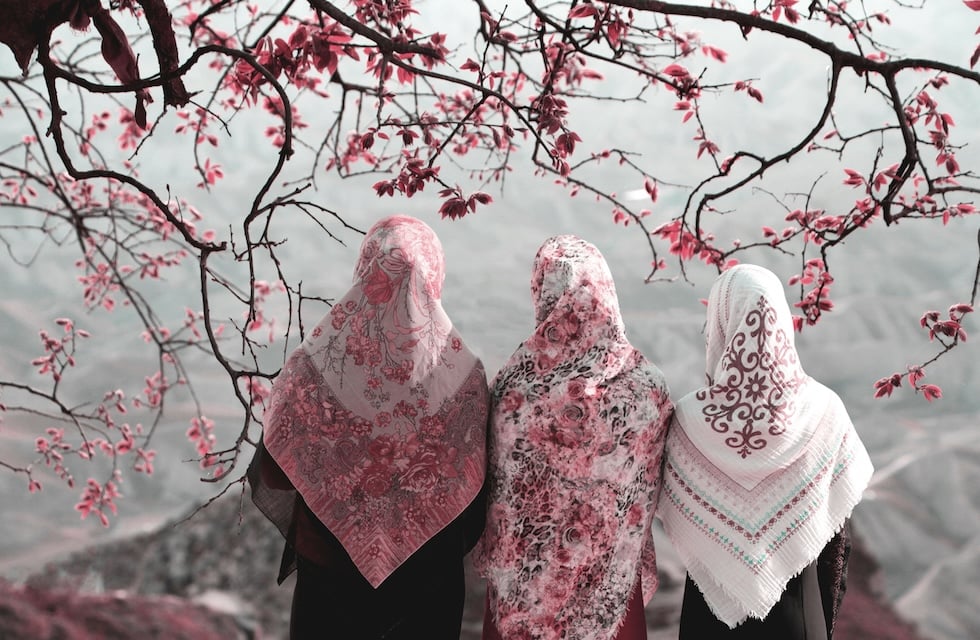
“Universal Cultural Experience” means enjoying world-class luxury without compromising religious values. For corporate groups or VIPs, this involves curating exclusive itineraries that are fully Halal-compliant, ensuring every guest feels included and honored.
Travel should not be about restriction; it should be about immersion. High-end hospitality in Japan is evolving to embrace “Omotenashi” that respects Islamic values.
- Halal Kobe Beef: Slaughtered according to Zabiha rites
- Alcohol-Free “Sake” Culture: Premium non-alcoholic alternatives
- Private Spaces: Onsen and cultural venues with guaranteed privacy

MOTENAS JAPAN: The All-in-One Solution for Groups & VIPs
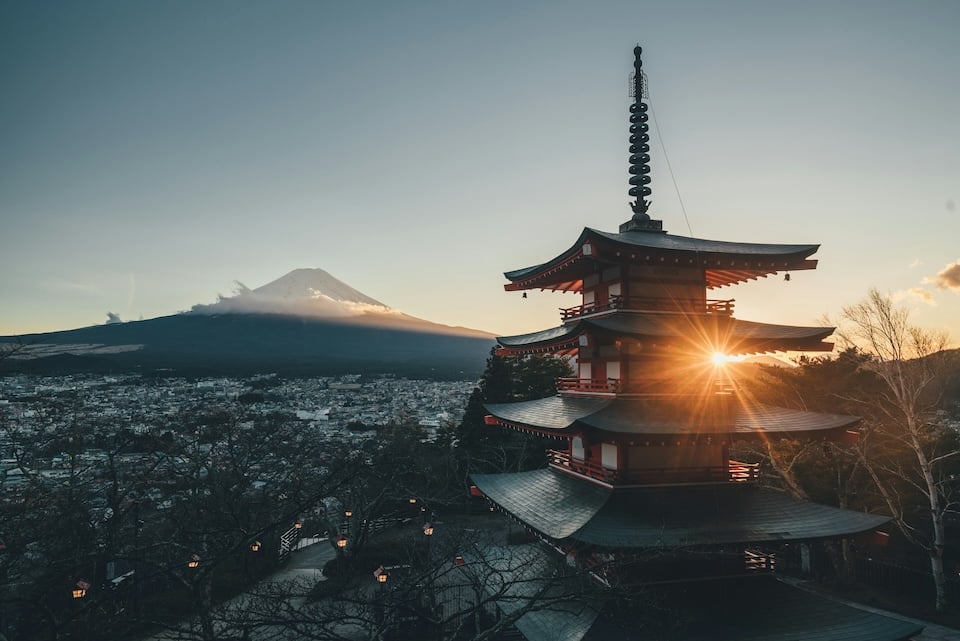
MOTENAS JAPAN is a premier luxury concierge service specializing in seamless, culturally immersive experiences for Muslim VIPs and corporate groups. Beyond restaurant reservations, they handle comprehensive logistics, ensuring a stress-free, high-end journey through Japan.
For decision-makers planning incentive trips or executive retreats, MOTENAS JAPAN bridges the gap between strict religious compliance and uncompromising luxury.
Exclusive Cultural Experiences (Beyond Just Food)
We do not believe in “removing” elements to make an experience Halal; we believe in curating experiences that are inherently inclusive.
- Harvest & Cook: Authentic Japanese cooking using Halal-certified ingredients
- Private Onsen & Kaiseki: Top-tier Ryokans with private dining and baths
Full Logistics & Incentive Travel Support
Managing a group with diverse dietary needs is a logistical challenge. MOTENAS JAPAN acts as your local partner:
- Prayer-Friendly Logistics
- Luxury Mobility
- Itinerary Management with Halal auditing at every stop
Team Building & Corporate Inclusivity
The greatest risk in corporate travel is exclusion.
MOTENAS JAPAN designs “Universal” Team Building events where everyone shares the same high-quality experience.
- Samurai & Tea Ceremonies
- Unified Dining with fully Halal-compliant menus
Contact MOTENAS JAPAN today to design a bespoke incentive trip or luxury tour that respects tradition while delivering the extraordinary.
旅をこよなく愛するWebライター。アジアを中心に16の国にお邪魔しました(今後も更新予定)。
ワーホリを機にニュージーランドに数年滞在。帰国後は日本の魅力にとりつかれ、各地のホテルで勤務。
日本滞在が、より豊かで思い出深いものになるように、旅好きならではの視点で心を込めてお届けします!


