





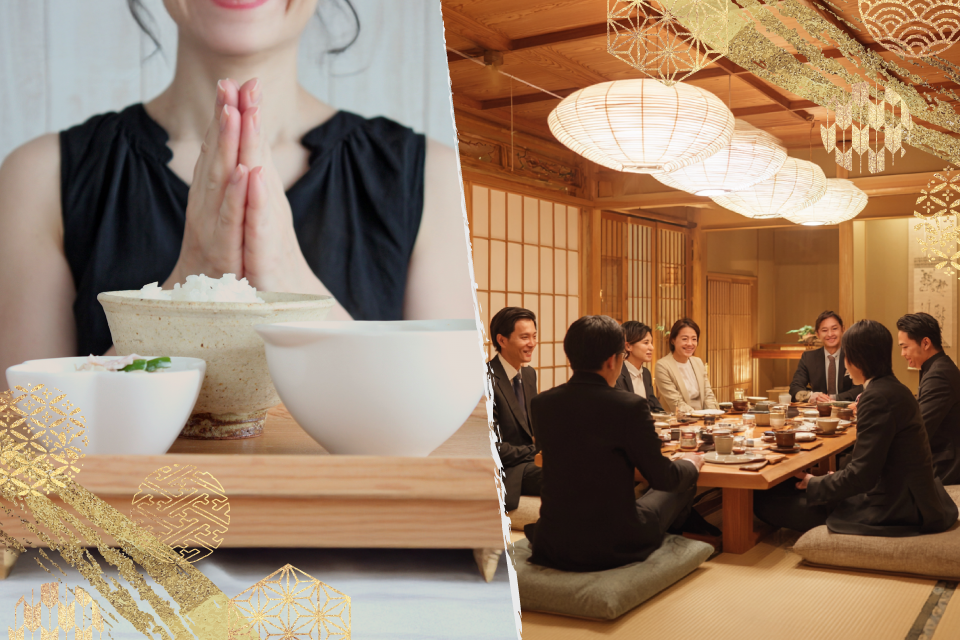

What Is Japanese Dining Etiquette?
When visiting Japan, many people look forward to enjoying Japanese cuisine.
At the same time, you may feel unsure about dining etiquette in Japan and worry about making mistakes.
No need to worry.
In this article, we will introduce
・Basic dining etiquette in Japanese food culture
・Useful table manners for business meals
・Cultural experiences where you can learn about Japanese dining traditions
By reading this article, we hope you can feel more confident and enjoy Japanese food with ease during your stay.
What Is Japanese Dining Etiquette?
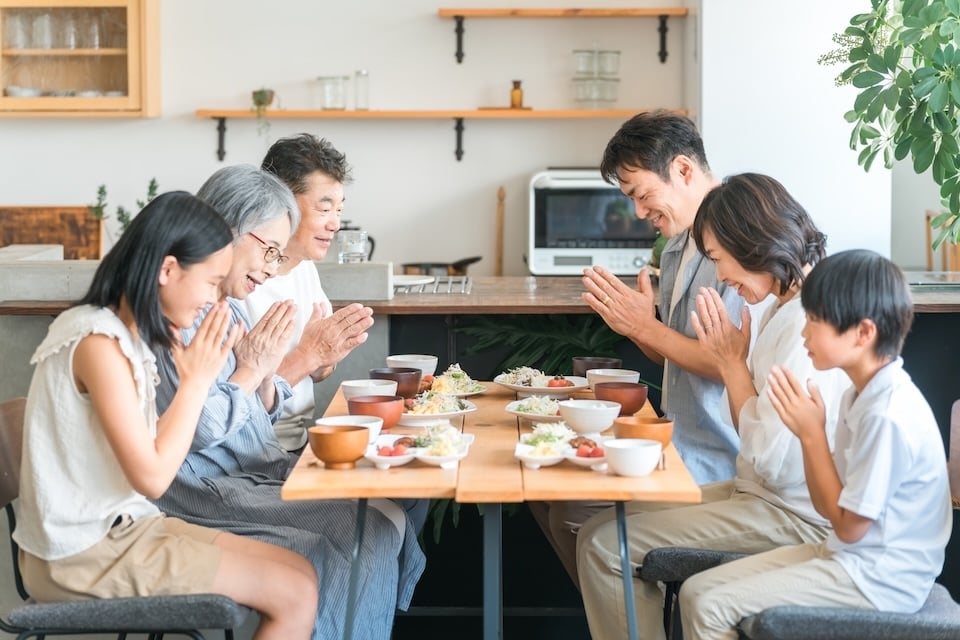
So, what kind of etiquette is expected when dining in Japan?
Here, we will take a general look at how Japanese people think about dining etiquette and why it is considered important.
What Japanese Dining Etiquette Is
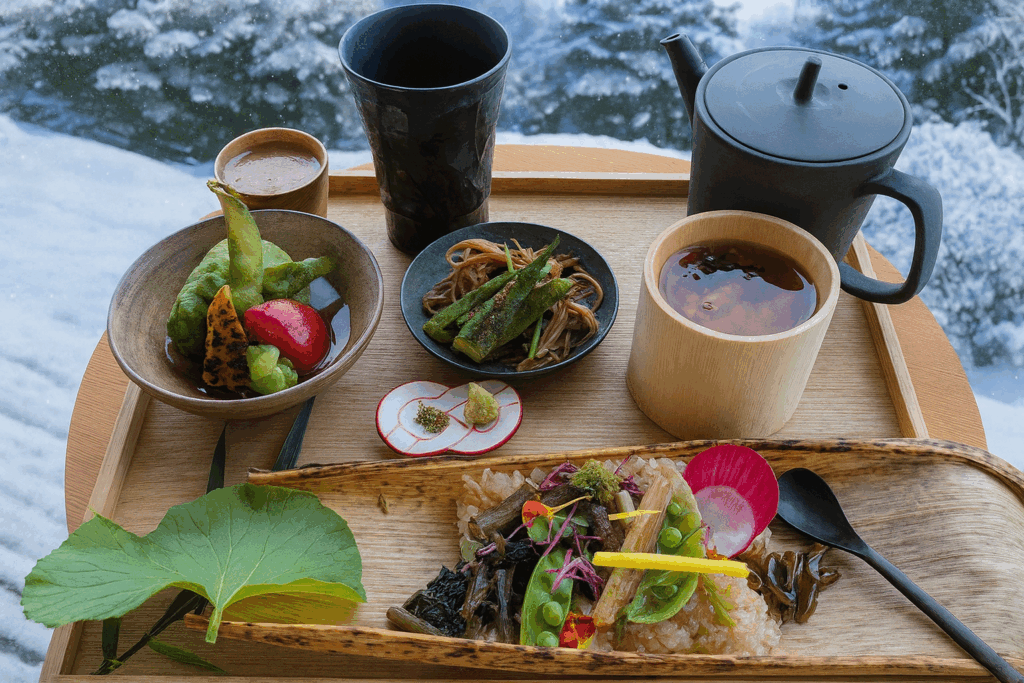
Japanese dining etiquette is about being considerate so that everyone can enjoy their meal comfortably.
For this reason, behaviors that may disturb others—such as speaking loudly, making a mess in the restaurant, or being rude to staff—are generally avoided.
If you are ever unsure about what to do while dining in Japan, a good rule of thumb is to ask yourself,
“How would this affect the people around me?”
Being mindful of others will help you avoid behavior that may cause discomfort.
Japan is home to many unique cultural customs.
If you are interested in learning about the differences between Japanese culture and other cultures, please take a look at the article below.

The meaning behind traditional dining phrases
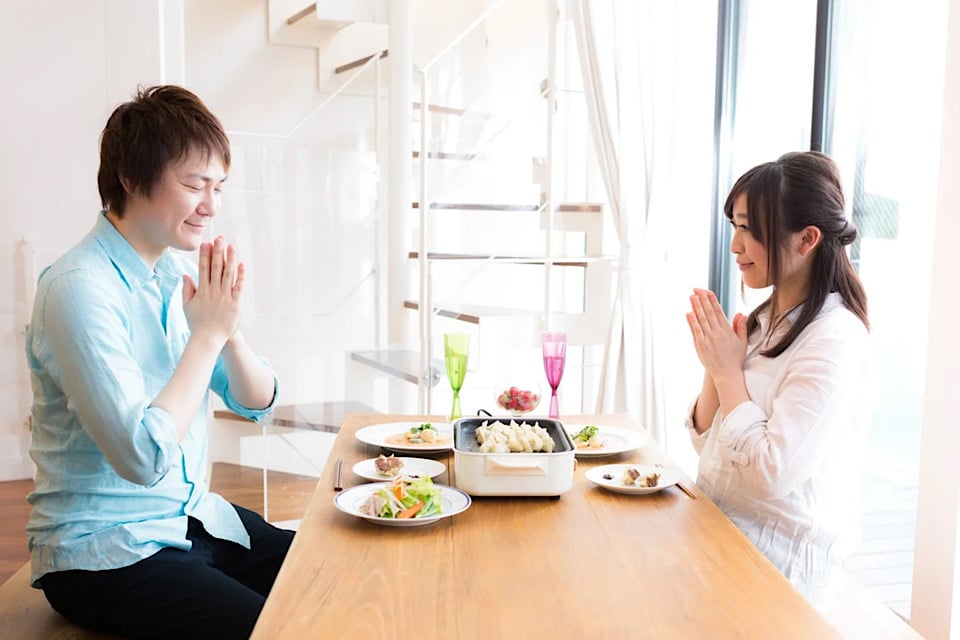
In Japan, people say “Itadakimasu” before a meal and “Gochisousama” after finishing.
“Itadakimasu” expresses gratitude for the food we are about to receive, while “Gochisousama” means “thank you for the delicious meal.”
Japanese people believe that food does not simply appear on the table.
It is provided through the lives of animals and plants, as well as the effort of those who prepared the meal.
For this reason, we express our gratitude at every meal by saying these words.
So far, we have explored Japanese perspectives on dining.
If you would like to learn more about Japanese culture and ways of thinking, please take a look at the articles below.

Basic Table Manners in Japan
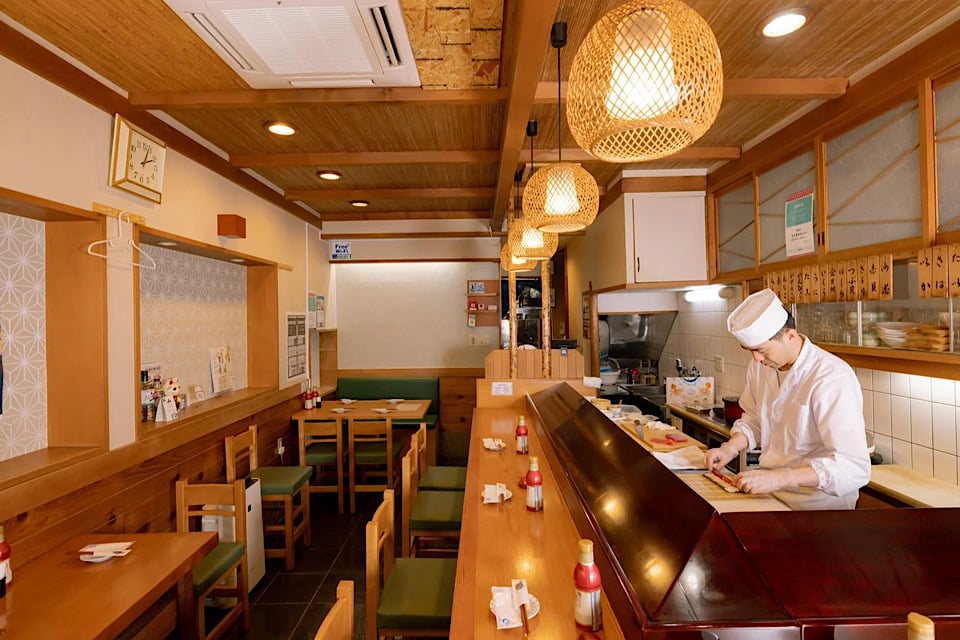
So, how can you dine elegantly in Japan?
Here, we will briefly introduce some basic table manners to help you enjoy your meal in a polite and comfortable way.
Proper use of chopsticks
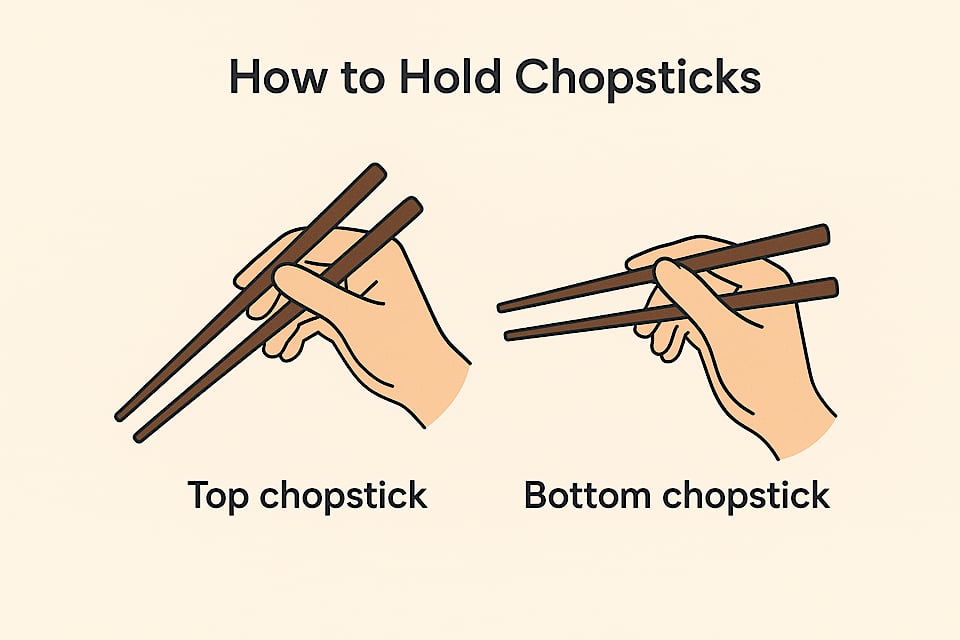
Chopsticks are generally used in this way.
Place the lower chopstick on the base of your thumb and rest it on your ring finger.
This chopstick stays still.
Hold the upper chopstick like a pencil, using your thumb, index finger, and middle finger.
Only this chopstick moves.
Gently move the top chopstick up and down to pick up the food.
Try to stay relaxed and avoid using too much force.
It may look difficult at first, but with about five minutes of practice at home, most people can use chopsticks comfortably.
If you still find them hard to use, there is no need to worry—using a fork or spoon is perfectly acceptable.
How to hold bowls and plates in the Japanese way
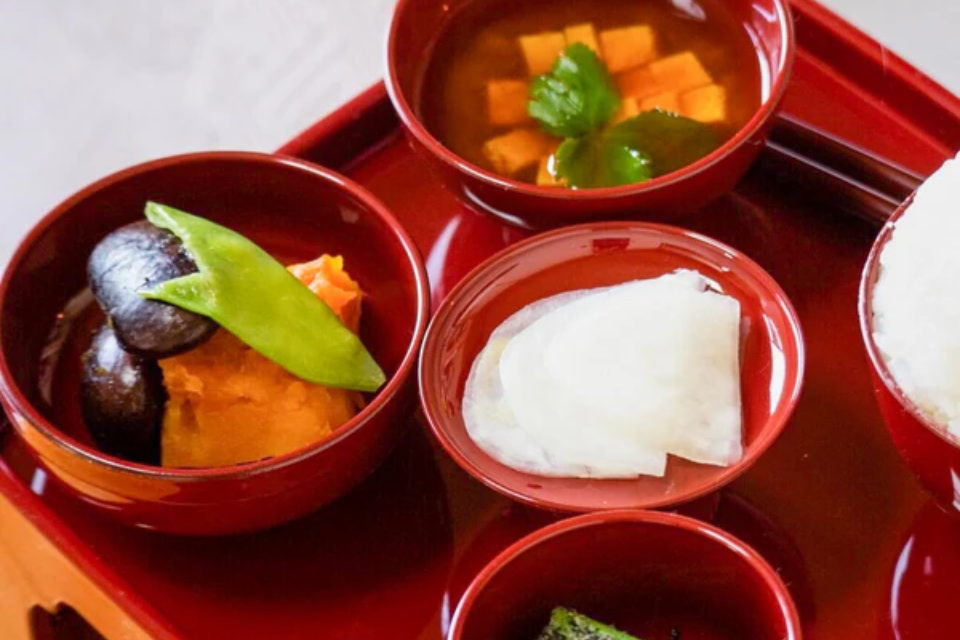
In Japan, bowls containing rice or soup are usually lifted with one hand and brought close to the mouth while eating.
Posture and seating during meals
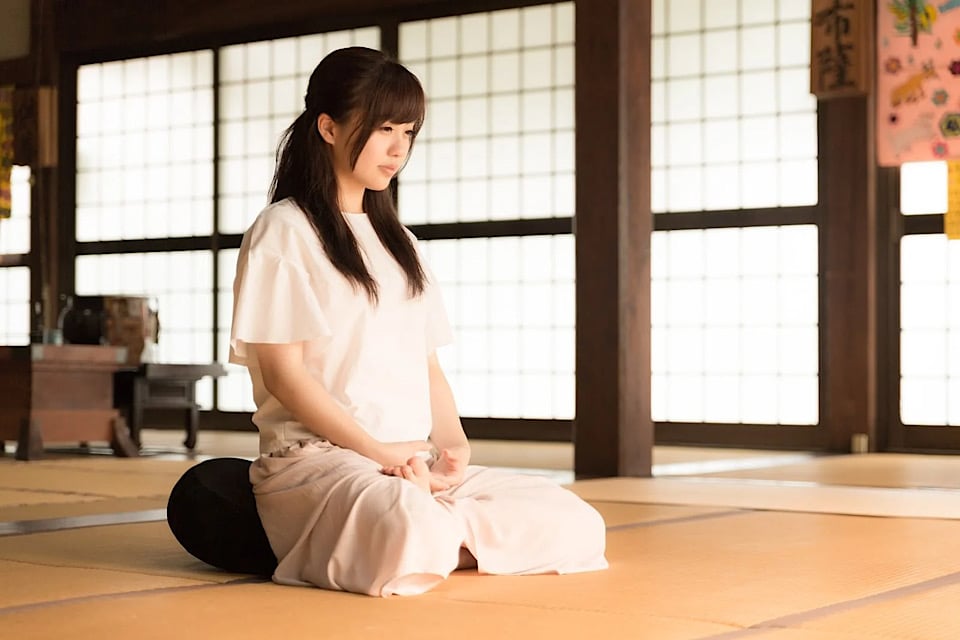
In most Japanese restaurants, meals are enjoyed while sitting on chairs.
If you are dining while seated on the floor, sitting cross-legged is usually the most comfortable position.
There is no need to force yourself, but in more formal settings, people may sit in the traditional seiza position.
What is the seiza position?
Seiza is a traditional Japanese sitting style.
You sit on your knees with the tops of your feet flat on the floor and rest your body on your heels.
This position is commonly used in formal or traditional settings.
Sound etiquette: Is slurping acceptable, or should meals be eaten quietly?
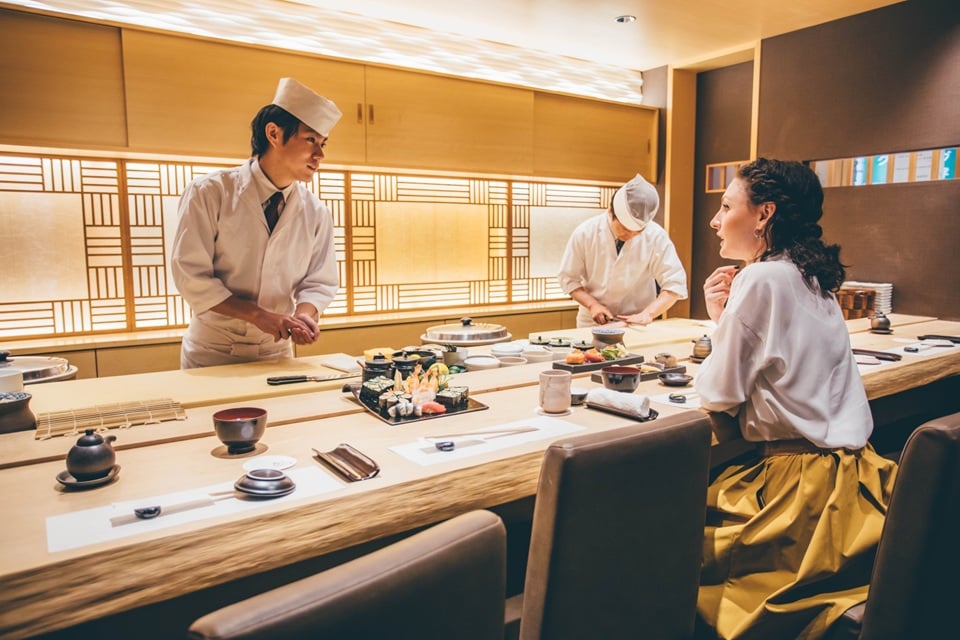
In Japan, especially in higher-end restaurants, it is best to avoid speaking loudly.
If we imagine sound levels from 1 (silent) to 5 (very loud), keeping your voice around level 2 to 3 is considered appropriate.
Japanese Restaurant Etiquette
From here, we will briefly introduce some basic manners to keep in mind when entering a restaurant in Japan.
Entering a restaurant and seating etiquette
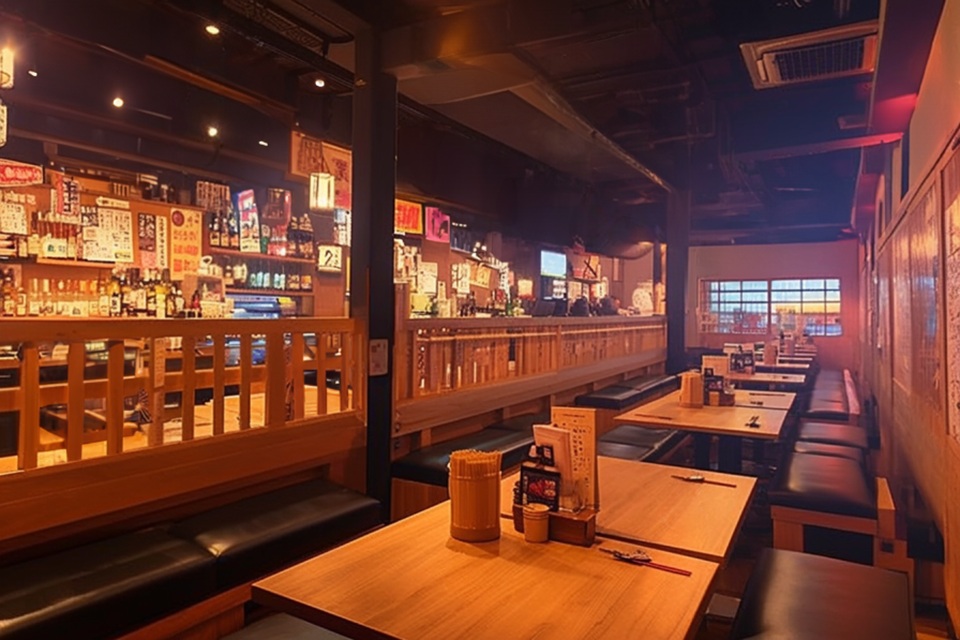
For restaurants with higher prices (around 2000yen( USD 20 )or more per person), making an online reservation in advance is recommended.
When you enter the restaurant, simply tell the staff how many people are in your group and follow them to your assigned table.
How to order politely
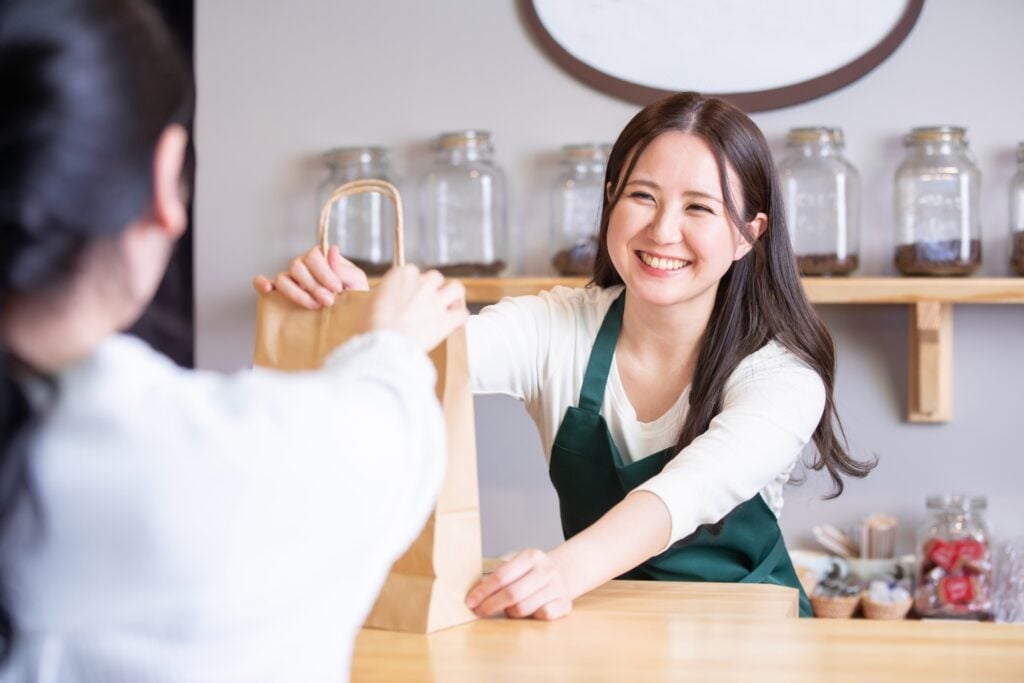
When you want to call a staff member in a Japanese restaurant, simply raise your hand slightly and say “Sumimasen” (excuse me).
Payment methods and tipping culture
In Japan, tipping is generally not expected in restaurants.
Many places accept credit cards and contactless payments, but some restaurants still accept cash only.
For peace of mind, it is a good idea to carry around 30,000 yen (approximately USD 200) when dining out.
When and where to remove your shoes
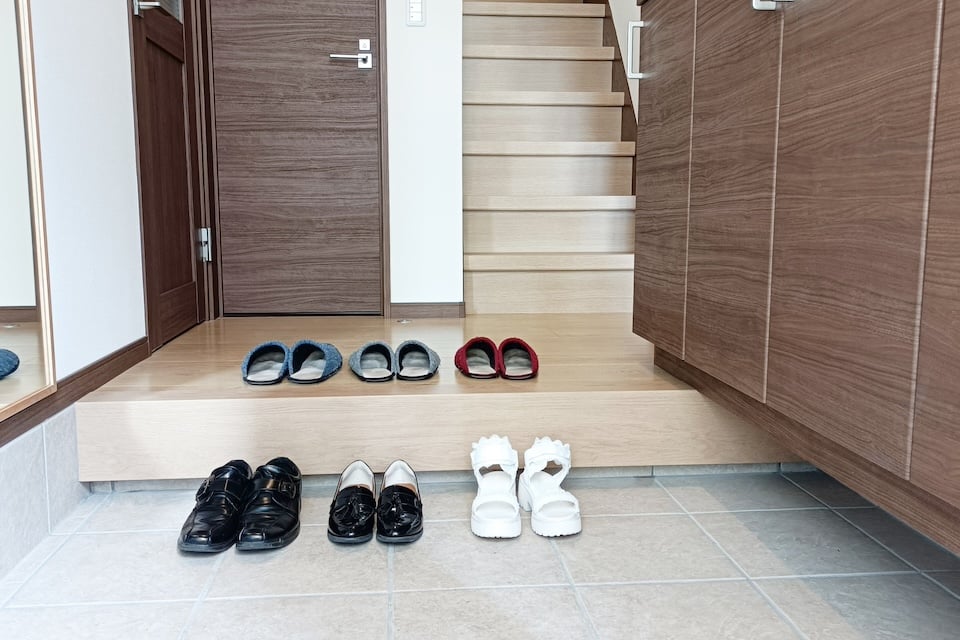
In most Japanese restaurants, you do not need to take off your shoes.
However, in restaurants where you sit on the floor, you are usually asked to remove them.
If you are unsure, simply ask the staff—they will be happy to help.
Now that you’ve learned basic restaurant manners in Japan, you can dine with confidence.
If you are looking for recommended restaurants near popular sightseeing spots, please take a look at the article below.
Japanese Business Dining Etiquette
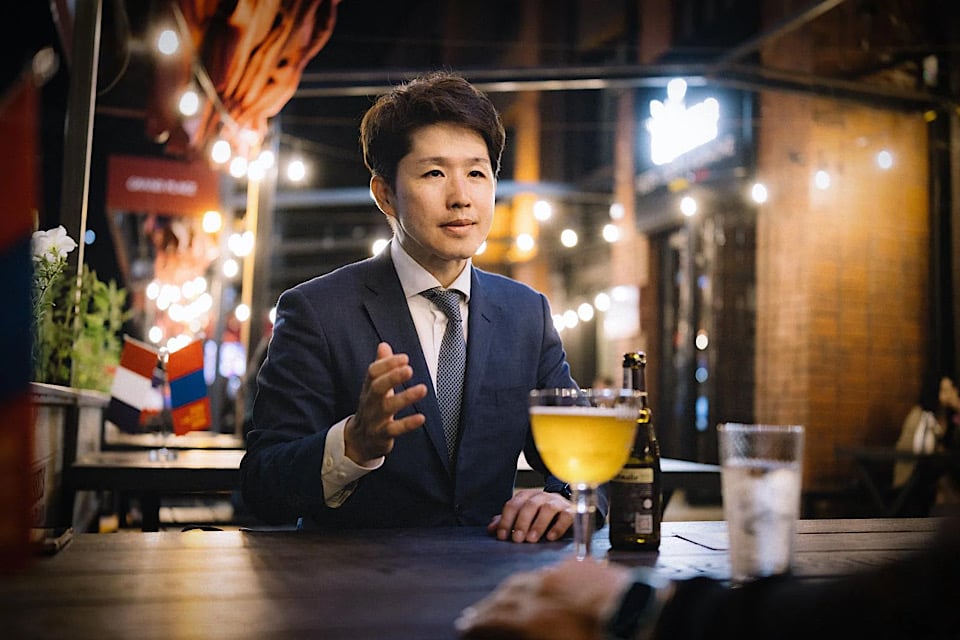
If you visit Japan for business and have a meal with colleagues, you may want to behave elegantly in front of everyone.
Here, we will take a look at dining manners that are useful in business settings.
Seating hierarchy: Kamiza and Shimoza
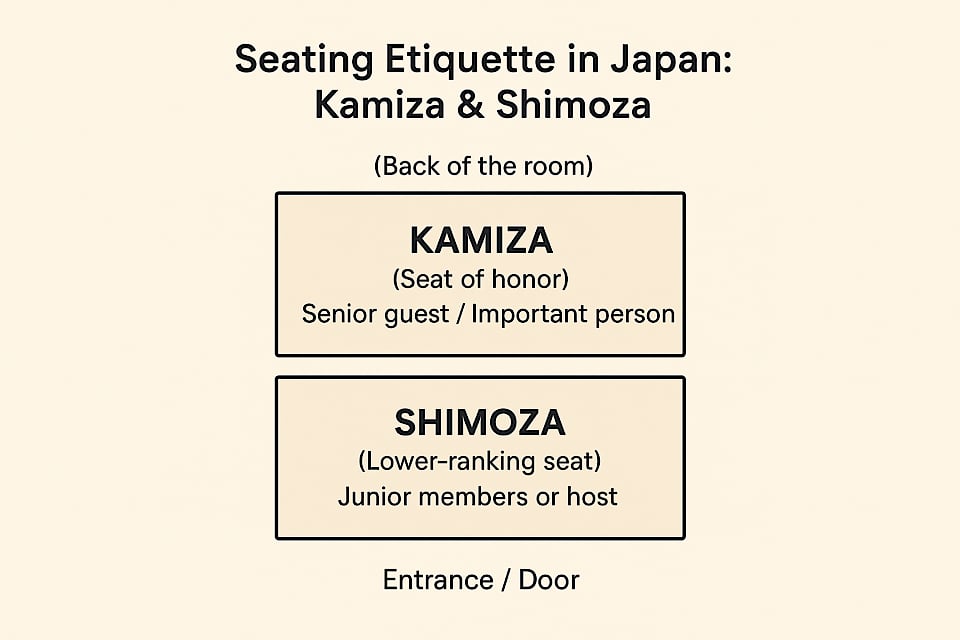
In Japan, people in senior or important positions are usually seated in the kamiza, the seat farthest from the entrance.
Other employees typically sit in the shimoza, which is closer to the door.
If you can smoothly guide a senior person to the kamiza during a business meal,
you will likely be seen as attentive and professional by those around you.
Proper glass height and etiquette during toasts
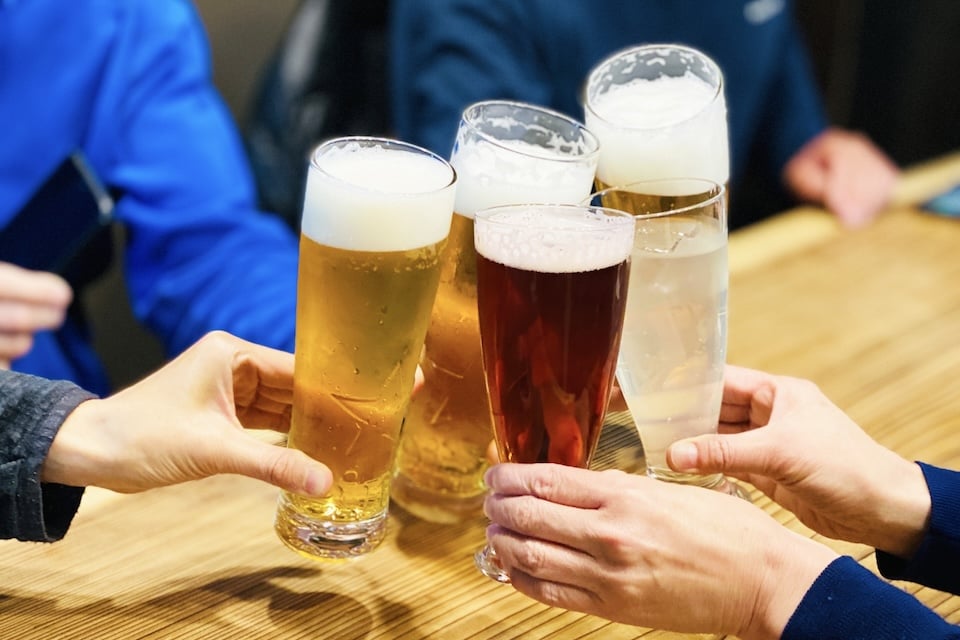
In Japan, when making a toast, it is polite to keep the glass of a senior person slightly higher than your own.
This means you should position your glass a little lower when clinking glasses.
Being aware of this small gesture can leave a strong impression and show that you understand Japanese business culture.
Conversation topics and dining pace
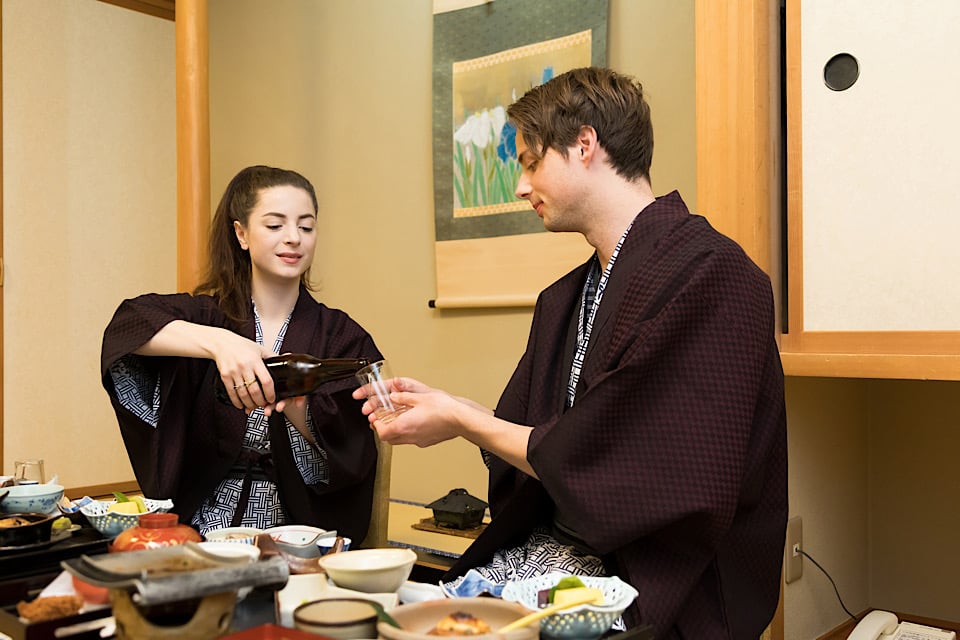
In Japan, topics such as politics, religion, race, or comments that look down on Japan or other countries can easily lead to unwanted tension.
In business settings especially, it is a wise choice to avoid these subjects and keep conversations neutral and respectful.
Appropriate behavior in business dining situations
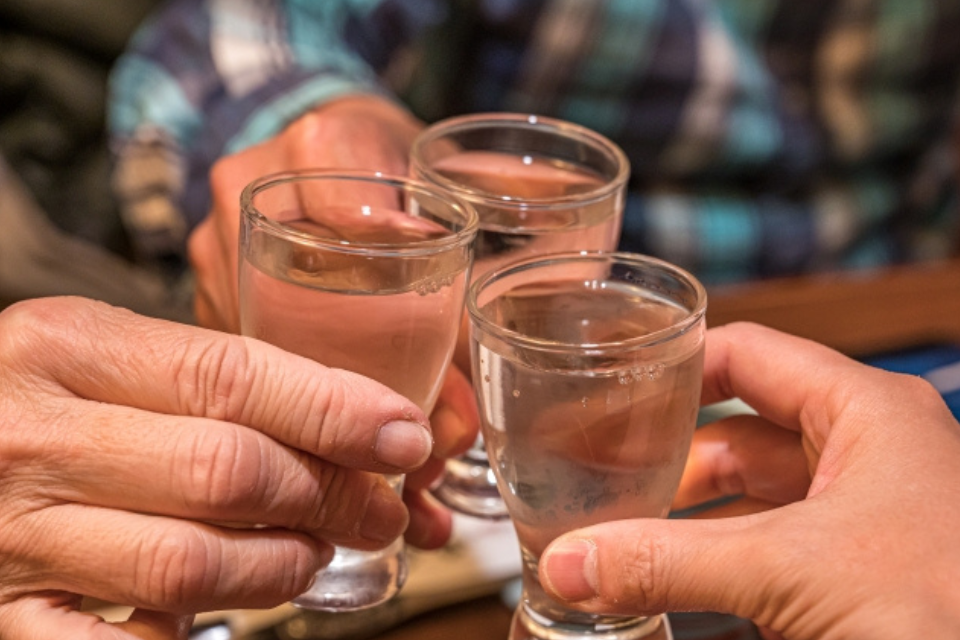
In Japan, showing the following behaviors can help you be seen as even more polished and considerate.
・Dress appropriately for the restaurant. In most cases, wearing a suit is perfectly acceptable.
・If someone’s drink is running low, kindly ask, “Would you like another one?”
・Avoid speaking loudly and keep the restaurant clean.
・Always treat the staff with politeness and respect.
・Do not drink so much that you lose self-control (and never drink if you plan to drive).
・Confirm in advance who will pay and how the bill will be handled.
So far, we have explored Japanese business manners.
If you would like to learn more and behave with greater confidence, please take a look at the articles below.

How to Experience True Omotenashi in a Japanese Dining Setting
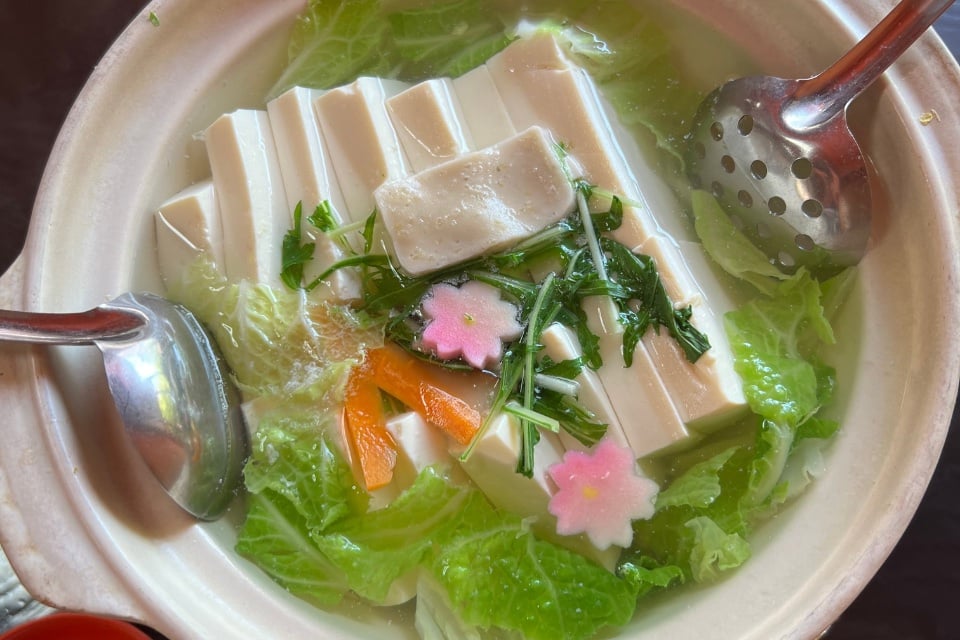
For those who wish to entertain important guests, or who would like to experience authentic Japanese food culture themselves,
here we introduce some cultural experiences that come highly recommended.
VIP dining experiences
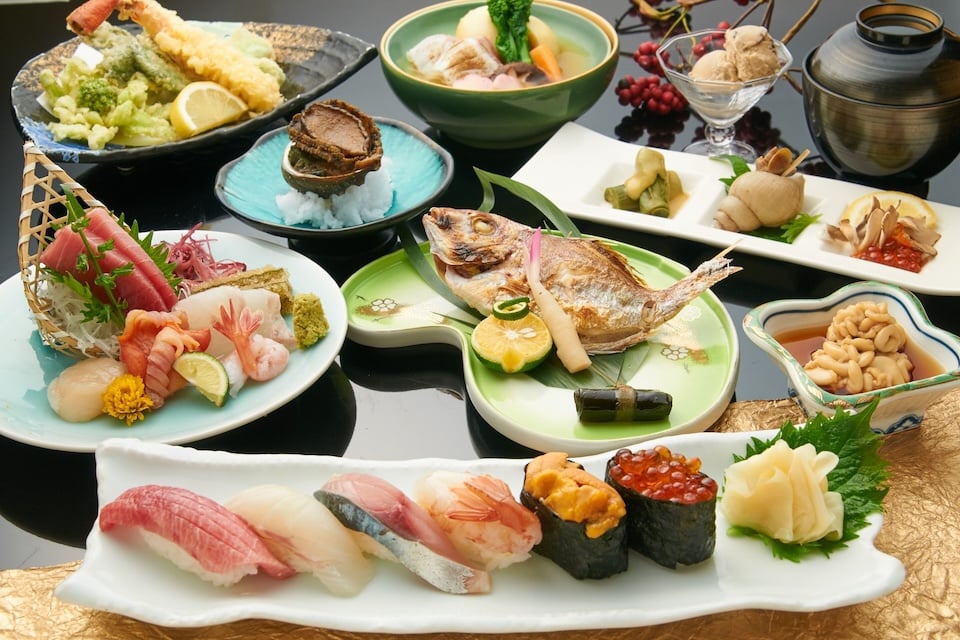
For those who wish to experience Japanese food culture at a higher level, VIP dining experiences are highly recommended.
These exclusive experiences allow you to enjoy premium ingredients and sake carefully selected by top chefs, all in a refined and private setting.
Some plans even offer private parties held at traditional sake breweries, providing a truly unique and memorable experience.
If you are interested in VIP dining experiences, please take a look at the information below for more details.
Japanese Cuisine Cooking Experience
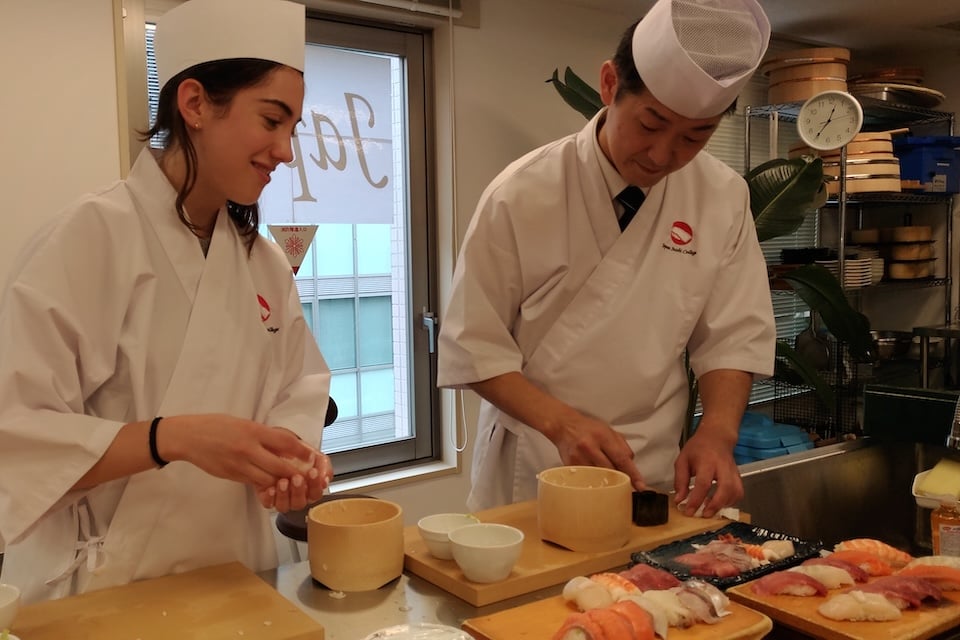
For those who would like not only to eat Japanese food but also to learn how to make it, we recommend the Japanese Cuisine Cooking Experience.
In this experience, a top-level chef will teach you cooking techniques in a one-on-one session or in a small group.
Interpreter support can also be arranged, so you can join with confidence even if you are not fluent in Japanese.
This experience is especially recommended for those who enjoy learning something new.
If you are interested in cooking experiences, please take a look at the information below for more details.
Tailor-made Japanese dining experiences
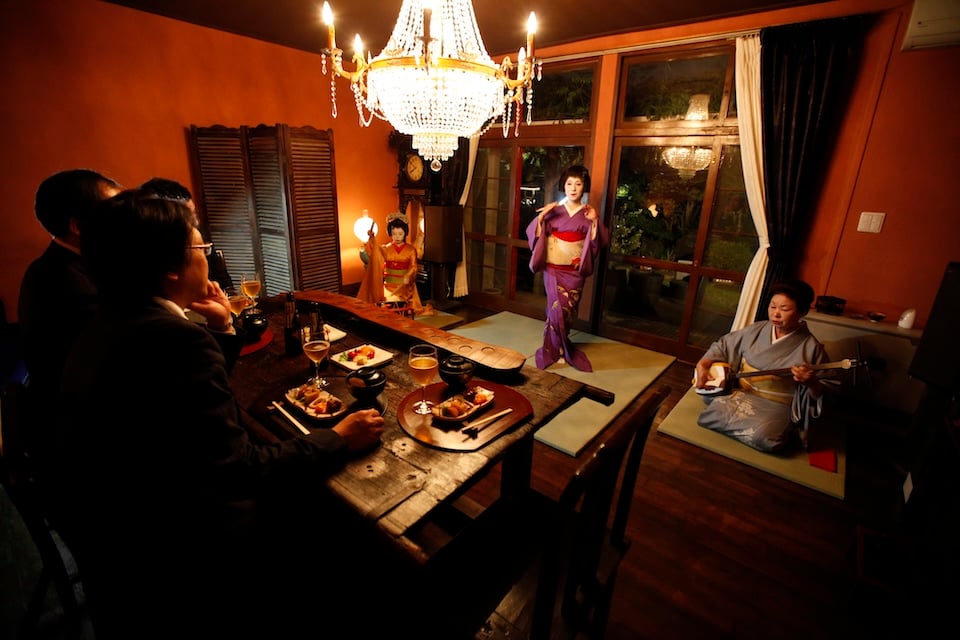
For those with special requests—such as vegan dietary needs or a desire to combine wagashi-making with a tea ceremony—tailor-made Japanese dining experiences are highly recommended.
These customized experiences allow you to create a plan that suits your preferences, including the type of food and activities you wish to enjoy.
Pricing and locations can also be arranged through consultation, giving you complete flexibility.
If you are vegan or have dietary considerations for religious reasons, please take a look at the article below for more information.
Let’s Enjoy Japanese Cuisine
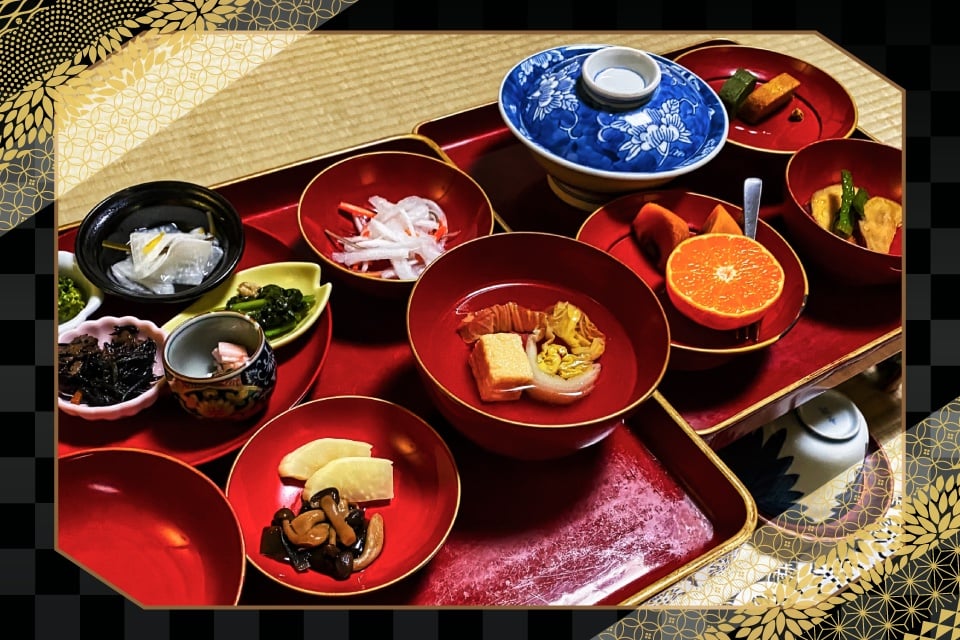
In this article, we explored Japanese dining etiquette.
When dining in Japan, you may feel a bit overwhelmed by the many customs at first.
However, after reading this guide, you can feel confident and at ease.
Enjoy Japanese cuisine with grace and appreciation, and make the most of each dining experience.
If there is a restaurant you would especially like to visit, or if you are having trouble making a reservation, we recommend consulting a travel agency for assistance.
We hope your journey will be filled with wonderful experiences and lasting memories.
After graduating from Kansai University, I joined JTB as a new graduate and worked in the inbound tourism sector.
After getting married, I moved to Australia due to my husband’s work and obtained a diploma in early childhood education there.
I am currently working at a kindergarten while also working as a writer.

