





 津田修吾
津田修吾What truly makes Japan’s corporate hospitality ideas effective, and how do you choose an experience that genuinely impresses VIP clients?
If you’ve planned corporate hospitality or incentive travel, you already know the challenge. Standard options no longer stand out, and expectations are higher than ever. In Japan, where cultural nuance and access matter, delivering the right experience can feel complex, especially when failure isn’t an option.
At the same time, Japan offers something fundamentally different. Rooted in Omotenashi, its approach goes beyond entertainment to create meaningful, lasting business relationships. This guide shows which experiences work, when to use them, and how to execute them effectively so you can create programs that truly make an impact.
Why Japan Offers a Different Approach to Corporate Hospitality

In a global landscape where corporate hospitality often revolves around entertainment and visibility, Japan presents a fundamentally different model. The focus shifts from spectacle to substance, from short-term impression to long-term relationship building. Japan’s approach is defined by depth, intentionality, and cultural precision, making it particularly effective for high-stakes business interactions and incentive travel programs.
Omotenashi: The Strategic Value Behind Japanese Hospitality
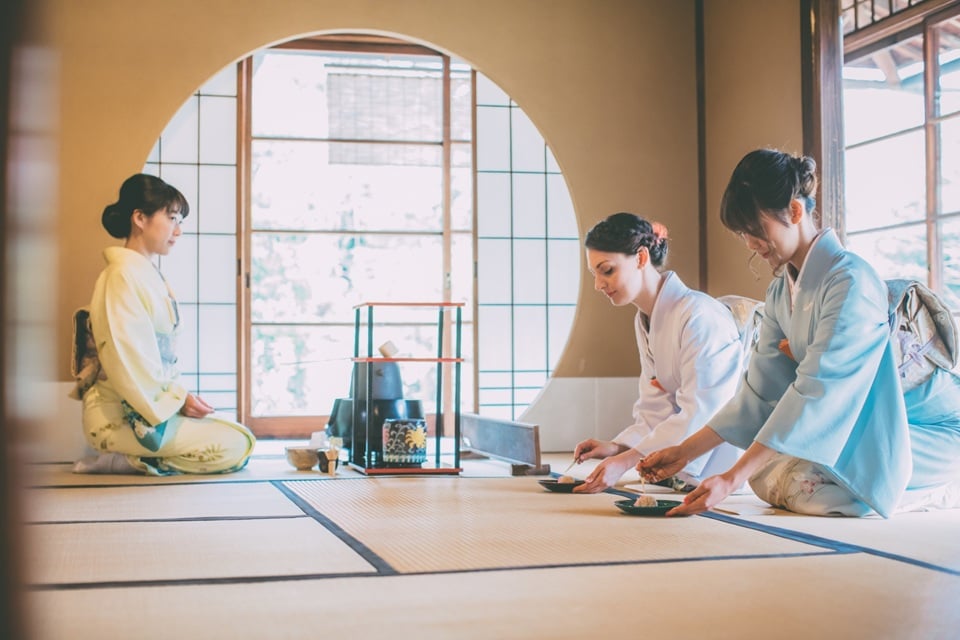
At the core of Japan’s corporate hospitality lies Omotenashi, a concept often translated as hospitality, but in practice far more nuanced. It represents a proactive, deeply considered approach to anticipating needs and delivering seamless experiences selflessly.
In a business context, Omotenashi functions as a strategic tool for trust-building. Every detail, from timing and spatial design to service flow, is curated to create an environment where guests feel respected and understood. This level of attentiveness is especially powerful in corporate hospitality and incentive travel, where programs are designed not only to reward performance but also to motivate teams, strengthen loyalty, and deepen long-term engagement.
For executive groups or VIP clients, this translates into experiences that feel both effortless and highly personalized a combination that is difficult to replicate in other markets. It is precisely this subtlety and precision that elevate Japan’s hospitality from service delivery to relationship strategy.
Beyond Entertainment: Hospitality as Relationship-Building
While many corporate hospitality ideas globally prioritize excitement or visibility, Japan emphasizes connection. The most effective experiences are not those that overwhelm, but those that create space for meaningful interaction.
In Japan, corporate hospitality is designed to facilitate trust, not just attention. Whether through a private cultural setting, a shared culinary experience, or a quiet moment in a refined environment, the emphasis is on creating an environment where executives can engage in focused, uninterrupted conversations away from formal meeting settings.
This distinction is particularly relevant for incentive travel, where the objective extends beyond simple rewards to include employee engagement, cultural alignment, and long-term retention. Experiences grounded in Japanese hospitality naturally support these outcomes by encouraging presence, reflection, and interpersonal connection.
As a result, corporate hospitality in Japan is not defined by what guests see, but by what they feel and, more importantly, what they remember long after the experience ends.
The Best Corporate Hospitality Ideas Japan Has to Offer
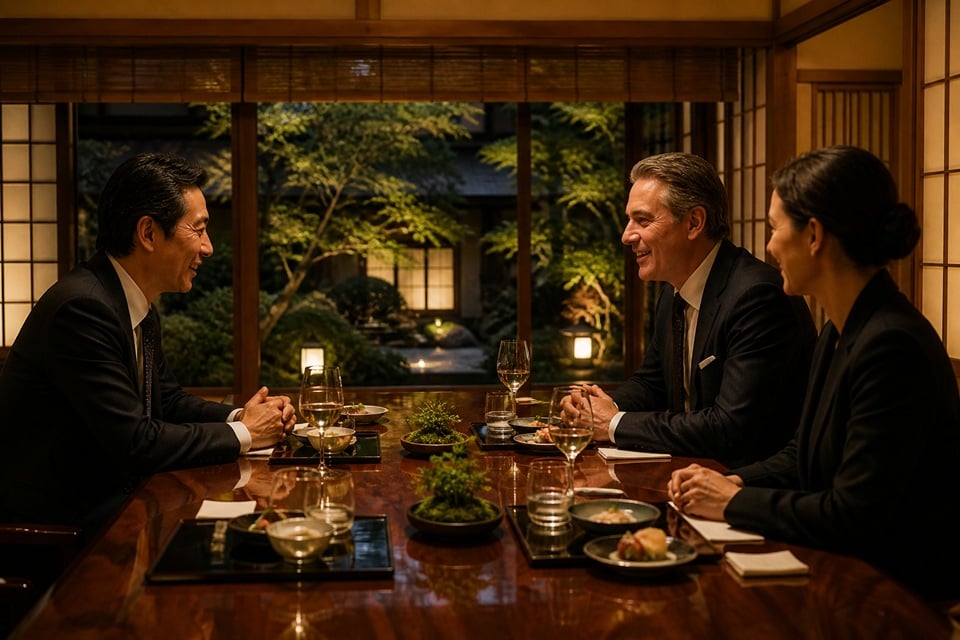
Japan’s corporate hospitality is most effective when experiences are selected not for novelty, but for their ability to shape perception, trust, and long-term relationships. Particularly in incentive travel, where the goal is to motivate and reward top performers, the right experience can significantly influence engagement and loyalty.
Below is an overview of the key experience categories and their strategic value.
| Category | Example Experiences | Business Impact | Ideal Use Case |
|---|---|---|---|
| Cultural Immersion | Geiko dinner, tea ceremony, sumo stable visit | Builds trust and emotional connection | VIP client engagement, small executive groups |
| Luxury & Exclusivity | Private temple access, luxury trains, exclusive venues | Enhances brand perception and status recognition | Top performers, high-value clients |
| Culinary Experiences | Kaiseki dining, sushi masterclass, Michelin private dining | Encourages natural conversation and relationship building | Client meetings, networking-focused programs |
| Wellness & Retreat | Ryokan stay, onsen, Zen retreat, forest bathing | Promotes reset, reflection, and deeper engagement | Executive retreats, leadership alignment |
| Performance & Entertainment | Taiko, kabuki, noh, and anime experiences | Creates shared memory and group cohesion | Large groups, team-building, incentive travel |
Cultural Immersion: Building Emotional Connection with Key Clients
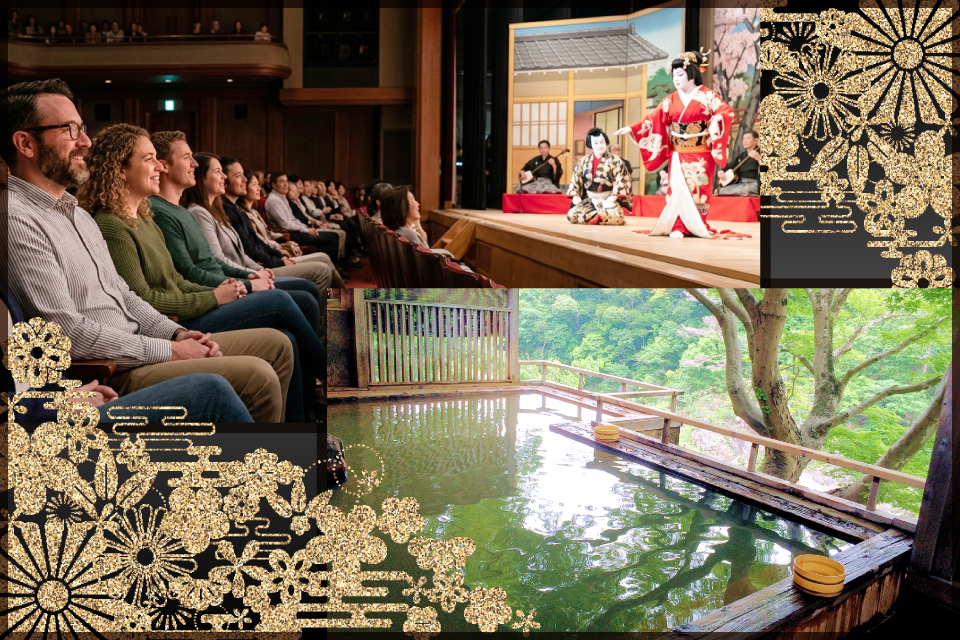
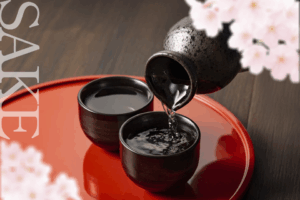
Cultural immersion creates something rare in business settings: genuine emotional connection. Experiences such as private geiko dinners in Kyoto, tea ceremony (chado), or early-morning visits to a sumo stable are not simply activities; they are environments where authentic relationships begin to form.
In a typical setting, a small group of executives shares a quiet, highly curated space. The structured rhythm of the tea ceremony or the intensity of sumo training naturally lowers barriers, allowing conversations to develop organically. This is where business relationships shift from transactional to trust-based.
For incentive travel programs, this category delivers strong emotional value. Participants are rewarded not only with access but with meaningful experiences that remain long after the event.
Luxury & Exclusivity: Experiences Worthy of Your Top Performers
For high-performing teams and VIP clients, exclusivity defines value. Japan offers a level of controlled access that is difficult to replicate globally, from private temple openings to invitation-only venues. Exclusivity here is about privileged access, not visible extravagance.
Hosting a private reception inside a historic temple or arranging a journey aboard a luxury train communicates recognition at the highest level. These experiences signal status and create a lasting impression that aligns with premium brand positioning.
Culinary Experiences: Where Conversation Flows Naturally
Culinary experiences in Japan are designed to guide interaction. Rather than simply dining, guests engage in a structured flow that naturally encourages conversation. Food creates a natural setting for relationship building.
A private kaiseki dinner unfolds in carefully timed courses, while a sushi masterclass transforms guests into active participants. These formats allow dialogue to emerge organically, making them particularly effective for early-stage relationship building.
Wellness & Retreat: Executive Reset That Renews Commitment
In many incentive travel programs, the objective is not only to reward, but to reset. Japan provides a unique environment through nature, stillness, and intentional pacing.
High-end ryokan, onsen bathing, and Zen retreats offer a structured space for mental clarity and renewed focus. These programs are particularly effective for executive groups seeking deeper engagement rather than stimulation.
Performance & Entertainment: Creating Shared Memory Across Groups
For larger groups, shared experiences are essential. Performance-based programs create moments that unify participants. The value lies in creating a collective emotional impact rather than the performance itself.
Traditional arts such as taiko, kabuki, and noh — along with modern cultural elements like anime — provide engaging, memorable experiences that strengthen group cohesion.
Within incentive travel contexts, these moments play a critical role in reinforcing achievement and fostering a strong sense of collective identity.
MOTENAS JAPAN, as a specialized Japan DMC, provides the local expertise and access required to deliver these experiences seamlessly. From bespoke program design and VIP arrangements to cultural experience coordination, consultations can be tailored to your needs.
How to Plan Corporate Hospitality in Japan Successfully
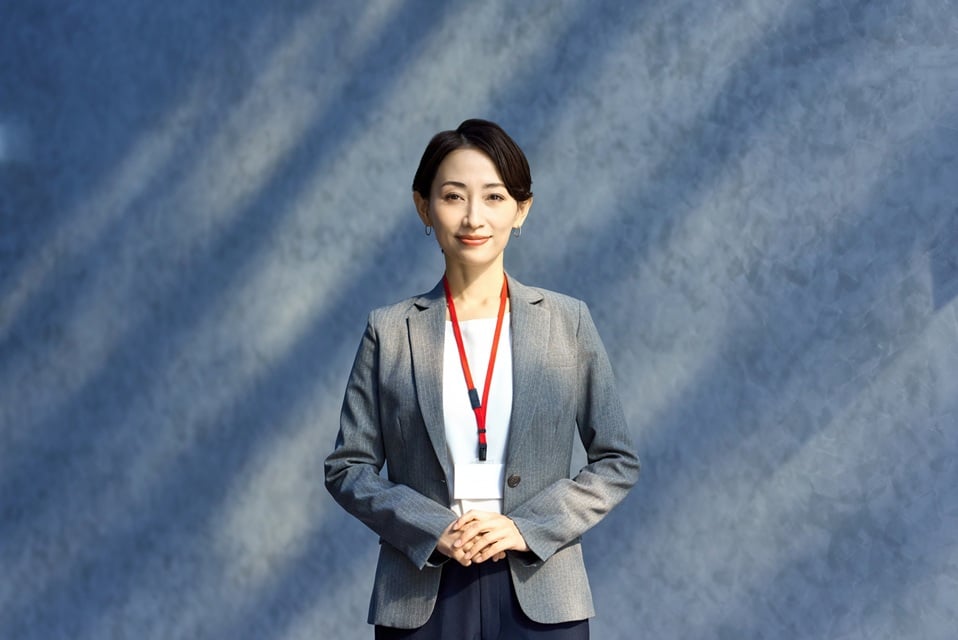
Delivering successful corporate hospitality or incentive travel in Japan requires more than selecting impressive experiences. The outcome depends on how well four key elements are aligned: program design, timing, execution, and the right local partner. When these are strategically integrated, hospitality becomes a powerful tool for relationship-building and business impact.

Group Size, Budget, and Customization Considerations
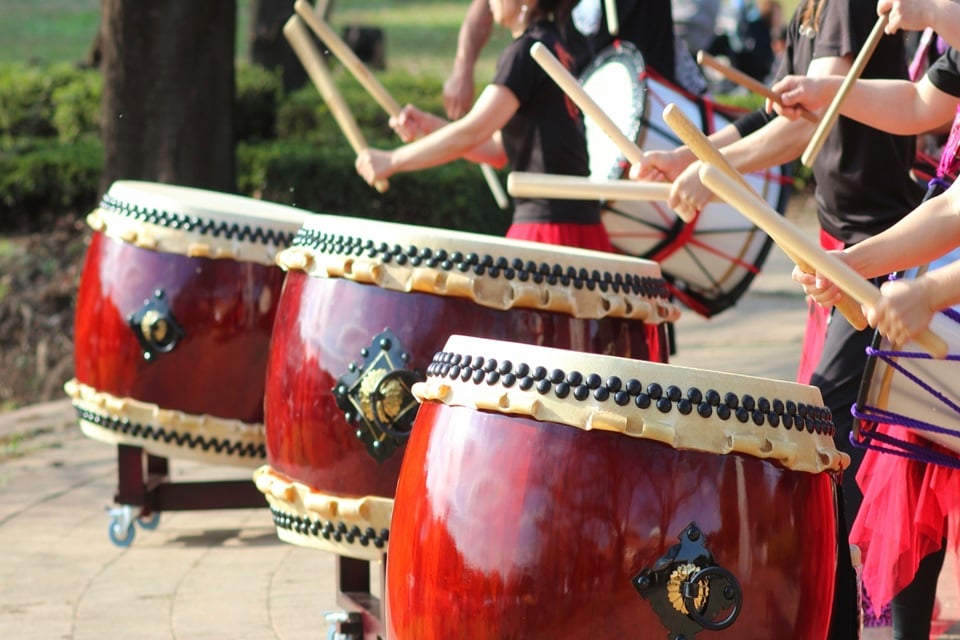
The foundation of any successful program lies in its design. Group size and budget directly influence the level of exclusivity and personalization that can be achieved. Smaller groups of 10–20 participants allow for highly curated settings, such as private Kaiseki dining or intimate cultural encounters, where meaningful conversations naturally emerge.
To provide a clearer benchmark, the following table outlines typical group size recommendations by experience category.
| Experience Category | Recommended Group Size | Key Characteristics |
|---|---|---|
| Private Cultural Experiences (Tea ceremony, Ryotei dining) | 10–20 participants | Intimate, refined, ideal for deep relationship-building |
| Culinary Experiences (Sushi masterclass, Kaiseki) | 10–20 participants | Interactive, conversation-driven, high engagement |
| Wellness & Retreat (Ryokan, Onsen, Zen stay) | 10–25 participants | Quiet, immersive, suited for executive-level groups |
| Performance & Entertainment (Taiko, cultural shows) | 30–50 participants | Dynamic, shared experience, strong group cohesion |
| Large-scale Receptions / Events | 50+ participants | Structured, scalable, requires detailed coordination |
As a general principle, smaller groups enable deeper engagement, while larger groups benefit from shared energy and structured experiences.
Larger groups require careful operational planning to maintain quality and flow, particularly when multiple venues or parallel sessions are involved. The key is not scale, but how effectively the program is customized to align with your business objectives. In both corporate hospitality and incentive travel, tailored design determines whether the experience resonates or simply entertains.
Seasonality and Timing Strategy in Japan
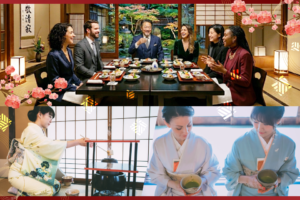
Timing plays a critical role in shaping the perceived value of any program in Japan. Seasonal highlights such as cherry blossoms in spring and autumn foliage can elevate even simple experiences into something memorable.
However, these peak periods also bring high demand and limited availability. Strategic timing ensures both access to premium venues and the ability to deliver a seamless experience. In some cases, choosing off-peak seasons such as winter with snow-viewing onsen retreats can create a more distinctive and exclusive atmosphere.
Typical Planning Timeline and Lead Time
Execution depends heavily on proper scheduling. Compared to other destinations, Japan often requires longer lead times, particularly for high-end corporate hospitality and incentive travel programs.
While smaller-scale programs may be arranged within 2–3 months, more complex or exclusive experiences typically require 4–6 months of preparation. Early planning is essential to secure limited-access venues and culturally significant experiences that cannot be arranged at short notice.
Below is a general guideline for planning timelines based on program scale.
| Program Type | Group Size | Recommended Lead Time | Key Considerations |
|---|---|---|---|
| Small Executive Program | 10–20 participants | 2–3 months | Private dining, cultural immersion, high customization |
| Mid-Scale Corporate Hospitality | 20–50 participants | 3–4 months | Venue coordination, logistics, balanced exclusivity |
| Large Incentive Travel Program | 50+ participants | 4–6 months | Multi-location planning, accommodation blocks, transport |
| VIP / Ultra-Exclusive Experience | 10–30 participants | 4–6+ months | Private access, temple buyouts, luxury experiences |
The more exclusive and customized the program, the earlier planning should begin.
Why Working with a Japan DMC Is Essential
The success of corporate hospitality and incentive travel in Japan ultimately comes down to execution. Cultural expectations, language barriers, and restricted access to venues can create challenges that are difficult to navigate without local expertise.
The real challenge is not planning — it is execution at a consistently high level. This is why working with an experienced Japan DMC becomes essential. Local expertise is critical to unlocking private access, ensuring cultural accuracy, and coordinating complex programs seamlessly.
MOTENAS JAPAN is a Japan Tourism Agency licensed Luxury DMC specializing in bespoke corporate hospitality and incentive travel programs. With deep local networks and proven expertise, they ensure seamless execution while delivering experiences that create lasting strategic connections and elevate client engagement.
From custom incentive travel planning and VIP arrangements to exclusive venue access and cultural experience coordination, consultations are tailored to your specific objectives.
If you are looking to create a high-impact program in Japan, we invite you to contact MOTENAS JAPAN through the inquiry form.
FAQ – Corporate Hospitality in Japan
Planning corporate hospitality or incentive travel in Japan often raises practical questions. Below are clear, experience-based answers to help you design programs that deliver both business impact and memorable value.
What are the most popular corporate hospitality ideas in Japan?
Japan offers a wide range of options, but the most effective ones share a common trait: they create meaningful interaction. Private cultural experiences such as Kaiseki dining, tea ceremonies, and sumo stable visits are among the most popular choices. These are not simply activities; they create environments where trust and connection develop naturally. In the context of incentive travel, these experiences are especially valuable because they reward participants while strengthening long-term relationships.
What does corporate hospitality in Japan typically cost?
Budget varies depending on exclusivity, group size, and access level. Mid-range programs typically start from USD 300–800 per person, while high-end VIP experiences can exceed USD 2,000 per person. Private venue buyouts or rare cultural access will increase costs, but they also significantly elevate perceived value. For incentive travel programs, investing in fewer, more curated experiences often leads to stronger outcomes than spreading the budget across multiple standard activities.
How far in advance should we plan a corporate event in Japan?
Timing is critical in Japan due to high demand and limited access to premium venues. A lead time of 3–6 months is recommended, and up to 9–12 months for peak seasons such as cherry blossom or autumn foliage. Incentive travel programs tied to these seasons require early coordination to secure the most impactful experiences.
Is Japan suitable for high-end VIP corporate hospitality?
Japan is exceptionally well-suited for VIP-level hospitality when planned correctly. Its strength lies in understated luxury, privacy, and access to experiences unavailable to the general public. From exclusive temple receptions to private geiko dinners, Japan delivers depth rather than spectacle. This makes it particularly effective for executive-level incentive travel where discretion and refinement matter.
Can corporate hospitality experiences be customized?
Customization is not only possible, but it is also essential. The most successful programs are fully bespoke, tailored to the client’s objectives, group profile, and cultural expectations. Whether aligning with brand messaging or designing incentive travel around performance goals, flexibility ensures the experience feels intentional rather than generic.
What is the ideal group size for exclusive experiences?
Group size directly impacts the quality of the experience. For highly exclusive programs, 10–20 participants is ideal, allowing for intimacy and meaningful interaction. Larger groups (30–50) can be accommodated with careful structuring, but maintaining a sense of exclusivity requires thoughtful design. Incentive travel programs often benefit from smaller group formats to maximize engagement.
Why is Japan ideal for corporate incentive trips?
Japan stands out as a destination where cultural depth meets precision execution. It is ideal for incentive travel because it combines reward, exclusivity, and emotional impact in a single experience. Unlike conventional destinations, Japan offers programs that go beyond entertainment, creating moments that reinforce loyalty, motivation, and long-term business relationships.
Plan Your Corporate Hospitality Experience in Japan

Planning successful corporate hospitality or incentive travel in Japan requires more than selecting unique experiences.
The key lies in strategic planning that combines cultural understanding, exclusive access, and flawless execution. From securing private venues to coordinating culturally sensitive experiences, every element is managed with precision to ensure a seamless and impactful program.
As a Japan Tourism Agency licensed DMC, MOTENAS JAPAN is uniquely positioned to deliver high-level corporate hospitality and incentive travel programs with consistency and strategic clarity. We support everything from end-to-end program strategy and executive-level experience planning to exclusive cultural coordination, ensuring each detail aligns with your business objectives.
Start planning your tailored experience today.
・元プロボクサー 柔道有段者 アームレスリング選手
・元飲食店5店舗の代表取締役であり、飲食業界の総合コンサルタント、広告クリエイター
・独自の視点と挑戦を続ける姿勢で、SEOやWebマーケティングに関する記事を執筆しLPのコンバージョン率UP
・海外でのビジネス経験を持ち、国際的な視点からもアプローチ
・現在、山奥で狩猟生活|Web戦略・SEO・LP制作・チャットボット構築支援を行う
・生成AI×プロ編集でSEO記事制作を推進。勝てるキーワードから集客導線を設計。
・構成設計からHTML入稿、効果測定まで伴走。

