





Around 70% of companies say incentive travel helps meet business goals (IRF).
With the yen roughly 30% weaker than in 2019, Japan is now one of the most cost-effective destinations for corporate incentive trips.
Whether you’ve just been tasked with planning your first incentive trip or comparing Japan against other destinations, this guide covers:
・Why Japan outperforms other incentive destinations on cost and experience
・Realistic per-person budgets you can use in your proposal
・How to plan and execute a trip that delivers measurable ROI
Why Incentive Travel Is Worth the Investment

Incentive travel refers to trips offered by companies as rewards for high-performing employees or partners.
Unlike standard business travel, which focuses on operational objectives, incentive travel is designed to provide memorable experiences that motivate participants and strengthen engagement.
Companies invest in incentive travel because it has a proven impact on business outcomes.
According to research by the Incentive Research Foundation (IRF), approximately 70% of companies report that incentive travel is effective in achieving business goals, while around 80% of participants say it significantly increases their motivation.
These results indicate that incentive travel plays a meaningful role in improving productivity, engagement, and overall organizational performance.
How can you measure the ROI of incentive travel?
Some managers and CFOs may ask for a clear explanation of ROI—The return on investment (ROI) of incentive travel can be evaluated through both qualitative and quantitative measures.
Common indicators include revenue growth and business performance, reduction in employee turnover, and improvements in engagement and satisfaction. In addition, companies can assess changes through pre- and post-trip surveys, as well as by tracking performance metrics and retention rates over time.
By combining these approaches, organizations can better understand the long-term value generated by incentive travel.
Why Japan? How It Compares to Other Destinations
why Japan?
When compared to popular incentive destinations such as Thailand, Singapore, and Dubai, decision-makers often require a clear and compelling reason to choose Japan.
Japan stands out as an ideal destination due to its unique advantages.
・Comparison with Thailand, Singapore, and Dubai
・Cost advantages driven by the weak yen
Comparison with Thailand, Singapore, and Dubai
| Japan | Thailand | Singapore | Dubai | |
| Safety Index reference | 74.9/100 | 60/100 | 77.5/100 | 83.9/100 |
| Average Cost for a 1-Week Trip reference | $2,300–$3,400 per week (Due to the depreciation of the yen, costs are effectively approximately 30% lower compared to 2019.) | $490–$770 per week | $2,000–$4,500 per week | $2,000–$5,000 per week |
| Attractivity Index reference | 88.6/100 | 81.9/100 | 88.5/100 | Out of the rank |
| MICE Subsidies and Government Support Japan reference | Subsidies are available ranging from approximately $1,300 to $13,000 per group. Eligible expenses typically include venue costs, interpretation services, and event operations. | Subsidies are available ranging from approximately $400 to $20,000 per group, depending on group size and program conditions. | Government support is available; however, funding is determined on a project-by-project basis, and the exact subsidy amount is not fixed in advance. | Government support is available; however, funding is determined on a project-by-project basis, and the exact subsidy amount is not fixed in advance. |
At first glance, accommodation costs in Japan may appear high; however, compared to other countries, Japan offers several key advantages
・High levels of customer satisfaction
・A high level of safety, allowing travelers to enjoy their stay with peace of mind
・Due to the weak yen, it is possible to enjoy higher-quality experiences and accommodations within the same budget compared to 2019
Cost advantages driven by the weak yen
In recent years, the Japanese yen has significantly depreciated against the US dollar, reaching approximately 150 JPY per USD in 2026.
Compared to around 110 JPY per USD in 2019, this represents a depreciation of roughly 30–35%.
As a result of this exchange rate shift, costs for accommodation, dining, and experiences in Japan have become effectively more affordable for international companies.
In other words, organizations can now deliver higher-quality services and experiences with the same budget.
Things to Consider When Budgeting for a Trip to Japan
Japan offers MICE subsidies of up to approximately $13,000.
However, it is important to note that the amount, eligibility criteria, and applicable conditions vary depending on the region and local government.
For this reason, if you want to reliably secure MICE subsidies and optimize your budget, working with a travel agency experienced in incentive travel can be a practical option.
By outsourcing research and planning, you can significantly reduce both workload and time.
Experiences That Make Japan Stand Out
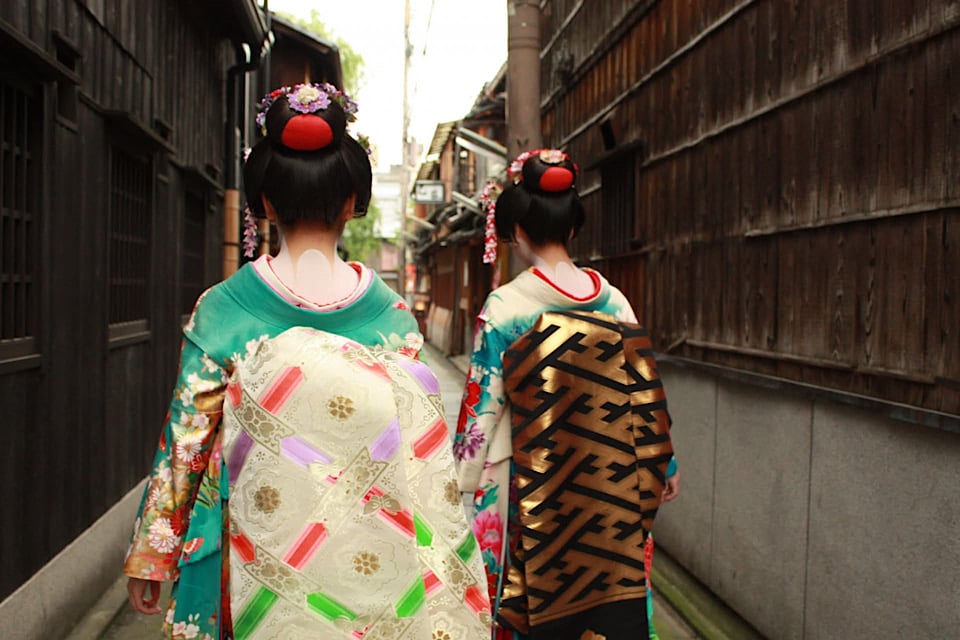
Unlike business travel, incentive trips are expected to deliver rewarding and memorable experiences that recognize employee achievements.
Here’s what makes Japan stand out.
Cultural and Team-Building Experiences
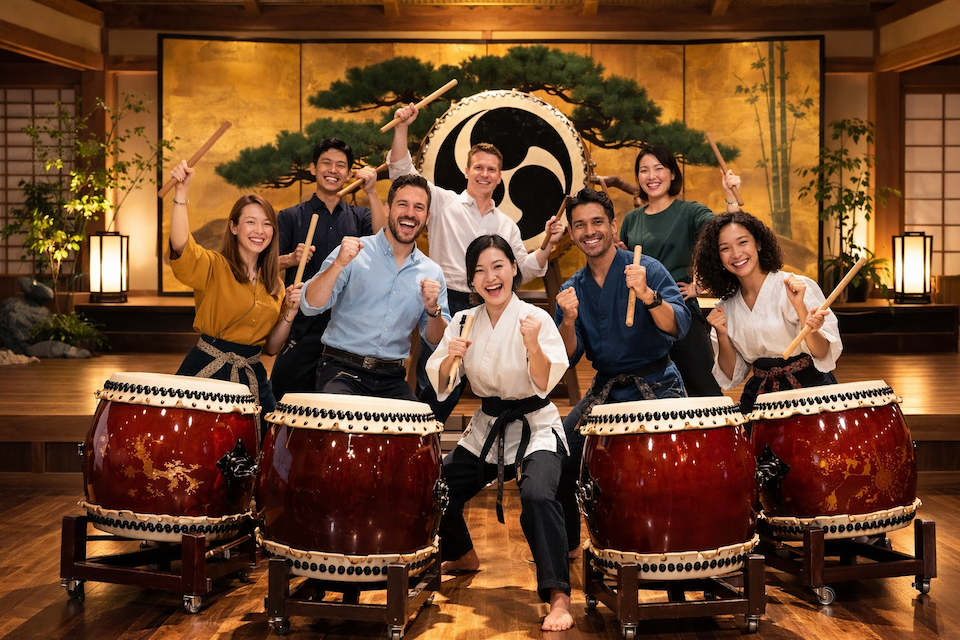
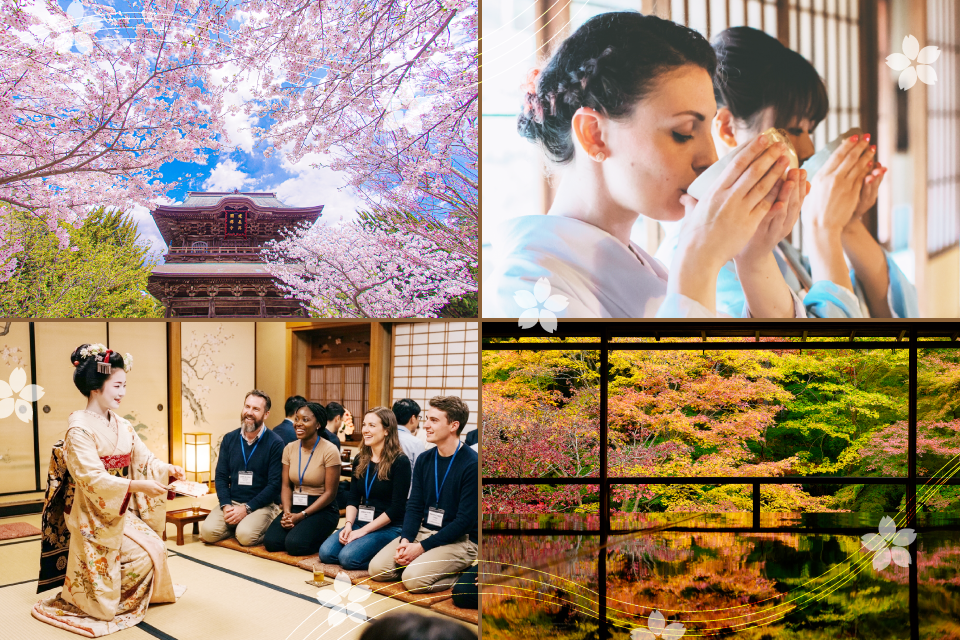
In Japan, a wide range of cultural experiences can be tailored to match participants’ interests and preferences.
As shown in the table below, programs can be customized based on what each group values most.
| Preferred Activities | Recommended Cultural Experiences in Japan |
| Food & Dining | ・Sushi-making workshop with a professional chef ・Michelin-star dining experience ・Traditional kaiseki (multi-course) dinner |
| Art & Culture | ・Tea ceremony experience ・Calligraphy (Shodo) workshop ・Kimono wearing experience |
| Wellness & Relaxation | ・Onsen (hot spring) experience ・Zen meditation session at a temple ・Traditional Japanese spa treatment |
| Entertainment & Modern Culture | ・Anime and manga district tour (Akihabara) ・Private karaoke experience ・Shopping in Ginza or Shibuya |
In this way, Japan enables companies to deliver highly personalized and satisfying cultural experiences for their employees.
For organizations that prioritize return on investment, team-building experiences that contribute to workplace performance are recommended.
Japan offers team-building activities that go beyond typical corporate exercises.
Options include taiko drumming, where groups perform together and develop coordination skills, corporate visits to local businesses for cross-cultural networking, and rural farming stays that challenge participants to adapt to unfamiliar environments.
These programs build practical skills — communication, teamwork, adaptability — while giving participants experiences they won’t forget.
World-Class Dining and Luxury Access
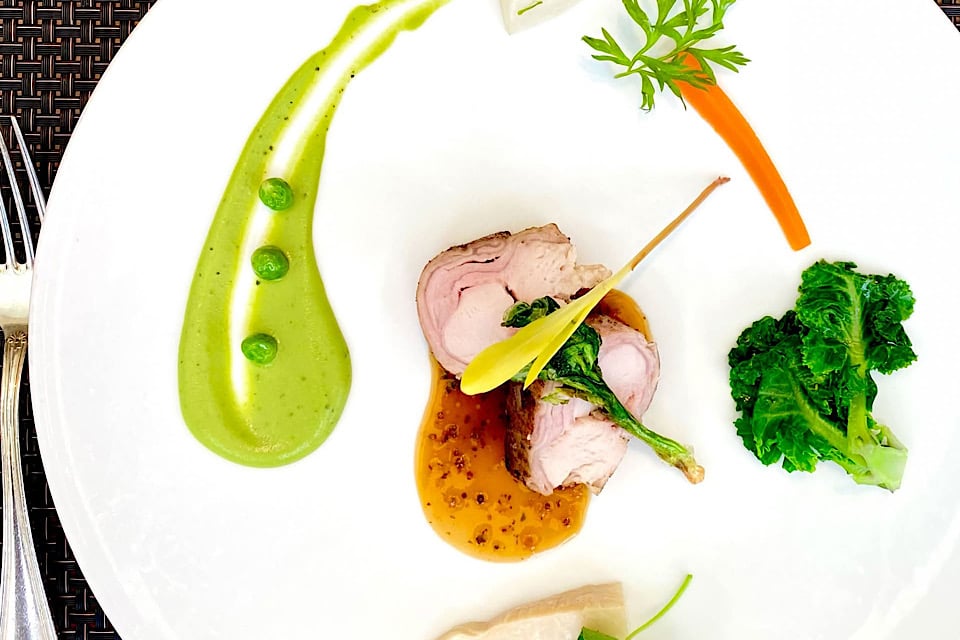
For those prioritizing luxury incentive travel Japan and aiming to deliver a higher level of satisfaction, upgrading the dining experience is highly recommended.
From exclusive dining at world-renowned hotels to private sushi chef experiences prepared right in front of guests, Japan offers a range of unique and memorable culinary moments.
Multi-City Itineraries and Seasonal Highlights

If participants wish to visit multiple cities or explore Japan’s famous destinations, a private bus tour is highly recommended.
By arranging private transportation, you can minimize travel fatigue and the risk of getting lost while efficiently visiting a variety of locations.
Seasonal Highlights
Japan has four distinct seasons, each offering its own unique appeal.
Below is a summary of the highlights and key considerations for each season, so please use it as a reference when planning your trip.
| Season | Highlights | Recommended Activities |
| Spring | You can enjoy viewing traditional and beautiful flowers in Japan, such as plum blossoms and cherry blossoms. The weather is also mild and comfortable, making it an ideal time to visit. | ・Cherry blossom viewing (hanami) in parks and gardens ・Tea ceremony experience in a traditional setting Kyoto temple and shrine tours ・River cruise (e.g., traditional boat ride) |
| Summer | You can experience traditional Japanese summer events such as fireworks festivals and local summer festivals. It is also an ideal season for marine sports . | ・Fireworks festivals (hanabi festivals) ・Traditional yakatabune cruise with dinner ・Beach activities and coastal sightseeing ・Summer festivals (matsuri) with local performances |
| Autumn | You can enjoy beautiful Japanese scenery, including vibrant autumn foliage. With mild and comfortable temperatures, it is an ideal season for outdoor activities and sightseeing. | ・Autumn foliage (koyo) viewing tours ・Temple and garden visits in Kyoto ・Hot spring (onsen) experiences Cycling tours through scenic countryside |
| Winter | You can enjoy a variety of winter events, including Christmas and New Year celebrations. | ・Skiing and snowboarding ・Hot spring (onsen) stays ・Snow festivals (e.g., Sapporo Snow Festival) |
How to Plan a Corporate Incentive Trip to Japan

So, how can you actually bring this kind of incentive trip to life?
Here’s a step-by-step look at the planning process, from defining group size and timing to budgeting, selecting experiences, and coordinating with a local DMC
Finalize the Travel Plan:
Decide the purpose of the trip and clearly define the experiences you want to include.
Determine the number of participants, travel dates, and destination.
Subsidy Application and Budget Planning:
If applying for a MICE subsidy, check the requirements and submit the application as early as possible.
At the same time, discuss and finalize the budget through meetings.
Hotel and Restaurant Reservations:
Once the number of participants and planned activities are decided, make provisional reservations for hotels and restaurants as soon as possible. Popular venues tend to fill up quickly, so early booking is recommended.
Flight Arrangements:
Book flights as soon as the destination is decided to ensure availability and peace of mind.
Activity Reservations:
Popular activities and venues can become fully booked quickly, so make reservations early.
Final Adjustments:
Begin final preparations and adjustments for the trip.
When handling all arrangements individually, it is necessary to begin preparations as early as nine months in advance, and a significant amount of time must be devoted to tasks such as budgeting and subsidy applications.
Therefore, in order to execute this plan realistically, collaboration with a travel agency is essential.
Why You Need a Local DMC

Using a local Destination Management Company (DMC) significantly simplifies the planning process for incentive travel in Japan.
By sharing key details such as the purpose of the trip, preferred activities, accommodation, destination, number of participants, and subsidy requirements, the DMC can manage the entire process from planning to execution.
In addition, working with a DMC can help reduce overall costs.
Through established partnerships with hotels and service providers, they can secure more favorable rates, while also minimizing internal labor costs and mitigating risks associated with cancellations or unexpected issues.
If you are looking for a reliable and experienced travel agency, we encourage you to refer to the information provided below.
Budget Guide
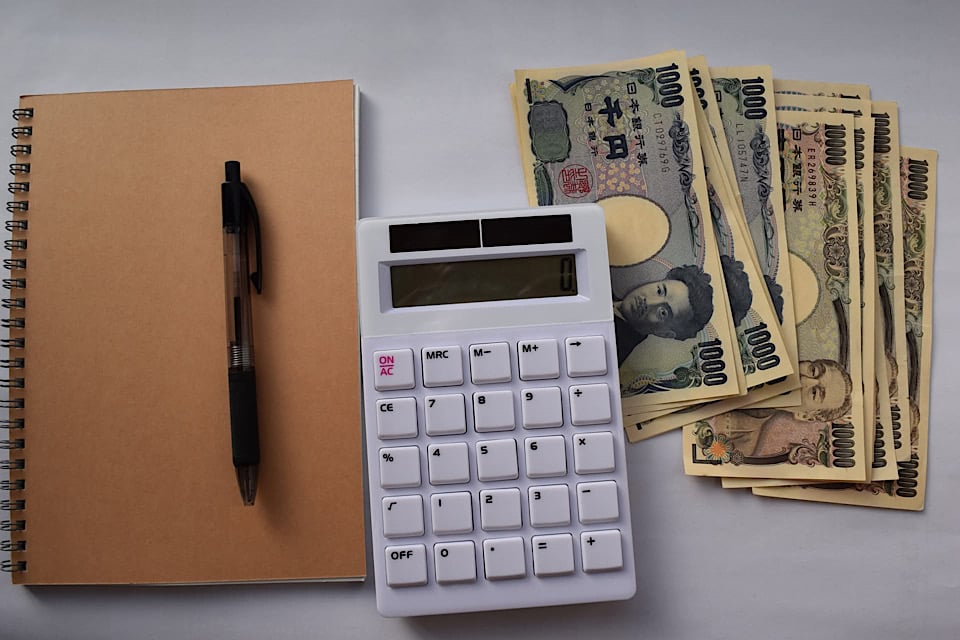
Budget is one of the most critical factors in organizing a corporate incentive trip.
Estimated total costs for a 5-night, 6-day stay in Japan are outlined below, categorized by group size.
Sample Travel Plan Assumptions
| Plan Components | Description of Each Activity | Price |
| Transportation | A large charter bus for 6 days and 5 nights | Group of 10: ¥600,000〜¥900,000 ($4,000〜$6,000) Group of 20: ¥800,000〜¥1,100,000 ($5,300〜$7,300) Group of 30: ¥900,000〜¥1,200,000 ($6,000〜$8,000) |
| Accommodation | Accommodation at a five-star hotel for 6 days and 5 nights | Group of 10: ¥3,000,000〜¥4,500,000 ($20,000〜$30,000) Group of 20: ¥6,000,000〜¥9,000,000 ($40,000〜$60,000) Group of 30: ¥9,000,000〜¥13,500,000($60,000〜$90,000) |
| Meals | The total meal cost for a 6-day, 5-night stay, including breakfast at the hotel restaurant and lunch and dinner at five-star restaurants | Group of 10: ¥1,980,000〜¥3,480,000 ($13,200〜$23,200) Group of 20: Approx. ¥3,960,000〜¥6,960,000($26,400〜$46,400) Group of 30: ¥5,940,000〜¥10,440,000($39,600〜$69,600) |
| Activities | Enjoy the following activities during a 6-day, 5-night stay ・Traditional yakatabune cruise, a tea ceremony experience ・Private Kabuki performance ・Camping experience(2 days) ・ Sightseeing tour around Tokyo. | Group of 10: ¥850,000〜¥1,850,000 ($5,700〜$12,300) Group of 20: ¥1,400,000〜¥2,900,000 ($9,300〜$19,300) Group of 30: ¥1,950,000〜¥3,950,000 ($13,000〜$26,300) |
Based on these figures, the total cost for a 6-day, 5-night incentive trip in Japan, including transportation, accommodation, meals, and activities, is estimated as follows
Group of 10:
¥6,430,000〜¥10,730,000
($42,900〜$71,500)
Group of 20:
¥12,160,000〜¥19,960,000($81,000〜$133,000)
Group of 30:
¥17,790,000〜¥29,090,000($118,600〜$193,900)
The cost of using a travel agency
So far, we have looked at the cost of a 6-day, 5-night trip in Japan.
We will now also examine the total cost including travel agency arrangements and visa processing.
| Services arranged by the travel agency | Cost by group |
| Travel package + Airfare | Group of 10: ¥6,730,000〜¥11,330,000 ($44,900〜$75,500) Group of 20: ¥12,760,000〜¥21,160,000 ($85,100〜$141,100) Group of 30: ¥18,690,000〜¥30,890,000 ($124,600〜$205,900) |
| Travel agency arrangement fee (10–20%) | Group of 10: ¥673,000〜¥2,266,000 ($4,500〜$15,100) Group of 20: ¥12,760,000〜¥21,160,000 ($85,100〜$141,100) Group of 30: ¥1,869,000〜¥6,178,000 ($12,500〜$41,200) |
| Visa fees | Group of 10: ¥50,000〜¥100,000 ($330〜$670) Group of 20: ¥100,000〜¥200,000 ($670〜$1,330) Group of 30: ¥150,000〜¥300,000 ($1,000〜$2,000) |
Therefore, the total cost for a 6-day, 5-night trip, including airfare and travel agency arrangement fees, is as follows
Group of 10:
¥7,453,000〜¥13,696,000($49,700〜$91,300)
Group of 20:
¥14,136,000〜¥25,592,000($94,200〜$170,600)
Group of 30:
¥20,709,000〜¥37,368,000($138,000〜$249,100)
The above represents the total cost of a 6-day, 5-night trip when using a travel agency. Airfare is subject to fluctuation, so it is recommended to check the latest prices prior to departure.
At first glance, using a travel agency may seem expensive; however, it can actually help reduce the following types of expenses.
| Details of Costs | Expenses Incurred Without Using a Travel Agency |
| Cancellation fees incurred due to booking errors | Group of 10 ¥150,000 – ¥300,000($1,000 – $2,000) Group of 20 ¥300,000 – ¥600,000($2,000 – $4,000) Group of 30 ¥450,000 – ¥900,000($3,000 – $6,000) |
| MICE subsidy application fees | Group of 10 ¥100,000 – ¥200,000($670 – $1,330) Group of 20 ¥150,000 – ¥300,000($1,000 – $2,000) Group of 30 ¥200,000 – ¥400,000($1,330 – $2,670 |
| labor costs for employees responsible for arranging the trip | Group of 10 ¥80,000 – ¥240,000($530 – $1,600) Group of 20 ¥120,000 – ¥300,000($800 – $2,000) Group of 30 ¥150,000 – ¥400,000($1,000 – $2,670) |
Based on the above calculations, the following costs can be reduced when using a travel agency.
Group of 10:
¥330,000 – ¥740,000
($2,200 – $4,900)
Group of 20:
¥570,000 – ¥1,200,000
($3,800 – $8,000)
Group of 30:
¥800,000 – ¥1,700,000
($5,300 – $11,300)
In Japan, cancellation fees may reach up to 100% as the scheduled date approaches.
Furthermore, failure in applying for MICE subsidies may result in a loss of approximately ¥100,000 to ¥500,000 ($670 to $3,300).
Therefore, using a travel agency is more cost-effective in order to mitigate these risks and potential losses.
he cost per person for traveling in Japan, as well as the cost of individual activities, is also explained in the articles below. For more detailed information regarding pricing, please refer to these sources.
FAQ

We address common concerns when planning a corporate incentive trip through frequently asked questions and their answers.
- How do you justify the cost of Japan vs. cheaper destinations?
-
While Japan may appear expensive, the weak yen has made it approximately 30% more affordable compared to 2019.
In addition, Japan offers unique, high-quality cultural experiences that cannot be replicated elsewhere, increasing the overall value of the trip. - What is the best season to visit Japan for incentive travel?
-
Each season in Japan offers distinct advantages.
The best season depends on the purpose of the trip, such as viewing cherry blossoms or experiencing snow.
Therefore, it is recommended to choose the timing based on the desired experience. - Can dietary restrictions be accommodated?
-
Yes, dietary restrictions can be accommodated in Japan.
Many restaurants and hotels are able to provide suitable meals if informed in advance.
Therefore, it is important to communicate dietary requirements during the planning stage.
- Which is more cost-effective: using a travel agency or arranging the trip independently?
-
We recommend using a travel agency.
Travel agencies often have established partnerships with hotels, restaurants, interpreters, and guides, enabling them to secure reservations more reliably and, in some cases, at more competitive rates.In addition, they have extensive knowledge of subsidy programs, allowing them to maximize available benefits and propose cost-effective travel plans.
- Some employees require visas to travel to Japan.
How should this be handled? -
Visa applications require the preparation of various documents, such as invitation letters and itineraries, which can be difficult to handle individually.
Therefore, by working with a travel agency and managing applications collectively for all participants who require visas, the process can be handled more efficiently. - Our reservation was declined because the group exceeds 20 people.
What should we do? -
For large group bookings, reservations may be difficult depending on the accommodation’s capacity and availability.
In such cases, working with a travel agency is the most reliable solution.
Travel agencies have established networks with accommodation providers, which increases the likelihood of securing suitable options for large groups.If you have further questions about traveling to Japan or would like to learn more, please feel free to refer to the article below.
Recommended Reading What Is Incentive Travel? Corporate Programs Guide Standard compensation is no longer enough to attract and retain top talent. To drive peak performance, companies are shifting toward highly curated, experien…
Why Work with MOTENAS JAPAN

Unlike business trips, corporate incentive travel requires a high level of enjoyment and participant satisfaction.
At the same time, companies naturally aim to control costs while achieving a return on their investment.
Meeting all of these requirements on your own can be challenging.
That is where we, MOTENAS JAPAN, can support you.
By maximizing available subsidies and ensuring reliable reservations, we help reduce unnecessary costs.
Leveraging our experience and strong network, we deliver travel experiences that meet and exceed your expectations.
If you have been tasked with planning an incentive trip and are unsure where to start, please feel free to contact us.

After graduating from Kansai University, I joined JTB as a new graduate and worked in the inbound tourism sector.
After getting married, I moved to Australia due to my husband’s work and obtained a diploma in early childhood education there.
I am currently working at a kindergarten while also working as a writer.

