





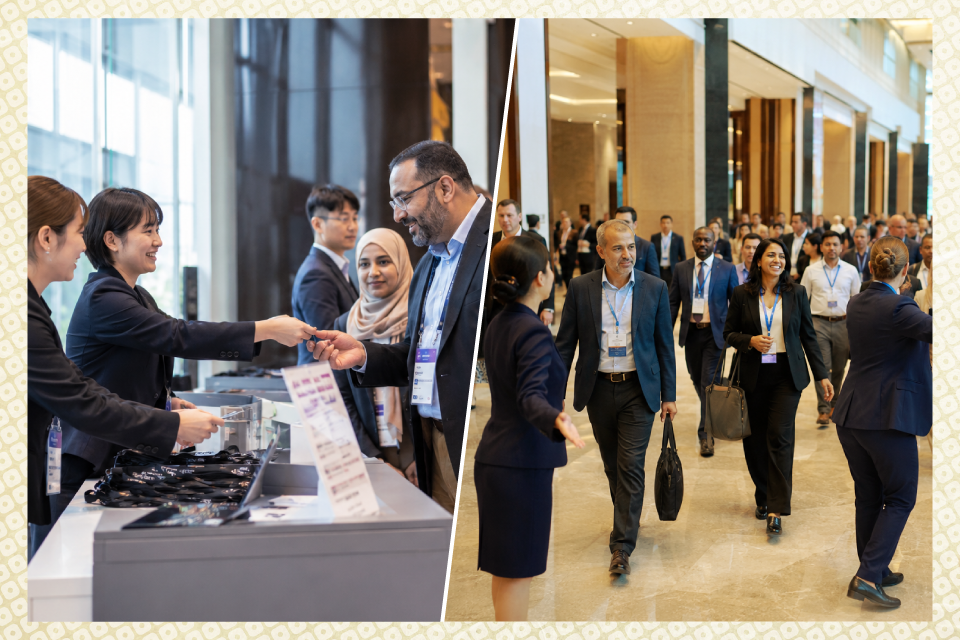

Planning an event overseas but not sure what a DMC is? If you’ve searched for “DMC in travel,” you’re likely planning a corporate meeting, incentive trip, or client event and wondering whether you need one.
A Destination Management Company (DMC) is a local partner that manages venues, logistics, transportation, and on-the-ground operations for events in a specific destination.
This guide explains what a DMC does, how it differs from a travel agency, when your company should work with one, and what to look for when choosing the right partner. If you’re considering hosting a business event in Japan, you’ll also learn how a local DMC can help simplify planning and reduce risk.
- What a Destination Management Company (DMC) is and how it supports international business events and group travel
- The core services a DMC provides, from venue sourcing and transportation to on-site event management
- The differences between a DMC, travel agency, TMC, and event planner — and when each is the right choice
- When your company should work with a DMC and what a typical project timeline looks like
- How to evaluate and choose the right destination management partner for your business objectives
- Why working with a Japan-based DMC can simplify planning for meetings, incentive travel, and corporate events
DMC Meaning: What Does DMC Stand For in Travel?

DMC stands for Destination Management Company — a local organization that plans, coordinates, and manages on-the-ground services for events, meetings, incentive trips, and group travel within a specific destination.
If you’re planning an event overseas, you’ve probably come across the term DMC in travel. It can be confusing at first, especially because the acronym is often used alongside terms like travel agency, tour operator, and event planner.
A Destination Management Company focuses on what happens after your group arrives at the destination. Rather than selling flights or vacation packages, the local partner coordinates the local logistics that make an event or group program successful. This includes the local coordination required to turn an overseas event plan into a workable program.
For companies organizing meetings, incentive travel, conferences, or client events abroad, hiring local destination support helps bridge the gap between strategic planning and local execution. Because a DMC operates within the destination itself, it understands regional business practices, supplier networks, transportation systems, and practical considerations that overseas organizers may not be familiar with.
You may also see the term written as ‘DMC in tourism’ — the meaning is the same:
It’s also important not to confuse a DMC with a DMO (Destination Marketing Organization). A DMO promotes a destination to attract visitors, while a DMC works directly with clients to plan and deliver events and travel programs within that destination.

What Does a DMC Actually Do? Core Services

A Destination Management Company coordinates the local services needed to deliver successful meetings, incentive trips, conferences, and corporate events. Rather than focusing on travel bookings alone, a DMC manages the people, suppliers, logistics, and operations that bring an event to life.
The exact scope varies depending on the destination and the event itself, but most destination management company services include the following.
- Venue sourcing and contract negotiation
A DMC recommends venues that match your objectives, group size, and budget. It also negotiates with hotels, conference centers, restaurants, and unique venues on your behalf.
- Transportation and airport transfers
From airport pickups to shuttle services between hotels and event locations, a DMC coordinates transportation so attendees arrive safely and on schedule.
- Gala dinners, team activities, and cultural experiences
Many programs include welcome receptions, gala dinners, incentive activities, or local cultural experiences. A DMC works with trusted suppliers to organize activities that complement your business objectives.
- Interpretation, permits, and local compliance
International events often require language support, permits, or coordination with local authorities. A DMC helps navigate destination-specific requirements that overseas planners may not be familiar with.
- Emergency support and on-site management
Unexpected situations can arise during any event. Weather disruptions, transportation delays, or last-minute schedule changes require immediate local coordination. A DMC provides local operations support to respond quickly when plans change.
- Managing local vendors
Rather than communicating separately with hotels, caterers, production companies, transportation providers, and entertainers, clients typically work through one point of contact while the DMC coordinates all local suppliers behind the scenes.
The purpose of DMC destination management is to reduce complexity for the client by bringing every local service together under a single, coordinated plan. This allows organizers to spend less time managing logistics and more time focusing on attendees, business relationships, and the overall success of the program.

DMC vs Travel Agency vs TMC vs Event Planner

Many people use the terms DMC, travel agency, TMC, and event planner interchangeably, but they serve very different purposes. Choosing the wrong type of partner can lead to gaps in planning, unexpected responsibilities, or unnecessary costs.
The key difference is that a Destination Management Company (DMC) specializes in delivering local services within a specific destination, while the other providers focus on different stages of travel or event planning.
| Service | Primary Role | Where They’re Based | Best For | Typical Clients |
| Destination Management Company (DMC) | Coordinates local logistics, suppliers, transportation, venues, and on-site operations | In the destination | Meetings, incentive travel, conferences, and group programs | Corporations, associations, agencies |
| Travel Agency | Books flights, hotels, and general travel arrangements | Home market or online | Individual or business travel | Travelers and companies |
| Travel Management Company (TMC) | Manages ongoing corporate travel programs and business travel policies | Home market | Employee business travel | Corporate travel departments |
| Event Planner | Designs and manages the event itself, including schedules, budgets, and attendee experience | Varies | Conferences, launches, receptions, and meetings | Businesses, nonprofits, organizations |
A DMC travel agency is not simply another name for a travel agency. While a travel agency focuses on booking travel arrangements, a DMC takes responsibility for coordinating the local services required once attendees arrive at the destination.
Similarly, a DMC tour operator is different from a traditional tour operator. Tour operators generally create and sell travel packages, whereas a DMC works behind the scenes to organize transportation, venues, suppliers, cultural experiences, and operational support for business groups and organized events.
An event planner focuses on designing and managing the event itself, while a DMC travel company provides the destination-specific knowledge and local execution needed to bring that plan to life. On international projects, the two often work together rather than replacing one another.
Understanding where each provider fits makes it much easier to choose the right partner for your company’s objectives and avoid unnecessary overlap in responsibilities.
If you’d like to learn more about the role of an event planner, see our Business Event Planner: What They Do, Costs, and How to Hire the Right One guide. (Internal link to be added by the editorial team.)

When Should Your Company Use a DMC?
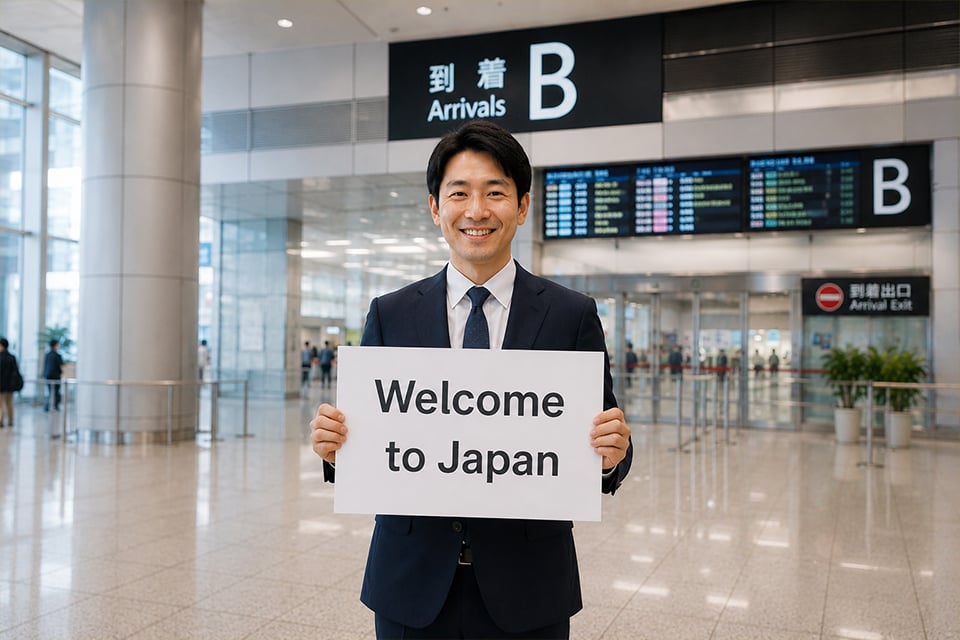
Not every event requires a Destination Management Company. For local meetings or small gatherings where your team already has trusted suppliers and venue relationships, managing the project internally may be enough.
A DMC becomes most valuable when your event involves unfamiliar destinations, multiple stakeholders, or complex on-the-ground logistics. Having a local partner helps reduce risk, improve coordination, and save valuable planning time.
You should consider working with a DMC if your event includes any of the following:
- Your event is taking place in another country. Local regulations, supplier networks, and business practices are often very different from what your team is used to.
- You’re organizing a large group program. Conferences, incentive trips, executive meetings, and company-wide gatherings require careful coordination across transportation, venues, accommodations, and activities.
- Language or cultural differences could affect planning. Communicating with local suppliers, negotiating contracts, or understanding destination-specific customs can become challenging without local support.
- Your program includes multiple moving parts. Airport transfers, gala dinners, off-site activities, technical production, interpreters, and VIP guests all increase operational complexity.
- Your internal team has limited time or event experience. A DMC allows your employees to stay focused on business objectives while experienced local professionals coordinate day-to-day execution.
As a general guideline, larger international meetings and incentive programs are best planned 6–12 months in advance, while smaller events can often be organized within 3–6 months, depending on venue availability and program complexity.
If your company is planning an event overseas, building additional lead time into the schedule gives you more venue options, greater flexibility, and fewer last-minute challenges.
If you’re planning an incentive trip to Japan, see our Incentive Travel Services to learn how destination-based support can simplify planning for international groups. (Internal link to be added by the editorial team.)
A Typical DMC Project Timeline

Hiring a Destination Management Company doesn’t mean handing everything over and waiting for the event day. A successful project is built through ongoing collaboration between your team and the DMC, with each stage designed to turn your objectives into a well-organized program.
While every project is different, most DMC engagements follow a similar timeline.
| Stage | What Typically Happens |
| 1. Initial Inquiry | You share your event objectives, destination, preferred dates, estimated group size, and budget. This helps the planning team understand the scope of your project. |
| 2. Discovery & Consultation | The DMC asks detailed questions about your attendees, business goals, schedule, and any special requirements before developing recommendations. |
| 3. Proposal & Quotation | You receive a customized proposal outlining suggested venues, activities, logistics, estimated costs, and available options. |
| 4. Planning & Coordination | Once approved, the planning team begins securing venues, coordinating suppliers, arranging transportation, confirming schedules, and managing all local preparations. |
| 5. On-Site Event Management | During the program, the DMC oversees operations, coordinates suppliers, manages the schedule, and responds quickly to unexpected situations. |
| 6. Post-Event Follow-Up | After the event, the planning team typically reviews outcomes, gathers feedback, resolves any remaining administrative items, and provides final reporting if required. |
Every stage is designed to reduce uncertainty and keep the project moving forward in a structured, transparent way. Rather than coordinating dozens of local suppliers independently, your team works with a single point of contact while the provider coordinates communication behind the scenes.
The exact timeline depends on the size and complexity of the program. A small executive meeting may require only a few months of preparation, while an international conference or incentive trip could begin planning six months or more before the event.
Understanding the typical project timeline makes it easier to plan ahead, allocate responsibilities, and avoid last-minute surprises as your event approaches.

How to Choose the Right DMC

Selecting a destination-based partner is about more than comparing prices. The right partner should understand your objectives, communicate clearly, and have the local capabilities needed to deliver your program successfully.
Whether you’re comparing regional providers or reviewing proposals from international destination management companies, evaluating the following areas can help you make a more informed decision.
Industry Credentials and Local Licensing
Professional memberships, destination certifications, and local business licenses demonstrate that a DMC operates within recognized industry standards. While credentials alone do not guarantee quality, they provide additional confidence that the company has established relationships and experience within its destination.
For organizations searching for the best destination management companies, credentials should be considered alongside practical experience and client references.
A Dedicated Account Manager
Managing an international project is much easier when you have one primary contact from start to finish.
A dedicated account manager coordinates communication, answers questions, works with local suppliers, and keeps everyone aligned throughout the planning process. Having a single point of contact helps reduce misunderstandings and keeps decision-making more efficient.
Proven Experience with Your Type of Program
Not every DMC specializes in the same kinds of events. Some focus on incentive travel, while others have greater experience with conferences, executive meetings, product launches, or luxury hospitality.
Rather than looking only at company size, review case studies and ask whether the DMC has managed programs similar to yours. Relevant experience is often a better indicator of success than a long list of destinations.
Transparent Pricing and Proposals
A clear proposal should explain what services are included, what assumptions have been made, and which costs may change as the project develops.
Look for proposals that clearly define deliverables, payment schedules, and optional services. Transparent documentation makes it much easier to compare multiple providers fairly.
On-the-Ground Crisis Support
Unexpected situations can occur even with careful planning. Flight delays, weather disruptions, supplier issues, or last-minute schedule changes often require immediate local action.
One of the greatest advantages of working with a DMC is having professionals on the ground who can respond quickly when plans need to change. This level of support is particularly valuable for incentive trips, executive meetings, and complex multi-day programs.
When reviewing proposals from top destination management companies or a luxury destination management company, ask how emergencies are handled, who will be on-site, and what support is available throughout the event.
Choosing the right DMC ultimately comes down to finding a partner that matches your company’s objectives, communication style, and operational requirements. The strongest partnerships are built on transparency, relevant experience, and the ability to deliver confidently when it matters most.

Frequently Asked Questions

Choosing a Destination Management Company often raises questions about responsibilities, planning, and pricing. Below are answers to some of the most common questions from organizations planning meetings, incentive travel, and corporate events abroad.
What is the full form of DMC in travel?
DMC stands for Destination Management Company. A DMC is a local organization that plans and manages local services for meetings, conferences, incentive trips, and group travel within a specific destination.
What does destination management company mean?
A destination management company is a local specialist that coordinates services such as venue sourcing, transportation, supplier management, cultural activities, and on-site event support. Its primary role is to help organizations successfully deliver events in a destination where they may not have local knowledge or established business relationships.
What is the difference between a DMC and a DMO?
A DMC delivers services for clients organizing events or travel programs, while a DMO (Destination Marketing Organization) promotes a destination to attract visitors. In short, a DMO markets the destination, whereas the local partner manages projects within it.
Is a DMC the same as a tour operator?
No. A tour operator typically creates and sells travel packages, while a DMC manages destination-specific logistics and services for organized groups and business events. Although their services may overlap in some areas, their primary roles are different.
How do DMCs charge?
DMC pricing depends on the scope of the project, destination, and services required. Common pricing models include management fees, package pricing, or customized quotations based on the event’s complexity. Before approving a proposal, it’s a good idea to confirm what services are included and how additional costs will be handled.
Planning a Corporate Event in Japan?
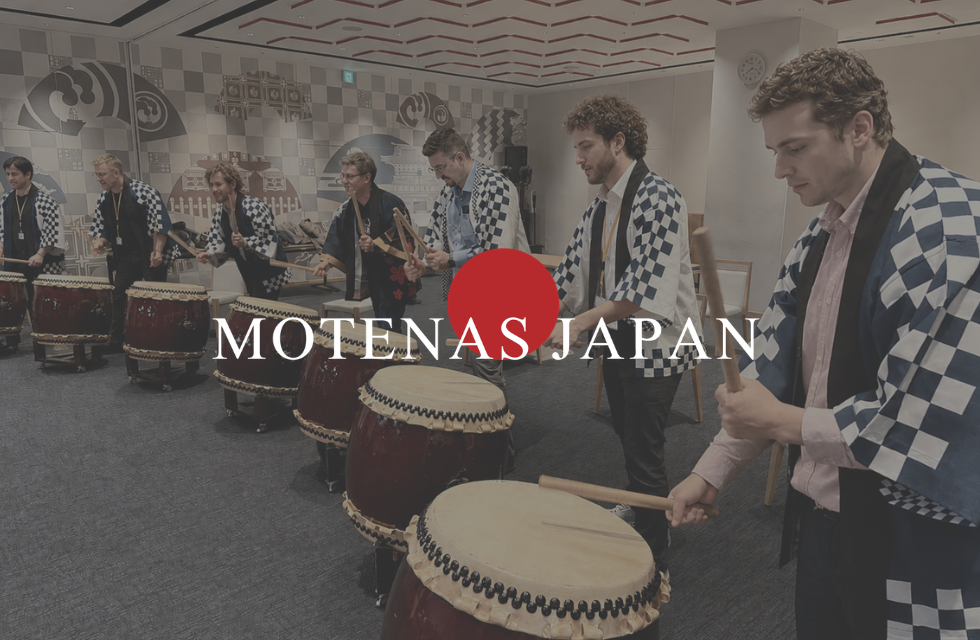
Japan has become an increasingly popular destination for incentive travel, executive retreats, leadership meetings, anniversary celebrations, and international client events. Companies are drawn not only by the country’s excellent infrastructure but also by the opportunity to create meaningful business experiences in a setting that feels different from everyday work.
Planning an event from overseas, however, can introduce additional challenges. Time zone differences, language barriers, local regulations, and supplier coordination often require more than general event planning knowledge.
US-Based Planner vs. Japan-Based DMC
| Consideration | US-Based Planner | Japan-Based DMC |
| Time zone coordination | Limited local business hours | Real-time coordination with local suppliers |
| Language & business customs | May rely on third parties | Direct communication with local venues and vendors |
| Access to local vendors | Limited network | Established relationships across the destination |
| Unique venues & cultural programs | May require subcontractors | Direct access to destination-specific experiences |
| Cost structure | Multiple overseas partners may be involved | Local coordination can simplify project management |
Working with a Japan-based DMC reduces operational risk and gives you access to experiences that are difficult to arrange from abroad — exclusive venue buyouts, traditional cultural workshops, and private dining in distinctive locations.
If you’re planning a corporate event in Japan, MOTENAS JAPAN provides destination management support for international companies. We design incentive travel programs, corporate hospitality events, and cultural experiences around your goals, group size, and schedule. Even if you’re still comparing options, our team can help you understand what is practical for your program.

毎月1回以上国内・海外旅行をする旅好きライターです。
フランス・ベトナム一人旅を筆頭に、ひとりで美味しいものを食べながらゆったり旅をするのが好きです。

