






What Makes an Incentive Travel Program Successful?
If you are planning an incentive travel program, you may be wondering what kind of results incentive travel can actually deliver and how much budget is needed and how the program should be planned.
In this article, we will cover:
・The benefits of incentive travel programs
・How to plan an incentive travel program
・Real-world examples of incentive travel programs
If you want to create a successful incentive travel program, be sure to read through to the end.
What Is an Incentive Travel Program?

Understanding corporate incentive travel correctly can help companies plan their programs more effectively and efficiently.
Corporate incentive travel refers to reward-based travel programs offered to employees or teams who achieve outstanding results.
These programs are designed to increase employee motivation while also strengthening engagement and loyalty toward the company.
Differences Between Business Travel and Corporate Retreats
When planning a corporate incentive travel program, companies are often asked how it differs from business travel or Corporate Retreats.
Unlike standard business travel or corporate retreats, corporate incentive travel places a stronger emphasis on recognizing and rewarding employee achievements.
As a result, programs are expected to deliver a more exclusive and memorable experience through luxury hotels, high-end dining, award ceremonies, and other elements that help increase employee motivation and engagement.
Budget Trends and Executive Support in 2026

The question remains whether corporate incentive trips can truly generate returns that justify their exclusivity and luxury.
According to the 2025 Incentive Travel Index and the IRF 2026 Trends Report, many organizations continue to view corporate incentive travel as an effective tool for employee engagement, retention, and motivation. The reports show that 75% of respondents believe the value of incentive travel remains as strong as ever, while companies continue increasing or maintaining investment in incentive travel programs despite rising costs and economic uncertainty.
These findings suggest that corporate incentive travel programs continue to deliver strong perceived value and remain an important strategy for motivating employees and strengthening organizational performance.
The Impact on Sales, Retention, and Employee Engagement
According to the IRF 2026 Trends Report, 50% of organizations plan to maintain incentive travel budgets in line with inflation in 2026, while an additional 25% expect budgets to increase beyond inflation in order to improve their programs. The report also found that 99% of top-performing companies have strong executive support for reward and recognition programs.
These findings suggest that corporate incentive travel programs continue to be viewed as a valuable investment for improving employee motivation, engagement, and long-term organizational performance.
As demonstrated above, corporate incentive travel can be an effective tool for increasing employee engagement and organizational value.
If you are interested in organizing a corporate incentive trip but are unsure what types of programs are available, please refer to the following information as well.
How to Choose the Right Incentive Travel Program for Your Company

Types of Incentive Travel Programs
When implementing a corporate incentive travel program, selecting the right type of program based on your company’s objectives can help maximize business impact and overall effectiveness.
Below is an overview of the main types of corporate incentive travel programs and the types of organizations they are best suited for.
| Program Type | Entertainment-Focused Programs | Training-Focused Programs | Team-Building Programs |
| Characteristics of Each Program Type | These corporate incentive trips emphasize fun and exclusivity through activities such as amusement parks, sightseeing, and entertainment experiences. | These corporate incentive travel programs combine reward travel with company visits, educational activities, or cultural experiences related to the company’s business objectives. | These employee incentive trips incorporate group activities such as camping, outdoor experiences, and team sports designed to strengthen collaboration and communication among participants. |
| Best-Suited Companies | They are well suited for companies that want to support employee well-being, reduce stress, and further improve employee motivation through memorable travel incentives for employees. | Rather than serving as simple incentive vacations, these programs are often selected by organizations aiming to create new business opportunities and improve employee skills and knowledge. | They are popular among companies seeking to improve teamwork, cooperation, and internal employee relationships through business travel incentive programs. |
Recommended Incentive Travel Programs by Business Type
For companies that want to combine enjoyable experiences with employee skill development, customized corporate incentive travel programs can be an effective option.
With customized corporate incentive trips, companies work closely with a travel agency or Destination Management Company (DMC) to design programs tailored to their business objectives and organizational needs. This approach allows organizations to create employee incentive trips that are more directly aligned with company goals and desired business outcomes.
If you would like to explore examples of customized corporate incentive travel programs, please refer to the following information as well.
The Basic Steps of Incentive Travel Planning

Define Goals and KPIs
Unlike standard business travel, corporate incentive trips are expected to deliver a sense of exclusivity and recognition that helps increase employee motivation.
For this reason, establishing clear goals and well-defined KPIs (Key Performance Indicator)is essential for successful incentive travel planning.
Specifically, corporate incentive travel programs are typically planned through the following steps.
The first step is to establish eligibility requirements and qualification criteria for the corporate incentive travel program.
For example, companies may set conditions such as allowing only employees who achieve a certain level of sales performance during the fiscal year to participate.
Next, companies should determine the destination and experiences based on the objectives of the corporate incentive travel program.
Because these decisions have a significant impact on the overall budget, it is recommended to involve multiple stakeholders in the discussion and keep written records of decisions to avoid misunderstandings during the incentive travel planning process.
Based on the plans established in Step 2, companies should determine the overall budget for the corporate incentive travel program.
In some destinations, government agencies or tourism boards may offer subsidies or support programs for corporate incentive travel, so it is advisable to review these opportunities during the incentive travel planning process.
Companies should carefully review the itinerary to ensure the schedule is realistic while also preparing detailed contingency plans for potential issues or travel disruptions during the corporate incentive trip.
Common Mistakes in Incentive Travel Planning
Two of the most common mistakes in corporate incentive travel planning are budget miscalculations and booking errors.
From a budgeting perspective, companies often overlook costs such as visa application fees and local transportation expenses.
In addition, when reserving hotels or restaurants overseas, language barriers can sometimes lead to misunderstandings or booking mistakes during the corporate incentive travel process.
These types of budgeting and booking mistakes can create unexpected additional expenses, potentially causing the overall corporate incentive travel budget to exceed the original estimate.
How to Make Incentive Travel Planning Easier and More Successful
To avoid budget overruns caused by planning mistakes and to ensure a smoother corporate incentive travel experience, working with a travel agency or Destination Management Company (DMC) can be an effective option.
By using professional incentive travel planning services, companies can reduce the complexity of the planning process.
In many cases, simply explaining the purpose of the corporate incentive trip, the participant profile, and the approximate budget is enough to begin developing a customized program.
In addition, maintaining regular communication with the travel planner throughout the process can help ensure that the final corporate incentive travel program closely aligns with the company’s goals and expectations.
If you would like to reduce the workload involved in incentive travel planning, focus on other business priorities, and avoid issues such as budget overruns or booking mistakes, consider consulting a professional corporate incentive travel company.
Per-Person Budget Benchmarks and 2026 Pricing Trends
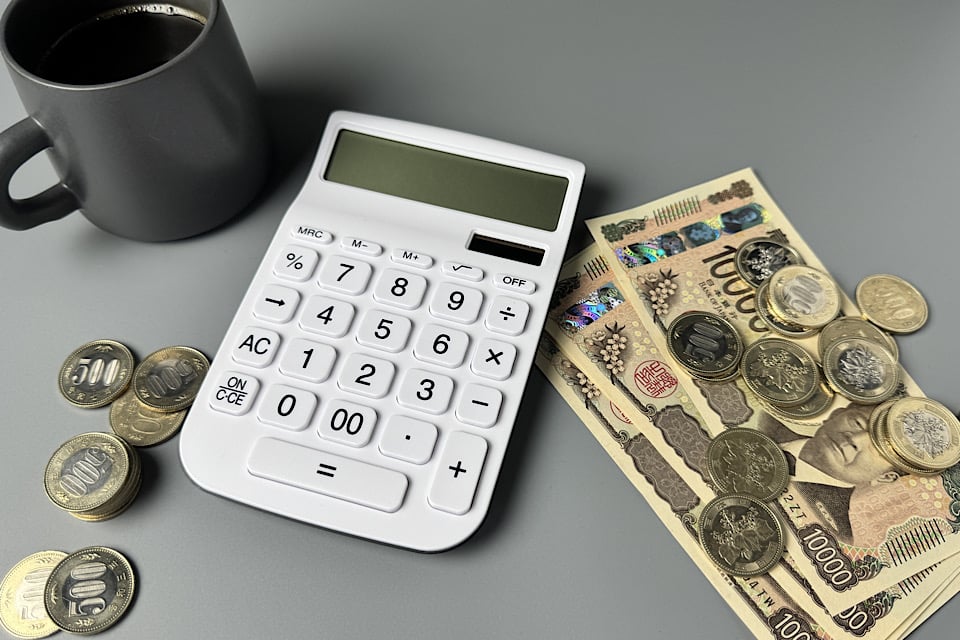
Estimated Cost Breakdown for a 5-Night, 6-Day Corporate Incentive Trip
The table below provides an example estimate of the total cost for a 5-night, 6-day corporate incentive trip for 10 participants.
(Please note that hotel rates and activity costs may vary significantly depending on the season, service provider, and program details. The following figures should therefore be considered approximate reference prices.)
Due to the current weak yen environment, companies can now organize corporate incentive travel programs in Japan within the following budget ranges.
| Plan Components | Description of Each Activity | Price |
| Transportation | Private charter bus transportation for a 6-day, 5-night Kyoto incentive travel program. | Group of 10: ¥420,000〜¥540,000 (Approximately USD 2,690〜3,460 as of May 2026) |
| Accommodation | Accommodation at Four Seasons Hotel Kyoto (five star hotel)for a 6-day, 5-night corporate incentive travel program. | Group of 10: Approximately ¥9,750,000〜¥15,600,000 (Approximately USD 62,500〜100,000 as of May 2026) |
| Meals | Breakfast and dinner at Four Seasons Hotel Kyoto during a 6-day, 5-night corporate incentive travel program. (Lunch costs are not included in this estimate, as pricing can vary significantly depending on the restaurant selection and program content.) | Approximately ¥2,000,000〜¥3,500,000 (Approximately USD 12,820〜22,430 as of May 2026) |
| Activities | 3 days of cultural experiences (Tea ceremony, Maiko experience, and Calligraphy workshop) 2 days of Kyoto sightseeing using a private charter sightseeing bus | Approximately ¥371,500〜¥755,000 (Approximately USD 2,340〜4,750 as of May 2026) |
Transportation: Based on Kyoto private charter bus and sightseeing bus pricing tables
Accommodation & Meals: Based on room and dining pricing from the official Four Seasons Hotel Kyoto website
Activities: Based on official websites of Kyoto cultural experience and sightseeing providers
Tea ceremony experience
Maiko cultural experience
Calligraphy workshop
Kyoto private charter bus and sightseeing bus pricing tables
(Please note that activity and sightseeing prices may vary significantly depending on the provider, season, customization level, and whether private arrangements are included.)
By taking economic conditions and exchange rate trends into account, companies can create more cost-effective corporate incentive travel programs while maximizing the overall travel experience.
The cost per person for traveling in Japan, as well as the cost of individual activities, is also explained in the articles below. For more detailed information regarding pricing, please refer to these sources.
Japan Incentive Travel: Budget Range and Yen Advantage
Another factor increasing Japan’s popularity among international companies is the recent weakness of the Japanese yen.
As of May 2026, the exchange rate has reached approximately JPY 159 per USD, compared to around JPY 110 per USD in 2019, representing a significant depreciation of the Japanese yen.
Due to this exchange rate shift, accommodation, dining, and cultural experience costs in Japan have become effectively more affordable for international companies.
As a result, companies are now able to provide higher-quality hotels, services, and unique experiences within the same budget.
For businesses aiming to reduce costs, choosing destinations with favorable exchange rates can therefore provide significant advantages when planning corporate incentive travel programs.
The Most Popular Incentive Travel Destinations in 2026

Japan Are Growing as “Fresh” Alternatives
Why has Japan recently become a popular destination for corporate incentive travel?
The answer lies in Japan’s unique appeal, including its high level of safety, convenient transportation system, and cultural experiences that cannot easily be found in other countries.
Safety
Japan ranked 9th in the world in the 2025 Global Peace Index, making it one of the safest countries globally for international travelers and business visitors.
Satisfaction Level
According to Travel Voice Japan, 96.2% of international travelers who visited regional areas of Japan reported being satisfied with their experience, while 93.4% said they would like to visit again in the future. These findings highlight the strong appeal and positive reputation of Japan’s regional destinations among international visitors.
Average Travel Cost per Person (1 Week)
According to the Japan National Tourism Organization (JNTO), the average daily spending per international visitor in Japan in 2025 was approximately ¥23,000around( USD 147as of May 2026). This amount includes accommodation, transportation, dining, and shopping expenses.
The ability to enjoy high-quality travel experiences at a relatively reasonable cost is one of the reasons why Japan has become an increasingly popular destination for corporate incentive travel.
Sources
Safety: Global Peace Index Ranking 2025
Satisfaction Level:Travel Voice Japan
Average Travel Cost: Japan Tourism Agency Inbound Consumption Survey 2025
Because Japan offers a combination of high safety standards, highly satisfying travel experiences, and relatively affordable pricing, it is increasingly becoming a new trend destination for corporate incentive travel.
Why Japan Is Becoming a Leading Corporate Incentive Travel Destination

Japan’s growing popularity as a corporate incentive travel destination is driven by more than just cost advantages.
In addition to its convenience and high level of safety, Japan’s unique cultural appeal has become a major factor attracting international corporate incentive travel programs.
Tokyo and Kyoto
Japan is known for its highly efficient transportation infrastructure, and travelers can conveniently travel from Tokyo to Kyoto in approximately 2 hours and 15 minutes via the Shinkansen high-speed rail system.
This makes it possible to create highly satisfying corporate incentive travel programs — for example, hosting a luxury award dinner in Tokyo on the first day, followed by cultural sightseeing and traditional experiences in Kyoto on the second day.
Deep Cultural Experiences: Tea Ceremonies, Kabuki
Another major advantage of Japan is the sense of exclusivity created through its unique cultural experiences.
In recent years, corporate incentive travel programs have increasingly emphasized not only luxury, but also highly exclusive experiences that participants cannot easily access elsewhere.
Examples include private tea ceremony experiences in traditional Japanese gardens, where guests quietly prepare matcha while overlooking serene landscapes, as well as exclusive kabuki experiences featuring backstage access and photo opportunities with kabuki performers — experiences that are especially popular among international corporate incentive travel groups.
If you are interested in incorporating these types of exclusive cultural experiences into your corporate incentive travel program, please refer to the following article as well.
How to Prove ROI to Your CFO

Measure Sales Performance, Retention, and Employee Engagement
Some managers and CFOs may ask for a clear explanation of ROI—The return on investment (ROI) of incentive travel can be evaluated through both qualitative and quantitative measures.
Common indicators include revenue growth and business performance, reduction in employee turnover, and improvements in engagement and satisfaction. In addition, companies can assess changes through pre- and post-trip surveys, as well as by tracking performance metrics and retention rates over time.
Use Control Group Comparisons and Key Metrics to Demonstrate ROI to CFOs
To measure the ROI of a corporate incentive travel program more accurately, companies can use control group analysis by comparing participants with non-participants.
For example, organizations may compare:
- sales performance
- employee retention
- engagement levels
- KPI achievement rates
to better understand the actual impact of the corporate incentive trip.
Furthermore, presenting these results with measurable numerical data can make the business case more persuasive for executives and CFOs.
In-House Planning vs. Outsourcing: When to Use a DMC

When In-House Management Makes Sense
Some companies may prefer to manage corporate incentive travel programs internally in order to reduce costs and avoid using external travel agencies.
For example, in the following situations, handling the incentive trip in-house may be the more suitable option.
✓The corporate incentive trip is held within a short travel distance, typically within 30 minutes and the group size is relatively small, around 5–10 participants
✓Accommodations, venues, and event operations can be managed internally or through affiliated group companies
✓The company has experienced staff members who can dedicate at least one month to incentive travel planning and coordination
When a DMC or Incentive House Is the Better Choice
On the other hand, in the following situations, working with a travel agency or Destination Management Company (DMC) may ultimately be more cost-effective and operationally efficient for the corporate incentive travel program.
✓Corporate incentive trips involving international or long-distance travel
✓Programs with more than 10 participants
✓Companies seeking luxury experiences or high-quality award ceremonies that enhance employee motivation
✓Organizations aiming to minimize risks, booking mistakes, and unexpected operational costs
✓Companies with limited internal time or resources available for incentive travel planning and coordination
Corporate incentive travel programs require a wide range of arrangements, including flight bookings, passport and visa preparation, hotel reservations, and coordination of cultural experiences and activities.
For companies that want to reduce administrative workload, stay focused on core business operations, and minimize unexpected costs caused by booking errors or travel issues, working with a travel agency or Destination Management Company (DMC) is often a practical solution.
What Type of Travel Company Should You Work With?
Selecting an experienced travel company is essential for the success of a corporate incentive travel program.
Unlike standard leisure travel, corporate incentive travel requires a high level of flexibility, premium hospitality, and carefully designed exclusive experiences.
For this reason, companies should look for travel providers that:
- specialize in corporate incentive travel programs
- have experience serving international clients and overseas visitors
- offer fully customized incentive travel planning services
Working with a provider that meets these criteria can improve the quality and overall success of the corporate incentive travel experience.
The Role of Japan-Based DMCs Such as MOTENAS JAPAN

If you are looking for a Japan-based travel company that meets all of these requirements, MOTENAS JAPAN is a strong option to consider.
MOTENAS JAPAN has extensive experience organizing corporate incentive travel programs for international companies and specializes in fully customized incentive travel planning.
As a result, the company can design corporate incentive trips that align more closely with your organization’s goals, business objectives, and budget requirements while maximizing participant satisfaction.
If you would like to learn more about their past programs or discuss your own corporate incentive travel needs, please feel free to contact them through the link below.
FAQ About Incentive Travel Programs

If you have additional questions about corporate incentive travel, please refer to the following page.
We have compiled answers to frequently asked questions.
What Is the Difference Between Incentive Travel and a Corporate Retreat?
Incentive travel is a reward-based trip designed to recognize high-performing employees and increase motivation through luxury experiences and exclusive activities.
A corporate retreat, on the other hand, focuses more on meetings, training, strategy discussions, and team alignment.
What Is the Average Budget for Corporate Incentive Trips?
The average budget for corporate incentive trips typically ranges from USD 3,000–10,000 per person depending on the destination, program length, and level of luxury.
International incentive travel programs with premium cultural experiences may exceed this range.
How Many Nights Are Typical for an Incentive Trip?
Most corporate incentive travel programs last between 3–5 nights.
However, long-haul destinations such as Japan or Europe often require 5–7 nights to provide a comfortable and satisfying travel experience.
If you would like to learn more about corporate incentive travel, please also refer to the following guide.
What Is the Difference Between a DMC and a Travel Agency?

Some companies may be unsure whether to choose a travel agency or a DMC.
Travel agencies mainly arrange flights, hotels, and transportation, while DMCs specialize in local event management and cultural experiences for corporate incentive travel.
If you are looking for both services, companies such as MOTENAS JAPAN can provide travel arrangements as well as on-site event support.
If you would like to organize a corporate incentive trip with minimal operational burden, please feel free to contact us below.

After graduating from Kansai University, I joined JTB as a new graduate and worked in the inbound tourism sector.
After getting married, I moved to Australia due to my husband’s work and obtained a diploma in early childhood education there.
I am currently working at a kindergarten while also working as a writer.

