





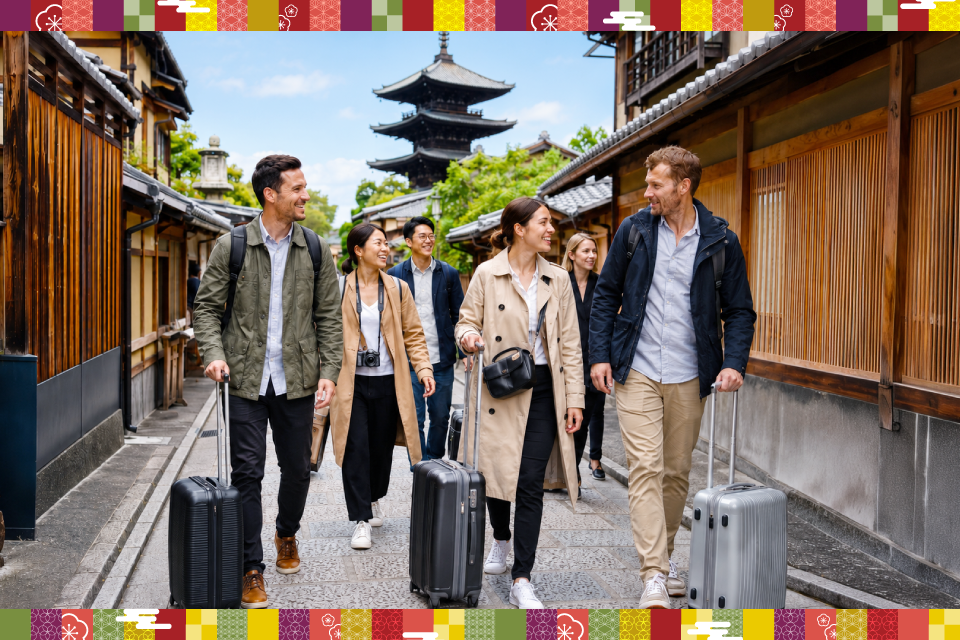

Incentive travel for employees is a reward program companies use to recognize top performers or teams that achieve specific business goals through unique travel experiences.
Organizations use these programs to increase motivation, strengthen engagement, and recognize outstanding performance.
However, before launching a program, decision-makers often need to understand the costs involved, the potential business impact, and how to choose the right travel partner.
This guide explains the key aspects of incentive travel, including costs, expected benefits, program design, tax considerations, and partner selection.
What Is Incentive Travel for Employees?

Before going further, it is helpful to define incentive travel.
Incentive travel is a reward program designed to recognize employees who achieve outstanding performance or meet key business goals.
By offering memorable travel experiences, companies can increase motivation, strengthen engagement, and encourage employees to strive for future success.
How It Differs from Bonuses, Retreats, and Offsites
How does incentive travel differ from traditional bonuses, corporate retreats, or a work incentive trip focused on training?
The biggest difference is that incentive travel provides employees with a memorable and exclusive experience. Unlike cash bonuses, incentive trips combine recognition with travel, special events, and shared experiences that highlight the value of an employee’s contribution.
A well-designed work incentive trip sends a clear message that the company recognizes and appreciates outstanding performance.
This sense of recognition can strengthen employee loyalty, increase engagement, and motivate participants to achieve future goals.
Why Travel Incentives Work — The Business Case

Incentive travel is consistently rated as a valuable business tool in industry research.
According to the 2024 Incentive Travel Index, conducted by IRF, SITE, and Oxford Economics, more than 2,800 respondents across 85 countries participated in the study.
The results showed that 58% of senior leaders believe incentive travel will play an even greater role in employee motivation and culture building in the years ahead.
A separate 2024 study by the Incentive Research Foundation surveyed 400 U.S. sales professionals who had qualified for an incentive trip within the previous three years.
The study found that 91% of participants described a group incentive travel experience to an appealing destination as very or extremely motivating.
Together, these findings suggest that incentive travel delivers value for both business leaders and employees, making it a powerful tool for recognition, engagement, and performance improvement.
Impact on Performance, Retention, and Engagement
As noted earlier, 91% of participants in a 2024 IRF study described incentive travel as very or extremely motivating. This suggests that incentive travel can create anticipation and excitement while also satisfying employees’ desire for recognition and appreciation.
Incentive travel can also strengthen team cohesion. When rewards are earned and celebrated by a project team, department, or other group rather than by individuals alone, participants share a sense of achievement that can improve collaboration and reinforce stronger working relationships across the organization.
Typical ROI and What to Measure
ROI (Return on Investment) measures the value generated relative to the cost of the program.
While financial results such as sales growth are important, many organizations also track employee engagement, motivation, and retention to evaluate the broader impact of an incentive travel program.
What Does Incentive Travel Cost?
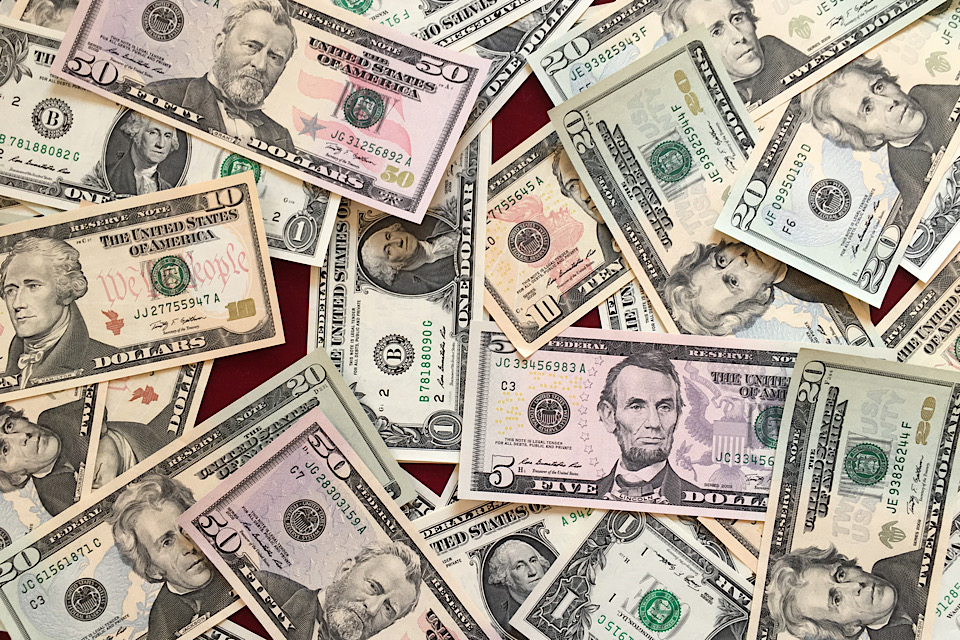
How much does incentive travel actually cost?
According to the 2024 Incentive Travel Index (IRF, SITE, and Oxford Economics), the average spend per participant is approximately $5,100 globally and $6,000 among North American organizations.
Actual costs, however, can vary significantly from one program to another.
Key factors include the destination, group size, trip duration, and the level of exclusive experiences and events included in the program.
For this reason, organizations should align program design with their business objectives, budget, and participant expectations.
How to Design an Employee Travel Incentive Program

To design an effective incentive travel program, organizations should first define their objectives, budget, and participant experience priorities.
According to the 2025 Incentive Travel Index, cultural experiences (60%), food and dining experiences (58%), and opportunities for participants to build relationships (53%) are among the most valued elements of incentive travel programs.
Companies should therefore consider how their budget will be allocated across these key areas.
Destination selection is equally important. The study found that 69% of planners report growing interest in new destinations, suggesting that unique and less-familiar locations can help increase program appeal and participant engagement.
Because coordinating accommodations, transportation, activities, and local experiences can be complex, many organizations work with a Destination Management Company (DMC) to streamline planning and ensure a seamless experience.
By aligning program design with current industry trends and participant expectations, companies can create incentive travel experiences that deliver both meaningful rewards and business value.
Key Considerations Before You Launch

Before launching an incentive travel program, organizations should consider more than just the destination and budget allocation. Several other factors can have a significant impact on the program’s success.
Key considerations include the following:
Individual vs. Group Incentive Travel
In incentive travel programs, Individual Incentive Travel and Group Incentive Travel are designed to reward different types of achievements.
Individual Incentive Travel rewards employees based on personal performance.
This approach can increase competition, motivate high achievers, and help organizations attract and retain top performers.
Group Incentive Travel, by contrast, recognizes the achievements of a team, department, or other group. Because rewards are tied to shared goals, this approach can encourage collaboration, strengthen cross-functional relationships, and reinforce a culture of teamwork.
Since every organization is different, companies should consider which approach best aligns with their culture, management philosophy, and performance objectives before launching a program.
Tax Implications
It is also important to determine whether the incentive travel program may be considered a taxable benefit and how its tax treatment may vary depending on specific circumstances.
Organizations should consult qualified tax advisors or accountants before implementing the program.
Beyond Sales: Incentives for Distributors and Channel Partners

Incentive travel can be used not only to reward employees but also to strengthen relationships with distributors, dealers, and other channel partners.
For example, an automotive manufacturer may invite dealerships that achieve annual sales targets or deliver exceptional sales performance. Such programs can encourage stronger sales results while helping maintain long-term relationships with key business partners.
In this way, incentive travel serves as both a recognition tool and a strategy for building loyalty among important partners across the sales channel.
Incentive Travel Examples & Package Ideas

What types of experiences can organizations include in an incentive travel program?
To provide a better understanding of what is possible, here are three real-world examples of incentive travel programs held in Japan.
Case Study 1:Recognition Ceremony with Exclusive Cultural Experiences
In this program, 15 executives from a global pharmaceutical company participated in an 8-day, 7-night incentive trip in Japan.
The itinerary included a special recognition ceremony featuring a Michelin-starred kaiseki dinner and a traditional maiko performance, as well as a Mt. Fuji retreat, a private tea ceremony, and a ninja experience. Together, these activities provided participants with a memorable introduction to Japanese culture and hospitality.
Client Feedback:

The most memorable part of the trip was the recognition ceremony.
We enjoyed a Michelin-starred kaiseki dinner while watching a maiko performance.
It was much more than a typical awards event.
it was a unique experience that truly reflected Japanese culture
Case Study 2:Team Building Through Shared Experiences
In this program, 50 top-performing sales professionals from an automotive company participated in a 5-day, 4-night incentive trip to Japan.
The itinerary focused on team building through a camping experience in Kyoto, complemented by sightseeing in Tokyo and Kyoto. Participants also enjoyed traditional cultural activities, including a Kabuki performance, shojin ryori (Buddhist cuisine), and a sumo experience designed to strengthen teamwork.
Together, these activities provided opportunities to build relationships while experiencing Japanese culture.
Client Feedback:

The camping-based team-building experience surrounded by Kyoto’s beautiful natural scenery was unforgettable.
Working together to set up tents and prepare meals strengthened our bonds as a team.
Sitting around the campfire and discussing the future of our company with colleagues is a memory I will always treasur.
Case Study 3:Connecting with the Japan Office
In this program, 30 top-performing employees from a European financial institution participated in a 7-day, 6-night incentive trip to Japan.
The itinerary included a networking reception with employees from the company’s Japan office, sightseeing tours in Tokyo, Hakone, and Osaka, a traditional onsen ryokan stay, and an Osaka night tour.
A highlight of the reception was a private Kabuki performance, which provided a unique opportunity for participants to experience Japanese culture while building relationships with colleagues from the Japan office.
Client Feedback:

The networking reception with employees from the Japan office was the highlight of the trip.
Everyone was thrilled when Kabuki performers appeared as a surprise and delivered a live performance.
We also had the opportunity to exchange insights on Japan’s financial environment and discuss future opportunities in the Japanese market.
It was both an educational and highly valuable experience.
Organizations interested in creating incentive travel experiences like these may find the following information helpful when evaluating potential travel partners.
Formats Compared — Cruise / Resort / City / Cultural-Experience
Four of the most common incentive travel formats are Cruise, Resort, City, and Cultural Experience programs.
Let’s take a closer look at the experiences, key benefits, and typical costs associated with each format.
Please note: that incentive travel costs can vary significantly depending on the destination, season, accommodation level, and program design.
The price ranges below are intended as examples based on incentive travel programs in Japan, similar to the case studies discussed above.
| Plan Components | Description | Benefits | Price |
| Cruise | Cruise programs allow participants to enjoy dinner and sightseeing while onboard a private boat or cruise vessel. | Participants can enjoy several experiences at once, including a cruise, fine dining, sightseeing, and entertainment. | ¥18,000–¥26,000 ($113–$163) per person per person for a dinner cruise in Japan |
| Resort | Resort programs are centered around stays at premium resorts, where participants can enjoy amenities such as pools, spas, and fine dining. | Resort experiences can deliver high participant satisfaction while providing an opportunity to relax, recharge, and return to work with renewed motivation. | Approximately¥40,000–¥100,000 ($250–$625) per room per night per night for a five-star resort hotel in Okinawa. Prices vary depending on the property and season. |
| City | City-based programs focus on exploring major destinations and experiencing the atmosphere, landmarks, and culture of a particular city or region. | These programs create excitement and a sense of discovery while allowing participants to experience a destination’s unique character and attractions. | ¥8,344 ($52) per person (group booking basis) (up to 9 participants), equivalent to approximately ¥8,344 ($52) per person when booked as a group. |
| Cultural Experience programs. | Cultural experience programs immerse participants in local traditions, customs, and heritage through hands-on activities and guided experiences. | Participants gain new perspectives and cultural insights that go beyond traditional sightseeing. | ¥9,900–¥69,800 ($62–$436) per person for a maiko experience in Kyoto. |
Private Tokyo Night Driver-Guided Tour
Exchange rate used: USD 1 = JPY 160 (as of June 2026)
If you would like to learn more about the costs associated with traveling in Japan, please refer to the article below.

Why Japan Works as a Premium Incentive Destination
Looking at the examples above, many organizations may find that Japan offers strong value compared with other incentive travel destinations.
One reason is the relative weakness of the Japanese yen in recent years.
A weaker yen means that foreign currencies such as the U.S. dollar can be exchanged for more yen than before, increasing purchasing power for international visitors.
As a result, companies may be able to secure higher-quality accommodations, premium dining experiences, and exclusive cultural activities while staying within budget. In other words, organizations can often deliver a more memorable incentive travel experience without a proportional increase in cost.
This combination of value, service quality, and unique cultural experiences is one of the reasons Japan continues to attract interest as a premium incentive travel destination.
High Participant Satisfaction in Japan
Japan’s growing popularity as an incentive travel destination cannot be explained by favorable exchange rates alone.
The country offers a range of unique advantages that help create memorable experiences for participants and make Japan an attractive choice for organizations planning incentive travel programs.
Safety
According to the 2025 Global Peace Index, Japan ranks 12th in the world for peacefulness, making it one of the safest destinations for international incentive travel.
Satisfaction Level
According to Travel Voice Japan, 96.2% of international travelers who visited regional areas of Japan reported being satisfied with their experience, while 93.4% said they would like to visit again in the future.
These findings highlight the strong appeal and positive reputation of Japan’s regional destinations among international visitors.
Average Travel Cost per Person (1 Day)
AAccording to the Japan Tourism Agency’s International Visitor Survey, international visitors spent an average of approximately ¥229,000 (about $1,430) per trip in Japan.
This is equivalent to roughly ¥23,000 (about $144) per day and includes accommodation, transportation, dining, shopping, and other travel-related expenses.
These figures demonstrate that Japan can offer a wide range of travel experiences at a relatively reasonable cost compared with many other major international destinations.
USD conversions are based on an exchange rate of approximately ¥160 per U.S. dollar as of June 2026.
Safety: 2025 Global Peace Index
Satisfaction Level: Travel
Average Travel Cost: e-Stat(Portal Site of Official Statistics of Japan)
Because Japan offers a combination of high safety standards, highly satisfying travel experiences, and relatively affordable pricing, it is increasingly becoming a new trend destination for corporate incentive travel.
If you would like to learn more about incentive travel opportunities in Japan, the resources below may be helpful.
Interested in planning an incentive trip to Japan?
Explore the resources below for more insights, ideas, and practical guidance.

How to Choose an Incentive Travel Partner

One of the biggest challenges of organizing an incentive travel program is managing the many logistical and administrative requirements involved.
Tasks such as passport verification and flight arrangements are particularly important.
Mistakes in these areas can disrupt the entire program and lead to unnecessary costs.
To reduce these risks and ease the burden on internal teams, it is important to choose the right travel partner. Consider the following factors when evaluating potential providers.
Does the Travel Partner Have Incentive Travel Experience?
It is important to choose a travel partner with proven experience in planning and managing incentive travel programs.
Experience is particularly valuable when hosting participants from overseas, as these programs often require multilingual support, cross-cultural understanding, and complex international logistics.
A partner with a strong track record is more likely to anticipate challenges and deliver a successful program from start to finish.
Can the Travel Partner Provide End-to-End Support?
Look for a travel partner that can manage every aspect of the program, from itinerary planning to flight bookings, hotel accommodations, and restaurant reservations.
Working with a single provider can significantly reduce the administrative burden on your team while minimizing coordination challenges and the risk of logistical errors.
Can the Travel Partner Deliver Unique Experiences?
One of the key goals of incentive travel is to provide memorable experiences that participants cannot easily access on their own.
For organizations interested in uniquely Japanese experiences such as meeting a maiko, arranging a private dining experience with a Japanese chef, or accessing exclusive cultural activities it is important to work with a travel partner that has strong local connections.
Established relationships with local venues, cultural organizations, and service providers can make it easier to create truly distinctive programs that leave a lasting impression on participants.
If you would like to learn more about how to choose the right travel company for your incentive program, please refer to the resources below.

Planning an Incentive Program in Japan? Partner with MOTENAS JAPAN

By working with a travel partner that can deliver all of these capabilities, organizations can create truly memorable incentive travel experiences that leave a lasting impression on participants.
So what does such a program look like in practice? Let’s take a look at a case study.
Case Study :Delivering a Memorable Journey Through End-to-End Support
For a global apparel company, we delivered a 5-day incentive program for 30 top performers — meeting every need the client had, from a single point of contact for all logistics to fully vegetarian-friendly dining.
What MOTENAS delivered
・End-to-end logistics with a dedicated bilingual concierge
・Five-star hotels and private transportation throughout
・Cultural experiences like Kabuki and a tea ceremony, plus a private cruise and private-chef dining
・Industry networking with leading Japanese apparel companies
The client’s verdict
As a result of these efforts, the client provided the following feedback
Client Feedback:

MOTENAS handled every detail, reduced their workload, and delivered an experience that exceeded their employees’ expectations.
At MOTENAS JAPAN, we design fully customized incentive programs around your goals, budget, and participants. If you’re considering Japan, let’s talk.
Frequently Asked Questions

What is an incentive trip for employees?
An incentive trip for employees is a travel reward offered to recognize outstanding performance or the achievement of specific business goals.
Companies use these programs to motivate employees, improve engagement, and reward top performers with memorable experiences.
What are examples of incentives for employees?
Employee incentives can include cash bonuses, gift cards, extra paid time off, recognition awards, and incentive travel programs.
Among these options, travel incentives are often valued because they create memorable experiences that employees cannot easily purchase for themselves.
How much does an employee travel incentive program cost?
Costs vary depending on the destination, group size, trip duration, and level of customization. According to industry research, average incentive travel spending is typically around $5,000–$6,000 per participant, although premium programs may cost more.
Are incentive trips taxable?
In many cases, incentive trips may be considered taxable benefits for employees. Tax treatment depends on local regulations and the structure of the program, so companies should consult qualified tax or accounting professionals before implementation.
What is a work incentive trip?
A work incentive trip is another term for incentive travel.
It refers to a company-sponsored trip awarded to employees, sales teams, distributors, or partners in recognition of strong performance or business achievements.
If you have additional questions about incentive travel, we encourage you to explore our Incentive Travel Guide for further insights and information.

After graduating from Kansai University, I joined JTB as a new graduate and worked in the inbound tourism sector.
After getting married, I moved to Australia due to my husband’s work and obtained a diploma in early childhood education there.
I am currently working at a kindergarten while also working as a writer.

