







A Destination Management Company (DMC) in Japan helps international organizations plan and operate corporate events, incentive travel programs, conferences, and other MICE activities through destination-specific coordination and on-site support.
If you are a corporate event planner, incentive house, travel manager, or third-party planner organizing your first program in Japan, the main challenge is often deciding which local partner can manage the work effectively.
A Japan DMC may coordinate venues, transportation, suppliers, cultural programs, guest logistics, and ground handling, but its role differs from that of a travel agency, Professional Conference Organizer (PCO), or receptive operator.
This guide explains those differences, outlines the Japan-specific issues that affect event planning, and provides practical criteria for evaluating a DMC before you issue an RFP or schedule a site inspection.
- What a DMC in Japan does and how it supports corporate events and incentive travel
- How a DMC differs from a travel agency, PCO, and receptive operator — and when you need each
- Why Japan specifically requires local expertise: language, venue access, seasonality, and regulations
- 8 practical criteria for evaluating and shortlisting a Japan DMC
- What to prepare — and how far in advance — before you contact a DMC
- How much a Japan DMC typically costs and what drives the price
- How to take the next step toward planning your event in Japan
What Is a DMC in Japan?

A Destination Management Company (DMC) in Japan is a local business partner that plans, coordinates, and delivers on-the-ground services for international meetings, incentive travel, conferences, exhibitions (MICE), and other corporate programs. Unlike a travel agency that primarily books transportation and accommodation, a Japan DMC manages destination-specific logistics, supplier coordination, operational planning, and on-site execution.
If you are organizing your first business event in Japan, a DMC serves as the bridge between your internal planning team and local vendors. This typically includes sourcing venues, arranging transportation, coordinating hotels, managing event production, organizing cultural experiences, and handling issues that arise during the program. A DMC also helps you navigate language barriers, business practices, and operational requirements that may differ from those in your home market.
The value of a DMC lies not only in arranging services but also in reducing operational risk through local knowledge and project coordination. Rather than communicating separately with multiple hotels, venues, transportation providers, interpreters, and activity operators, you work with a single local partner who coordinates these stakeholders throughout the planning process.
The scope of support varies depending on your program. For a multi-city incentive trip, a DMC may oversee airport transfers, hotel allocations, venue setup, cultural activities, and on-site staffing. For a conference, responsibilities often include venue management, registration support, audiovisual coordination, and supplier supervision. If your program requires extensive local coordination rather than simple travel bookings, a DMC becomes the practical way to manage it. But before choosing one, it helps to understand how a DMC differs from other providers.
| Service Category | Typical Responsibilities | Challenge if Managed In-House |
| Venue Sourcing | Identify venues, conduct site inspections, negotiate contracts | Limited local market knowledge and slower negotiations |
| Accommodation Management | Coordinate hotel blocks, rooming lists, and VIP stays | Managing multiple hotel contracts and availability |
| Transportation & Ground Handling | Arrange airport transfers, charter buses, rail, and local logistics | Coordinating schedules across suppliers and cities |
| Supplier Coordination | Manage AV, catering, production, entertainment, interpreters, and other vendors | Multiple contracts, communication gaps, and inconsistent service standards |
| Event Operations | Registration, staffing, signage, scheduling, and on-site issue resolution | Requires dedicated personnel throughout the event |
| Cultural Programs & Experiences | Organize incentive activities and exclusive local experiences | Difficulty accessing reliable local partners and unique venues |
| Risk & Contingency Management | Prepare backup plans and respond to operational issues | Limited local resources when unexpected problems occur |
-1-300x200.png)
DMC vs. Travel Agency vs. PCO vs. Receptive Operator

Choosing the wrong type of service provider can lead to duplicated work, unclear responsibilities, and unnecessary costs. Although these terms are sometimes used interchangeably, they represent different business models with distinct roles. Understanding who is responsible for planning, booking, and delivering your program is one of the first steps in selecting the right partner for your event in Japan.
For many international corporate events, a Japan DMC works alongside other providers rather than replacing them. Your headquarters may already have a preferred travel management company or corporate travel agency, while the DMC manages local operations after participants arrive in Japan. Likewise, a Professional Conference Organizer (PCO) may oversee the overall conference, with the DMC handling destination-specific logistics, supplier management, and on-site support.
| Service Provider | Primary Role | Contracting Party | Best For | Less Suitable For |
| Destination Management Company (DMC) | Manages local planning, supplier coordination, logistics, and on-site operations. | Corporate client, agency, or event organizer. | Incentive travel, multi-city programs, executive meetings, and events requiring extensive local coordination. | Simple hotel or flight bookings with minimal local services. |
| Travel Agency | Books flights, hotels, rail tickets, and travel-related services. | Individual travelers or corporate travel departments. | Business travel and straightforward accommodation or transportation arrangements. | Complex event production or operational management. |
| Professional Conference Organizer (PCO) | Plans and manages conferences, congresses, registration, and scientific or academic programs. | Conference host, association, or organizing committee. | Large conventions, association meetings, and congresses with formal program management. | Incentive travel or leisure-focused corporate events. |
| Receptive Operator | Arranges inbound travel services for overseas travel agencies and tour operators. | Overseas travel agency or tour operator. | Leisure group tours and standard inbound travel itineraries. | Corporate events requiring strategic planning and dedicated on-site event management. |
The right choice depends on the complexity of your program rather than the size of your group. For example, a 20-person executive meeting across Tokyo and Kyoto with multiple suppliers may require a DMC, while a 100-person conference could primarily rely on a PCO if the venue manages most operational services.
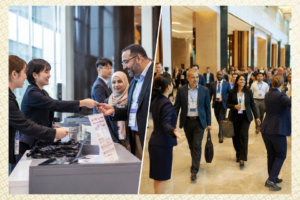
If your program involves executive hospitality, incentive travel, exclusive venues, or multiple destinations, a DMC typically becomes the operational lead within Japan. On the other hand, if your requirements are limited to booking flights and hotels, a travel agency may provide all the support you need. Before selecting a partner, list the services you expect them to deliver—not simply the number of attendees.
Why Japan Specifically Requires a DMC
Many countries have destination management companies, but the reasons for hiring one vary by destination. In Japan, the need for a DMC is driven less by logistics alone and more by the way business relationships, venue access, seasonal demand, and regulatory requirements operate in the local market. These factors are not always visible during the planning stage, yet they can significantly affect timelines, supplier availability, and operational risk.
If your event includes multiple cities, executive guests, exclusive venues, or custom experiences, local expertise becomes especially valuable. A Japan DMC helps bridge operational gaps before they become project risks.
Language and Business Etiquette in Vendor Negotiation

While many hotels and major convention venues have English-speaking staff, many local suppliers—including traditional restaurants, cultural venues, transportation companies, and specialty experience providers—primarily conduct business in Japanese. Communication challenges extend beyond translation to differences in negotiation style, response times, approval processes, and contractual expectations.
A Japan DMC understands how local suppliers typically communicate, negotiate, and make decisions, reducing misunderstandings that can delay planning or affect service delivery. This becomes particularly important when coordinating multiple vendors under a single event schedule.
Venues That Aren’t Publicly Bookable
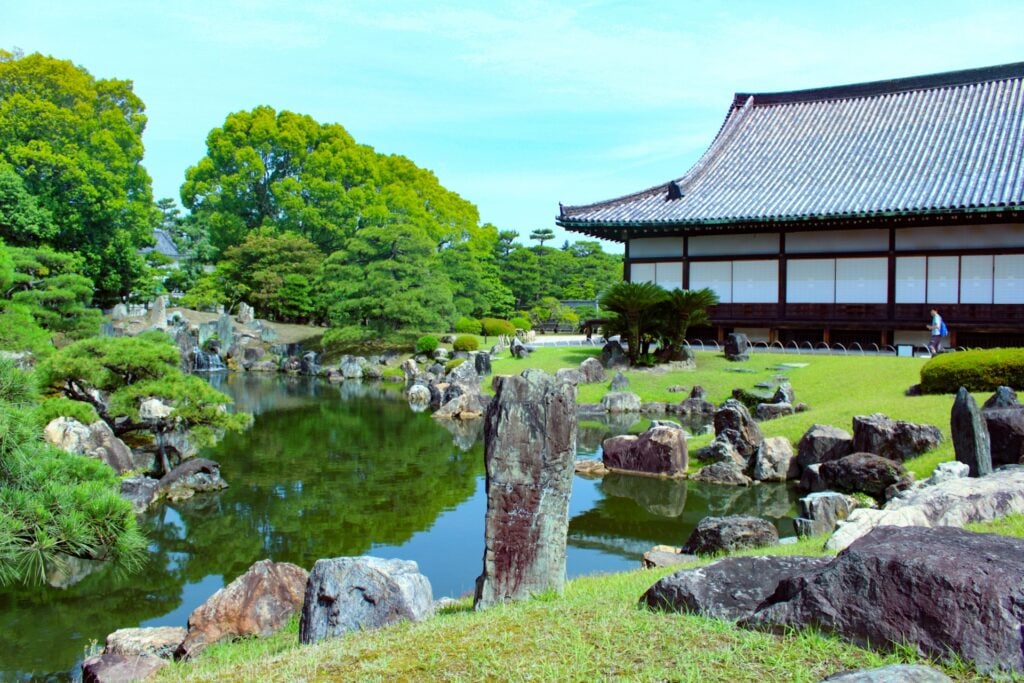
Some of Japan’s most memorable event venues are not designed for direct online reservations. Historic temples and shrines, traditional ryotei (Japanese restaurants), privately owned gardens, cultural residences, and heritage properties often require introductions, advance coordination, or relationships with local operators.
In many cases, availability depends on the nature of the event, seasonal demand, and operational feasibility rather than simply whether a date appears open. A DMC with established local networks can determine whether these venues are suitable for your program and coordinate the necessary approvals where appropriate.
Seasonality and Accommodation Availability
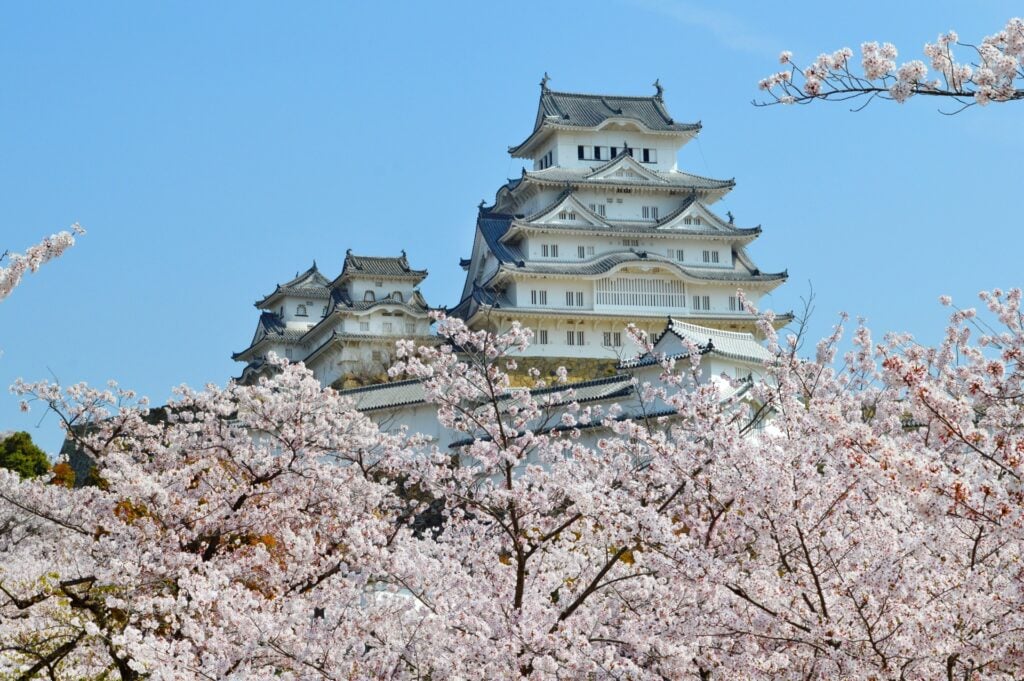
Japan experiences predictable periods of exceptionally high travel demand. Cherry blossom season, autumn foliage, Golden Week, and the Obon holiday can significantly reduce hotel availability while increasing accommodation and transportation costs.
Planning timelines also become much longer during these periods. For incentive travel or executive programs scheduled around spring or autumn, beginning venue and hotel sourcing 12 to 18 months in advance is often advisable. A DMC can identify alternative dates, cities, or routing strategies before availability becomes a constraint.
Regulatory Basics
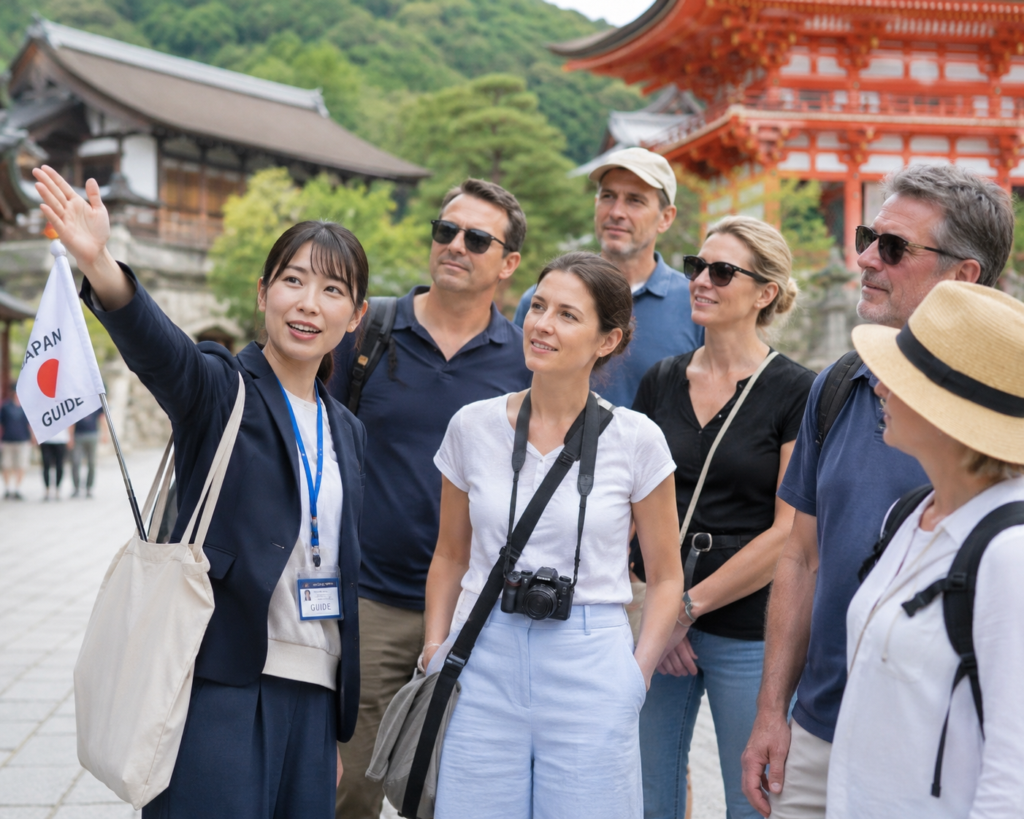
Several regulatory considerations may affect international corporate events in Japan. The Licensed Guide Interpreters Act governs the framework for professional guide-interpreters, while revisions to the law removed the former licensing monopoly for paid guiding, changing how guide services are provided today.
Ground transportation also operates within a regulated environment. Charter bus operators must comply with national safety and operational requirements, and event organizers should work with appropriately licensed providers. In addition, companies arranging travel services commercially may require registration under Japan’s Travel Agency Act, depending on the scope of their activities.
When evaluating a Japan DMC, it is worth confirming not only its event management capabilities but also whether it holds the appropriate registrations for the services it provides. This will become an important evaluation criterion in the next section.
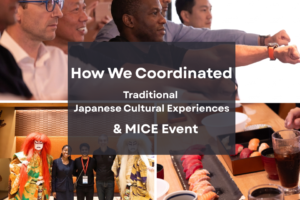
How to Evaluate a Japan DMC — 8 Criteria

Selecting a Japan DMC is less about finding the largest company and more about finding the right operational partner for your program. A polished website or attractive proposal does not necessarily indicate strong execution capabilities. Before requesting a quotation, evaluate whether the DMC can support the complexity, compliance requirements, and communication standards your event demands.
The following criteria can help you compare potential partners objectively. They are especially useful when preparing an RFP or narrowing a shortlist after an initial discovery call.
| Evaluation Criteria | Why It Matters | Question to Ask the DMC | What a Strong Answer Looks Like |
| Corporate entity and travel registration | A legally established company with the appropriate registrations provides greater accountability and can legally arrange applicable travel services. | “Is your company incorporated in Japan, and what travel-related registrations or licenses do you currently hold?” | The DMC clearly identifies its Japanese legal entity, explains applicable registrations, and provides registration numbers when relevant. |
| On-site operational team | Large programs require sufficient staffing before and during the event. | “Who will be on-site during our program, and do you provide 24-hour operational support if needed?” | A named project manager, defined staffing plan, emergency contacts, and clear after-hours procedures. |
| Experience in regulated industries | Pharmaceutical, financial, and healthcare events often require stricter compliance and reporting. | “Can you share examples of projects you have managed for clients in regulated industries such as pharmaceutical or financial services?” | Relevant case studies, familiarity with compliance requirements, and experience handling confidential or regulated events. |
| Venue and experience sourcing | Some DMCs have exclusive partnerships, while others simply source through third parties. | “Which venues or experiences do you source directly, and which are arranged through external partners?” | Transparent explanation of direct relationships and third-party suppliers. |
| Insurance and liability coverage | Adequate insurance reduces financial and operational risk. | “What insurance coverage do you maintain, and how does it apply to corporate events?” | The DMC explains liability coverage, policy scope, and circumstances where additional insurance may be recommended. |
| U.S. time zone communication | Slow communication can delay approvals during planning. | “How do you support clients located in U.S. time zones during the planning process?” | Defined response times, flexible meeting hours, and dedicated English-speaking contacts. |
| Relationships with public organizations | Collaboration with convention bureaus and tourism organizations can provide access to local resources and destination support. | “Do you regularly work with local convention bureaus, destination marketing organizations, or tourism authorities?” | Established working relationships and examples of destination support received for previous programs. |
| Proposal quality | The first proposal often reflects how the project will be managed. | “Can your initial proposal include a preliminary itinerary, operational approach, and estimated project timeline?” | A customized proposal with practical recommendations instead of a generic company profile. |
A strong DMC should be able to answer these questions clearly and specifically. Vague responses such as “we have extensive experience” or “we can arrange anything” provide little evidence of operational capability. The quality of a DMC’s first response is often an early indicator of how the project itself will be managed.
You should also evaluate how well the proposed solution reflects your objectives. Rather than presenting a standard package, an experienced Japan DMC will explain why certain venues, routing options, or suppliers are recommended for your program. They should identify potential risks, discuss alternative approaches when appropriate, and ask detailed questions before finalizing a proposal.
Finally, remember that price should not be the only selection criterion. A lower quotation may exclude staffing, contingency planning, or project management services that become essential during execution. Choosing a DMC based on capability, transparency, and operational readiness will generally deliver better outcomes than selecting solely on cost.
Typical Timeline

Once you have shortlisted a Japan DMC, the planning process typically follows a predictable sequence. Starting early gives you more venue choices, greater negotiating flexibility, and a better chance of securing preferred suppliers—especially during Japan’s busiest travel seasons.
While every program differs, a typical corporate event or incentive trip follows the timeline below:
- Initial Inquiry – Share your event objectives, preferred dates, estimated group size, budget, and any preliminary requirements. This information allows the DMC to assess feasibility and recommend an appropriate approach.
- Proposal & Budget – The DMC prepares a preliminary itinerary, estimated budget, recommended venues, and operational concept. At this stage, several rounds of discussion and revisions are common before narrowing the options.
- Site Inspection – For larger meetings or incentive programs, many organizations conduct a site inspection. This visit allows stakeholders to review hotels, venues, transportation, and event flow before making final decisions.
- Contract & Detailed Planning – After confirming the program, contracts are finalized, suppliers are secured, and detailed operational planning begins. Guest management, transportation schedules, production planning, and contingency measures are typically completed during this phase.
- On-Site Delivery – During the event, the DMC coordinates suppliers, manages schedules, resolves operational issues, and supports participants on-site.
For programs scheduled during cherry blossom season or autumn foliage season, beginning the planning process 12–18 months in advance is strongly recommended. Hotels, unique venues, and transportation capacity often reach high occupancy well before these peak travel periods.
If you are planning your first event in Japan, reviewing the FAQs and How to Apply sections before contacting a DMC can help you prepare the information needed for a faster and more accurate proposal.
How Much Does a Japan DMC Cost?

There is no standard pricing for a Japan DMC because every program is customized. The overall project cost depends on the scope of services rather than a fixed management fee.
The main cost drivers typically include:
- Number of destinations or cities included
- Transportation requirements (charter bus, rail, domestic flights, etc.)
- Hotel category and room inventory
- Group size and staffing requirements
- Exclusivity of venues and cultural experiences
- Audio-visual production and event logistics
Because these variables differ significantly from one program to another, requesting a tailored proposal is usually the most accurate approach. If you would like to understand the broader costs of visiting Japan, see our guide: How Much Does a Japan Trip Cost in 2026?
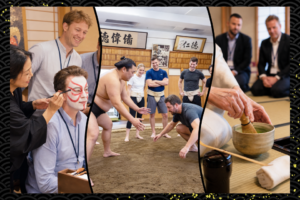
DMC Services in Tokyo and Beyond

Tokyo is the primary destination for international meetings, incentive travel, and corporate events in Japan, making it the city where most overseas organizations first engage a DMC. However, many programs extend beyond the capital to create a broader business or cultural experience. An experienced Japan DMC can coordinate multi-city itineraries while managing transportation, supplier communication, and operational consistency across destinations.
Each region offers different advantages depending on your program objectives, audience, and schedule.
| City / Area | Best Suited For | Things to Consider |
| Tokyo | Conferences, executive meetings, product launches, incentive programs, and networking events. | Premium venues and hotels book early, particularly during peak seasons. |
| Kyoto | Executive retreats, cultural experiences, luxury incentives, and heritage-focused events. | Historic venues often have limited capacity and stricter booking procedures. |
| Osaka | Trade shows, regional conferences, manufacturing visits, and large corporate gatherings. | Event schedules may coincide with major exhibitions, affecting hotel availability. |
| Hakone / Mt. Fuji | Executive off-sites, team-building, wellness retreats, and VIP hospitality. | Weather, travel times, and seasonal demand should be considered during planning. |
While many international planners initially search for a Tokyo DMC, selecting a partner with nationwide operational capability provides greater flexibility. A single DMC managing multiple destinations can simplify logistics, maintain consistent service quality, and reduce coordination across suppliers throughout Japan.
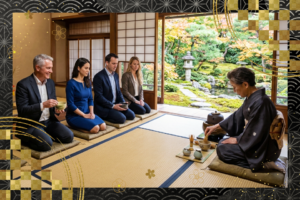
Frequently Asked Questions
These cover common topics such as costs, planning timelines, group size, and operational support.
Q. Is a DMC more expensive than booking directly?
Not necessarily. While a DMC charges for project management and local coordination, it can reduce planning time, operational risks, and supplier management complexity. For corporate events involving multiple venues or vendors, these efficiencies may offset the additional management cost.
Q. Do I need a DMC for a group of 20?
It depends on the complexity of your program rather than the number of participants. A simple business trip may not require a DMC, but a 20-person executive meeting or incentive program involving multiple suppliers can benefit significantly from local operational support.
Q. How far in advance should I contact a Japan DMC?
For most corporate events, contacting a Japan DMC 6 to 12 months before your preferred dates is recommended. If your event takes place during cherry blossom season or autumn foliage season, beginning the planning process 12 to 18 months in advance provides greater flexibility.
Q. Can a DMC handle multi-city programs?
Yes. Experienced Japan DMCs regularly coordinate transportation, hotels, venues, suppliers, and on-site operations across multiple destinations such as Tokyo, Kyoto, Osaka, and Hakone. Working with one local partner also helps maintain consistent communication and operational quality throughout the program.
Q. What’s the difference between a DMC and a tour operator?
A DMC specializes in planning and delivering customized corporate events, incentive travel, and destination management services. A tour operator generally sells or operates standardized travel itineraries designed for leisure travelers or group tours, with less emphasis on complex event management.
Q. Does a Japan DMC provide English-speaking staff on site?
Most Japan DMCs serving international clients provide English-speaking project managers and on-site coordinators. However, the level of language support varies by company and program, so confirm in advance who will attend your event and what language assistance will be available.
Working with MOTENAS JAPAN
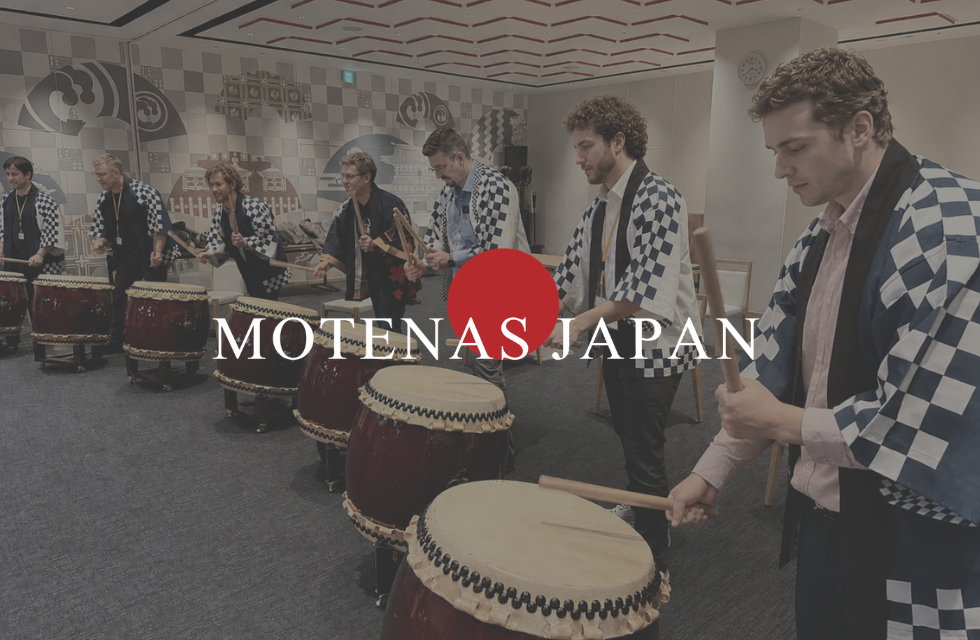
Choosing the right Japan DMC means selecting a partner that can deliver reliable operations while creating programs tailored to your business objectives.
MOTENAS JAPAN specializes in designing customized cultural programs for corporate events, incentive travel, executive hospitality, and VIP visits. We create programs tailored to each client’s objectives, combining event planning with Japanese cultural experiences.
Our work includes supporting overseas corporate incentive programs, executive hospitality, and corporate celebration events. executive hospitality, and corporate celebration events. Examples of completed programs are available in our Review & Project Report.
As a registered travel services arrangement business, we work with trusted suppliers throughout Japan to coordinate accommodation, transportation, venues, and cultural activities. We also maintain partnerships with leading destination organizations, including JNTO, Tokyo Convention & Visitors Bureau (TCVB), Osaka Convention & Tourism Bureau, DMO KYOTO, and the Kyoto Convention Bureau, enabling us to support international meetings and incentive programs with reliable local networks.
Our cultural programs can incorporate experiences such as Kabuki performances, tea ceremonies, Taiko drumming workshops, samurai sword-fighting experiences, ninja experiences, and traditional Japanese dance, selected according to your event objectives and audience.
In 2026, MOTENAS JAPAN also exhibited at IMEX Frankfurt, introducing Japan’s cultural hospitality and destination management services to international event professionals.
What to Send When You Contact a Japan DMC
Send the following when you reach out, and you’ll get a usable proposal on the first pass.
- Event purpose (e.g., incentive, President’s Club, conference, or training)
- Expected number of participants
- Preferred travel dates and alternative dates
- Desired hotel category or accommodation standard
- Number of cities or destinations to be included
- Expected budget range
- Key decision-makers and proposal approval deadline
- CSR, sustainability, or ESG requirements
- Dietary restrictions, allergies, and religious considerations
Ready to start planning your event in Japan? Contact MOTENAS JAPAN to discuss your requirements, and we’ll prepare a proposal tailored to your objectives, schedule, and operational needs.

毎月1回以上国内・海外旅行をする旅好きライターです。
フランス・ベトナム一人旅を筆頭に、ひとりで美味しいものを食べながらゆったり旅をするのが好きです。

