





-1.png)

Corporate incentive travel is evolving rapidly in 2026. Companies are no longer planning incentive tours around sightseeing alone — wellness, authentic cultural experiences, sustainability, and personalized recognition now play a much larger role in employee engagement and retention. Modern incentive tours are increasingly designed around meaningful experiences rather than packed schedules.
This guide explores some of the best incentive tour destinations for 2026, including Japan, Mexico, Hawaii, Wyoming, and Costa Rica. It also breaks down estimated incentive tour costs, explains how to plan a successful incentive trip, and outlines practical strategies for choosing the right destination management company for corporate incentive travel programs.
Why Incentive Tours Continue to Evolve in 2026
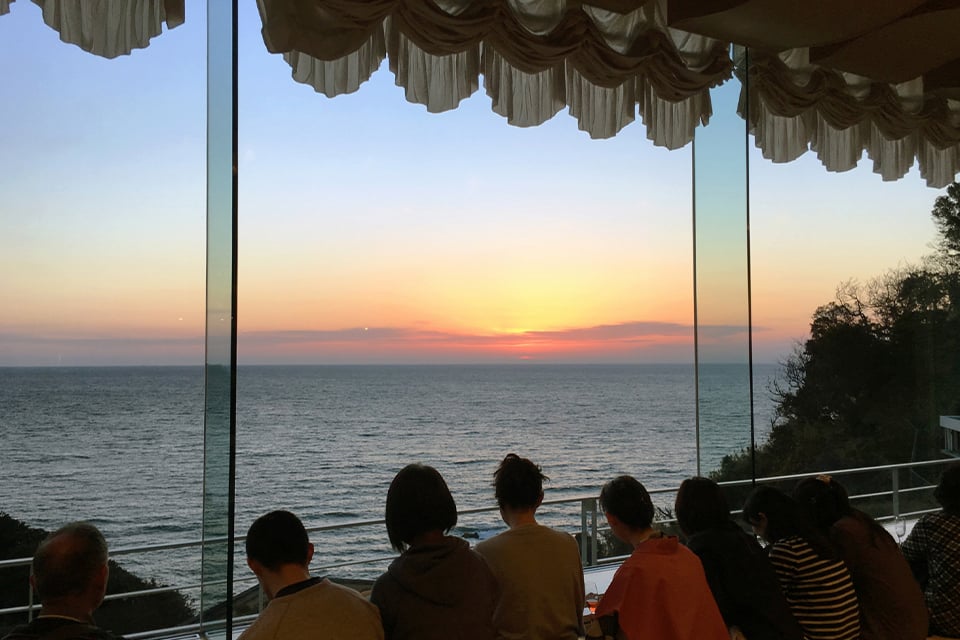
incentive tour has evolved beyond a simple reward trip into a broader tool for employee engagement, retention, and company culture.
From Reward Trips to Strategic Employee Retention
Traditionally, incentive tours were designed to reward top performers. Today, many organizations use them as part of a broader talent and recognition strategy.
According to the Incentive Research Foundation, experiential rewards continue to outperform cash-based incentives in employee engagement and retention.
A well-planned incentive trip can help employees feel valued while strengthening connections with colleagues and leadership teams. As competition for talent continues, companies are investing in experiences that support both recognition and retention.
The most successful incentive tours now focus on business outcomes as well as employee rewards.
Why Companies Are Prioritizing Wellness and Authentic Experiences
One of the biggest trends in incentive travel destinations for 2026 is the growing demand for wellness and authentic local experiences.
Instead of tightly scheduled programs, many companies are incorporating downtime, wellness activities, and flexible itineraries. At the same time, participants increasingly prefer cultural experiences over standard sightseeing.
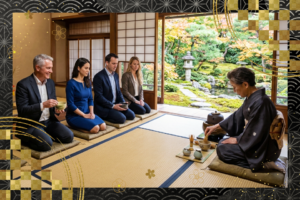
A Japan incentive tour, for example, may include tea ceremonies, traditional arts, Michelin-starred dining, or stays at a ryokan alongside business and networking activities.
Meaningful local experiences often create a stronger impact than traditional group activities, making them a growing priority in modern incentive travel programs.

Best Incentive Tour Destinations for 2026

Choosing the right destination is one of the most important decisions when planning an incentive tour. Budget, accessibility, participant demographics, and program objectives all influence which destination will deliver the greatest value.
The destinations below represent a range of options for modern corporate incentive travel programs, from accessible beach destinations to premium cultural experiences.
Mexico — Mid-Range Incentive Tours With Strong Accessibility
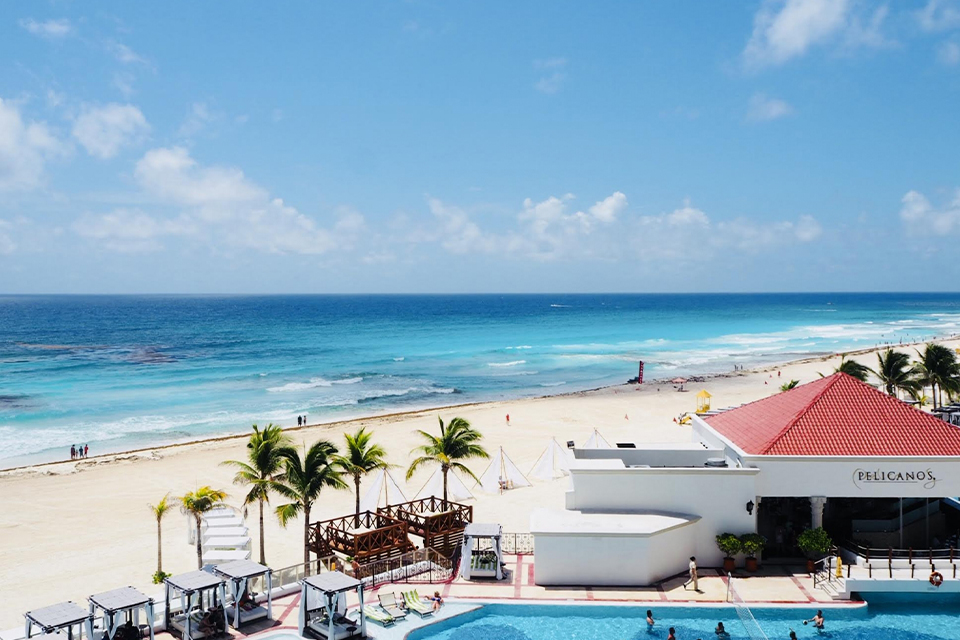
Mexico remains one of the most popular incentive travel destinations for North American companies. Destinations such as Cancun offer direct flights from major U.S. cities, large resort infrastructure, and a wide range of group activities.
Popular experiences include visits to Chichén Itzá, cenote tours, private beach events, and resort-based networking programs. Combined with relatively affordable flight and hotel costs, Mexico is often a strong option for companies seeking a balance between experience and budget.
Hawaii — Wellness-Focused Incentive Trips for Corporate Teams
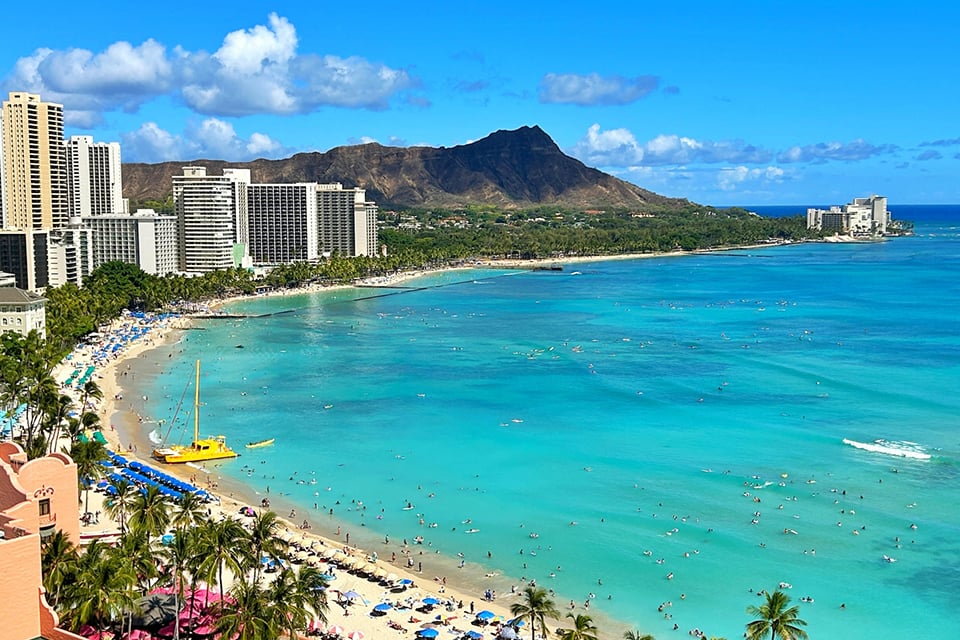
Hawaii is increasingly popular among companies prioritizing wellness and work-life balance. The destination offers a familiar travel experience for U.S.-based employees while still providing a strong sense of escape.
Its combination of accessibility, natural beauty, and wellness-oriented experiences makes Hawaii a compelling incentive trip destination for 2026.
Wyoming — Executive Retreat Incentive Tours With Outdoor Experiences
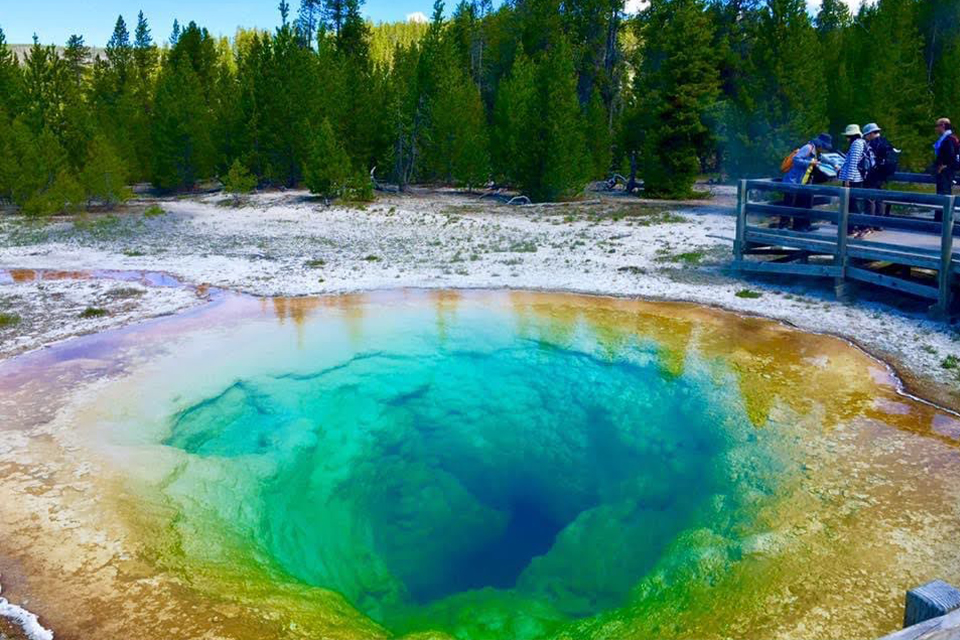
Wyoming appeals to organizations looking for smaller-scale executive retreats and leadership-focused programs. Destinations such as Jackson Hole provide access to Yellowstone National Park, wildlife tours, luxury lodges, and outdoor adventures.
Unlike traditional resort destinations, Wyoming emphasizes exclusivity, nature, and uninterrupted time for networking and strategic discussions. This makes it particularly attractive for executive teams and high-performing employee groups.
For companies seeking a more intimate and experience-driven program, Wyoming offers a distinctive alternative to traditional incentive tours.
Why Japan Incentive Tours Are Growing in 2026
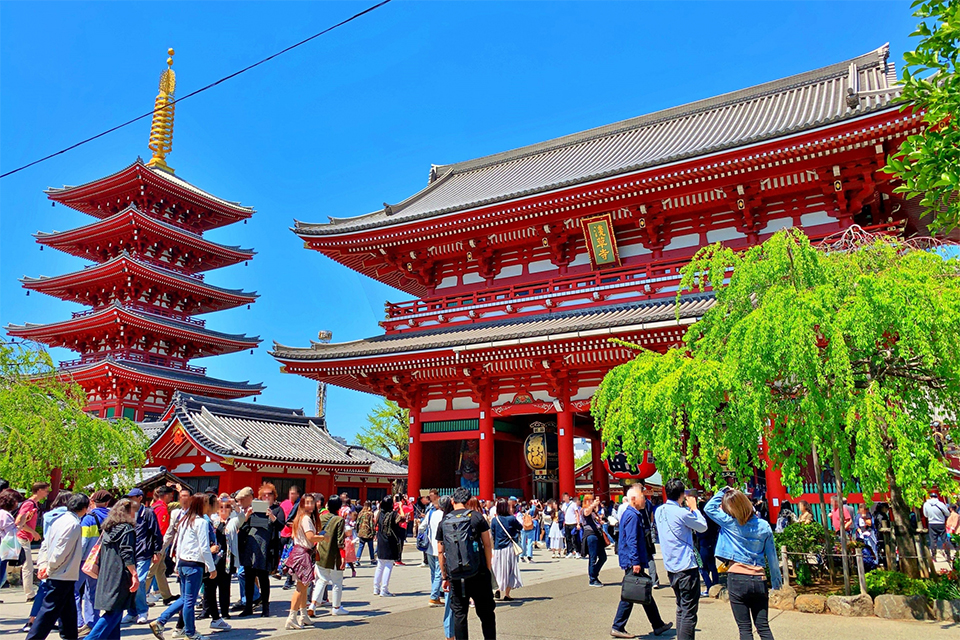
Japan is gaining attention as a premium incentive tour destination for organizations seeking experiences that participants cannot easily replicate elsewhere. The combination of safety, cultural depth, luxury hospitality, and world-class dining makes Japan particularly attractive for high-performing teams and executive groups.
Experiences can range from tea ceremonies, Noh and kabuki performances to Michelin-starred dining, luxury ryokan stays, and private cultural workshops. These experiences offer a level of authenticity that aligns closely with current incentive travel trends.
From a logistics perspective, companies should consider flight times, time zone differences, entry requirements, and travel planning timelines. U.S. travelers should also review current visa and immigration requirements before finalizing a Japan incentive tour. While Japan typically requires a larger investment than destinations such as Mexico or Hawaii, many organizations view the destination as a premium reward that delivers exceptional perceived value.
Local expertise is also important. Transportation, venue coordination, cultural experiences, and bilingual support often require on-the-ground management. For this reason, many organizations work with a destination management company when planning a Japan incentive tour.
For companies seeking a memorable, culturally rich, and premium incentive experience, Japan continues to stand out as one of the most distinctive destinations for 2026.
Incentive Tour Budget Breakdown by Destination

Budget is often one of the most important factors when selecting an incentive tour destination. While many articles provide a single average cost, actual budgets can vary significantly depending on destination, flight costs, accommodation standards, activities, and local logistics.
The estimates below provide a general benchmark for companies planning incentive tours in 2026.
Estimated 2026 Incentive Tour Costs by Destination
| Destination | Program Style | Estimated Cost Per Person |
| Wyoming | Domestic Executive Retreat | $3,500–5,000 |
| Mexico (Cancun) | Mid-Range Incentive Tour | $4,500–6,000 |
| Hawaii (Honolulu) | Wellness-Focused Incentive Tour | $5,500–7,500 |
| Tokyo, Japan | Premium Urban Incentive Tour | $6,500–8,500 |
| Kyoto, Japan | Cultural Luxury Incentive Tour | $7,000–9,000 |
These estimates include airfare, accommodations, activities, dining, local transportation, and program management costs. Destinations such as Mexico and Wyoming generally offer the lowest overall investment, while Japan commands a higher budget due to long-haul flights, premium hospitality, and specialized cultural experiences.
The most expensive destination is not always the most effective choice—the best incentive tour is the one that aligns with business goals, employee expectations, and program objectives.
Sample Budget Breakdown for a Japan Incentive Tour
Japan is often positioned as a premium incentive destination. However, understanding where costs are allocated can help planners make more informed budget decisions.
Sample Tokyo Incentive Tour Budget (Per Person)
| Category | Estimated Cost |
| Round-Trip Airfare | $1,850–2,050 |
| 4-Star Hotel (4 Nights) | $720–1,400 |
| Activities (Samurai Experience, Tea Ceremony) | $100–230 |
| Dining | $120–250 |
| Local Transportation | $100–200 |
| DMC & Program Management | $400–800 |
| Estimated Total | $6,500–8,500 |
Sample Kyoto Incentive Tour Budget (Per Person)
| Category | Estimated Cost |
| Round-Trip Airfare | $1,850–2,200 |
| 4-Star Hotel (4 Nights) | $1,000–2,000 |
| Activities (Kimono Experience, Cultural Workshops) | $140–350 |
| Dining | $150–300 |
| Local Transportation | $150–300 |
| DMC & Program Management | $500–900 |
| Estimated Total | $7,000–9,000 |
Japan’s higher cost is driven primarily by international airfare, premium accommodations, and specialized cultural experiences. Many companies view these costs as justified because of the destination’s strong perceived value and unique experiences that are difficult to replicate elsewhere.
For organizations seeking a high-impact reward program, Japan often delivers a premium experience that matches its premium price point.
What Companies Often Underestimate in Incentive Tour Budgets
Many planners focus on flights and hotels while overlooking operational expenses that can significantly affect the final budget.
Companies comparing incentive trip packages should evaluate both visible travel costs and operational expenses.
Commonly underestimated costs include:
- Destination management company fees
- Airport transfers and local transportation
- Private event venues
- Translation and bilingual staffing
- Last-minute itinerary changes
- Gratuities and service charges
- Travel insurance and contingency planning
These expenses become increasingly important for international programs and multi-city itineraries.
A detailed budget should account for both visible travel costs and the operational support required to deliver a seamless participant experience.

How to Plan a Successful Incentive Tour

Even the most attractive destination will not guarantee a successful incentive tour. The strongest programs begin with clear objectives, align with participant expectations, and deliver experiences that support broader business goals.
The following strategies can help companies maximize the impact of their corporate incentive travel programs.
Set Business Objectives Before Choosing a Destination
Many companies begin planning by selecting a destination. In practice, it is often more effective to start by defining the desired outcome.
For example, a company focused on employee retention may prioritize relationship-building experiences, while a sales organization may use an incentive trip to recognize top performers and strengthen motivation.
Common objectives include:
- Employee retention
- Sales recognition
- Team building
- Leadership development
- Client relationship building
The most effective incentive tours are designed around business goals rather than destination appeal alone.
Match Incentive Trips to Employee Demographics
Not every destination appeals equally to every audience. Age, career stage, travel experience, and personal interests can all influence participant satisfaction.
A younger workforce may prefer adventure activities and social experiences, while executive groups often value privacy, premium hospitality, and exclusive access.
Companies should consider:
- Participant age range
- International travel experience
- Cultural interests
- Physical activity preferences
- Family versus individual travel styles
Understanding participant preferences can significantly increase the perceived value of an incentive trip.
Build Flexible Schedules Around Wellness and Downtime
One of the biggest trends in 2026 is the shift away from tightly packed itineraries.
While organized activities remain important, many participants appreciate opportunities to relax, explore independently, or simply enjoy the destination. Wellness-focused scheduling can improve overall satisfaction and reduce travel fatigue.
Examples include:
- Free afternoons
- Spa experiences
- Nature-based activities
- Flexible dining options
- Optional excursions
A successful incentive tour should balance structured experiences with meaningful personal time.
Include Authentic Local Experiences Instead of Generic Activities
Today’s travelers increasingly seek experiences that feel unique to the destination. Generic group activities often create less impact than opportunities to engage with local culture.
In Japan, this may include tea ceremonies, traditional arts, ryokan stays, or Michelin-starred dining. In Costa Rica, participants may prefer coffee plantation visits or rainforest experiences. The key is creating experiences that cannot easily be replicated elsewhere.
Authentic local experiences often become the most memorable part of an incentive tour.
Create Tiered Incentive Trip Experiences for Different Performance Levels
Many organizations are moving beyond a one-size-fits-all approach to recognition.
Tiered programs allow companies to provide different levels of rewards based on performance, responsibility, or achievement. This structure can help maximize motivation while controlling overall program costs.
Examples include:
- VIP executive experiences
- Premium activity upgrades
- Exclusive networking events
- Private dining experiences
- Extended stay options for top performers
Tiered incentive tours allow companies to recognize different achievement levels while creating aspirational goals for future participants.

How to Choose the Right Destination Management Company

A destination management company (DMC) can significantly influence the success of an incentive tour. While destinations and activities often receive the most attention, local execution, supplier management, and participant support are equally important.
Choosing the right partner helps reduce operational risk and improves the overall experience for both planners and participants.
Green Flags When Evaluating a Destination Management Company
Not all DMCs offer the same level of expertise. Strong partners typically demonstrate destination knowledge, operational experience, and transparent communication.
Positive indicators include:
- Experience managing similar corporate incentive travel programs
- Detailed and customized proposals
- Transparent pricing and cancellation policies
- Strong client references and testimonials
- A dedicated account manager or project lead
- Industry memberships such as SITE or ATTA
A good DMC should provide confidence not only in the destination itself, but also in the operational plan behind the program.
Red Flags Companies Should Watch For
Just as there are signs of a strong partner, there are also warning signs that should prompt additional scrutiny.
Common red flags include:
- Unclear pricing structures
- Generic proposals with little customization
- Limited destination expertise
- Slow or inconsistent communication
- No contingency plans for disruptions
- Few verifiable client references
These issues can create unexpected costs, operational challenges, and participant dissatisfaction later in the planning process.
If a DMC cannot clearly explain how a program will be delivered, companies should proceed with caution.
Questions to Ask Before Hiring a DMC
Before selecting a destination management company, planners should conduct a structured evaluation process.
Useful questions include:
- Have you managed programs of a similar size and industry?
- What services are handled directly versus outsourced?
- How do you manage unexpected operational issues?
- Can you provide recent client references?
- What is included in your management fee?
- Who will be the primary point of contact throughout the project?
The goal is not simply to find the lowest-cost provider, but to identify a partner capable of delivering a seamless and reliable incentive tour experience.
Frequently Asked Questions About Incentive Tours

The following questions are among the most common topics discussed by HR leaders, sales managers, and event planners when evaluating incentive tour programs.
What Is the Difference Between an Incentive Tour and a Business Trip?
A business trip is typically focused on operational objectives such as meetings, conferences, training sessions, or client visits.
An incentive tour, by contrast, is designed to recognize performance, strengthen employee engagement, and reward achievement. While business objectives may still be present, the primary focus is participant experience and motivation.
Incentive tours are intended to inspire and reward employees, whereas business trips are primarily designed to accomplish operational goals.
How Much Does an Incentive Tour Cost?
Costs vary depending on destination, program length, accommodation standards, and included experiences.
As a general benchmark for 2026:
- Wyoming: $3,500–5,000 per person
- Mexico: $4,500–6,000 per person
- Hawaii: $5,500–7,500 per person
- Costa Rica: $5,500–7,500 per person
- Japan: $6,500–9,000 per person
Companies should also account for destination management, transportation, dining, and contingency costs when building budgets.
What Are the Best Incentive Travel Destinations for 2026?
The best destination depends on program objectives and participant preferences.
Mexico remains a strong value-focused option, Hawaii is popular for wellness-oriented programs, and Wyoming offers exclusive outdoor experiences for leadership groups. Costa Rica appeals to organizations prioritizing sustainability and nature-based activities.
For companies seeking premium cultural experiences and high perceived value, Japan continues to be one of the most distinctive incentive travel destinations in 2026.
Are Japan Incentive Tours Worth the Higher Budget?
For many organizations, the answer is yes.
Japan typically requires a larger investment than destinations such as Mexico or Hawaii, primarily because of long-haul flights and premium hospitality costs. However, many companies view the destination as a high-impact reward that delivers exceptional cultural depth, safety, and exclusivity.
For a detailed breakdown of costs, logistics, and experiences, see the “Why Japan Incentive Tours Are Growing in 2026” and budget sections above.
Organizations seeking a premium incentive experience often find that the perceived value of Japan justifies the additional investment.
Final Thoughts on Planning Corporate Incentive Tours in 2026

Successful incentive tours require more than selecting an attractive destination. Companies must align business objectives, participant expectations, budgets, and operational planning to create programs that deliver meaningful results.
As employee expectations continue to evolve, organizations are placing greater emphasis on wellness, authentic experiences, and personalized recognition. The most effective corporate incentive travel programs combine these priorities with clear planning and strong local execution.
For organizations considering a Japan incentive tour, cultural programming, logistics, and on-the-ground coordination can significantly influence the participant experience. Working with an experienced destination management company can help ensure a seamless program from planning through delivery.
MOTENAS JAPAN specializes in customized incentive tours, executive programs, and cultural experiences across Japan. To discuss a potential program, contact our team for an initial consultation.

毎月1回以上国内・海外旅行をする旅好きライターです。
フランス・ベトナム一人旅を筆頭に、ひとりで美味しいものを食べながらゆったり旅をするのが好きです。

