




 津田修吾
津田修吾Planning your journey around the cherry blossom Japan season 2026 offers a rare opportunity to experience Japan at its most elegant and inspiring.
From private travelers seeking an unforgettable spring escape to corporate groups designing meaningful incentive journeys, sakura season provides a natural setting where celebration, culture, and connection come together.
Carefully curated cherry blossom experiences combining ideal timing, distinctive locations, and exclusive seasonal programs allow guests to enjoy Japan’s spring in a seamless and refined way, transforming a visit into a truly memorable shared experience.
When Is the Cherry Blossom Japan Season? Understanding Japan Cherry Blossom Time
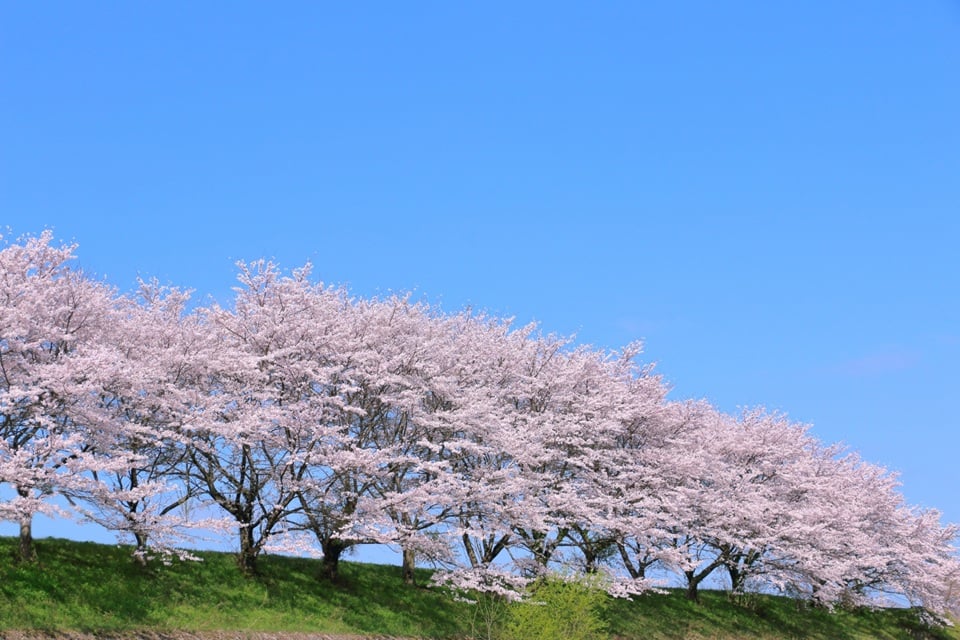
The cherry blossom Japan season does not begin and end on the same day across the country. Instead, spring moves gradually from south to north, creating a blooming period that lasts nearly two months. Japan cherry blossom time varies by region, meaning the best travel timing depends on where you visit rather than a single nationwide date.
Bloom timing is influenced by winter temperatures and early spring weather conditions. Even small climate changes can shift flowering by several days. Understanding regional bloom patterns is the key to planning a successful sakura journey without relying on luck. shared experience.
Best Time for Cherry Blossom Japan: How Bloom Timing Really Works
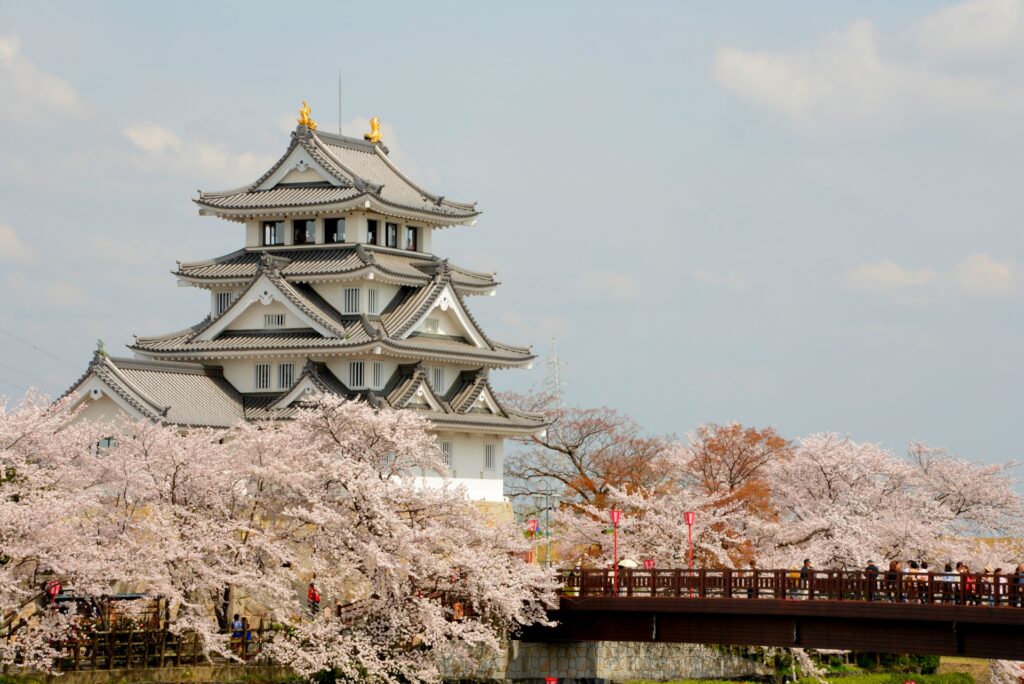
According to recent forecasts from Weathernews, cherry blossoms generally begin blooming in late March in central Japan, followed by northern regions in April and early May. The best time for cherry blossom Japan travel occurs about one week after flowering begins, when trees reach full bloom.
Rather than one fixed season, Japan experiences a continuous blooming cycle across regions.
| Region | Main Cities | Typical Bloom Period | Full Bloom Window |
|---|---|---|---|
| Kyushu | Fukuoka | Mid–Late March | Late March |
| Kansai | Kyoto, Osaka, Nara | Late March | Late Mar – Early Apr |
| Kanto | Tokyo | Late March | Early April |
| Tohoku | Sendai | Early–Mid April | Mid April |
| Hokkaido | Sapporo | Late April – Early May | Early May |
Because full bloom usually lasts only about one week, choosing travel dates based on regional timing greatly increases the chance of seeing sakura at their peak.
Following the Sakura Front Across Japan
The movement of blooming cherry trees from south to north is known as the Sakura Front. This seasonal progression allows travelers to extend their chances of seeing cherry blossoms by moving between regions instead of relying on one destination.
Spring typically begins in southern Japan before advancing toward central cities such as Tokyo and Kyoto, eventually reaching northern areas like Hokkaido weeks later. Following the Sakura Front transforms cherry blossom travel from a short opportunity into a flexible nationwide experience.
Why Flexible Planning Matters More Than Fixed Dates
Cherry blossom forecasts are based on predictions, but weather conditions can easily shift bloom timing. Even a difference of a few days can determine whether visitors experience full bloom or arrive after petals have already fallen.
Because sakura bloom for only a short period, rigid travel schedules create unnecessary risk. When travel plans allow adjustment—such as changing viewing locations or shifting schedules within Japan—travelers can respond to real bloom conditions instead of relying solely on forecasts.
Flexible planning is essential because cherry blossom timing changes every year, and adapting to nature greatly increases the likelihood of experiencing sakura at their most beautiful moment.
How to Guarantee Seeing Sakura in Japan With Confidence
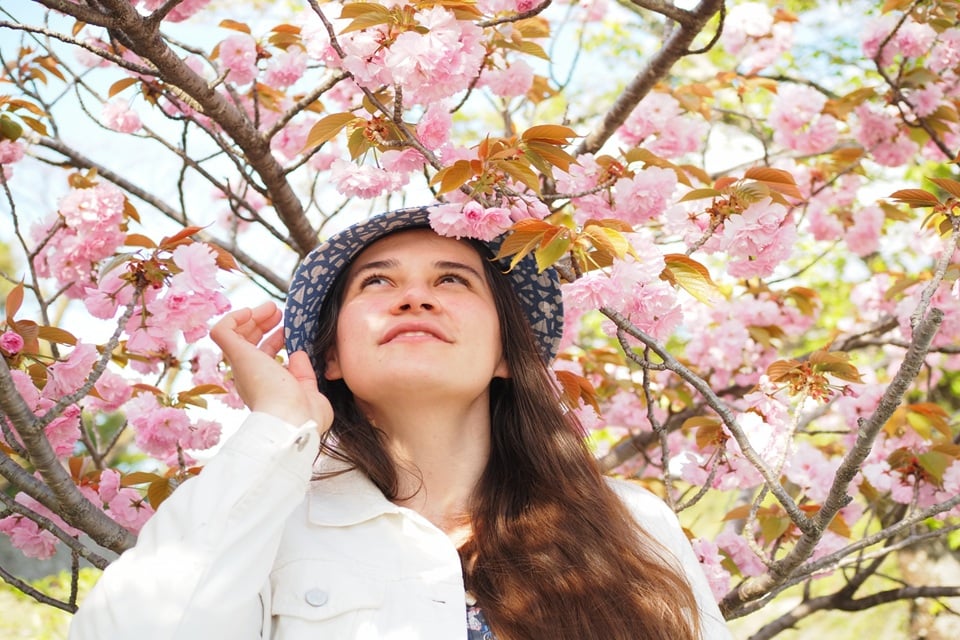
How to Guarantee Seeing Sakura in Japan With Confidence traveling all the way to Japan and missing the blooms can be avoided with thoughtful planning. Because flowering depends on temperature shifts and regional climate differences, relying solely on fixed schedules does not always provide the best opportunity to experience sakura at their peak.
The key to guaranteeing sakura viewing is strategic planning that combines bloom variety selection, real-time flexibility, and curated route design.
By approaching cherry blossom travel as a dynamic experience rather than a static itinerary, visitors can dramatically reduce seasonal risk and experience Japan’s spring with confidence.
Strategic Travel Using Early, Peak, and Late Bloom Varieties
Cherry blossoms do not bloom simultaneously across Japan, and relying on a single location or date may limit the opportunity to experience sakura at their finest timing. Different sakura varieties flower at different times depending on climate and geography.
The most reliable strategy is to combine early, peak, and late bloom varieties within one travel plan.This approach expands the viewing window and greatly improves the likelihood of experiencing cherry blossoms at their best stage.
| Bloom Stage | Typical Timing | Representative Areas / Varieties | Travel Advantage |
|---|---|---|---|
| Early Bloom | Mid-February – Early March | Kawazu Sakura (Izu Peninsula, Southern Japan) | Offers an elegant preview of sakura before the main season begins |
| Peak Bloom | Late March – Early April | Somei Yoshino (Tokyo, Kyoto, Osaka) | Classic and iconic cherry blossom scenery |
| Late Bloom | Mid-April – Early May | Northern Japan & Highlands (Tohoku, Hokkaido) | Backup opportunity after major cities |
By moving gradually from south to north or from lowlands to higher elevations, travelers can follow Japan’s natural bloom progression.
Instead of depending on one predicted peak date, this layered strategy allows visitors to encounter sakura across multiple stages from first blossoms to full bloom and even falling petals, creating a more stable and rewarding cherry blossom Japan season experience.
Real-Time Itinerary Adjustment During Sakura Season Japan
Even the most accurate forecasts can shift by several days due to unexpected weather patterns. Warm spells may accelerate blooming, while cooler temperatures can delay it.
Real-time itinerary adjustment means modifying travel plans according to live bloom data instead of adhering rigidly to an original schedule.
In practice, this involves monitoring official bloom updates before arrival, rearranging city sequences if necessary, and fine-tuning outdoor activities to align with peak conditions. During the journey, minor refinements such as visiting gardens earlier in the day or selecting alternative viewing sites help maintain optimal experiences.
The guiding principle is simple: follow the blossoms, not the calendar. This adaptive approach provides reassurance that seasonal changes can be seamlessly accommodated throughout the journey.
Golden Route Planning: Fewer Choices, Better Experiences
Japan offers thousands of cherry blossom locations, which can present an abundance of inspiring options for first-time visitors. Too many options can lead to inefficient travel and crowded experiences.
The most reliable strategy is selecting a carefully curated “Golden Route” instead of visiting many locations.
A refined sakura route usually prioritizes
- Scenic diversity
- Cultural significance
- Accessibility and comfort
- Crowd avoidance timing
By limiting destinations to three to five exceptional areas, travelers gain deeper experiences while maintaining schedule flexibility.
This curated planning ensures that each stop delivers meaningful hanami viewing, transforming the journey from simple sightseeing into a memorable seasonal experience grounded in confidence and cultural understanding.
Cherry Blossom Japan Beyond Sightseeing: Understanding Hanami Viewing Culture
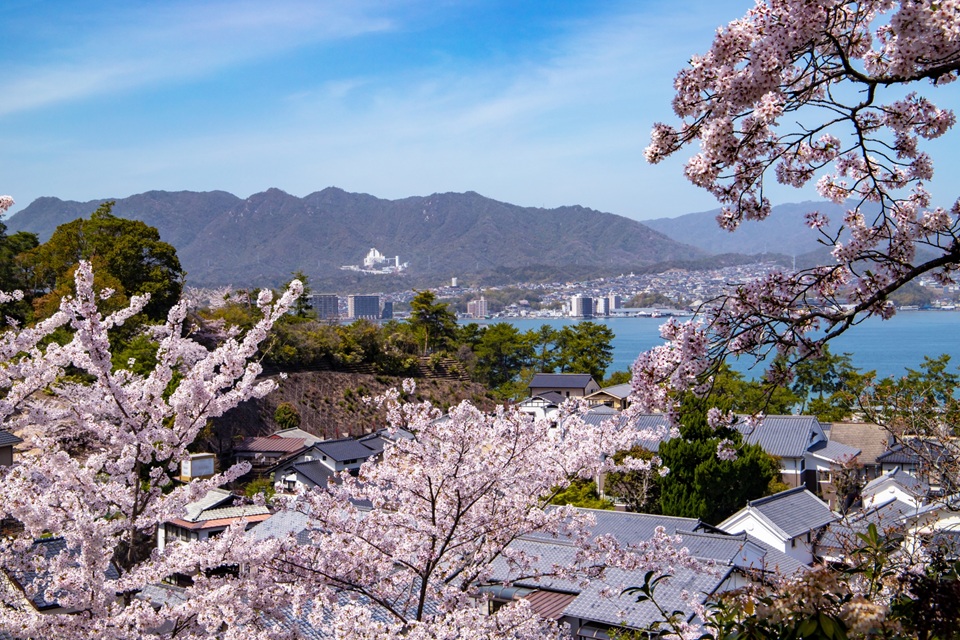
For many travelers, the cherry blossom Japan season is initially associated with famous landmarks and beautiful scenery. Yet in Japan, sakura are not appreciated merely as seasonal flowers. They represent shared emotions, cultural memory, and an awareness of life’s changing rhythm.
Hanami viewing culture reveals how Japanese society connects nature, time, and human experience.
Understanding this perspective allows visitors to move beyond sightseeing and participate in spring as it is truly experienced in Japan.
What Hanami Viewing Means in Japanese Culture
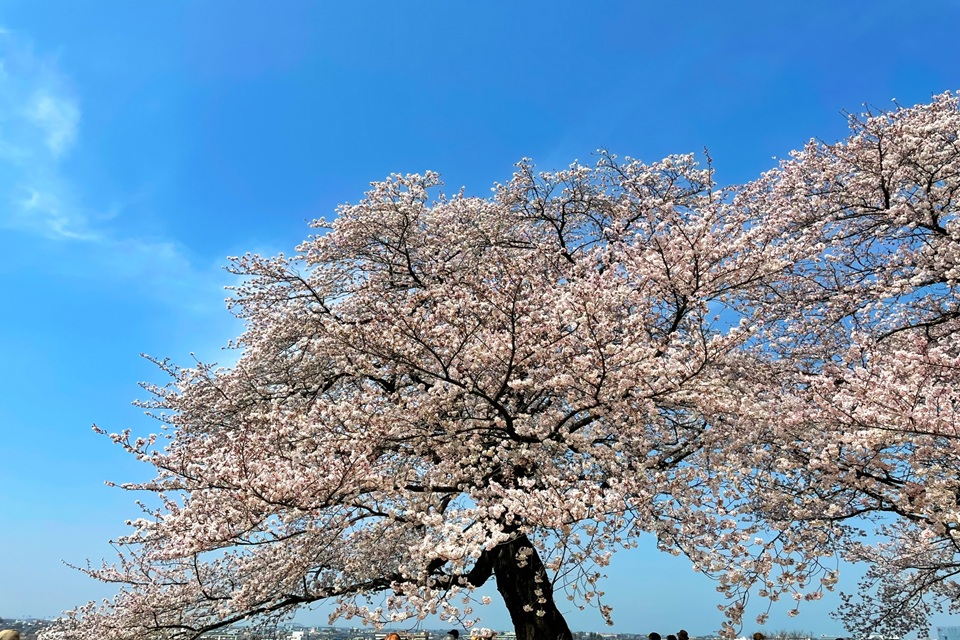
Hanami, meaning “flower viewing,” is a tradition that dates back more than a millennium. During the Heian period, aristocrats gathered beneath blooming cherry trees to compose poetry and reflect on seasonal beauty. Over time, this custom expanded across social classes and became a nationwide cultural practice.
Hanami is fundamentally a celebration of renewal and shared human connection shaped by seasonal change.
Cherry blossom season aligns with important turning points in Japanese life
- The beginning of the academic year
- New corporate and fiscal cycles
- Graduation and career transitions
- Personal moments of farewell and new beginnings
Because these milestones occur alongside sakura bloom, hanami naturally evolved into a ritual of reflection and hope. People gather not only to admire flowers, but to acknowledge change together.
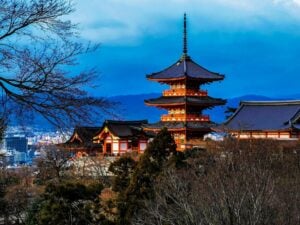
Mono no Aware: The Philosophy Behind Sakura
At the heart of Japan’s appreciation for cherry blossoms lies the concept of Mono no Awarean awareness of the impermanence of all things and a gentle sadness at their passing.
Cherry blossoms bloom brilliantly, yet their petals fall within a matter of days. This fleeting cycle mirrors the transient nature of human life, relationships, and seasons.
In Japanese aesthetics, beauty becomes more meaningful precisely because it does not last.
Rather than celebrating permanence, sakura invite reflection. The falling petals are not seen as loss, but as a reminder to cherish the present moment.
For travelers who understand Mono no Aware, cherry blossom viewing transforms from a scenic highlight into an emotional and philosophical experience one that resonates long after the petals have disappeared.
Experiencing Cherry Blossoms Like a Local, Not a Tourist
Cultural understanding becomes meaningful only when reflected in real behavior. While many visitors attempt to see as many famous locations as possible, locals approach hanami differently.
Experiencing cherry blossoms like a local means prioritizing atmosphere, timing, and presence over efficiency.
| Tourist Approach | Local Hanami Experience |
|---|---|
| Visiting during peak daytime crowds | Early morning or evening viewing |
| Quickly taking photos | Staying and enjoying the surroundings |
| Visiting many locations | Spending time in carefully chosen spots |
| Viewing from outside | Sitting beneath trees and participating |
Local-style hanami often includes relaxed conversation, seasonal food, or quiet appreciation of changing light throughout the day. By slowing down and engaging with these practices
Best Cherry Blossom Locations in Japan Curated for Premium Travelers
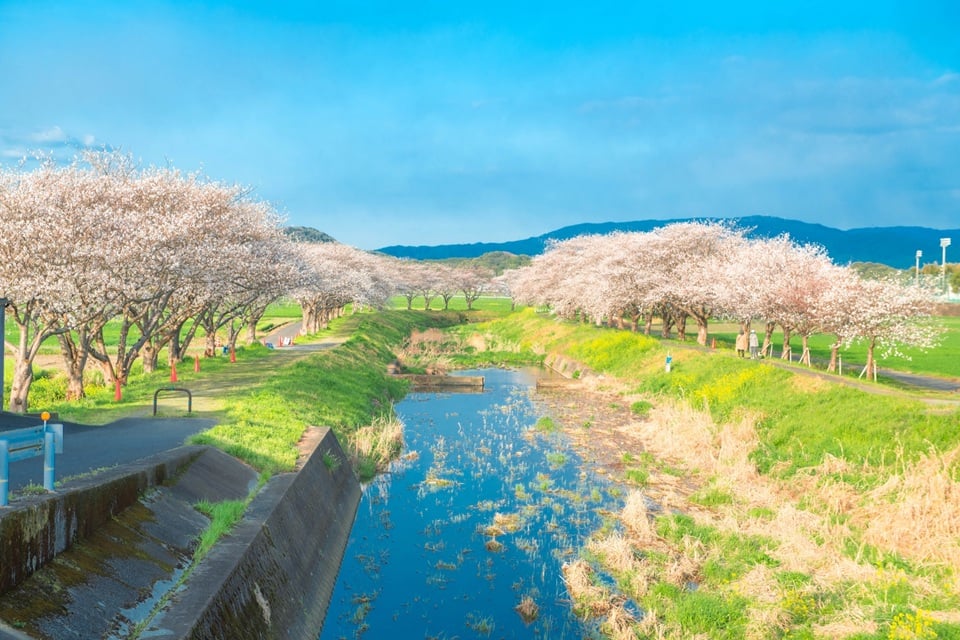
Japan offers countless cherry blossom spots, yet for travelers seeking refinement and comfort, selection must go beyond popularity. What defines a premium sakura experience is the harmony between scenery, cultural depth, and overall atmosphere. Below are carefully chosen destinations that embody these qualities.
Tokyo Sakura: Elegant Urban Hanami Experiences
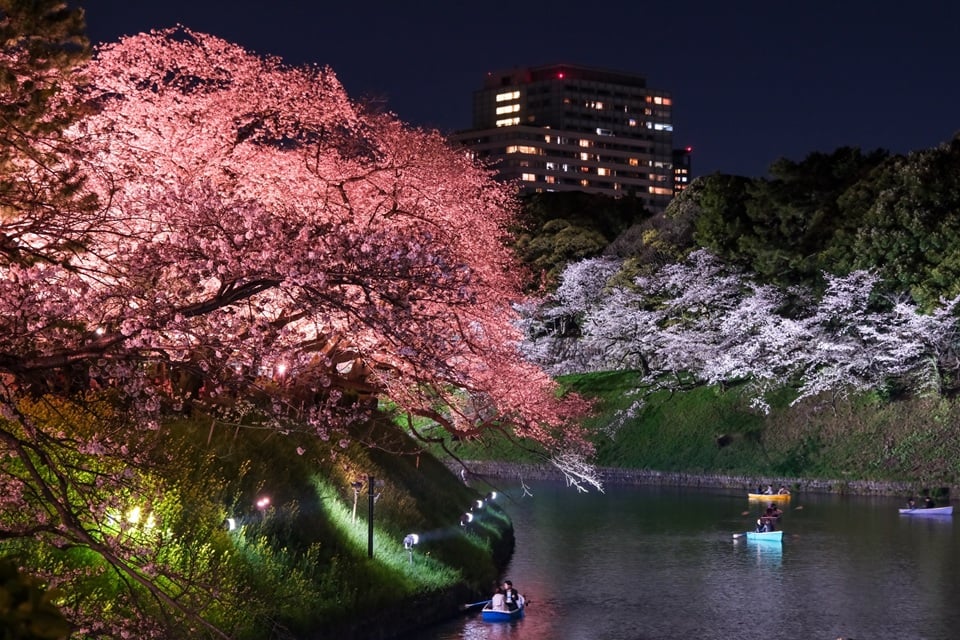
Tokyo’s appeal lies in the seamless blend of metropolitan sophistication and seasonal beauty.
| Key Aspect | Details |
|---|---|
| Iconic Areas | Chidorigafuchi, Meguro River |
| Ideal Timing | Early morning or evening illumination |
| Experience Type | Urban luxury hanami viewing |
At Chidorigafuchi, calm waters mirror rows of blossoms beside the Imperial Palace, offering quiet refinement in the heart of the city. Along the Meguro River, illuminated petals create a stylish evening setting where dining and cherry blossom viewing merge into one elegant social experience.
Kyoto Sakura Season Japan: Timeless Cultural Landscapes
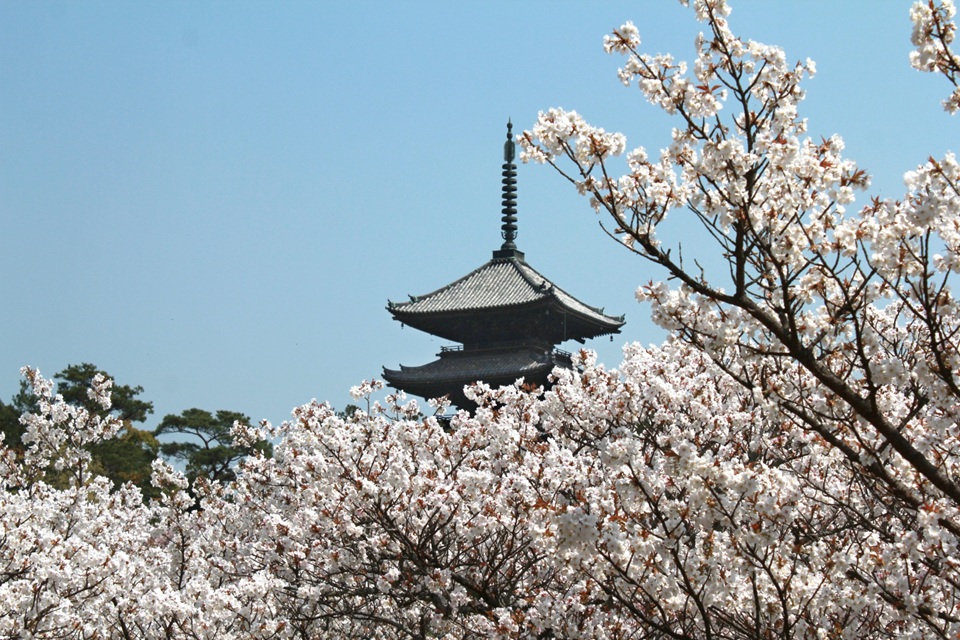
Kyoto represents the spiritual heart of sakura season Japan.
| Key Aspect | Details |
|---|---|
| Iconic Areas | Philosopher’s Path, Arashiyama |
| Distinction | Historic temples and classical gardens |
| Cultural Value | Tea ceremony and traditional aesthetics |
Walking the Philosopher’s Path in early morning light reveals a contemplative atmosphere unique to Kyoto. Here, blossoms frame temples, wooden townhouses, and landscaped gardens, allowing visitors to experience cherry blossom Japan as a living cultural tradition rather than simple sightseeing.
Mount Fuji Cherry Blossom: Japan’s Most Iconic View
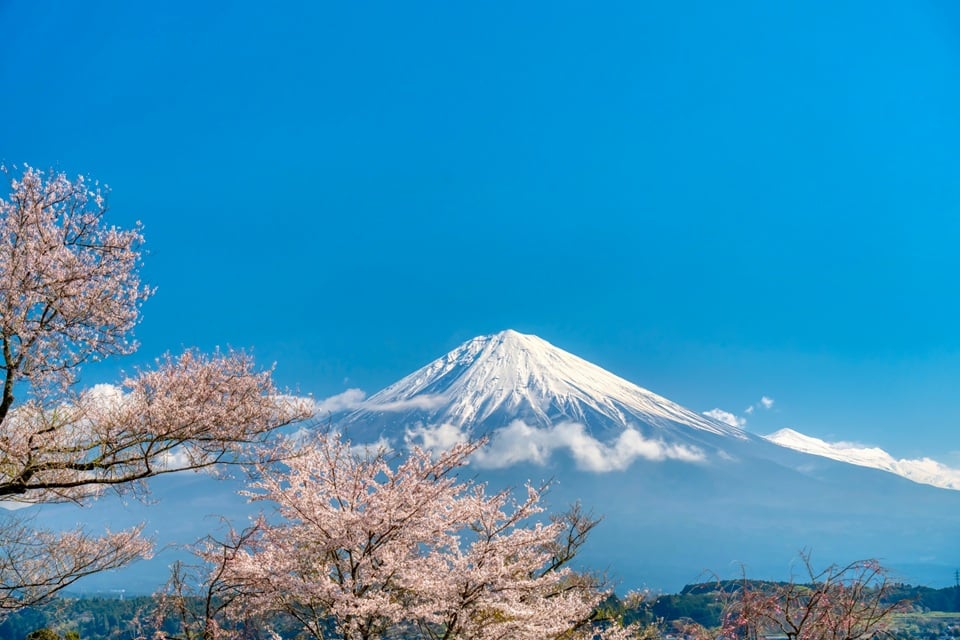
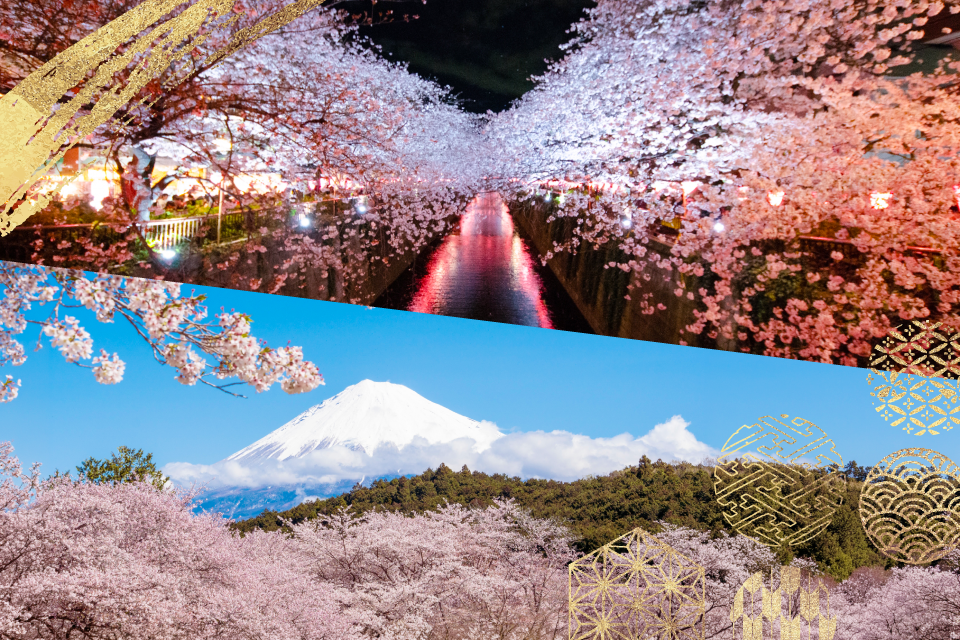
Few scenes symbolize Japan more powerfully thanMount Fuji framed by cherry blossoms.
| Key Aspect | Details |
|---|---|
| Prime Location | Kawaguchiko and Fuji Five Lakes |
| Best Conditions | Clear early mornings |
| Premium Element | Resort and onsen stays with views |
The reflection of Mount Fuji beyond blooming sakura forms one of the country’s most photographed compositions. Because visibility depends on both weather and bloom timing, flexible scheduling enhances the chance of witnessing this iconic landscape at its finest.
Yoshino (Nara): A Layered Sakura Landscape Shaped by History and Tradition
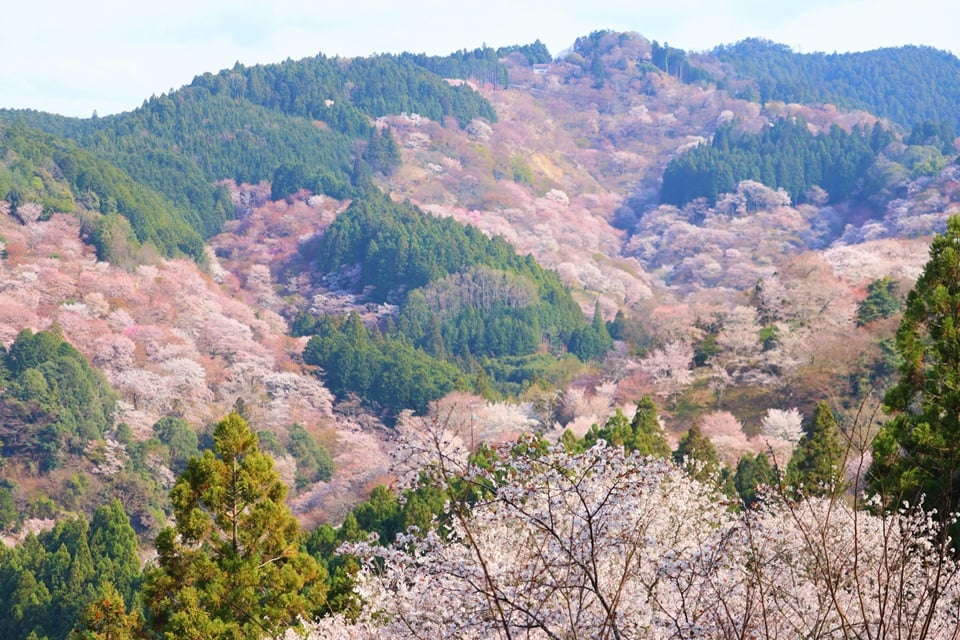
Yoshino’s defining feature is its layered mountain landscape covered in approximately 30,000 cherry trees.
| Key Aspect | Details |
|---|---|
| Structure | Lower, Middle, and Upper Yoshino |
| Bloom Pattern | Staggered by elevation |
| Cultural Depth | Historic pilgrimage site |
Due to differences in altitude, blossoms open gradually across the mountain, extending the viewing period. Beyond visual beauty, Yoshino holds centuries of spiritual and historical significance, making it one of Japan’s most culturally resonant sakura destinations.
Exclusive Sakura Experiences Available Only Through Expert Planning
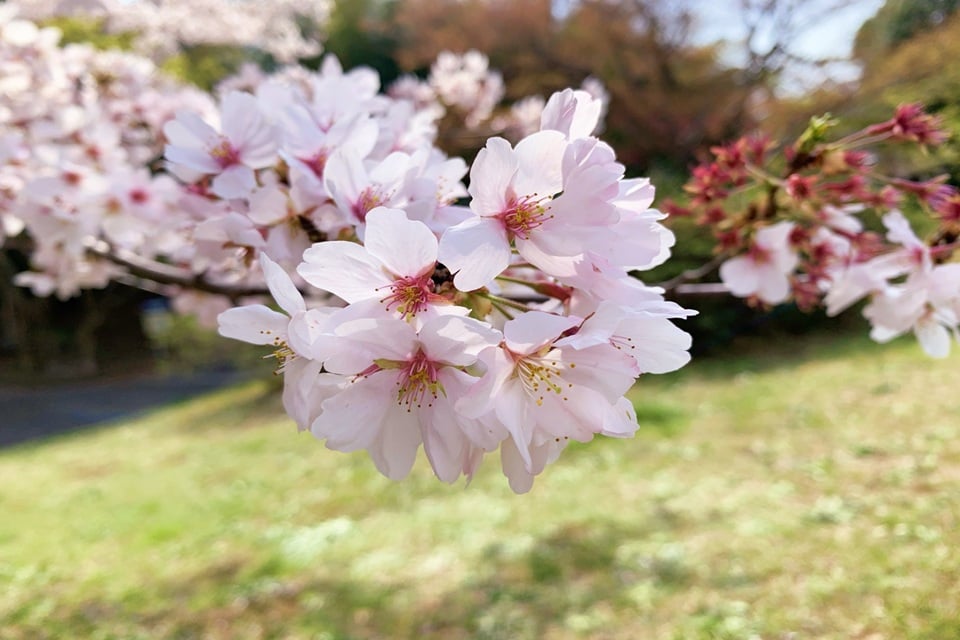
Experiencing cherry blossom season at a truly exceptional level requires more than visiting famous locations. Premium sakura experiences are created through careful planning that integrates timing, accommodation, cultural immersion, and dining into one seamless journey.
Because the cherry blossom Japan season is brief and unpredictable, expert planning allows travelers to enjoy spring in Japan comfortably, privately, and meaningfully.
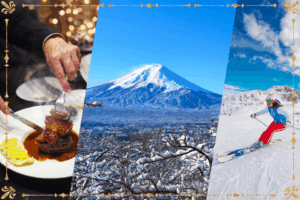
Private Viewing Times Away from Crowds
The most valuable luxury during sakura season is privacy.
Popular locations can become heavily crowded during peak hours. However, by carefully selecting visiting times such as early morning garden openings or late evening periods after peak traffic travelers can encounter blossoms in tranquility.
Strategic itinerary placement also ensures accommodations are located within walking distance of key viewing areas, allowing guests to experience optimal bloom moments spontaneously.
This approach aligns with the Japanese aesthetic principle of Mono no Aware, a concept that describes the gentle awareness of life’s impermanence and the beauty found in fleeting moments. Experiencing sakura quietly, without distraction, allows visitors to feel this emotional depth rather than simply observe scenery.
Luxury Accommodations with Sakura Views

Staying at accommodations offering direct cherry blossom views is one of the most reliable ways to experience Japan’s spring season in comfort and privacy. Rather than traveling between crowded viewing spots, guests can enjoy sakura scenery directly from guest rooms, gardens, and dining spaces, transforming the stay itself into a refined hanami experience.
Many luxury hotels in Japan are intentionally designed so that the accommodation itself becomes a cherry blossom viewing destination, allowing travelers to appreciate seasonal changes throughout the day from soft morning light to illuminated night blossoms.
Hotel Chinzanso Tokyo
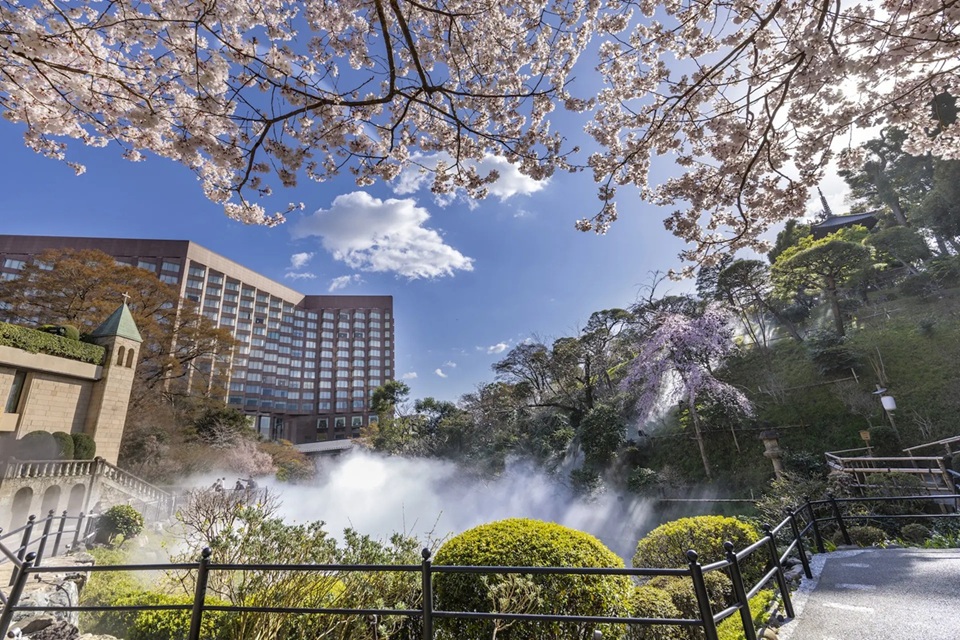
Hotel Chinzanso Tokyo features a historic Japanese garden with more than 100 cherry trees representing over 20 varieties. Because early-, mid-, and late-blooming species flower sequentially, guests can enjoy cherry blossoms for an extended seasonal period compared to typical urban locations.
The hotel also presents seasonal spring events such as illuminated garden walks and the “Night Sakura Sea of Clouds,” creating an immersive evening viewing atmosphere.
| Item | Details |
|---|---|
| Period | Mid-February to mid-April (varies by bloom type) |
| Address | 2-10-8 Sekiguchi, Bunkyo-ku, Tokyo |
| Sakura View Rooms | Available (Garden View Rooms) |
| Seasonal Packages | Available (spring and cherry blossom themed stays) |
| Garden / Viewing Access | Direct access to on-site Japanese garden |
| Illumination | Night Sakura Sea of Clouds (evening schedule varies seasonally) |
| Official Website | https://hotel-chinzanso-tokyo.com |
Four Seasons Hotel Kyoto
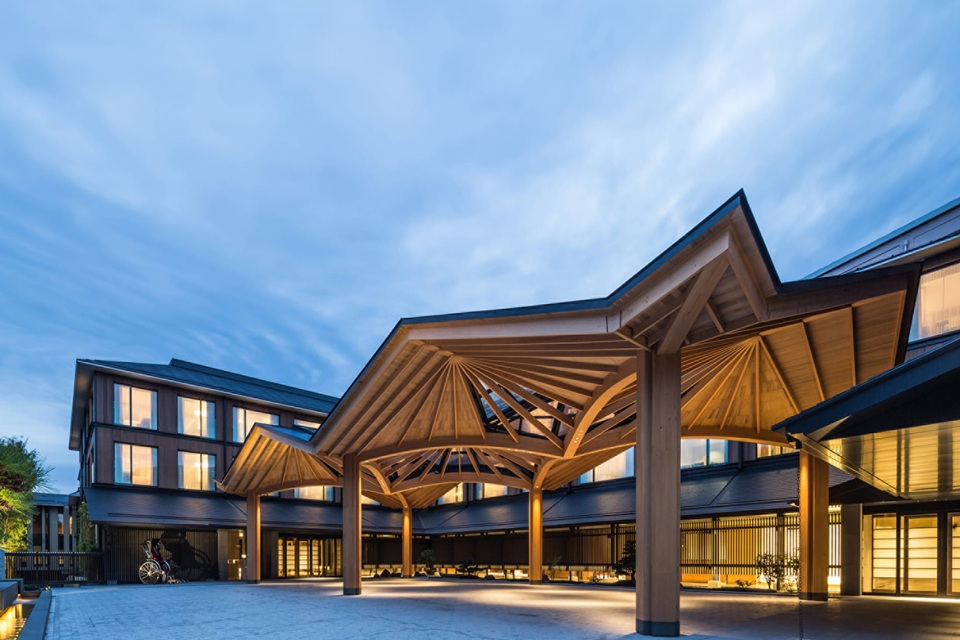
Built around the historic Shakusui-en Garden, which dates back approximately 800 years, Four Seasons Hotel Kyoto offers a tranquil cherry blossom setting away from crowded sightseeing areas.
Guests can admire seasonal blossoms from selected garden-view rooms, terraces, and restaurant spaces overlooking the pond garden.
| Item | Details |
|---|---|
| Period | Late March to early April (annual variation) |
| Address | 445-3 Myohoin Maekawacho, Higashiyama-ku, Kyoto |
| Sakura View Rooms | Available in selected garden-view rooms and suites |
| Seasonal Packages | Spring seasonal stay packages available |
| Garden / Viewing Access | On-site Shakusui-en Garden |
| Illumination | Evening garden lighting (subject to seasonal operation) |
| Official Website | https://www.fourseasons.com/kyoto |
The Ritz-Carlton Tokyo
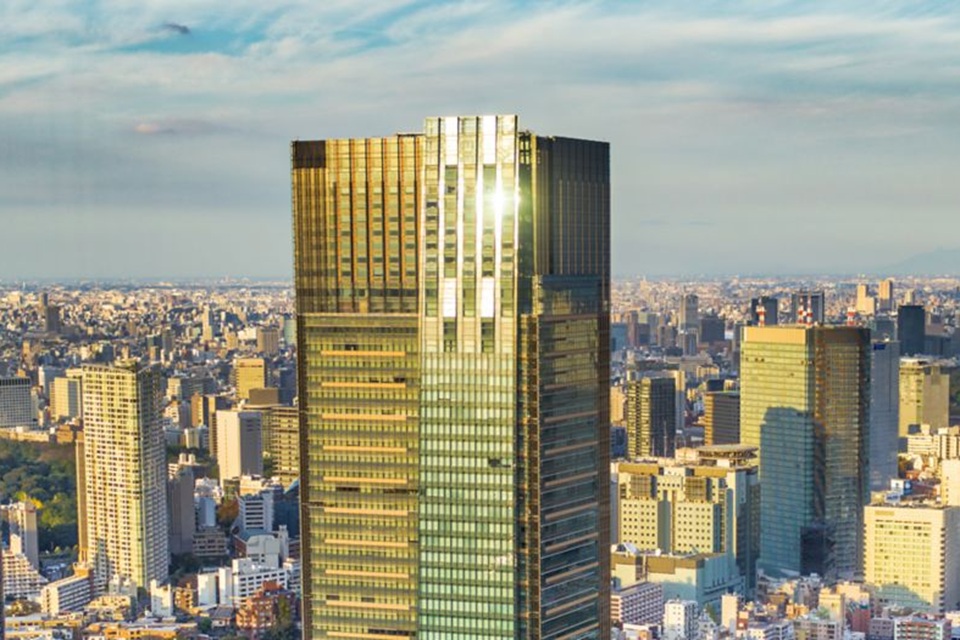
Located within Tokyo Midtown, The Ritz-Carlton Tokyo provides elevated views overlooking Hinokicho Park, one of central Tokyo’s notable cherry blossom locations.
Park-facing rooms allow guests to experience the contrast between illuminated sakura and Tokyo’s nighttime skyline without leaving the hotel environment.
| Item | Details |
|---|---|
| Period | Late March to early April |
| Address | Tokyo Midtown 9-7-1 Akasaka, Minato-ku, Tokyo |
| Sakura View Rooms | Available (park-view rooms) |
| Seasonal Packages | Spring accommodation packages available |
| Garden / Viewing Access | Hinokicho Park within 1-minute walking distance |
| Illumination | Night illumination at Hinokicho Park (public operation) |
| Official Website | https://www.ritzcarlton.com/tokyo |
Sakura Gastronomy: Seasonal Dining Experiences
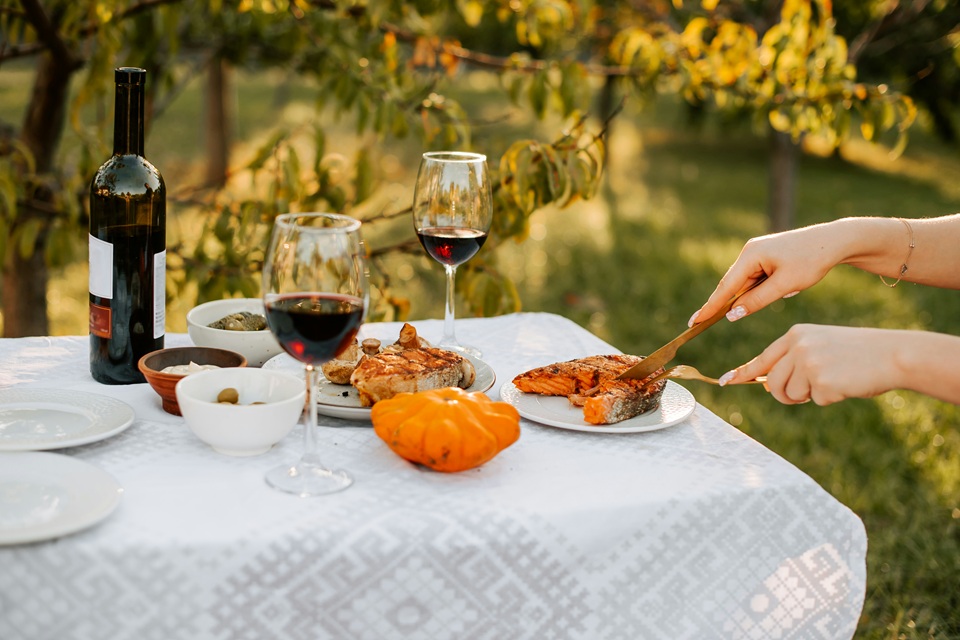
Cherry blossom culture in Japan is expressed not only visually but also through seasonal cuisine.
During spring, many refined restaurants and ryotei offer sakura kaiseki, a multi-course seasonal dining experience that celebrates renewal through ingredients, presentation, and color.
Typical elements include
- Sakura sea bream and mountain vegetables symbolizing spring harvest
- Delicately preserved cherry blossoms incorporated into dishes
- Wagashi sweets shaped like petals
Japan’s spring food culture also includes
- Sakura Mochi – sweet rice cakes wrapped in salted cherry leaves
- Sakura Tea – hot water poured over preserved blossoms, traditionally served at celebratory occasions
- Sakura Sake – limited seasonal sake or cocktails inspired by cherry blossoms
Luxury hotels and acclaimed restaurants in Tokyo and Kyoto frequently introduce seasonal spring menus aligned with hanami traditions.
Because seasonal offerings change annually, guests should confirm the latest menus and availability directly through each restaurant’s official website before making reservations.
Luxury & Incentive Travel Experiences During Sakura Season
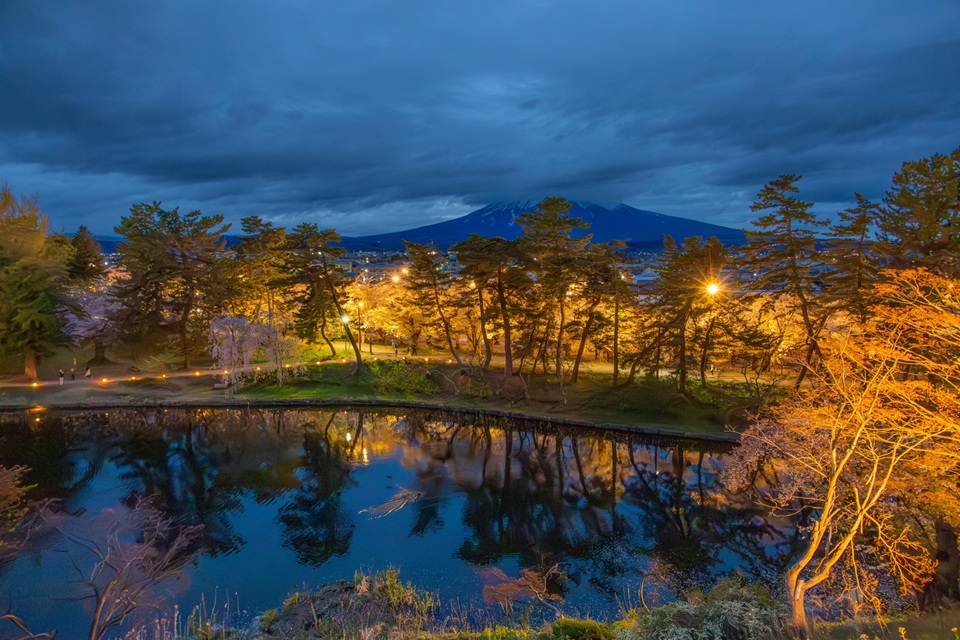
While these curated sakura experiences are ideal for individual travelers seeking refinement and privacy, they can also be elevated into powerful shared journeys for corporate groups and incentive programs.
The cherry blossom Japan season offers more than scenic beauty it provides an ideal setting for high-value incentive travel. The limited blooming period creates exclusivity and emotional impact, making sakura season especially effective for corporate rewards and milestone celebrations.
In Japan, cherry blossoms symbolize renewal and new beginnings, naturally aligning with themes of achievement, motivation, and future growth.
Why Sakura Season Is Perfect for Incentive Travel

Sakura season enhances incentive travel by combining cultural meaning with unforgettable shared experiences.
Key advantages include
- A once-a-year seasonal experience that increases perceived value
- Strong emotional connection through traditional hanami gatherings
- Iconic Japanese scenery suitable for memorable corporate events
- Cultural depth reflecting Mono no Aware the appreciation of fleeting beauty and meaningful moments
Spring programs may include private hanami receptions, guided cultural activities, and seasonal dining experiences that strengthen relationships among participants.
Customizable Programs by Group Size
Incentive programs during sakura season can be adapted to different group sizes and corporate goals.
| Group Size | Program Style | Experience Focus |
|---|---|---|
| 10–20 guests | Private venues | Executive exclusivity |
| 20–50 guests | Luxury hotel programs | Cultural immersion |
| 50+ guests | Multi-city itineraries | Seamless group experience |
Successful planning often follows the Sakura Front the seasonal wave of cherry blossom blooms moving northward across Japan, allowing flexible scheduling across regions.
Using Golden Route Planning a curated travel strategy selecting the most reliable destinations organizers can maximize bloom opportunities while maintaining premium quality.
Ultimately, effective sakura incentive travel is best created with Cultural Experience Designers — specialists who design meaningful cultural journeys beyond standard group tours, ensuring both logistical success and lasting impact.
Frequently Asked Questions About Cherry Blossom Japan Season
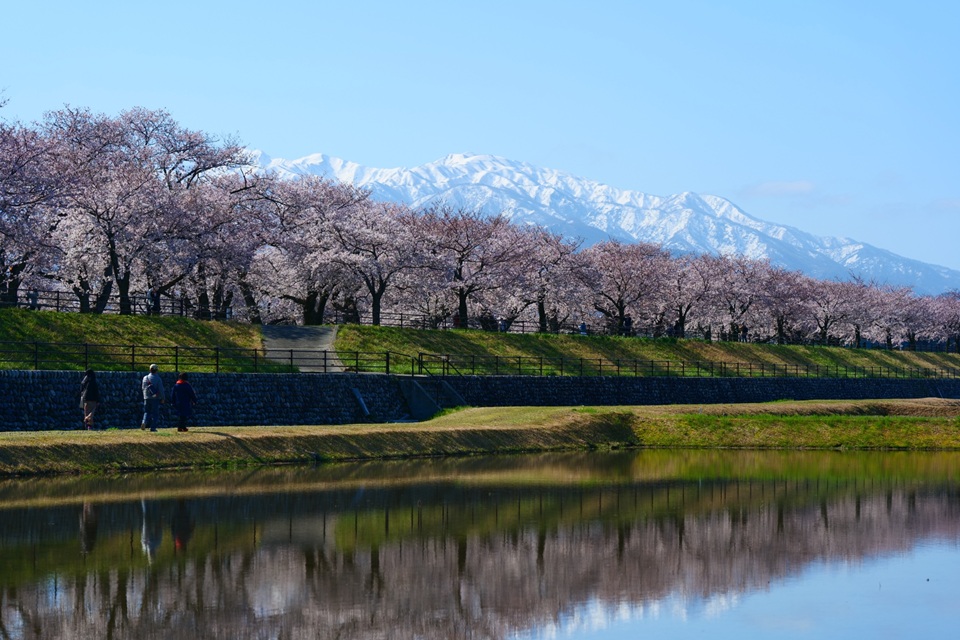
Planning travel during the cherry blossom Japan season often raises practical concerns, especially for corporate incentive programs. Because bloom timing shifts slightly each year depending on climate conditions, flexibility and expert coordination are essential. Below are clear answers to common questions.
When is the best timing for a cherry blossom incentive trip in Japan?
Late March to early April is generally ideal for Tokyo and Kyoto, while northern regions extend opportunities into late April and early May.
Cherry blossoms follow the Sakura Front the seasonal wave of cherry blossom blooms moving northward across Japan from early spring to late spring. By aligning destinations with this natural progression, incentive programs can significantly increase the likelihood of peak viewing.
Can cherry blossom experiences be arranged privately for corporate groups?
Yes, private sakura experiences can be fully customized for corporate groups.
Options include exclusive garden receptions, seasonal kaiseki dinners, and guided cultural programs. Working with Cultural Experience Designers specialists who create immersive and culturally meaningful journeys beyond standard sightseeing tours ensures privacy, elegance, and seamless coordination for executive-level groups.
Is Japan suitable for large international incentive travel programs?
Japan is highly suitable for large-scale international incentive events.
Major cities offer world-class infrastructure, multilingual hospitality, and luxury accommodations capable of hosting substantial groups. By applying Golden Route Planning a carefully curated strategy that selects the most reliable and refined destinations to minimize uncertainty organizers can balance logistics with premium experiences.
What happens if cherry blossom bloom timing changes?
Bloom timing may shift slightly due to temperature variations, but flexible routing reduces risk.
By monitoring forecasts and adjusting itineraries along the Sakura Front, planners can redirect groups to regions where blossoms are approaching peak conditions.
How far in advance should a cherry blossom incentive trip be planned?
Planning should begin at least 9–12 months in advance.
Luxury hotels, event venues, and seasonal dining programs are secured quickly during sakura season. Early preparation allows time to integrate bloom forecasting and refined scheduling.
Design Your Ideal Cherry Blossom Japan Season Experience
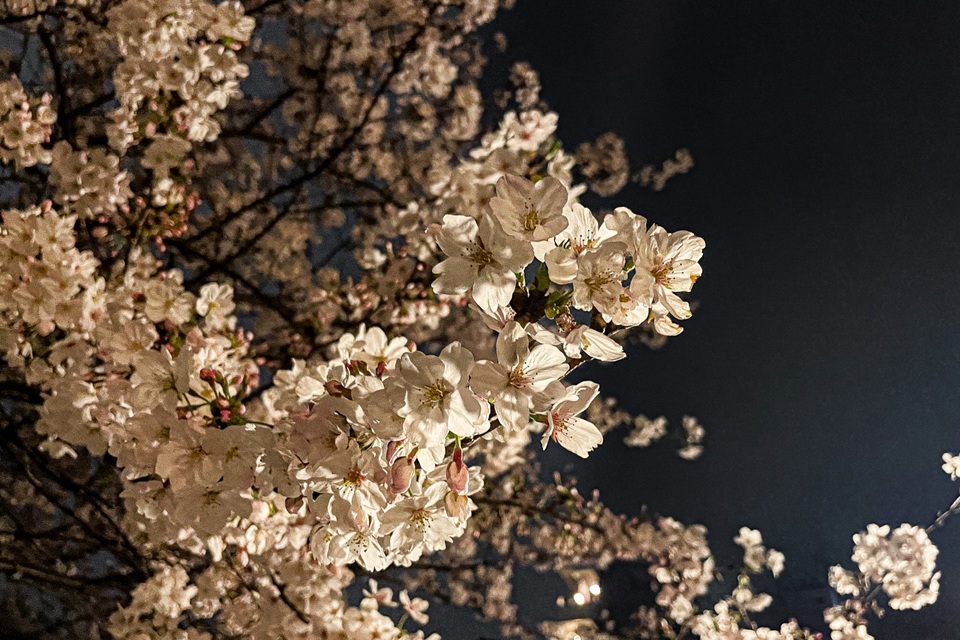
Cherry blossoms bloom for only a short period each year, yet the emotional impact can last a lifetime. Creating an ideal cherry blossom journey requires deliberate planning rather than relying on forecasts alone.
Because bloom timing shifts annually due to temperature variations and regional climate differences, successful travel depends on flexibility, cultural awareness, and precise coordination.
Why Sakura Travel Requires Cultural Experience Designers
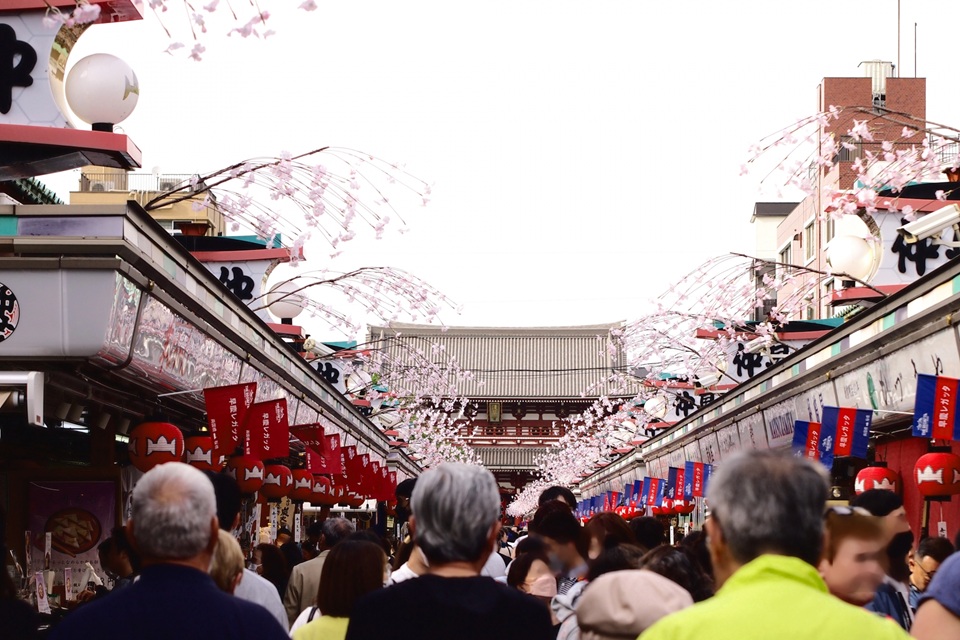
Cherry blossom travel is more complex than selecting famous locations. Peak bloom can advance or delay unexpectedly, and crowd conditions can dramatically affect the quality of the experience.
This is why many discerning travelers rely on Cultural Experience Designers specialists who create culturally immersive and thoughtfully structured journeys beyond standard tourism services.
Understanding sakura also requires cultural context. The concept of Mono no Aware, a Japanese aesthetic describing the gentle awareness of impermanence and the beauty found in fleeting moments, explains why cherry blossoms carry such emotional depth in Japan.
Experiencing sakura through this lens transforms a seasonal visit into a meaningful cultural encounter.
Personalized Cherry Blossom Journeys for Individuals and Groups

Each traveler approaches the cherry blossom Japan season with different priorities. Some seek quiet reflection in historic gardens, while others plan celebratory gatherings or corporate recognition programs.
Successful itineraries often follow the Sakura Front the seasonal wave of cherry blossom blooms moving northward across Japan, allowing flexibility in choosing regions with optimal bloom conditions.
To enhance confidence and maximize bloom success, planners frequently adopt Golden Route Planning a curated strategy that limits destinations to the most reliable and culturally significant locations, ensuring depth of experience rather than rather than overwhelming movement
Personalization aligns timing, accommodation, and cultural activities with each traveler’s goals while respecting the seasonal rhythm of spring in Japan.
Start Planning Your Cherry Blossom Experience
The cherry blossom Japan season is one of the most anticipated yet unpredictable travel moments in the world.
Bloom timing, weather conditions, and crowd levels can significantly influence the quality of the experience.
For travelers seeking a refined and meaningful journey, thoughtful planning makes the difference between simply seeing cherry blossoms and truly experiencing Japan’s spring culture.
Working with experienced cultural experience designers specialists who craft immersive journeys rooted in authentic Japanese traditions helps transform a seasonal visit into a carefully curated cultural experience.
From selecting the right destinations to coordinating seasonal dining and exclusive viewing opportunities, expert planning ensures that each moment reflects the beauty and depth of Japan’s spring.Early preparation helps secure the best timing, atmosphere, and access.
From private yakatabune cruises to exclusive festival access, MOTENASU JAPAN handles every detail so you don’t have to. Tell us your dream sakura experience — we’ll make it happen.

・元プロボクサー 柔道有段者 アームレスリング選手
・元飲食店5店舗の代表取締役であり、飲食業界の総合コンサルタント、広告クリエイター
・独自の視点と挑戦を続ける姿勢で、SEOやWebマーケティングに関する記事を執筆しLPのコンバージョン率UP
・海外でのビジネス経験を持ち、国際的な視点からもアプローチ
・現在、山奥で狩猟生活|Web戦略・SEO・LP制作・チャットボット構築支援を行う
・生成AI×プロ編集でSEO記事制作を推進。勝てるキーワードから集客導線を設計。
・構成設計からHTML入稿、効果測定まで伴走。


