





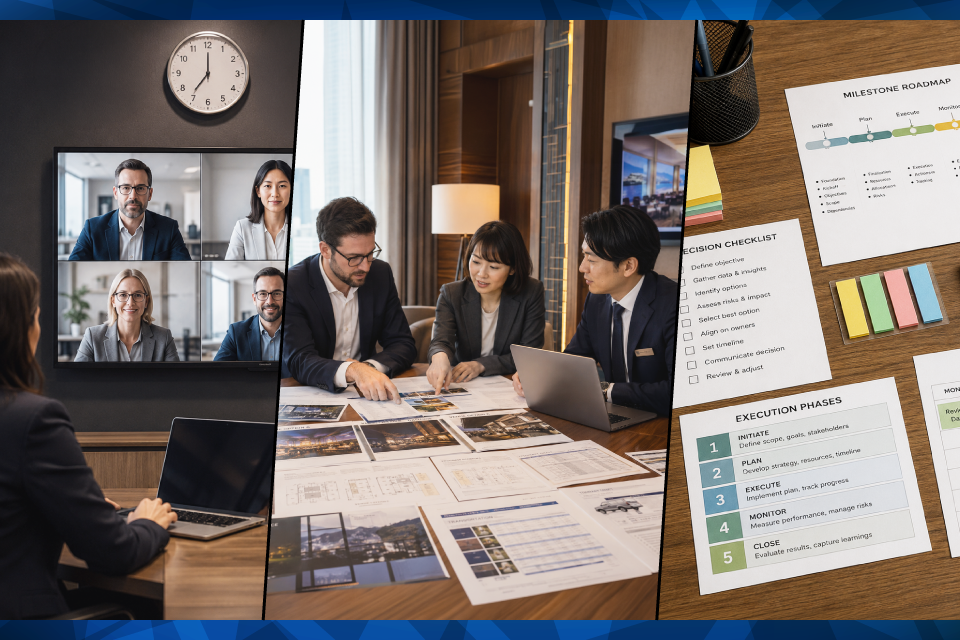

Planning a corporate conference can be exciting—but it can also feel overwhelming, especially when the event involves hundreds of attendees or participants from multiple countries. Questions such as “Should we hire a conference event planner?” or “Do we need a Destination Management Company (DMC)?” are common for organizations planning large-scale or international events for the first time.
A professional conference event planner helps coordinate every stage of the planning process, while a DMC provides specialized local expertise for events held in a specific destination. Understanding the differences between these roles—and knowing when each is needed—can help organizations make informed planning decisions while reducing operational risks.
In this guide, you’ll learn what a conference event planner does, the essential skills and responsibilities of the role, why companies choose to work with professional planners, and the key factors to consider when organizing global conferences. You’ll also discover how Destination Management Companies support international events and when partnering with one can add value, particularly in the Asia-Pacific region.
- What a conference event planner does and how the role supports successful business events
- The essential skills professional planners bring to complex conference planning
- Why companies hire event planning professionals instead of relying only on internal teams
- How to choose the right conference planning partner for your organization
- What to prepare when planning an international conference or meeting
- When a Destination Management Company (DMC) becomes valuable for global events
- How to take the next step toward planning a successful conference in the Asia-Pacific region
Conference Event Planner Basics

Planning a successful conference involves far more than booking a venue or sending invitations. A conference event planner coordinates every stage of the planning process, helping organizations manage budgets, logistics, suppliers, and attendee experiences while keeping projects on schedule.
What is a Conference Event Planner?
A conference event planner is a professional who organizes and coordinates every aspect of a conference or business event, ensuring that it runs smoothly from initial planning through post-event evaluation. According to the U.S. Bureau of Labor Statistics (BLS), meeting, convention, and event planners arrange all aspects of professional gatherings, including selecting venues, coordinating transportation, managing vendors, and overseeing event operations.
Unlike a coordinator focused on a single task, a conference event planner oversees strategy, logistics, budgets, timelines, and stakeholder communication throughout the event lifecycle.
Some of the core responsibilities of a conference event planner include:
| Responsibility | Typical Tasks |
| Event Planning | Define event objectives, create timelines, and develop project plans. |
| Venue Selection | Research venues, conduct site inspections, and negotiate contracts. |
| Budget Management | Prepare budgets, monitor expenses, and optimize spending. |
| Vendor Coordination | Manage caterers, audiovisual providers, transportation, decorators, and other suppliers. |
| Attendee Management | Handle registrations, seating plans, communications, and on-site support. |
| Schedule Coordination | Organize speaker sessions, networking activities, and event agendas. |
| On-site Operations | Supervise event execution and respond to unexpected issues in real time. |
| Post-event Evaluation | Review performance, collect attendee feedback, and measure event outcomes. |
For large corporate conferences, planners coordinate multiple suppliers, internal teams, and attendees while ensuring that operational decisions support the organization’s overall event objectives.
Salary and Employment Outlook
Conference event planning is a growing profession. According to the U.S. Bureau of Labor Statistics (BLS), meeting, convention, and event planners earned a median annual salary of US$59,440 in May 2024.
| Employment Data (U.S. BLS, 2024) | Value |
| Median Annual Salary | US$59,440 |
| Lowest 10% | Under US$35,990 |
| Highest 10% | Over US$101,310 |
| Projected Employment Growth (2024–2034) | 5% |
| Average Growth (All Occupations) | 3% |
| Estimated Annual Job Openings | Approximately 15,500 |
The BLS projects employment to grow 5% between 2024 and 2034, reflecting continued demand for professionally managed conferences and business events. Salaries vary by experience, industry, location, and event complexity.

Essential Skills for Event Planners

Successful conference planning requires strong communication, organization, budgeting, and problem-solving skills. According to the U.S. Bureau of Labor Statistics (BLS), these core competencies help planners coordinate complex events efficiently.
| Skill | Why It Matters | Practical Example |
| Communication Skills | Keeps stakeholders aligned throughout the project. | Providing weekly progress updates to clients while coordinating venue, catering, and AV vendors. |
| Organizational and Management Skills | Ensures multiple tasks and deadlines stay on schedule. | Managing contracts, speaker schedules, registrations, and logistics simultaneously. |
| Budget Management | Maximizes event value while controlling costs. | Monitoring expenses, negotiating supplier contracts, and adjusting spending when priorities change. |
| Problem-Solving | Enables quick responses to unexpected challenges. | Rearranging session schedules after a flight delay or finding an alternative supplier when equipment becomes unavailable. |
Communication Skills
Strong communication helps planners coordinate clients, suppliers, speakers, sponsors, and attendees throughout the planning process. Clear communication reduces misunderstandings, improves collaboration, and keeps projects on schedule.
Effective communication includes:
- Writing clear emails, proposals, and project documentation.
- Leading meetings with defined agendas and action items.
- Providing regular progress reports to stakeholders.
- Listening carefully to client objectives before recommending solutions.
- Coordinating expectations between multiple vendors and departments.
Consistent communication keeps every stakeholder aligned with the event objectives.
Organizational and Management Skills
Corporate conferences involve many interconnected tasks, including venue management, speakers, registrations, catering, and logistics. Strong organizational skills help planners coordinate these activities while keeping projects on schedule.
Successful planners typically:
- Break large projects into manageable phases.
- Track deadlines across multiple teams.
- Maintain detailed documentation for contracts and logistics.
- Monitor dependencies to prevent scheduling conflicts.
- Pay close attention to operational details without losing sight of overall project goals.
Effective organization reduces operational risk and supports successful event delivery.
Budget Management
Budget management involves forecasting costs, monitoring expenses, negotiating with suppliers, and allocating resources efficiently throughout the planning process.
Common budget management responsibilities include:
- Developing realistic event budgets.
- Monitoring expenditures throughout the planning process.
- Negotiating competitive pricing with suppliers.
- Prioritizing spending based on business objectives.
- Maintaining contingency funds for unforeseen expenses.
Effective budget management helps organizations maximize event quality while controlling costs.
Problem-Solving
Even well-planned conferences can face unexpected challenges, such as travel delays, speaker cancellations, or technical issues. Experienced planners prepare contingency plans and respond quickly to minimize disruption.
Examples of real-world problem-solving include:
- Securing an alternative venue after an unexpected cancellation.
- Adjusting room layouts when registration exceeds expectations.
- Reassigning presentation times following travel delays.
- Coordinating replacement vendors if scheduled suppliers become unavailable.
- Managing weather-related schedule adjustments for off-site activities.
Proactive problem-solving helps conferences continue smoothly when unexpected situations occur.

Why Companies Hire Event Planners

While smaller meetings can often be managed internally, larger conferences usually require specialized planning expertise. A conference event planner helps organizations coordinate suppliers, timelines, and logistics while keeping projects on track.
| Reason | Why It Matters | Expected Benefit |
| Time Efficiency | Reduces the workload placed on internal teams. | Employees remain focused on their primary business responsibilities. |
| Managing Complexity | Coordinates multiple vendors, departments, and project timelines. | Fewer delays, improved collaboration, and smoother execution. |
| Professional Expertise | Brings industry knowledge, supplier networks, and risk management experience. | Better decision-making, stronger vendor relationships, and higher event quality. |
| International Support | Helps manage language, legal, cultural, and logistical challenges. | More efficient planning for international conferences and global attendees. |
Time Efficiency
Planning a corporate conference requires significant time and coordination. Internal teams often balance event planning alongside their regular responsibilities, making it difficult to maintain project momentum.
For organizations without a dedicated events team, these responsibilities are often added to the workloads of HR, marketing, or corporate communications professionals. Balancing conference planning alongside regular business responsibilities can slow decision-making and increase the likelihood of missed deadlines.
Professional planners manage day-to-day planning activities, allowing internal teams to focus on strategic priorities.
Managing Complexity
As conferences grow, planners must coordinate multiple suppliers, venues, speakers, transportation, accommodations, and internal teams. Managing these interdependent tasks requires structured project management and continuous monitoring.
Experienced planners identify risks early and keep projects aligned from planning through execution.
Professional Expertise
Experienced planners contribute specialized knowledge that helps organizations negotiate with suppliers, manage risks, and improve event quality.
Professional expertise often includes:
- Negotiating contracts with venues and vendors.
- Developing realistic project timelines.
- Managing event risks and contingency planning.
- Coordinating cross-functional project teams.
- Applying industry best practices to improve the attendee experience.
Established industry networks also help planners identify reliable suppliers more efficiently.
International Support
International conferences introduce additional challenges, including multilingual communication, local regulations, cultural differences, and cross-border logistics.
Common considerations include:
- Coordinating interpreters and translated event materials.
- Understanding local business customs and cultural practices.
- Managing visa documentation and entry requirements for international attendees.
- Working with local suppliers who operate under different regulations and business processes.
- Scheduling activities across multiple time zones.
Working with an experienced local partner can help organizations manage these challenges more efficiently.

Three Key Points When Choosing a Planner

Choosing the right conference event planner is a key part of successful conference planning. Beyond pricing, organizations should evaluate a planner’s experience, communication style, and service capabilities to ensure they can support the event’s objectives.
| Evaluation Area | What to Confirm | How to Verify |
| Experience and Track Record | Relevant experience with similar events, industries, and attendee sizes | Review case studies, client references, portfolios, and past event results. |
| Communication Style | Reporting process, response times, and project transparency | Discuss communication methods, meeting schedules, and escalation procedures during initial conversations. |
| Scope of Services | Services included, international capabilities, and partner network | Request a detailed service list and ask about global event experience, language support, and local partnerships. |
Experience and Track Record
Organizations should look for planners with experience managing events of similar size, complexity, and industry focus.
Useful ways to evaluate a planner’s experience include:
- Reviewing case studies from comparable conferences.
- Requesting examples of previous corporate events.
- Asking for client references or testimonials.
- Confirming experience within your industry or business sector.
- Discussing how unexpected challenges were handled during past projects.
Relevant experience helps reduce planning risks and improves decision-making throughout the project.
Communication Style
Conference planning requires regular communication between clients and planners. Understanding how updates, reporting, and issue management will be handled helps projects stay organized.
Questions worth asking include:
- How often will project status meetings be held?
- What reporting format is used for budgets and timelines?
- Who is responsible for day-to-day communication?
- How are schedule changes or operational risks communicated?
- What response time can be expected for urgent requests?
A transparent communication process helps keep projects on schedule.
Scope of Services
Event planners offer different levels of support, from venue sourcing to full-service conference management. Organizations should confirm that the services provided match their event requirements.
Important areas to confirm include:
- International conference planning experience.
- Access to reliable local partner networks.
- Multilingual communication and interpretation support.
- Coordination with local venues and suppliers.
- Familiarity with regional regulations and business practices.
For international conferences, planners with global experience or strong local DMC partnerships can provide valuable additional support.
Essential Considerations for Global Conference Planning
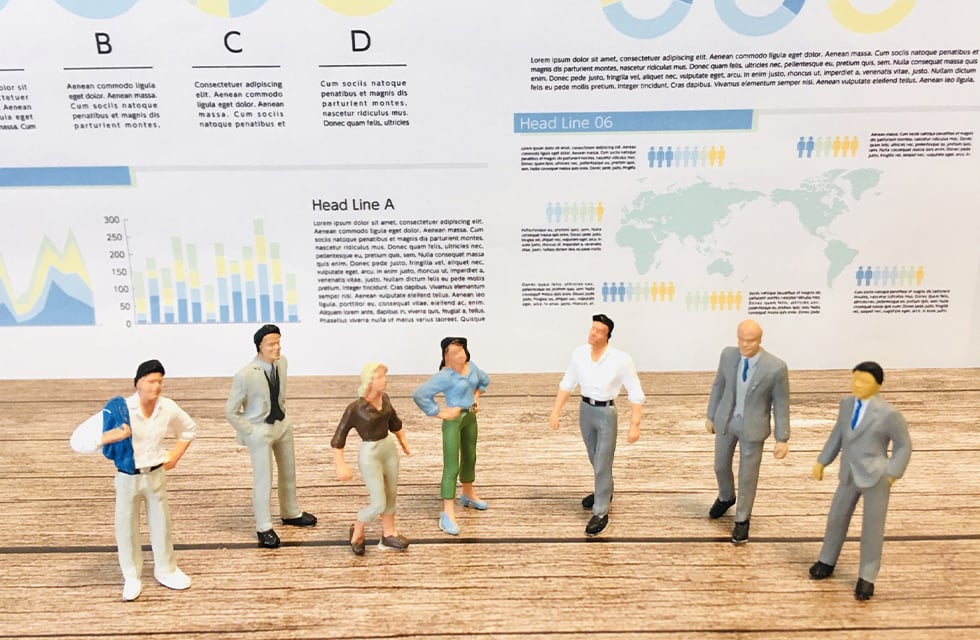
Planning an international conference involves additional challenges such as multilingual communication, local regulations, logistics, and financial management. Addressing these considerations early helps reduce operational risks and improve the attendee experience.
| Planning Area | Primary Challenge | Best Practice |
| Language Support | Communicating clearly with multilingual audiences | Prepare translated materials and arrange professional interpreters when necessary. |
| Time Zone Management | Coordinating participants across different regions | Schedule meetings and communications with global time differences in mind. |
| Visas and Legal Permits | Meeting entry and regulatory requirements | Confirm visa timelines and local regulations well in advance. |
| Local Vendors and Partners | Finding reliable service providers | Work with reputable local suppliers and verify references before contracting. |
| Currency and Payment Systems | Managing international budgets and payments | Plan for exchange rate fluctuations, taxes, and international payment methods. |
Language Support
International conferences often require multilingual communication with attendees, speakers, suppliers, and venue staff. Translation and interpretation services should be planned early to ensure clear communication.
Common language support requirements include:
- Simultaneous or consecutive interpretation for presentations.
- Translation of printed and digital event materials.
- Multilingual registration and customer support.
- Bilingual event staff for on-site assistance.
- Language support for suppliers and local vendors.
Early planning improves translation quality and reduces last-minute issues.
Time Zone Management
Scheduling across multiple time zones is one of the earliest challenges in global conference planning. Organizers should consider participants’ working hours when arranging meetings and event sessions.
Good practices include:
- Identifying the primary geographic distribution of attendees.
- Scheduling important sessions during overlapping business hours whenever possible.
- Clearly displaying event times with time zone references.
- Sending reminders based on participants’ local time.
- Recording sessions for attendees who cannot join live.
Careful scheduling helps improve attendance, reduces confusion, and creates a more inclusive experience for global participants.
Visas and Legal Permits
International conferences may require organizers to manage visa requirements, invitation letters, and local regulations. These requirements vary by destination and should be confirmed early in the planning process.
Planning teams should:
- Identify visa requirements for international participants.
- Provide invitation letters where appropriate.
- Confirm application timelines and processing periods.
- Understand local regulations affecting the event.
- Allow sufficient time for approvals before finalizing schedules.
Early preparation helps avoid delays that could affect attendee participation.
Local Vendors and Partners
Reliable local suppliers are essential for successful international conferences. Organizations should evaluate vendors based on experience, responsiveness, and reliability rather than price alone.
Useful evaluation methods include:
- Reviewing client testimonials and case studies.
- Requesting references from previous corporate clients.
- Confirming experience with international conferences.
- Verifying licenses, insurance, or required certifications.
- Assessing responsiveness during the proposal process.
An experienced local DMC can help identify qualified suppliers and coordinate destination-specific operations.
Currency and Payment Systems
International conferences often involve payments in multiple currencies. Exchange rates, taxes, transfer fees, and payment schedules should be considered during budget planning.
Organizations can reduce financial risk by:
- Establishing budgets in both home and local currencies.
- Monitoring exchange rate movements during the planning period.
- Understanding international payment schedules and transfer fees.
- Clarifying tax obligations before signing contracts.
- Including contingency funds for currency fluctuations and unexpected expenses.
Careful financial planning improves budget control and helps prevent unexpected costs.
Planning an international conference in Japan or Asia-Pacific? Our team can handle the local details for you.
Understanding Destination Management Companies (DMCs)

As conferences become more international, organizations often require destination-specific expertise alongside overall event planning. A Destination Management Company (DMC) provides local knowledge, supplier networks, and operational support that complement the work of a conference event planner.
What is a DMC?
A Destination Management Company (DMC) specializes in planning and managing events within a specific destination. Unlike a conference planner, who oversees the overall event strategy, a DMC focuses on local logistics, supplier coordination, and destination expertise.
A DMC bridges global event planning with efficient local execution.
Primary DMC Responsibilities
DMCs coordinate destination-specific operations using established relationships with local venues, suppliers, hotels, transportation providers, and service partners.
Typical DMC responsibilities include:
| Responsibility | How a DMC Supports the Event |
| Venue Sourcing | Recommends suitable venues based on event objectives, capacity, and local availability. |
| Vendor Coordination | Manages local suppliers such as audiovisual companies, caterers, transportation providers, and decorators. |
| Logistics Management | Coordinates airport transfers, accommodation, local transportation, and attendee movements. |
| Cultural & Business Guidance | Advises on local customs, etiquette, and business practices. |
| Language Support | Arranges interpreters, translators, and multilingual event staff. |
| Regulatory Assistance | Helps navigate destination-specific permits, venue requirements, and operational regulations. |
| On-site Operations | Oversees local event execution and resolves operational issues during the conference. |
Their local expertise helps organizations deliver conferences more efficiently in unfamiliar destinations.
When to Use a Planner vs. a DMC
Conference planners and DMCs have different but complementary roles. Planners manage the overall project, while DMCs oversee destination-specific operations and local execution.
| Category | Conference Event Planner | Destination Management Company (DMC) |
| Primary Role | Overall conference planning and project management | Local destination planning and execution |
| Area of Expertise | Event strategy, budgeting, scheduling, stakeholder coordination | Destination knowledge, local logistics, supplier management |
| Strengths | Managing the complete planning process | Delivering efficient on-the-ground operations |
| Best Time to Engage | Early planning and project development | After the destination has been selected and local planning begins |
| Key Information Required | Business objectives, budget, audience, event scope | Venue requirements, local logistics, attendee needs, operational details |
For international conferences, many organizations benefit from working with both partners.
Conference Planning in Asia-Pacific
The Asia-Pacific region offers excellent opportunities for international conferences but also presents diverse languages, business practices, and regulatory environments.
Organizations planning conferences in the region should consider factors such as:
- Multiple official languages and multilingual audiences.
- Diverse cultural and business customs across countries.
- Country-specific regulations and permit requirements.
- Coordination across several time zones.
- Differences in local supplier networks and operational standards.
An experienced local DMC can help organizations navigate these regional differences more efficiently.

Conclusion: Getting Started
Successful conference planning depends on selecting the right partners and preparing for both strategic and operational challenges. Understanding when to work with a conference planner, a DMC, or both helps organizations deliver more effective international events.
Decision Framework

The appropriate level of planning support depends on the size, complexity, and location of your conference.
| If your conference… | Consider Working With… |
| Has fewer than 100 attendees and a single location | Internal team or conference planner, depending on available resources |
| Involves multiple venues, suppliers, or departments | Conference event planner |
| Welcomes international attendees or speakers | Conference planner with international experience |
| Is hosted in another country | Destination Management Company (DMC) |
| Requires both strategic planning and local execution | Conference planner and DMC working together |
You may also find professional support valuable if your event includes:
- More than 500 attendees.
- Tight planning timelines.
- Complex logistics across multiple locations.
- Multilingual participants.
- Cross-border supplier coordination.
- Country-specific regulations or permit requirements.
Larger or international conferences often benefit from combining strategic planning with destination-specific expertise.
Next Steps

Once planning requirements are clear, organizations can begin evaluating potential conference planners and DMC partners.
A typical selection process includes:
- Define your conference objectives, budget, audience size, and preferred destination.
- Prepare a Request for Proposal (RFP) outlining your event requirements.
- Shortlist planners or DMCs with relevant industry and destination experience.
- Review case studies, client references, and proposed project approaches.
- Compare service scope, communication processes, and pricing before making a final decision.
Completing these steps before requesting proposals helps streamline the planning process.
Call to Action
MOTENAS JAPAN supports international organizations planning conferences and corporate events across Japan and the Asia-Pacific region. Our team combines conference planning expertise with local destination management services to help deliver successful events.
Contact our team to discuss your upcoming conference.

毎月1回以上国内・海外旅行をする旅好きライターです。
フランス・ベトナム一人旅を筆頭に、ひとりで美味しいものを食べながらゆったり旅をするのが好きです。

