





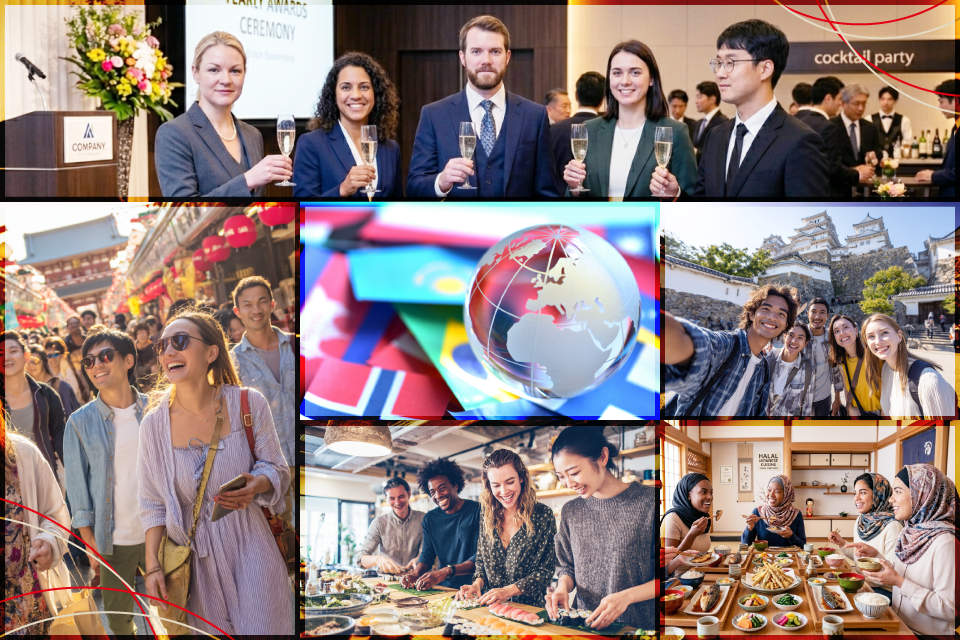

Incentive travel is a strategic investment in your organization’s human capital, not just a luxury getaway. When executed correctly, it serves as a powerful medium to communicate corporate values and build deep-rooted loyalty among top performers.
However, planning a high-stakes program in a destination like Japan requires more than just five-star hotels—it demands a nuanced, cultural approach. This guide identifies critical planning pitfalls and reveals how to transform standard itineraries into extraordinary corporate milestones.
How to Plan Incentive Travel for Employees Effectively

To successfully plan incentive travel for employees, planners must define clear objectives and utilize pre-trip feedback.
A successful itinerary balances structured team-building activities with ample free time, ensuring the experience feels like a genuine, personalized reward tailored to top performers.
Defining Clear Strategic Objectives
Before picking a destination, define what success looks like. Is the goal to foster innovation, celebrate a record-breaking year, or strengthen ties with global partners? Use pre-trip surveys to capture critical data on:
- Dietary Restrictions: Halal, Vegan, Gluten-free
- Activity Interests: Culture, Adventure, Wellness
- Past Destinations: To avoid repetitive experiences and ensure novelty.
Balancing Culture with Leisure
The most effective programs integrate team-building organically. Instead of forced icebreakers, consider shared cultural experiences that create natural bonds.
| Activity Type | Example Experience in Japan | Corporate Benefit |
| Interactive | Private Sumo Workshop | High-energy bonding & laughter |
| Reflective | Zen Meditation at a Temple | Focus, mindfulness, & stress relief |
| Collaborative | Traditional Wadaiko Drumming | Rhythmic synchronization & unity |
Streamlining Seamless Communication
Unclear communication regarding logistics creates unnecessary stress. Providing a high-tech mobile app or a dedicated digital concierge ensures that attendees have 24/7 access to their itinerary, contact details, and local tips, making the journey effortless from start to finish.
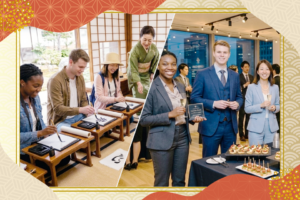
5 Common Mistakes in Incentive Travel Planning

Common incentive travel mistakes include overpacking the schedule without allowing for downtime, ignoring attendee demographics, and failing to plan for contingencies.
These errors often lead to exhausted staff, frustrated attendees, and wasted budgets instead of delivering the intended luxury reward. To ensure a high ROI (Return on Investment), planners must prioritize quality of engagement over the quantity of activities.
Overpacking the Itinerary
One of the most frequent errors is the “more is better” fallacy. Planners often feel compelled to fill every hour with sightseeing or mandatory seminars.
However, for long-haul travelers—such as those flying from the US to Tokyo—jet lag and travel fatigue are significant factors. A jam-packed agenda leaves no room for relaxation, causing attendees to feel like they are working rather than being rewarded.
Ignoring Attendee Demographics
Assuming a “one-size-fits-all” approach, such as a generic all-inclusive resort, often backfires. A group of Gen Z tech innovators has vastly different expectations compared to senior executive partners.
Ignoring the specific interests, physical abilities, and past travel experiences of your group leads to low engagement and a diminished sense of personal recognition.
Lacking Contingency Plans
In international travel, variables such as weather disruptions, flight delays, or sudden vendor issues are inevitable. Failing to have a robust “Plan B” can turn a minor hiccup into a logistical disaster.
High-end incentive travel requires a dedicated support team capable of real-time problem-solving to maintain a seamless experience for the VIP guests.
Prioritizing Work Over Reward
While alignment with corporate goals is necessary, making the trip feel like a mandatory office retreat kills the “reward” aspect.
If the schedule is dominated by PowerPoint presentations in a windowless hotel ballroom, the perceived value of the incentive drops significantly.
The focus should be on Omotenashi (traditional Japanese hospitality)—anticipating needs and providing a sanctuary away from daily stresses.
Neglecting Spouses and Plus-Ones
For many top performers, the ability to share a reward with a partner is a major motivational factor. Restricting guests or failing to provide specialized programming for spouses can reduce the overall appeal of the incentive.
Proper planning includes ensuring that logistics for plus-ones are as seamless as they are for the employees themselves.
Crucial Cultural Considerations in Corporate Events Abroad
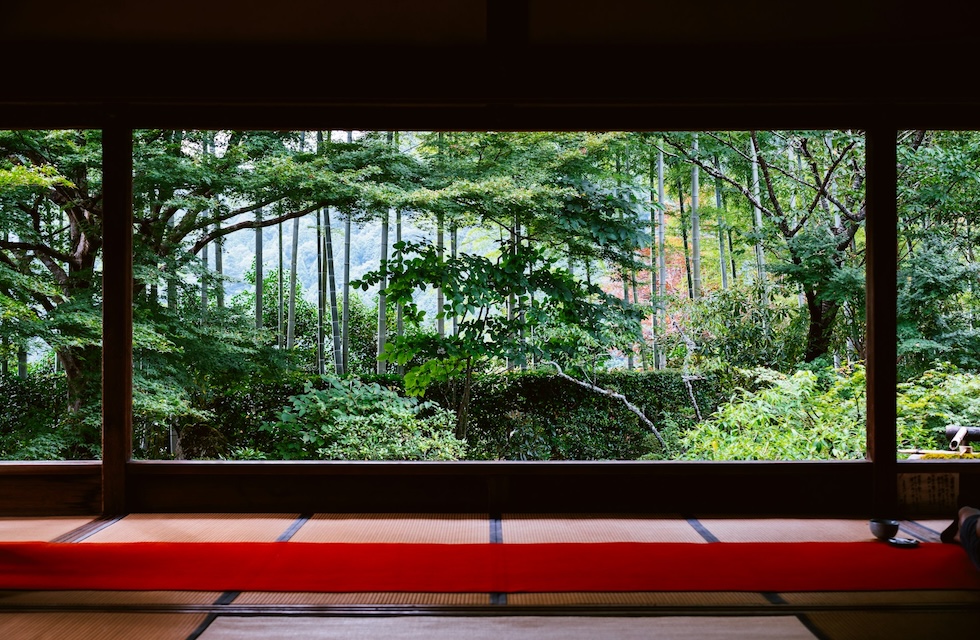
Managing cultural considerations in corporate events is vital for international trips. Planners must proactively address diverse dietary restrictions, religious preferences, and local etiquette. Understanding these nuances prevents logistical disasters and ensures every participant feels respected in the host country.
Addressing Dietary and Religious Needs
In a country like Japan, where traditional dashi (fish stock) is a fundamental staple, managing vegan or halal requirements requires expert local knowledge. It is not enough to simply request “no meat”; a deep understanding of local ingredients is necessary to ensure every guest can dine safely and luxuriously without compromising their beliefs or health.
Navigating Local Etiquette and Customs
When hosting events in historic venues, such as a centuries-old Buddhist temple or a private Ryokan, understanding local customs is paramount.
This includes everything from proper footwear protocols (removing shoes) to the complex nuances of gift-giving and seating hierarchies during a formal banquet. Mastery of these details reflects the prestige of your organization.
Adapting to Regional Atmosphere
What works in a Manhattan ballroom may not translate to a Kyoto garden. Planners must adapt to the unique “Atmosphere” of the destination.
For instance, the Japanese concept of Ma (negative space/pause) suggests that silence and contemplation can be as powerful and rewarding as a loud, high-energy celebration.
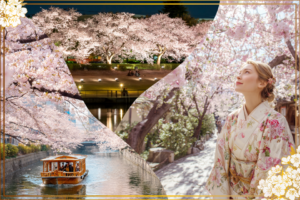
What Determines the True Quality of an Incentive Travel?
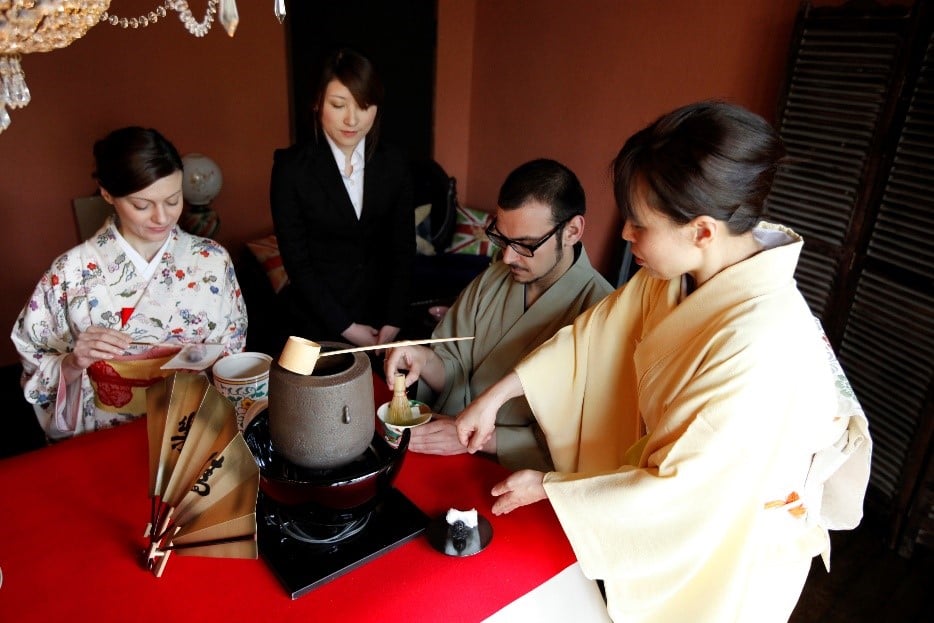
True incentive quality is defined by the depth of personal engagement and recognition, not just the destination. While standard sightseeing offers a superficial view, authentic cultural immersion transforms a corporate trip into a memorable milestone that boosts long-term loyalty and employee retention.
Providing Context in Cultural Activities
A Tea Ceremony is more than just drinking matcha; it is an ancient practice of harmony and respect. Without a professional guide to explain the historical context and the philosophy of Ichi-go Ichi-e (once-in-a-lifetime encounter), the experience remains a mere “photo op.”
Contextual storytelling turns a simple activity into a profound executive insight that resonates with corporate leadership principles.
Avoiding the “One-Size-Fits-All” Trap for VVIPs
VVIP guests often have high “Travel IQs” and have already seen the world’s major landmarks. Quality for this demographic is found in exclusivity and access.
A generic tour bus experience will fail to impress; instead, they value the “Money-Can’t-Buy” moments that occur behind closed doors, far from the standard tourist path.
Elevating Rewards via Cultural Immersion
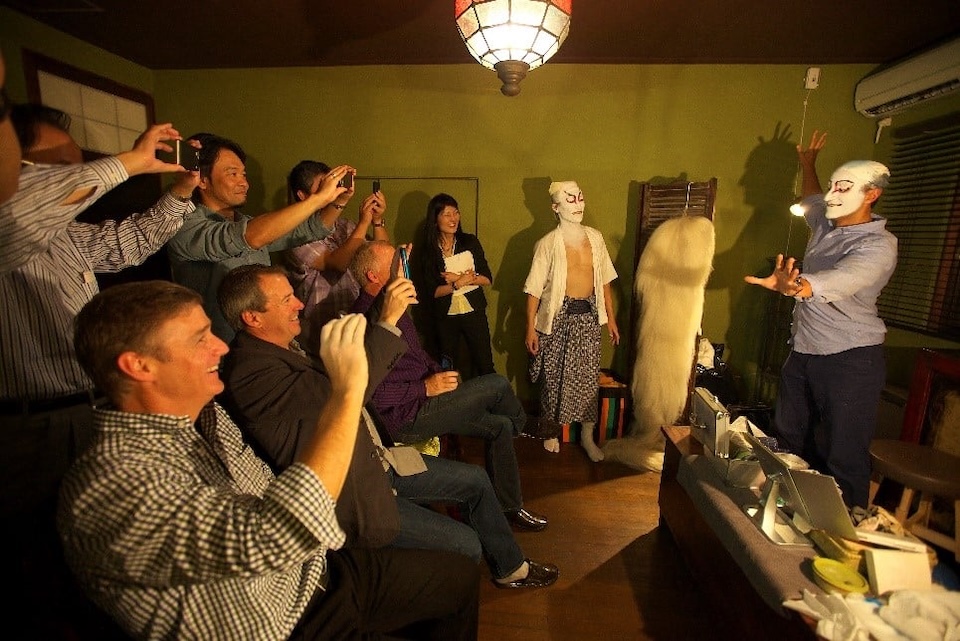
Transitioning from passive observation to active participation maximizes ROI.
Instead of merely watching standard tourist attractions, engaging in private, interactive sessions—such as exclusive Samurai arts or premium Kabuki viewing—creates profound emotional connections and fosters unparalleled team unity among attendees.
Moving Beyond Passive Tourism
Passive tourism—sitting on a bus and looking through a window—creates a barrier between the guest and the destination.
This detachment results in a lack of emotional “stickiness,” meaning the trip is quickly forgotten once the employee returns to their desk. To ensure a lasting impact, activities must be immersive and engaging.
Securing “Money-Can’t-Buy” Exclusive Access
Imagine a gala dinner at a World Heritage temple, closed to the public specifically for your organization, or a private meeting with a renowned master of Kado (flower arrangement).
These high-access experiences signal to your employees that they are truly valued by the company, offering a level of prestige that cannot be purchased on the open market.
Building Deeper Connections Through Interaction
Interactive experiences, such as dressing in authentic Kimono for a tea ceremony or learning the precise strikes of a Katana from a modern-day Samurai, break down corporate barriers.
These moments allow executives to connect on a human level, outside the confines of titles and hierarchies, fostering authentic leadership and team synergy.
MOTENAS JAPAN: Your Luxury Incentive Partner
MOTENAS JAPAN provides a comprehensive destination management solution for corporate groups.
By combining exclusive cultural immersion with flawless logistical support—including premium accommodations, transportation, and specialized dietary management—we eliminate planning risks and deliver unforgettable, high-end incentive trips tailored for VIPs.
Providing “Inaccessible” Cultural Experiences
We specialize in providing the “inaccessible.” Whether it is a private Kabuki performance with a post-show audience with the lead actor or an exclusive Zen session led by a high-ranking monk, we ensure your incentive trip offers experiences that cannot be found in any guidebook.
We understand that for US executives, luxury is defined by unique access and authentic storytelling.
Delivering Seamless Global Logistics
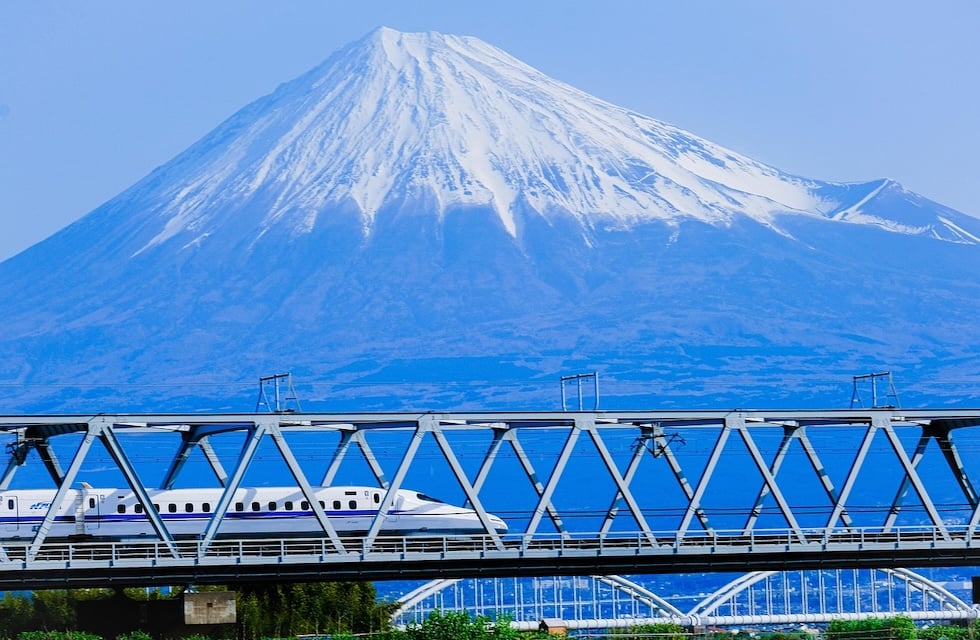
Planning a trip to Japan involves complex logistics, from navigating the Shinkansen system to securing high-end coach transport in crowded city centers. MOTENAS JAPAN serves as your local partner, managing every detail:
- VIP Transportation: Luxury vehicles and private jet handling.
- Premier Accommodations: Booking exclusive suites in top-tier hotels and luxury Ryokans.
- On-site Concierge: Native-level support to handle real-time requests and linguistic barriers.
Crafting Meaningful Team Building and Branding
We don’t just plan trips; we craft experiences that reflect your brand. We can integrate your corporate philosophy into traditional Japanese arts—using the discipline of the Samurai to talk about leadership, or the harmony of the Tea Ceremony to discuss collaboration.
Our one-stop service ensures that your corporate message is woven into every aspect of the journey, maximizing your ROI and leaving your team inspired.
Plan your ultimate Japan experience today.
旅をこよなく愛するWebライター。アジアを中心に16の国にお邪魔しました(今後も更新予定)。
ワーホリを機にニュージーランドに数年滞在。帰国後は日本の魅力にとりつかれ、各地のホテルで勤務。
日本滞在が、より豊かで思い出深いものになるように、旅好きならではの視点で心を込めてお届けします!


