





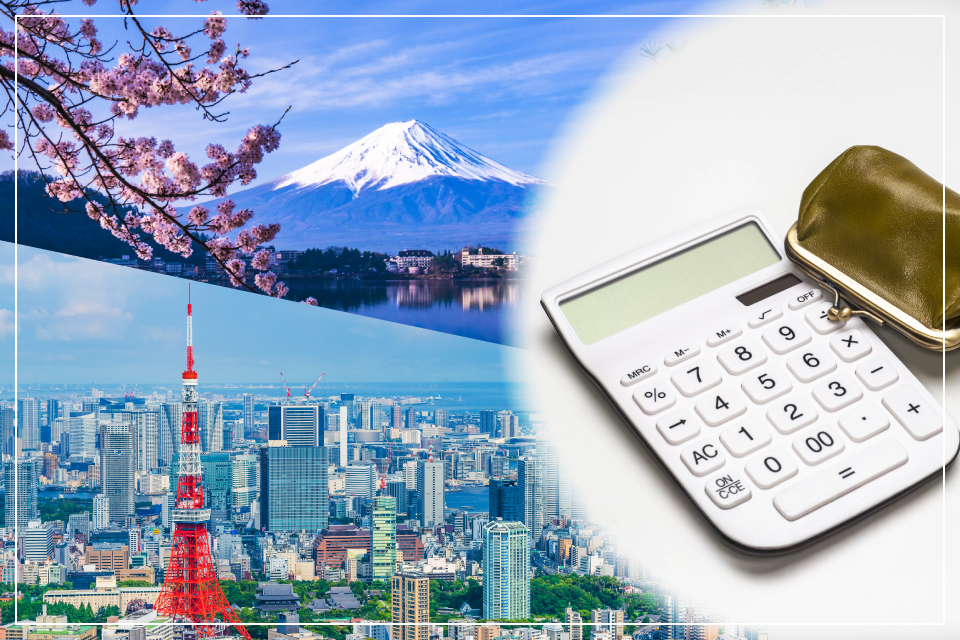

Wondering how much a Japan trip costs in 2026? A 1-week trip typically runs ¥322,000–¥595,000 (USD $2,150–$3,970), while 2 weeks costs ¥644,000–¥1,800,000 (USD $4,300–$12,000), depending on your travel style and accommodation choices.
This guide provides real budget examples for 1-week and 2-week stays in Japan, covering accommodation, food, transportation, activities, and the new ¥3,000 departure tax effective July 2026. We also share practical tips to help you save money without compromising your travel experience.
How Much Does a Trip to Japan Cost?
How much does it japan trip cost to travel in Japan per person per day?
Here’s a breakdown of the average daily expenses for a trip to Japan, including accommodation, meals, and other key categories.
| A rough estimate for the cost of one person for one day in Japan (Tokyo area) | Cost | Note |
| Transportation | ¥3,000–¥5,000 (US$20–35) | Airport → Tokyo Station → Asakusa level travel |
| Meals | ¥8,000–¥15,000 (US$55–100) | casual lunch + hotel restaurant dinner |
| Accommodation | ¥20,000–¥35,000 (US$135–235) | hotel for two people, cost per person |
| Entertainment / Experience | ¥15,000–¥30,000 (US$100–200) | joining a day-tour etc. |
| Estimated total per person per day | ¥46,000–¥85,000 (US$310–570) |
A trip to Japan typically japan trip cost around ¥46,000–¥85,000 (US$310–570) per person per day.
But what happens when you include airfare and other travel expenses?
And are there certain seasons when visiting Japan becomes more affordable?
In the next section, we’ll take a closer look at these factors and explore how to plan your trip wisely.
Japan Travel Cost Overview

In this section, we’ll explore how travel costs vary by season and look at airfare to Japan from different regions.
If you’re hoping to make your trip to Japan more affordable or simply want to understand the typical flight costs, this guide will be a helpful reference.
Seasonal Price Variations
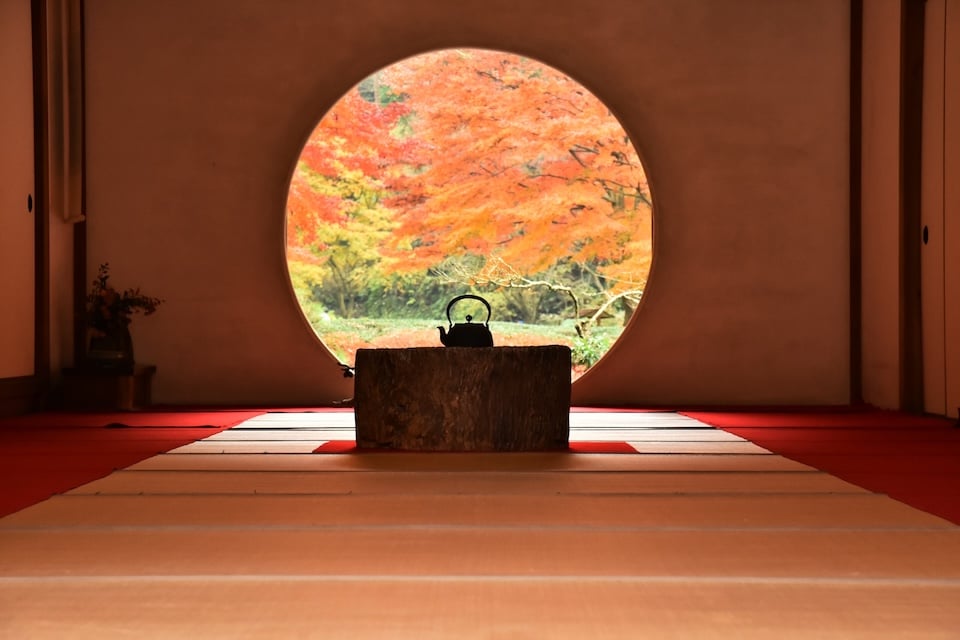
Japan has four distinct seasons. As a result, hotels and restaurants offering close views of cherry blossoms in spring, fireworks in summer, autumn foliage in fall, and snowy landscapes in winter tend to become highly sought after, leading to price increases.
For example, during the cherry blossom season, prices may rise by approximately ¥10,000–¥20,000 (US$65–130) compared to the regular season.
Cheapest Time to Visit Japan in 2026
n Japan, travel costs tend to rise during major events and festivals such as cherry blossom viewing, fireworks festivals, autumn foliage season, and snow festivals.
Therefore, avoiding these busy periods — particularly traveling in February, June, or from late November to early December — can help you save money.
Estimated Cost for a One-Week Trip to Japan
For travelers planning a one-week visit, the total cost will vary depending on your travel style and accommodation preferences. Based on the daily budget estimates above, a budget-conscious traveler can expect to spend approximately ¥322,000 (around US$2,150) for seven days, while a mid-range trip typically costs about ¥455,000 (around US$3,040). Travelers seeking a more luxurious experience should budget approximately ¥595,000 (around US$3,970) for a week in Japan.
| Daily Budget | Estimated Cost for 7 Days |
| ¥46,000 (around US$307) | ¥322,000 (around US$2,150) |
| ¥65,000 (around US$434) | ¥455,000 (around US$3,040) |
| ¥85,000 (around US$567) | ¥595,000 (around US$3,970) |
These estimates include accommodation, transportation, dining, and general sightseeing expenses. However, international airfare is not included, as flight costs vary considerably depending on your departure location, travel season, and booking date.
Travelers visiting during peak periods such as cherry blossom season, Golden Week, or the year-end holidays should also expect higher accommodation and transportation costs.
Estimated Cost of a Two-Week Trip to Japan
For travelers planning a longer stay, a two-week trip will generally cost about twice as much as a one-week itinerary. As a guideline, budget-conscious travelers should expect to spend approximately ¥644,000–¥800,000 (around US$4,300–$5,400), while a typical mid-range trip will cost about ¥910,000–¥1,300,000 (around US$6,070–$8,700).
Travelers seeking a more luxurious experience should budget approximately ¥1,190,000–¥1,800,000 (around US$7,940–$12,000) for two weeks in Japan.
As with the one-week estimates above, these figures do not include international airfare and may increase during peak travel seasons.
Ways to Travel Smart and Save Money
If you’re looking to keep your travel expenses low, one option is to book hotels located a bit farther from famous cherry blossom spots in spring.
To enjoy the blossoms while saving money, consider
・making reservations early,
・avoiding major cities like Tokyo
・ consulting a travel agency
for more budget-friendly plans.
Regional Differences in Travel Expenses
In the previous section, we explored the average cost of traveling in Japan and how prices fluctuate depending on the season.
If you’re now feeling inspired to plan your trip, let’s take a closer look at airfare.
In this section, we’ll introduce the average cost of flights to Japan by region of departure.
| Round-trip airfare estimates (Economy 1person) | Price |
| China (Beijing → Tokyo) | ¥30,000 – ¥60,000 (≈ US$200 – 400) |
| Indonesia (Jakarta → Tokyo) | ¥50,000 – ¥100,000 (≈ US$330 – 670) |
| Australia (Sydney → Tokyo) | ¥80,000 – ¥200,000 (≈ US$530 – 1,330) |
| United States (New York → Tokyo) | ¥110,000 – ¥170,000 (≈ US$730 – 1,130) |
| France (Paris → Tokyo) | ¥95,000 – ¥140,000 (≈ US$630 – 940) |
| Kenya (Nairobi → Tokyo) | ¥140,000 – ¥220,000 (≈ US$930 – 1,470) |
These are approximate airfare prices to Japan by region. However, airfare can vary significantly depending on factors such as the time of search, whether it’s a direct or connecting flight, baggage conditions, and available sales or promotions.
If you want to know more accurate prices or don’t have time to book your flights yourself, it’s recommended to consult a travel agency, which can handle the research and booking on your behalf.
If you need help for book your flight , feel free to ask here anytime.
Breakdown of Japan Trip Cost by Category
From here, let’s take a closer look at the detailed costs of traveling in Japan.
How much would it be if you upgraded to a luxury hotel? How much would it cost to dine at a famous restaurant?
We’ll simulate different scenarios to help you understand how the total expenses can change depending on your choices.
Accommodation Costs
In Japan, there’s a significant difference in price between hotels for regular travelers and luxury hotels for VIP guests. Here, we’ll take a look at the different types of hotels, their price ranges, and the advantages and disadvantages of staying at each.
| Accommodation Types in Japan and Their Typical Prices | Approx. Cost per Night (per person) |
| Capsule Hotel | ¥4,000–¥12,000 (US$25–80) |
| Guesthouse / Hostel | ¥6,000–¥15,000 (US$40–100) |
| Business Hotel | ¥12,000–¥25,000 (US$80–165) |
| Concept Hotel | ¥20,000–¥50,000 (US$130–330) |
| Luxury Hotel | ¥60,000–¥150,000+ (US$400–1,000+) |
Japan offers a wide range of accommodations, from budget-friendly capsule hotels to world-class luxury properties.
Due to strong inbound tourism demand and rising operating costs, hotel prices in Japan have increased significantly in recent years. Compared with pre-pandemic levels, travelers can generally expect to pay approximately ¥5,000–¥15,000 (around US$35–100) more per night for comparable accommodations, particularly in major tourist destinations such as Tokyo, Kyoto, and Osaka.
Travelers should also be aware of Japan’s accommodation tax, which is charged separately by some major cities. In destinations such as Tokyo, Osaka, and Kyoto, guests staying at higher-priced hotels may be required to pay an additional accommodation tax of approximately ¥100–¥200 (around US$1–2) per person per night, although the exact amount varies by city and room rate.
While the fee is relatively small, it is worth including in your travel budget, especially for longer stays or large group trips.
Transportation Costs
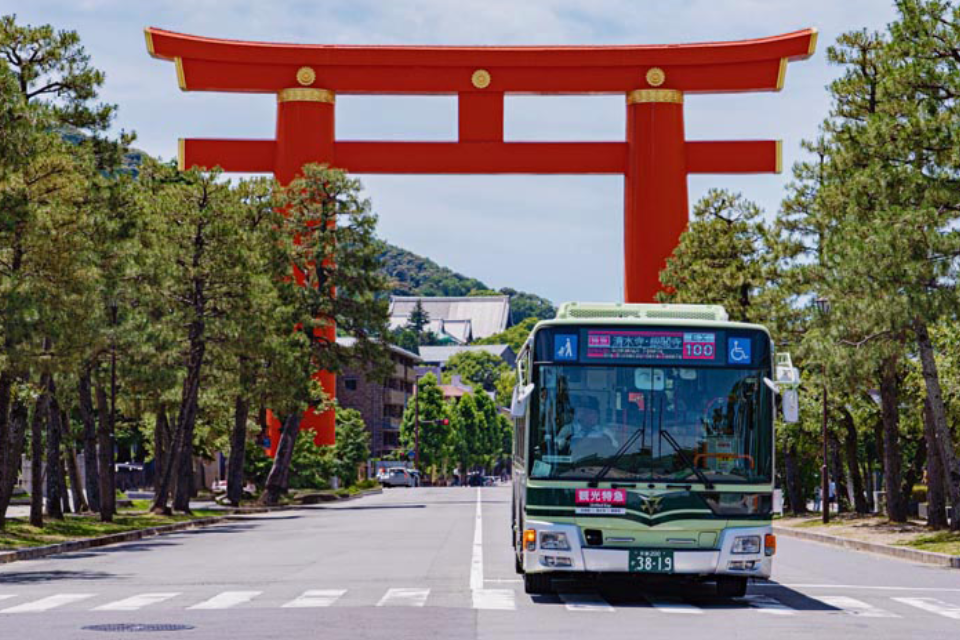
Japan offers a variety of transportation options.
In this section, we’ll explore the main types of transportation available, and the advantages and disadvantages.
| Main Transportation Options in Japan and Their Average Costs (approximately 10km) | Approx. Cost per person |
| Train | ¥200–300 (US$1.3–2) |
| Bus | ¥210–230 (US$1.4–1.6) |
| Taxi/Uber | ¥4,000–5,000 (US$26–33) |
Transportation in Japan can be quite complicated, so it’s a good idea to buy a cashless card such as Suica in advance to make payments smoother.
Before taking the train, check your route by searching “From ___ Station to ___ Station” so you can easily understand how to get there.
If you’re not confident about taking the train or prefer more private and comfortable transportation, using ride-hailing services like Uber or private taxi services is recommended.
If you’d like to learn more about transportation in Japan, please check the related articles below.
Dining Costs
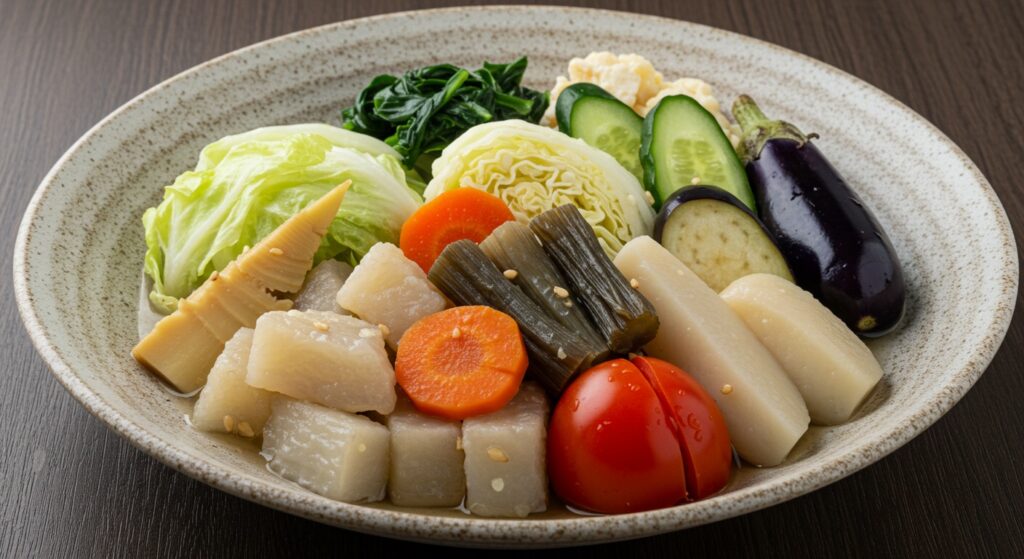
In Japan, you can enjoy not only Japanese food but also cuisines from all over the world — such as Chinese, French, and Indian.
Because there are so many different types of restaurants, prices can vary greatly.
Here, we’ll look at the main categories of restaurants in Japan, their average prices, and their unique features.
| The average price per person for a full meal (main dish, side, salad, and dessert) varies depending on the restaurant type | Approx. Cost per person | Description of the restaurant |
| Family restaurants | ¥1,500–¥2,500 (10–17 USD) | A family restaurant offers affordable dishes in a casual setting that anyone can enjoy. |
| Mid-range restaurants | ¥3,000–¥5,000 (20–35 USD) | A middle-range restaurant (e.g., Ganko Sushi) provides high-quality meals in a calm atmosphere at moderate prices. |
| High-end restaurants | ¥10,000–¥20,000 (70–140 USD) | A high-end restaurant (e.g., Hotel New Otani) offers premium cuisine and top-tier service in an elegant, upscale environment. |
In Japan, family restaurants usually don’t require a reservation. However, mid-range and high-end restaurants often do. In most cases, you can make a reservation by searching the restaurant’s name online and visiting its official website or booking page.
If you’d like to learn more about restaurants in Japan, please refer to the article below.
Experiences & Activities
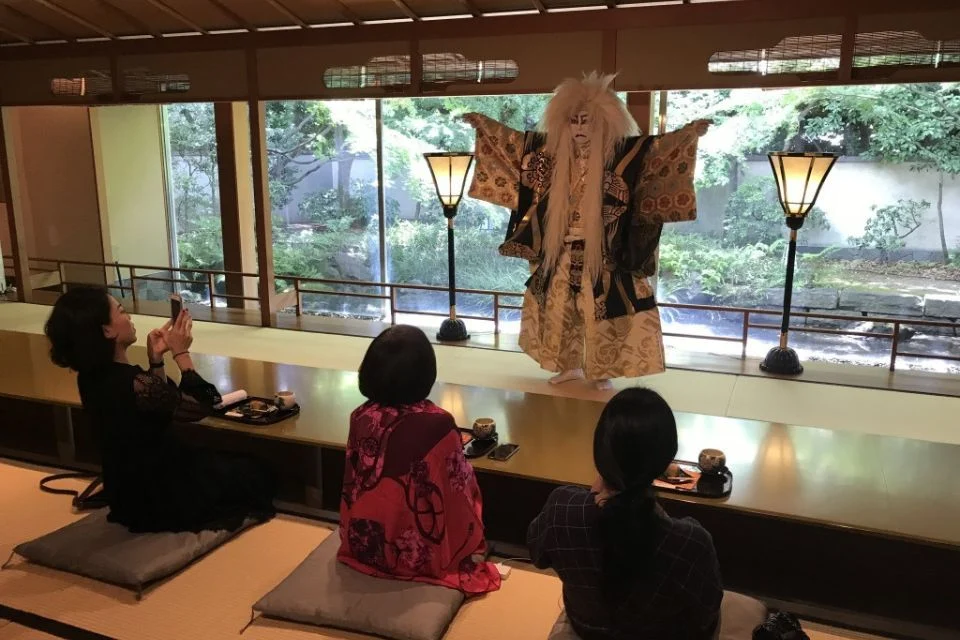
When you visit Japan, you’ll definitely want to enjoy cultural experiences and leisure activities as well.
Here, we’ll introduce some popular activities in Japan along with their approximate prices.
| Average price for a one-day activity in Tokyo | Approx. Cost per person |
| Kimono Experience | Around ¥7,900–¥10,900 (US$55–75) |
| Samurai Experience | Around US$65.69 / approx. ¥10,000 |
| Tokyo Disneyland 1-Day Passport | Adults: ¥7,900–¥10,900 (US$55–75) |
| Private guided tours in Tokyo | ・Custom private tour: from US$148 per group for 4-8 hours. ・General private guide cost: approximately US$160-US$400 per day |
These uniquely Japanese experiences will make your trip even more special.
Cultural Experiences Worth the Cost
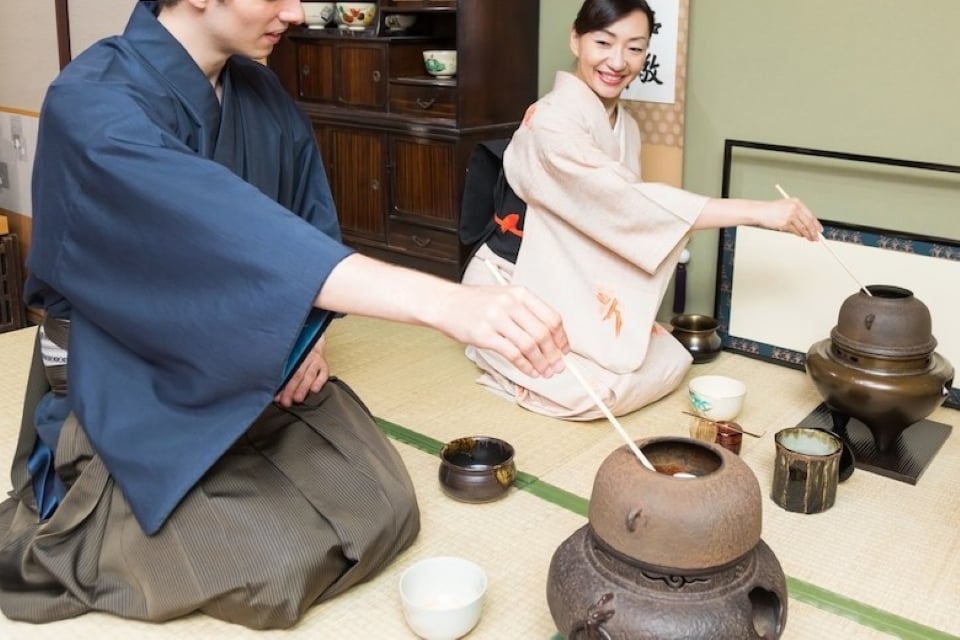
Cultural experiences are gaining attention in Japan today.
While sightseeing is wonderful, joining a cultural experience allows you to learn about Japanese traditions and apply them to your everyday life.
For example, the cooking skills gained from a Japanese cuisine class or the mindfulness learned through a tea ceremony can both be valuable in daily living.
In this section, we’ll share how to enjoy these popular Japanese cultural experiences in a cost-effective and meaningful way.
Recommended Cultural Activities in Japan
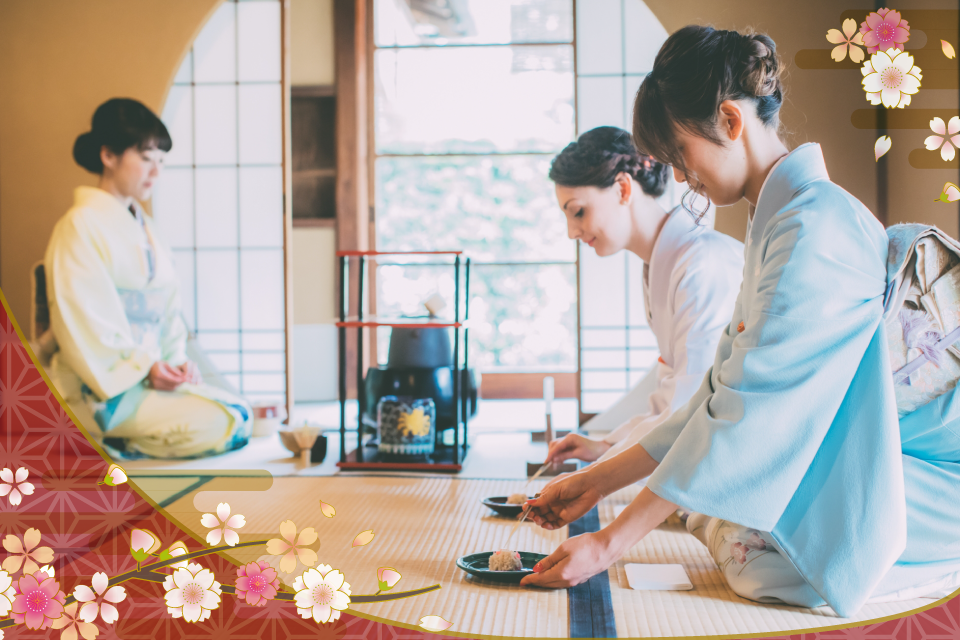
In this section, we’ll introduce Japanese cultural experiences that can enrich your daily life, along with their costs and the reasons they are beneficial.
If you’re interested in exploring Japanese culture more deeply, this will be a great reference for you.
| Japanese cultural experiences that can enrich your daily life | Approx. Cost per person |
| Zen Meditation Experience | Around ¥1,000–¥3,000 US$7–20 per person |
| Tea Ceremony Experience | Around ¥2,800–¥5,000 US$20–50 per person |
| Japanese Cooking Experience | Adults: ¥7,900–¥10,900 US$55–100+ per person |
| Calligraphy Experience | Around ¥7,000–¥10,000 US$45–70 per person |
By exploring Japan’s unique traditions, you can gain knowledge and cultural understanding that goes beyond ordinary sightseeing. These experiences will enrich your life in meaningful ways. If you’d like more details about each activity, Click the activity name to view detailed information about it.
How to Enjoy Cultural Activities Efficiently
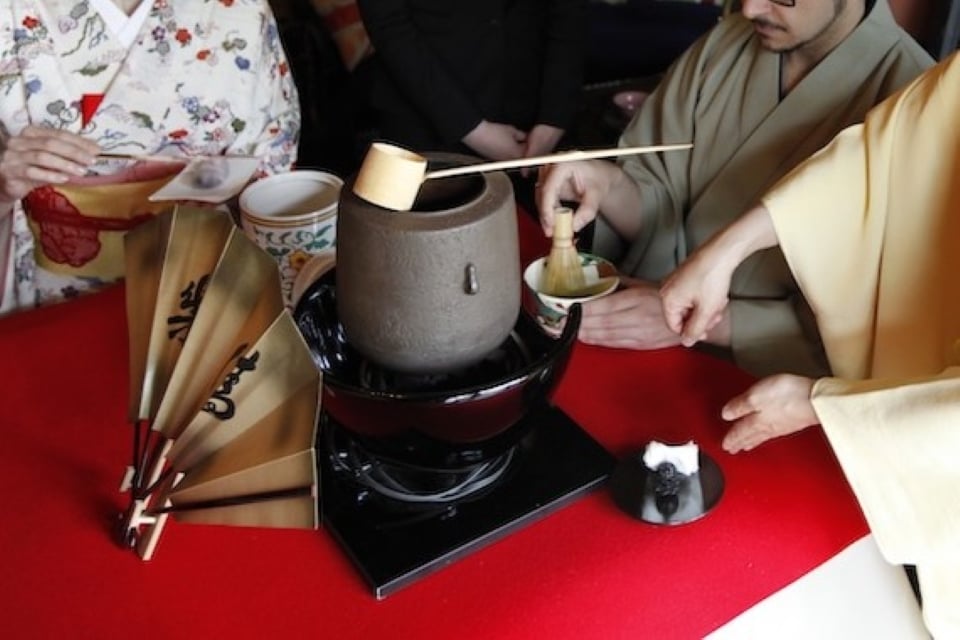
The key is to choose activities that genuinely interest you.
Whether it’s cooking, art, or something you’ve always wanted to try since childhood, now is the perfect time to bring that dream to life.
If you can’t find a cultural activity that fits what you want to do, a customized cultural experience is a great option—travel agencies can help create a plan tailored to your interests. For more details, be sure to check the article below.
Japan Travel Budget by Season
Japan Travel Budget by Season
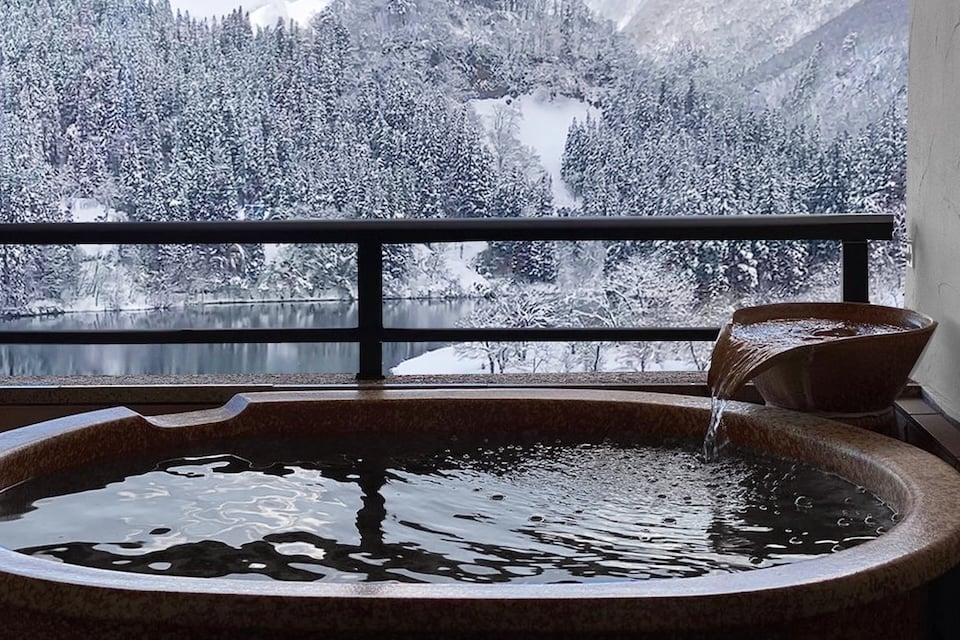
Some of you might be wondering if the total budget changes depending on the season.
In fact, prices can fluctuate throughout the year as follows:
Spring: Hotels near cherry blossom spots or rooms with a sakura view may cost around ¥10,000 (approx. USD $70) more.
Summer: On fireworks festival days, rooms with good views of the fireworks can be ¥10,000–¥20,000 (USD $70–$140) higher.
Autumn: Staying near famous autumn foliage spots or booking a room with a view may add around ¥10,000 (approx. USD $70) to your stay.
Winter: Hotels near ski resorts tend to be around ¥10,000 (approx. USD $70) more expensive.
To avoid these seasonal price increases:
- Consider booking a hotel a little farther from major attractions.
- Make your reservations several months in advance (ideally around six months ahead).
Japan’s Taxes & Fees for Visitors
When planning a trip to Japan, most travelers focus on major expenses such as flights, accommodations, and activities.
However, japan tourist tax and additional fees can also affect your overall travel budget.
Understanding these costs in advance can help you estimate your expenses more accurately and avoid unexpected charges during your stay.
Major Taxes and Fees You May Encounter in Japan
The following are the most common japan tourist tax and fees that travelers may encounter while visiting Japan.
| Tax or Fee | Typical Amount | Description |
| Consumption Tax | 10% | Applied to most goods and services |
| Japan hotel tax | ¥100–¥1,000 per night(approximately USD $7) | Charged in certain cities and municipalities |
| Departure Tax | ¥1,000 per traveler(approximately USD $7) | Applies to all travelers departing Japan |
Japan hotel tax is applied to most goods and services sold within the country.
Restaurant meals, hotel stays, transportation, attractions, and souvenirs are generally subject to the standard 10% tax rate.
In many cases, prices displayed in stores and restaurants already include tax, making it easy for travelers to understand the final cost.
Accommodation tax is a local tax imposed by certain municipalities, including major tourist destinations such as Tokyo, Osaka, and Kyoto.
The amount varies depending on the city and room rate but is typically between ¥100 and ¥1,000 per person per night.
This tax is usually charged at higher-priced accommodations and does not apply to every hotel or guesthouse.
Tax-Free Shopping for International Visitors
One of the advantages of visiting Japan is the country’s tax-free shopping program for eligible foreign tourists. While many travelers search for information about a Japan tax refund, the system generally works differently from VAT tax refund programs in Europe.
Eligible visitors can purchase certain goods without paying Japan’s 10% consumption tax, provided they meet the required conditions.
The program is available to non-resident foreign visitors staying in Japan under a short-term visa status.
Tax-free purchases may include clothing, bags, watches, cosmetics, electronics, food, beverages, and many other products.
To qualify, travelers generally need to spend at least ¥5,000(approximately USD $35) at the same tax-free store on the same day.
Unlike some countries where visitors pay tax first and claim a tax refund at the airport before departure, Japan’s tax-free system is usually processed at the point of purchase.
In most cases, the consumption tax is deducted immediately when the transaction is completed, allowing travelers to receive the benefit instantly.
For example, if a visitor purchases ¥100,000(approximately USD $700) worth of eligible tax-free goods, they could save approximately ¥10,000 (around USD $70)compared with paying the standard consumption tax. This can result in significant savings, especially when purchasing electronics, luxury goods, designer products, or other high-value items.
For travelers planning major shopping excursions, taking advantage of Japan’s tax-free shopping system can be an effective way to reduce overall travel expenses.
Other Costs to Be Aware Of
Unlike many countries, Japan does not have a tipping culture.
Travelers are generally not expected to leave tips at restaurants, cafés, bars, taxis, or hotels.
The listed price is typically the final amount you are expected to pay.
However, some luxury hotels and high-end ryokan may charge a service fee, usually ranging from 5% to 15%. This fee is often included in the room rate or clearly disclosed during the booking process.
Although these taxes and fees represent a relatively small portion of the overall cost of visiting Japan, understanding them in advance can help travelers create a more accurate budget.
This is particularly important for longer stays, group travel, and visitors planning substantial shopping purchases during their trip.
Hidden or Overlooked Expenses
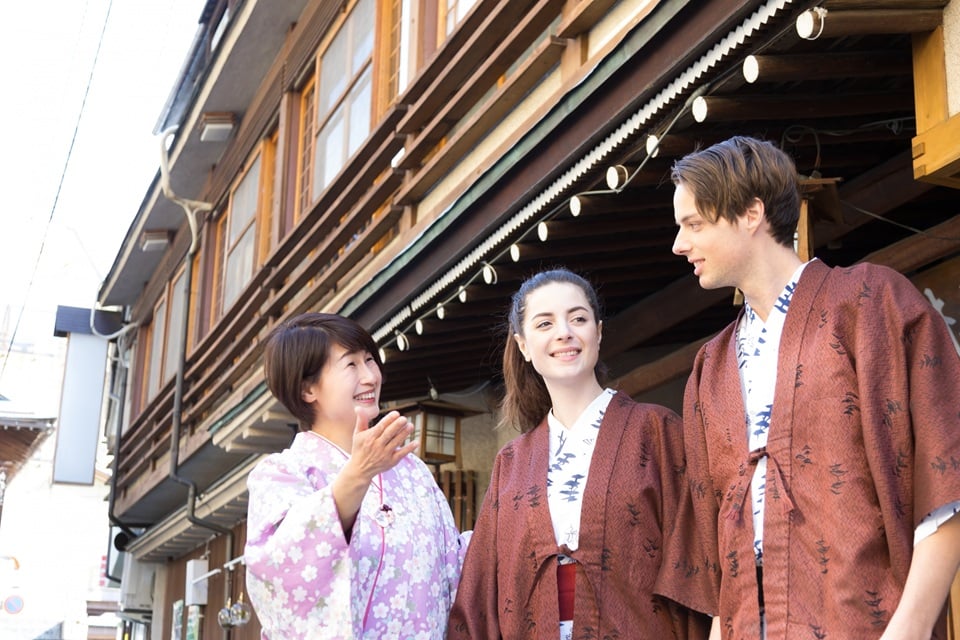
Departure Tax
Starting on July 1, 2026, travelers leaving Japan will be subject to a higher international departure tax.
Originally introduced in 2019 at a flat rate of ¥1,000 per person, the tax will increase to ¥3,000 (approximately USD $20) for all departures by air or sea.
The measure applies equally to Japanese citizens and international visitors, meaning virtually everyone departing Japan will be affected.
For most travelers, the process will be seamless.
The departure tax is typically included automatically in the cost of an airline ticket and therefore does not require a separate payment at the airport.
Depending on the airline, the charge may be added during ticket purchase or reflected during the check-in process.
Although the increase is relatively modest compared with the overall cost of an international trip, it is still worth factoring into your travel budget—particularly for larger groups or incentive travel programs with many participants.
When estimating the total cost of a trip to Japan, planners should now allow an additional ¥3,000 per traveler for departures taking place on or after July 1, 2026.
Since many older travel-cost estimates were based on the previous ¥1,000 rate, budgeting an extra ¥2,000 per person beyond earlier calculations is advisable.
For corporate groups, the impact on overall program costs is minimal, but including the updated departure tax in budget forecasts will help avoid small discrepancies when calculating final per-person travel expenses.
Hidden or Overlooked Expenses
We’ve looked at the overall cost of traveling in Japan, including transportation, food, entertainment, and accommodation.
However, that’s not the whole picture—there are also hidden expenses that travelers often overlook.
Let’s take a closer look at what those hidden costs might be.
Souvenir Expenses
Buying souvenirs for family, friends, and coworkers can become an unexpectedly large expense.
Estimated cost: ¥3,000–¥20,000 (USD $20–$135)
Travel Insurance
If you don’t have travel insurance, unexpected medical costs can be extremely high. It’s strongly recommended to get insured before traveling.
Estimated cost: ¥2,000–¥8,000 (USD $13–$55)
Communication Costs
In Japan, many places don’t offer free Wi-Fi, especially in rural areas. Renting a pocket Wi-Fi or buying a SIM card for travelers is essential.
Estimated cost: ¥4,000–¥10,000 (USD $27–$68)
Coin Lockers & Luggage Delivery
Most hotels will hold your luggage, but if you use a coin locker, expect to pay around the following.
Estimated cost: ¥300–¥800 per locker (USD $2–$5.50)
For luggage delivery between cities: ¥1,500–¥3,000 per bag (USD $10–$20)
Laundry & Cleaning
For long-term travel, you’ll likely need to use coin laundries or hotel laundry services.
Estimated cost: ¥500–¥2,000 per wash (USD $3.50–$13.50)
Emergency Medical Costs
If you get a stomachache or a cold, you can buy medicine at a pharmacy.
Estimated cost: ¥1,000–¥5,000 (USD $7–$34)
Smart Budgeting for Your Trip to Japan
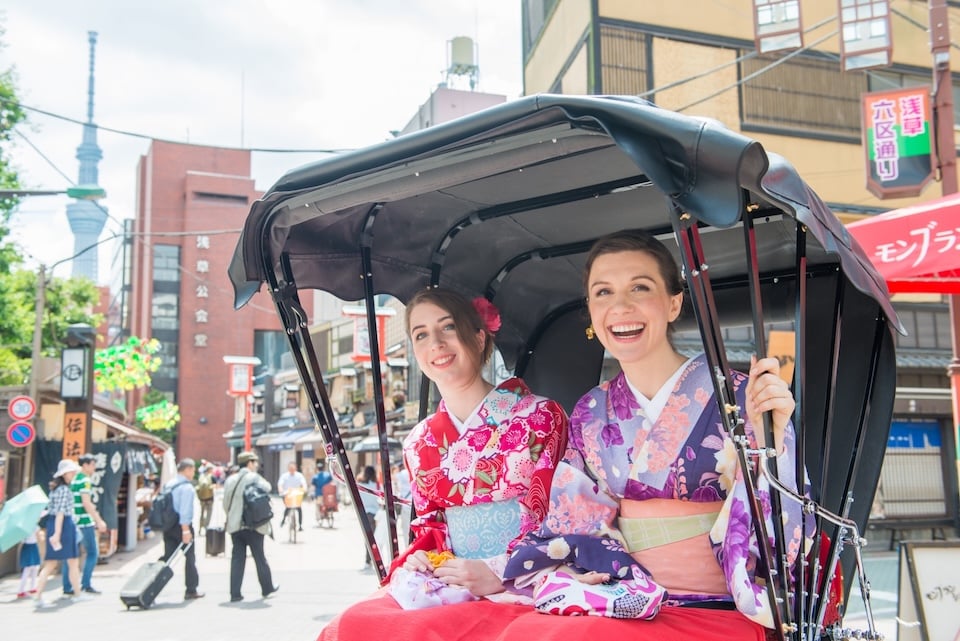
From here, we’ll introduce how to travel around Japan more smartly. Learn some useful tips to make your trip more comfortable and enjoyable while keeping unnecessary expenses to a minimum.
Where It’s Truly Worth Spending
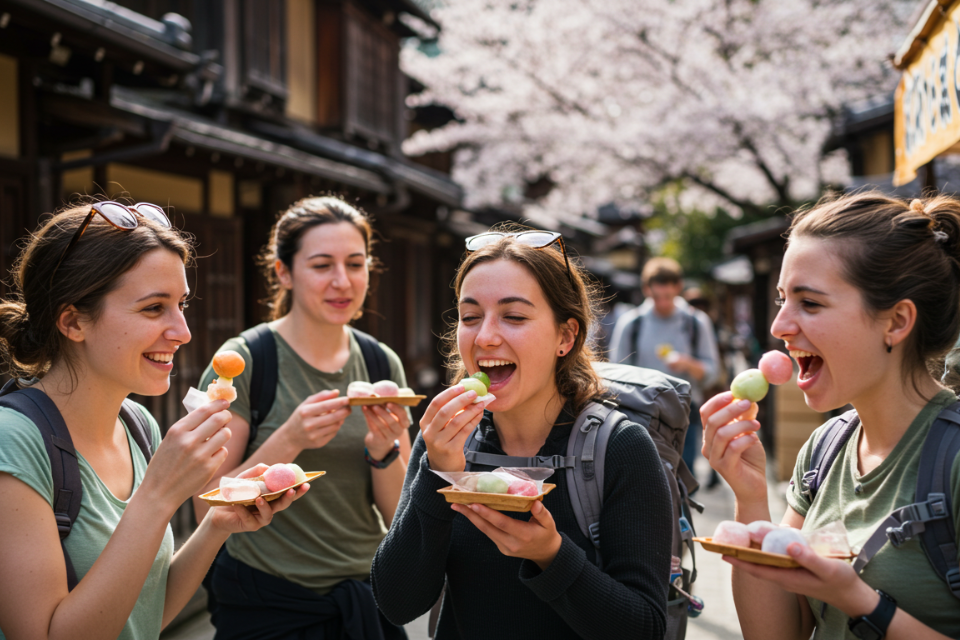
Some people may feel that traveling in Japan involves many expenses.
If you want to save money, you need to think carefully about which costs you can reduce.
The table below summarizes the “essential expenses” and the “optional or reducible expenses.”
Take a look and use it as a guide for planning your trip.
Expenses you should never cut back on
The expenses you should never cut during a trip are Wi-Fi and travel insurance. Without them, you may not be able to contact anyone in an emergency or receive medical care when you need it.
Expenses you should avoid cutting back on if possible
The expenses you should avoid cutting during a trip are transportation costs, cultural experience fees, and activity fees.
If you reduce these too much, you may miss out on things you truly want to do and end up regretting it later.
Since it’s a special trip, go ahead and make your wishes come true.
Expenses you can save money on
The expenses you can easily reduce during a trip are food and accommodation costs.
Japan has many affordable options—such as family restaurants and business hotels—that still offer great value.
If you’re trying to save money, cutting back on these areas and investing more in activities may lead to a more satisfying travel experience.
That concludes our overview of which expenses you can save on and which ones you shouldn’t cut when traveling in Japan. After reading this, many of you may now have a clearer picture of what a trip to Japan might look like.
If you still have any concerns or questions about traveling in Japan, be sure to check out the articles below for more information.
Saving Strategies That Maintain Comfort and Quality

For those who want to travel as cheaply as possible and save money, the following three methods are recommended.
① Visit free or low-cost attractions
Japan has many parks, shrines, and other attractions that you can enjoy for free or at a low cost. Try searching for phrases like “free attractions Tokyo” or “Osaka attractions under 1000 yen” to find budget-friendly places to visit.
② Reduce hotel and restaurant costs
You can save a lot by staying in a comfortable business hotel or a guesthouse where you share a room instead of choosing a luxury hotel. For meals, convenience stores and fast-food chains like McDonald’s offer tasty options at affordable prices, helping you keep your travel budget low.
③ Consult a travel agency
Many people think using a travel agency is expensive, but in reality, agencies can create an optimized plan based on your preferences and budget. By eliminating unnecessary costs, you may actually spend less than if you arranged everything on your own.
How to Spend Wisely Without Missing Out
To travel more smartly, consider the following methods
① Join a customized tour
Booking every hotel and attraction individually can be time-consuming. A customized tour allows professionals to arrange everything for you—flights, hotels, restaurants, and attraction tickets—based on your preferences, so you can enjoy a stress-free and perfectly tailored trip.
② Consult a travel professional
When booking an overseas trip by yourself, miscommunication or forgotten reservations can sometimes cause problems.
If you want to enjoy Japan more safely and comfortably, it’s best to seek advice from a travel expert.
③Use AI
If you prefer not to use a travel agency, utilizing AI can be a great option.
You can enter your travel plan and budget into a conversational AI and ask, ‘Is this plan realistic? Please point out any issues.’
The AI can then suggest a more practical and achievable itinerary and budget.
However, since AI responses can sometimes contain errors, it’s important to fact-check the information yourself.”
FAQ: Common Questions About Japan Travel Cost
To wrap up, we’d like to answer some frequently asked questions.
We hope this helps clear up any remaining questions you may have about traveling in Japan.
Is Japan Expensive to Visit?
The average daily cost of traveling in Japan is about ¥46,000–¥85,000 (US$310–570)
This includes accommodation, meals, transportation, and entertainment.
However, Japan offers many free or low-cost attractions, as well as affordable hotels and restaurants.
With a bit of planning and creativity, it’s definitely possible to reduce your travel expenses even further.
How Much Should I Budget for Two Weeks in Japan?
For a two-week trip in Japan, a budget-conscious plan costs approximately ¥644,000–¥800,000 (USD $4,300–$5,400), a mid-range plan ranges from ¥910,000–¥1,300,000 (USD $6,070–$8,700), and a luxury plan ranges from ¥1,190,000–¥1,800,000 (USD $7,940–$12,000). These estimates do not include international airfare.
Are Cultural Experiences Worth the Extra Cost?
Yes. Traveling in Japan is more than just entertainment — it’s an opportunity to learn new knowledge and experience unique culture.
Through this, you can broaden your perspective and apply what you’ve learned to your future life.
It’s especially recommended for those who don’t want their trip to Japan to be just a fun memory, but a meaningful experience that brings real value.
Is Japan Going to Get Expensive in 2026?
Yes, Japan has become more expensive in 2026, mainly due to higher hotel prices in popular destinations such as Tokyo, Kyoto, and Osaka. Travelers should also consider Japan’s 10% consumption tax, accommodation taxes in some cities, and the ¥1,000 (approximately US$7) departure tax.
However, staying in budget accommodations, traveling during off-peak seasons, and using tax-free shopping can help reduce costs.
With proper planning, Japan can still be enjoyed on a wide range of budgets.
How Much Will It Cost to Go to Japan in 2026?
For a one-week trip, budget travelers should expect to spend around ¥322,000 (US$2,150), mid-range travelers about ¥455,000 (US$3,040), and luxury travelers approximately ¥595,000 (US$3,970). For two weeks, budgets typically range from ¥644,000–¥1,800,000 (US$4,300–12,000), depending on travel style. These estimates include accommodation, transportation, dining, and sightseeing, but do not include international airfare, travel insurance, or departure taxes.
For a more detailed breakdown of travel expenses, please refer to the Japan Travel Cost Overview section in this guide. You may also find the following articles helpful for planning your trip and budgeting more effectively.
Is There a Tourist Tax in Japan?
Yes. Visitors to Japan may pay several taxes, including the 10% consumption tax on most goods and services, accommodation taxes in some cities, and the ¥3,000 (approximately US$20) departure tax (effective July 1, 2026, tripled from ¥1,000).
Eligible foreign visitors can also take advantage of Japan’s tax-free shopping program to avoid paying consumption tax on qualifying purchases.
For a more detailed, please refer to Tax-Free Shopping section.
Plan a Meaningful Trip to Japan
So far, we’ve looked at the japan trip cost of traveling in Japan and practical ways to enjoy Japan more smartly and affordably.
If reading this has made you think, “I want to visit Japan” or “I’d love to try these experiences,” consider consulting a travel agency.
They can listen to your preferences and budget, then create the perfect Japan trip just for you.
I truly hope your dream journey to Japan comes true.
If you need help with travel plans or have any questions, feel free to ask here anytime.

After graduating from Kansai University, I joined JTB as a new graduate and worked in the inbound tourism sector.
After getting married, I moved to Australia due to my husband’s work and obtained a diploma in early childhood education there.
I am currently working at a kindergarten while also working as a writer.

