




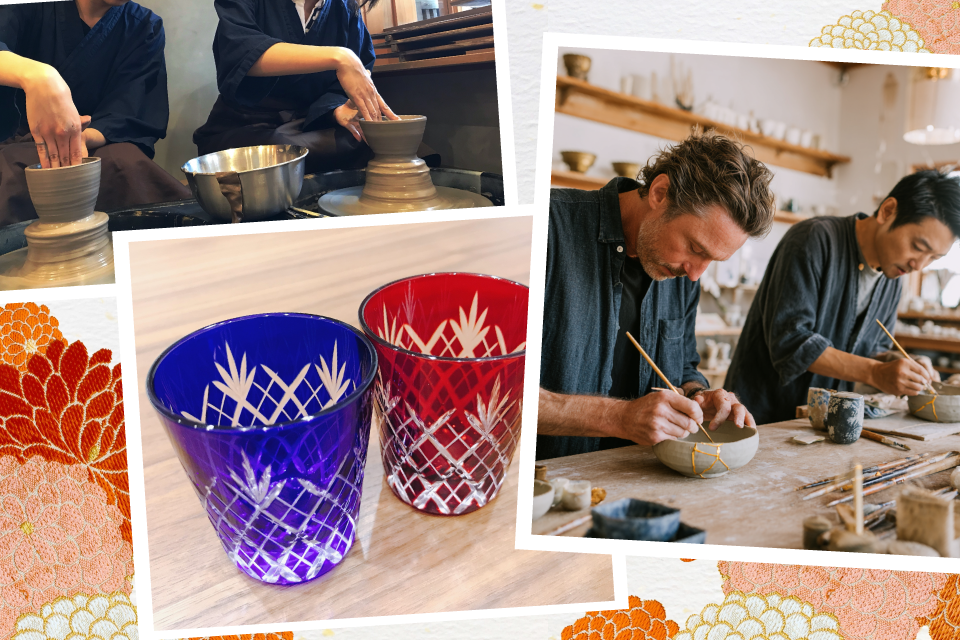

Go beyond sightseeing. Learn traditional Japanese craftsmanship while creating something meaningful with your own hands—a way to connect with Japan’s culture that ordinary tourism can’t offer.
Discover:
• What makes Japanese craft workshops unique
• 10 authentic workshops from pottery to kintsugi
• How to choose the perfect workshop for you
If you are looking for a more enriching and authentic way to experience Japan, we invite you to read on.
Discover Japanese Craftsmanship
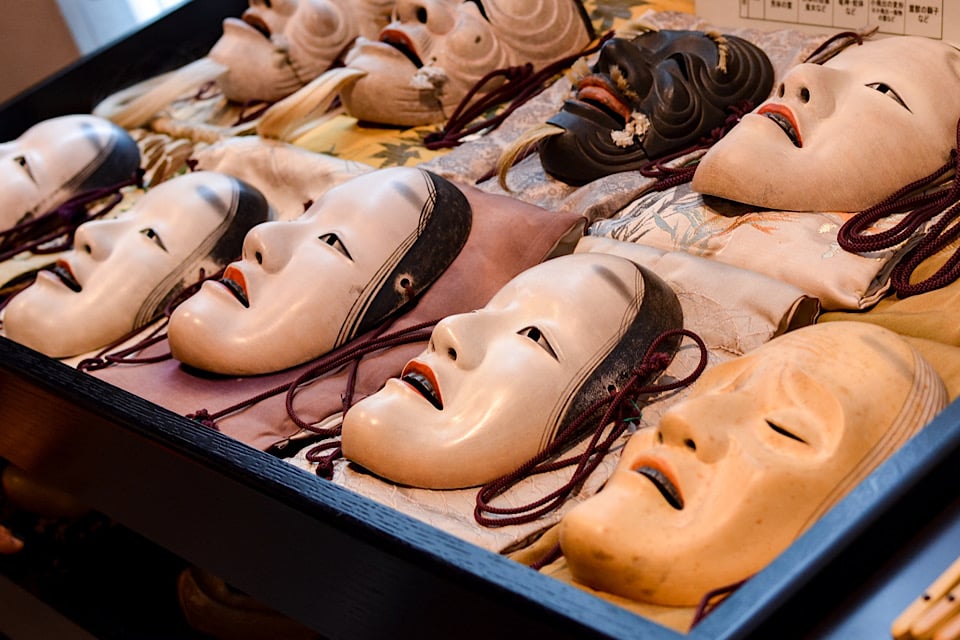
Here, we will introduce what Japanese craft experiences are and explore their unique appeal.
A Hands-on Experience Beginning in a Japanese Workshop
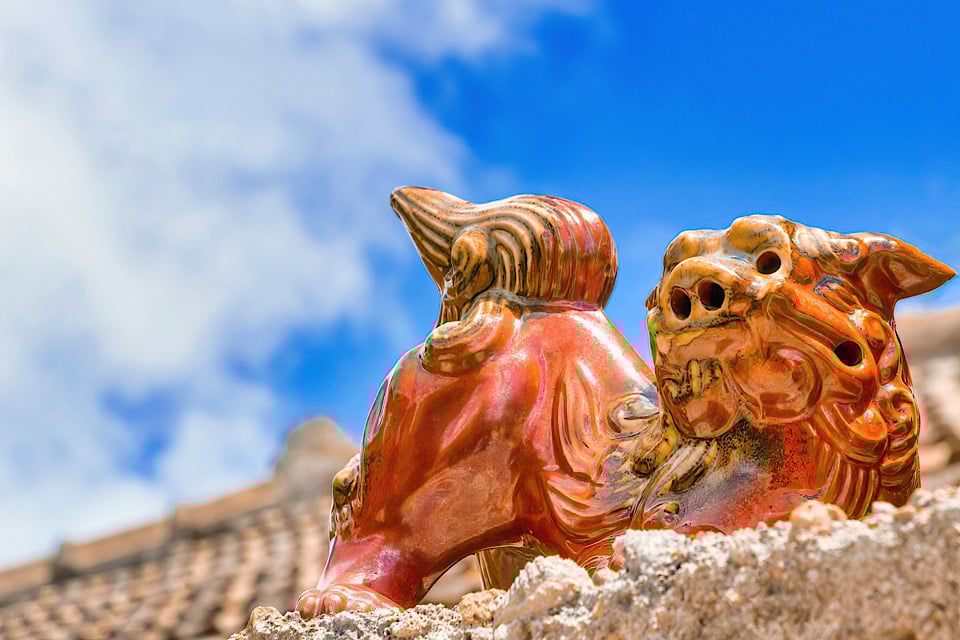
Many craft experiences in Japan take place in authentic workshops that are actually used by professional artisans.
Rather than being held in ordinary classrooms, these experiences allow participants to visit traditional workshops, where they can learn not only crafting techniques but also Japan’s cultural heritage and the spirit of its artisans.
Creating Meaningful and Memorable Experiences
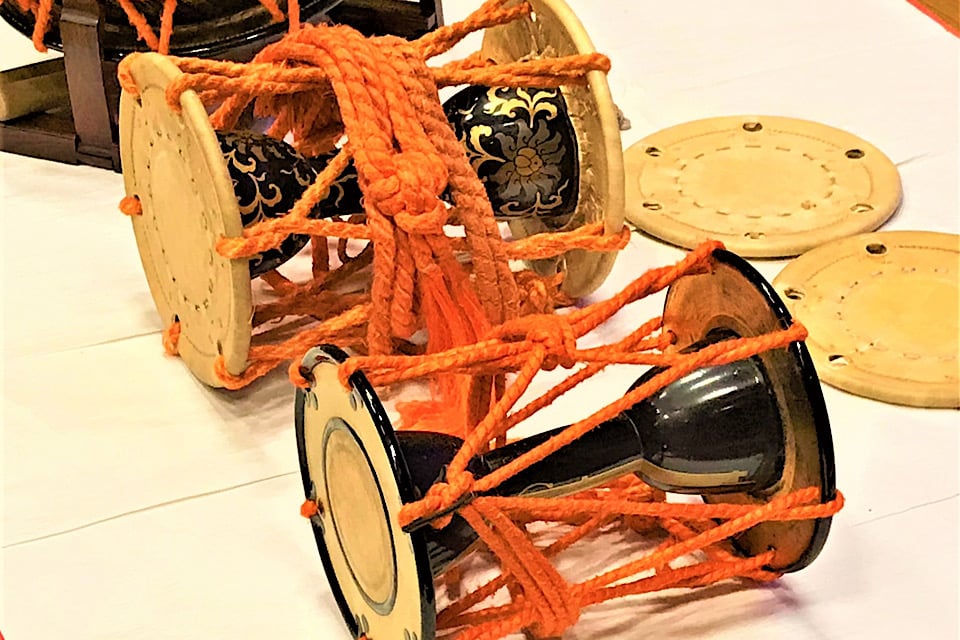
The items you create during a craft experience can, of course, be taken home as souvenirs.
By learning about Japanese traditional culture and creating something with your own hands, you preserve the experience in a tangible form, making your memories even more meaningful and special.
Ready to experience authentic Japanese craftsmanship? Explore our curated workshop experiences.
What Makes Japanese Craftsmanship Unique?

Some may think, “There are many other ways to experience Japan,” or “Do I really need to choose a craft experience?”
In this section, we will explore why craft experiences stand out among the many ways to experience Japan.
Inherited Skills and Shared Values
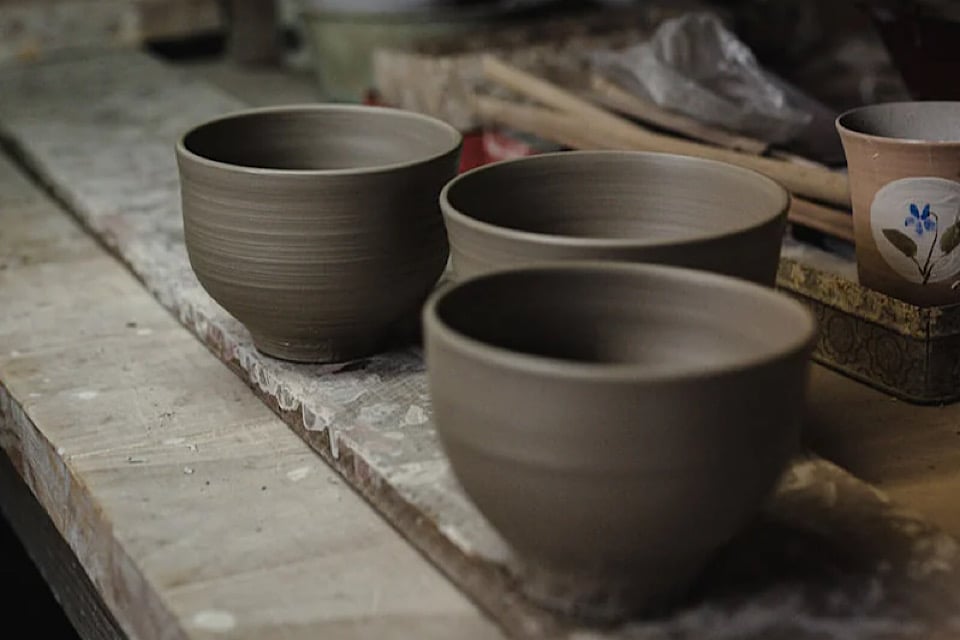
One of the key elements that makes Japanese craftsmanship so special is its long history.
In this section, we will take a look at the top three Japanese traditional crafts with particularly long histories.
1st: Pottery — History: Over 10,000 years
2nd: Lacquerware — History: Over 9,000 years
3rd: Dyeing and Textile Arts — History: Over 2,000 years
As shown above, Japanese traditional crafts have a remarkably long history compared to those of other countries.
The true value of craft experiences lies in the opportunity to learn skills and philosophies that have been preserved and passed down over centuries.
Why Japanese Craftsmanship Is Admired Worldwide
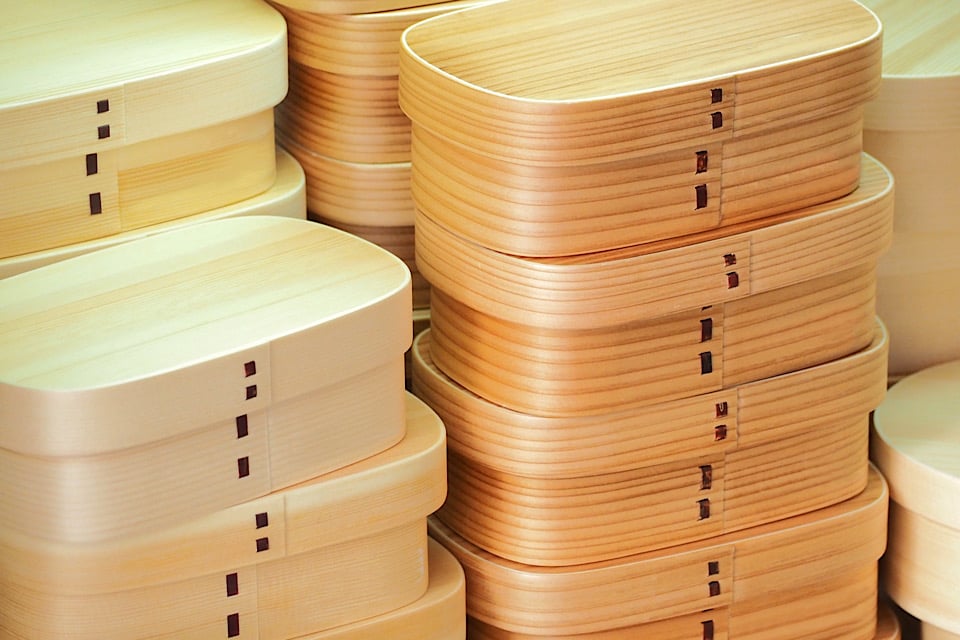
The excellence of Japanese traditional crafts lies not only in their long history, but also in their highly advanced techniques.
In this section, we will explore three Japanese traditional crafts that are known for their exceptional level of skill.
Textile Weaving
Textile weaving requires highly advanced techniques to control tens of thousands of threads simultaneously and transform flat designs into three-dimensional patterns.
In addition to weaving skills, precise planning and structural design are essential.
Glass Craft
Glass craftsmanship demands extremely precise techniques, with patterns carved in units as small as 0.1 millimeters.
Since mistakes cannot be corrected once the glass is cut, exceptional concentration, accuracy, and experience are required.
Lacquerware Craft
Lacquerware craftsmanship involves repairing broken vessels using lacquer and gold powder.
This technique restores damaged objects into vessels that combine strength, safety, and beauty.
After reading this, some people may feel unsure and think, “This might be too difficult for me.”
However, during craft experiences, instructors provide careful one-on-one guidance, allowing even beginners to create their own pieces with confidence.
Being able to make something that normally requires highly advanced skills with your own hands—
this is one of the unique and most rewarding aspects of craft experiences.
Japanese traditional culture like this is truly fascinating.
If you would like to learn more about Japan’s rich history and culture, please take a look at the articles below.

Monozukuri: The Philosophy of Making

In this section, we will explore Japanese culture.
What kind of philosophy do Japanese people hold when creating things?
Let’s take a closer look at this way of thinking together.
Wabi-Sabi Aesthetics in Japanese Craft
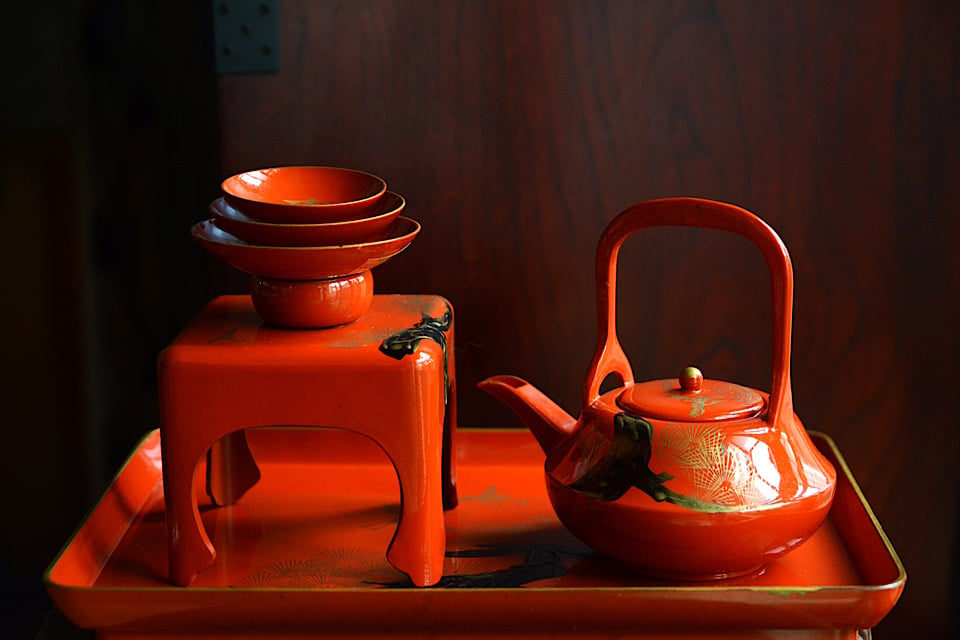
Those who are interested in Japan may have heard the term wabi-sabi.
Wabi-sabi is a way of thinking that finds beauty in change—such as the effects of nature and the passage of time.
Because of this perspective, in Japan, objects that can be used for 100 or even 200 years and remain beautiful despite fading colors or signs of wear have long been considered truly beautiful.
Traditional Arts That Reflect Wabi-Sabi
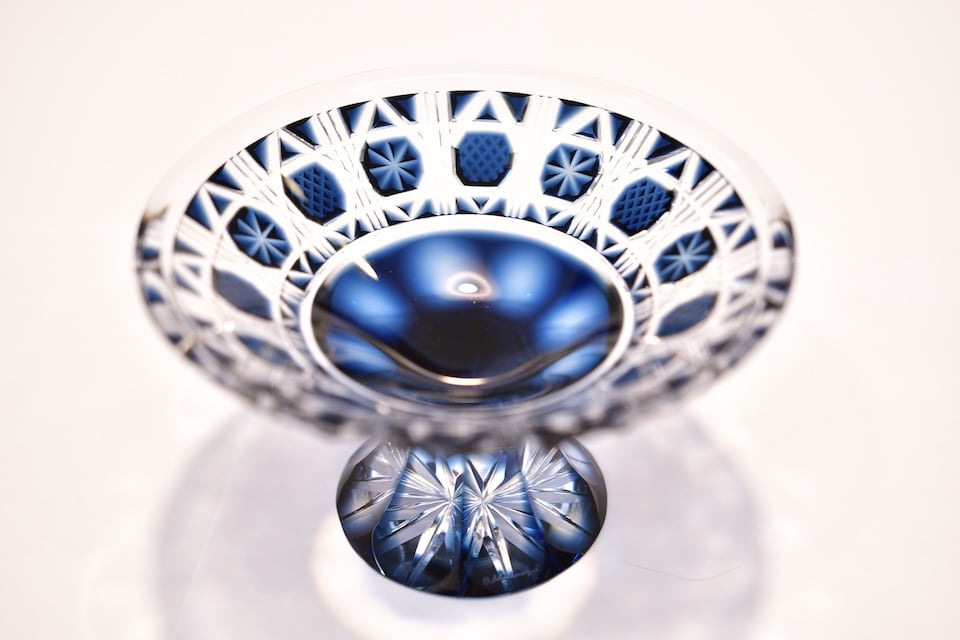
So, what kinds of art embody the spirit of wabi-sabi?
Here, we will introduce three forms of art that especially reflect Japan’s unique sense of wabi-sabi.
1. Buddhist Statues
Many Buddhist statues were created around 700 years ago.
Even after centuries have passed, they remain beautiful, and with time, their beauty and sacred presence continue to deepen.
2. Kimono
Kimono can be used for more than 100 years.
Even as time passes, their colors and patterns remain beautiful, allowing them to be cherished and passed down through generations.
3. Pottery
Tea bowls made by skilled craftsmen can last for over 20 years and are often passed down from parent to child.
They can be used for a long time, and even as their color fades, they retain their unique beauty.
This is the spirit of wabi-sabi in Japan.
Japanese craftsmen create objects based on this philosophy, continuing to make beautiful items that can be used for a long time and that grow more meaningful as time passes.
Learning about different cultural philosophies like these can enrich your worldview.
If you would like to explore the mindset and values of the Japanese people in more depth, please refer to the articles below.

Japanese Craft Workshops You Can Experience
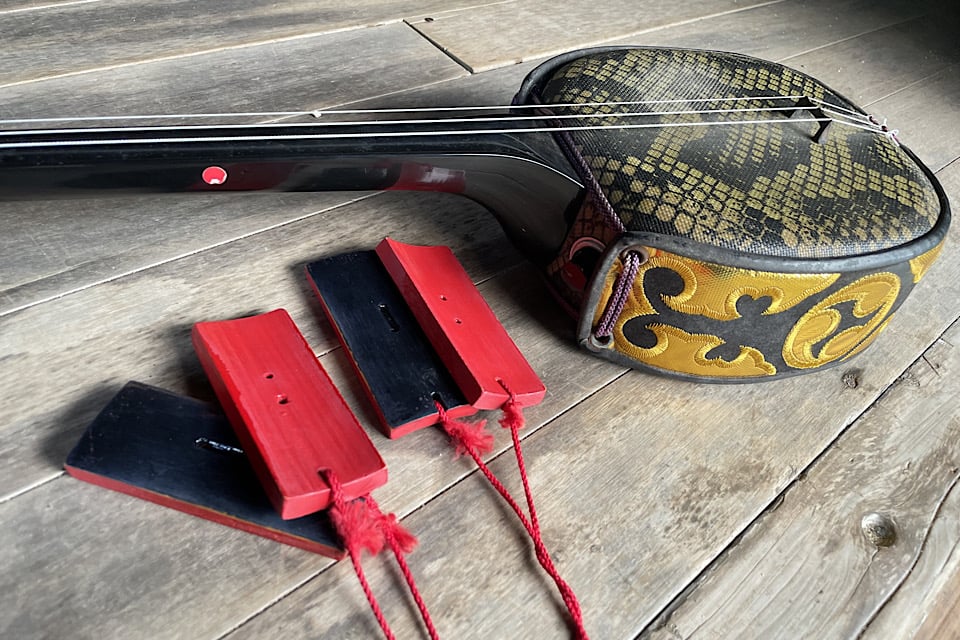
So far, we have explored the beauty of Japanese craftsmanship and the philosophy behind it.
Some of you may be thinking, “I’m becoming interested in Japanese craftsmanship” or “I’d like to try it myself.”
In this section, we will introduce Japanese traditional crafts that are easy to experience, categorized by type.
Traditional Textile and Dyeing Arts: Difficulty level – Beginner
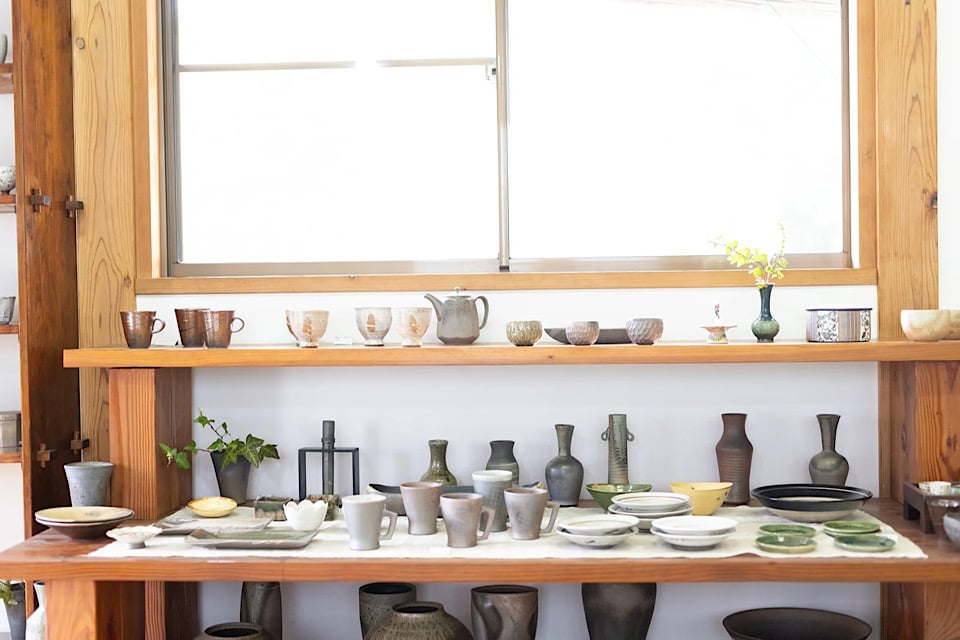
If you enjoy painting or remaking objects, the following experiences are especially recommended for you.
Aizome (Indigo Dyeing)
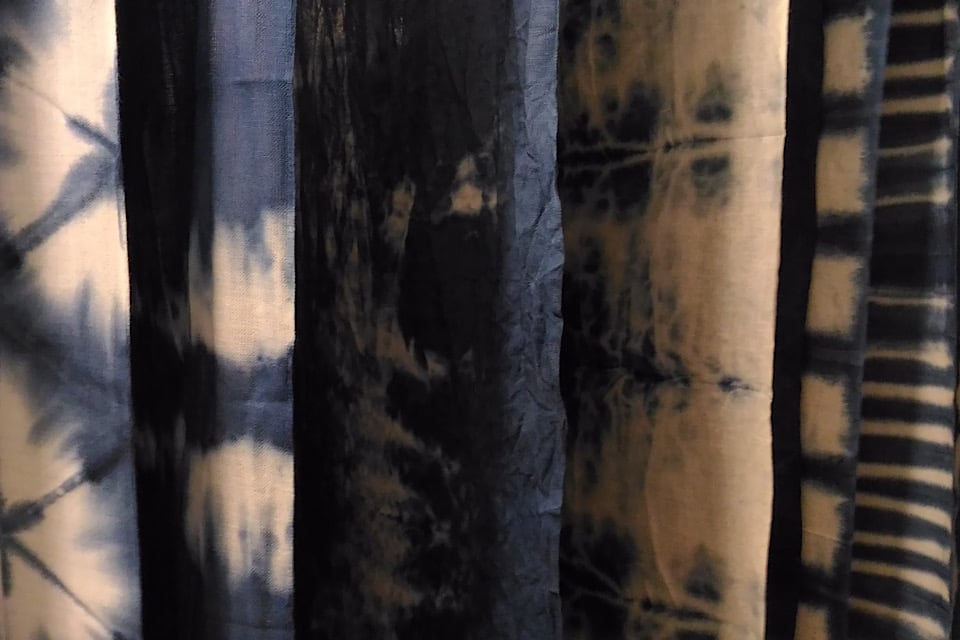
Using traditional Japanese blue dye, you can dye plain white fabric.
Not only can you add color, but you can also create unique patterns.
Why not remake your own white handkerchief or socks into a Japanese-style item using this technique?
Mini Wagasa (Japanese Umbrella Painting)

You can decorate a small Japanese umbrella with paintings and colors to create your own original piece.
Its compact size makes it perfect as a souvenir or interior decoration.
This is an easy and enjoyable experience that allows even beginners to create something uniquely Japanese.
Paper and Calligraphy Arts: Difficulty level – ntermediate
The following experiences are recommended for those who want to try traditional Japanese crafts that can be easily enjoyed even after returning to their home country.
Shodo (Japanese Calligraphy)
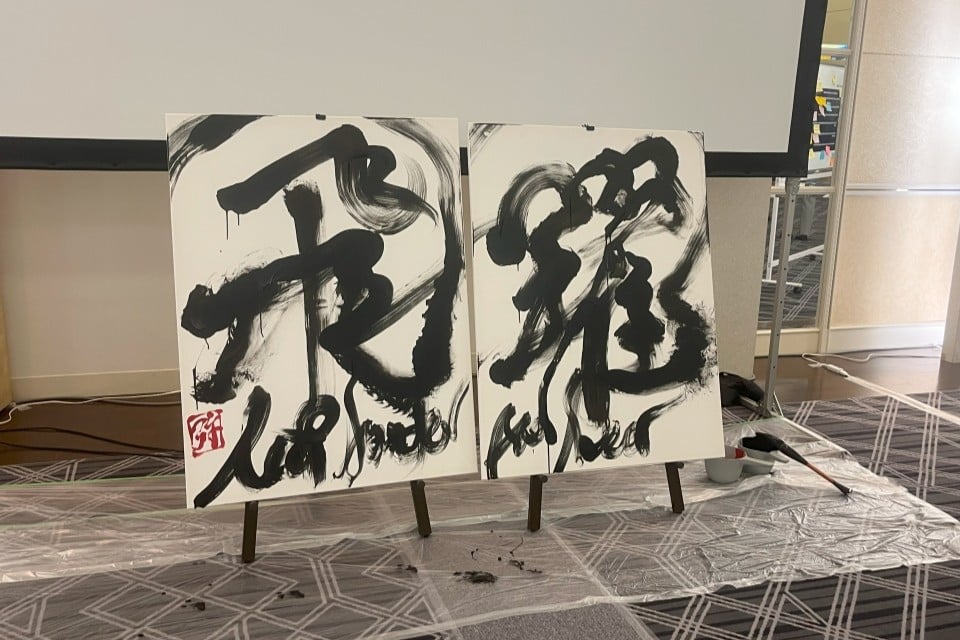
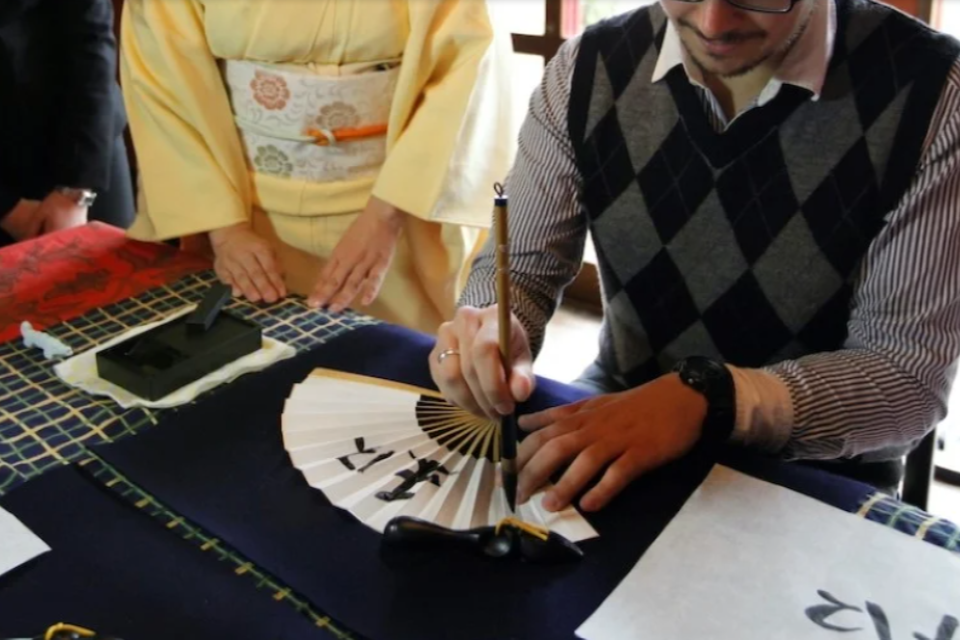
This is an art experience where you write your favorite characters on paper using a brush and ink.
You simply choose a kanji with a meaning you like and copy it, so it is easy for beginners to join.
Calligraphy tools can be purchased at Japanese shops overseas, and you can also substitute them with paint, making it easy to continue enjoying this art even after returning to your home country.
Origami Workshop
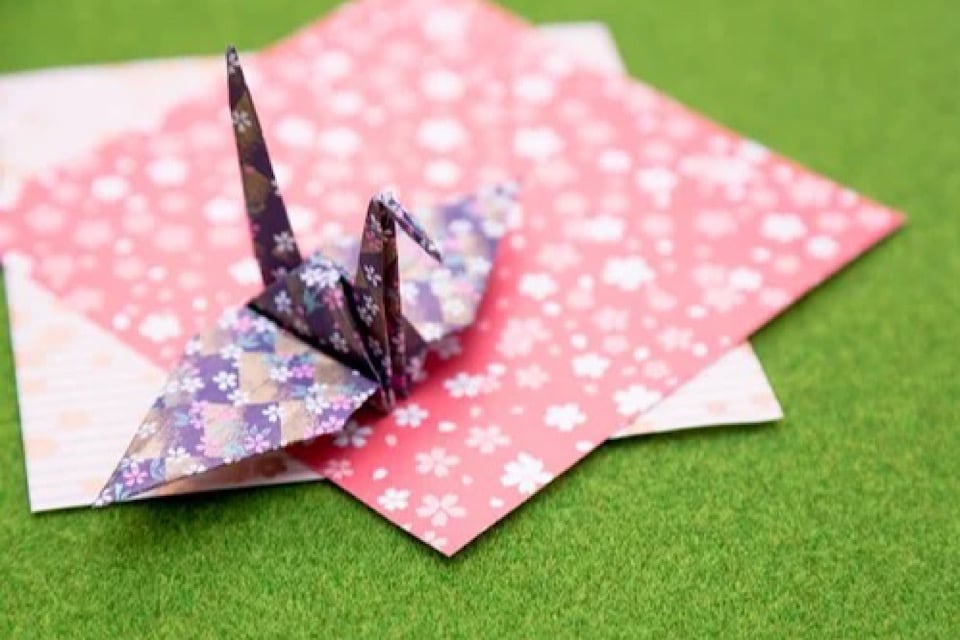
This is an art form where you create shapes by folding square paper.
It may seem difficult at first, but there are many designs that are simple and easy to make.
Allyou need is square paper, and many tutorials are available on YouTube.
Unique Traditional Crafts: Difficulty level – Advanced
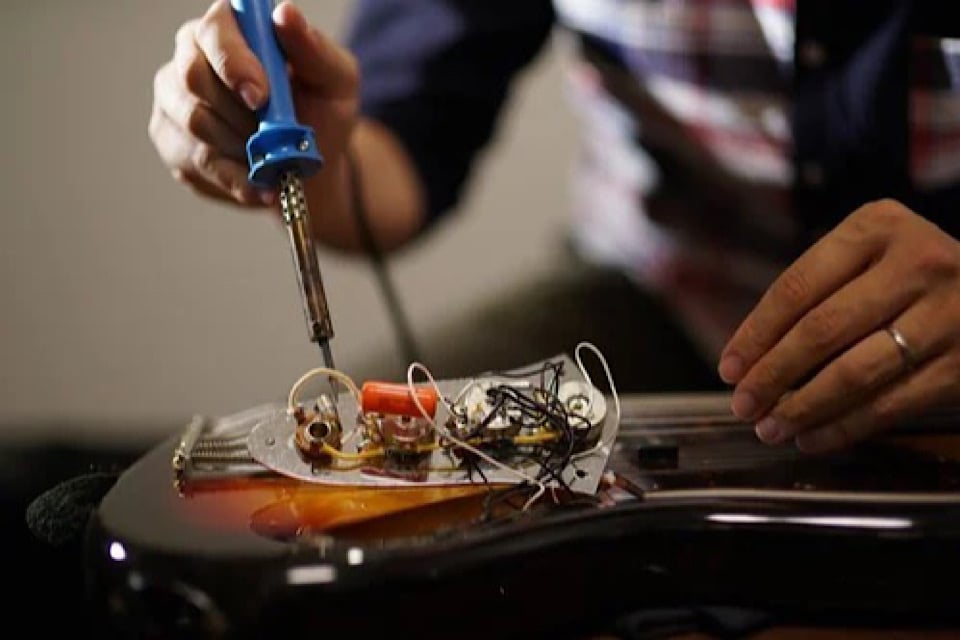
This experience is recommended for those who want to create something more uniquely Japanese and truly special.
Koh-do (Incense Making)

This is an experience where you can create your own incense based on your personal preferences.
The instructor will guide you on how to achieve the scent you like, so even beginners can participate with confidence.
You can enjoy the process of blending and shaping the ingredients while creating a one-of-a-kind incense just for you.
Ohashi (Chopstick Making)
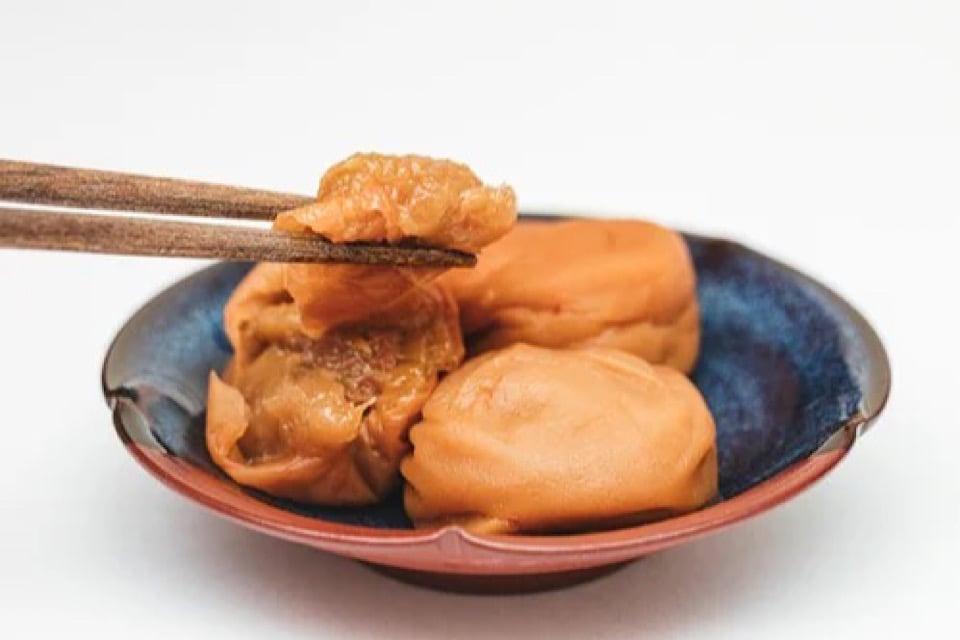
This is an experience where you carve wood to create your own pair of chopsticks.
Although making chopsticks may sound difficult, the process is surprisingly simple and can be completed in just three steps.
Ceramic and Pottery Experiences: Difficulty level – Advanced
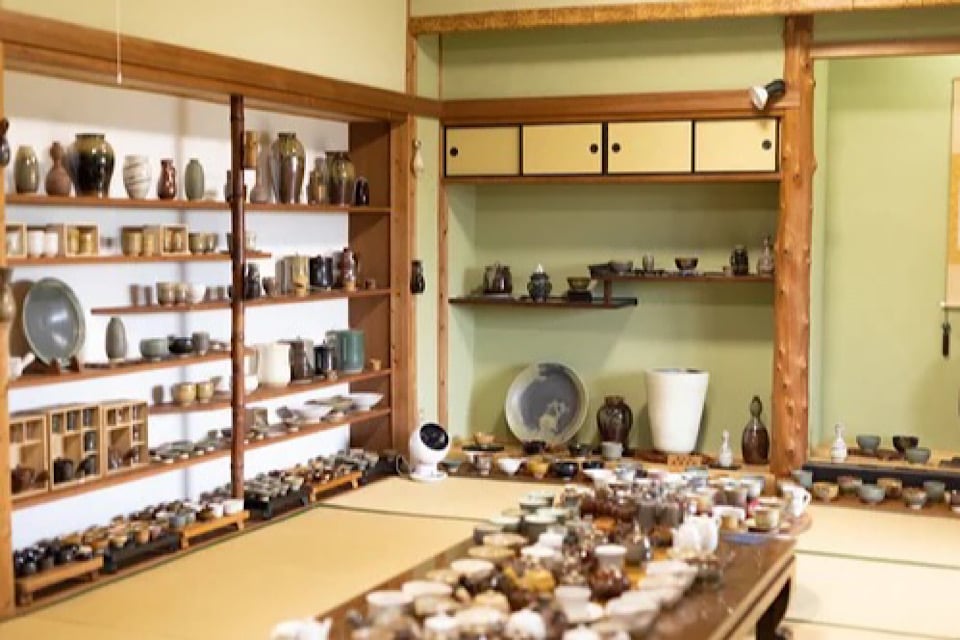
These experiences are recommended for those who want to try authentic Japanese crafts and learn more advanced techniques.
Togei (Pottery Making)
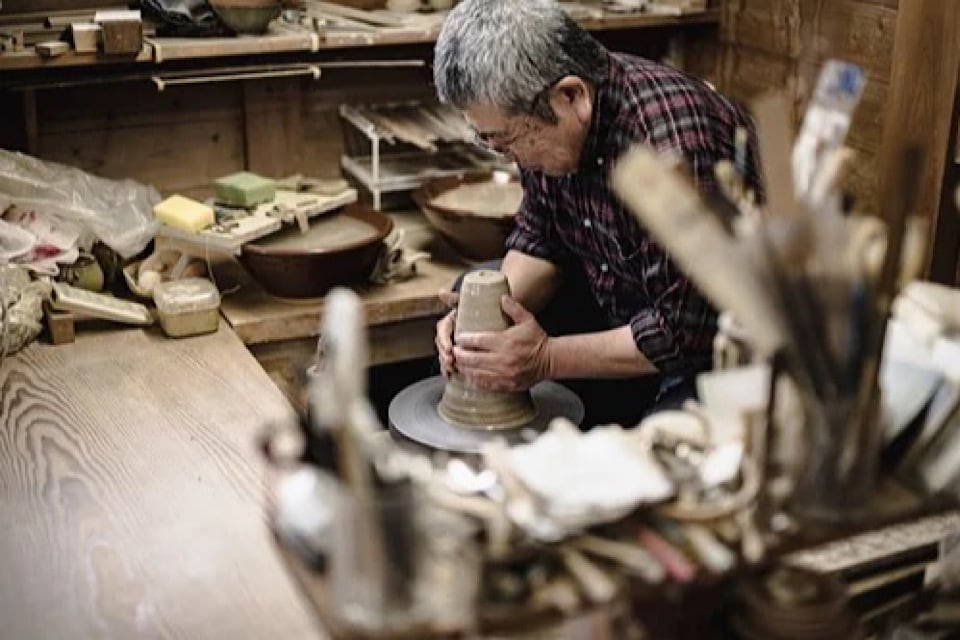
You will shape clay by hand to create a tea bowl or other pottery pieces.
In addition to forming the shape, you can also add designs and decorations to make your piece uniquely yours.
This experience is perfect for those who want to create a meaningful item that can be used and cherished for many years.
Kintsugi ( Gold Repair Art)
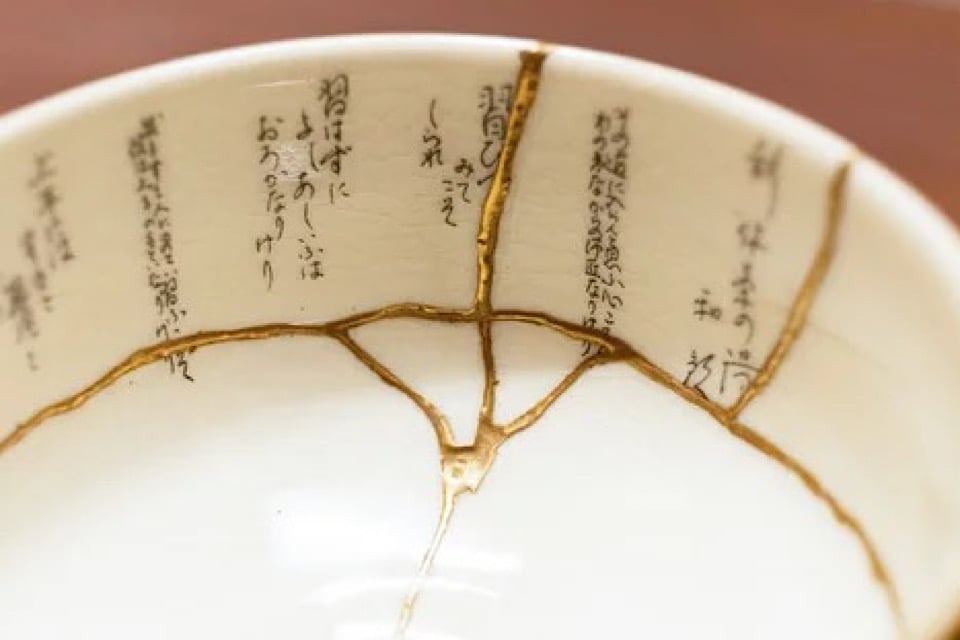
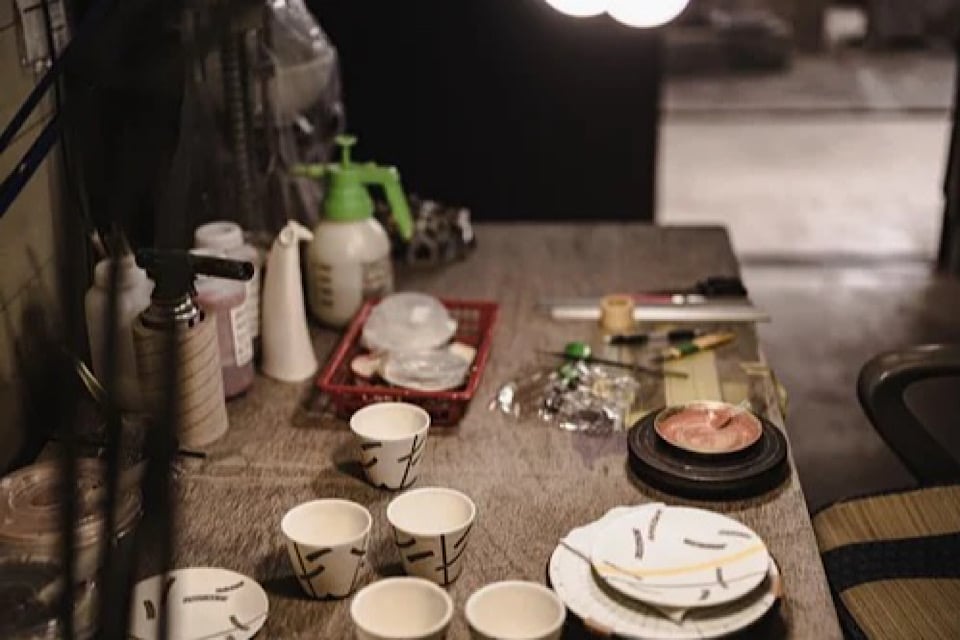
This is an art form in which broken tea bowls are beautifully repaired using lacquer and gold powder.
It is perfect for those who want to learn the Japanese philosophy of wabi-sabi and experience not only craftsmanship, but also the deeper cultural values behind it.
Glass and Metalwork: Difficulty level – Advanced

This experience is recommended for those who are confident in their crafting skills and want to create a beautiful piece of traditional Japanese art they can proudly show to others.
Because it is more challenging, it offers a strong sense of achievement and becomes a truly special and unforgettable memory.
Edo Kiriko (Cut Glass)

This is a traditional craft in which patterns are carefully carved into a glass cup.
You can choose from beginner-friendly designs, making it an enjoyable experience even for first-time participants.
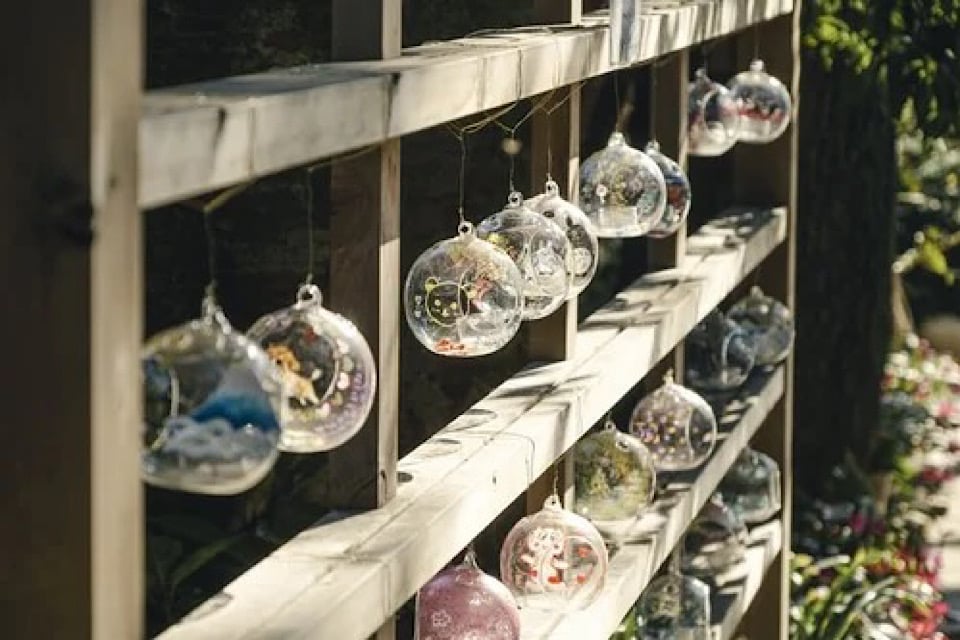
Furin (Wind Chime Painting)
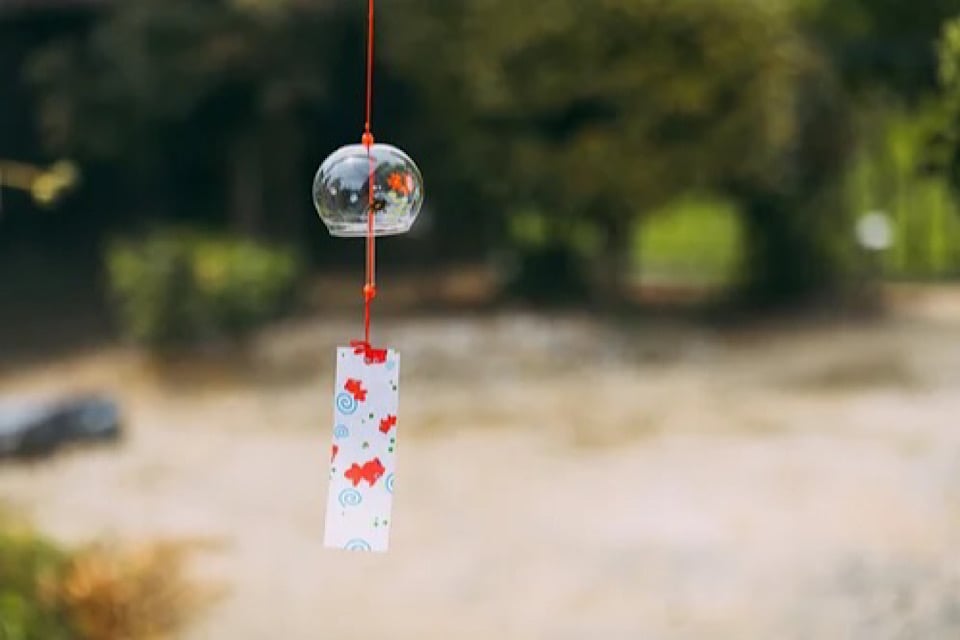
This experience allows you to paint a wind chime, a traditional symbol of the Japanese summer.
It is relatively easy and suitable for beginners.
There is also an option to create a wind chime from scratch.
While this experience is more challenging, instructors provide careful guidance, so participants can join with confidence.
We’ve introduced a variety of recommended craft experiences so far. Did any of them catch your interest?
If you would like to learn more about Japanese cultural experiences, please take a look at the articles below.

How to Choose a Great Craft Experience
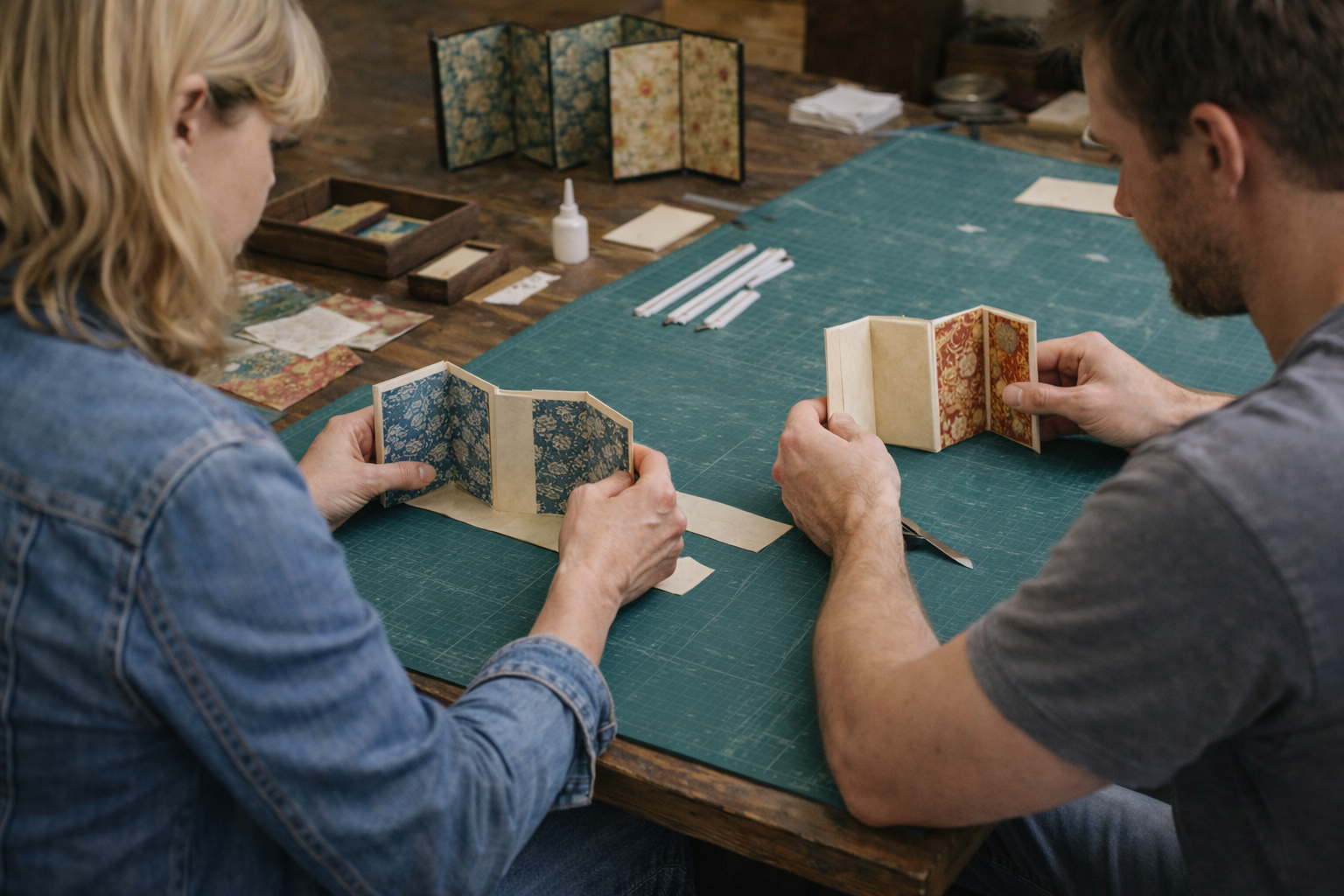
There are many workshops in Japan that offer craft experiences.
So, how should you choose the right one?
In this section, we introduce the key features of workshops that offer more meaningful and satisfying experiences.
Whether the Experience Can Be Customized
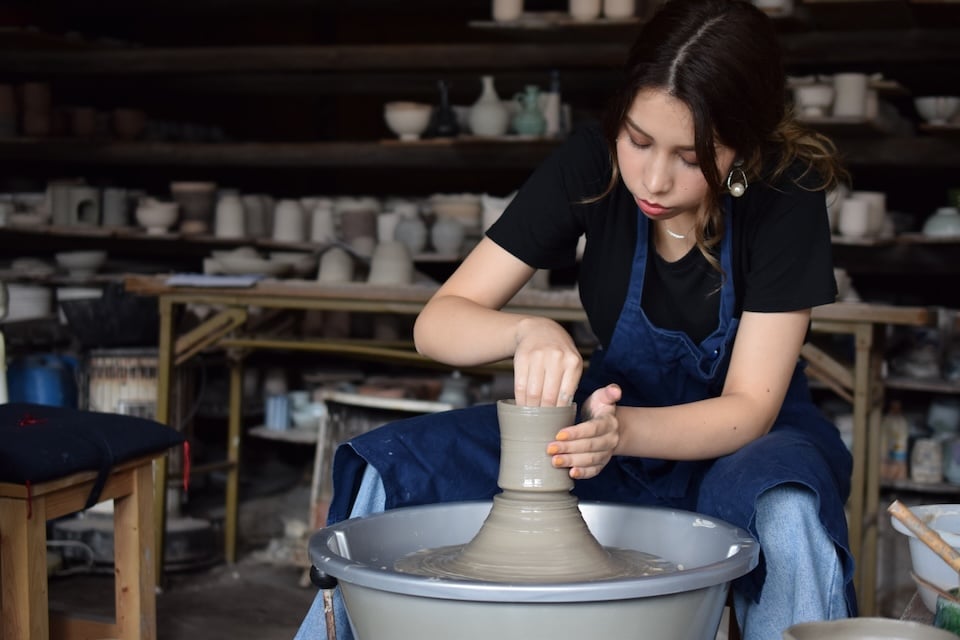
To enjoy a better experience, it is a good idea to choose a craft workshop that allows customization.
In particular, it is ideal if the following points can be tailored to your needs and preferences.
Customizable Experience
You will feel more satisfied when you can create something you truly want to make.
One-on-One Lesson Option
Learning directly from an instructor allows you to focus and create a higher-quality finished piece.
Interpretation Services Available
This allows you to enjoy the experience without worrying about language barriers.
Transportation Support
Having a pick-up and drop-off service helps reduce travel stress and lets you focus on the experience itself.
If you’re wondering,
“Where can I find such craft workshops?”
Please refer to the information below for helpful tips.
Key Considerations for Executives and Corporate Groups
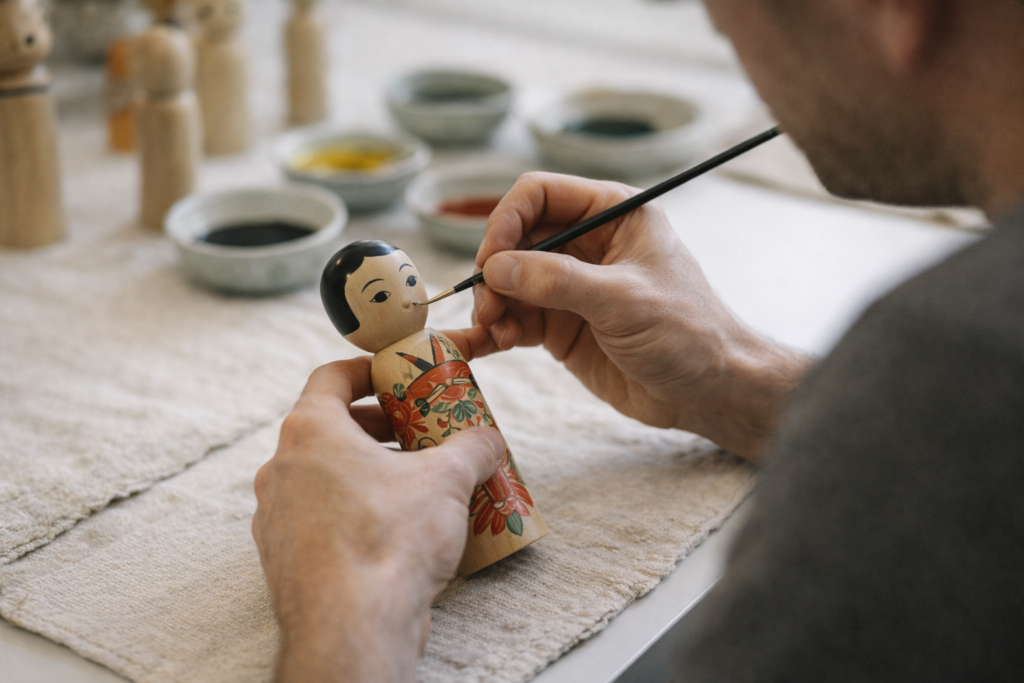
Some of you may be thinking,
“I’d like to offer a craft experience for VIP guests,” or
“I want to include a craft experience in a company trip.”
The customized craft experiences introduced above are perfect for guests with these special needs.
Workshops can be tailored to your group size, interests, and schedule, ensuring a refined and meaningful experience for everyone involved.
If you would like to learn more about travel experiences designed for VIP guests, or discover travel ideas that are perfect for company trips, please take a look at the information below.

Frequently Asked Questions

Finally, we have compiled a list of frequently asked questions about craft experiences along with their answers.
We hope this section helps ease any concerns you may have.
Is language support available?
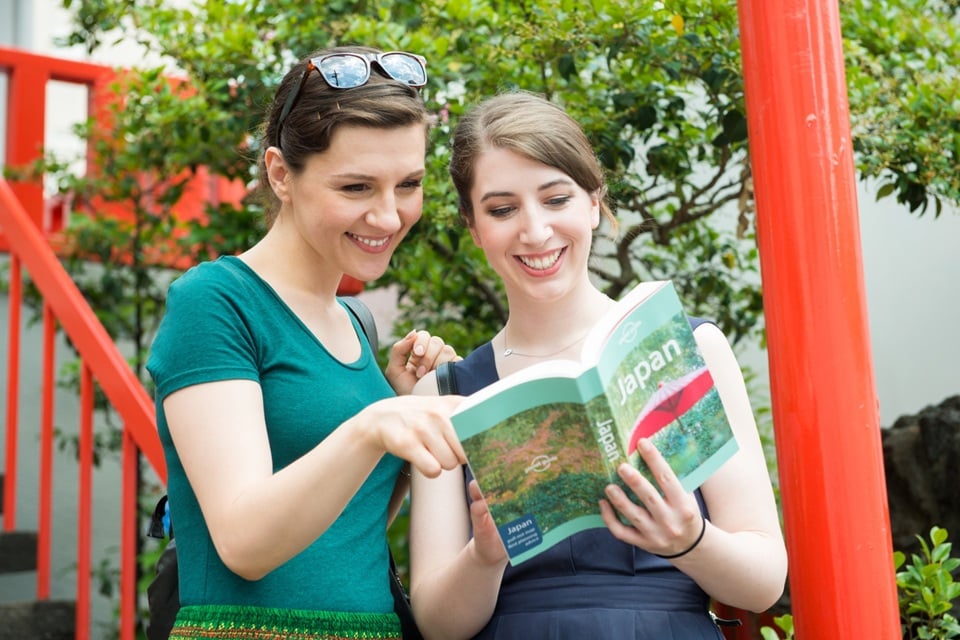
Many craft workshops in Japan offer English interpretation, but in some rural areas, experiences may be conducted only in Japanese.
By choosing a customized cultural experience, support can be provided not only in English but also in other languages.
Can large groups participate?
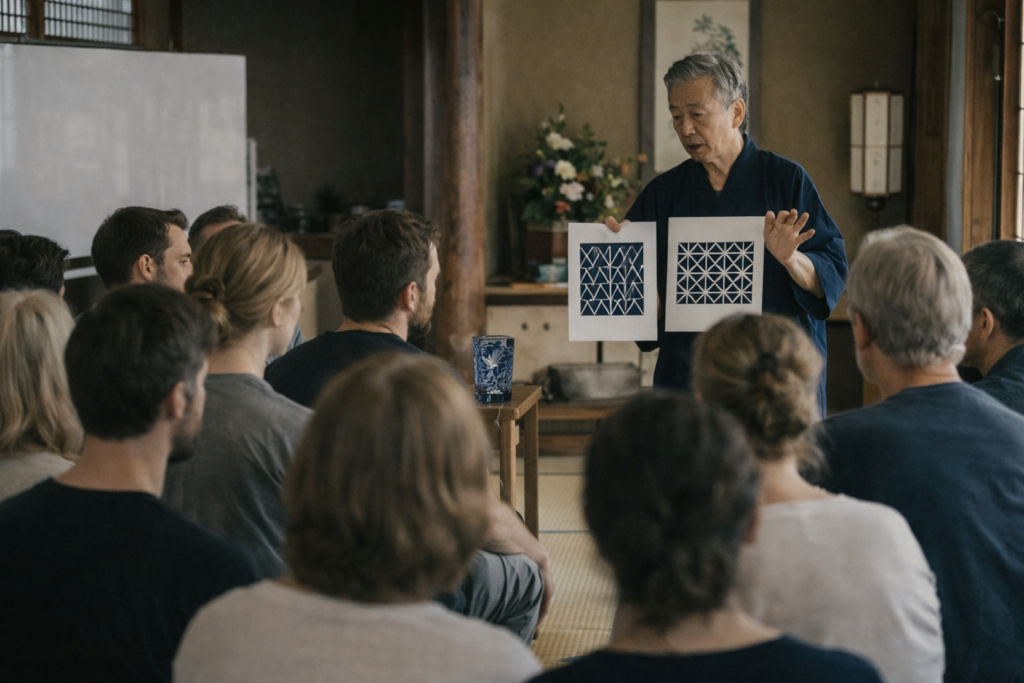
For many craft experiences, reservations need to be made several months in advance when booking for groups of ten or more.
If you feel unsure about making the arrangements yourself, working with a travel agency can help ensure a smoother process.
Can the experience be customized?
In most standard craft experiences, customization options are limited.
However, with a customized cultural experience, it is possible to accommodate requests such as creating items with a company logo or personalized names.
Above are the frequently asked questions and their answers.
If you would like more detailed information, please feel free to contact us through the consultation desk below.
Transform Your Vision into Reality
Whether you’re planning an executive retreat, VIP client entertainment, or a meaningful personal journey, our cultural experience specialists handle every detail with precision and care.
Enjoy Japanese Craft Experiences
So far, we have introduced:
- Why craft experiences are so special and fascinating
- Recommended Japanese craft experiences
- How to enjoy a more fulfilling and satisfying craft experience
We hope this article has sparked your interest in Japanese craftsmanship.
Please take the opportunity to create a beautiful piece of traditional Japanese craft and make unforgettable memories during your visit to Japan.

After graduating from Kansai University, I joined JTB as a new graduate and worked in the inbound tourism sector.
After getting married, I moved to Australia due to my husband’s work and obtained a diploma in early childhood education there.
I am currently working at a kindergarten while also working as a writer.

