




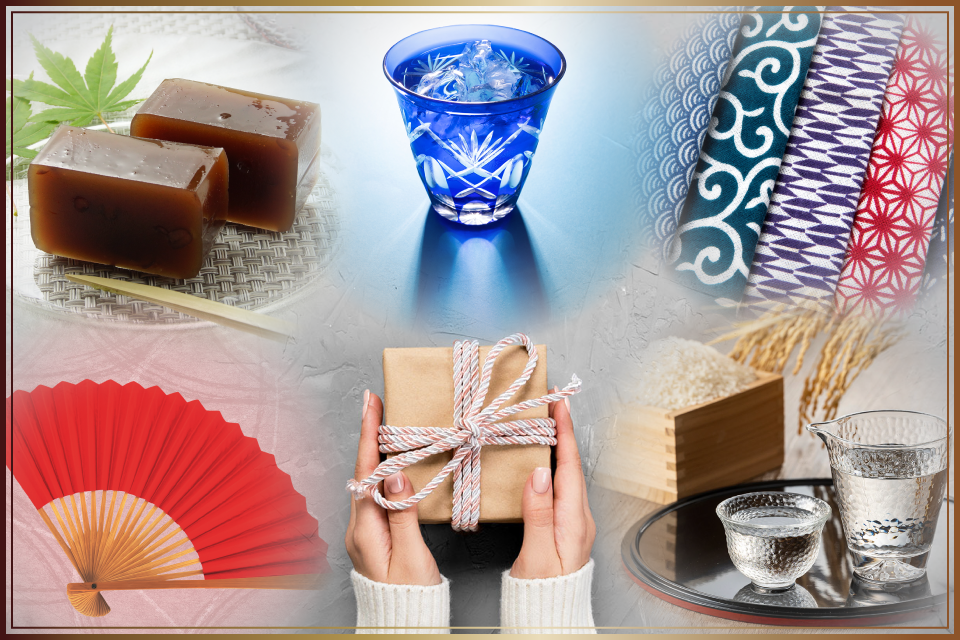

In Japan, giving a gift is more than a simple exchange — it’s a reflection of respect, gratitude, and heartfelt connection.
From exquisite Edo Kiriko glassware to humble sweets shared as omiyage, every present carries a story and intention. These meaningful items are often considered among the best souvenirs from Japan, valued not only for their beauty but for the thought behind them.
This guide explores Japan’s gift culture from luxury VIP presents to thoughtful everyday souvenirs, offering insights into where to buy, how to give, and what each gesture means.
Whether for business, travel, or friendship, learn how to choose gifts that speak the universal language of sincerity — and leave a lasting impression.
The Meaning of Omiyage — Japan’s Gift-Giving Culture
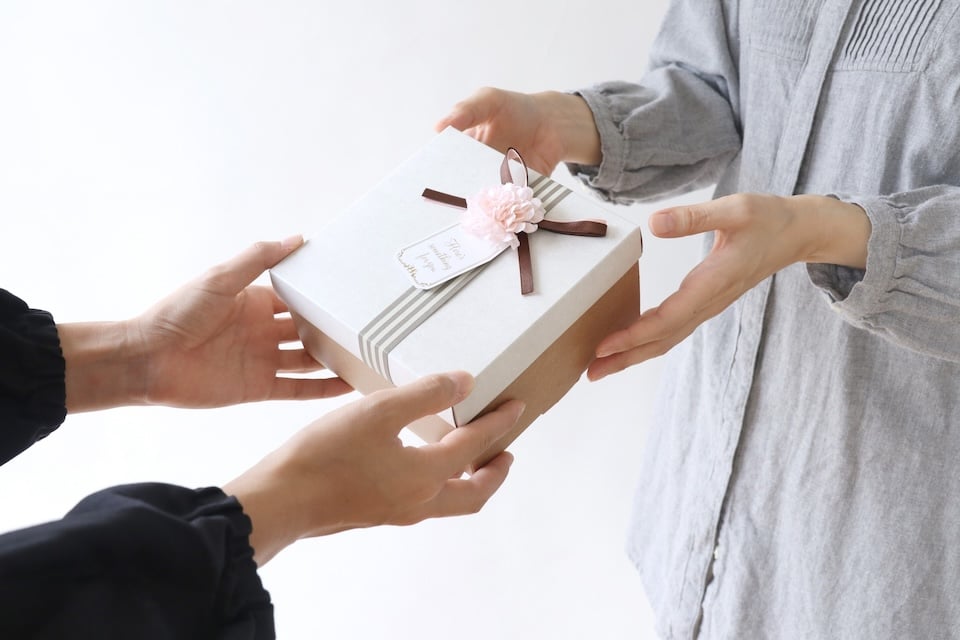
Omiyage (Japanese souvenir) represents respect and connection in Japanese culture.
Travelers bring small gifts for others to share their journey, reflecting thoughtfulness and sincerity. In business, omiyage embodies gratitude and the spirit of omotenashi (おもてなし, hospitality).
What Makes Omiyage Unique
In Japan, gift-giving reflects 思いやり (omoiyari, consideration for others).
The value of omiyage lies not in its price but in understanding the recipient’s interests and connection to Japan. Even modest gifts like wagashi sweets or a handcrafted furoshiki carry deep cultural meaning.
Matching the gift to the recipient’s familiarity with Japan—perhaps an elegant wind chime for a Japan lover or green tea cookies for a newcomer—shows thoughtful care. This sensitivity makes Japanese omiyage culture truly distinctive.

Craftsmanship & Hospitality in Every Gift
Omiyage showcases Japan’s famed craftsmanship and attention to detail.
From hand-painted ceramics to lacquerware, each piece reflects a maker’s devotion to quality. Even simple sweets may be wrapped in washi paper, as presentation is part of hospitality.
In Japanese gift culture, wrapping itself expresses omotenashi (おもてなし, hospitality) and respect.
This focus on beauty and care makes each omiyage feel special—a heartfelt token that says, “I share this piece of Japan with gratitude for our connection.”
MOTENAS JAPAN’s Real VIP Gift Experience
At MOTENAS JAPAN, we’ve seen how a thoughtful gift can captivate even the most distinguished guests.
For C-level executives, we once presented Edo Kiriko glass sets etched with Mount Fuji—one CEO said he felt he “owned a piece of Tokyo’s art.”
Another time, we offered a custom Maki-e pen with the recipient’s name in gold, like one gifted by Japan’s Prime Minister to a U.S. President.
These moments proved that the best Japanese gifts combine authenticity and emotion — luxurious, meaningful symbols of friendship that leave a lasting impression.

Premium Japanese Gifts for VIPs & Executives | ¥30,000+($200+)
When you need a gift that truly stands out for a VIP or executive, Japan offers plenty of premium crafts and products that exude prestige.
In this top tier (roughly ¥30,000 and above, or about $200+), think of handcrafted items often reserved for diplomats, CEOs, or government officials.
These gifts combine exclusivity, cultural richness, and respect – making them ideal corporate gifts from Japan that leave a powerful impression.
Diplomatic-Grade Gifts: Maki-e Pens & Gold-Leaf Art
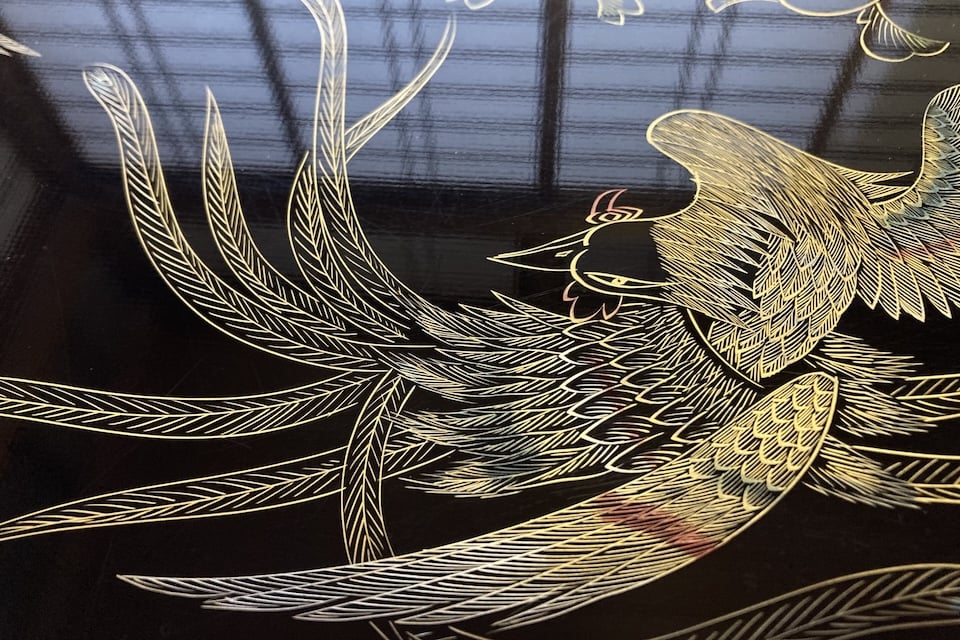
For executives and dignitaries, Maki-e (蒔絵) pens and もcおも embody Japan’s finest craftsmanship. Hand-lacquered with gold or silver powder, each pen is both a precision tool and a unique work of art.
The tradition of presenting such pens to world leaders—most notably from Japan’s Prime Minister to a U.S. President in 2017—underscores their status as the ultimate diplomatic gesture.
Functional yet exquisite, these masterpieces come in paulownia wood boxes with certificates of authenticity, making them ideal symbols of respect and lasting partnership.
| Category | Product Example | Approx. Price | Where to Buy | Gift Suitability |
|---|---|---|---|---|
| Luxury Pen (Maki-e) | Namiki“Yukari” or Platinum“Izumo” | ¥80,000–¥200,000(Approx. $530–$1,330) | Itoya Ginza, Maruzen Nihonbashi | VIPs, executives, international delegates |
| Gold-Leaf Art | Gold-leaf Panel / Decorative Tray | ¥30,000–¥100,000(Approx. $200–$670) | Hakuza (Nihonbashi/Kanazawa) | Corporate gifts, art lovers, dignitaries |
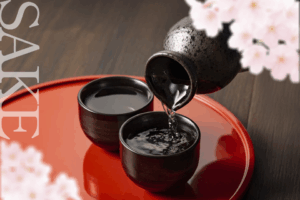
Limited-Edition Sake & Whisky Collections
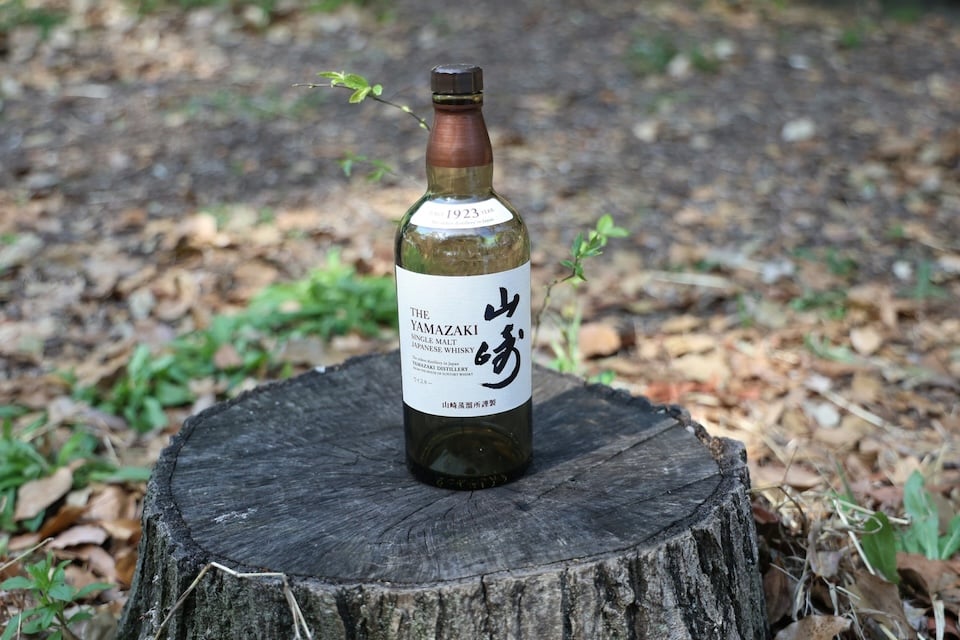
For connoisseurs and executives, Japan’s rarest spirits make for unforgettable gifts. The legendary Dassai “Beyond”, crafted to surpass all traditional rice-polishing limits, offers unparalleled smoothness and prestige.
Similarly, aged whiskies like Yamazaki 18-Year or Hibiki 21-Year are global icons of luxury.
Packaged in wooden boxes or artistic bottles, these selections represent the pinnacle of Japanese brewing — reserved for the most distinguished recipients.
| Category | Product Example | Approx. Price | Where to Buy | Gift Suitability |
|---|---|---|---|---|
| Ultra-Premium Sake | Dassai “Beyond” (獺祭 磨き その先へ) | ¥38,000–¥45,000(Approx.$250–$300) | Dassai Store Ginza, Isetan, Mitsukoshi | The ultimate gesture for VIPs, Sake connoisseurs |
| Rare Whisky | Yamazaki 18-Year, Hibiki 21-Year, (Market Price) | ¥100,000+(Approx.$670+) | Specialty Liquor Boutiques (Ginza/Tokyo) | Top-tier executives, Collectors |

Master Craftsman Lacquerware & Tea Ceremony Sets
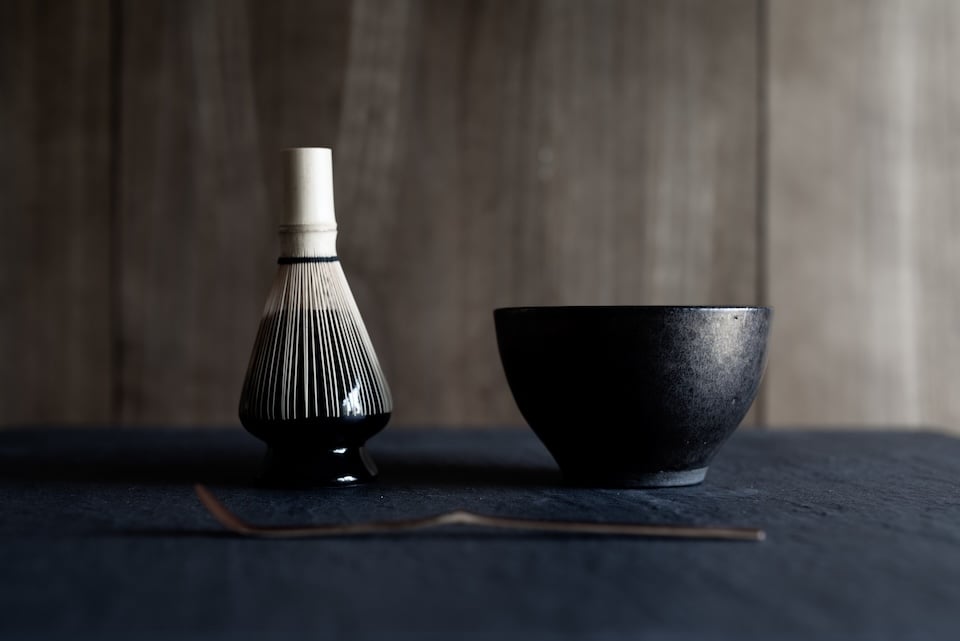
For VIPs and art lovers, these represent the pinnacle of Japanese craftsmanship.
Choose Wajima-nuri lacquerware such as a stationery box or decorative tray (¥40,000–¥100,000), polished through dozens of urushi layers for a timeless glow.
For tea ceremony gifts, select an artist-grade raku-yaki tea bowl in a paulownia box with a premium Takayama whisk—authentic sets start around ¥35,000.
These heirloom-quality pieces embody Japan’s refined artistry and make unforgettable gifts for executives and dignitaries.
| Category | Product Example | Approx. Price | Where to Buy | Gift Suitability |
|---|---|---|---|---|
| Master Lacquerware | Wajima-nuri Stationery Box or Large Tray | ¥40,000–¥100,000(Approx. $265–$665) | Wajima Kobo, Takashimaya, Wako Ginza | VIPs, collectors, art enthusiasts |
| Authentic Tea Set | Artist-Grade Raku Bowl (Boxed) & Access. | ¥35,000–¥60,000(Approx. $235–$400) | Ippodo (Kyoto/Tokyo), Gallery YDS | Executives, Cultural appreciation |
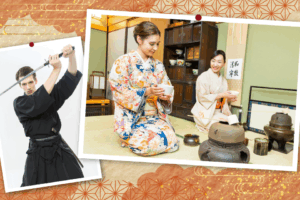
Why These Gifts Work for C-Level & Government Officials
For top leaders, the best gifts combine meaning, craftsmanship, and discretion.
Edo Kiriko glass or Maki-e pens embody both culture and functionality, while limited whiskies add refined usability.
These thoughtful, handcrafted pieces show genuine respect—far beyond typical corporate items—and align with diplomatic protocol.
Elegant yet understated, they express goodwill and Japan’s spirit of refined hospitality.
High-End Traditional Japanese Souvenirs | ¥10,000–¥30,000($67–$200)
In the ¥10,000–¥30,000 ($70–$200) range, you’ll find refined traditional Japanese gifts ideal for valued business partners or loved ones.These items—such as handcrafted ceramics, textiles, and glassware—embody authentic Japanese artistry and practicality.
They strike the perfect balance between elegance and accessibility, offering cultural depth without extravagance.
Edo Kiriko Glass & Premium Ceramics
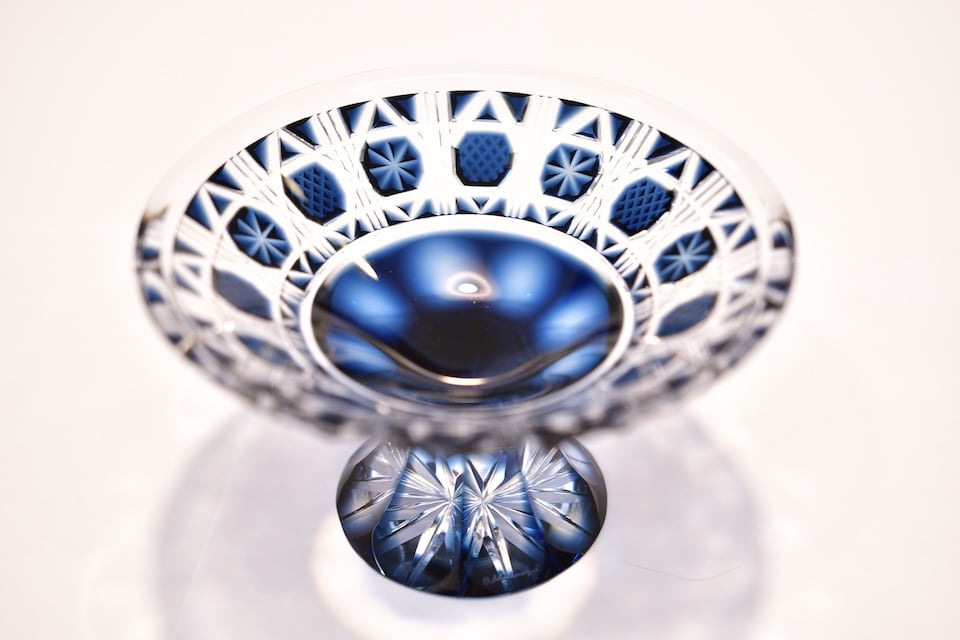
Edo Kiriko (江戸切子) hand-cut glassware, etched with motifs like Mt. Fuji or waves, shines as both art and utility.
A pair costs around ¥15,000–¥20,000 and comes in elegant wooden boxes.
Likewise, Arita and Kutani ceramics—known for refined colors and gold details—offer timeless elegance, making them perfect high-end Japanese gifts. Each piece reflects Japanese craftsmanship and cultural grace, ideal for those who appreciate refined design.
| Category | Example Item | Price Range | Where to Buy | Gift Suitability |
|---|---|---|---|---|
| Glassware | Edo Kiriko glasses (Mt. Fuji, wave pattern) | ¥15,000–¥20,000(Approx. $100–$135) | Nihonbashi Mitsukoshi, BECOS Online | Business partners, collectors |
| Ceramics | Arita or Kutani porcelain cups, vases | ¥10,000–¥25,000(Approx. $65–$165) | Takashimaya Kyoto, Arita Porcelain Lab | Art lovers, family gifts |
Handcrafted Kitchen Knives (Chef-Grade)
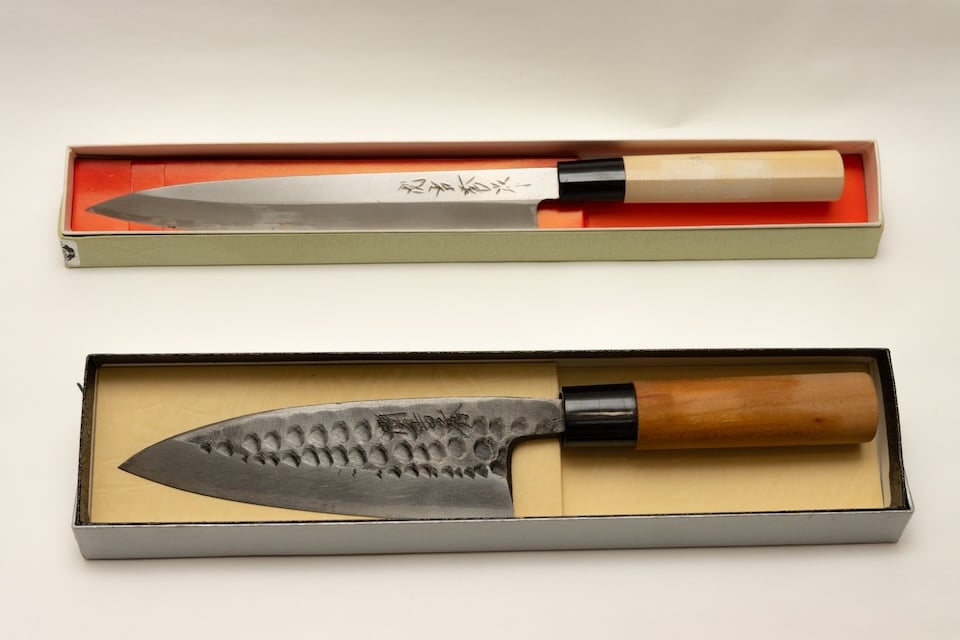
Japanese kitchen knives, like the gyuto (牛刀) or santoku (三徳包丁), are prized for their razor-sharp precision and perfect balance. Crafted in Sakai (Osaka) or Seki (Gifu) from Damascus or high-carbon steel, they combine functionality with artistry.
Costing around ¥10,000–¥30,000 ($70–$200), these knives are ideal for food lovers and culinary professionals.
They last for decades, and many shops offer custom engraving for a personal touch—just remember to pack them in checked luggage when flying.
| Category | Example Item | Price Range | Where to Buy | Gift Suitability |
|---|---|---|---|---|
| Chef’s Knives | Gyuto (牛刀) or Santoku (三徳包丁) | ¥10,000–¥30,000 (Approx. $65–$200) | Kappabashi (Tokyo), Aritsugu (Kyoto), Sakai Takayuki | Chefs, food enthusiasts |
| Customization | Name engraving service | +¥1,000–¥2,000(Approx. $7–$14) | Knife specialty stores in Japan | Personalized business or VIP gift |
Silk Kimono Accessories & Traditional Textiles
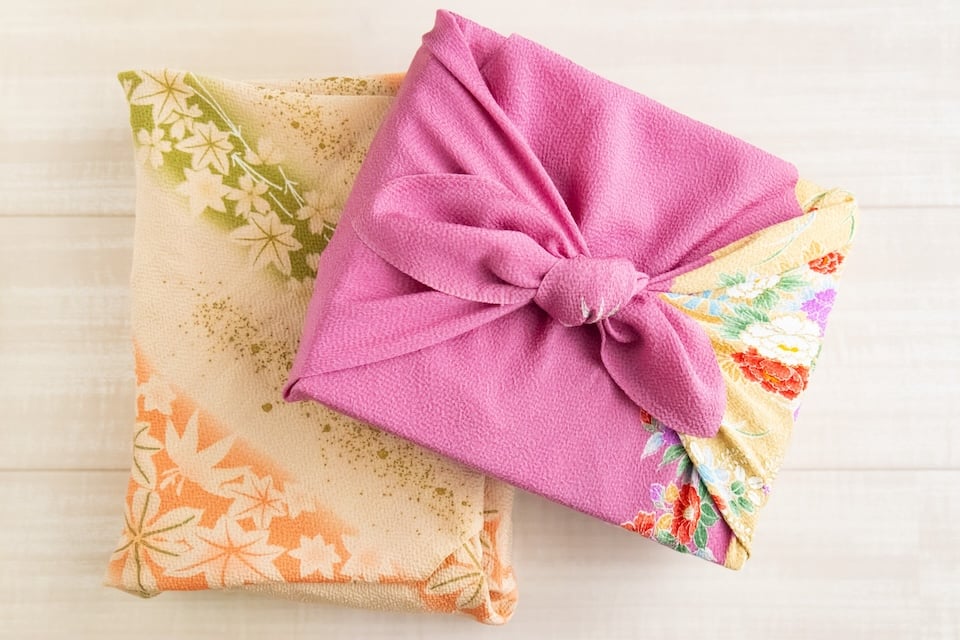
Japanese textiles strike a perfect balance between beauty and practicality. Instead of a full kimono, consider silk scarves, Nishijin-ori neckties, or obi sashes that double as décor.
Furoshiki and tenugui from Kyoto’s Eirakuya feature elegant woodblock-style motifs, making them stylish and travel-friendly gifts.
Lightweight yet rich in craftsmanship, these textiles express Japan’s refined aesthetics, perfect for hosts or clients who appreciate art and culture.
| Category | Example Item | Price Range | Where to Buy | Gift Suitability |
|---|---|---|---|---|
| Silk Accessories | Silk scarves, Nishijin-ori neckties | ¥8,000–¥20,000(Approx. $55–$135) | Kyoto Nishijin Center, Mitsukoshi Ginza | Business partners, art lovers |
| Textile Gifts | Furoshiki, Tenugui by Eirakuya | ¥2,000–¥6,000(Approx. $14–$40) | Eirakuya Kyoto, online stores | Hosts, travelers, casual gifts |
Best for: Business Partners & Special Occasions
In the ¥10,000–¥30,000 range, these gifts express respect and gratitude without excess.
Edo Kiriko glasses or handcrafted knives suit business partners, symbolizing appreciation for collaboration.
For personal milestones or anniversaries, lacquer frames, tea sets, or silk scarves convey thoughtfulness and elegance.
If unsure of preferences, timeless items like a Hakone marquetry box or Edo Kiriko vase complement any home or office. Refined yet heartfelt, these traditional gifts leave lasting impressions and strengthen meaningful relationships.
Elegant Japanese Gifts Under ¥10,000($70)
You don’t need to spend much to give a refined Japanese gift. Many elegant souvenirs under ¥10,000 (about $70) perfectly suit colleagues, friendly clients, or loved ones.
This range includes two tiers — Affordable Luxury (¥3,000–¥6,000) and Modern Souvenirs (¥5,000–¥10,000) — plus thoughtful ideas for women. Even at modest prices, these gifts embody Japan’s signature quality and timeless beauty, offering a way to share authentic elegance without overspending.
Affordable Luxury: ¥3,000–¥6,000($20–$40)
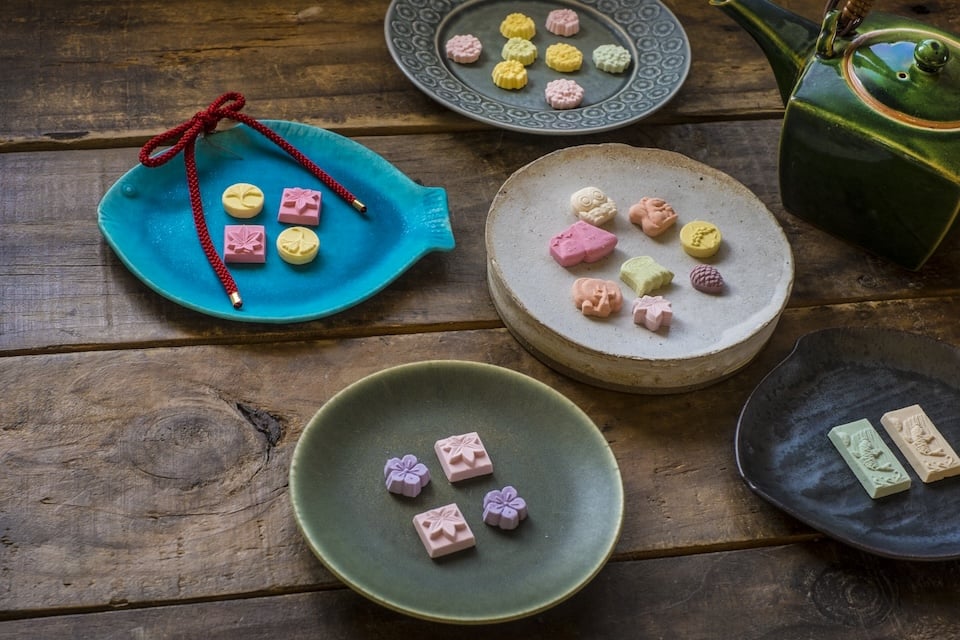
In the ¥3,000–¥6,000 range ($20–$40), you can find refined yet affordable gifts.
Toraya’s yokan sweets (around ¥4,500) offer authentic wagashi in elegant packaging, while wasanbon sugar sweets — delicate, hand-pressed confections shaped like seasonal motifs — bring a touch of traditional elegance at an accessible price. Kousaido’s incense sets also capture Japan’s scents beautifully, perfect for fragrance lovers.
For practical elegance, pair a Sarasa Grand pen with a Midori notebook, or gift a folding fan (扇子, sensu) from Kyoto (¥3,000–¥4,000), symbolizing prosperity. These items combine beauty and tradition, making them ideal for thoughtful, budget-friendly souvenirs.
| Category | Example Item | Price Range | Where to Buy | Best For |
|---|---|---|---|---|
| Traditional Sweets | Toraya Mini Yokan Set / Wasanbon Seasonal Shapes | ¥4,000–¥5,000(Approx. $27–$33) | Department stores, Toraya, wagashi shops | Clients, families |
| Fragrance Gifts | Kousaido “Hundred Joys” Incense Set | ¥2,500–¥4,000(Approx. $17–$27) | Kyoto Kousaido, online | Fragrance lovers, relaxation gifts |
| Stationery | Sarasa Grand Pen + Midori Notebook | ¥2,500–¥5,000(Approx. $17–$33) | Itoya Ginza, Tokyu Hands | Colleagues, writers |
| Cultural Accessories | Kyoto Folding Fan (扇子, sensu) | ¥3,000–¥4,000(Approx. $20–$27) | Kyoto Suehirodo, souvenir shops | Travelers, business partners |
Modern Japanese Souvenirs: ¥5,000–¥10,000( $33–$67)
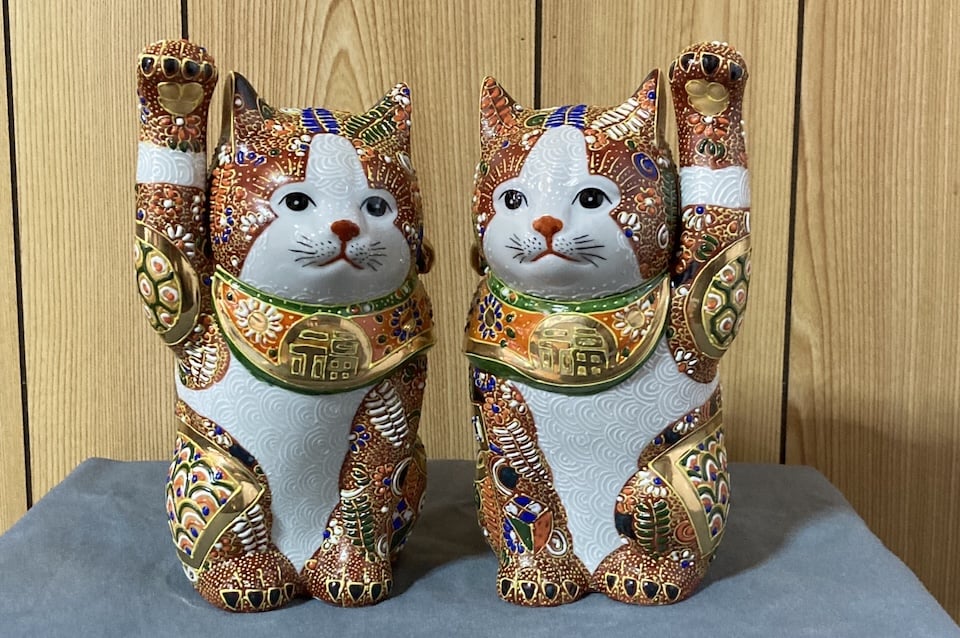
In this range, modern meets traditional — offering gifts that feel both stylish and rooted in Japanese craftsmanship.
Hasami porcelain mugs or Kinto teapots (around ¥5,000–¥7,000) pair beautifully with Uji tea for a refined touch.
Practical yet elegant picks like Zojirushi stainless bottles or Yojiya skincare sets (around ¥6,000–¥8,000) bring daily luxury.
For something decorative, consider a mini ukiyo-e print or maneki-neko figurine, each adding a dash of culture and charm. These items blend utility, design, and Japanese flair — modern, memorable, and unmistakably Japan.
| Category | Example Item | Price Range | Where to Buy | Best For |
|---|---|---|---|---|
| Modern Tableware | Hasami Porcelain Mug(Pair) / Kinto Tea Set | ¥5,000–¥7,000(Approx. $33–$47) | Tsutaya, Tokyu Hands, KINTO online | Home gifts, tea lovers |
| Practical & Stylish | Zojirushi Stainless Bottle / Yojiya Bodycare Set | ¥6,000–¥8,000(Approx. $40–$53) | Department stores, Yojiya Kyoto | Daily-use gifts, colleagues |
| Art & Décor | Authentic Mini Ukiyo-e / Kutani Maneki-neko | ¥5,000–¥9,000(Approx. $33–$60) | Asakusa, museum shops | Collectors, design enthusiasts |
| Contemporary Craft | Arita Mini Vase / Premium Incense Holder | ¥7,000–¥10,000(Approx. $47–$67) | Loft, Nihonbashi stores | Cultural keepsakes, friends |
Best Japanese Gifts for Women
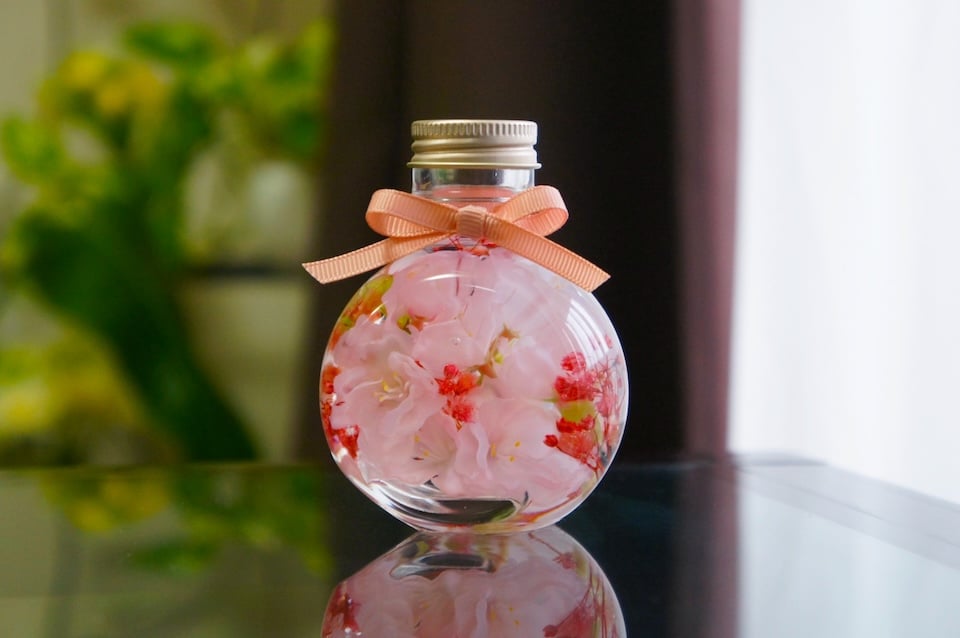
For female friends or clients, consider gifts that feel elegant, modern, and distinctly Japanese.
Delicate Akoya pearl accessories, fragrant Sakura or Hinoki-inspired perfumes, and chirimen fabric accessories bring a soft, feminine aesthetic without repeating items from other sections. These pieces add a touch of refined Japanese beauty to everyday life.
For relaxation-focused gifts, choose yuzu bath salts, Japanese herbal teas, or a handcrafted aroma stone diffuser — perfect for unwinding after travel or work.
A hand-painted wagasa (Japanese umbrella) or a chirimen-covered compact mirror adds cultural charm and makes a memorable, travel-friendly present.
Finish your gift with washi-pattern packaging or kimono-style wrapping paper to add a graceful, feminine touch — a small detail that elevates the entire gift experience.
| Category | Example Item | Price Range | Where to Buy | Best For |
|---|---|---|---|---|
| Pearl Accessories | Akoya Pearl Earrings / Pendant | ¥8,000–¥20,000(Approx. $53–$133) | Ginza Mikimoto, dept. stores | Elegant, timeless gifts |
| Japanese Fragrances | Sakura Perfume / Hinoki Oil Mist | ¥3,000–¥7,000(Approx. $20–$47) | Shoyeido, Kyoto shops | Relaxation, daily use |
| Chirimen Crafts | Chirimen Coin Purse / Compact Mirror | ¥1,500–¥4,000(Approx. $10–$27) | Kyoto craft stores | Light, feminine souvenirs |
| Wellness Gifts | Yuzu Bath Salts / Herbal Tea Set | ¥2,000–¥5,000(Approx. $13–$33) | Muji, Ippodo Tea | Self-care, home gifts |
| Artisan Umbrellas | Hand-painted Wagasa | ¥5,000–¥10,000(Approx. $33–$67) | Kyoto Gion shops | Artistic, memorable gifts |
| Washi Packaging | Washi Gift Box / Kimono-paper Wrap | ¥800–¥2,000(Approx. $5–$13) | Tokyu Hands, Loft | Elegant presentation |
Where to Buy Authentic Japanese Gifts & Souvenirs
Finding the right place to shop in Japan is key to discovering authentic, high-quality gifts. From luxury department stores in Tokyo to Kyoto and Osaka’s traditional craft boutiques, there are endless options for every taste and budget.
For those abroad or short on time, many stores now offer online shopping with international delivery, making it easy to access Japan’s finest goods.
Take advantage of Japan’s tax-free system and the favorable yen exchange rate to enjoy exceptional craftsmanship and value when selecting your souvenirs.
Tokyo’s Best Luxury Gift Shops (Tax-Free)
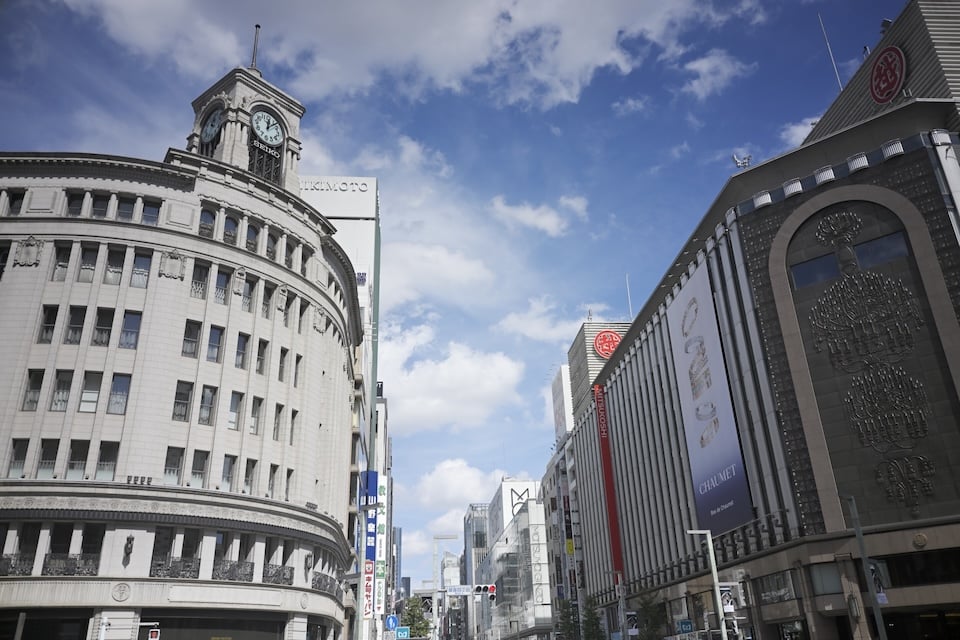
Tokyo offers endless options for authentic luxury gifts.
In Ginza, visit Mitsukoshi or Matsuya for Edo Kiriko glassware, lacquerware, and kimono textiles — all beautifully wrapped and tax-free on purchases over ¥5,000 with your passport. Nearby Itoya is a must for premium stationery, while Kappabashi Dougu Street near Asakusa is renowned for chef knives and kitchen tools.
In Nihonbashi, the historic Takashimaya showcases elegant tea sets and art pieces.
For convenience, Narita and Haneda duty-free shops stock select items, but city shopping offers greater variety and value.
Whether at modern malls or traditional boutiques, Tokyo makes luxury gift-hunting effortless and rewarding — a perfect blend of craftsmanship, service, and style.

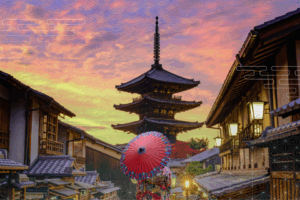
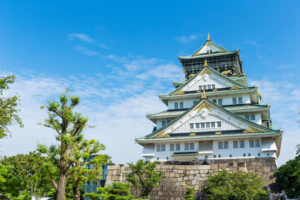
Kyoto & Osaka Traditional Craft Stores
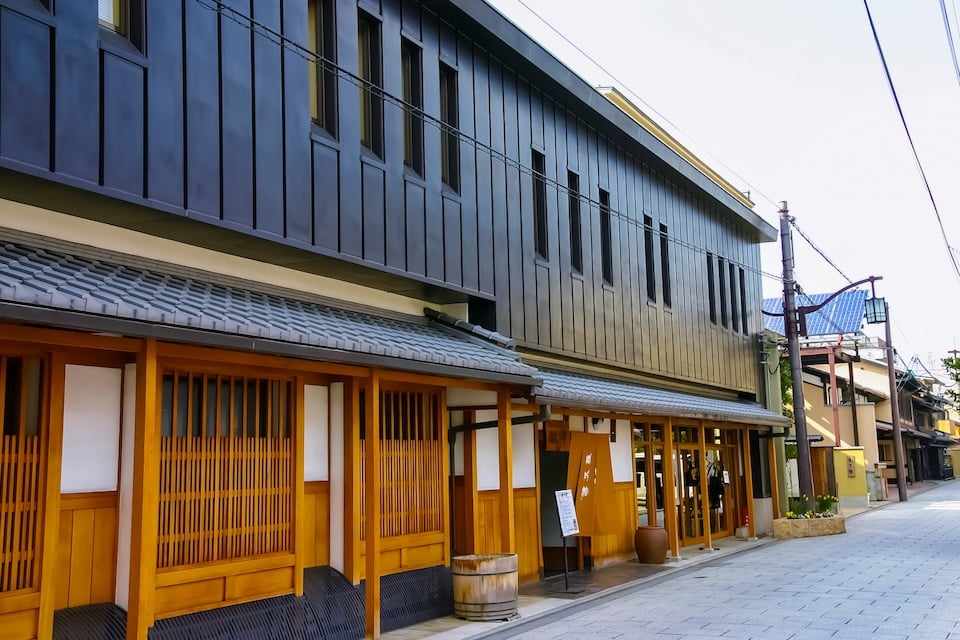
Kyoto and Osaka offer some of Japan’s finest traditional crafts.
In Kyoto, visit Chawanzaka (“Teapot Lane”) for Kiyomizu-yaki pottery, or the Nishijin Textile Center for silk goods and weaving demos. Kyukyodo sells classic incense and washi stationery, while Yojiya is famous for beauty gifts and Uji for premium tea.
In Osaka, Doguyasuji Street is perfect for kitchenware and Sakai knives, and department stores like Hankyu Umeda feature local crafts.
Many Kyoto shops also offer hands-on workshops, letting you create your own souvenir — a meaningful way to take home a piece of Japan’s artistry.
Online Shopping & International Shipping Options

Forgot a souvenir or ran out of space? Many Japanese brands now offer English-friendly online shops with worldwide delivery.
Sites like BECOS, Japan Objects Store, and Takumiba feature Edo Kiriko glass, lacquerware, and other crafts, while Mitsukoshi Isetan and others sometimes ship overseas.
If not, proxy services such as Buyee or Tenso can purchase and forward items for you. Amazon Japan also supports global delivery, and airports like Narita or Haneda offer home shipping for duty-free items.
With Japan’s favorable yen rate, online shopping becomes an easy, affordable way to bring authentic Japanese gifts to your doorstep.

Smart Shopping Tips: Currency & Tax Benefits
Take advantage of Japan’s weak yen and tax-free shopping to stretch your budget.
With favorable exchange rates, a ¥10,000 gift may cost around $70.
Spend over ¥5,000 in one store and show your passport to save 10% tax — most major shops handle it easily.
Plan purchases during sale seasons (New Year or late summer) for extra savings.
Remember your customs limits and ship heavy items via Japan Post EMS or takkyubin delivery.
Bargaining isn’t common, but shops sometimes include small gifts as thanks.
Shop smart, enjoy the savings, and have a happy shopping experience — 良いお買い物を!
Japanese Gift Etiquette for Business and VIP Occasions
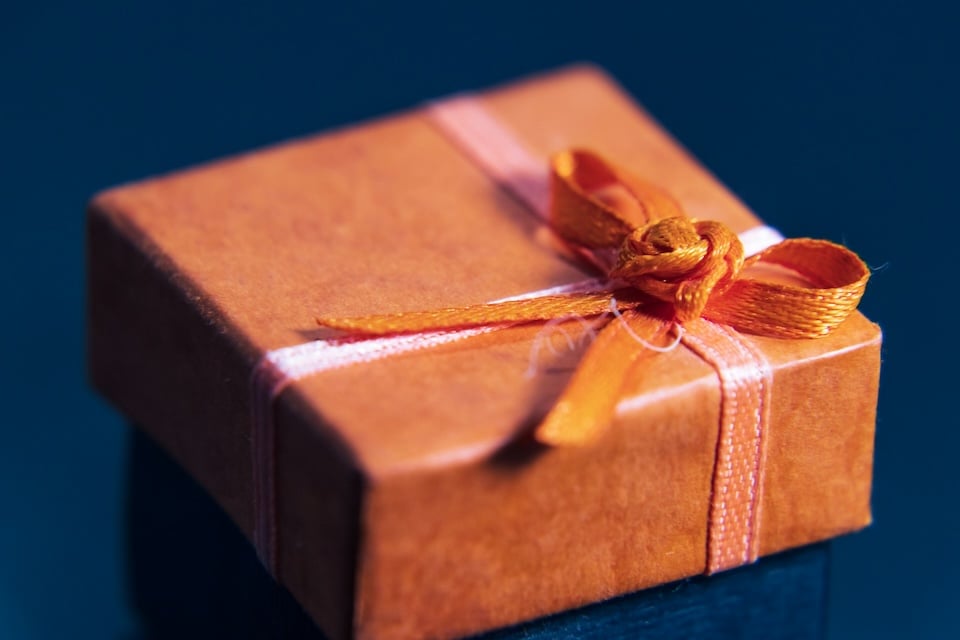
In Japan, presentation is as important as the gift itself. Offering it with both hands, a bow, and proper wrapping shows respect and sincerity.
Following these simple customs ensures your gesture feels polished, professional, and genuinely appreciated.
How to Present a Gift the Right Way
In Japan, offer gifts with both hands and a slight bow, using a humble phrase like “Please accept this small gift”.
Present to the most senior person last and at the end of a meeting. Always wrap gifts neatly, as presentation shows respect. Recipients usually open them later, so don’t insist.
A modest, well-timed gesture speaks volumes.
Wrapping & Cultural Taboos to Avoid
In Japan, wrapping is part of the gift itself. Use washi paper or a furoshiki cloth in auspicious colors like red or gold, and avoid plain white or black, which are tied to funerals. A red-and-white mizuhiki cord signals celebration, while black-and-white means mourning.
Avoid giving items in sets of four (linked to “death”) or nine (“pain”); instead, choose three or five. Refrain from gifting knives, scissors, handkerchiefs, or mirrors, which symbolize separation or bad luck. Also, avoid religious charms or alcohol for recipients whose beliefs forbid them.
Select gifts and wrapping that convey joy, not discomfort—ensuring your gesture is received with genuine appreciation.

FAQ: Your Questions About Japanese Souvenirs and Gifts

Let’s wrap up with some quick answers to common questions about Japanese souvenirs and gift etiquette.
These FAQs cover everything from corporate gifting and customs rules to the meaning of omiyage, helping you shop and give with confidence.
Chances are, your question has been asked before—so read on and become a true gift-giving pro.
What Are the Best Corporate Gifts from Japan?
Choose gifts that are cultural, high-quality, and practical. Popular options include Japanese stationery sets, a lacquered or metal business card holder, or elegant Edo Kiriko glass deskware.
For higher-end clients, a premium whisky or green tea gift set works beautifully. Keep it modest (under $100) and include a brief note like, “Thank you for your partnership—please enjoy this piece of Japan.”
Well-presented, thoughtful gifts leave a strong and professional impression.
Can I Bring Food or Sake Overseas?
Yes, but check each country’s customs rules.
Most allow limited alcohol duty-free — around 1 liter in the U.S. or EU, and 2 liters in Australia. Pack sake in checked luggage and buy duty-free only for direct flights.
Sealed snacks and tea are fine, but fresh fruit, meat, or dairy are restricted. Always declare food in places like Australia or New Zealand, and keep everything in its original packaging.
Avoid alcohol or pork items for countries that forbid them — most Japanese snacks are safe, compact, and perfect as gifts.
Why Do Japanese People Emphasize Omiyage?
Omiyage (souvenirs or gifts) reflects Japan’s culture of thoughtfulness.
The tradition began when travelers brought back local specialties to share — a way of saying “I thought of you.”
Today, it’s a gesture of respect and connection.
Bringing a small gift when visiting Japanese friends or colleagues is polite, though it need not be costly.
If you receive an omiyage, simply thank the giver. It’s about appreciation, not obligation — a small act that strengthens relationships.
Choosing Gifts with Heart
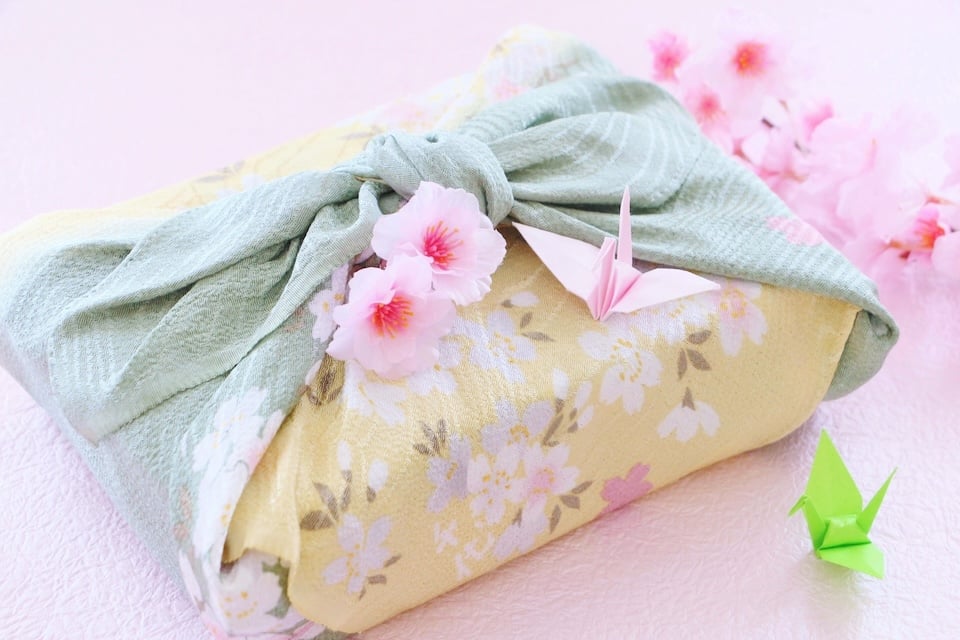
The best gifts are given with sincerity.
Whether it’s a luxury item or a small omiyage, what matters is thoughtfulness. Consider the recipient, the story behind the gift, and share it with magokoro (真心, true heart).
In Japan, gesture and presentation speak louder than value. A smile, a bow, or a kind note can make even the simplest gift meaningful — turning it into a lasting symbol of gratitude and connection.
旅をこよなく愛するWebライター。アジアを中心に16の国にお邪魔しました(今後も更新予定)。
ワーホリを機にニュージーランドに数年滞在。帰国後は日本の魅力にとりつかれ、各地のホテルで勤務。
日本滞在が、より豊かで思い出深いものになるように、旅好きならではの視点で心を込めてお届けします!


