





 津田修吾
津田修吾Have you ever felt unsure about Japanese business etiquette, even after doing everything “right”?
Small cultural mistakes can quietly damage trust, yet no one tells you how to avoid them.
This guide explains not just what to do, but why it matters in Japanese business culture.
You will learn how trust is judged in first meetings, how unspoken rules shape communication, and how business dining and gift-giving influence relationships.
By the end, you will understand how to navigate key business situations in Japan with confidence.
First Impressions: How You Are Judged Before You Speak
In Japan, first impressions are formed before the meeting agenda even begins.
A brief greeting, the way a business card is handled, and how you are dressed all combine to shape whether the other party feels comfortable engaging with you.
These elements work together, and if one feels off, it can quietly affect the entire interaction.

Bowing in Japan: The Meaning Behind 15°, 30°, and 45°
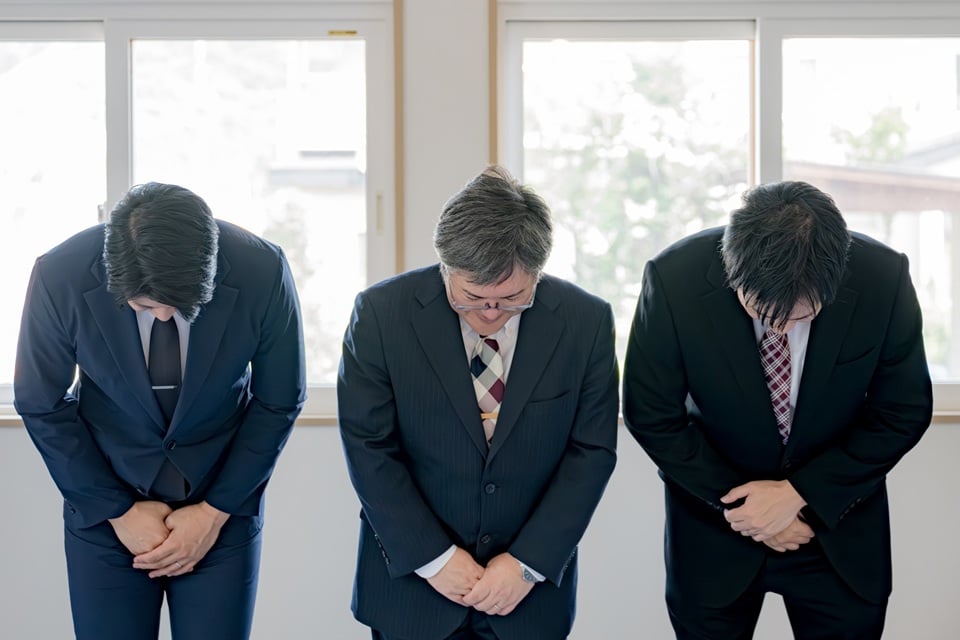
Bowing is often the first action in a Japanese business encounter, and the angle of the bow sets the tone. The goal is alignment with the situation and the person in front of you.
A 15-degree bow can be used as informal contact, such as a passing greeting in a hallway which communicates simple acknowledgment.
Imagine arriving at a client’s office for the first time. A brief 30-degree bow, paired with steady eye contact, tells them you understand where you are and why this meeting matters.
A deeper 45-degree bow in a meeting room signals respect and seriousness. In business situations, it is used when greeting senior executives, or for sshowing sincere apologies.
The 5-Step Business Card Exchange Process

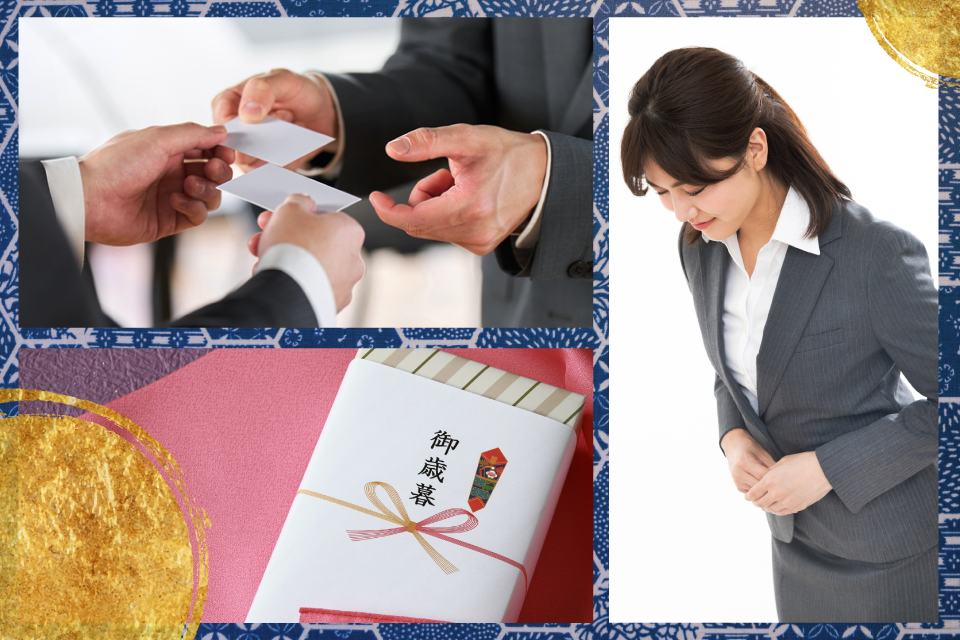
In Japanese business culture, a business card is treated as a stand-in for the person. How you handle it shows how seriously you take the relationship.
The exchange follows a clear sequence
- Present your card with both hands, text facing the other person.
- Say your name and company at a natural pace.
- Receive their card with both hands and a small bow.
- Take a moment to look at the card before setting it down.
- Place it neatly on the table during the conversation.
A common scenario is a meeting with multiple participants. Laying the cards out in front of you helps you remember names and roles, and it also signals attentiveness. Sliding the card straight into a pocket suggests the opposite, even if no one comments on it.
Appearance as Social Position: Why Clothing Is Part of Etiquette
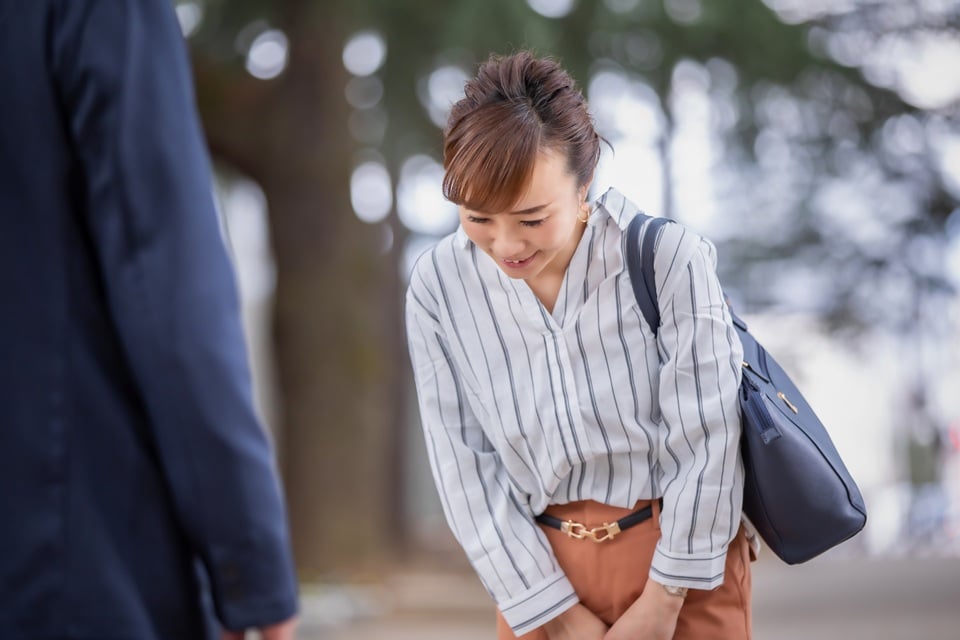
Clothing in Japan functions as a quiet form of communication. It tells others how you see yourself in relation to the situation. Neutral colors, simple tailoring, and well-maintained shoes suggest that you are there to do business.
For example, wearing a relaxed jacket and loafers to a casual startup meeting may feel appropriate. The same outfit at a traditional office or formal introduction can create subtle discomfort. People will adjust their expectations of you.
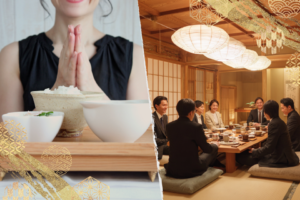
Common Mistakes Make in First Encounters
First impressions often suffer because of small, unintentional actions. These moments are easy to overlook, yet they linger.
Common mistakes Japanese people make include
- Skipping the bow or bowing while speaking
- Handing over a business card with one hand
- Putting the card away immediately after receiving it
- Dressing too casually for a formal setting
- Wearing strong fragrance or eye-catching accessories
Picture a short introductory meeting that should last ten minutes. If the opening feels careless, the conversation often stays polite but shallow. When the basics are handled smoothly, people relax, and the discussion moves forward naturally.
Communication & Meetings: Reading the Room in Japan
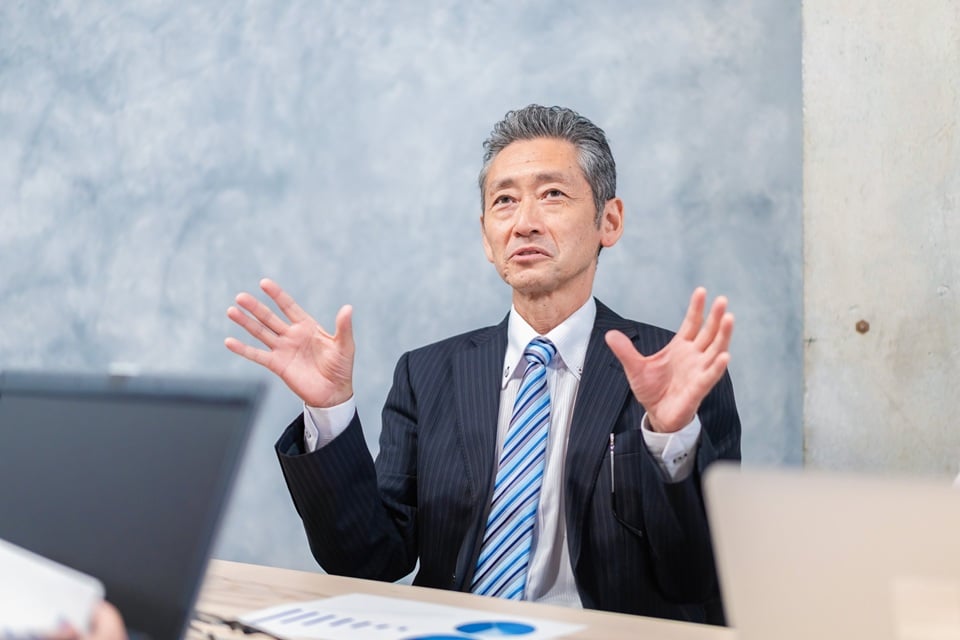
Business meetings in Japan often feel indirect to professionals unfamiliar with Japan who may be used to direct answers. This is because what appears unclear on the surface usually has a practical reason beneath it.

What “We Will Consider It” Really Means
When a Japanese counterpart says “We will consider it,” they are rarely postponing out of indecision. More often, they are signaling that the proposal needs internal alignment. For example, during a meeting with a mid-sized manufacturing firm, a visiting manager pushed for a quick yes after hearing this phrase.
The atmosphere immediately tightened. What the Japanese side actually needed was time to check feasibility with other departments. A follow-up email offering additional data, rather than pressure, moved the discussion forward within days.
Other common expressions follow similar patterns
| Expression | Likely Intention |
|---|---|
| We will consider it | Further internal discussion is needed |
| We will think positively | Conditional interest |
| It may be difficult | Low likelihood |
| We will share internally | Approval process has begun |
Silence Is Not Rejection
Silence during meetings often unsettles visitors, but in Japan it usually indicates reflection. People pause to think, assess risk, or consider how others in the room may feel. During a joint venture discussion, a long silence followed a pricing proposal. The overseas team assumed resistance and rushed to explain further.
In reality, the silence was a sign that the numbers were being carefully weighed. Waiting a few seconds would have conveyed confidence and respect.
Seating Order in Japanese Meeting Rooms
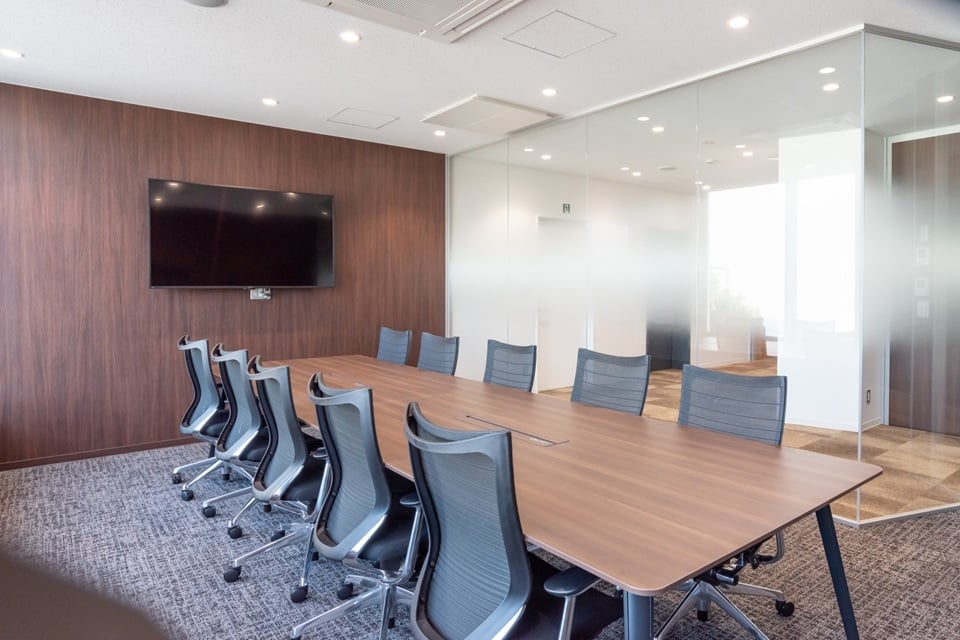
Where you sit matters. Seating quietly usually expresses hierarchy and roles before anyone speaks. Senior members are placed farthest from the door, while those closer to the entrance are expected to support the flow of the meeting.
A visiting executive once took the nearest available seat, unaware it was reserved for junior staff. Although no one corrected them, the imbalance was noted. A brief check beforehand avoids such moments.
Why Decision-Making Takes Time
Decisions in Japanese companies move through shared agreement. This can feel slow, especially to those used to rapid approvals.
However, once alignment is reached, execution is efficient. In one negotiation, the visiting team grew frustrated after weeks without a clear answer. When approval finally came, implementation started immediately, without further debate. Time spent building agreement earlier reduced friction later.
Understanding this rhythm helps meetings feel less uncertain and prevents unnecessary pressure that can damage trust.
Strategic Dining: From Casual to Formal

In Japan, business dining plays a role that goes beyond simply sharing a meal. It is one of the few settings where formality softens, conversation widens, and people begin to show how they think rather than what they officially say.
Why Business Meals Build Trust Faster Than Meetings
In a meeting room, conversation tends to follow an agenda. At the table, it rarely does. This difference matters. Over dinner, Japanese business partners often speak more freely, not because the topic is lighter, but because the setting signals mutual openness.
A common example is an overseas executive who spends an entire afternoon in formal meetings without receiving clear feedback, only to hear honest concerns emerge naturally during dinner. The shift is subtle. No one announces it. But the atmosphere allows people to lower their guard just enough to speak plainly.
This does not mean that every business dinner leads to decisions. Rather, it allows the other party to start trusting you as a person, not just as a representative of a company. Once that trust begins to form, later discussions move more smoothly.
Choosing the Right Venue by Price Range and Course Menu
Restaurant choice in Japan is rarely about personal preference. It quietly communicates how you view the relationship.
A space that feels too casual can appear careless. One that feels excessive can make guests uncomfortable.
The most practical way to think about venue selection is through context and price range.
| Venue type | Typical price range (per person) | Common business use |
|---|---|---|
| Casual izakaya | ¥3,000–¥6,000 | Internal teams, early-stage relationships |
| Mid-range Japanese restaurant | ¥8,000–¥15,000 | Standard business dinners |
| Traditional kaiseki / ryōtei | ¥20,000+ | Senior guests, sensitive negotiations |
Once seated, the course menu itself sets the rhythm of the evening. In multi-course dining, dishes arrive slowly and deliberately, creating natural pauses in conversation. These pauses are not empty. They give both sides time to reflect before speaking again, which often leads to more thoughtful exchanges.
It’s common for everyone to choose a restaurant based solely on reputation or online rankings. What matters more is whether the space supports calm conversation and fits the relationship.
Casual Izakaya vs. Luxurious Kaiseki: What Changes and What Does Not
The contrast between an izakaya and a kaiseki restaurant is obvious at first glance. One is lively and informal, the other quiet and structured. Yet the underlying expectations remain surprisingly consistent.
In an izakaya, dishes are shared, conversation overlaps, and the pace is flexible. In a kaiseki setting, each course arrives in sequence, presentation is precise, and silence is more common. What does not change is the attention paid to others at the table. Guests are watched carefully, not intrusively, to ensure they are comfortable and included.
Imagine a small izakaya dinner with a Japanese partner who orders several dishes without explanation. This is not disregard. It is an invitation to trust their judgment. The same mindset appears in a kaiseki meal, where the chef decides the flow entirely. Accepting that flow is part of showing respect.
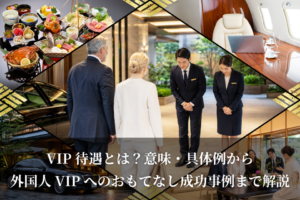
Alcohol Etiquette: Pouring, Refusing, and Reading the Mood
Alcohol often appears at business dinners, but it is never the focus. Its role is social, not celebratory. Pouring drinks for others, rather than for yourself, is a quiet way of showing attentiveness. It signals that you are watching the table, not just your glass.
There are moments when declining alcohol is necessary. Doing so briefly and calmly, without drawing attention to it, is generally understood. What matters more is reading the tone set by senior guests. If they slow down or stop drinking, following their lead is seen as awareness.
A guest may keep pouring drinks enthusiastically, not noticing that the senior executive has stopped. The intention is friendly, but it can create an awkward moment. Watching the pace of others at the table helps avoid this.
Gift-Giving: How to Communicate Respect Through Objects
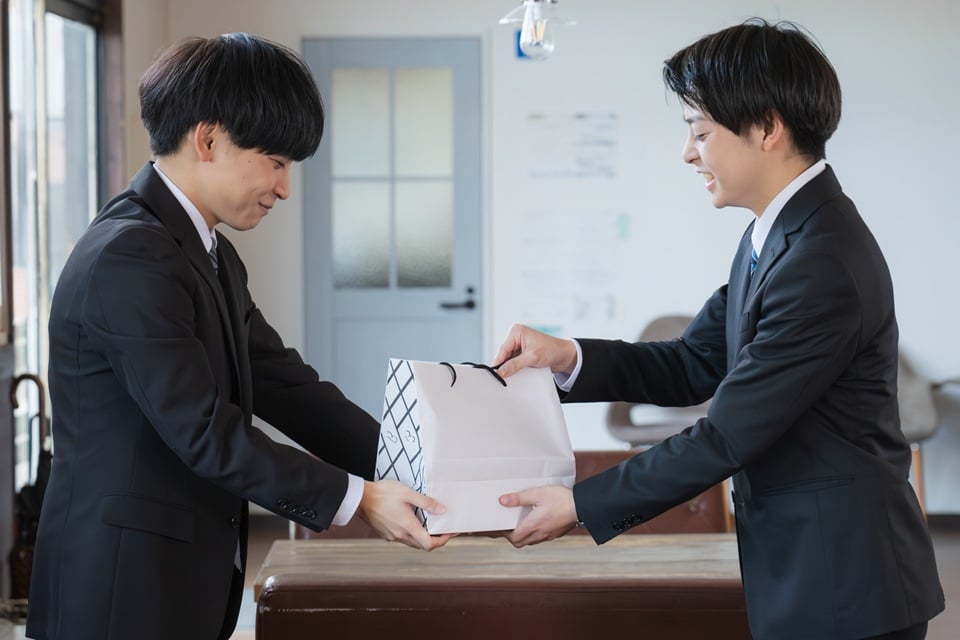
In Japanese business, a gift is a quiet but clear signal of how you see the relationship.
It is not meant to impress. It is meant to show that you understand where the other person stands and that you value the connection enough to act with care.
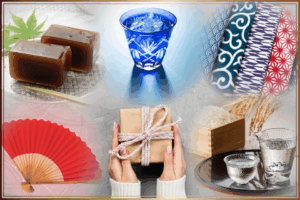
Why Gift-Giving Matters in Japanese Business
Gift-giving plays a role at moments when words alone feel insufficient.
After a first visit, at the close of a project, or when meeting a senior executive for the first time, a gift helps smooth the relationship and sets the tone for what comes next.
Imagine visiting a long-term partner’s office after months of remote communication. You exchange formal greetings, sit down, and then quietly offer a small, well-chosen item from Japan. That moment often softens the atmosphere. It tells the other side that this meeting matters to you, and that you took time to think beyond the contract.
Price Ranges by Relationship Level
Choosing the right price is less about budget and more about balance.The recipient should feel respected, not burdened or awkward.
| Relationship | Typical Range | Intended Message |
|---|---|---|
| First meeting | ¥2,000–¥5,000 | Courtesy and goodwill |
| Ongoing partner | ¥5,000–¥10,000 | Appreciation and continuity |
| Senior executive / key client | ¥10,000–¥30,000 | Strong respect and long-term intent |
A gift that is clearly too expensive can create distance rather than closeness. A modest but thoughtful choice usually lands better.
Taboo Items, Numbers, and Colors
Some items carry meanings that are easy to miss if you are unfamiliar with Japanese customs. These associations are widely understood and should be avoided.
- Numbers: 4 and 9, which sound like words associated with death and suffering
- Items: knives, scissors, shoes, and handkerchiefs
- Colors: white and black when used in a way that resembles funeral wrapping
For example, a beautifully packaged gift in white paper looks elegant to someone, but it might feel unsettling to someone else in a Japanese business setting.
How to Present a Gift Properly
How you give the gift matters asmuch as what you give. The exchange is brief, restrained, and intentionally low-key.
The gift is offered with both hands, usually with a short line that downplays its value. It is handed over either at the start or end of a meeting, never in the middle of negotiations. The recipient will often set it aside without opening it, which is normal and polite.
Picture the end of a meeting in a quiet conference room. Documents are closed, chairs slide back, and only then does the gift appear. No speech. No explanation. Just a small gesture that leaves a clear impression.
Professional Support: When Cultural Precision Matters
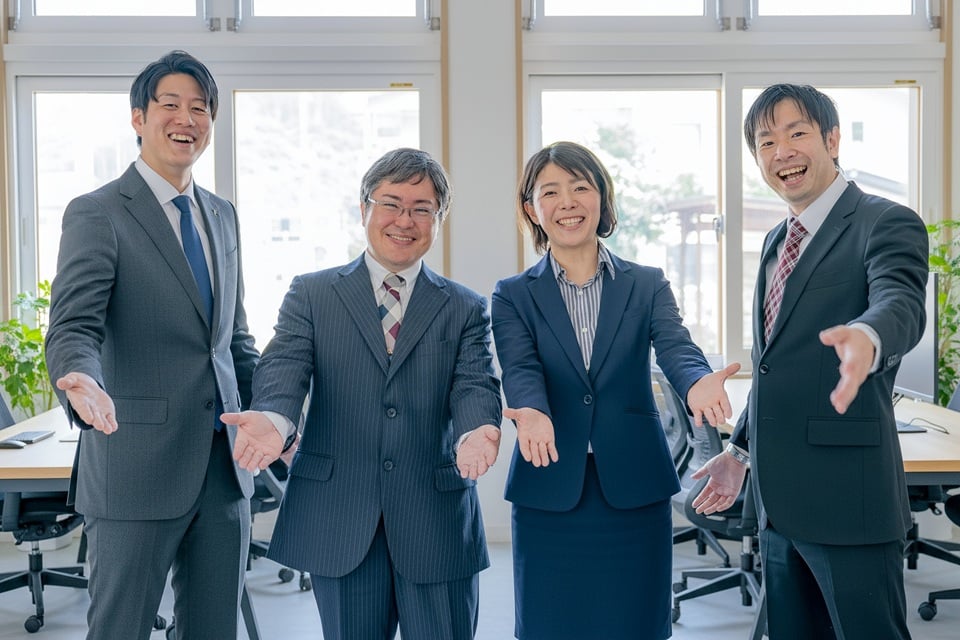
In Japanese business settings, small choices often carry more weight than expected. When the context involves senior partners, formal occasions, or public-facing moments, judgment errors tend to stand out. In these situations, handling everything on your own can quietly increase risk, even when intentions are good.
Situations Where Self-Handling Becomes Risky
Risk usually appears in moments where expectations are unspoken. For example, it’s easy for any executive to choose a well-known luxury restaurant believing it signals respect, only to find that the atmosphere feels mismatched for a first meeting. The food is excellent, yet the relationship does not move forward.
Similar situations occur when hosting a first business dinner, preparing gifts before a contract milestone, or welcoming guests whose dietary or religious needs are unclear. These are not unusual mistakes. They happen because cultural signals in Japan are often subtle and situational, not rule-based.
The challenge is not lack of effort, but lack of local context at the moment decisions are made.
Why High-End Hospitality Requires Experts
High-end hospitality in Japan demands more than good taste. Venue selection, menu structure, seating flow, and timing all shape how intentions are received. A restaurant that feels impressive in isolation may feel excessive, or oddly restrained, depending on the relationship and stage of negotiation.
An experienced advisor understands how these elements work together. They recognize when simplicity communicates sincerity, and when formality strengthens credibility. This judgment cannot be automated or learned from a checklist. It comes from familiarity with how similar situations are usually interpreted.
In practice, expertise reduces uncertainty. It allows hosts to focus on conversation rather than logistics, and prevents avoidable discomfort before it appears.
How Professional Cultural Support Bridges Business Gaps
Professional cultural support functions as an interpreter of expectations. Rather than replacing decision-making, it refines it. A common example is gift preparation. What feels generous in one market may feel excessive or awkward in another. With guidance, the gift quietly reinforces respect instead of raising questions.
The same applies to dining arrangements or event flow. When support is in place, guests feel at ease without noticing why. Conversations progress naturally. Trust develops faster because nothing feels forced or out of place.
In moments where accuracy matters more than speed, seeking cultural guidance is not a shortcut. It is a practical way to protect relationships and ensure that effort is understood as intended.
・元プロボクサー 柔道有段者 アームレスリング選手
・元飲食店5店舗の代表取締役であり、飲食業界の総合コンサルタント、広告クリエイター
・独自の視点と挑戦を続ける姿勢で、SEOやWebマーケティングに関する記事を執筆しLPのコンバージョン率UP
・海外でのビジネス経験を持ち、国際的な視点からもアプローチ
・現在、山奥で狩猟生活|Web戦略・SEO・LP制作・チャットボット構築支援を行う
・生成AI×プロ編集でSEO記事制作を推進。勝てるキーワードから集客導線を設計。
・構成設計からHTML入稿、効果測定まで伴走。


