





 津田修吾
津田修吾What does kaiseki meaning truly represent? Is it simply a luxury dinner in Japan, or something far deeper, rooted in Japanese culture and tradition?
If you are considering experiencing kaiseki in Japan, you may feel both curiosity and a sense of uncertainty. Will you understand the etiquette? Is kaiseki dining too formal for first-time visitors?
This guide explains the true meaning of Japanese kaiseki cuisine, how a kaiseki course naturally unfolds, and how you can enjoy a kaiseki dinner with confidence and ease.
What Is Kaiseki? Understanding Its Cultural Meaning in Japan
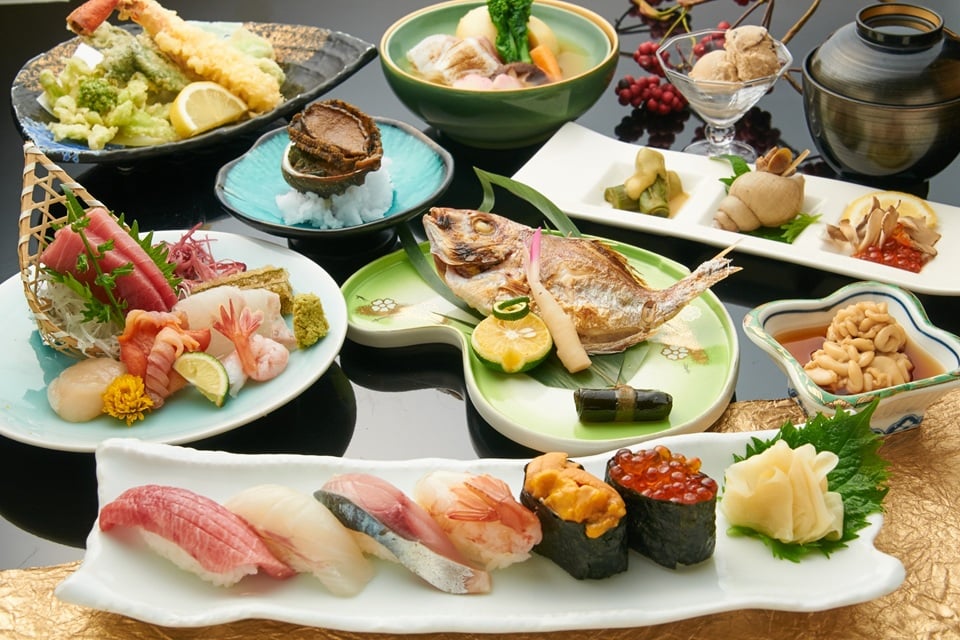
When travelers search for kaiseki, they often picture an elegant multi-course dinner in Kyoto.Yet kaiseki is not simply fine dining it is a cultural expression shaped by tea eremony philosophy, seasonal awareness, and aesthetic restraint.
To understand kaiseki in Japan, we must look beyond price or prestige.Its roots are humble, and its purpose is deeply human.

The Original Meaning of Kaiseki in the Tea Ceremony
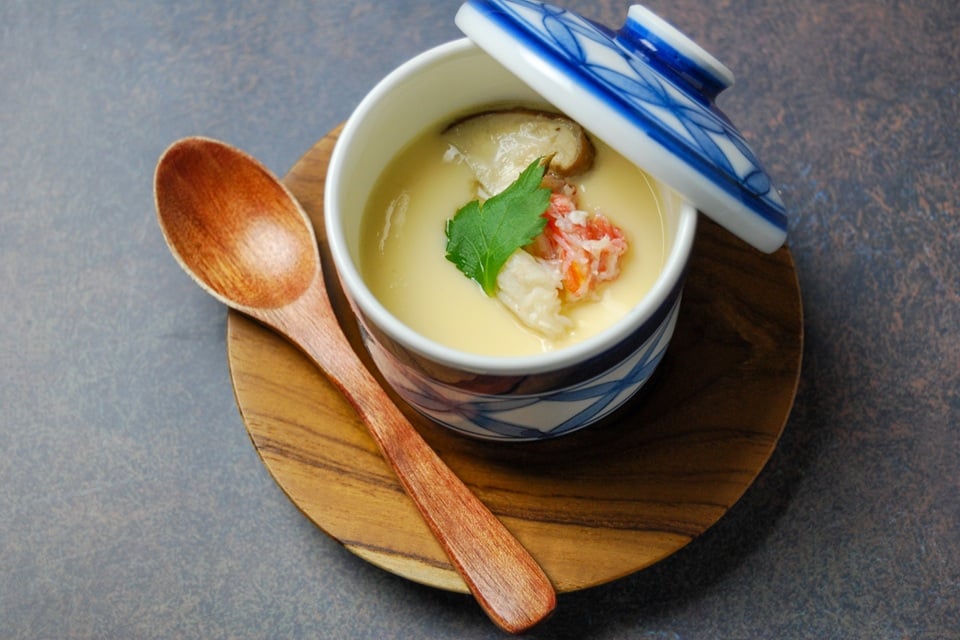
The word “kaiseki” originally referred to a light meal served before a tea ceremony.The kanji literally means “stone in the bosom.”In Zen practice, monks would place a warm stone inside their robes to ease hunger during meditation. From this idea, kaiseki came to represent a simple meal designed to warm the body and prepare the mind.
In the tea ceremony, the meal was intentionally modest. It was never meant to overwhelm the guest, but to create harmony between host and visitor before tea was served. The essence of early kaiseki can be summarized as seasonal ingredients, subtle seasoning, respectful pacing, and an emphasis on harmony. At its origin, kaiseki was fundamentally about mindfulness.
How Kaiseki Evolved into a Seasonal Dining Tradition
Over time, tea-ceremony kaiseki developed alongside court cuisine and samurai hospitality traditions. The meal became more refined and structured, especially during the Edo period. Modern kaiseki restaurants maintain the spirit of tea ceremony kaiseki, but the presentation and course structure have grown more elaborate.
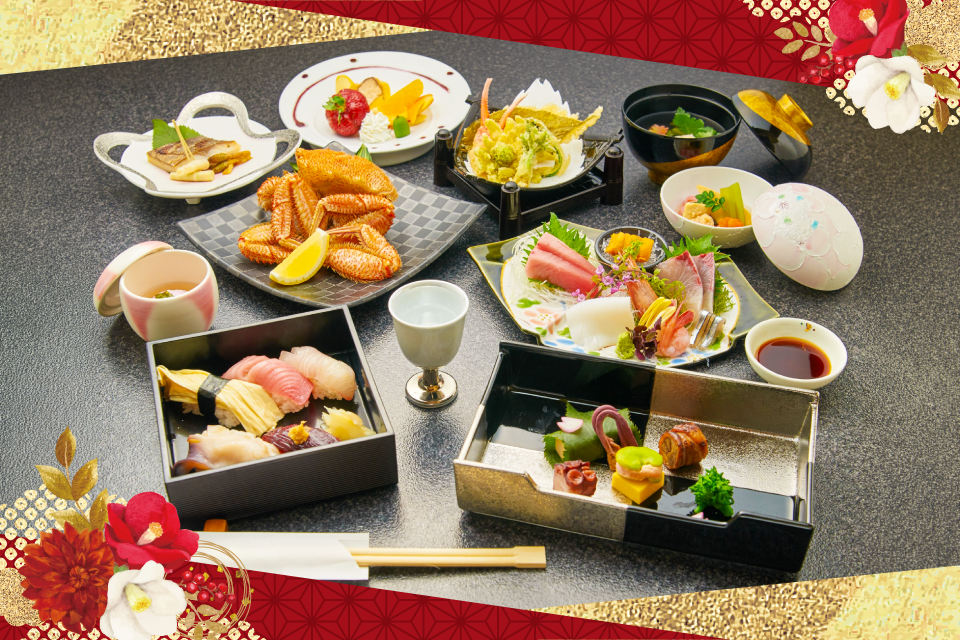
Today, a kaiseki meal typically includes multiple small seasonal dishes served on carefully arranged tableware. The plating reflects nature, and the progression of taste and texture is designed to feel balanced from start to finish.
Despite this evolution, one principle remains unchanged: seasonality governs everything. Spring dishes highlight delicate flavors, while summer menus emphasize cooling techniques. Autumn celebrates earthy aromas, and winter features warming ingredients and deeper tones. Each meal is a way of expressing the present season in edible form.
Why Kaiseki Reflects Japanese Aesthetics and Philosophy
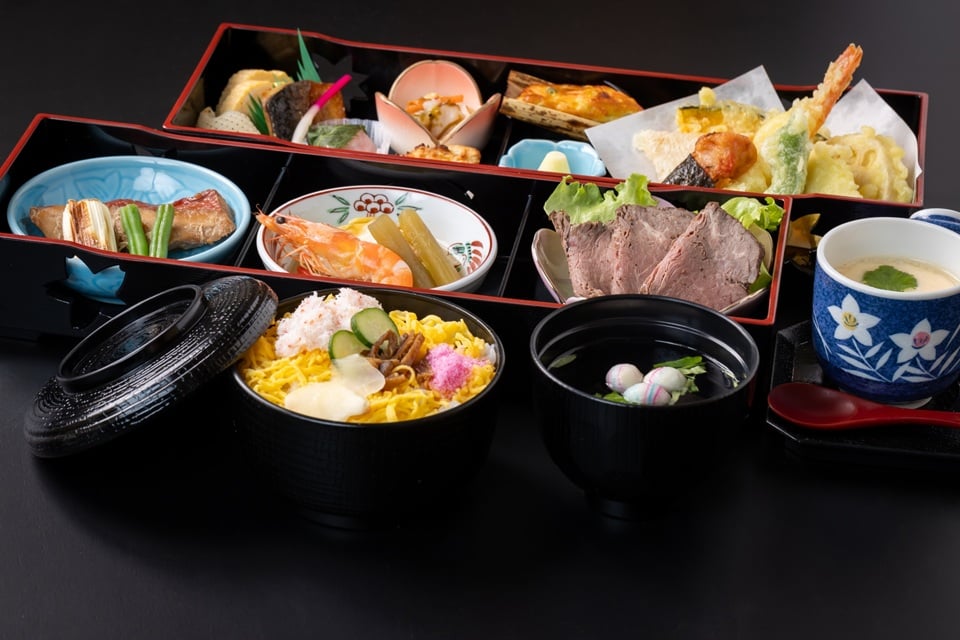
Kaiseki is often described as “edible art, ” yet that phrase alone does not explain its depth, Kaiseki reflects core Japanese aesthetic values, particularly wabi-sabi and ma.
Wabi-sabi is the appreciation of simplicity and quiet beauty. In a kaiseki meal, this appears in restrained presentation, natural materials, and subtle seasoning. Nothing feels excessive. The focus is harmony rather than display.
The second concept, ma, refers to meaningful space. In kaiseki, this can be felt in the pause between courses, the calm before a dish is tasted, and the open space intentionally left on the plate. These intervals create rhythm and encourage reflection.
Kaiseki does not seek to overwhelm the diner. It invites attention.Through wabi-sabi and ma, we begin to see that kaiseki is a carefully composed experience shaped by balance, restraint, and awareness.
Kaiseki and Omakase — Key Differences in Style and Intention
Many visitors confuse kaiseki with omakase. While both are multi-course dining experiences, their foundations differ.
| Feature | Kaiseki | Omakase |
|---|---|---|
| Origin | Tea ceremony tradition | Sushi counter culture |
| Structure | Fixed seasonal progression | Chef-driven improvisation |
| Focus | Harmony with the season | Trust in the chef’s creativity |
| Atmosphere | Formal, reflective | Interactive, conversational |
| Menu Theme | Seasonal narrative | Ingredient-driven surprise |
Kaiseki tells a story about the season. Omakase tells a story about the chef.
Both are exceptional, but their intentions are different. Understanding this distinction helps travelers choose the experience that matches their expectations.
How Seasonal Philosophy Shapes a Kaiseki Meal
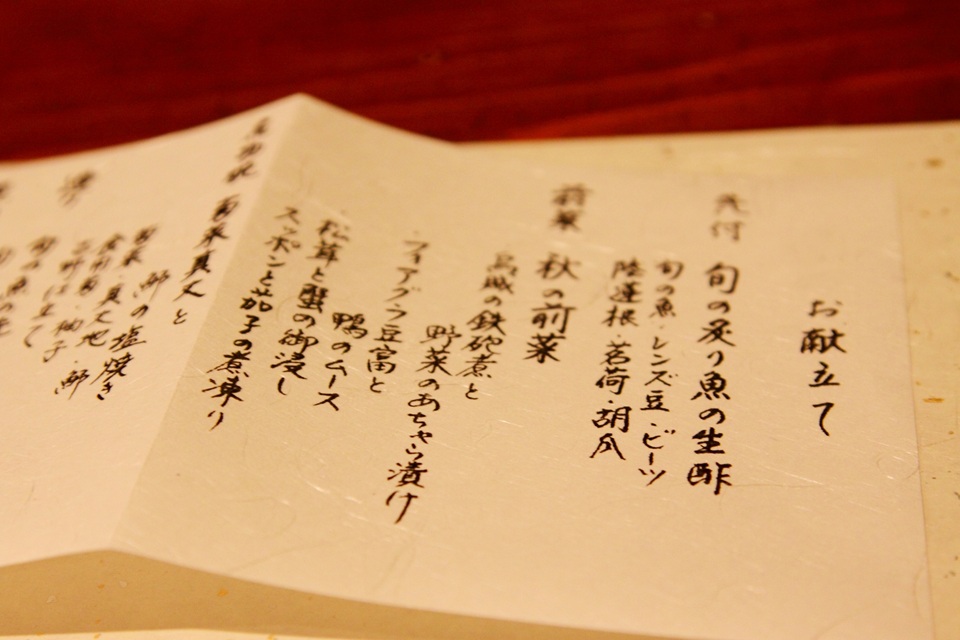
Kaiseki is shaped by time as much as by taste.The ingredients, the plating, and even the choice of ceramics are determined by the season in which the meal is served.
To understand a kaiseki meal deeply, you must understand how seasonality and structure work together to create meaning, not just flavor.
The Role of Seasonality and Ichigo Ichie
At the heart of kaiseki lies the concept of seasonality serving ingredients at the precise moment they are at their peak.In Japan, food is not separated from nature. Instead, it reflects it. A kaiseki meal changes entirely depending on when you visit. The same restaurant in spring and autumn may feel like two different experiences.
Another guiding idea is ichigo ichie, which means “one time, one meeting.” It expresses the belief that a moment will never repeat in exactly the same way.In kaiseki, this philosophy appears in several ways. Seasonal ingredients are available only briefly.
Decorative elements are important, such as cherry blossoms in spring or maple leaves in autumn. Tableware is chosen to reflect temperature and atmosphere. Subtle flavor adjustments are based on climate.
For example:
| Season | Typical Ingredients | Presentation Style | Atmosphere |
|---|---|---|---|
| Spring | Bamboo shoots, sea bream | Light colors, floral motifs | Renewal and softness |
| Summer | Sweetfish, chilled tofu | Glassware, cool tones | Refreshing and airy |
| Autumn | Matsutake mushrooms, chestnuts | Deep reds and browns | Earthy and reflective |
| Winter | Snow crab, root vegetables | Heavy ceramics, warm dishes | Comfort and depth |
Seasonality is not decoration. It is the central narrative of the meal.
By aligning flavor, color, and texture with the natural world, kaiseki becomes a quiet celebration of time itself.
What Makes Up a Traditional Kaiseki Course
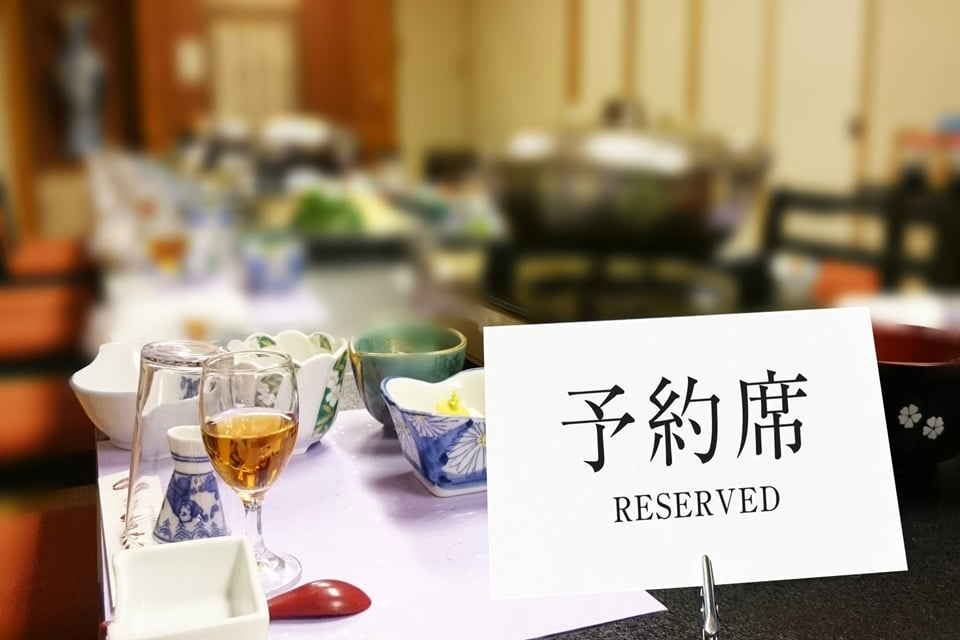
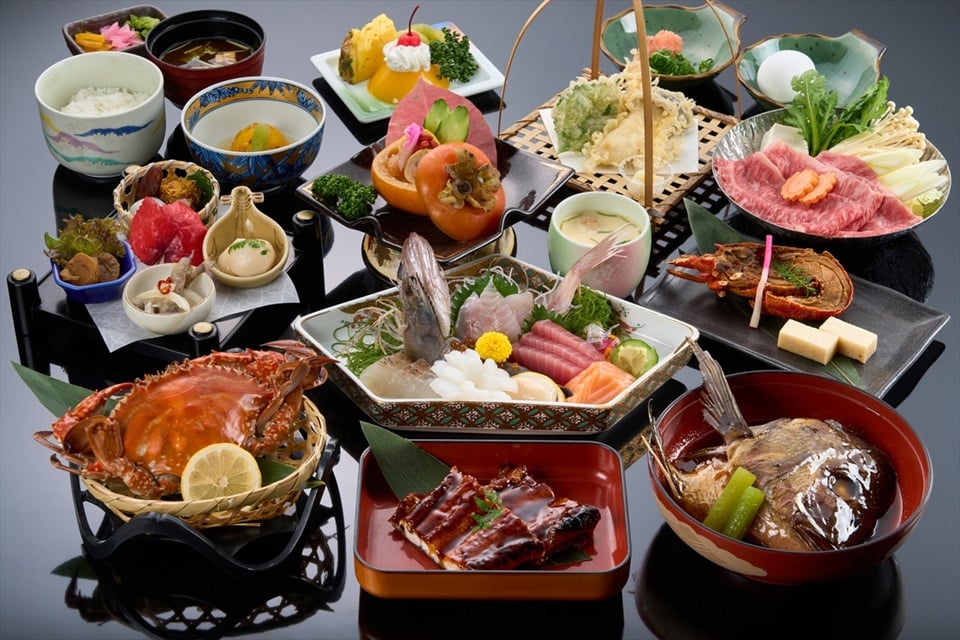
A traditional kaiseki course follows a carefully designed progression. The order is intentional, moving from light to rich, from subtle to satisfying.
While each restaurant may vary slightly, a classic structure often includes:
- Sakizuke – A small appetizer that introduces the season
- Hassun – A selection that represents land and sea, setting the seasonal theme
- Mukozuke – Fresh sashimi
- Takiawase – Simmered vegetables or proteins
- Yakimono – Grilled dish, often fish
- Mushimono – A steamed course
- Shokuji – Rice, miso soup, and pickles
- Mizumono – Seasonal dessert
This progression is not random.Each course builds rhythm and balance, alternating temperatures, textures, and cooking methods to maintain harmony.
The structure reflects three key principles: balance between land and sea, soft and crisp, light and rich;
oderation that no single dish overwhelms the others; and continuity that each plate connects to the next.Unlike many Western tasting menus, kaiseki emphasizes subtle transitions. The goal is emotional continuity.
In summary, a traditional kaiseki course is a seasonal story told through multiple small chapters. Each dish is meaningful on its own, yet incomplete without the whole.
Visiting a Kaiseki Restaurant in Japan From Reservation to the Final Bow
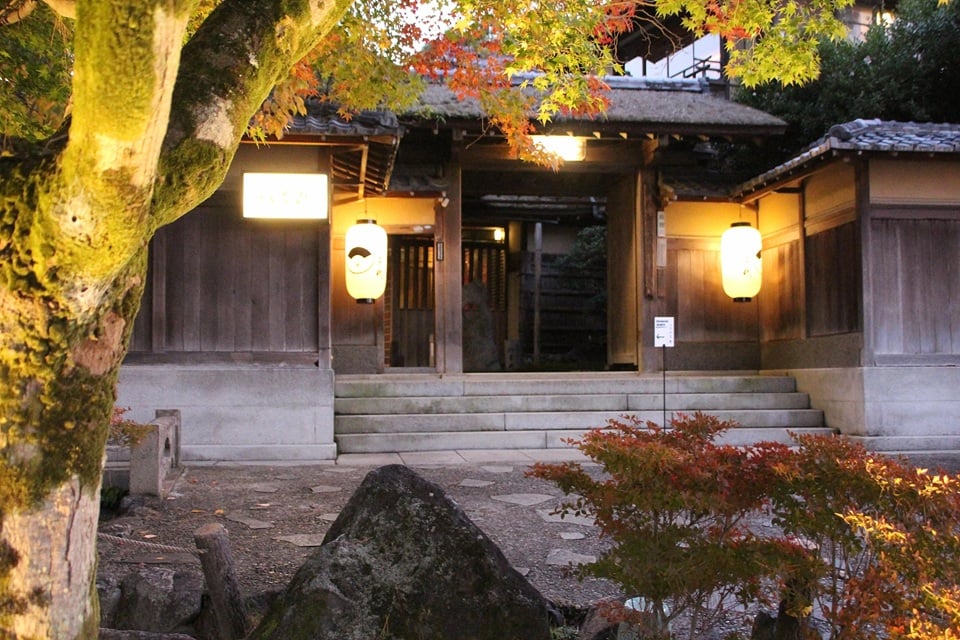
Experiencing kaiseki in Japan can feel intimidating at first. Many travelers worry about etiquette, price, or language barriers. In reality, once you understand the flow of a kaiseki dinner and the cultural logic behind it, the experience becomes calm and deeply rewarding.
This guide explains what to expect before, during, and after your visit, so you can focus on enjoying the meal rather than worrying about making mistakes.
Before You Arrive Reservations, Dress Code, and Expected Costs
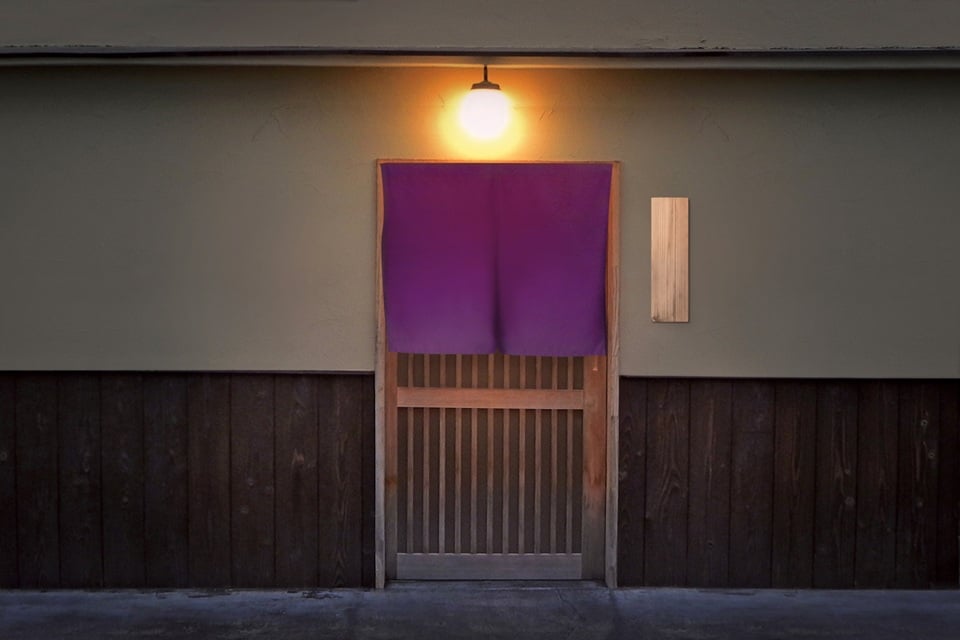
Most respected kaiseki restaurants operate by reservation, particularly for dinner. Walk-ins are uncommon, as ingredients are prepared based on the number of confirmed guests.
Advance booking is usually required. Some establishments request a credit card guarantee or deposit, and cancellation policies may be strict because seasonal ingredients are sourced specifically for confirmed guests. If needed, a hotel concierge can assist with reservations.
Dress Code
Smart casual attire is generally appropriate for most kaiseki restaurants.For more detailed guidance on what to wear, please refer to the FAQ section below.
Expected Costs
Prices vary depending on the restaurant, time of day, and city.A detailed explanation of typical lunch and dinner pricing is provided in the FAQ section to help you plan your budget.
It is also helpful to know that tipping is not customary in Japan, and service charges are typically included in the listed price.Reviewing these practical points before your visit will help you arrive with confidence and without unnecessary concerns.
What Happens When You Walk In
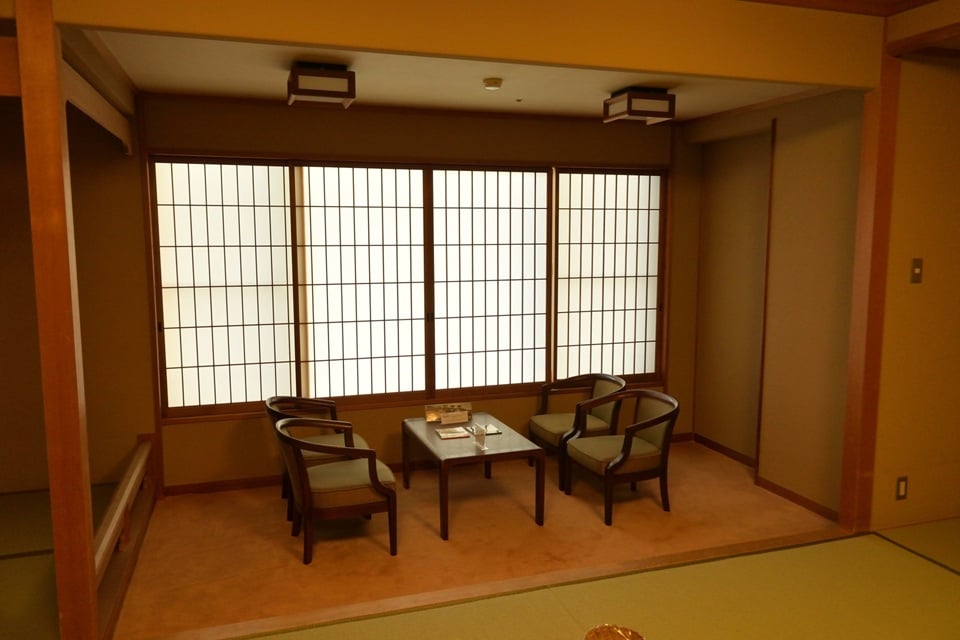
Upon arrival, punctuality matters. Arriving exactly on time is considered respectful.In traditional settings, you may remove your shoes before entering a tatami room. Staff will guide you.
You will likely be greeted quietly and shown to your seat. Seating may reflect group hierarchy, but guests are not expected to understand these rules. Simply follow the staff’s lead.
You may receive an oshibori (wet towel).It is used only for cleaning your hands, not your face.A calm atmosphere is normal. Kaiseki dining emphasizes subtlety rather than theatrical presentation.
If you feel nervous, remember:
You are not expected to perform perfectly. Respectful behavior and attentiveness are enough.
The Rhythm of the Meal Courses, Timing, and Silence
Kaiseki is shaped not only by its flavors, but by its pace. Dishes arrive gradually, with quiet intervals between them. These pauses are intentional.The rhythm of the meal is designed to slow you down.
Silence is natural in kaiseki. It is not a sign of discomfort. Guests are encouraged to observe the presentation, notice seasonal details, and reflect on the balance of taste and texture.Gentle conversation is welcome, but there is no need to fill every pause.
A kaiseki meal often lasts between one and a half to three hours, depending on the time of day and the setting.You are not expected to rush. Kaiseki invites patience and attention.
Table Manners in Context Why Bowls Are Lifted and Chopsticks Matter
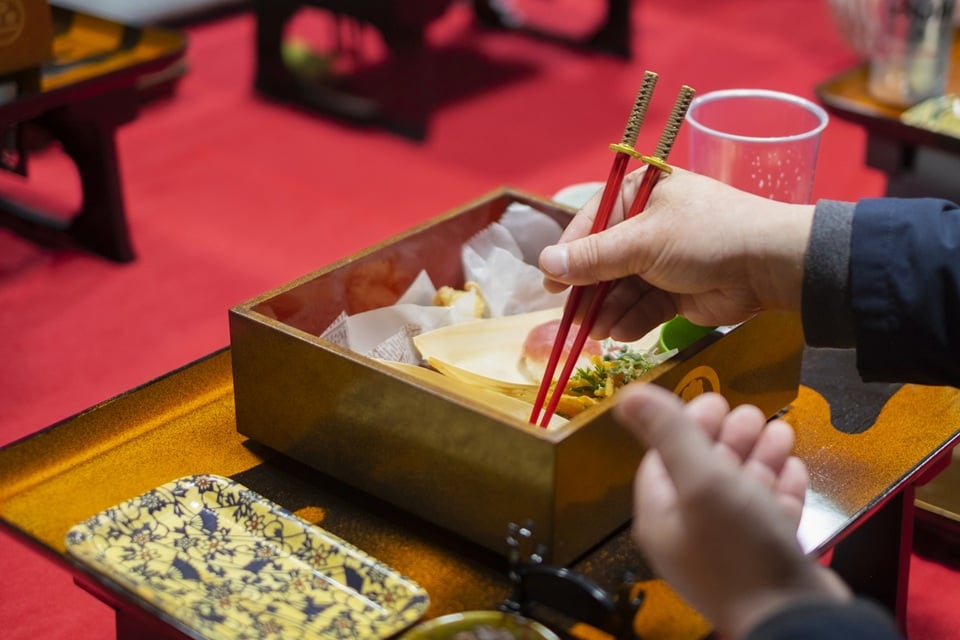
Kaiseki etiquette is rooted in meaning, not arbitrary rules. Each gesture carries cultural significance, and understanding the reasons behind them makes the manners much easier to remember.
For example, small bowls are lifted close to the body while eating. This is not just practical. It expresses appreciation for the craftsmanship of the dish and the bowl itself. Chopsticks, meanwhile, should never be placed upright in a bowl of rice, as this resembles a ritual associated with funerals. Similarly, passing food directly from one pair of chopsticks to another is avoided because it echoes a custom from cremation ceremonies.
Beyond these specific points, a few general guidelines will help you feel comfortable. Lift small bowls when eating rice or soup. Place chopsticks neatly on the rest when not in use, and avoid pointing with them during conversation.
If you make a small mistake, there is no need to worry. It is rarely judged harshly. In kaiseki, politeness and attentiveness matter far more than perfection.
Practical Advice for International Visitors
Language barriers are a common concern, but most kaiseki restaurants accustomed to international guests handle this smoothly.
Language
Many establishments provide simple English menus. Pointing politely or asking basic questions is acceptable. A smile and curiosity are appreciated.
Dietary Restrictions and Allergies
If you have allergies or dietary restrictions, inform the restaurant at the time of reservation.Last-minute changes may not be possible due to seasonal sourcing.
Payment Methods
| Topic | What to Know |
|---|---|
| Credit Cards | Widely accepted in urban areas |
| Cash | Still commonly used in Japan |
| Tipping | Not expected |
| Service Charge | Often included |
If unsure, you may politely ask before dining.
The most important advice:
Approach the experience with openness rather than anxiety. Kaiseki is designed as an act of hospitality. Guests who show respect and curiosity are always welcome.
Frequently Asked Questions About Kaiseki in Japan
If you are considering reserving a kaiseki restaurant during your trip, it is natural to have practical questions. Below are clear answers to the most common concerns international visitors have before booking a kaiseki dinner.

Can I Enjoy Kaiseki If I Do Not Speak Japanese?
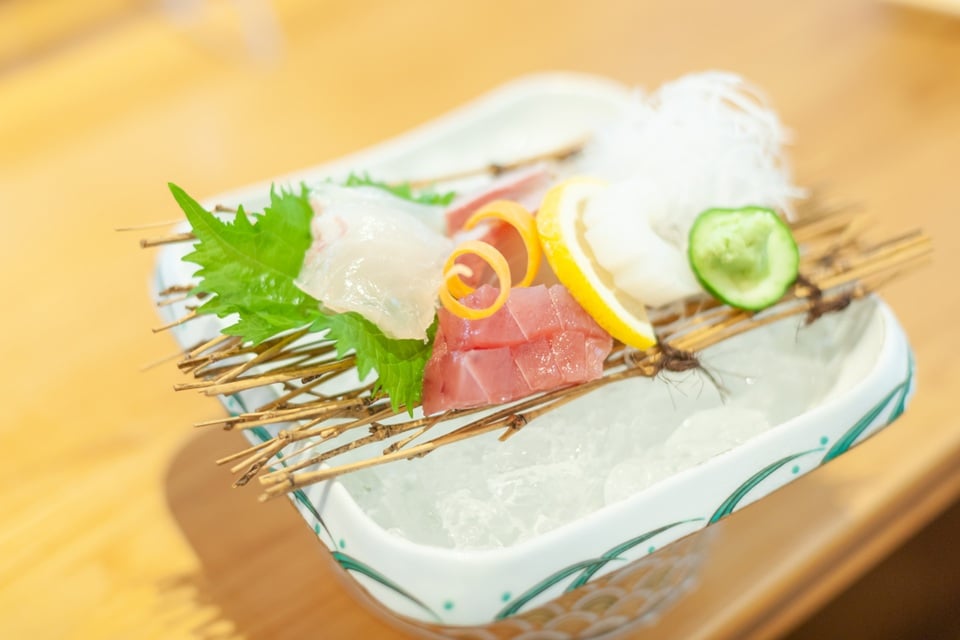
Many travelers worry that a language barrier may make kaiseki dining difficult.The short answer is: Yes, you can enjoy kaiseki even if you do not speak Japanese.
While not every restaurant offers full English support, many establishments in major cities provide simple English menus or basic explanations. Staff are generally patient and accustomed to welcoming international guests.
To prepare, you can ask your hotel concierge to assist with reservations. You may want to inform the restaurant of any allergies in advance. You may want tolearn a few polite phrases such as “Arigatou gozaimasu.”
Fluency is not required. Politeness and openness are enough to enjoy the experience.
What Should I Wear to a Kaiseki Restaurant?
Dress code is another frequent concern.In most cases, smart casual attire is appropriate for a kaiseki restaurant.
Here is a general guideline:
| Restaurant Type | Recommended Attire |
|---|---|
| Casual lunch kaiseki | Neat casual clothing |
| Traditional ryotei (high-end) | Smart casual to semi-formal |
| Michelin-level fine dining | Jacket recommended (men), elegant attire (women) |
You may want to avoid wearing shorts, flip-flops, athletic wear, and strong perfumes.
Traditional establishments emphasize harmony and subtlety. Dressing neatly shows respect for the space and the chef’s work. If the restaurant has specific requirements, they will usually mention it at the time of reservation.
How Much Should I Expect to Spend?
Cost varies depending on time, location, and reputation of the restaurant.On average, you can expect to spend between ¥5,000 and ¥15,000 for lunch, and ¥15,000 to ¥40,000 for dinner.
Here is a simplified overview:
| Meal Time | Typical Price Range |
|---|---|
| Lunch | ¥5,000–¥15,000 |
| Dinner | ¥15,000–¥40,000 |
| High-end or Michelin | ¥30,000+ |
Additional notes:
Kyoto often emphasizes traditional presentation and may lean toward the higher end.
Tokyo offers a wider range, from modern interpretations to ultra-premium dining.Some restaurants require advance deposits.Cancellation policies can be strict.
Knowing the approximate cost before booking helps you plan confidently and avoid surprises.
Is Tipping Expected in Japan?
Visitors from North America or Europe often wonder about tipping customs.The clear answer is: No, tipping is not expected in Japan.Service charges are usually included in the price, and hospitality is considered part of professional pride. Leaving cash on the table may cause confusion.
Instead of tipping, you can offer a sincere “Gochisousama deshita” at the end of the meal.
You can add a gentle bow. Polite gratitude is sufficient. Respect and appreciation matter more than additional payment.
How Long Does a Kaiseki Dinner Usually Last?
Kaiseki dining is intentionally unhurried.A typical kaiseki for lunch lasts approximately 1.5 to 2 hours. And for dinner, it approximately lasts 2 to 3 hours.
The pacing is deliberate. Dishes are served one by one, allowing you to appreciate seasonal ingredients, presentation, temperature contrast, and the transition between courses.
Silence between dishes is normal and not a sign of awkwardness. The rhythm of the meal is part of the experience. If you have a time constraint, inform the restaurant in advance when making your reservation.
Why Experiencing Kaiseki in Japan Leaves a Lasting Impression
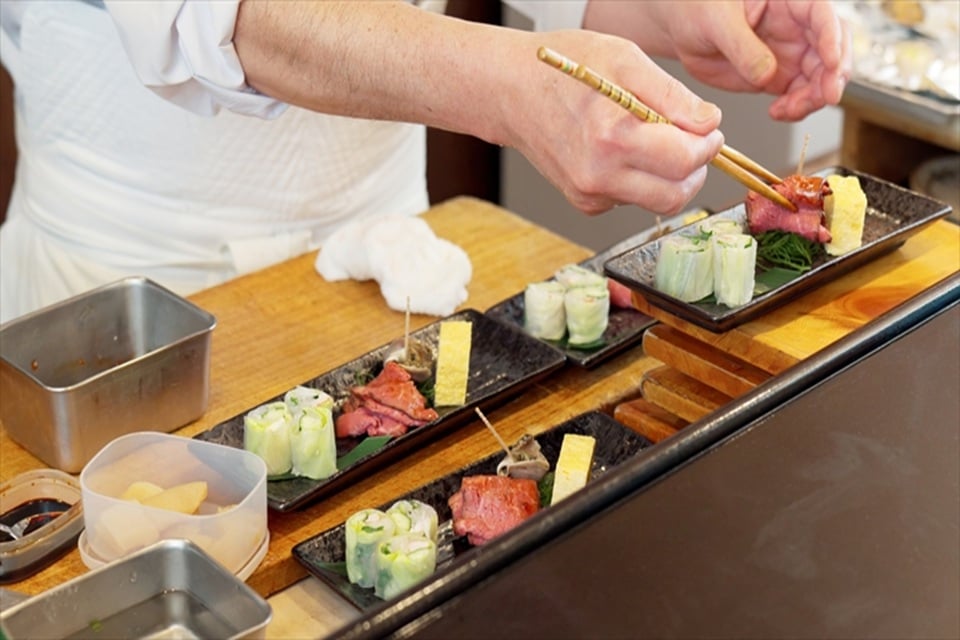
Kaiseki in Japan stays with you long after the final course is finished. It leaves a lasting impression because it brings together seasonal beauty, cultural philosophy, and quiet human connection in a single meal. Each dish reflects the time of year and the spirit of ichigo ichie the understanding that this moment will never come again.
The calm rhythm, refined presentation, and subtle flavors create an experience that feels deeply intentional.Having guided international guests through Japanese dining culture for years, we have learned that most concerns disappear once you understand the basics. Kaiseki is not about perfection it is about appreciation.
When you understand the meaning behind the gestures and pacing, uncertainty naturally turns into confidence.If you would like to experience kaiseki with greater ease and truly understand what happens at the table before
visiting a traditional restaurant, you can explore a cultural dining experience designed especially for international visitors here.Prepare for your authentic kaiseki experience in Japan
With a little preparation, your first kaiseki meal can become one of the most memorable moments of your journey in Japan.

We are working day and night to spread Japan’s unique hospitality culture to people around the world. Please feel free to contact us for any inquiries regarding the reception and hospitality of guests visiting Japan.


