





 津田修吾
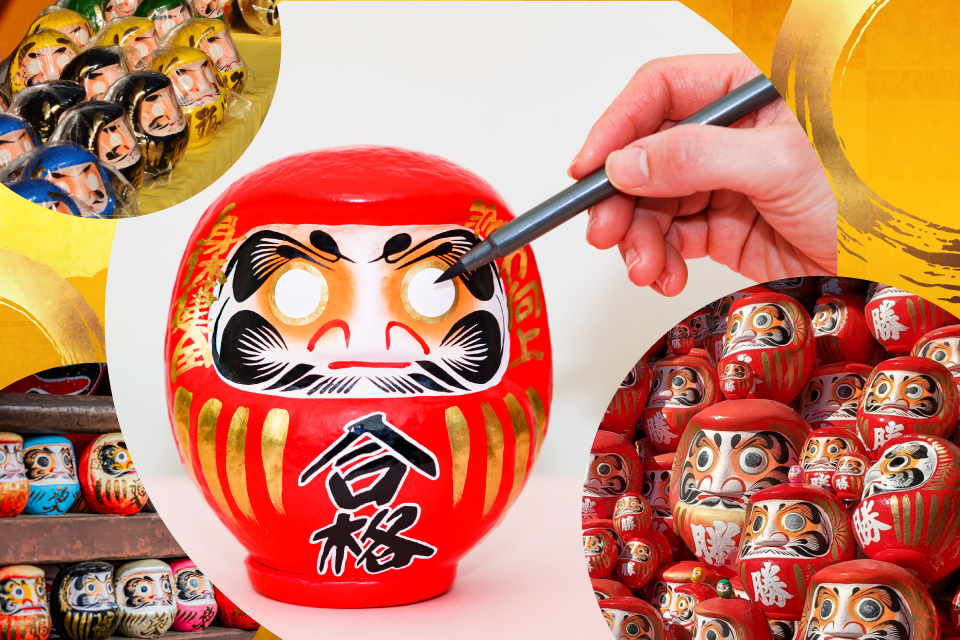
津田修吾Have you ever wondered why a daruma doll has only one eye painted, or how it is believed to bring good luck in Japan?
This article reveals the true meaning of daruma and shows how this simple doll represents one of Japan’s most powerful ideas: setting goals and never giving up.
You will learn what daruma is, where it comes from, how different colors are used, and how the traditional eye painting ritual works.
We also explain how daruma is used today not only as a personal symbol, but as a meaningful Japanese cultural experience for teams, companies, and international groups.
If you are looking for an authentic and easy to understand cultural activity in Japan, daruma offers a simple yet highly effective experience worth exploring.
Understanding Daruma: Meaning, Origins, and Cultural Significance
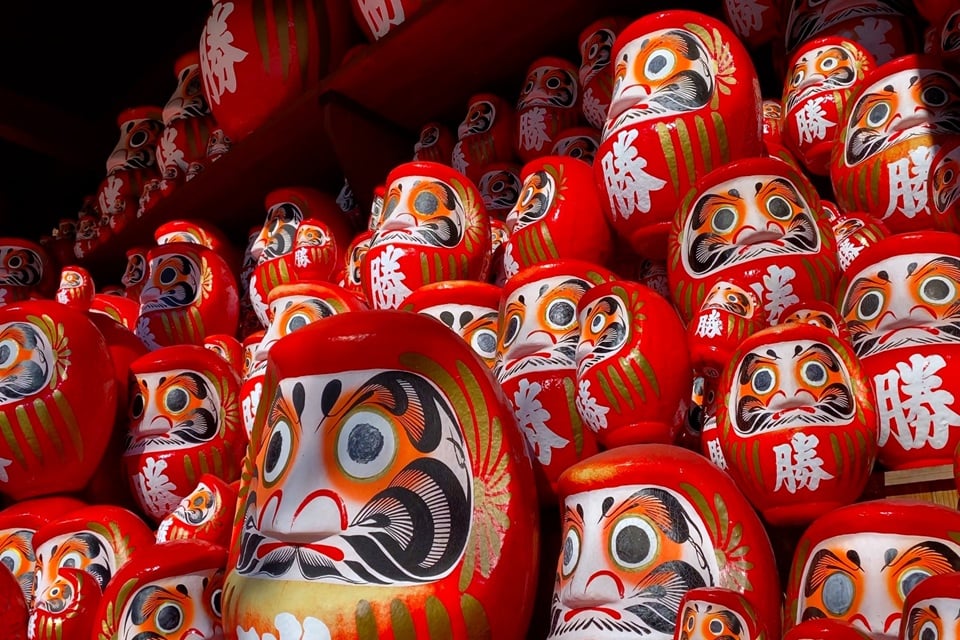
Daruma is one of the most recognizable symbols of Japanese culture, representing perseverance, intention, and achievement.
Beyond its round shape and bold expression, the daruma doll functions as a practical tool for goal-setting, used by individuals, teams, and even corporations in Japan.
Understanding its meaning and origins helps explain why daruma continues to be relevant in modern business and cultural experiences.
What Is Daruma? Definition and Symbolism
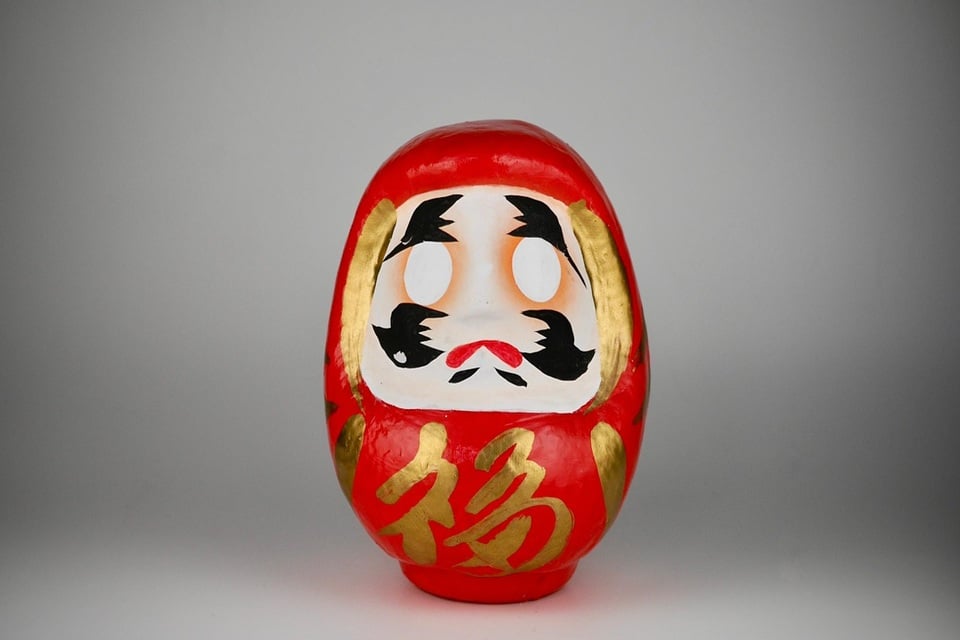
A daruma is a traditional Japanese doll inspired by Buddhist teachings, designed as a visual tool for committing to and achieving a single goal.
Its most distinctive features carry clear symbolic meaning:
- Rounded shape with a self-righting body: Symbolizes resilience
- Blank eyes: Represent an unfinished goal, focusing on one clear objective
- Heavy base: Signifies mental strength for stability and determination
In essence, a daruma doll is a visual commitment device, reminding its owner to stay focused until the goal is achieved.
Historical Roots and the Bodhidharma Connection
The daruma doll traces its origins to Bodhidharma, the Indian monk credited with founding Zen Buddhism.According to legend, Bodhidharma meditated for nine years, embodying extreme discipline and perseverance.
Over time, his image was simplified into the modern daruma form, evolving from a Buddhist figure into a widely accessible folk symbol.
While rooted in Buddhism, daruma evolved into a folk symbol rather than a religious object, making it widely accessible in everyday Japanese life.
Why Daruma Represents Resilience and Goal Achievement Today
Today, daruma is widely used in business, team environments, and personal development as a symbol of resilience, clarity, and completion.
In companies, daruma is often introduced at the start of projects or fiscal terms to symbolize business goals and key milestones.Teams share a single daruma to align their intentions, reinforcing the idea that individual efforts contribute to a collective outcome.
On a personal level, daruma supports learning and self-improvement by encouraging commitment to one meaningful objective at a time.The enduring relevance of daruma lies in three values deeply rooted in Japanese culture.
Resilience emphasizes recovery from setbacks, clarity focuses on defining one achievable goal, and completion creates a shared moment of success.In this way, daruma mirrors the Japanese approach to long-term growth: steady effort, shared responsibility, and respect for the process.
Because of this, daruma has become a powerful cultural bridge, especially effective in corporate workshops and international team-building experiences.
Daruma Color Meaning: What Each Color Symbolizes
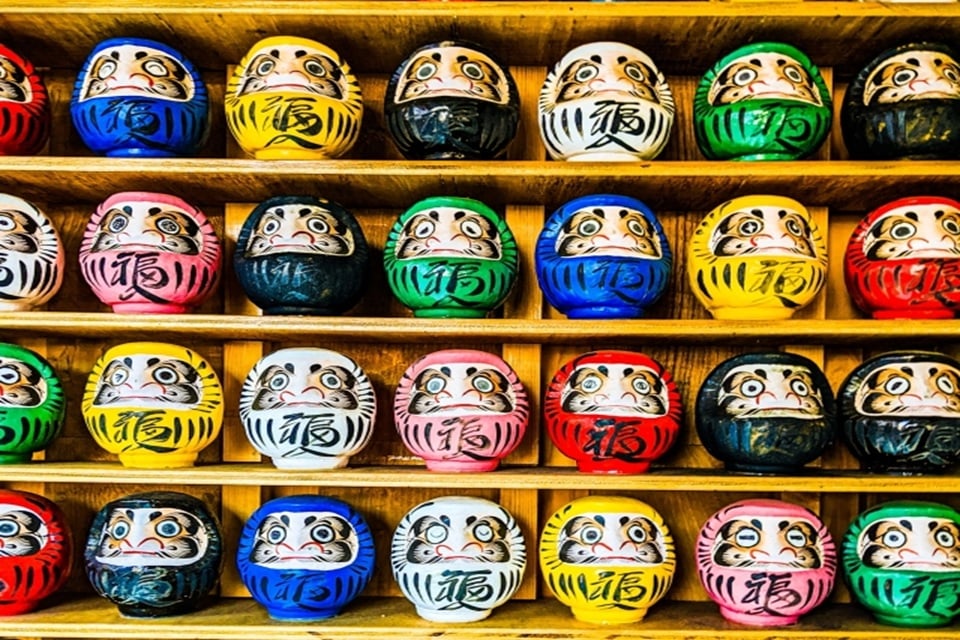
Daruma dolls come in many colors, each carrying a distinct meaning rooted in Japanese tradition and modern usage. Each daruma color represents a specific intention, helping align personal, team, or business goals with symbolic meaning. Choosing the right color is not decorative; it directly connects your intention to the symbolic role of the daruma.
Red Daruma: Protection, Success, and Tradition
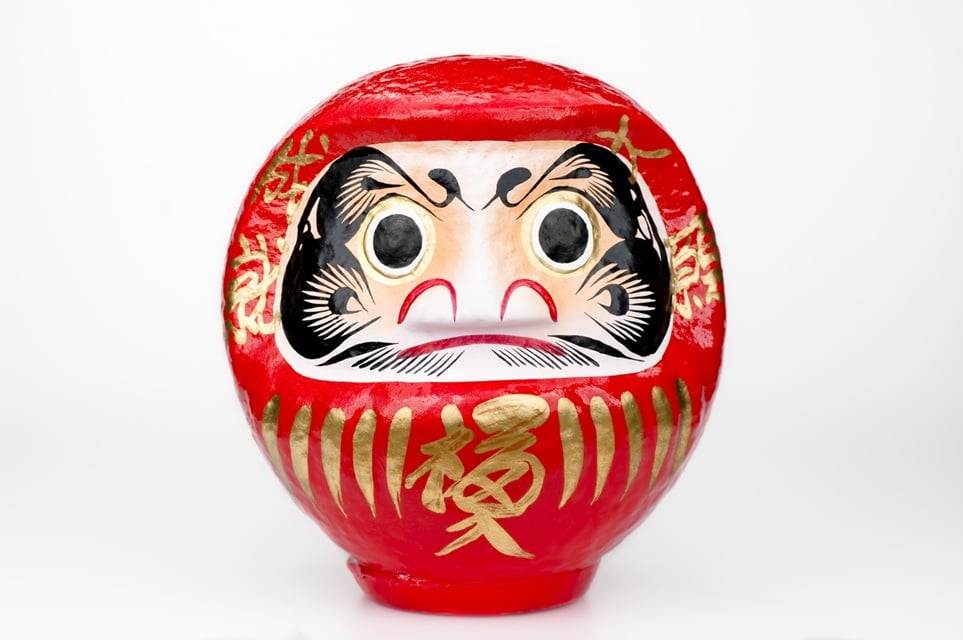
Red daruma symbolize protection, success, and traditional good fortune.
- Career success
- Exam or qualification goals
- Long-term personal objectives
Red is the safest and most universal choice when the goal is unclear.
Gold Daruma: Wealth, Prosperity, and Business Growth
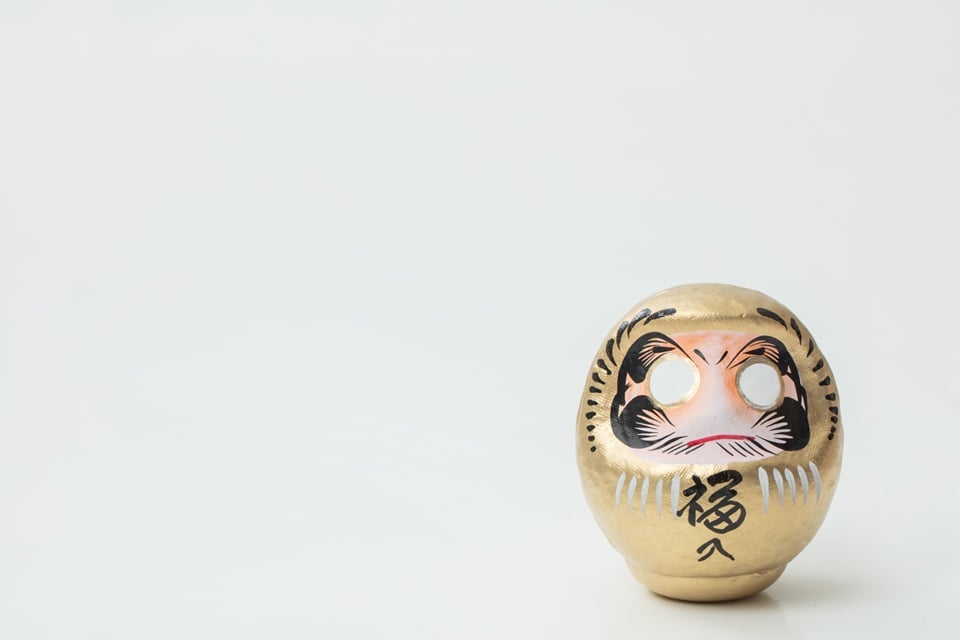
Gold daruma represent wealth, prosperity, and business expansion.
- Sales targets
- Company growth milestones
- New business launches
They are often displayed in offices to reinforce abundance and forward momentum.
Black Daruma: Overcoming Challenges and Stability
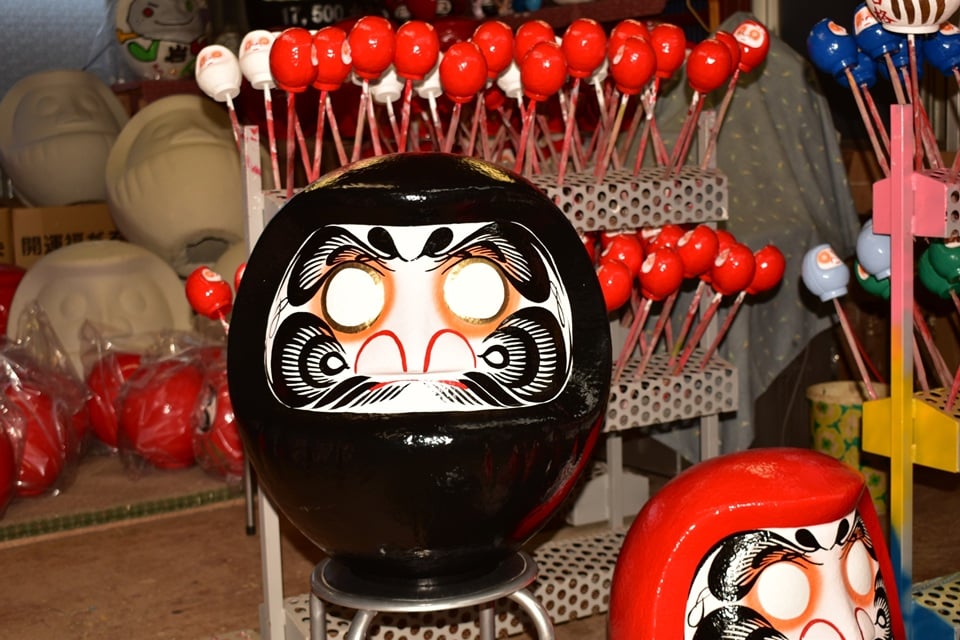
Black daruma symbolize resilience, stability, and overcoming difficulties.
- Risk management
- Crisis recovery
- Long-term stability goals
This color is chosen when removing obstacles is more important than gaining something new.
White Daruma: New Beginnings and Clear Goals
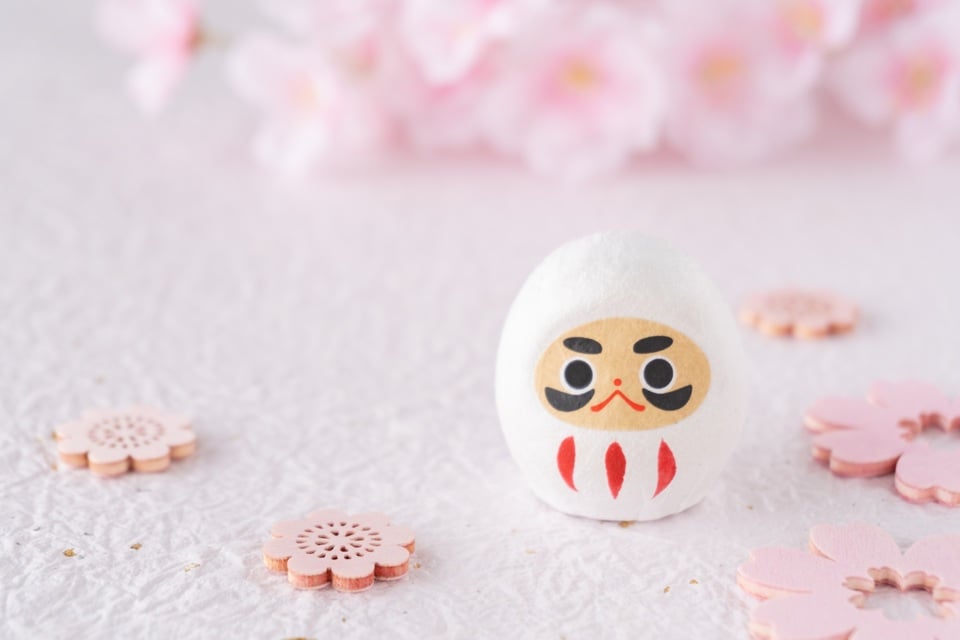
White daruma stand for new beginnings, clarity, and fresh starts.
- New projects
- Life transitions
- Team resets after restructuring
Blue Daruma: Growth, Learning, and Personal Development
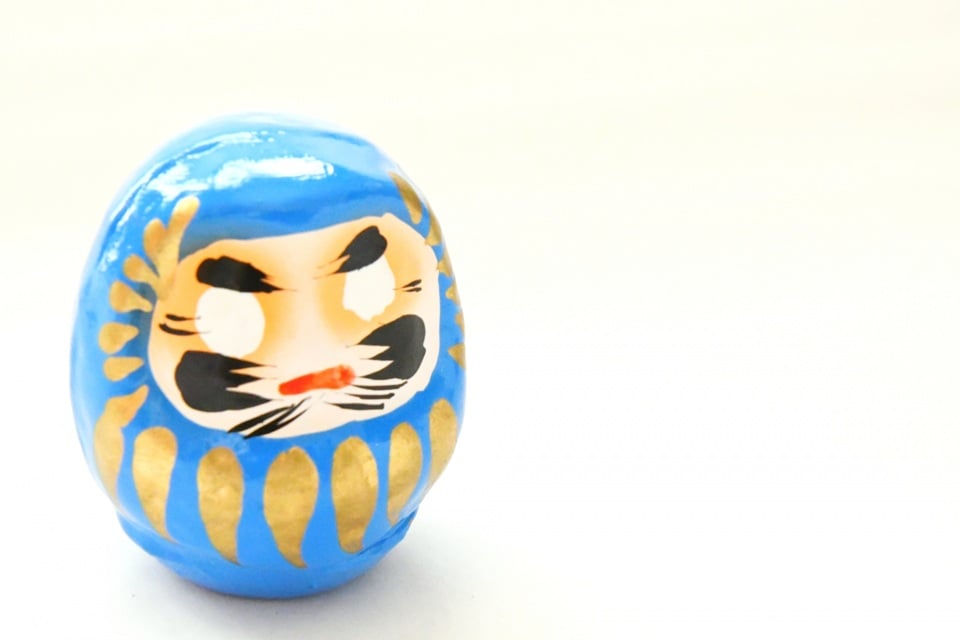
Blue daruma represent learning, discipline, and steady personal growth.
- Education and training goals
- Skill development
- Long-term personal growth
Pink Daruma: Love, Relationships, and Harmony
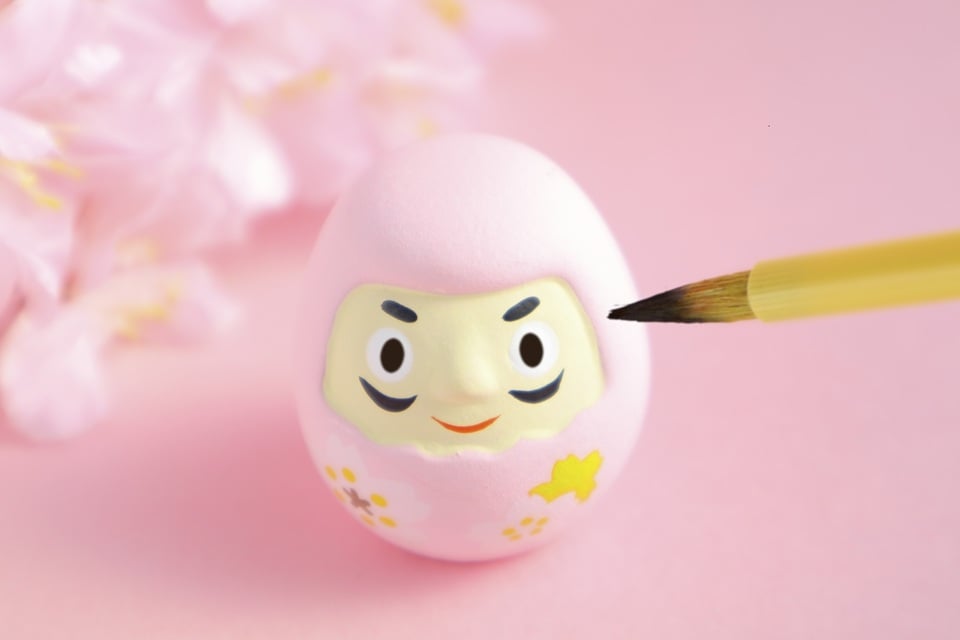
Pink daruma symbolize love, relationships, and interpersonal harmony.
- Relationship goals
- Team cohesion
- Workplace communication improvement
Green Daruma: Health, Balance, and Well-Being
Green daruma represent health, balance, and sustainable well-being.
- Wellness initiatives
- Work–life balance
- Sustainable team performance
Purple Daruma: Wisdom, Achievement, and Status
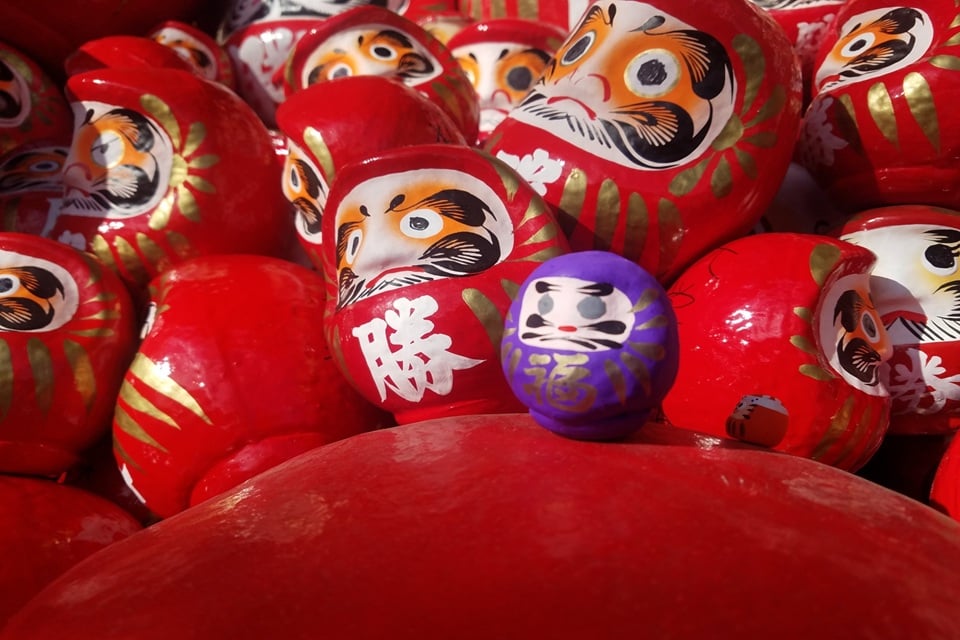
Purple daruma signify wisdom, high achievement, and authority.
- Leadership goals
- Executive milestones
- Recognition and prestige
Yellow Daruma: Happiness, Positivity, and Financial Luck

Yellow daruma emphasize happiness, optimism, and positive financial outcomes.
- Motivation boosts
- Team morale
- Short-term success goals
Best Colors for Business and Team Goals
| Goal Type | Recommended Colors |
|---|---|
| Sales & revenue | Gold, Red |
| Team building | Pink, Blue |
| Leadership & promotion | Purple, Gold |
| Stability & recovery | Black, Green |
| New projects | White, Red |
Common Mistakes When Choosing a Daruma Color
- Choosing based on appearance rather than meaning
- Selecting multiple colors for one goal
- Changing goals midway through the ritual
A daruma works best when one color supports one clear objective.
How to Use a Daruma Doll: The Wish Ritual Step by Step
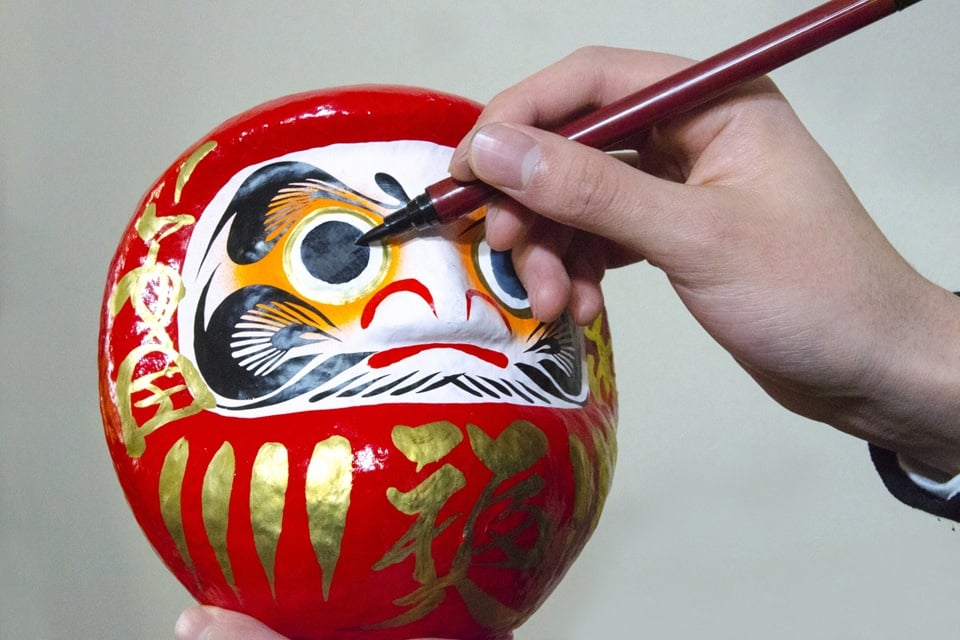
The daruma doll is not just a decorative object; it is a structured ritual tool for goal achievement.In Japan, the daruma ritual has been used for generations to transform vague wishes into concrete commitments.
By following the steps in order, individuals and teams can align intention, action, and completion in a visible and memorable way.
Step 1: Set One Clear Goal (Personal or Team)
The first and most important step is defining one specific and achievable goal.A daruma is designed to focus attention, so setting multiple wishes weakens its meaning.
When deciding on a goal, keep the following points in mind:
- The goal should be clear, measurable, and time-bound
- It can be personal (exam success, health improvement) or collective (sales target, project completion)
- Everyone involved should understand and agree on the goal
| Good Goal Example | Weak Goal Example |
|---|---|
| Increase Q4 sales by 15% | Be more successful |
| Complete certification by June | Improve skills someday |
A daruma works best when it represents one shared commitment, not a general hope.
Step 2: Paint One Eye (Which Side First?)
Once the goal is set, you paint one eye of the daruma.Traditionally, the left eye (from the daruma’s perspective) is filled in first, but the key point is consistency rather than superstition.
This act symbolizes:
- Declaring your intention
- Making the goal visible
- Publicly or mentally committing to action
Many teams perform this step together during meetings or workshops, reinforcing accountability.The unpainted eye serves as a constant reminder that the goal is still incomplete.
Step 3: Paint the Second Eye When the Goal Is Achieved
The second eye is painted only after the goal has been fully achieved.This moment marks completion and reflection rather than luck.
At this stage, people often:
- Review what actions led to success
- Share lessons learned with the team
- Express gratitude for effort and cooperation
| Ritual Stage | Meaning |
|---|---|
| One eye painted | Commitment and focus |
| Both eyes painted | Achievement and closure |
Completing the daruma’s eyes turns effort into a tangible sense of accomplishment, making success memorable and reinforcing confidence for future goals.
Daruma Painting Experience: A Hands-On Japanese Cultural Workshop
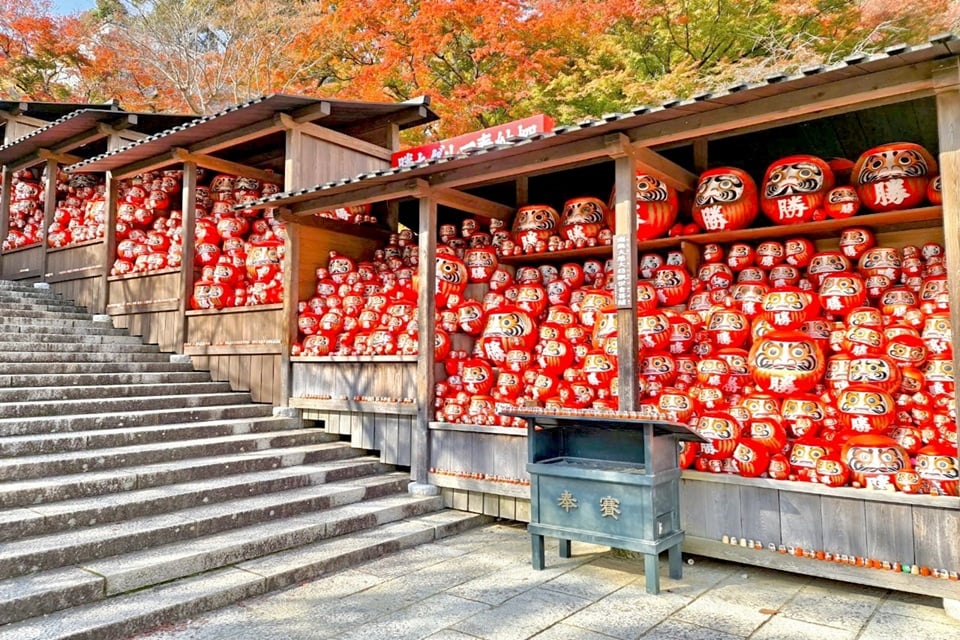
A Daruma painting experience is more than an art activity. It is a participatory Japanese cultural workshop that combines goal-setting, mindfulness, and teamwork.
Participants do not simply paint a souvenir; they engage with the philosophy behind daruma while creating a personal or shared symbol of intention. This makes the workshop especially effective for corporate events, leadership programs, and international teams.

What Is a Daruma Painting Experience?
A daruma painting experience is a guided workshop where participants paint their own daruma doll while learning its cultural background.
The core purpose is to externalize a goal and make commitment visible through hands-on creation.
Key characteristics include:
- Learning the meaning of daruma and its ritual use
- Choosing colors based on goals and values
- Painting facial features and eyes with intention
Unlike passive cultural tours, this experience requires reflection and decision-making, which deepens engagement and memory.
Typical Workshop Flow (60–90 Minutes)
Most workshops follow a structured but relaxed flow that balances learning and creativity.
| Phase | Content |
|---|---|
| Introduction | Cultural background and symbolism of daruma |
| Goal Setting | Defining a personal or team objective |
| Painting Session | Coloring and facial design |
| Eye Ritual | Painting one eye to mark commitment |
| Reflection | Sharing intentions and takeaways |
This structure ensures that participants leave with both knowledge and a meaningful artifact.
Customization Options for Corporate Events and Groups
Daruma workshops are highly adaptable, making them suitable for corporate and group settings.
Common customization options:
- Company color themes
- Team-based goals instead of individual goals
- Facilitated discussions aligned with company values
- Branded reflection worksheets
Customization transforms the daruma from a cultural object into a strategic tool for alignment and motivation.
Why This Daruma Workshop Resonates with International Teams
International participants often find the daruma workshop impactful because it transcends language and culture.
Reasons it works globally:
- The concept of resilience is universally understood
- Visual creation lowers language barriers
- Shared rituals foster psychological safety
- Goal-setting feels concrete and memorable
As a result, daruma painting becomes a powerful cross-cultural team-building experience, blending Japanese tradition with modern organizational needs.
Experiencing & Buying Daruma in Japan
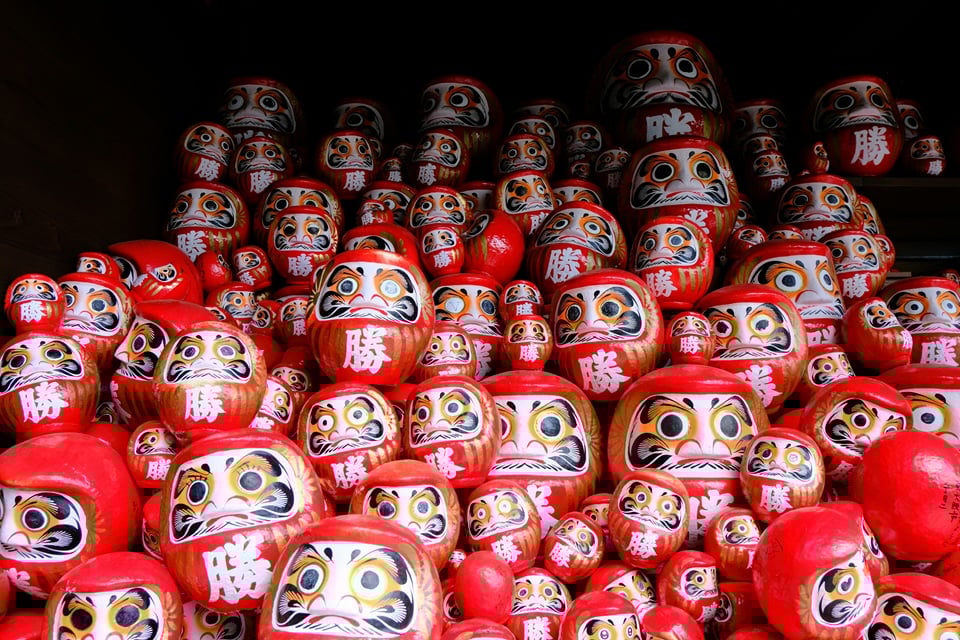
Daruma in Japan is best understood through two distinct but complementary approaches: experiencing the culture firsthand and purchasing an authentic piece with intention. Organizing these separately helps visitors clearly choose how they want to engage with daruma during their stay.
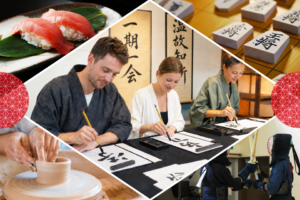
Where to Experience Daruma Culture
Japan offers several ways to experience daruma as a living cultural practice rather than a simple object.
Daruma Temples and Festivals
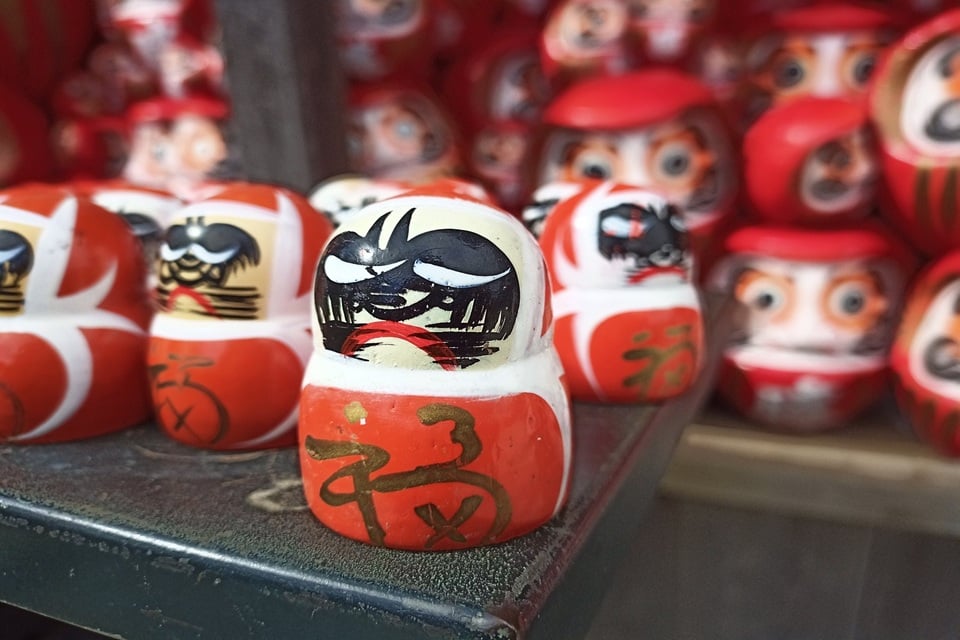
Daruma culture is closely tied to temples and annual events, especially large daruma markets held in Gunma Prefecture that emphasize renewal, reflection, and commitment.
In Gunma Prefecture, people return old daruma and acquire new ones each year, symbolizing the closing of one goal cycle and the beginning of another. These festivals are ideal for first-time visitors seeking cultural context.
Production Areas and Artisan Workshops
Traditional daruma production areas, particularly in Gunma, allow visitors to observe handcrafted techniques that prioritize symbolism, balance, and craftsmanship over mass production.
Visitors can see processes such as paper-mâché molding and hand-painted facial designs, which reflect deep cultural meaning rather than decorative value.
Hands-on Painting Experiences
Daruma painting workshops offer a hands-on cultural experience where participants learn symbolism, set a clear goal, and create a daruma as a personal or shared commitment.
- Learn the meaning behind daruma colors and facial design
- Set a clear personal or team goal
- Create a daruma as a symbolic commitment
These workshops are especially popular with corporate groups and international teams because they combine creativity, storytelling, and goal alignment.
Where to Buy Authentic Daruma
For travelers who want to take a daruma home, understanding where and how to buy is essential to ensure authenticity.
Best Purchase Locations in Japan
| Purchase Location | Features |
|---|---|
| Temple markets | Most traditional, ritual context included |
| Artisan workshops | High quality, limited production |
| Specialty daruma shops | Wide color and size selection |
| Tourist souvenir stores | Easy access, quality varies |
Temples and artisan-run shops are generally the most reliable options for purchasing authentic daruma.
What to Check When Buying
Before purchasing a daruma, it is important to confirm its origin, balance, facial design, and clear alignment with a single purpose or goal.
- Origin: Made in Japan, preferably Gunma Prefecture
- Balance: The doll should naturally return upright
- Facial design: Strong, expressive lines symbolizing longevity and strength
- Purpose alignment: One color and one clear goal
A daruma chosen with intention becomes more than a souvenir—it becomes a personal or shared commitment symbol.
Or, for a deeper connection, creating your own daruma through a guided cultural workshop offers a more meaningful experience.
Practical Guide & FAQ: Using Daruma with Confidence
Daruma is easy to understand, but many people—especially first-time users or international visitors—have practical concerns about how to use it correctly.
This FAQ section answers those questions in a clear, reassuring way so that daruma can be used with confidence, respect, and a proper understanding of its cultural role.
- Is Daruma Religious?
-
Daruma has historical roots in Zen Buddhism, but it is not considered a religious object in modern Japanese society.While its origin is connected to Buddhist philosophy, contemporary daruma functions mainly as a cultural symbol of perseverance, self-discipline, and goal achievement.
In Japan, daruma is commonly used in businesses, schools, election campaigns, and personal goal setting without any religious practice involved.Because of this, using a daruma does not require faith, prayer, or adherence to religious rules.
- Can Foreigners Use Daruma?
-
Yes, absolutely. Daruma is widely used and welcomed by foreigners in Japan and abroad.What matters most is not nationality, but intention and attitude.When users understand that daruma represents commitment and effort rather than superstition, it becomes a meaningful tool regardless of cultural background.
Many Japanese cultural workshops are specifically designed for international participants, and daruma is often chosen because its message of resilience is universal and easy to relate to.
- What If the Wish Does Not Come True?
-
Daruma is not an object that “grants wishes,” but a symbol of personal responsibility toward a goal.
Daruma symbolizes effort and commitment, not guaranteed success.If a goal is not achieved, it does not mean the daruma has failed or been disrespected.Instead, it invites reflection whether the goal was realistic, the timeframe appropriate, or the approach effective.In this sense, daruma reflects the Japanese view that setbacks are part of growth and that effort itself holds value.
- What Should You Do with a Daruma After Achieving the Goal?
-
Once a goal is achieved and the second eye is painted, the daruma’s role is considered complete.Traditionally in Japan, completed daruma are returned to temples or shrines during annual ceremonies where they are ritually burned as a gesture of gratitude and closure.
Outside Japan, it is also acceptable to keep a completed daruma as a reminder of achievement.What matters most is acknowledging the end of the goal journey with appreciation, rather than discarding the daruma casually.
Book Your Daruma Painting Workshop Today
Reading about daruma is only the first step. The true power of daruma is revealed when you create one with your own hands, guided by clear intention.
A daruma painting experience turns abstract goals into a shared and memorable moment. Whether for personal growth or team alignment, this hands-on activity creates a lasting impact that goes far beyond observation.
This immersive cultural workshop is especially popular among:
- Corporate team-building and leadership programs
- Executive retreats and incentive events
- International groups seeking authentic Japanese cultural experiences
By painting a daruma together, participants visually commit to a shared goal, strengthen communication, and walk away with a powerful symbol they can bring back to the workplace.
If you are looking for a unique, results-driven cultural experience in Japan, now is the perfect time to take action.
To learn more or to book your workshop, please visit
Create more than a souvenir.Create focus, unity, and momentum starting today.
・元プロボクサー 柔道有段者 アームレスリング選手
・元飲食店5店舗の代表取締役であり、飲食業界の総合コンサルタント、広告クリエイター
・独自の視点と挑戦を続ける姿勢で、SEOやWebマーケティングに関する記事を執筆しLPのコンバージョン率UP
・海外でのビジネス経験を持ち、国際的な視点からもアプローチ
・現在、山奥で狩猟生活|Web戦略・SEO・LP制作・チャットボット構築支援を行う
・生成AI×プロ編集でSEO記事制作を推進。勝てるキーワードから集客導線を設計。
・構成設計からHTML入稿、効果測定まで伴走。

