





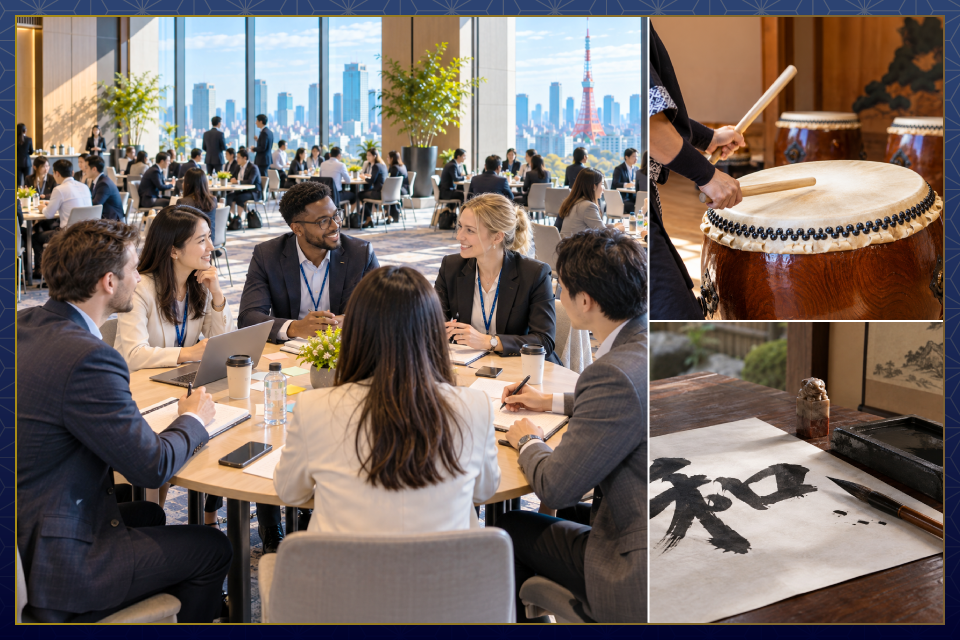

Planning corporate team building in Tokyo for 100 or more people requires more than simply choosing the right activity.
Large groups need careful planning around venue layout, participant flow, transportation, bilingual support, and costs to keep the program running smoothly.
This guide covers practical corporate team building activities in Tokyo for 100+ participants, along with venue options, logistics, and budgeting tips to help you plan a successful large-group event.
- Why team building for 100+ participants requires a different operating model
- Which activity formats can work for large corporate groups in Tokyo
- How to choose a Tokyo venue based on your activity and layout
- How to manage transportation, bilingual support, dietary needs, and weather
- What cost components to include when building your budget
- How a Japan-based DMC can coordinate a large corporate team-building program
Why Large-Group Team Building in Tokyo Requires a Different Approach
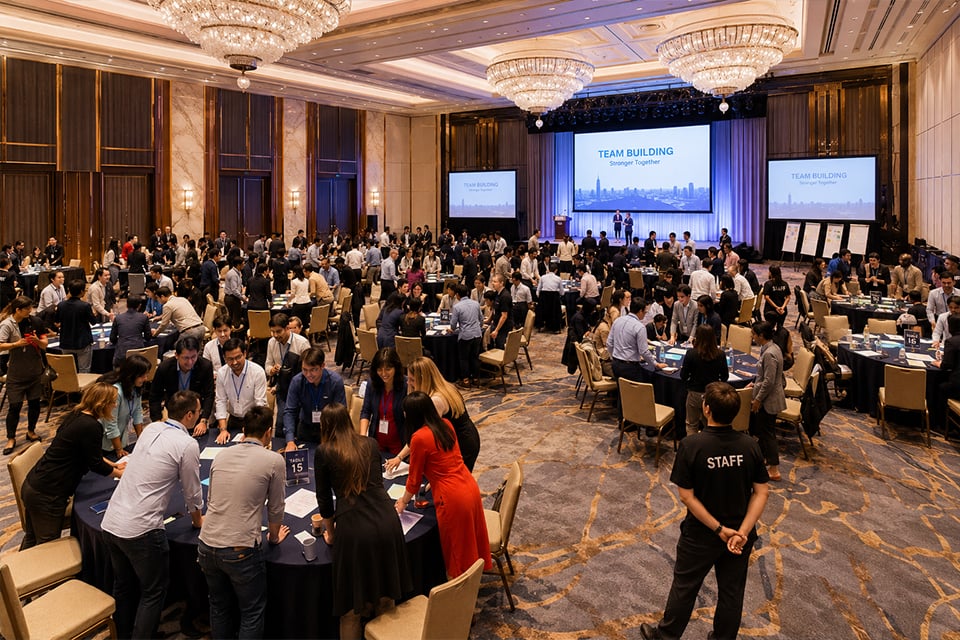
Once a corporate team-building event grows beyond 100 participants, simply scaling up an activity designed for a smaller group may not work. Longer waiting times, crowded activity areas, and bottlenecks around a single instructor or facilitator can reduce both participation and engagement.
At its core, team building is designed to strengthen communication, collaboration, and relationships within a group. For a large corporate event, achieving those goals requires an operating format that allows everyone to participate effectively.
This may mean dividing participants into multiple groups, running several activity stations at the same time, or choosing a plenary format where everyone can take part together. The right approach depends not only on the activity, but also on the venue layout, available facilitators, schedule, and overall event objectives.
What Changes at 100, 200, and 300 Participants?
As participant numbers increase, event operations become just as important as the activity itself. Registration and arrival need to accommodate a larger flow of people, while clear subgroup organization can help participants understand where to go and when.
For rotation-based programs, organizers may need multiple activity stations to avoid long queues and keep the schedule moving. For plenary programs, audiovisual equipment, microphones, screens, and clear bilingual instructions may become more important so that participants throughout the venue can follow the program.
Movement also needs to be planned carefully. Transitions between rooms, activity stations, dining areas, or transportation can create congestion if everyone moves at once. At larger scales, a lead coordinator and clear communication among facilitators, venue staff, and other suppliers help keep the overall program aligned.
In other words, the difference between planning for 100, 200, and 300 participants is not simply the number of seats required. Each stage of the participant experience—from arrival to departure—should be considered for the group size.

Activities That Actually Work for 100+ People in Tokyo
The table below shows how common corporate team building activities in Tokyo can be delivered to 100 or more participants.
| Category | Format | Venue Type | Team-Building Benefit |
| Cultural Workshops | Rotation / Plenary | Hotel ballroom, event space, cultural venue | Shared cultural experience and creative collaboration |
| Collaborative Performance Programs | Plenary | Ballroom, hall, event venue | Shared participation and group engagement |
| City-Wide Team Challenges | Distributed | Outdoor / multiple city locations | Communication and problem-solving |
| Indoor Innovation & Problem-Solving | Distributed / Rotation | Conference or event venue | Collaboration and strategic thinking |
| Food & Dining Experiences | Venue-dependent | Cooking venue, restaurant, yakatabune | Informal interaction and shared experience |
Cultural Workshops with Rotation Stations
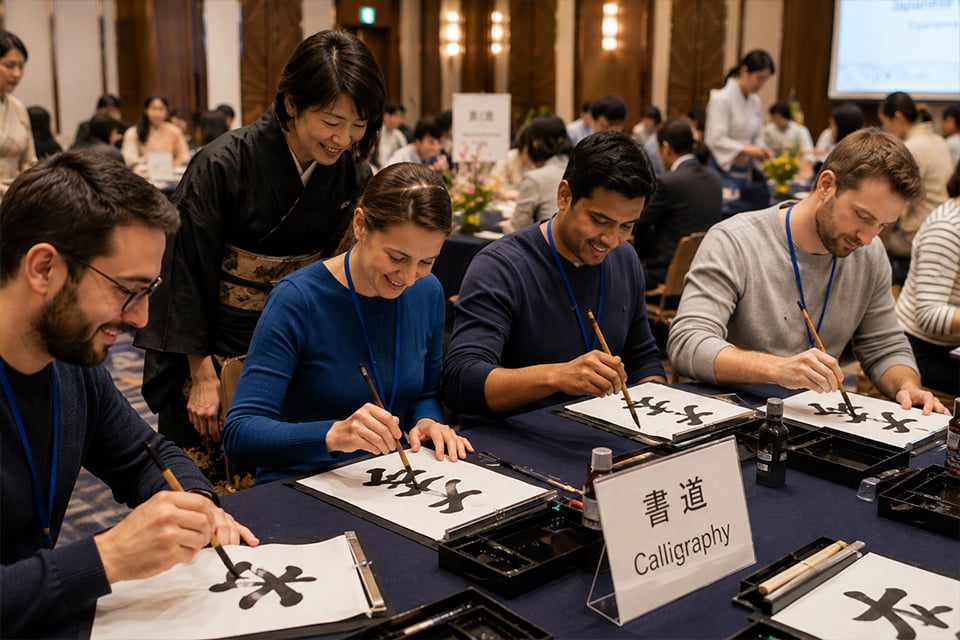
Japanese cultural workshops such as taiko drumming, calligraphy, ikebana, tea ceremony, and wagashi making can be incorporated into large-group team-building programs.
For example, one group might begin with calligraphy while others take part in ikebana or tea ceremony, then rotate at scheduled intervals. This can reduce waiting time and give participants more opportunities for hands-on involvement.
MOTENAS JAPAN has organized Japanese cultural programs including ikebana experiences and calligraphy workshops for international corporate guests. The appropriate format for a larger group depends on the venue, available instructors, equipment, and time allocated to each activity.
Collaborative Performance Programs
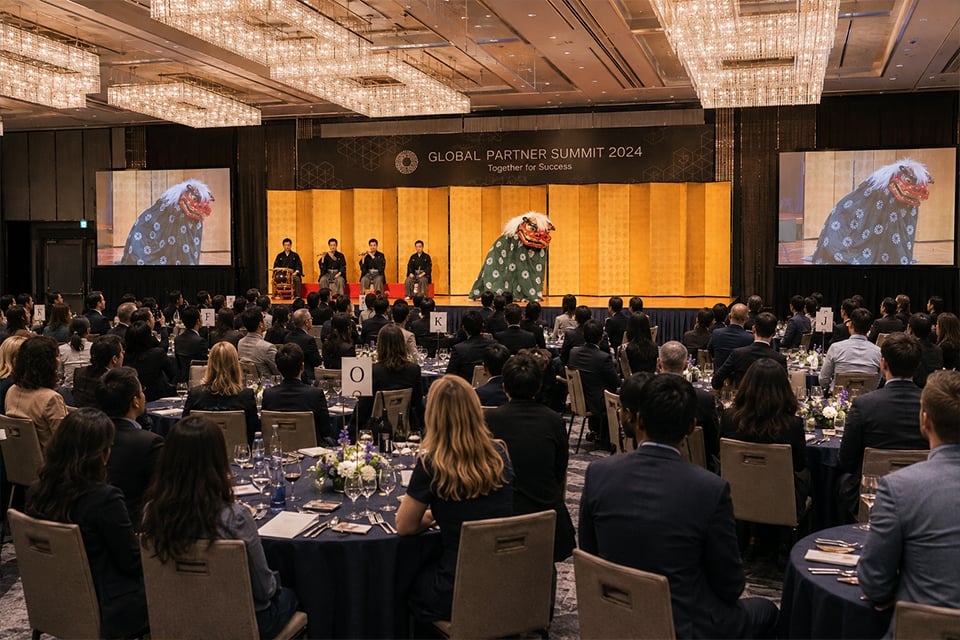
Traditional Japanese performing arts can also provide a shared experience for a large corporate group. Options may include Kabuki, shishi-mai (lion dance), and samurai sword performances or tate, the choreographed stage-combat techniques used in Japanese performance.
These programs are particularly suited to a plenary format, allowing the group to watch the same performance together. Depending on the program, interactive elements can then be added before or after the main performance, such as cultural explanations, demonstrations, or selected hands-on participation.
This combination can be useful when organizers want to create a strong shared moment without requiring every participant to move between multiple activity stations.
City-Wide Team Challenges
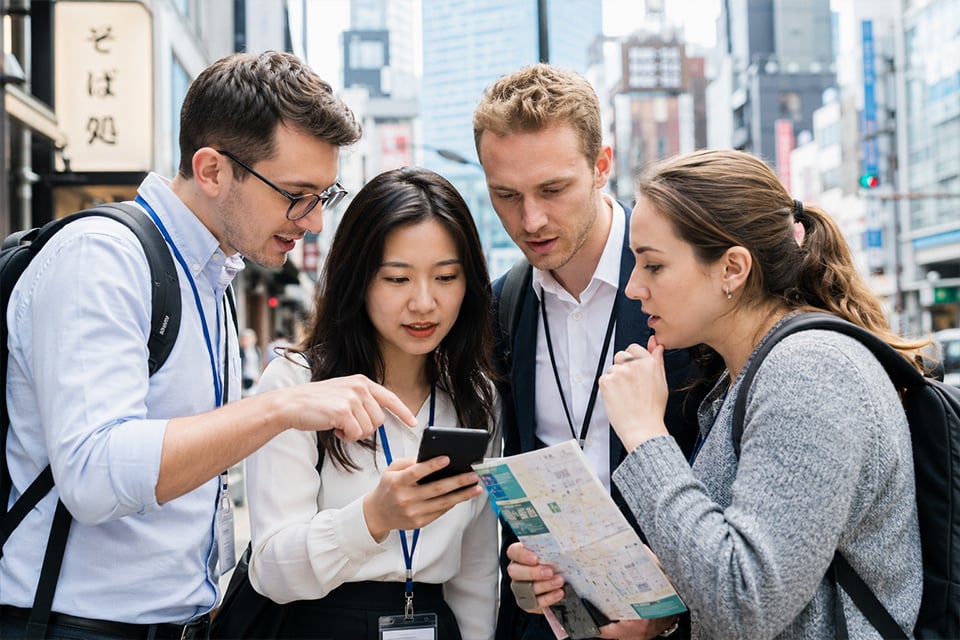
City-wide challenges such as scavenger hunts and Amazing Race-style programs use multiple locations across Tokyo.
Instead of keeping all participants in one venue, a distributed format divides the group into multiple teams that complete challenges across designated locations. Participants may need to navigate the city, solve clues, complete assigned tasks, or collaborate to reach a shared objective.
This format can encourage communication, decision-making, and problem-solving while allowing participants to experience Tokyo beyond a hotel or conference venue.
However, large city-wide programs require careful planning. Routes, meeting points, transportation, participant communication, weather, and contingency plans all need to be considered. Organizers should also avoid creating situations where large numbers of participants arrive at the same public location simultaneously.
Indoor Innovation and Problem-Solving
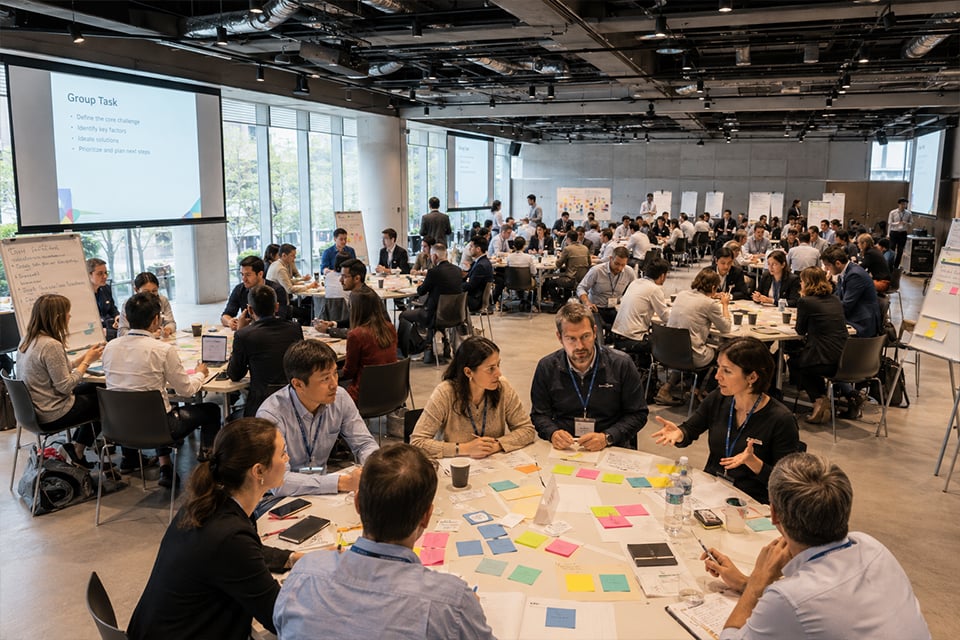
For companies looking for a less culture-focused option, puzzle challenges, collaborative problem-solving activities, and SDGs-themed simulations can be organized in conference rooms and event venues.
Participants can be divided into multiple teams and given the same challenge or rotate through different tasks. This makes it possible to focus the program on skills such as strategic thinking, communication, collaboration, and decision-making.
Indoor programs also provide an important advantage in Tokyo: they are less dependent on weather. This can make them useful as either the main team-building activity or a practical alternative to an outdoor program.
Food and Dining Experiences
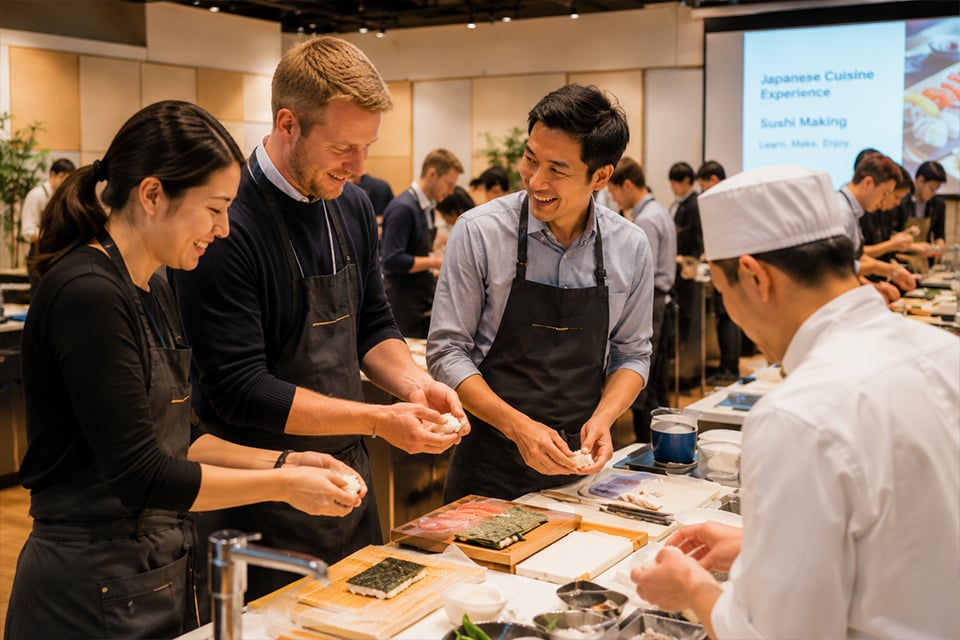
Food can provide another natural setting for team interaction. Sushi-making classes, cooking competitions, and yakatabune experiences can combine Japanese culture with informal communication among colleagues.
Unlike a ballroom-based performance, however, these activities are highly venue-dependent. A cooking program may require sufficient workstations, kitchen facilities, instructors, and food-preparation space, while a yakatabune program depends on the capacity and configuration of the available vessel.
MOTENAS JAPAN has organized Japanese cultural programs including ikebana experiences and calligraphy workshops for international corporate guests.
-1-300x200.png)
How to Choose the Right Tokyo Venue for 100+ People
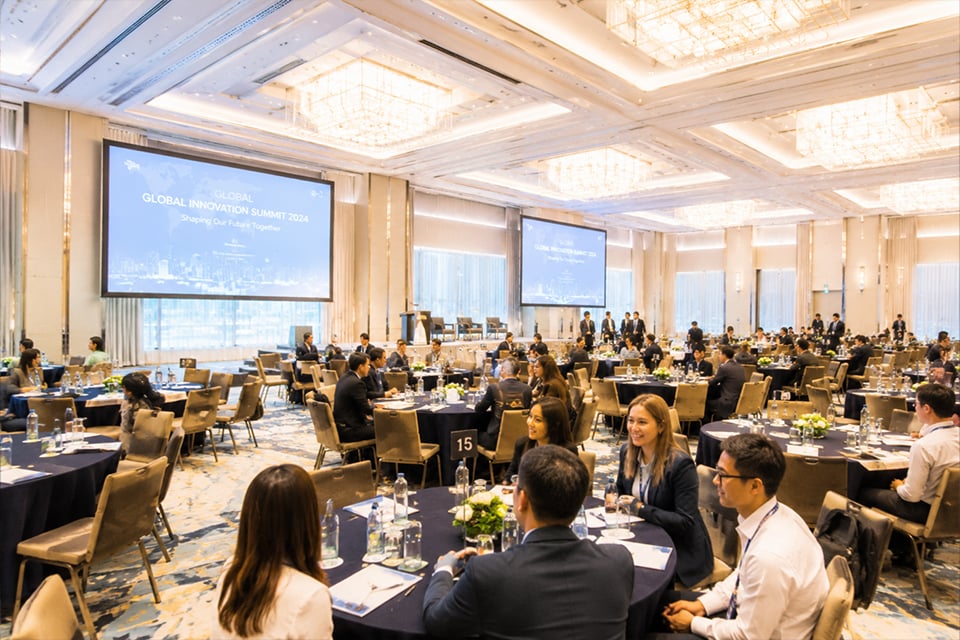
Choosing a venue for team building in Tokyo is about more than finding a space that can accommodate your headcount. The location should also match the activity format, transportation plan, and way participants will move throughout the event.
Tokyo offers several areas that work well for large corporate groups, each with different advantages.
| Area | Best For | Logistics Advantages |
| Marunouchi | Executive / formal corporate events | Convenient access to Tokyo Station |
| Odaiba / Ariake | Large-scale programs | Large event facilities and flexible event spaces |
| Asakusa / Ryogoku | Japanese cultural programs | Strong connection with traditional Japanese culture |
| Shibuya / Shinjuku | Urban team building | Major transport hubs and central locations |
| Shinagawa | International corporate groups | Convenient access to Haneda Airport and bullet train connections |
| Toyosu | Waterfront / modern events | Modern event spaces and waterfront setting |
Do not choose a venue based only on its published maximum capacity.
Do not choose a venue based only on its published maximum capacity. A space listed for 200 people will work very differently in theater-style seating, at dining tables, or across multiple activity stations. Confirm the venue’s capacity for the actual layout and program you are planning.
The Tokyo Metropolitan Government’s TOKYO Unique Venues directory allows planners to search Tokyo venues by capacity—including 101–300 and 301+—as well as by area, dining capacity, and private-hire availability.
Logistics Checklist for Moving and Managing 100+ People in Tokyo
For a corporate group of 100 or more, logistics can have just as much impact on the participant experience as the team-building activity itself. Transportation, language support, dietary requirements, accessibility, and weather contingencies should therefore be considered from the early planning stages.
Transportation
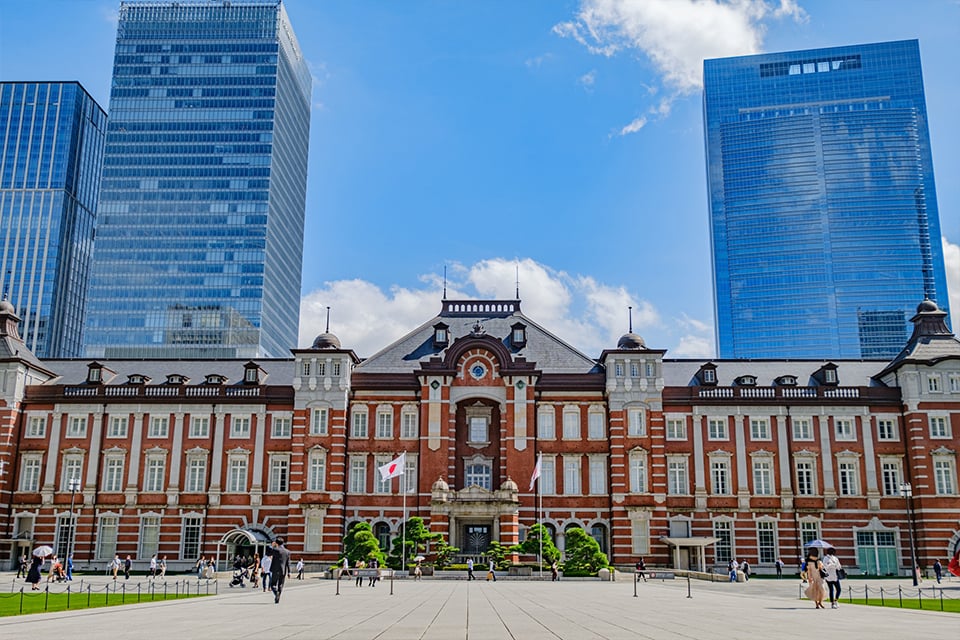
Tokyo’s public transportation system is extensive, but moving a large corporate group is different from moving a few individual travelers. Organizers need to decide whether participants should travel together by chartered bus or move in smaller groups using trains and subways.
Chartered buses can be useful when the schedule includes multiple venues, participants are carrying luggage, or the group needs to arrive together. Public transportation may work better when destinations are close to major stations and participants can be divided into smaller, clearly managed groups.
In either case, confirm meeting points, boarding and drop-off locations, walking distances, and how participants will be divided before departure. Moving everyone at once is not always the most efficient option, particularly around busy stations and public spaces.
Tokyo Metro also offers group fares subject to group size, route, and advance application. Organizers considering this option should confirm eligibility and application requirements directly with Tokyo Metro’s official Group Tickets information before finalizing transportation plans.
Bilingual Facilitation
International corporate events do not automatically require simultaneous interpretation. The appropriate language support depends on the program format, complexity of the content, and level of interaction required.
A bilingual MC can guide participants through the schedule, explain activities, and make general announcements in both English and Japanese. An interpreter may be more appropriate for detailed presentations, discussions with Japanese instructors, or situations where precise communication is important.
Large programs may also benefit from bilingual event staff positioned around the venue to support registration, group movement, activity stations, and participant questions.
Dietary and Accessibility Requirements
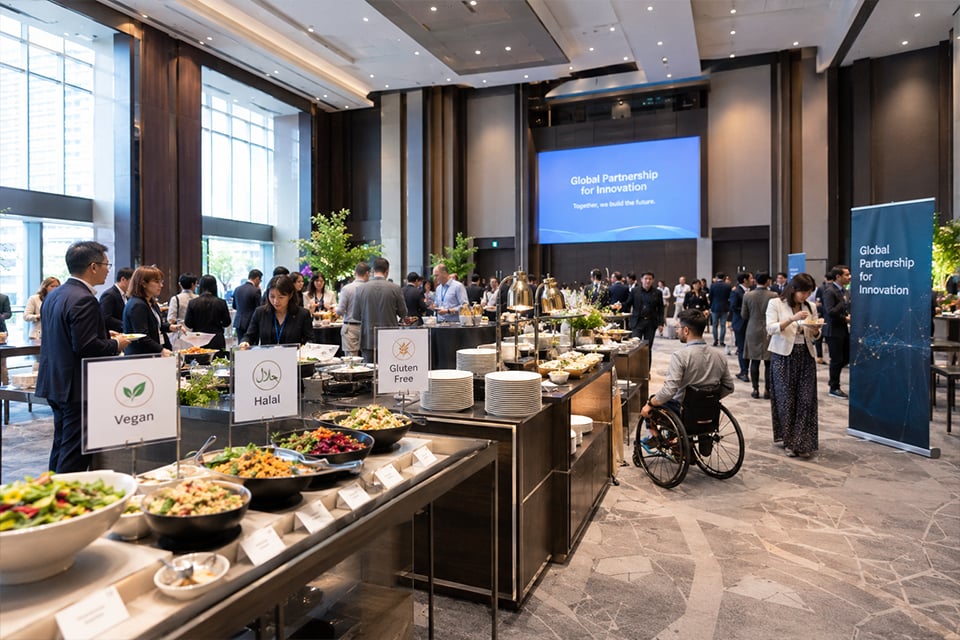
Dietary and accessibility requirements become increasingly important as group size grows. Organizers should collect information about food allergies, vegan requirements, halal meals, religious dietary restrictions, wheelchair access, and other mobility considerations during the planning process rather than waiting until immediately before the event.
This information can affect more than catering. For example, wheelchair accessibility may influence venue selection, transportation, activity layouts, and routes between different areas of the venue.
Food-related activities require particular care. Sushi-making, cooking competitions, and other hands-on experiences should be reviewed in advance for allergens and dietary restrictions, with suitable alternatives considered where necessary.
Weather and Contingency
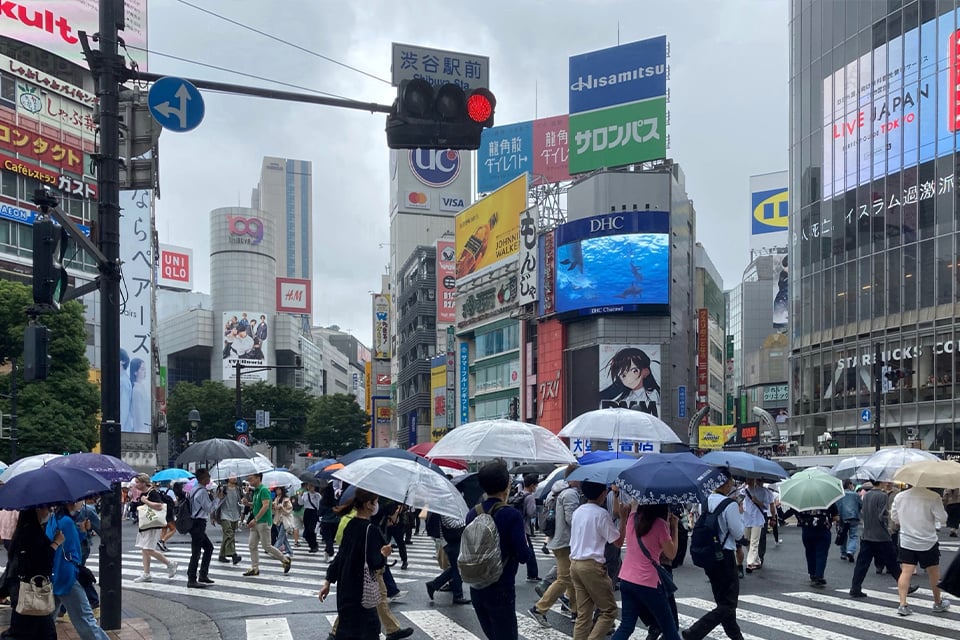
Weather should be built into the program design, particularly when team building includes outdoor activities or movement around the city.
Tokyo’s rainy season generally affects June into mid-July, while summer brings high heat and humidity. Typhoon season generally begins in August and can disrupt transportation into early autumn.
For outdoor scavenger hunts and city challenges, organizers should therefore determine in advance what will happen if conditions make the original program impractical or unsafe. During the hottest part of summer, indoor venues and sufficient opportunities for participants to cool down and rest should also be considered.
A contingency plan should include an indoor program that can replace the outdoor activity for the same group size.
The backup program should be feasible for the same group size and ideally preserve the original team-building objectives. Venue availability, facilitators, equipment, transportation changes, and the point at which the contingency plan will be activated should all be considered before event day.
Planning for 100+ participants? MOTENAS JAPAN can help you identify the right activity format, venue requirements, and logistics for your group.
What Does Large-Group Team Building in Tokyo Cost?

A single per-person figure can be misleading because venue setup, staffing, transportation, interpretation, and catering are priced differently.
For a large corporate team-building event in Tokyo, the final budget depends on the activity format, venue, group size, transportation plan, language support, catering, and technical requirements. Some expenses are charged per participant, while others are calculated per room, vehicle, performer, or piece of equipment.
Rather than starting with a single “cost per person,” it is more useful to build the budget by cost component.
| Cost Component | What Affects the Price | How It’s Typically Priced |
| Venue | Location, layout, duration, setup | Per room, time block, or event package |
| Facilitators | Program format, specialization, staffing | Per facilitator or program |
| Catering | Menu, drinks, service format | Per person or package |
| Transportation | Vehicle type, hours, itinerary, parking and tolls | Per vehicle and itinerary |
| Performers | Type of performance, number of performers, duration, customization | Per performance or program |
| AV | Screens, microphones, projectors, interpretation equipment | Per item, equipment package, or venue package |
As a current published example, Tokyo Prince Hotel’s 2026–2027 Banquet Party Plan lists packages at ¥15,000–¥17,000 per person. These packages include food, two hours of free-flow drinks, venue use, basic lighting and two wired microphones, as well as service charge and consumption tax. A screen and projector are available from ¥55,000 as an additional option. These figures are useful as examples of how Tokyo event costs may be packaged, rather than as a general price benchmark for team building.
source:https://www.princehotels.co.jp/tokyo/banquet/party/
Why Per-Person Pricing Can Be Misleading
Catering is typically priced per person, but venues may charge by room and duration, transportation by vehicle and itinerary, and performances as a flat program fee. A headline per-person rate may not include all of these.
When comparing proposals, check what each quotation covers rather than comparing only the per-person price.
How MOTENAS JAPAN Designs Team Building for Large Corporate Groups
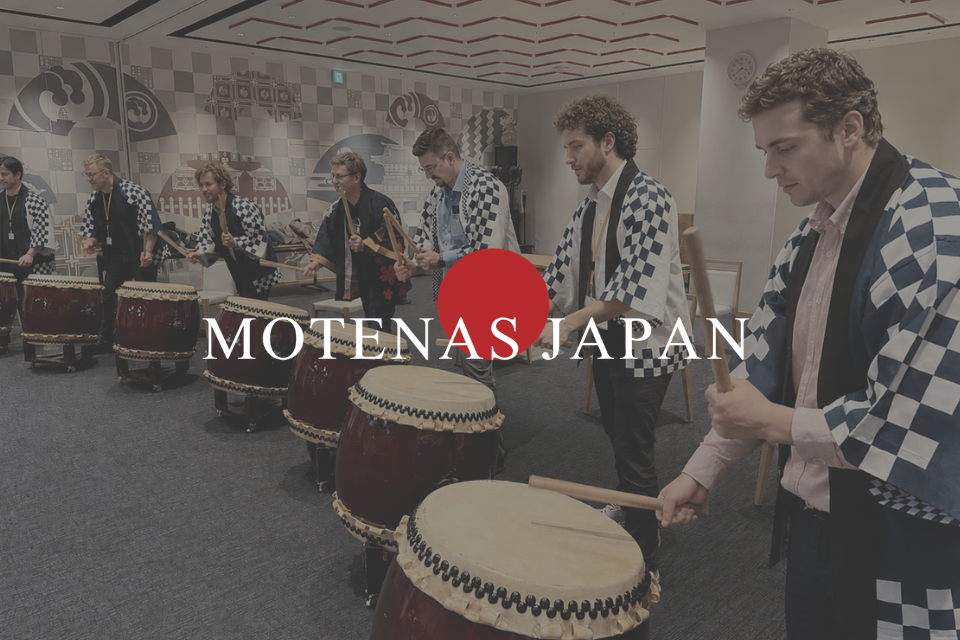
MOTENAS JAPAN designs customized corporate team-building programs in Japan, combining Japanese cultural experiences with the practical coordination required for international corporate events.
What Does a DMC Do Differently?
An experience provider typically focuses on delivering a specific activity, while a travel agency primarily handles travel arrangements such as transportation and accommodation. A Destination Management Company (DMC) takes a broader role, coordinating multiple local elements as one program.
For international corporate groups, this can include program planning, local arrangements, cultural experiences, bilingual support, on-site coordination, and video production. Instead of requiring the organizer to manage multiple local suppliers separately, these elements can be coordinated around the same event objectives and schedule. MOTENAS JAPAN’s existing services include customized cultural programs, bilingual on-site coordination, and local arrangements for corporate groups.
This becomes particularly valuable when plans need to be adjusted to the venue or the scale of the event.
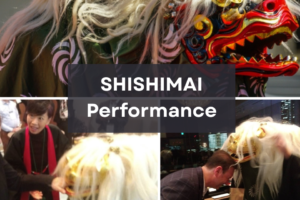
Adapting on the Ground — A Lion Dance Case Study
One MOTENAS JAPAN lion dance program was arranged for international conference guests from Germany, Switzerland, Italy, Poland, and Spain at a hotel in central Tokyo.
A dynamic karate demonstration was originally planned, but venue regulations meant it could not be performed safely on site. MOTENAS JAPAN proposed Japanese classical dance and shishi-mai (traditional lion dance) as alternatives, and the client selected shishi-mai.
The resulting program lasted approximately 20 minutes. English explanations were adapted to help international guests understand the cultural context of the performance, including Japanese wordplay and the symbolism associated with the lion dance.
This example shows why programs may need to be adjusted to actual venue conditions.
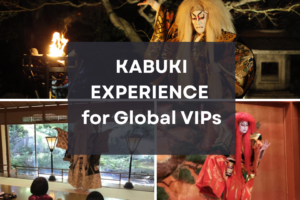
Scaling for the Group — A Kabuki Case Study
A MOTENAS JAPAN Kabuki program shows another side of customization: adapting both the content and operational support for an international corporate audience.
For this project, the lecturer’s content was adjusted in advance to connect elements of Kabuki with the client’s corporate philosophy. The program also used an English-speaking MC, printed materials, and on-site support for international guests. For larger programs, multiple bilingual staff members may be assigned in addition to the instructor and performers.
MOTENAS JAPAN also produced explanatory video materials, coordinating the camera crew and performers as part of the same program.
For large-group team building, this type of coordination helps ensure that staffing, cultural interpretation, content, and production are adjusted together, rather than treating the activity as a standalone booking.
FAQ: Corporate Team Building in Tokyo for Large Groups

What Team Building Activities Work for 100+ People in Tokyo?
Activities that can be delivered through plenary, rotation, or distributed formats are generally the most practical for large groups. Options include Japanese cultural workshops such as taiko, calligraphy, and ikebana, as well as collaborative performances, city-wide challenges, indoor problem-solving programs, and selected food experiences.
The right choice depends on the venue, available facilitators, activity setup, and how participants will move through the program.
How Much Does Corporate Team Building in Tokyo Cost per Person?
There is no single reliable per-person rate for large-group team building in Tokyo. Venue rental, catering, facilitators, transportation, performers, interpretation, and AV may all be priced differently.
For an accurate comparison, review what is included in each proposal rather than comparing only the headline per-person price.
How Far in Advance Should You Book Team Building in Tokyo?
For a group of 100 or more, it is generally advisable to begin planning several months in advance, particularly if the program requires a large venue, multiple facilitators, transportation, catering, or specialized cultural performers.
Starting early also provides more flexibility to coordinate the activity format with venue availability and logistical requirements.
Do I Need Bilingual Facilitators for Team Building in Tokyo?
Not necessarily. The appropriate language support depends on the program.
A bilingual MC or event staff may be sufficient for general instructions and participant guidance, while an interpreter may be needed for detailed workshops or presentations. Simultaneous interpretation is typically more relevant when participants need to follow longer or more complex content without interruption.
Plan Your Large-Group Team Building Event in Tokyo
Successful large-group team building in Tokyo requires more than choosing an engaging activity. The activity format, venue, transportation, language support, dietary and accessibility requirements, contingency plan, and budget all need to be designed as one coordinated program.
For groups of 100 or more, decisions in one area often affect another. A rotation-based activity may require additional venue space, while a city-wide challenge changes transportation and weather planning. Cultural workshops may require bilingual facilitation, and food-based experiences need early consideration of allergies and dietary requirements.
By planning these elements together from the beginning, organizers can create a program that is not only engaging but also practical to operate at scale.
Ready to start planning? Tell us your dates, group size, objectives, and preferred type of experience. MOTENAS JAPAN can develop a tailored team-building proposal for your corporate group in Tokyo.

毎月1回以上国内・海外旅行をする旅好きライターです。
フランス・ベトナム一人旅を筆頭に、ひとりで美味しいものを食べながらゆったり旅をするのが好きです。

