






 津田修吾
津田修吾Where should you eat when exploring food in Kyoto Japan?
Kyoto is known for its refined culinary heritage, yet many travelers feel unsure about which dishes to try or which restaurants truly capture the essence of the city’s dining scene.
If you are planning a visit, you may be wondering what to eat and how to experience authentic Kyoto cuisine without wasting time on the wrong places.
This guide introduces the highlights of food in Kyoto Japan, from elegant kaiseki dining to traditional specialties, helping you discover Kyoto’s culinary culture with clarity and confidence.
Discover Food in Kyoto Japan
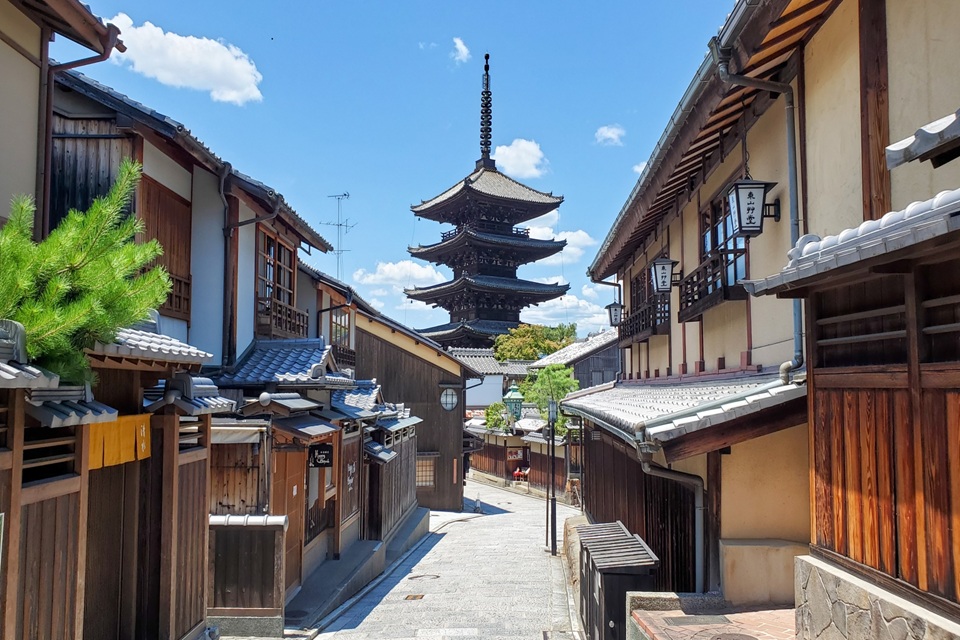
Food in Kyoto Japan reflects a refined culinary tradition shaped by over a thousand years of history. As Japan’s former imperial capital, Kyoto developed a distinctive food culture influenced by court traditions, Buddhist practices, and tea culture, all of which emphasize balance, simplicity, and presentation.
Kyoto traditional food focuses on highlighting the natural flavors of high-quality ingredients rather than strong seasoning. This approach has led to the development of dishes such as kaiseki cuisine Kyoto and shojin ryori Kyoto, both of which showcase precision and seasonality.
Seasonality plays a central role in Kyoto cuisine, with menus changing throughout the year from spring bamboo shoots to summer hamo and autumn matsutake, ensuring that ingredients are enjoyed at their peak.

FAQ: Food in Kyoto Japan
Here are concise answers to common questions about food in Kyoto Japan.
What foods is Kyoto famous for?
Kyoto is famous for kaiseki cuisine, shojin ryori (Buddhist vegetarian cuisine), tofu and yuba dishes, Kyoto vegetables, saba sushi, traditional wagashi sweets, and obanzai (home-style Kyoto dishes). Each of these reflects Kyoto’s culinary philosophy of seasonality, simplicity, and refined presentation.
What is the most famous dish in Kyoto?
The most famous dish in Kyoto is kaiseki cuisine Kyoto a refined multi-course meal that highlights seasonal ingredients and artistic presentation.
Originally associated with the Japanese tea ceremony, this style of dining has evolved into one of the highest forms of Japanese cuisine. Each course reflects seasonality, balance, and refined craftsmanship, making it central to the experience of dining in Kyoto.
Is food in Kyoto Japan expensive?
Food in Kyoto Japan can range from affordable meals to high-end dining, with kaiseki cuisine being the most expensive option.
Casual meals typically cost ¥1,000–3,000, while fine dining experiences often start at around ¥15,000 and can exceed ¥30,000 at top establishments. This wide range allows visitors to explore Kyoto’s culinary scene according to their budget.
What street food is Kyoto known for?
Kyoto is known for street food at Nishiki Market, including tamagoyaki, grilled seafood skewers, Kyoto pickles, and matcha desserts.
Often called “Kyoto’s Kitchen, ” the market offers a casual way to experience food in Kyoto Japan beyond formal dining. It is a lively spot where visitors can sample local flavors and enjoy a different side of Kyoto’s culinary scene.
Famous Food Kyoto Is Known For
The following dishes are among the most celebrated examples of Kyoto’s culinary tradition.
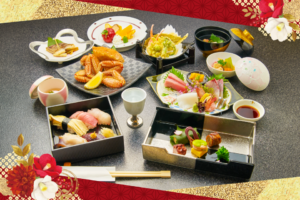
Kaiseki — Kyoto’s Elegant Multi-Course Dining
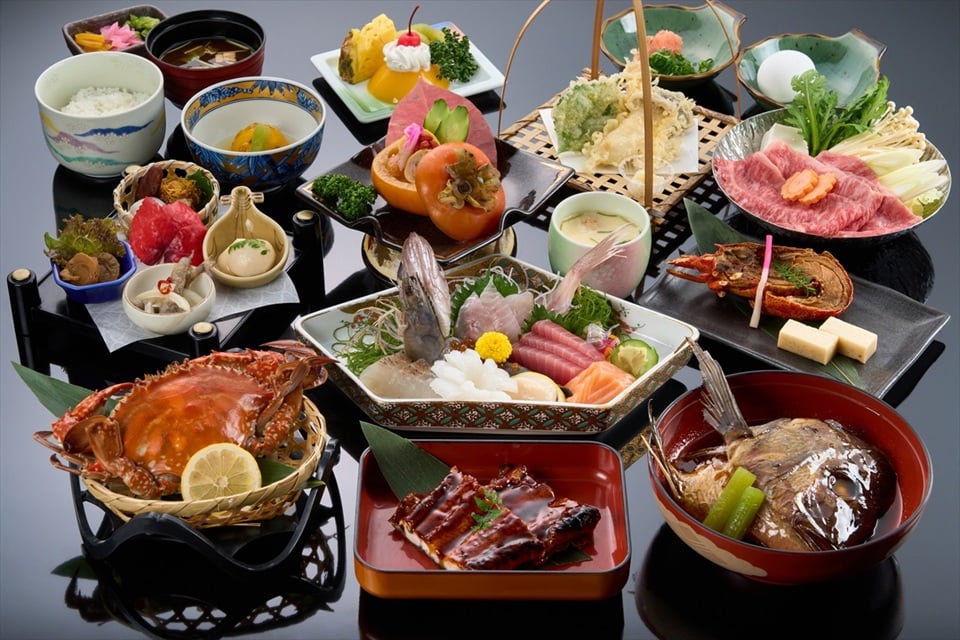
A kaiseki meal unfolds like a carefully composed sequence, beginning with a delicate seasonal appetizer that sets the tone. A clear, lightly seasoned soup follows, highlighting the purity of its ingredients, before moving into sashimi that reflects the freshness of the season.
As the course progresses, grilled and simmered dishes arrive one by one, each prepared with a different technique and presented on thoughtfully selected ceramics. The experience concludes with rice, pickles, and a subtle dessert, leaving a lasting impression of balance and harmony.
Rather than focusing on quantity, kaiseki emphasizes rhythm, seasonality, and aesthetic detail, turning a meal into a quiet, immersive expression of Kyoto’s culinary philosophy.
Shojin Ryori — Buddhist Temple Cuisine
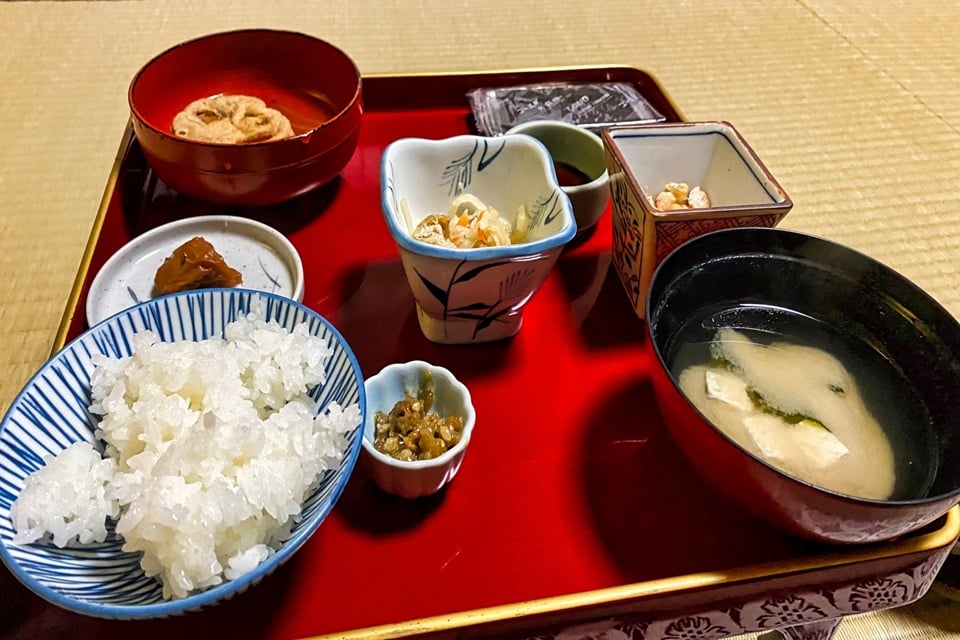
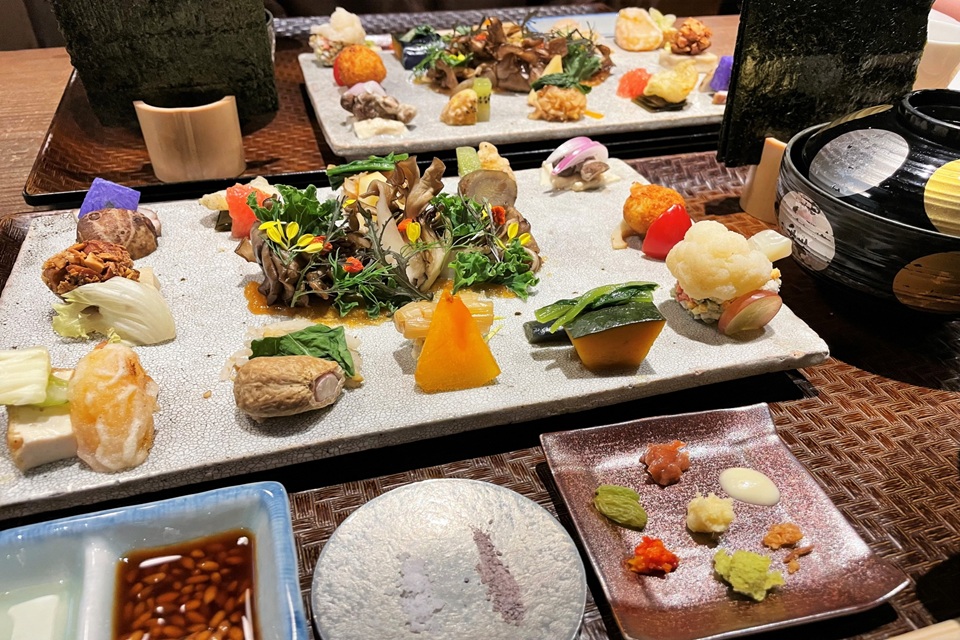
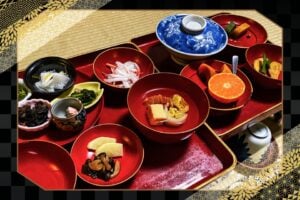
Shojin ryori is a traditional vegetarian cuisine developed by Zen Buddhist monks. Because Buddhist teachings discourage the consumption of meat and fish, shojin ryori focuses on vegetables, tofu, grains, and mountain plants.
Distinctive features of shojin ryori include completely plant-based ingredients, seasonal Kyoto vegetables, and minimal seasoning that highlights natural flavors.
This cuisine reflects the Buddhist philosophy of balance and mindfulness. In Kyoto, where many historic temples remain active, shojin ryori Kyoto continues to be an important part of the city’s culinary culture.
Yuba, Tofu, Obanzai & Kyoto Vegetables
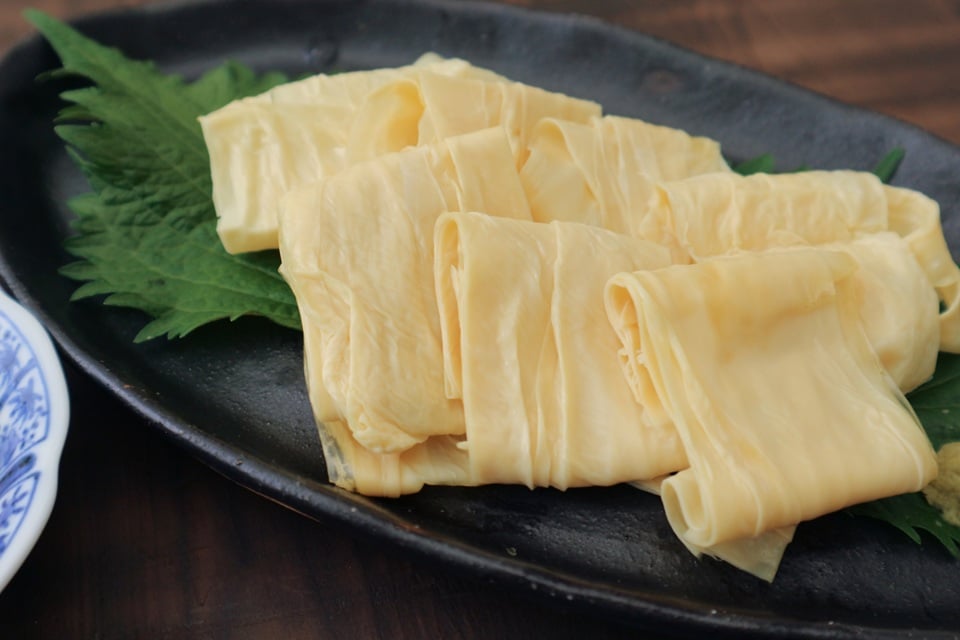
Yuba, tofu, and seasonal vegetables form the foundation of Kyoto’s everyday cuisine. The city’s soft underground water is ideal for tofu production, contributing to its long-standing reputation for delicate soybean-based dishes.
Typical ingredients include
- Yuba (tofu skin) is formed from heated soy milk
- Yudofu (simmered tofu) served with light broth
- Traditional Kyoto vegetables such as Kamo eggplant and Shogoin turnips
Alongside these refined ingredients, obanzai represents Kyoto’s home-style cooking, made with seasonal produce and simple techniques that minimize waste. Dishes are gently seasoned to highlight natural flavors, reflecting a practical yet deeply rooted food culture.
Together, these elements embody the essence of Kyoto’s cuisine, where elegance and simplicity coexist in both everyday meals and refined dining.
Kyoto-Style Sushi (Saba Sushi)
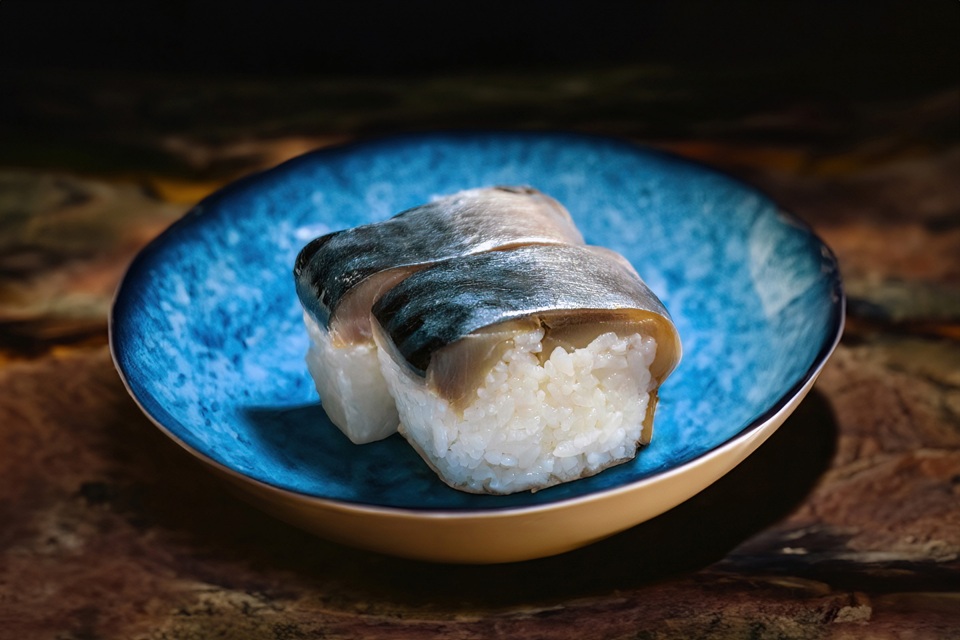
Kyoto-style sushi developed differently from coastal sushi traditions.Because Kyoto is located inland, fish had to be preserved during transportation from the sea. This led to the development of unique sushi styles such as saba sushi.
Typical characteristics of Kyoto sushi include
- Vinegared mackerel used in saba sushi
- Pressed sushi shapes such as oshizushi
- Use of kombu to enhance flavor during preservation
These techniques allowed Kyoto residents to enjoy seafood long before modern refrigeration existed.
Wagashi and Matcha Desserts
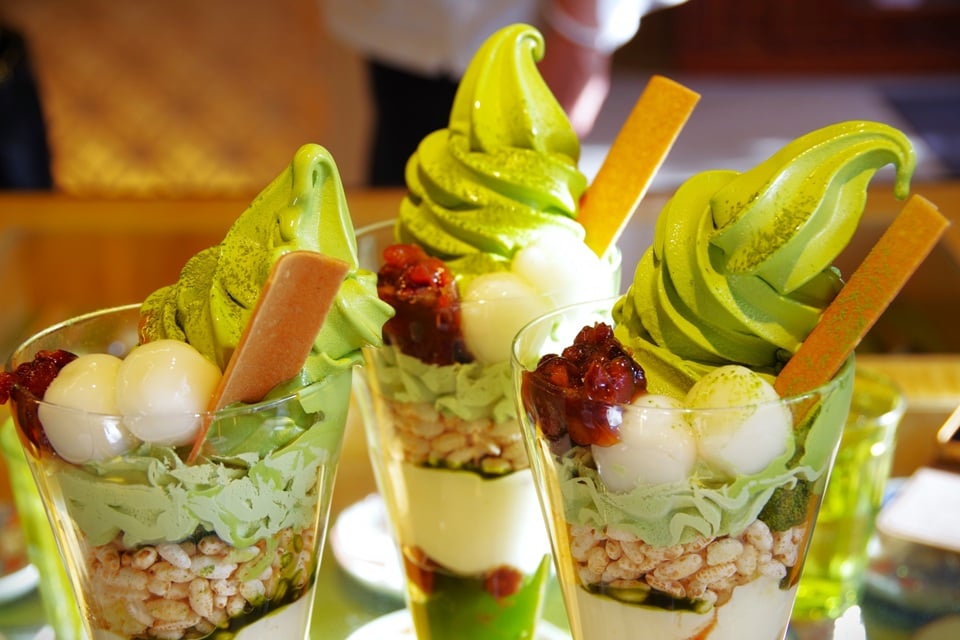
Wagashi and matcha desserts represent the refined sweet culture of Kyoto. As the historical center of the tea ceremony, Kyoto developed a tradition of pairing delicate sweets with matcha.
Common examples include
- Seasonal wagashi inspired by nature
- Matcha-based desserts using high-quality green tea
- Intricately designed sweets served during tea ceremonies
These confections are often treated as edible art, reflecting the changing seasons and aesthetic values of Kyoto.
Hamo – Kyoto’s Famous Summer Delicacy
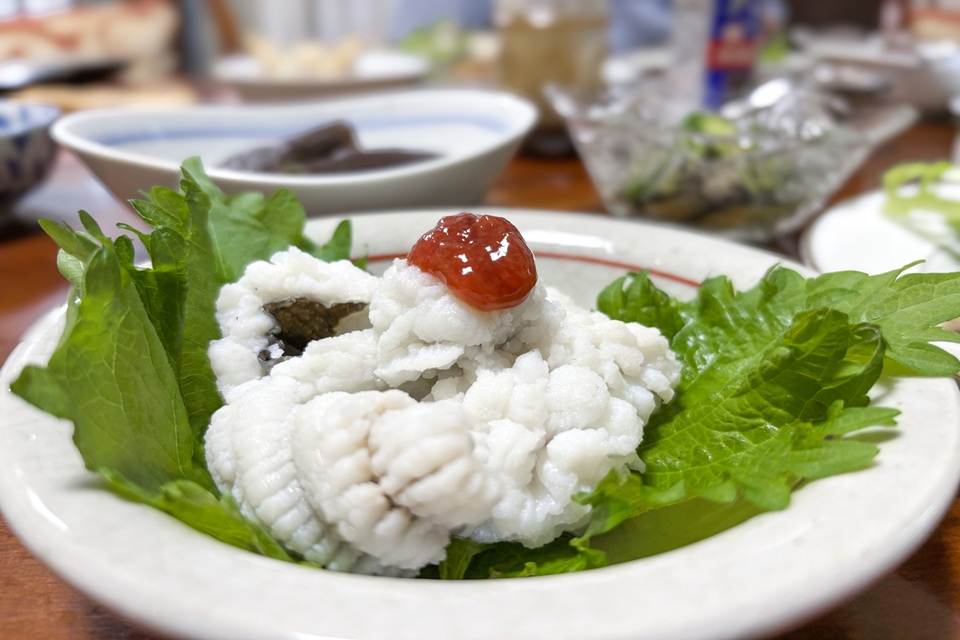
Hamo (pike conger eel) is a defining symbol of Kyoto’s summer cuisine. Despite its many fine bones, skilled chefs transform hamo through a precise technique known as honegiri, where the bones are finely cut without breaking the skin. This craftsmanship allows the fish to be enjoyed with a remarkably soft texture.
The most classic preparation is hamo no yubiki, where the fish is lightly blanched so that the flesh blooms open, then served chilled with plum sauce. Its appearance on the table is closely tied to Kyoto’s summer season, especially during the Gion Festival, where it is considered an essential seasonal delicacy.
Hamo is not only a dish but a reflection of Kyoto’s culinary artistry and its deep connection to the rhythms of the seasons.
Where to Eat the Best Food in Kyoto, Japan
Below are restaurants carefully selected to represent the finest of Kyoto’s culinary tradition, from Michelin-starred kaiseki to historic local eateries.
Kikunoi — Kyoto’s Finest Michelin-Starred Kaiseki
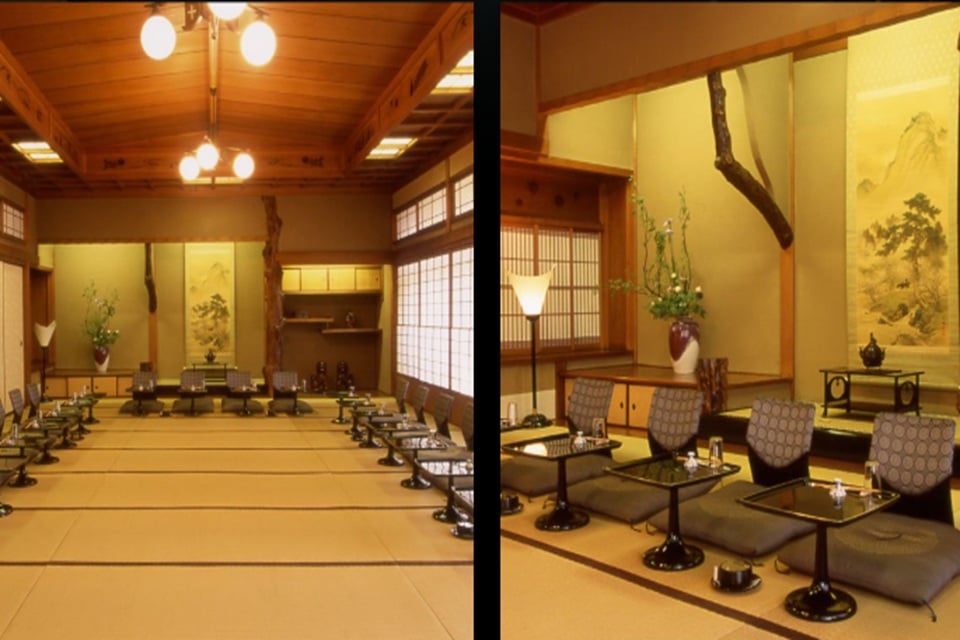
Kikunoi is one of the most famous kaiseki restaurants in Kyoto and represents the pinnacle of Japanese fine dining. The restaurant is known for its seasonal menus that highlight Kyoto’s culinary philosophy and aesthetics.
Today, Kikunoi Honten holds three Michelin stars, making it one of the most prestigious destinations for kaiseki cuisine in Kyoto.
| Item | Details |
|---|---|
| Japanese Name | 菊乃井 本店 |
| Area | Higashiyama, Kyoto |
| Michelin Rating | ⭐⭐⭐ Michelin Guide Kyoto Osaka |
| Cuisine | Kaiseki |
| Opening Hours | Lunch 12:00– / Dinner 17:00– |
| Reservation | Phone or reservation service |
| Address | 459 Shimokawaramachi, Higashiyama-ku, Kyoto |
| Official Website | https://kikunoi.jp |
Ideal for VIP business entertainment and once-in-a-lifetime dining experiences.MOTENAS JAPAN can arrange reservations at this highly exclusive restaurant, including private room requests and detailed dietary coordination.
Hyotei — Historic Kaiseki Dining Near Nanzenji Temple
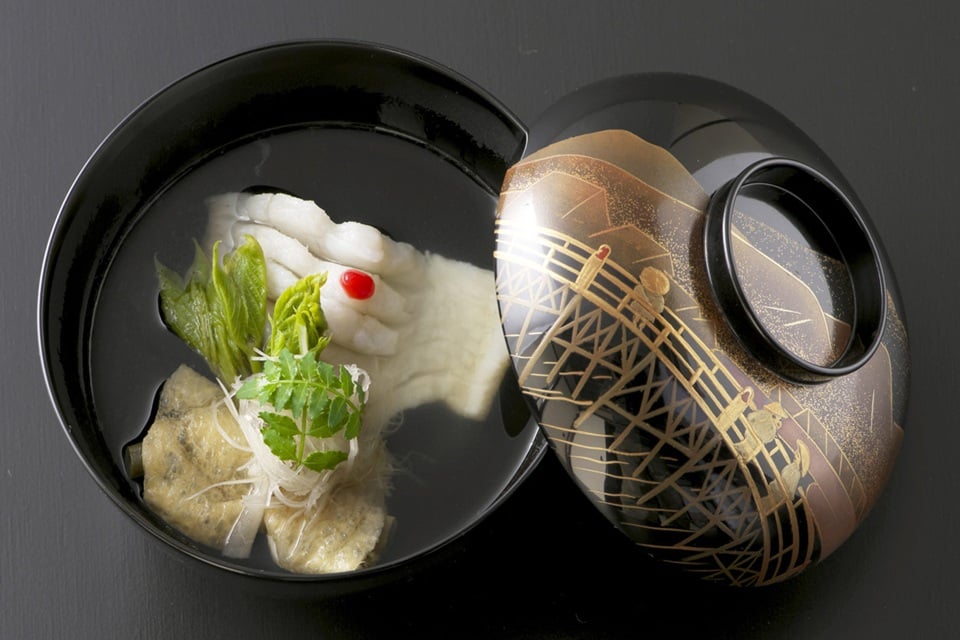
Hyotei is one of Kyoto’s most historic restaurants, with origins dating back roughly 400 years. Located near Nanzenji Temple, it has long served travelers and cultural figures visiting the area.
The restaurant is celebrated for its refined seasonal cuisine and has also received three Michelin stars for its exceptional kaiseki dining experience.
| Item | Details |
|---|---|
| Japanese Name | 瓢亭 |
| Area | Nanzenji, Kyoto |
| Michelin Rating | ⭐⭐⭐ Michelin Guide |
| Cuisine | Kaiseki |
| Lunch Price | From approximately ¥30,000 |
| Dinner Price | From about ¥37,950 |
| Reservation | Reservation recommended |
| Official Website | http://hyoteico.jp |
Perfect for guests seeking a deeply traditional Kyoto dining experience.MOTENAS JAPAN can assist with securing reservations and arranging a seamless visit, including transportation coordination and special requests.
Gion Owatari — Contemporary Kaiseki in Gion
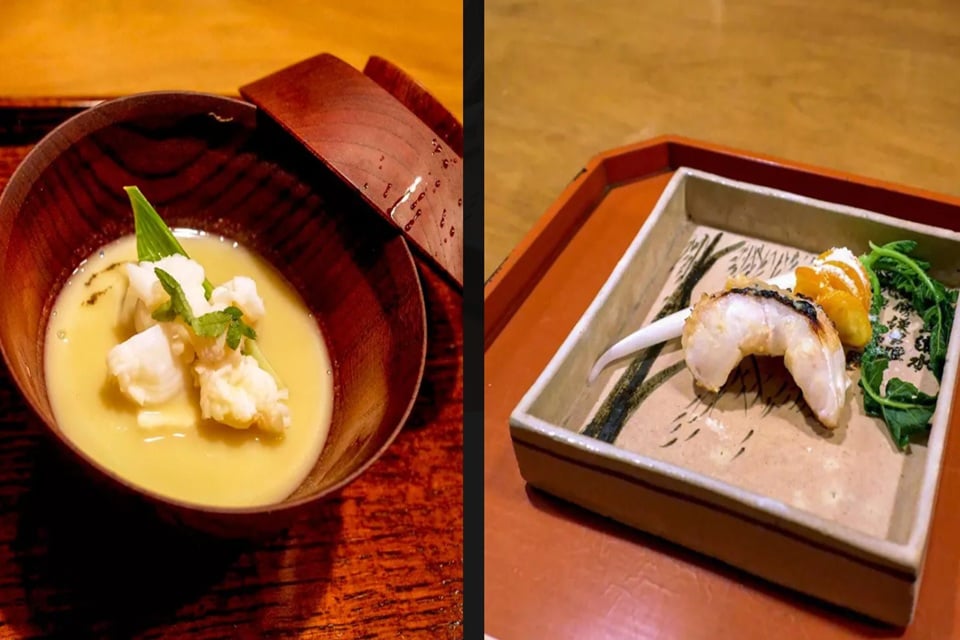
Gion Owatari offers a refined interpretation of Kyoto kaiseki cuisine in the historic Gion district. The restaurant emphasizes seasonal ingredients and careful presentation, reflecting Kyoto’s long culinary tradition.
Guests can enjoy high-quality kaiseki dining in an intimate and elegant setting.
| Item | Details |
|---|---|
| Japanese Name | 祇園おわたり |
| Area Michelin Rating | Gion, Kyoto ⭐ Michelin Guide |
| Cuisine | Kaiseki |
| Price Range | ¥20,000–¥30,000 approx. |
| Reservation | Phone reservation recommended |
| Atmosphere | Small, refined counter-style dining |
| Official Website | Gion Owatari – Kyoto – a MICHELIN Guide Restaurant |
Well suited for refined yet relaxed luxury dining in a private setting. MOTENAS JAPAN can arrange counter seating preferences and ensure smooth communication with the restaurant.
Shojin Ryori Restaurants in Kyoto
Shojin ryori is a vegetarian cuisine that developed within Zen Buddhist temples. The dishes are made using vegetables, tofu, and seasonal ingredients, avoiding meat and fish entirely. Experiencing shojin ryori Kyoto provides a deeper understanding of the spiritual traditions behind Japanese cuisine.
Shigetsu at Tenryuji — Temple Cuisine in Arashiyama
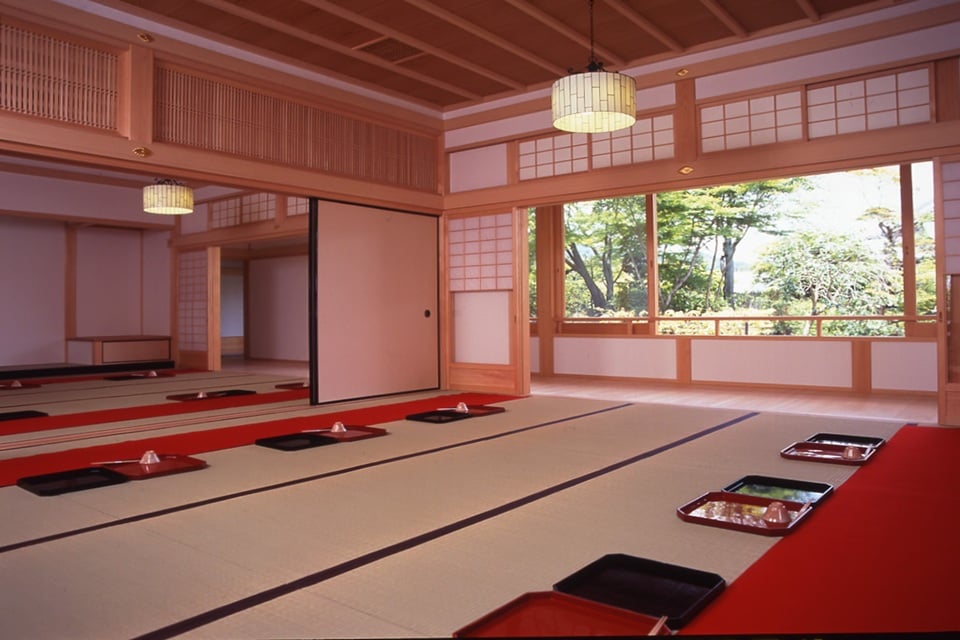
Shigetsu is located within the grounds of Tenryuji Temple, a UNESCO World Heritage site in Arashiyama. The restaurant specializes in traditional Zen vegetarian cuisine prepared with seasonal vegetables. Dining here allows visitors to enjoy authentic temple cuisine surrounded by historic gardens and tranquil scenery.
| Item | Details |
|---|---|
| Japanese Name | 篩月 |
| Area | Tenryuji Temple, Arashiyama |
| Cuisine | Shojin Ryori |
| Price Range | ¥3,000–¥5,000 |
| Reservation | Walk-in or phone reservation |
| Special Feature | Temple garden setting |
| Official Website | https://www.tenryuji.com/shigetsu/ |
Ideal for cultural immersion and relaxed daytime dining. MOTENAS JAPAN can coordinate temple visits alongside dining and arrange guided experiences.
Ajiro Honten — Traditional Shojin Ryori Restaurant
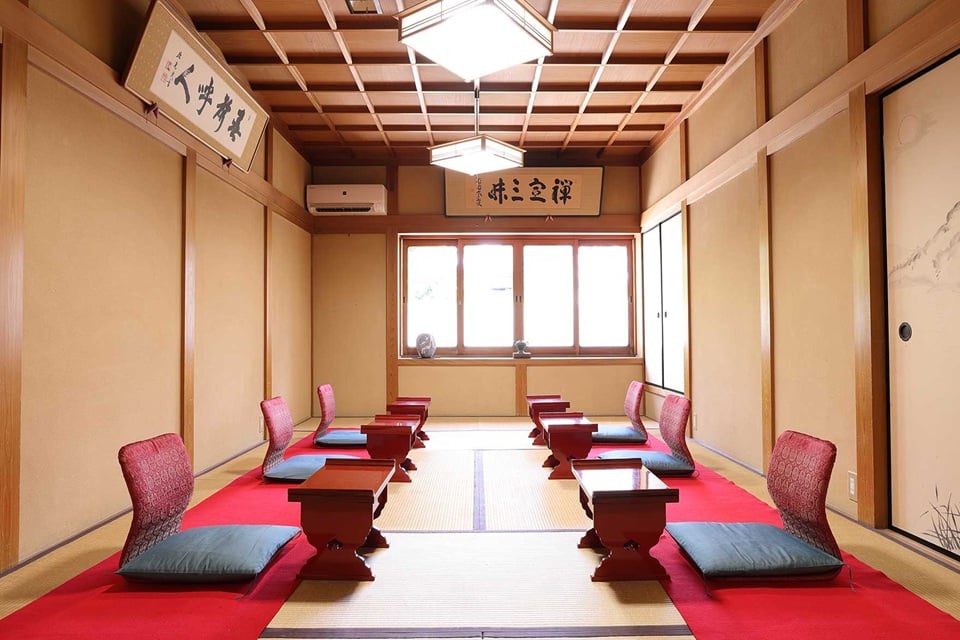
Ajiro Honten is known for serving traditional vegetarian cuisine based on Buddhist cooking techniques. The dishes highlight seasonal Kyoto vegetables and traditional preparation methods. Visitors can experience simple yet refined Kyoto temple cuisine rooted in centuries-old traditions.
| Item | Details |
|---|---|
| Japanese Name | 阿じろ本店 |
| Area Michelin Rating | Kyoto ⭐ Michelin Guide |
| Cuisine | Shojin Ryori |
| Price Range | ¥4,000–¥10,000 |
| Reservation | Phone reservation recommended |
| Specialty | Seasonal vegetarian course meals |
| Official Website | https://ajiro-s.co.jp/ |
Recommended for guests seeking a calm and authentic Kyoto dining experience. MOTENAS JAPAN can assist with reservations and tailor the meal to dietary preferences.
Kyoto Traditional Food Restaurants
Beyond fine dining and temple cuisine, Kyoto also offers restaurants where visitors can enjoy local specialties such as tofu dishes and Kyoto-style sushi. These establishments highlight famous food Kyoto locals have enjoyed for generations.
Tousuiro — Elegant Kyoto Tofu Cuisine by the Kamogawa River
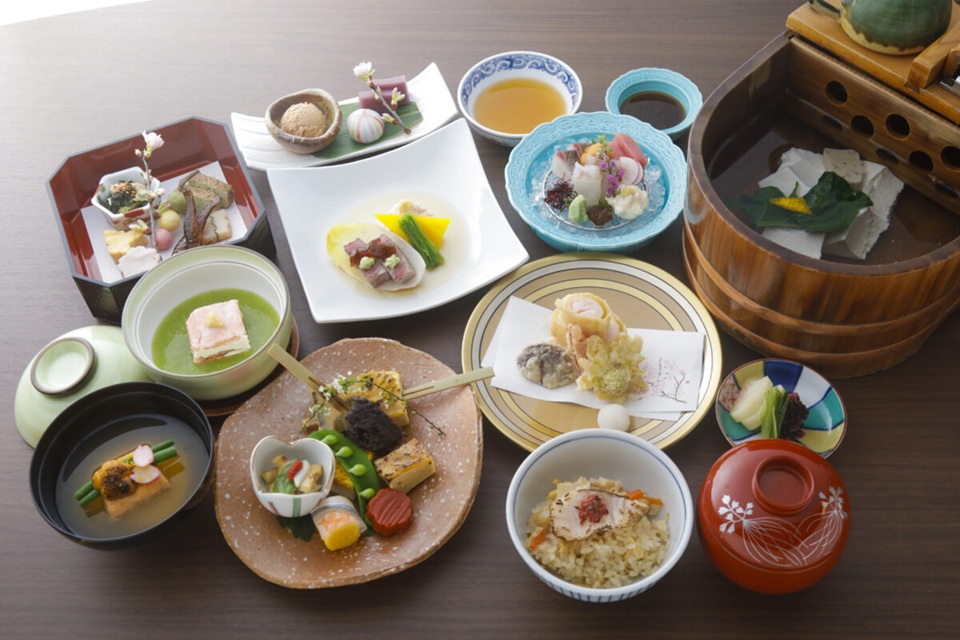
Tousuiro is a well-known restaurant specializing in tofu cuisine made with Kyoto’s soft water and carefully selected soybeans. The restaurant offers elegant dining spaces and seasonal dishes that showcase traditional Kyoto ingredients. It is widely considered one of the best places to enjoy Kyoto tofu cuisine.
| Item | Details |
|---|---|
| Japanese Name | 豆水楼 |
| Area | Pontocho / Kiyamachi |
| Cuisine | Tofu Cuisine |
| Price Range | ¥3,000–¥10,000 |
| Reservation | Online or phone reservation |
| Specialty | Yudofu and tofu course meals |
| Official Website | https://tousuiro.com |
Ideal for guests looking for a lighter yet refined Kyoto dining experience. MOTENAS JAPAN can arrange riverside seating during seasonal periods and handle reservations in advance.
Izuu — Kyoto’s Famous Saba Sushi Restaurant
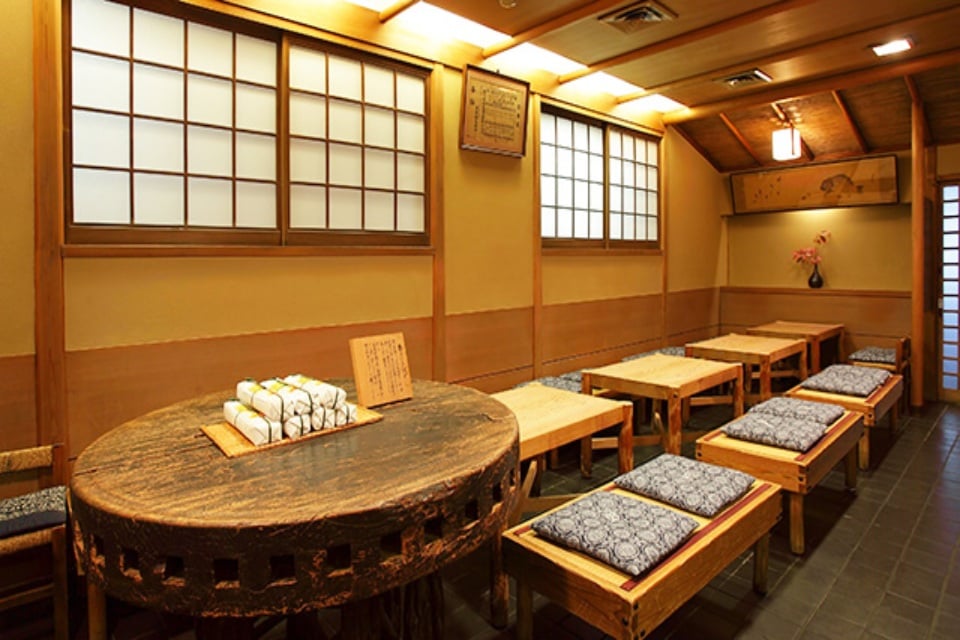
Founded in 1781, Izuu is one of Kyoto’s most famous sushi restaurants. The restaurant is best known for saba sushi, a Kyoto-style sushi made using marinated mackerel and vinegared rice. This dish represents a classic example of Kyoto’s traditional preserved sushi culture.
| Item | Details |
|---|---|
| Japanese Name | いづう |
| Area | Gion |
| Cuisine | Kyoto-style Sushi |
| Price Range | ¥4,000–¥8,000 |
| Reservation | Walk-in or phone |
| Specialty | Saba sushi |
| Official Website | htps://www.izuu.jp |
Perfect for experiencing traditional Kyoto sushi in a historic setting. MOTENAS JAPAN can assist with timing recommendations to avoid peak hours and enhance the dining experience.
Nishiki Market — Kyoto’s Iconic Street Food Market
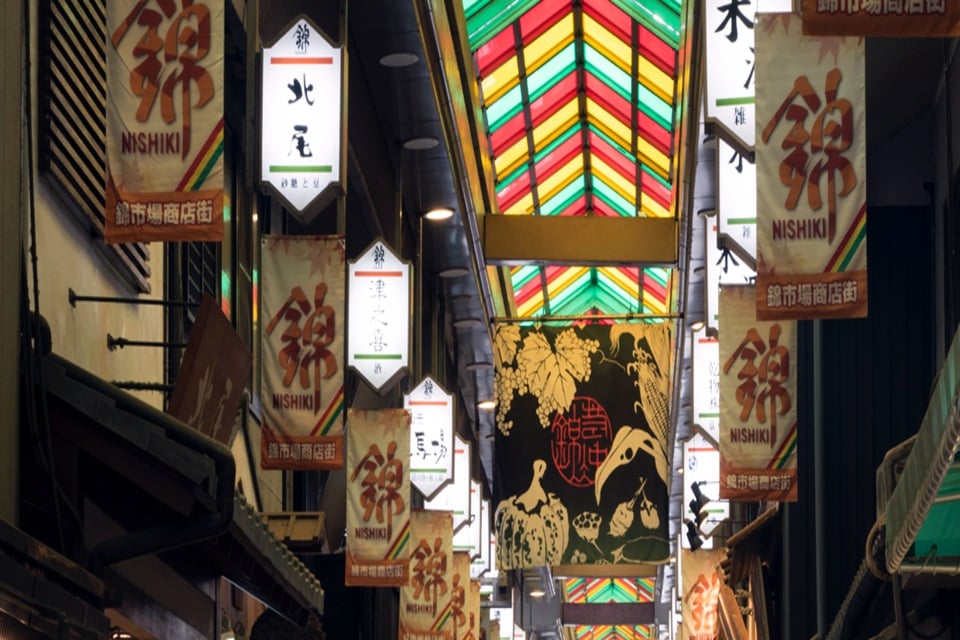
Nishiki Market is a lively shopping street known as “Kyoto’s Kitchen.” The market features dozens of small shops selling local foods such as pickles, grilled seafood, tamagoyaki, and matcha desserts. Visitors can experience a wide variety of Kyoto street food in one place.
| Item | Details |
|---|---|
| Japanese Name | 錦市場 |
| Area | Downtown Kyoto |
| Type | Traditional Food Market |
| Price Range | ¥300–¥1,500 |
| Reservation | Not required |
| Specialty | Kyoto street food and local ingredients |
| Official Website | https://www.kyoto-nishiki.or.jp |
Ideal for casual exploration and sampling local flavors. MOTENAS JAPAN can arrange guided food tours and curated tasting routes within the market.
Securing a table at Kyoto’s finest restaurants can be challenging — many accept reservations only by phone, in Japanese, and weeks in advance.
MOTENAS JAPAN’s concierge team handles every detail: from booking Kyoto’s most exclusive kaiseki restaurants to arranging private rooms, coordinating dietary requirements, and ensuring seamless English-language communication throughout.
Dining Tips for Enjoying Food in Kyoto Japan
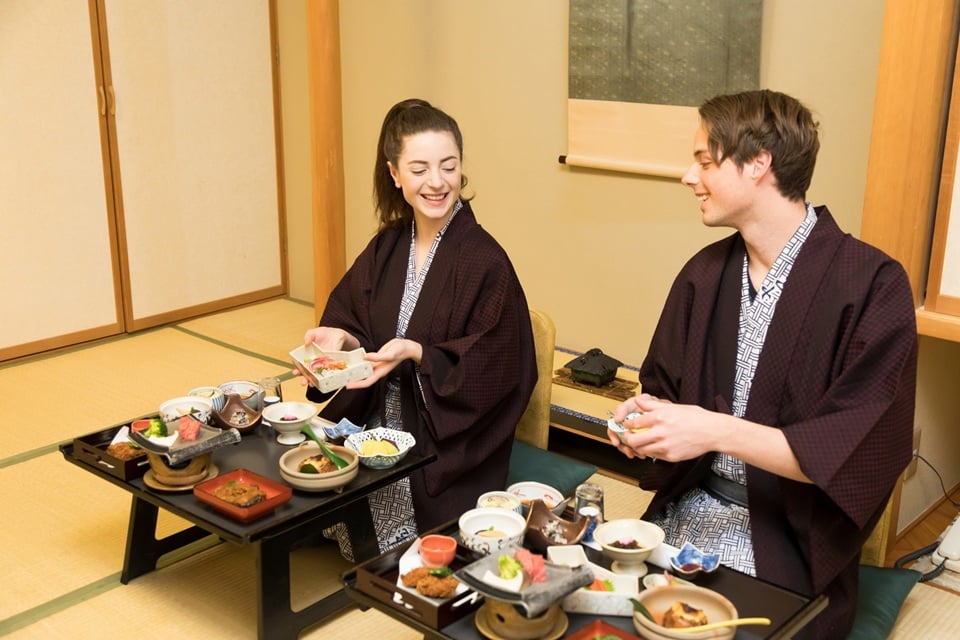
A few practical tips on prices, reservations, etiquette, and seasonal ingredients will help you enjoy Kyoto’s dining scene more comfortably.
Price Guide for Kyoto Restaurants
Before dining in Kyoto, it helps to understand the general price range of restaurants. Kyoto offers options for every budget, but traditional cuisine such as kaiseki tends to be more expensive due to the craftsmanship and seasonal ingredients involved.
Typical dining price levels in Kyoto are as follows
| Price Level | Typical Cost | Example Dining Style |
|---|---|---|
| ¥ | ¥1,000–3,000 | Street food, casual restaurants, market stalls |
| ¥¥ | ¥3,000–10,000 | Traditional restaurants, sushi shops, tofu cuisine |
| ¥¥¥ | ¥15,000–40,000+ | Kaiseki restaurants and fine dining |
For example
- Kaiseki cuisine usually costs between ¥20,000 and ¥40,000 per person for dinner.
- Traditional tofu restaurants or sushi restaurants may range between ¥4,000 and ¥10,000.
- Street food at places such as Nishiki Market typically costs a few hundred yen per item.
While Kyoto dining can be expensive, the experience often includes carefully prepared seasonal dishes and exceptional hospitality.
Reservation Tips for Traditional Kyoto Restaurants
Many of Kyoto’s finest restaurants require reservations days or weeks in advance, often by phone and in Japanese only. Some establishments also require a hotel concierge or local contact to book.
For international visitors, MOTENAS JAPAN can handle reservations on your behalf — including hard-to-book restaurants, private dining arrangements, and dietary coordination.
Dining Etiquette You Should Know
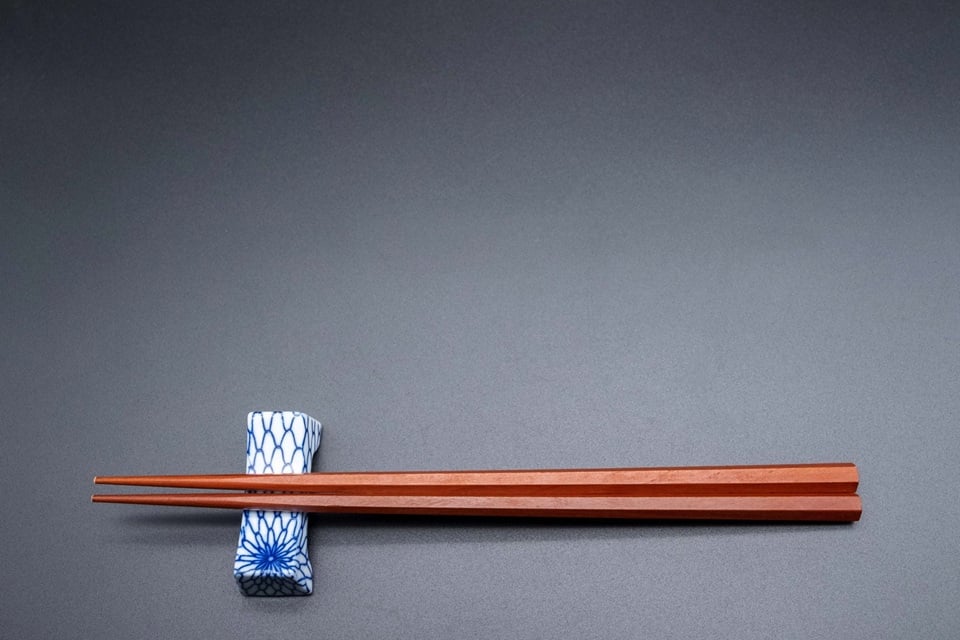
In many traditional restaurants, guests may be asked to remove their shoes before entering tatami dining rooms. When using chopsticks, it is considered impolite to place them upright in a bowl of rice, as this resembles a funeral ritual. Instead, chopsticks should be placed on the chopstick rest when not in use.
Another common custom is the small appetizer called otoshi, which is served automatically in many restaurants and added to the bill. Some traditional establishments may also restrict photography, particularly at high-end kaiseki restaurants. Maintaining a calm atmosphere and speaking quietly is appreciated, as Kyoto dining culture values harmony and attentiveness.
Best Season to Experience Kyoto Cuisine
One of the defining characteristics of Kyoto cuisine is its strong connection to the seasons. Seasonality is at the heart of Kyoto’s culinary philosophy, and many restaurants design menus around ingredients that are at their peak during specific times of the year.
Typical seasonal specialties include
| Season | Famous Kyoto Ingredients |
|---|---|
| Spring | Bamboo shoots (takenoko), young vegetables |
| Summer | Hamo (pike conger), river fish |
| Autumn | Matsutake mushrooms, chestnuts |
| Winter | Turnips, hot tofu dishes |
For example, hamo is particularly associated with Kyoto summers and the Gion Festival, while bamboo shoots appear frequently in spring kaiseki menus.
Experiencing these seasonal ingredients is one of the most memorable aspects of dining in Kyoto.
Culinary Experiences That Deepen Your Understanding of Japanese Food Culture
Beyond restaurant dining, many visitors deepen their understanding of Japanese food culture through hands-on experiences such as sake tastings, whisky tastings, and traditional cooking classes.
MOTENAS JAPAN offers these curated culinary experiences, each tailored to your schedule, group size, and interests.
Explore Culinary Experiences with MOTENAS JAPAN
・元プロボクサー 柔道有段者 アームレスリング選手
・元飲食店5店舗の代表取締役であり、飲食業界の総合コンサルタント、広告クリエイター
・独自の視点と挑戦を続ける姿勢で、SEOやWebマーケティングに関する記事を執筆しLPのコンバージョン率UP
・海外でのビジネス経験を持ち、国際的な視点からもアプローチ
・現在、山奥で狩猟生活|Web戦略・SEO・LP制作・チャットボット構築支援を行う
・生成AI×プロ編集でSEO記事制作を推進。勝てるキーワードから集客導線を設計。
・構成設計からHTML入稿、効果測定まで伴走。

