






Are you planning your first trip to Kyoto?
If so, be sure to add Kiyomizu-dera Temple to your itinerary. Recognized as a UNESCO World Heritage Site, Kiyomizu-dera is one of Kyoto’s most iconic landmarks, offering visitors a unique glimpse into Japan’s rich history and cultural heritage.
That said, you may be wondering whether the crowds will make your visit difficult, or you may feel overwhelmed by the abundance of information available online and be unsure which sources to trust.
This guide provides a clear overview of everything you need to know before visiting Kiyomizu-dera, including its highlights and practical travel tips.
With a little preparation, you can make the most of your visit and enjoy a memorable experience at one of Kyoto’s most treasured attractions.
- The best time to visit Kiyomizu-dera and how to avoid the crowds
- Step-by-step access from Kyoto Station (bus, taxi & train)
- Must-see highlights: the wooden stage, Otowa Waterfall & more
- Practical info: entry fees, opening hours & kimono rental nearby
- Night illumination dates for spring, summer & autumn
What Makes Kiyomizu-dera Temple Special
Why is Kiyomizu-dera Temple such a magnet for travelers?
It’s more than just its picturesque setting. The temple embodies centuries of Japanese history, culture, and architectural genius. You’ll quickly see why it captivates so many hearts. Its allure comes from a unique blend of spiritual significance, natural beauty, and historical depth. Every corner offers a new discovery.
When to Visit Kiyomizu-dera Temple (Timing Really Matters)
Are you wondering how to make your visit to Kiyomizu-dera Temple truly magical, avoiding overwhelming crowds? The timing of your visit makes all the difference; choosing the right time can transform a crowded rush into a peaceful discovery.
How Long Should You Spend at Kiyomizu-dera?
Most visitors spend about 30 to 60 minutes at Kiyomizu-dera Temple.
This allows enough time to see the Main Hall, the famous wooden stage, and Otowa Waterfall.
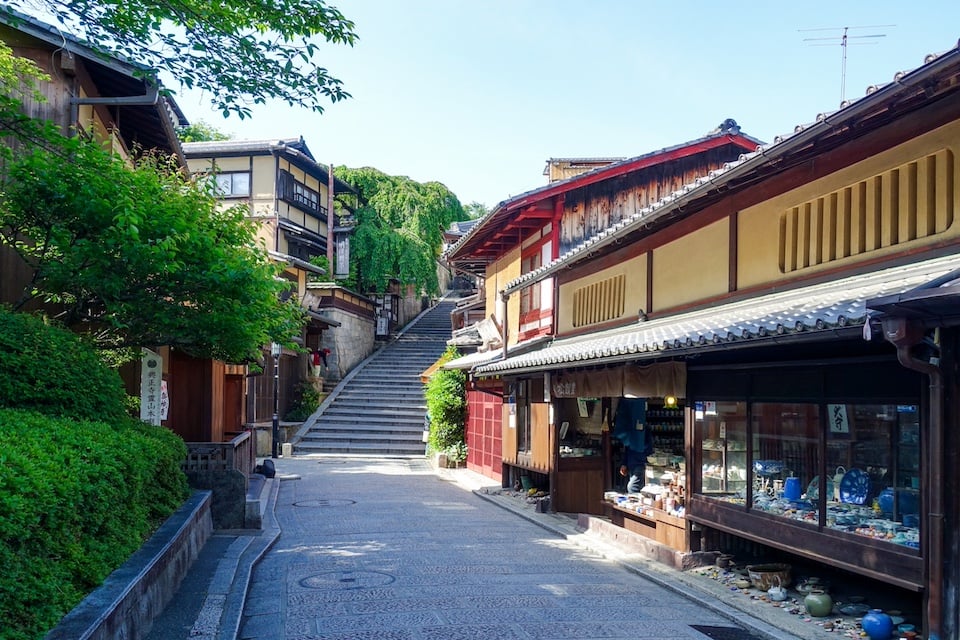
If you also plan to stroll along the historic Ninenzaka and Sannenzaka streets, browse local shops, or stop at a café, it is a good idea to allow an additional 30 to 40 minutes for your visit.
Early Morning Visits (6–8 AM) for Best Experience
Want to capture the serene beauty of Kiyomizu-dera Temple without the crowds? Your best bet is to go in the early morning, specifically between 6:00 AM and 8:00 AM. This quiet window is a game-changer for several reasons.
You’ll experience the temple’s peaceful atmosphere. The morning light also offers fantastic photo opportunities. Imagine the iconic wooden stage bathed in soft, golden light, without hundreds of people in your shot. This is especially true during peak seasons like cherry blossom and autumn foliage. You’ll thank yourself for setting that early alarm.
The temple grounds feel remarkably different in the early hours. The air is cool and crisp. You hear the rustling of leaves instead of chatter. The spiritual ambiance becomes palpable.
You can walk leisurely through the grounds. You can truly take in the intricate details of the architecture. Photographers especially cherish this time. The soft, diffused light is ideal for capturing the temple’s beauty. Fewer people also mean better angles. You can truly appreciate the vastness of the stage. This peaceful start sets a wonderful tone for your entire day in Kyoto.
Looking for a meal before your visit to Kiyomizu-dera, a place to relax, or tourist-friendly spots around Kyoto Station? Explore the articles below for more ideas and travel tips.
How to Get to Kiyomizu-dera Temple from Kyoto Station
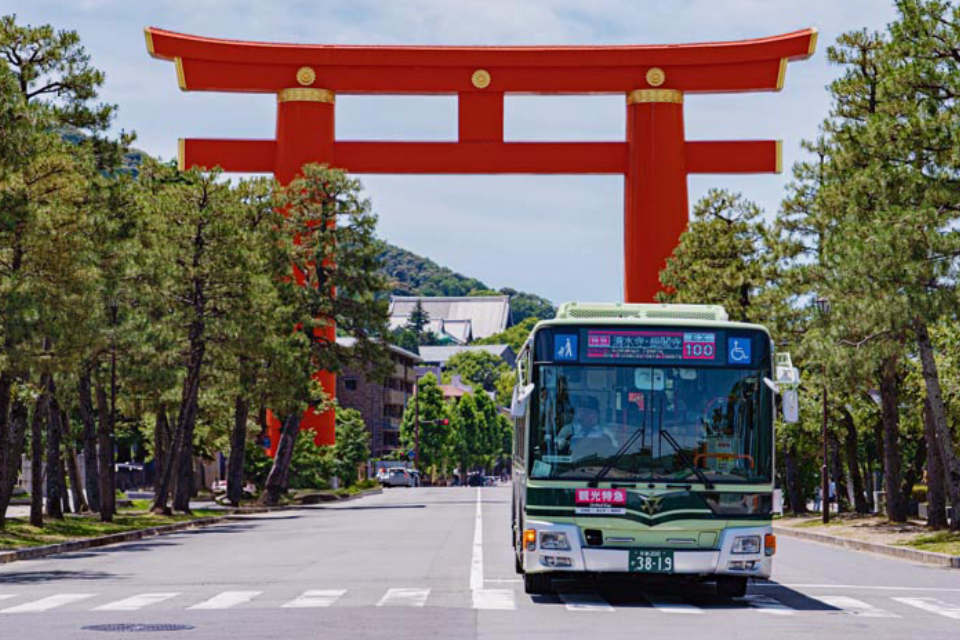
Navigating to Kiyomizu-dera Temple from Kyoto Station is straightforward, but which method is best for you?
Here’s a breakdown of your options, including travel time and approximate cost, so you can choose the most convenient way to reach Kiyomizu-dera Temple in Kyoto. Each option offers a unique experience. Consider your budget, time, and comfort level.
Kiyomizu-dera Temple Address & Map
Address:
294 Kiyomizu 1-chome, Higashiyama-ku, Kyoto-shi, Kyoto
Kiyomizu-dera Temple is located on the hillside of Kyoto’s Higashiyama district.
Please note that the temple sits at the top of an uphill slope, and visitors should expect about a 10-minute walk uphill from the nearest bus stop.
Comfortable walking shoes are recommended, especially during busy sightseeing seasons.
Map(Last updated: June 22, 2026)
By bus
Taking a bus is a popular and straightforward way to reach Kiyomizu-dera Temple. It is a common choice for many visitors.
| Advantages | It offers direct routes to a nearby bus stop. It’s also relatively inexpensive. You can see parts of the city during your ride. |
| Disadvantages | Buses can get very crowded, especially during peak tourist season. Traffic might cause delays. Finding a seat might be difficult. |
| Duration | Approximately 15-20 minutes to the bus stop, plus a 10-15 minute uphill walk. The walk is part of the experience. It leads through traditional streets. |
| Cost | ¥230 (one-way). This makes it a budget-friendly option. |
From Kyoto Station’s Karasuma Exit, take Kyoto City Bus Route 100 or 206. Get off at the Gojo-zaka (五条坂) bus stop. From there, it’s an uphill walk along a charming street filled with shops. These shops sell souvenirs and traditional snacks. The walk itself is enjoyable.
By taxi
For maximum convenience and speed, especially if you’re with family or in a group, a taxi is a great option. It offers a more private travel experience.
| Advantages | It provides comfortable, door-to-door service. It’s generally the fastest way to get there. You can relax and enjoy the ride. It avoids the need to navigate public transport. |
| Disadvantages | It’s the most expensive option. Traffic can still affect travel time. This is especially true during rush hour or peak tourist times. |
| Duration | Approximately 10-15 minutes, depending on traffic. This is often the quickest method. Simply tell the driver “Kiyomizu-dera Temple.” They will drop you off near the main approach. From there, it’s a very short walk to the temple gates. Japanese taxi drivers are usually very polite and efficient. |
| Cost | Around ¥1,000 – ¥1,500 (one-way). This cost can be split if you are traveling with others. |

By train and on foot
While there’s no direct train to the temple gate, you can combine a short train ride with a pleasant walk. This offers a different kind of journey.
In advance, choosing the train offers unique benefits. It avoids heavy bus traffic. Train schedules are reliable and punctual. You also get a glimpse into local Japanese life. This can be a rewarding cultural immersion.
| Advantages | It avoids bus traffic, which can be heavy. Train schedules are generally reliable. You get a feel for local commuter lines. |
| Disadvantages | Requires a longer uphill walk after the train ride. This might be tiring for some. |
| Duration | Approximately 5 minutes by train, plus a 20-25 minute uphill walk. The walk itself is part of the adventure. |
| Cost | Around ¥210 (one-way) to Kiyomizu-Gojo Station. This makes it a very affordable attraction. |
From Kyoto Station, take the Keihan Main Line to Kiyomizu-Gojo Station (清水五条駅). From there, it’s an uphill walk to the temple. This route offers a different perspective of the temple town as you approach. You’ll pass through more residential areas. This provides a glimpse into local Kyoto life.
What to See at Kiyomizu-dera Temple
Once you arrive at Kiyomizu-dera Temple, prepare to be amazed. The temple complex is vast, with many iconic spots and hidden corners waiting for you to discover. Each area holds deep cultural and spiritual significance. Take your time to explore them all.
Where to Eat Near Kiyomizu-dera
The area around Kiyomizu-dera offers a wide variety of local Kyoto food experiences.
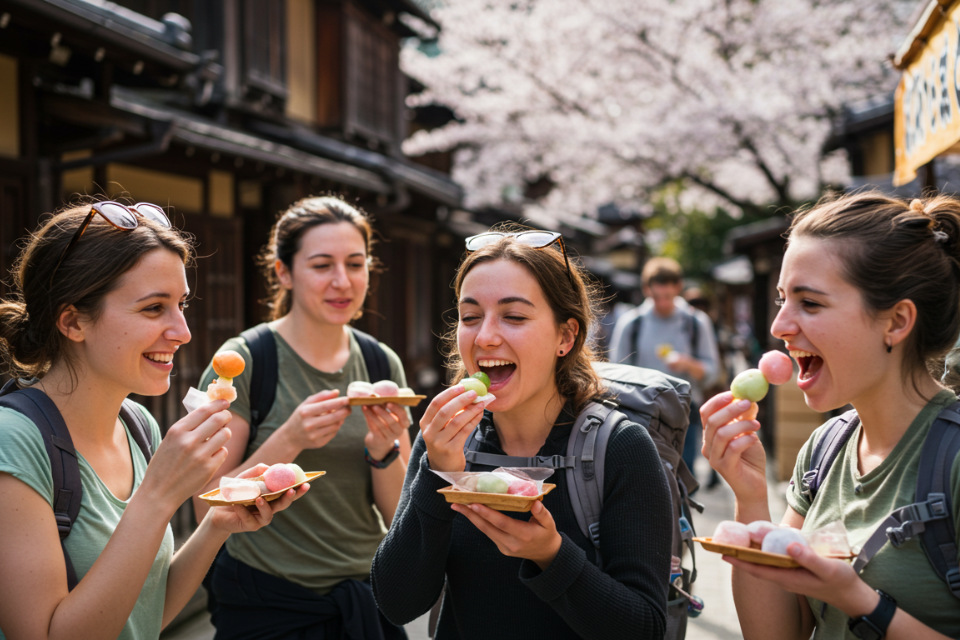
Along Kiyomizu-zaka and Sannenzaka, visitors can enjoy popular street foods and snacks such as matcha sweets, yatsuhashi confectionery, and dishes made with yuba (tofu skin).
These treats are perfect for enjoying while exploring the historic streets.
For those who prefer a more relaxed dining experience, traditional tea houses operated by Kiyomizu ware pottery studios and long-established restaurants specializing in yudofu (hot tofu) are popular choices.
Many of these establishments offer a peaceful atmosphere and views of Kyoto’s historic surroundings, making them ideal places to take a break during your visit.
Kiyomizu-dera Temple Wooden Stage
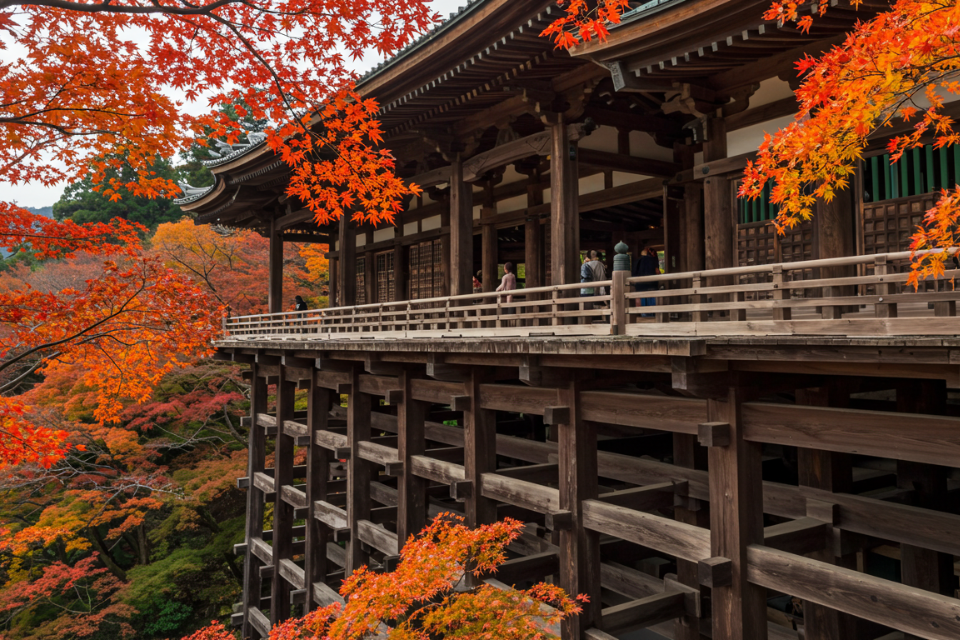
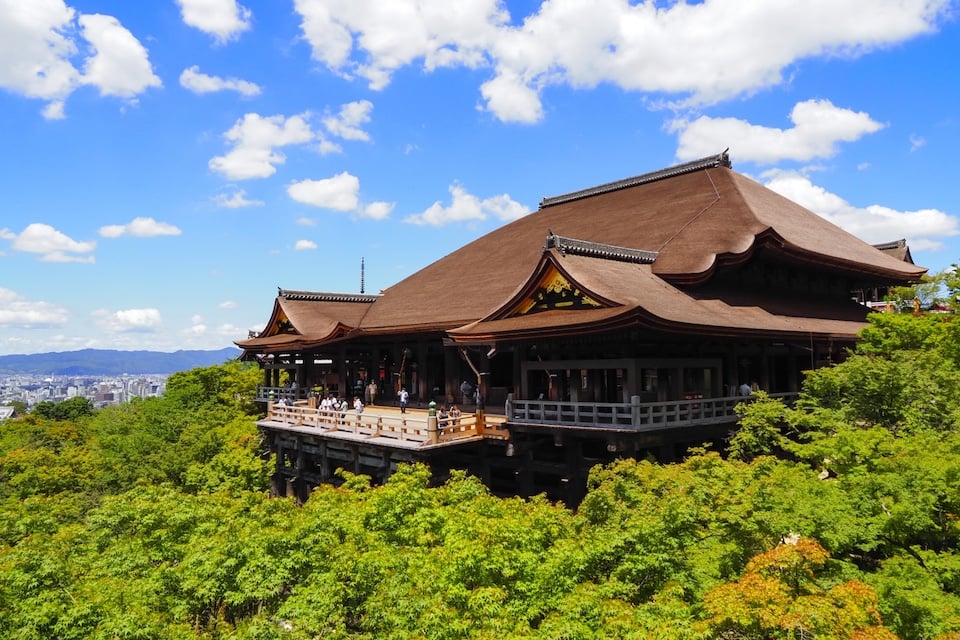
The Kiyomizu-dera Temple Wooden Stage is the most iconic feature. It’s part of the Main Hall and juts out over a hillside. The amazing structure was built without nails, using an intricate system of massive wooden pillars.
This traditional Japanese construction method is truly impressive. The engineering marvel dates back centuries. It reflects the skill of ancient Japanese artisans.
From this stage, you get breathtaking panoramic views of Kyoto city. During spring, it’s surrounded by delicate blossoms, which create a soft, ethereal frame.
In autumn, it’s ablaze with vibrant fall foliage. The leaves glow with rich reds and oranges. It is the perfect spot for memorable photos. You can also simply take in the vast scenery. Many visitors spend a long time here. They absorb the beauty and the historical ambiance. The stage offers a unique perspective of Kyoto.
Otowa Waterfall at Kiyomizu-dera Temple
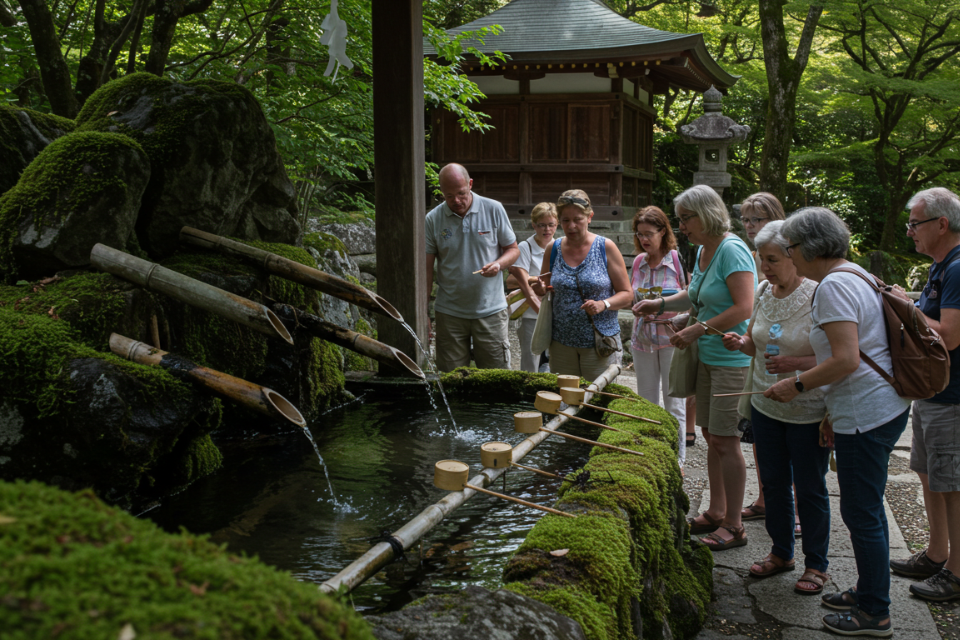
Below the Main Hall, you’ll find the Otowa Waterfall (音羽の滝). Its pure waters give Kiyomizu-dera Temple its name. This sacred waterfall is a significant spiritual spot.
The water is believed to have healing properties. The waterfall divides into three separate streams. Visitors can drink from them using long-handled cups.
Each stream is believed to grant a different blessing. One offers longevity. Another is for success in studies. The third is for fortune in love. You should only choose two streams to drink from.
Drinking from all three is considered greedy! The unique ritual adds a meaningful layer to your visit.Many visitors queue patiently for their turn. It’s a cherished tradition.
Be sure to participate respectfully. The water is cool and refreshing, connecting you to the temple’s ancient roots.
Other Important Spots within Kiyomizu-dera Temple
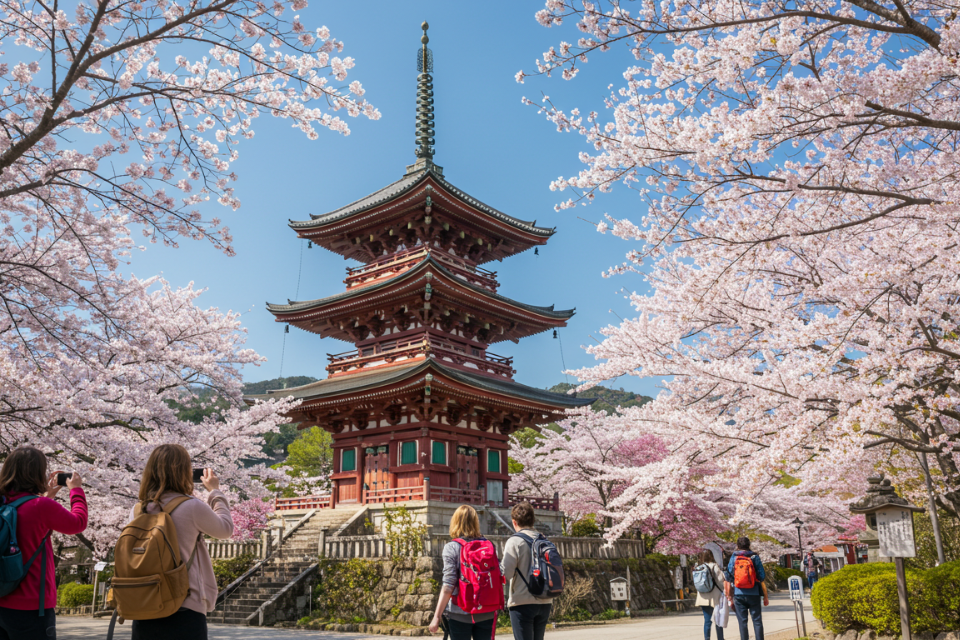
Beyond the main stage and waterfall, Kiyomizu-dera Temple offers many other fascinating areas to explore.
Jishu Shrine (地主神社)
This shrine is dedicated to the deity of love and matchmaking. It’s popular among young people seeking good fortune in their romantic lives.
The shrine features two “love stones.” They are placed about 10 meters apart. Try walking between them with your eyes closed – if you reach the other stone, your love will come true!
It’s a fun and hopeful tradition. Many people try their luck.
Koyasu Pagoda (子安塔)
Located slightly separate from the main complex, this pagoda is believed to grant easy childbirth and safe delivery. It’s a peaceful spot with its own charm.
The pagoda offers a quiet retreat, and it has a beautiful view of the main hall from a distance. Its tranquil setting is perfect for contemplation.
Three-Storied Pagoda
Located near the Niomon Gate, the Three-Storied Pagoda is one of the most recognizable landmarks within Kiyomizu-dera Temple.
Its vivid vermilion color makes it stand out against the surrounding scenery.
Rebuilt in the early 17th century, the pagoda stands approximately 31 meters tall and is considered one of the tallest three-storied pagodas in Japan.
Visitors can also enjoy beautiful views of Kyoto City from the area beside the pagoda, making it a popular spot for photography.
Various Halls and Gates
Take your time to wander through the entire complex. You’ll find many smaller halls, gates, and pagodas, each with unique historical and architectural details.
The Nio-mon Gate (Deva Gate) is the main entrance. Its imposing size and red color are striking. The Saishomon Gate (West Gate) offers stunning sunset views. The Three-Storied Pagoda is another prominent feature. Each structure tells a part of the temple’s long history. Discovering these smaller spots adds depth to your visit.
Kimono Rental Near Kiyomizu-dera
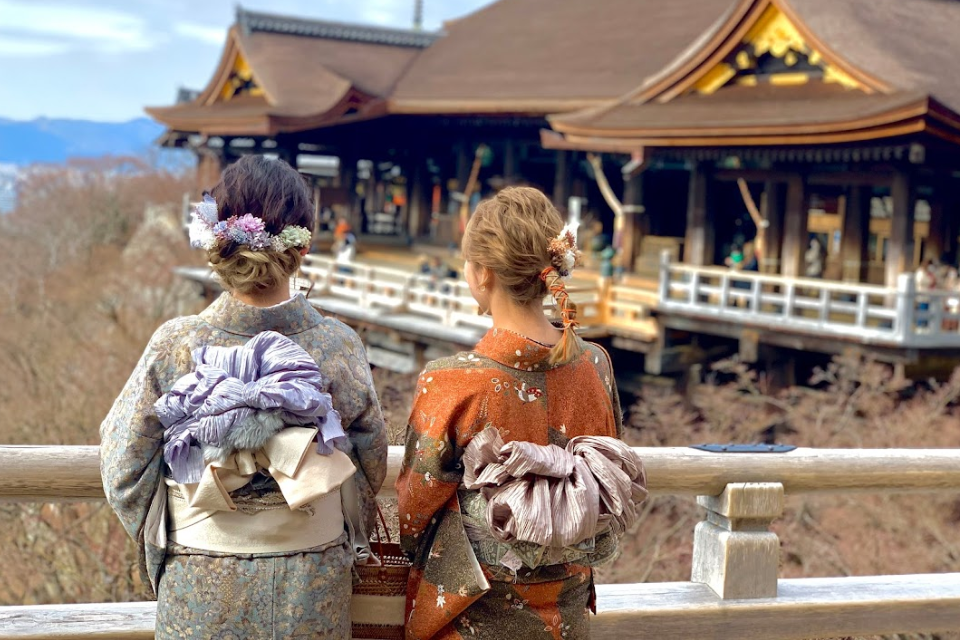
Renting a kimono or yukata is a popular way to enhance your visit to Kiyomizu-dera and experience Kyoto’s traditional atmosphere.
Many rental shops can be found around the historic Ninenzaka and Sannenzaka streets, making it easy to change into traditional attire before sightseeing.
The dressing process typically takes around 15 to 30 minutes.
Walking through the stone-paved slopes and preserved historic streets in a kimono creates a memorable Kyoto experience.
The area around Kiyomizu-dera is also known for its picturesque scenery, making it an excellent place for photographs.
As rental shops can become busy on weekends and during peak travel seasons, booking in advance is highly recommended.
If you’re looking to enjoy a truly special experience in Kyoto or planning a memorable luxury trip with someone special, check out the articles below for more inspiration.
Kiyomizu-dera Temple Rules and Manners
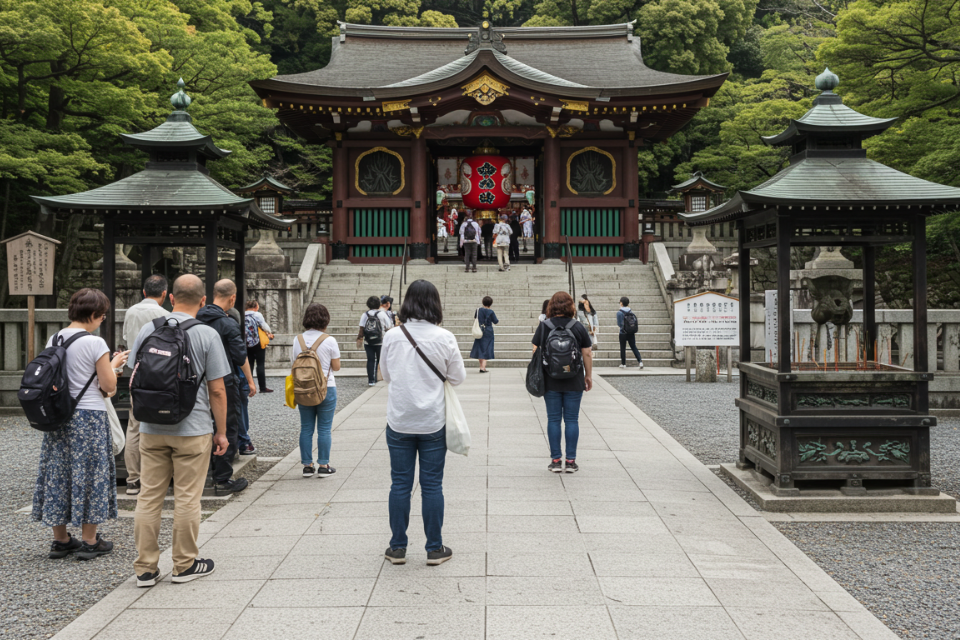
To ensure a respectful and enjoyable experience at Kiyomizu-dera Temple, it’s helpful to be aware of some basic Japanese manners. Understanding these courtesies will make your visit smoother for you and others. Japanese culture values harmony and respect. Following these simple guidelines shows your appreciation.
Dress Respectfully
While there isn’t a strict dress code for general temple grounds, it’s appreciated to wear modest clothing. This is especially true if you plan to enter any of the temple buildings. Avoid overly revealing attire. Comfortable shoes are also highly recommended. You will be doing a lot of walking.
Maintain Quiet Reflection
Temples are places of worship and contemplation. Please keep your voice down, and avoid loud conversations, especially in sacred areas or within halls.
Loud noises can disturb other visitors, and they can also disturb those engaging in prayer or meditation. Be mindful of the spiritual atmosphere.
Photography Guidelines
Generally, photography is allowed in outdoor areas. However, avoid using flash inside temple buildings. Flash photography can damage ancient artifacts and disturb other visitors.
Be mindful of those around you and avoid blocking paths or views for extended periods while taking photos. Always ask permission before photographing people, especially monks or worshippers.
Kiyomizu-dera Temple Night Illumination (Limited Dates)
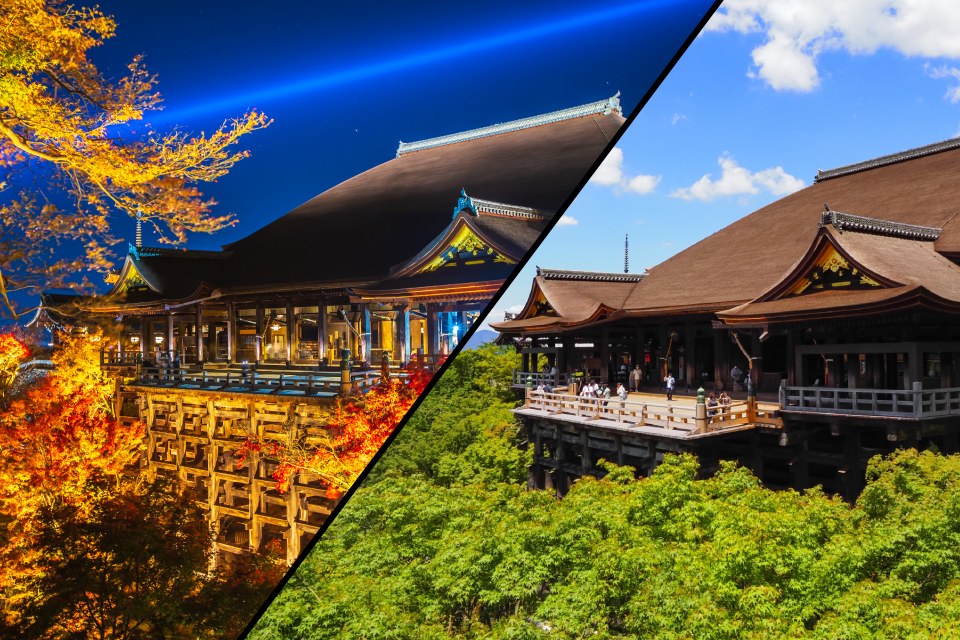
Few sights compare to Kiyomizu-dera at night, when the temple grounds are transformed by carefully arranged illumination and seasonal colors.
Kiyomizu-dera Temple hosts special nighttime openings (Yakan Tokubetsu Haikan) during selected periods each year.
These limited-time events give visitors the opportunity to experience the temple after dark and enjoy stunning views of the illuminated buildings and Kyoto cityscape.
The combination of historic architecture, vibrant lighting, and the surrounding natural scenery creates a magical atmosphere that is completely different from a daytime visit.
For the most current illumination dates, visit the official Kiyomizu-dera website.
Spring Light-Up: March 25 – April 3
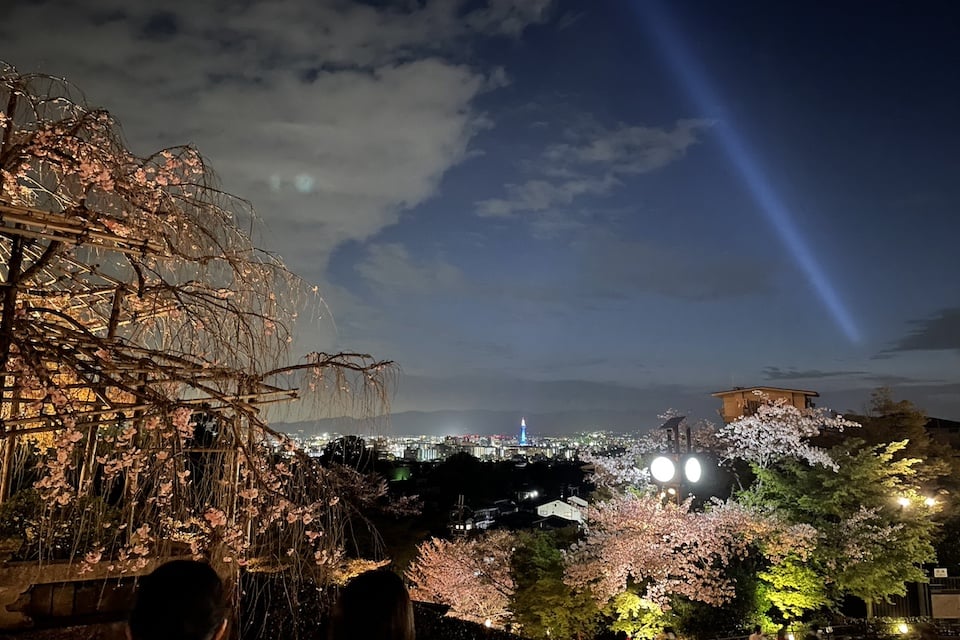
In spring, the temple is surrounded by delicate cherry blossoms. The illuminations highlight their soft pink hues. It creates a dreamlike, ethereal glow. The sakura are lit up, casting beautiful shadows. This season attracts many visitors. The contrast between the ancient temple and fleeting blossoms is stunning.
Summer Light-Up: August 14 – 16
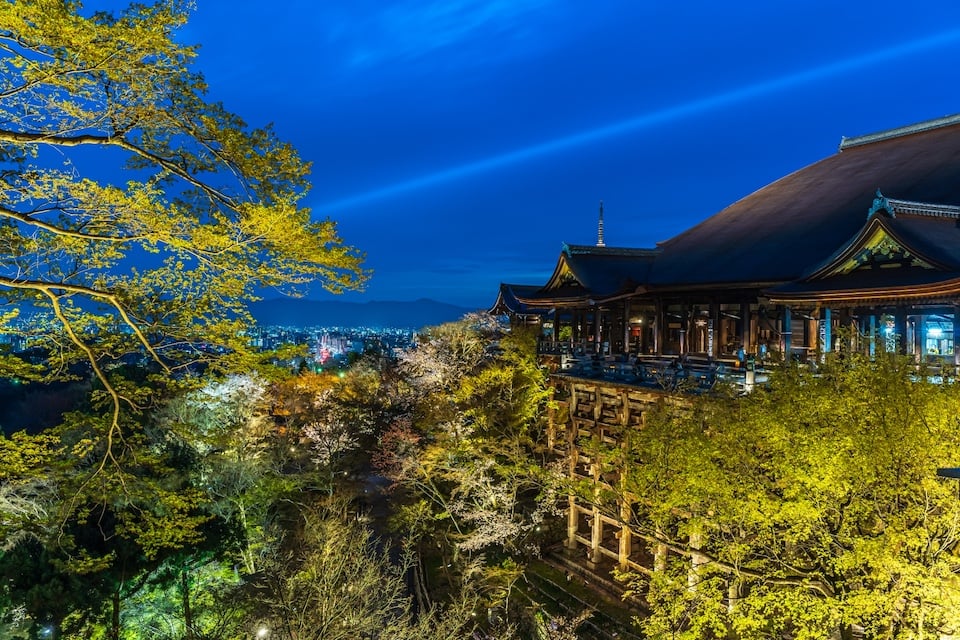
During summer, the temple stands majestically. A special blue light beam often points towards the heavens.
This adds a unique, serene ambiance to the warm nights. This beam symbolizes Kannon’s compassion. It extends out over the city of Kyoto. It is a powerful and beautiful sight. The summer nights offer a pleasant temperature for viewing.
Autumn Light-Up: November 22 – December 7
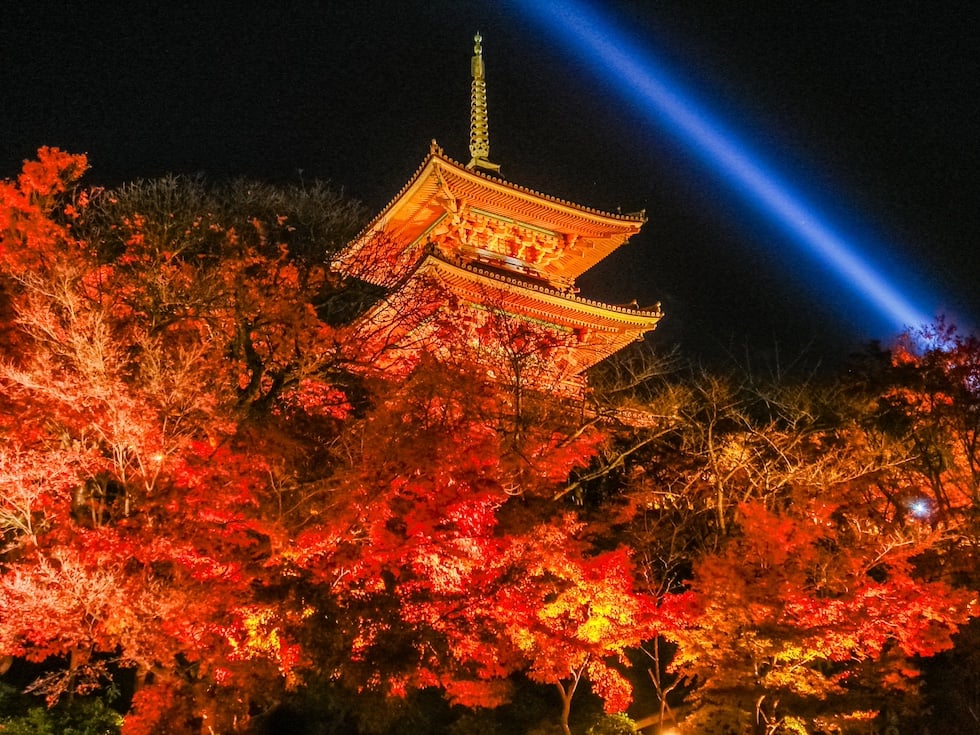
This is perhaps the most popular illumination season. The vibrant fall foliage glows with rich reds and oranges. It creates a breathtaking contrast against the dark sky.
You’ll be amazed by the fiery beauty. The leaves appear almost painted with light. The reflections on the ponds are also spectacular. This period draws huge crowds. Plan your visit accordingly if you wish to see this spectacular autumn illumination.
Common Questions About Kiyomizu-dera Temple
Do you have more practical questions about visiting Kiyomizu-dera Temple? Here are answers to some of the most common inquiries international visitors have.
This will help you plan your trip smoothly. Knowing these details in advance can save you time and confusion.
What Are the Kiyomizu-dera Temple Entrance Fees?
The general admission fee for Kiyomizu-dera Temple is ¥400 for adults. This fee grants you access to the main temple grounds and the famous wooden stage.
During special nighttime illuminations, a separate admission fee usually applies. This special fee is typically around ¥400-¥600. Children’s fees are generally lower.
You can check for updated prices on the official website. This makes it a very affordable attraction, especially considering the rich experiences it offers.
What Are the Kiyomizu-dera Temple Opening Hours?
Kiyomizu-dera Temple typically opens at 6:00 AM every day. This early opening is great for beating the crowds, as mentioned earlier.
The closing time varies by season. It is usually 6:00 PM (18:00) during regular hours. During special illumination periods, the temple remains open much later. For example, it might stay open until 9:00 PM or 9:30 PM. Always confirm the exact hours for your visit date.
Where Can I Buy Kiyomizu-dera Temple Tickets?
You can purchase Kiyomizu-dera Temple tickets directly at the temple’s entrance gates. This can be done on the day of your visit.
You usually don’t need to buy them in advance. This applies unless specified for very special events. Ticket booths are clearly marked. They are easily accessible upon arrival. Payment can typically be made in cash or by common credit cards.
Do Kiyomizu-dera Temple Hours Change Seasonally?
Yes, Kiyomizu-dera Temple hours do change seasonally. These changes primarily occur around the special night illumination periods.
These are held in spring, summer, and autumn. During these times, the temple’s closing hours are extended. Always check the official Kiyomizu-dera website closer to your travel date for the most accurate and up-to-date information. Planning around these seasonal changes ensures you don’t miss out.
Where is Kiyomizu-dera Temple located?
Kiyomizu-dera Temple is located in Kyoto’s historic Higashiyama district at 294 Kiyomizu 1-chome, Higashiyama-ku, Kyoto-shi, Kyoto.
The temple stands on a hillside overlooking the city.
How long does it take to visit Kiyomizu-dera?
Most visitors spend about 30 to 60 minutes exploring Kiyomizu-dera Temple.
If you also plan to walk around Ninenzaka and Sannenzaka, allow an additional 30 to 40 minutes.
Can I rent a kimono near Kiyomizu-dera?
Yes. Many kimono and yukata rental shops are located near Ninenzaka and Sannenzaka.
Dressing usually takes 15 to 30 minutes, and advance reservations are recommended on weekends.
Why was Kiyomizu-dera built?
According to temple tradition, Kiyomizu-dera was founded in 778 after the warrior Sakanoue no Tamuramaro met a Buddhist monk who encouraged him to abandon hunting and embrace Buddhist teachings.
More Kyoto Adventures
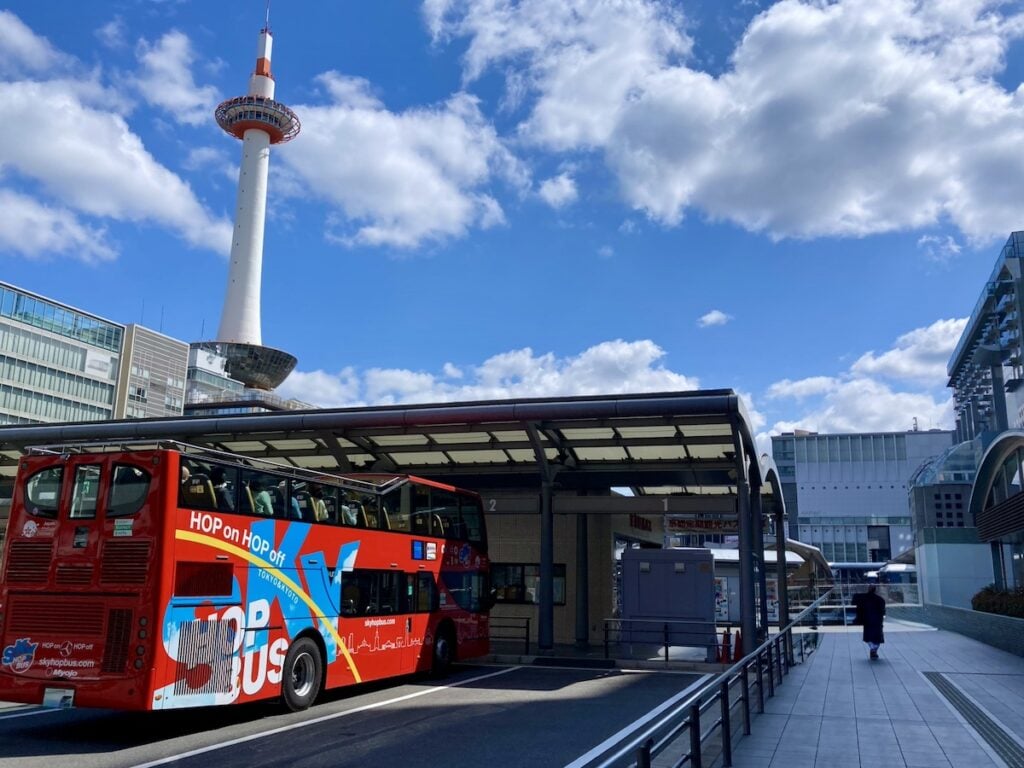
You’ve got all the essential information for an amazing visit to Kiyomizu-dera Temple, Kyoto. But Kyoto is full of even more wonders!
Are you curious about other breathtaking places to visit in this ancient city? Kyoto’s charm extends far beyond its most famous landmark. You can easily fill days exploring its rich cultural landscape.
Other Must-Visit Kyoto Temples and Attractions
Fushimi Inari-taisha Shrine
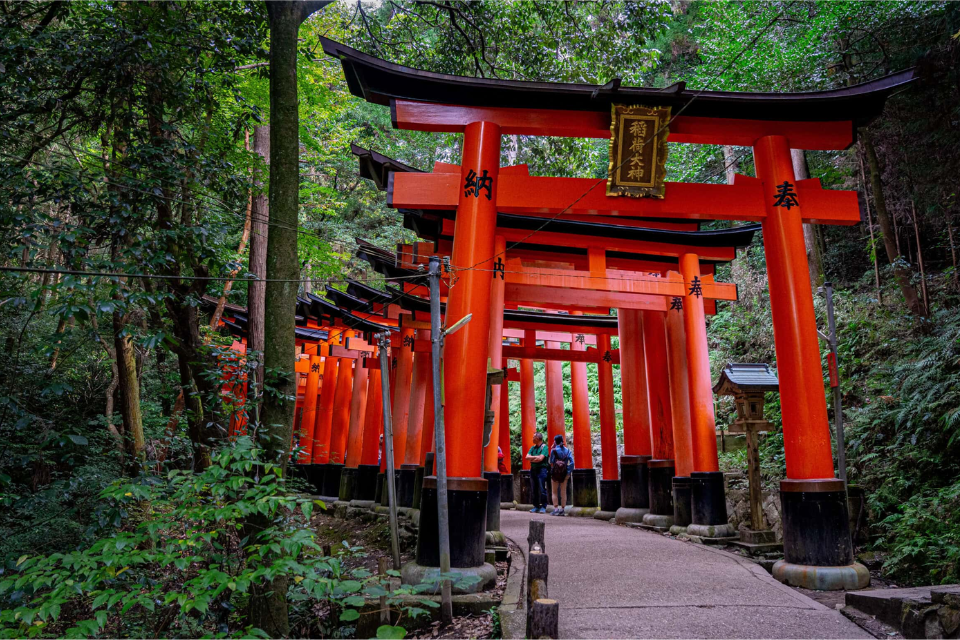
The iconic shrine, famous for its thousands of vibrant red torii gates, leads up Mount Inari and offers a truly unique sight. The walk through the tunnels of gates is mesmerizing, offering fantastic photo opportunities. Allow at least 2-3 hours for a good exploration.
Arashiyama Bamboo Grove
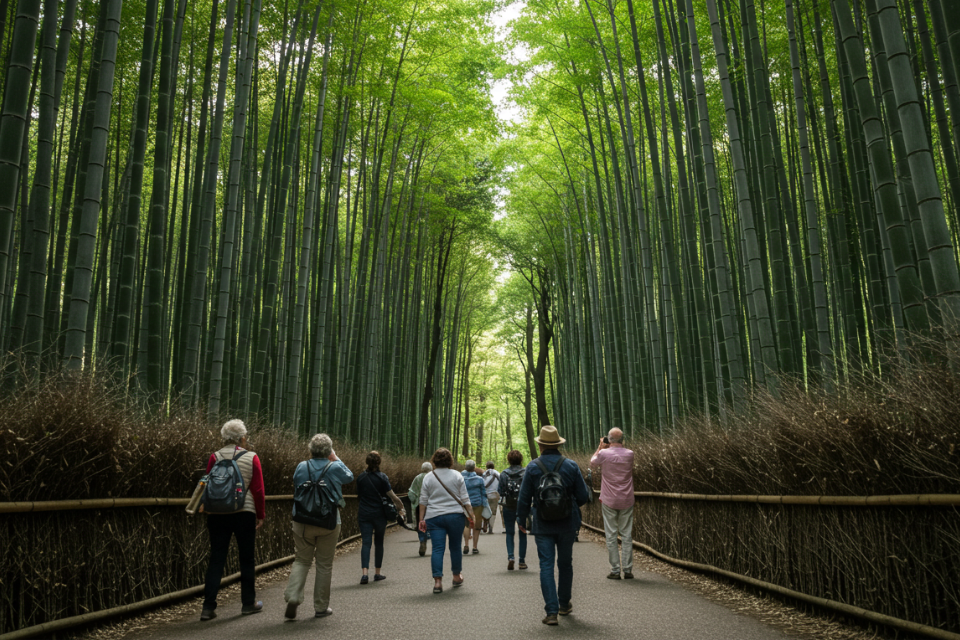
A serene forest of towering bamboo stalks. It offers a peaceful escape and stunning photo opportunities. Near the grove, you’ll find Tenryu-ji Temple. The Hozugawa River offers scenic boat rides. You can spend half a day or more here.
Gion District
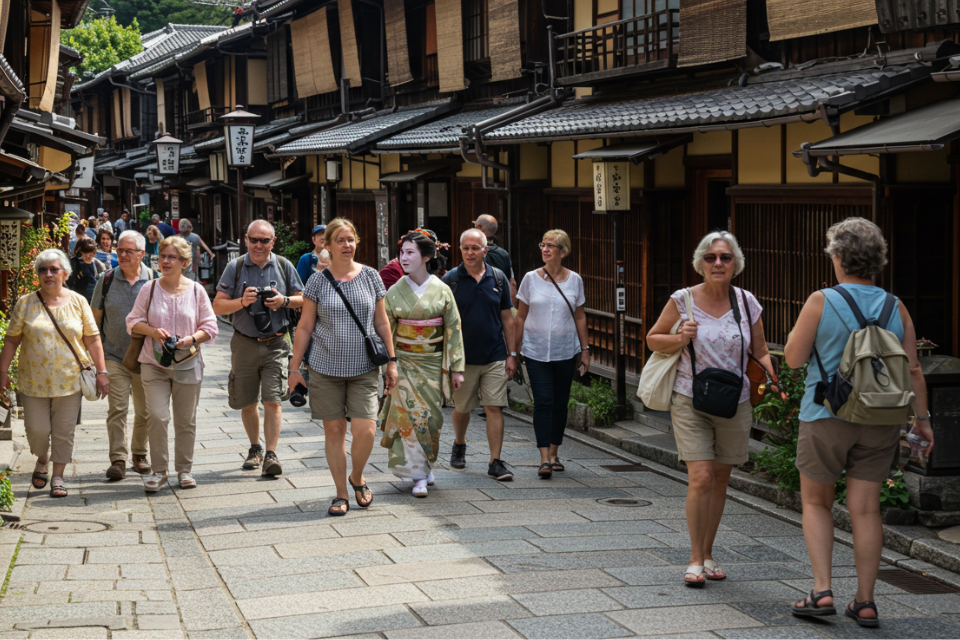
Kyoto’s most famous geisha district. You might spot a geiko or maiko in the evenings. It’s also great for traditional tea houses and shops. Explore its narrow streets. Enjoy the traditional architecture. You can also find many excellent restaurants here.
Ryoan-ji Temple
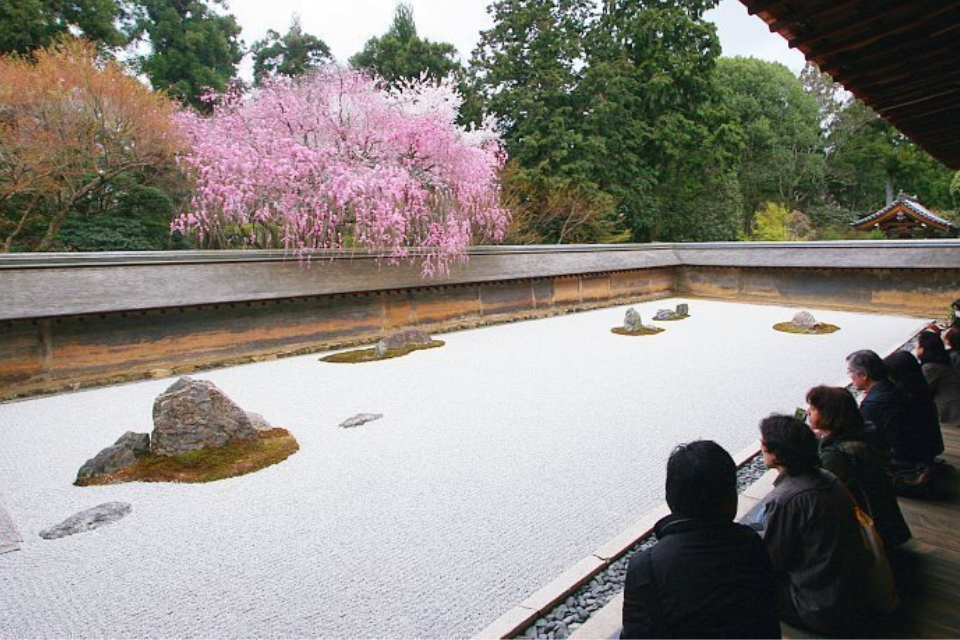
Home to Japan’s most famous rock garden. This Zen garden invites contemplation. Its simplicity and mystery are captivating. It offers a calm contrast to more elaborate sites.
Nijo Castle
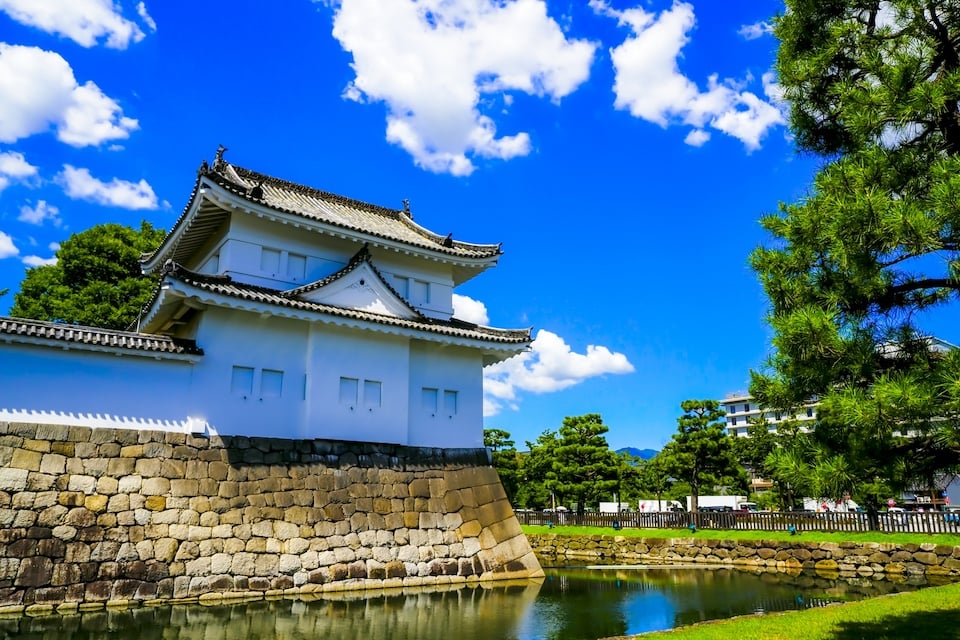
A UNESCO World Heritage site. This flatland castle features stunning architecture. It has “nightingale floors” that squeak to warn of intruders. Its expansive gardens are also beautiful.
Kinkaku-ji (Golden Pavilion)
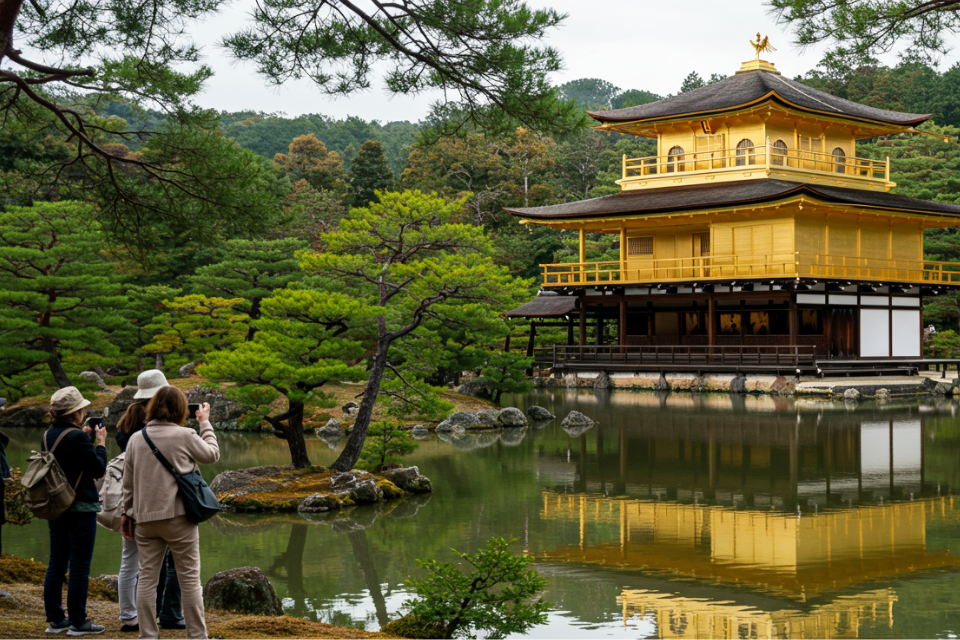
A majestic Zen temple covered in gold leaf. Its reflection on the pond is simply breathtaking. This iconic structure is surrounded by a beautiful Japanese strolling garden. It is another UNESCO World Heritage Site.
The Story Behind Kiyomizu-dera’s Founding
Kiyomizu-dera Temple is recognized as a UNESCO World Heritage Site today, but how did this historic temple come into existence?
According to temple tradition, in 778 AD, the warrior Sakanoue no Tamuramaro entered the mountains to hunt deer while praying for the safe delivery of his wife’s child. There, he encountered a Buddhist monk named Kenshin, who was meditating deep in the forest.
The monk admonished him against taking the lives of animals and taught him the principles of Buddhism.
Deeply moved by these words, Tamuramaro reflected on his actions, repented, and became a devoted follower of the Buddhist faith.
Inspired by this encounter, Tamuramaro worked together with Kenshin to establish a temple on the site, which later became Kiyomizu-dera.
The name Kiyomizu meaning pure water comes from the crystal-clear waters of the nearby Otowa Waterfall, whose sacred stream continues to flow through the temple grounds to this day.
Seasonal Kyoto Moments You’ll Remember Forever
Kyoto’s beauty changes with the seasons, offering unique experiences. Each time of year reveals a different side of the city.
Spring (March-April)
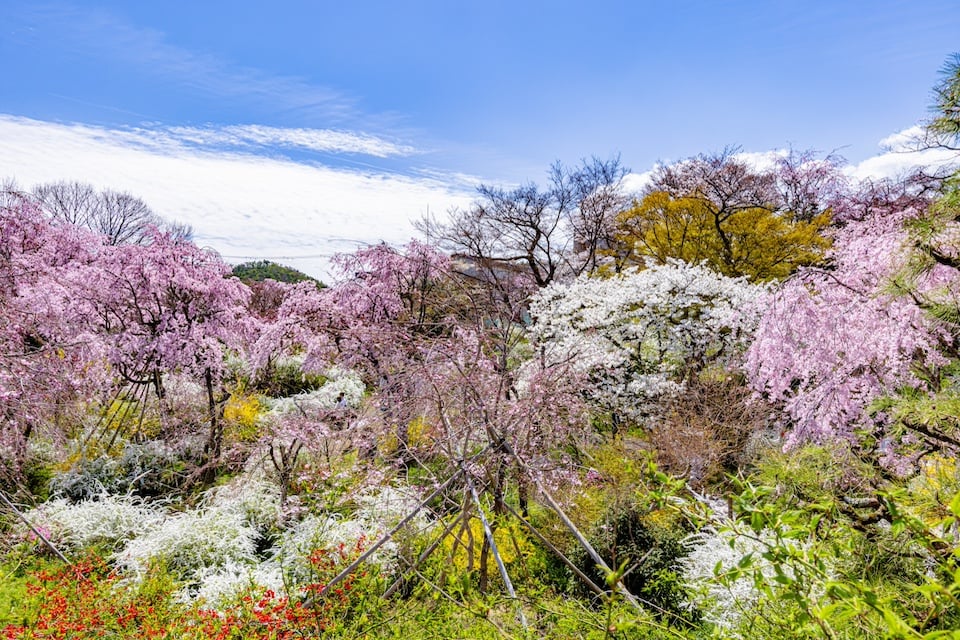
This is the season of cherry blossoms (sakura). Kyoto is exceptionally beautiful during this time. Enjoy hanami (flower viewing) at Maruyama Park. Or stroll along the Philosopher’s Path. The city turns into a sea of pink and white.
Summer (July-August)
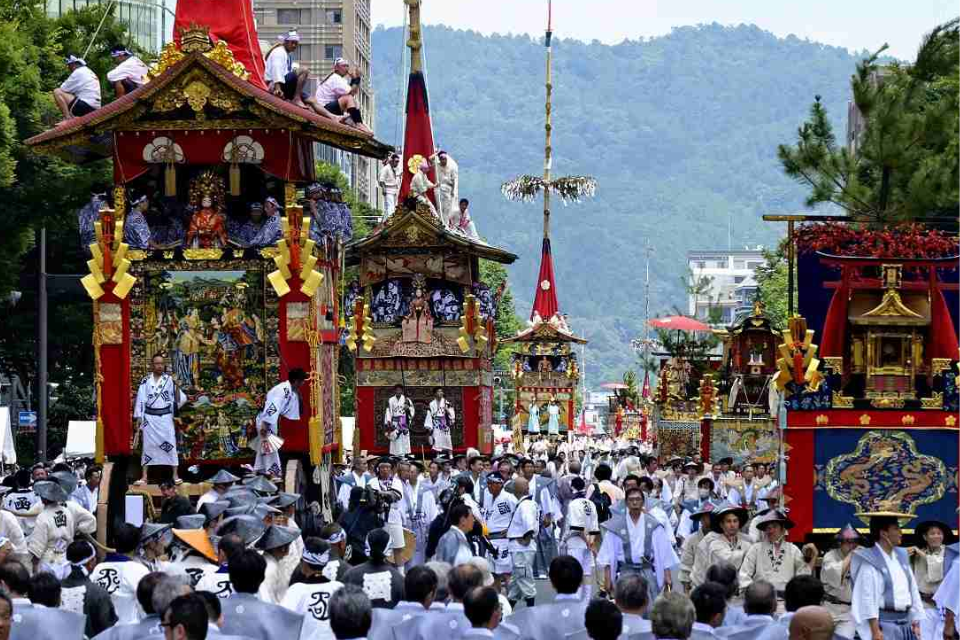
Experience the lively Gion Matsuri festival. It is one of Japan’s most famous. This ancient festival features huge floats. It fills the streets with energy and tradition. You can also find cool retreats in temple gardens.
Autumn (November-December)
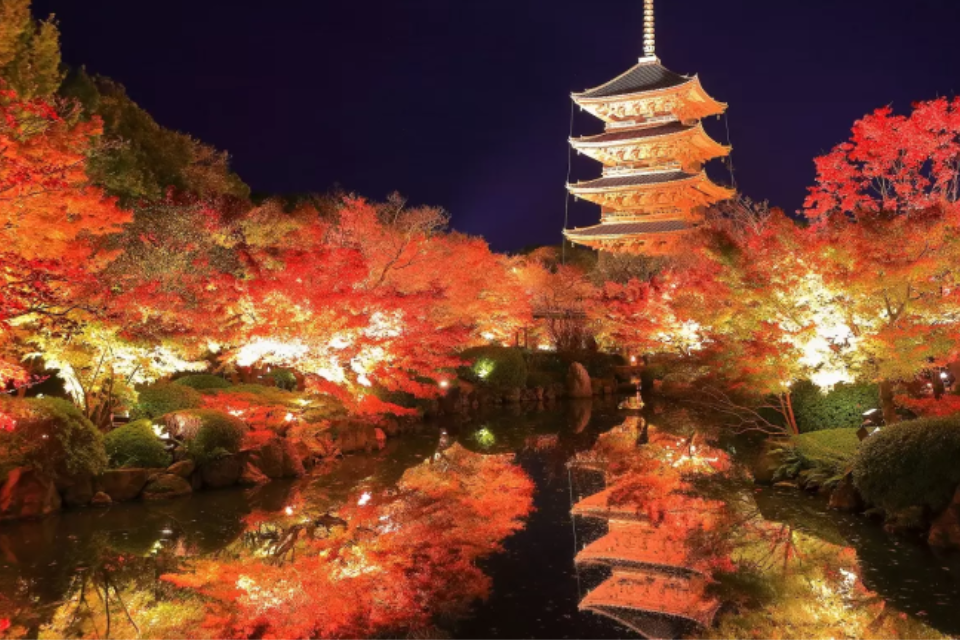
Witness vibrant fall foliage (koyo). Temples like Tofuku-ji or Arashiyama become ablaze with color. The maple leaves turn brilliant reds, oranges, and yellows. It is a stunning natural spectacle.
Winter (January-February)
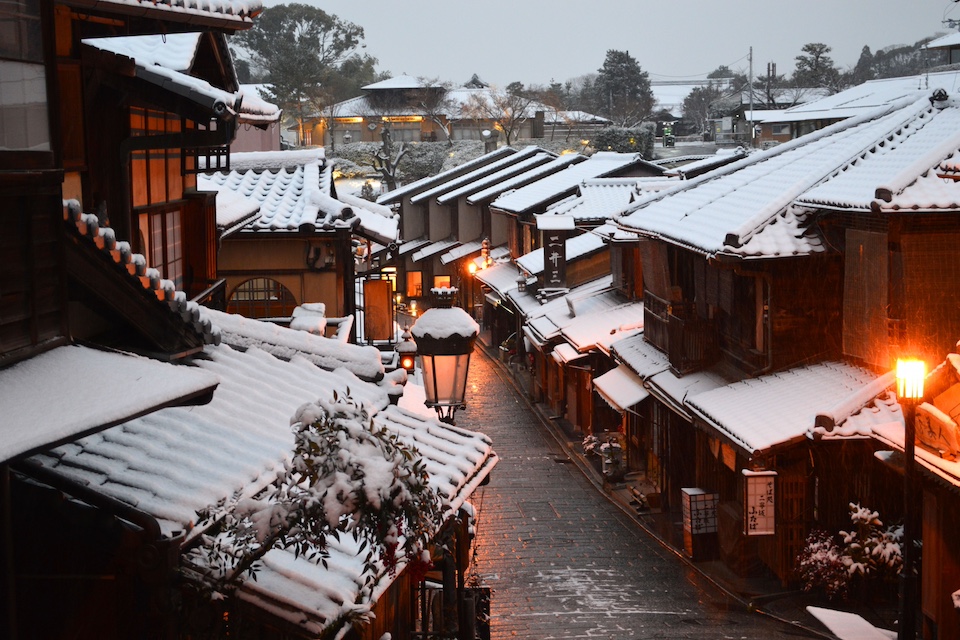
Experience a serene, almost magical landscape. Temples like Kinkaku-ji, covered in snow, are particularly picturesque. Enjoy peaceful strolls without the crowds. You might also find fewer tourists during this time.
Planning a Private or Group Visit to Kyoto?
Planning a group trip to Kyoto but feeling a little nervous because it’s your first time visiting Japan?
You’re not alone.
In such cases, working with a travel agency can make your trip much easier and more enjoyable.
MOTENASU JAPAN can assist with a wide range of travel arrangements, including flights, hotel reservations, cultural experiences, and exclusive activities, helping you create a seamless travel experience.
If you would like to enjoy a more personalized and high-quality trip to Kyoto, please feel free to contact us for more information.

We are working day and night to spread Japan’s unique hospitality culture to people around the world. Please feel free to contact us for any inquiries regarding the reception and hospitality of guests visiting Japan.


