






What is Japanese subculture?
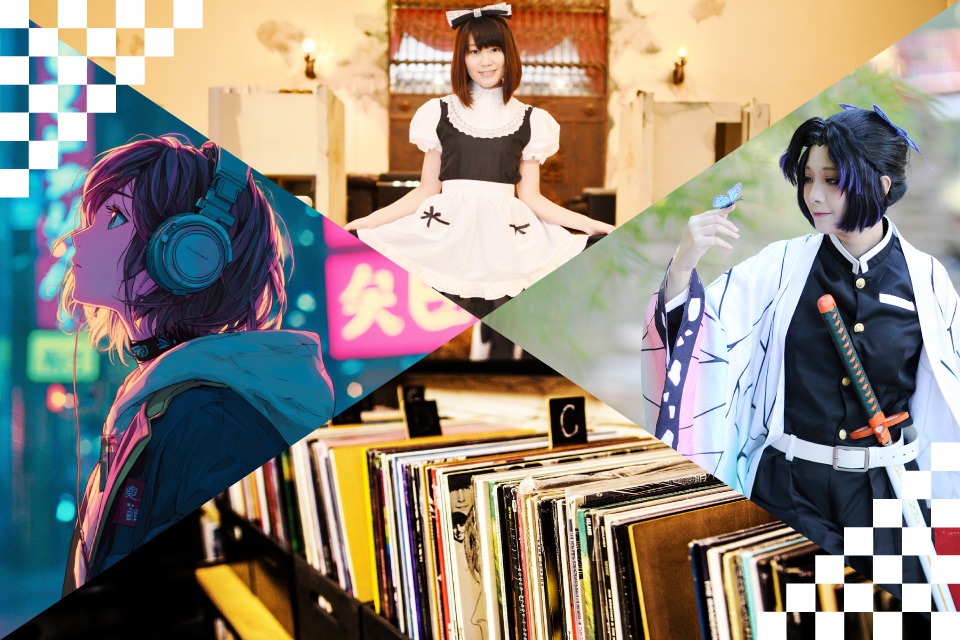
From anime to fashion, Japan offers a wide range of unique cultural scenes that attract people from around the world.
For those who love these trends or would like to experience them in person, this article provides
・A clear introduction to Japan’s subcultural movements.
・ Hands-on cultural experiences available in Japan, along with recommended travel plans.
If you are interested in Japanese pop culture, be sure to read until the end.
Definition of “Subculture”
What exactly does “subculture” refer to?
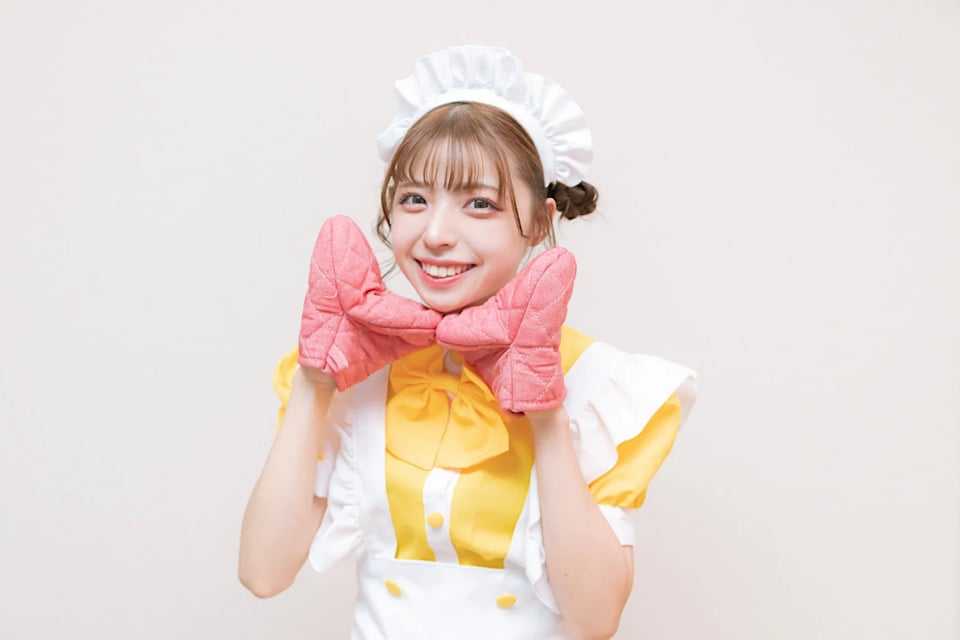
A subculture is a cultural group that differs from mainstream society in its values and styles.
It develops among people who share specific interests and forms its own expressions and communities.
Common examples include anime, gaming, music, and fashion.
These movements often reflect the values and lifestyles of their time andcan influence society as a whole.
Historical Evolution: 1960s to 2026
Subcultures, with their values distinct from mainstream society, have played an important role in shaping modern Japan.
How did these unique cultural movements influence Japanese society?
We will explore their history and development.
If you would like to learn more detailed knowledge about anime, not just its history, we also recommend the article below.
Japanese Subcultures That Influenced the World

You may be wondering, “What kinds of subcultures originated in Japan?” or “Which Japanese pop cultures are popular around the world?”
Here are three representative cultural movements that were born in Japan and continue to enjoy strong global popularity today.
Anime & Manga
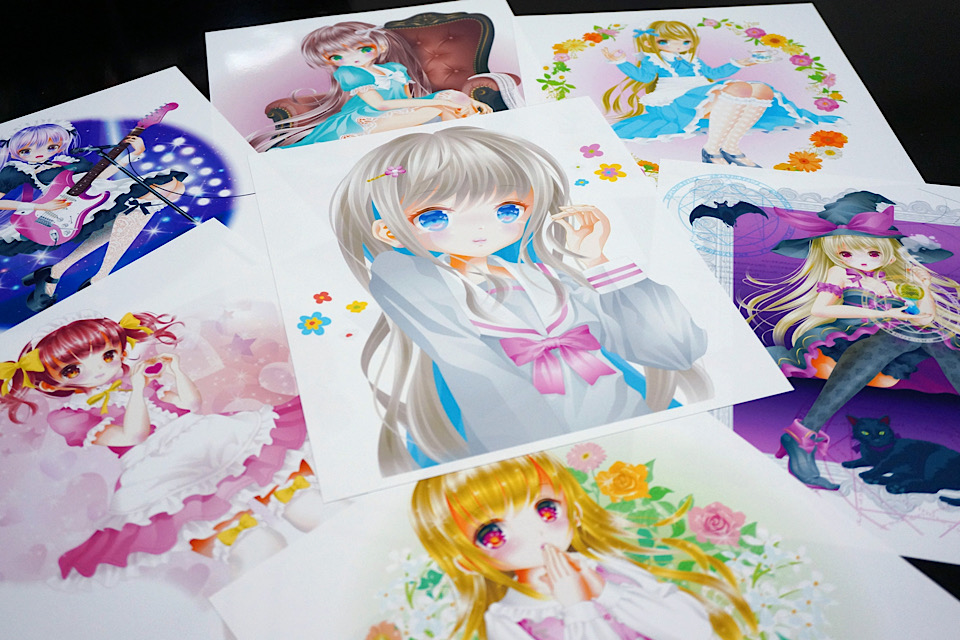
Japanese anime has become a powerful global force, with films like Demon Slayer: Mugen Train earning over $500 million worldwide and franchises such as Pokémon growing into multi-billion-dollar brands.
Through platforms like Netflix, anime is streamed in more than 190 countries, expanding its international reach.
Its striking visuals, compelling stories, and the creativity of fans through cosplay and fan art continue to drive its worldwide popularity.(source)
J-Street Fashion

J-street fashion developed by blending international fashion trends with Japan’s distinctive sense of cuteness and anime-inspired aesthetics.
Styles that evolved from it, such as Lolita, jirai-kei, and gyaru, have attracted global attention for their bold and expressive individuality.
J-POP
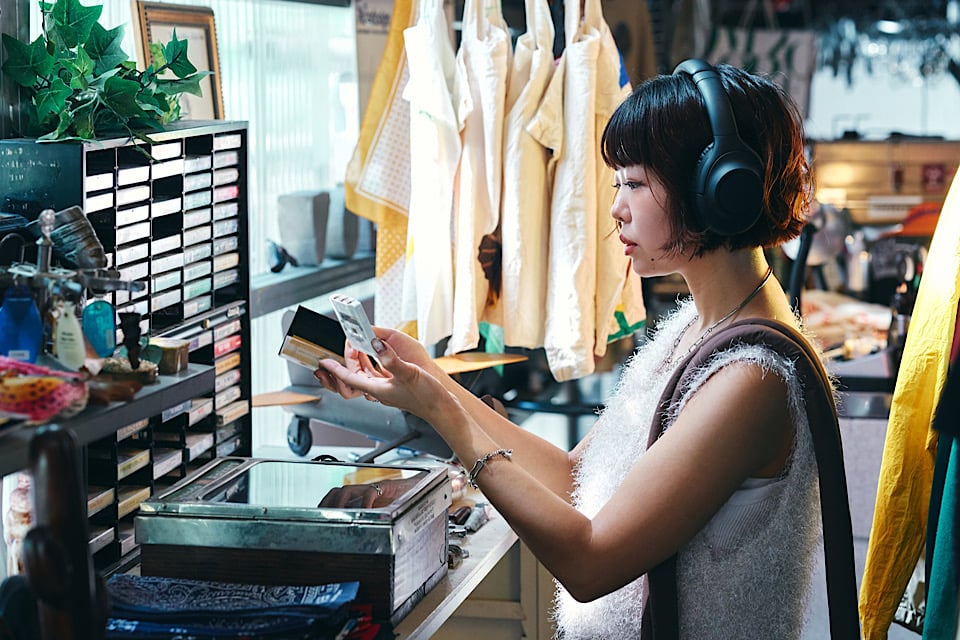
J-Pop blends literary-style lyrics with distinctive soundscapes that create unique artistic worlds.
In recent years, it has been spreading globally through platforms such as TikTok and short-form videos, gaining international attention.
Major Subculture Areas in Tokyo
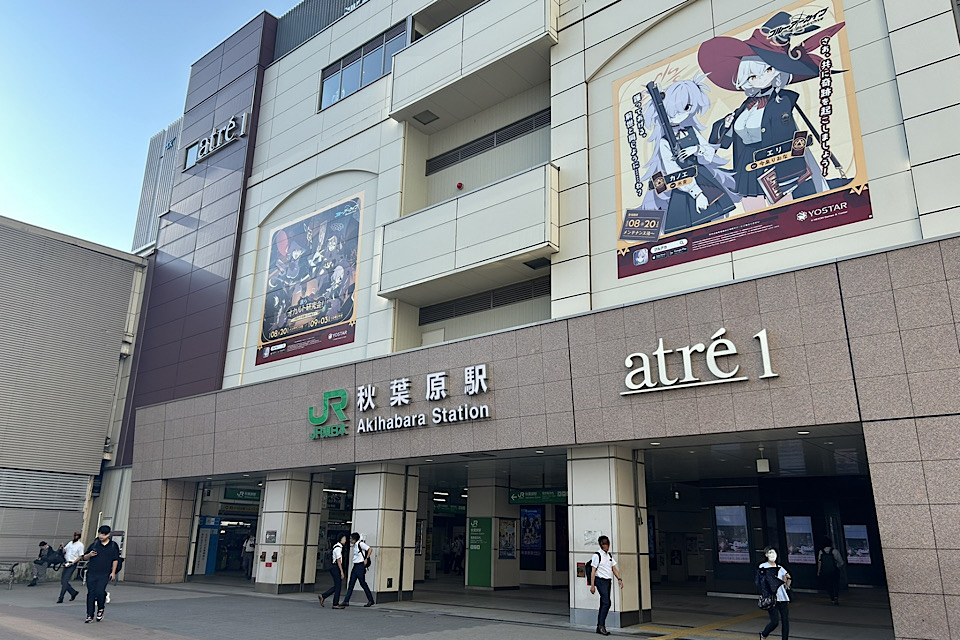
Why not look for the perfect place to experience Japanese subculture that suits you?
Popular cultures such as anime and fashion can feel very different depending on the area you visit.
Let’s find the best destinations where you can enjoy Japanese subculture based on your interests.
For Anime Lovers: Akihabara vs Ikebukuro — Exploring Otaku Culture
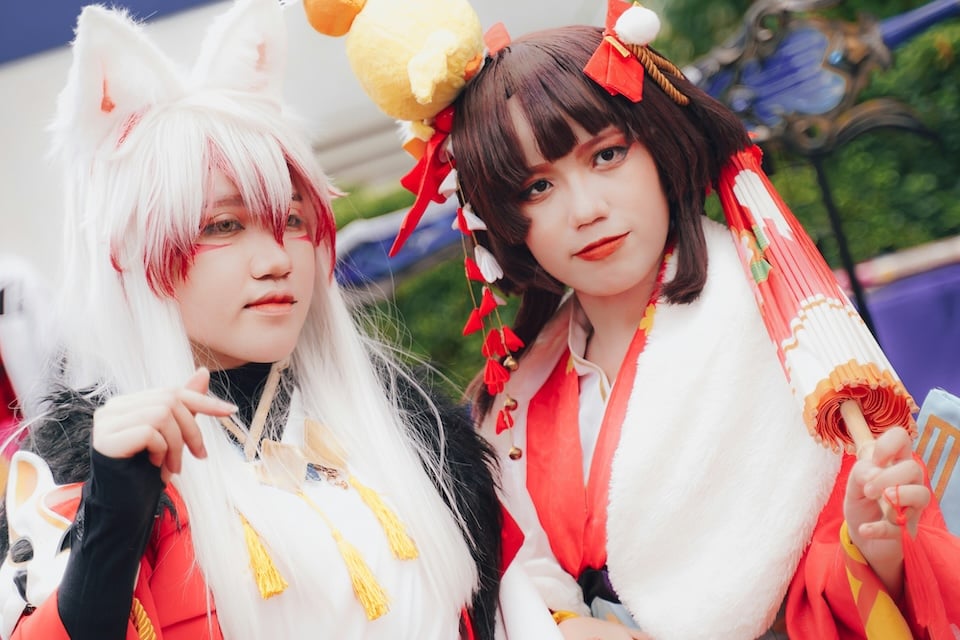
These are two of Tokyo’s most iconic destinations for anime fans.
Let us take a closer look at what makes each location special.
Which area should anime fans visit?
Akihabara and Ikebukuro are both popular areas for anime fans, but many visitors wonder which one they should choose.
Here, we clearly explain the differences and unique features of each district.
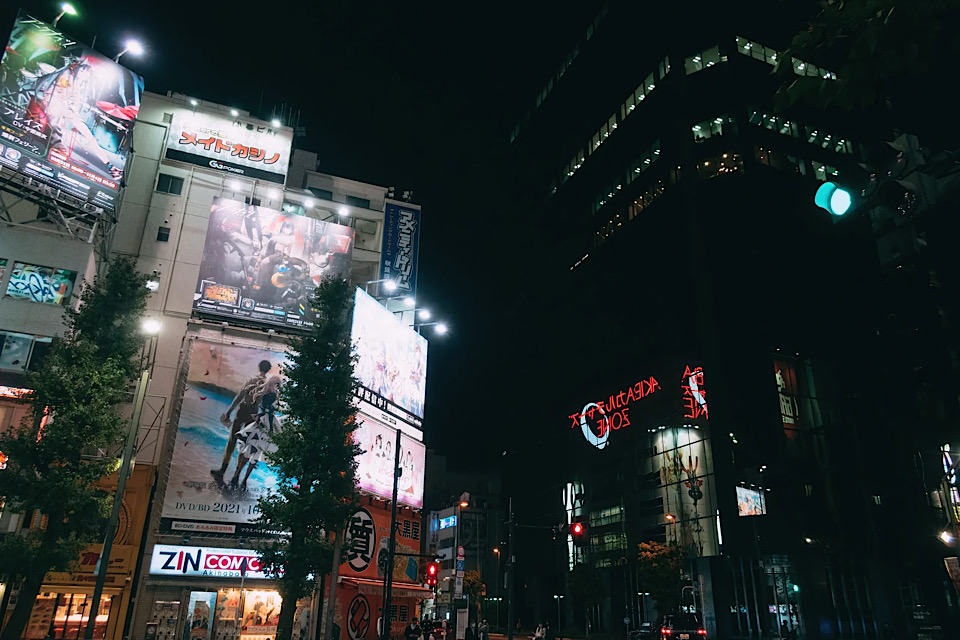
Akihabara: For fans of rare items and gaming
Known as an electronics district, Akihabara offers numerous anime shops alongside stores specializing in electronic goods. With large long-established retailers and specialty stores, it is ideal for finding rare anime merchandise, games, and computer-related products.
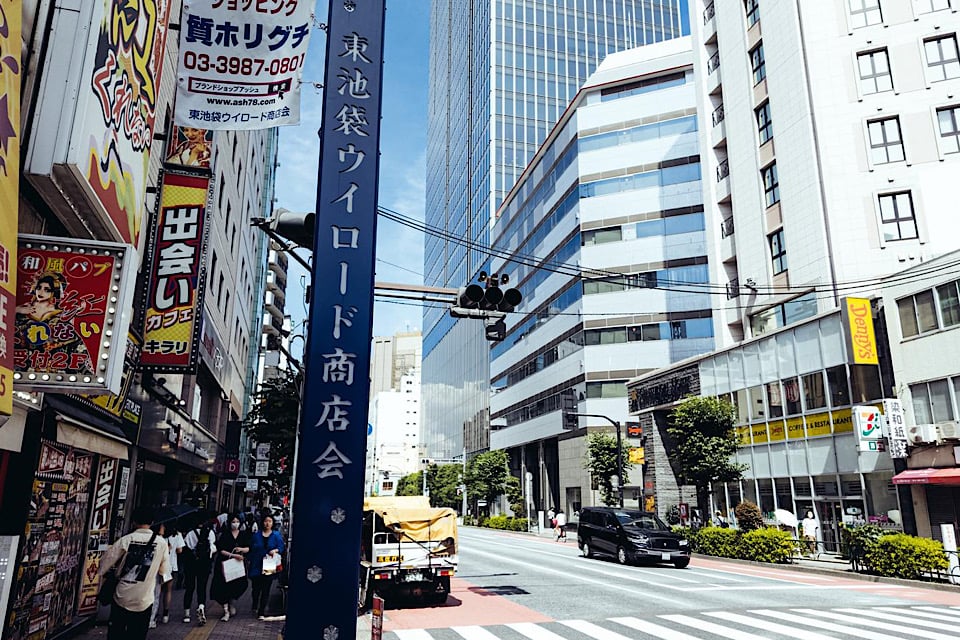
Ikebukuro: For fans of female-oriented anime and idols
Ikebukuro is known for its wide selection of female-oriented anime and idol merchandise. With many character shops concentrated in the area, it is well suited for those who enjoy cute goods and idol culture.
Recommended spots for anime enthusiasts
Many travelers want to experience anime culture in Japan, but aren’t sure where to start.
But don’t worry—there are plenty of anime spots that beginners can enjoy with ease.
Anime Bar
Anime bars are not just places to drink — they serve as social spaces where anime fans can connect with one another.
Inside, you’ll find both counter seating and tables where guests can enjoy anime-themed drinks.
At the bar introduced here, there is anime song karaoke, where customers take turns singing their favorite anime opening and ending songs while others join in and cheer, creating an energetic and friendly atmosphere.
Name: Anime Bar Guild Akihabara
Address: Hashikatsu Building 2F, 3-1-15 Sotokanda, Chiyoda-ku, Tokyo
Hours: 18:00–23:00 (may vary by day)
English Website
Maid Café
At the @Home Café in Akihabara introduced here, maids dressed in cute costumes welcome you with cheerful greetings and serve you attentively as a “Master” or “Princess.”
Inside, you’ll find both counter and table seating, where you can enjoy themed drinks, desserts, and meals while chatting with the maids.
You can also take commemorative Polaroid photos with a maid, participate in small games, and depending on the time of day, enjoy live singing or dance performances—creating a truly special and immersive experience.
Name:@Home cafe Akihabara
Address: Mitsuwa Building 3F–7F, 1-11-4 Sotokanda, Chiyoda-ku, Tokyo
Hours: 10:00–22:00 (may vary by day)
English Website
Animate
Animate Ikebukuro Main Store has been recognized by Guinness World Records as the “world’s largest anime shop,” and is a large-scale store with nine floors above ground and two basement levels.
Each floor offers a wide range of products, including not only manga and light novels but also character goods such as keychains, plush toys, and apparel.
In addition, there are limited-time pop-up shops, collaboration items, and exclusive merchandise areas. Autograph sessions and exhibition events are sometimes held as well, so checking the official website below before your visit will help you make the most of your experience.
Name: Animate Ikebukuro Main Store
Address: 1-20-7 Higashi-Ikebukuro, Toshima-ku, Tokyo
Hours: 10:00–21:00
English Website
For Fashion Lovers:Harajuku&Shibuya
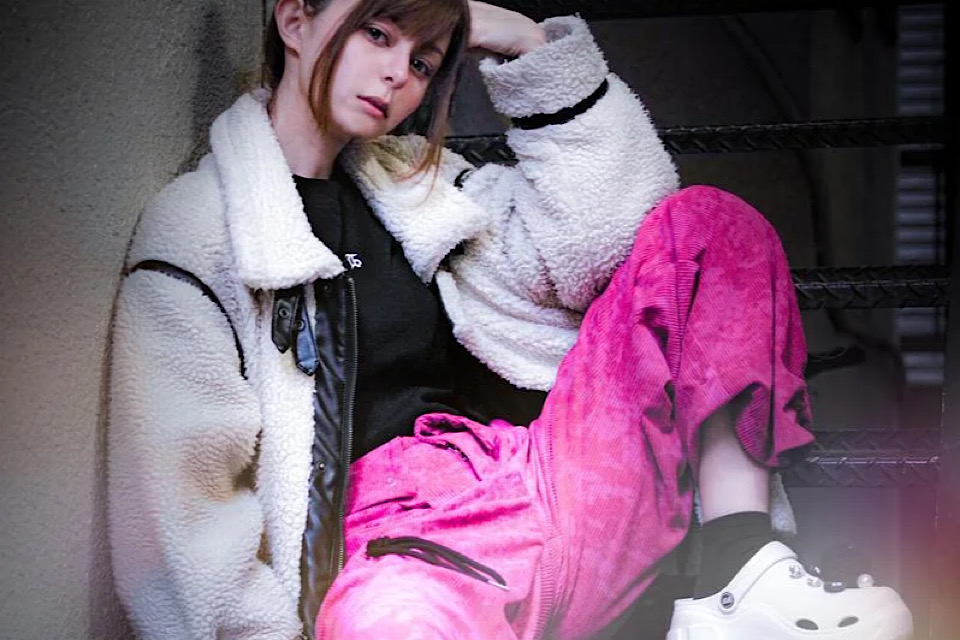
These are recommended areas for fashion lovers.
Here, we will explore what makes each of them unique.
Harajuku: The Mecca of Fashion
The moment you step out near Harajuku Station, the first things that catch your eye are the colorful signboards and the many unique shops.
Countless stores line the street, offering everything from clothing and accessories to sweets all embodying the essence of kawaii culture.
You can also see Japan’s cutting-edge fashion up close, including Lolita styles, oversized streetwear, and vivid hair colors reminiscent of anime characters.
Lolita Fashion
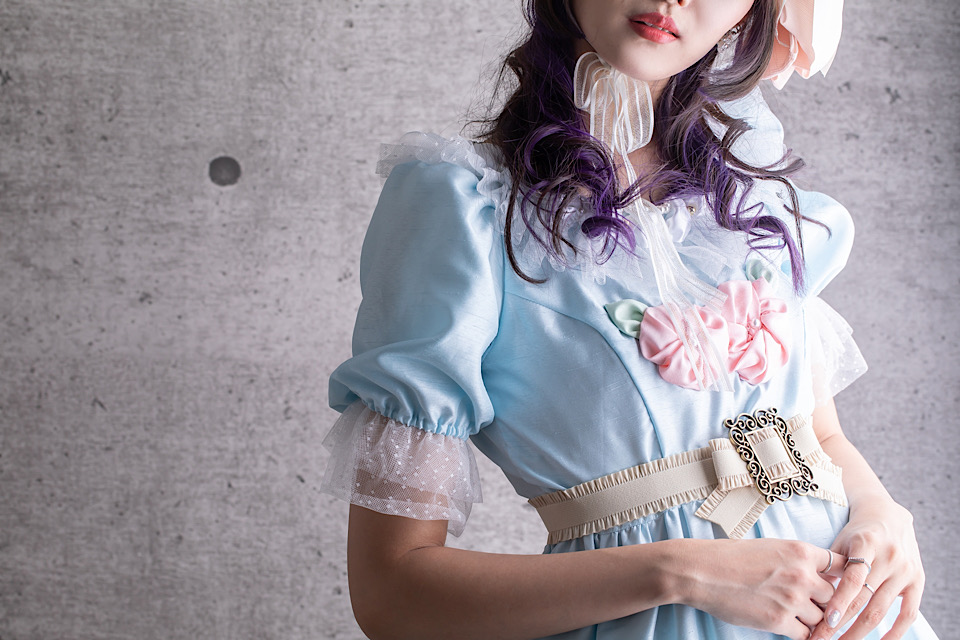
An elegant and cute style featuring layers of frills and lace, bell-shaped skirts, ribbon-adorned headdresses, and classical, doll-like dresses.
Paired with knee-high socks, platform shoes, and carefully curled hairstyles, it creates a medieval European-inspired look as if stepped out of a storybook.
Jirai-kei Style
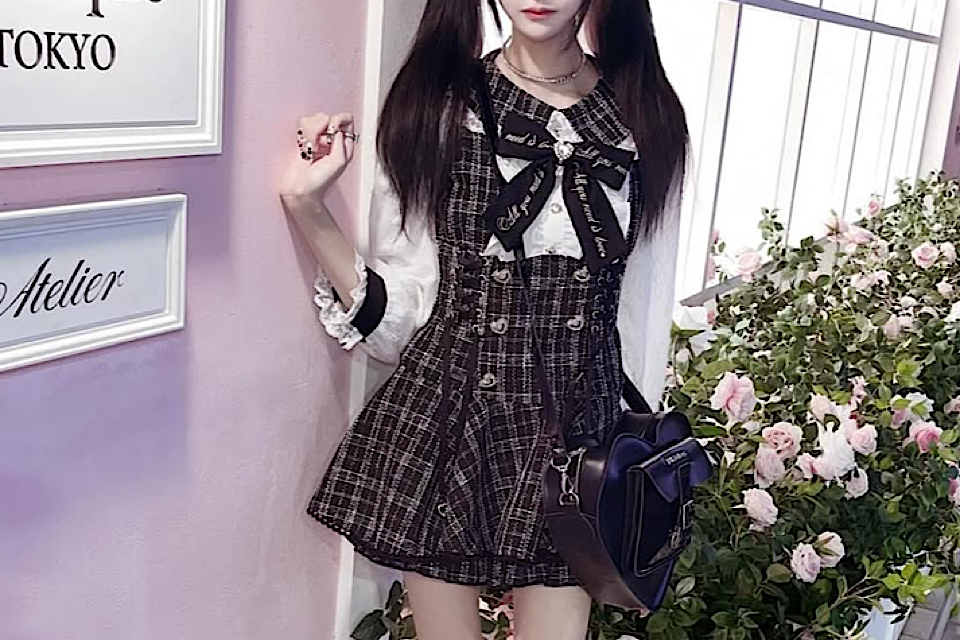
Fashion style based on a black-and-pink color scheme, combining lace blouses, ribbon ties, pleated skirts, and chunky platform shoes to create a look that blends sweetness with an edgy twist.
Compared to the universally “cute” Ryōsan-gata (mass-produced cute) style, which incorporates pink and lace in a softer and more approachable way, Jirai-kei features stronger gothic elements and heavier details, resulting in a more “yami-kawaii” (dark-cute) aesthetic.
Representative brands of this style include Ank Rouge, MARS, and Secret Honey.
Heisei Revival

A trend that reinterpretsfashion from the late 1990s to early 2000s Heisei era.
Pop and nostalgic elements have brought this style back into the spotlight.
Shibuya: Youth Culture & Street Fashion
If you’re looking for stylish clothes that are easy to wear in everyday life, Shibuya is a great choice.
So, what exactly are the current fashion trends in Japan?
Among today’s young people, styles like the following are especially popular.
Casual Elegant Fashion

This style pairs a collarless shirt with a jacket and elegant black pants, creating a look that is polished without feeling overly formal.
It combines comfort with a neat appearance, making it suitable for both casual outings and dates.
Street Fashion

This fashion expresses personal preferences freely.
Recently,genderless styles have become popular, such as wearing pants that resemble skirts regardless of gender, or combining masculine clothing with cute accessories.
【Tips for Buying Clothes at Affordable Prices】
A good way to buy these styles at affordable prices is to visit nationwide youth-oriented street fashion stores such as GU and WEGO.
At these shops, you can find outfits in these styles for around 1,000 to 10,000 yen (approximately $7 to $70).
Vintage and music lover:Shimokitazawa&Nakano
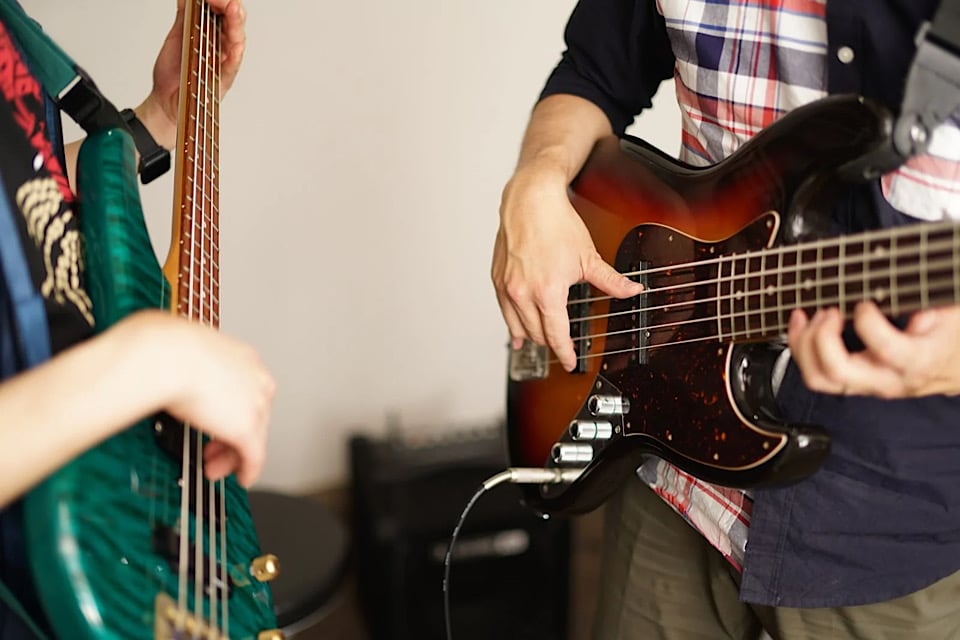
For those who love unique fashion and music, here are two spots that are sure to satisfy your interests.
Shimokitazawa: Indie & Vintage Culture Hub
Shimokitazawa is a hidden subculture district in Japan.
You can enjoy experiences such as the following.
Vintage Clothing

Shimokitazawa is known as a hub for vintage fashion, with numerous secondhand shops throughout the area.
You can find unique pieces and international brands at reasonable prices.
Live Music Venues
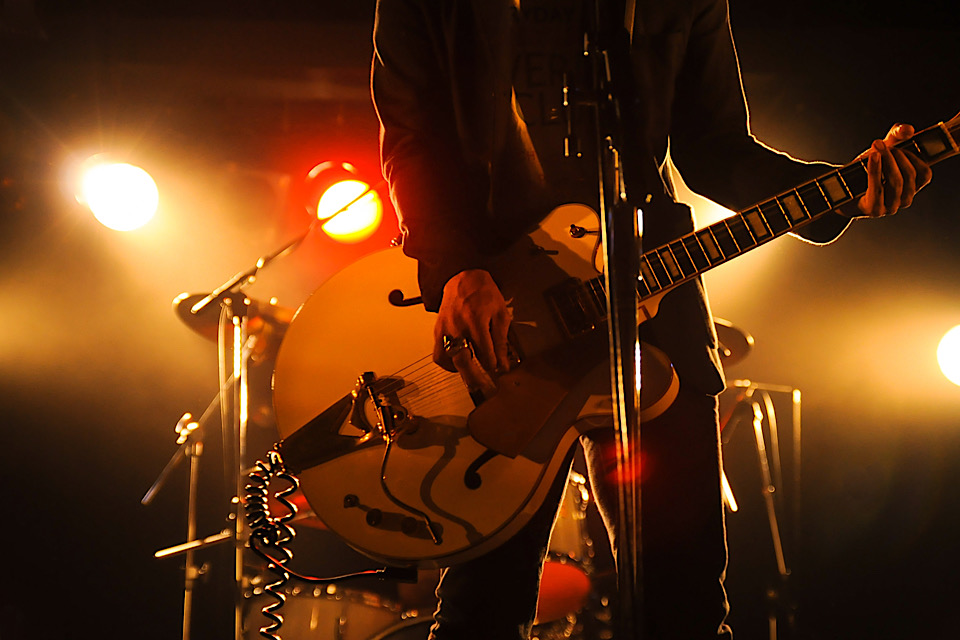
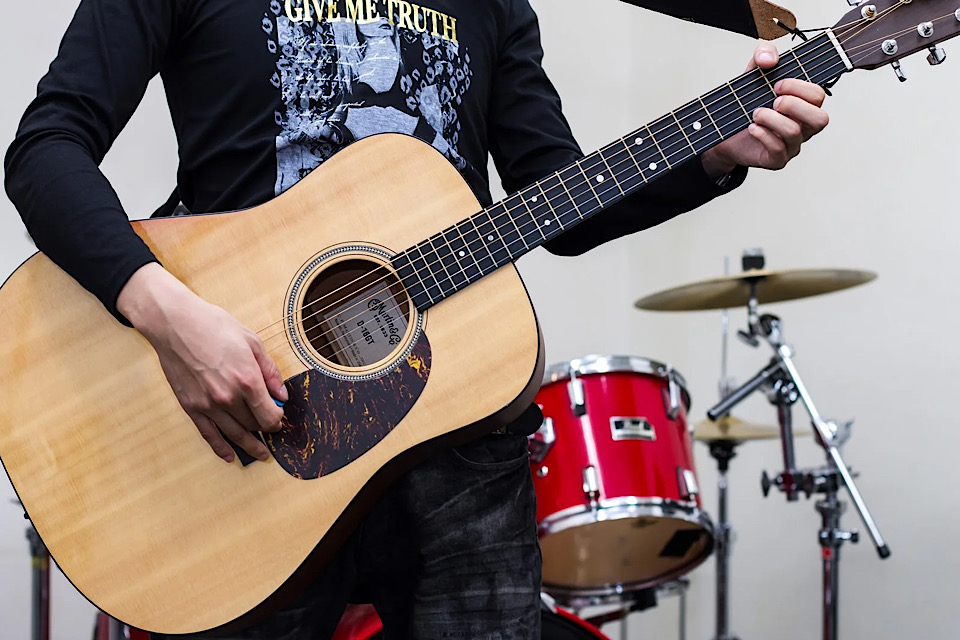
Shimokitazawa is one of Tokyo’s leading live music areas, where you can enjoy a wide range of genres such as indie rock, punk, acoustic, and alternative music.
Representative venues:
Shimokitazawa is one of Tokyo’s leading live music areas, where you can enjoy a wide range of genres such as indie rock, punk, acoustic, and alternative music.
Representative venues:
Shimokitazawa SHELTER. It is a long-established live house with a capacity of about 250 people.
Live performances are held by a wide range of artists, from local bands to touring acts.
Ticket prices vary depending on the show, but are around 4,000 yen ($27).
Shimokitazawa Laguna. It is known for itsintimate atmosphere and mainly hosts acoustic and indie performances.
Ticket prices are generally around 3,500–4,000 yen ($23–$27) (a separate drink fee is required).
If you would like to enjoy live music at a more affordable price, you can visit smaller venues such as Shimokitazawa LIVE HAUS, where you canenjoy live shows and DJ events for approximately 1,000–3,500 yen ($7–$23).
Nakano: A Hidden Treasure Trove of Otaku Culture
Unlike Akihabara’s large-scale and mainstream atmosphere, Nakano is a place where you can find older and more valuable items.
One of its greatest attractions is the chance to discover toys, records, and games from over 40 years ago.
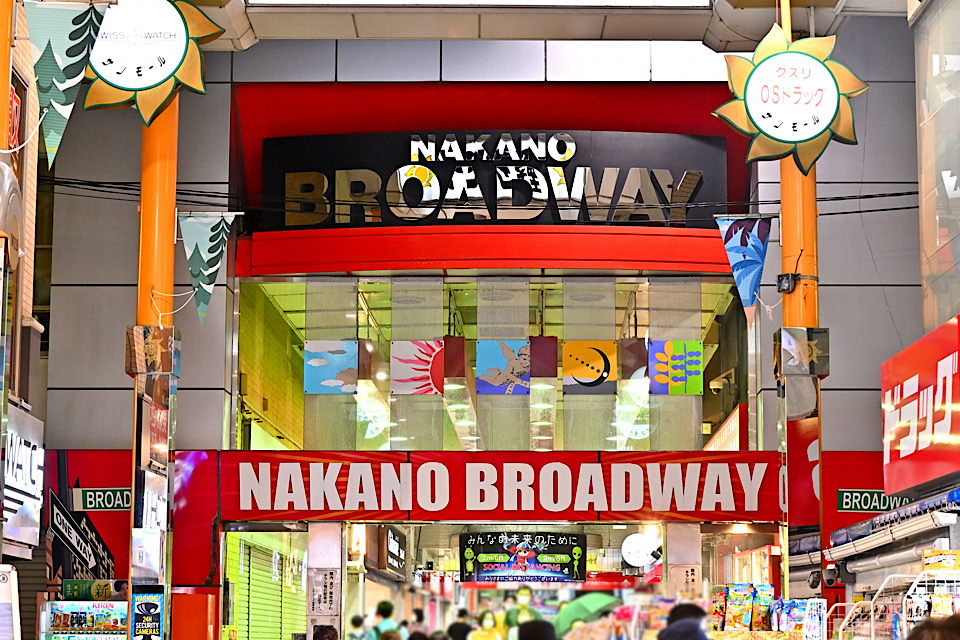
Nakano Broadway
Nakano Broadway is theperfect place to hunt for rare and hard-to-find treasures, including discontinued anime figures, first-edition manga volumes, vintage toys from the Showa era, retro video games, old idol merchandise, and limited collector’s items that are difficult to find anywhere else.
Outside Tokyo, there is also a popular Ghibli-themed park in Aichi Prefecture, which can be easily reached by Shinkansen.
For detailed directions and information on how to obtain tickets, please see the guide below.

Experience Japanese Subculture

What kind of tours should you join to experience Japan’s subculture?
Here are some cultural programs that you can enjoy easily while having fun.
Anime-themed collaboration café experience
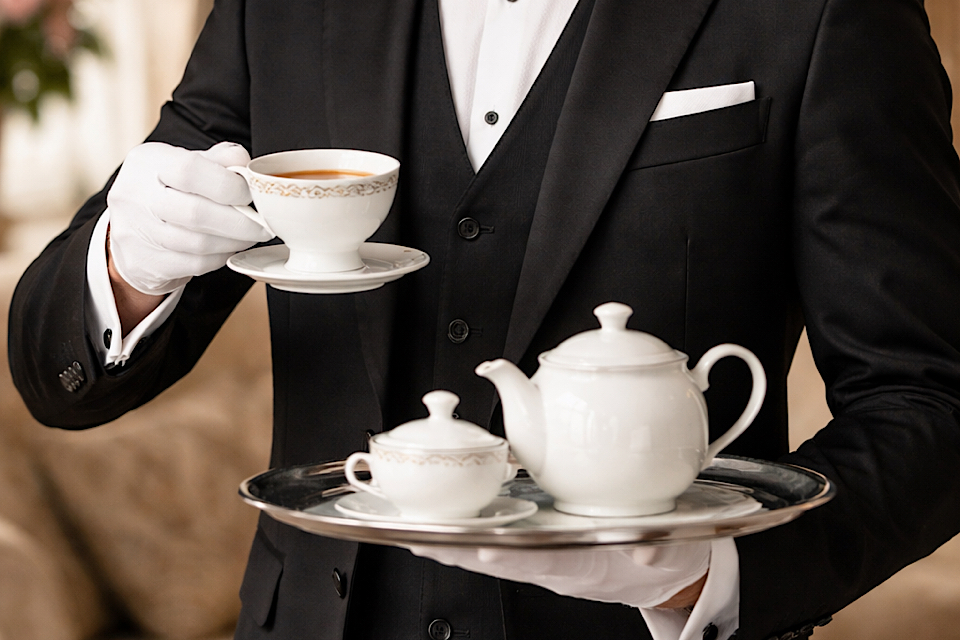
In Japan, there are anime cafés themed around butlers, adventures, and more.
Staff dressed in costumes that match the theme will serve you, making you feel as if you’ve stepped right into the world of anime.
Anime Pilgrimage Tours
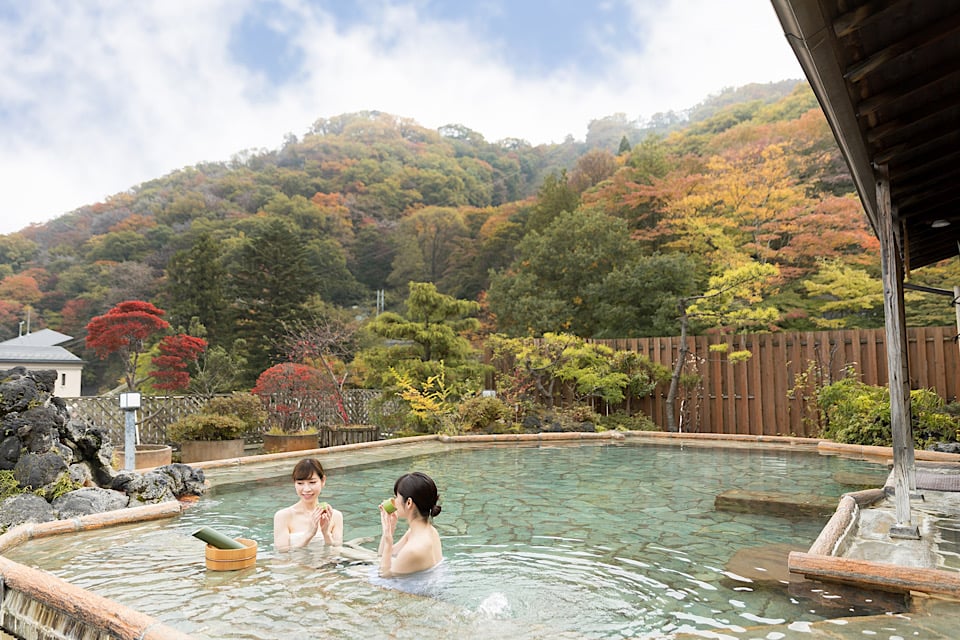
Anime pilgrimage tours usually last around 4 to 8 hours and take participants to 3 to 5 real-life locations that served as settings for popular anime series. The main means of transportation are trains and walking, although a chartered bus may be used when traveling longer distances.
Participants can efficiently visit shrines, shopping streets, schools, scenic viewpoints, and other places that appeared in the anime.
Here is a sample model plan as follows.
Slam Dunk” Anime Pilgrimage One-Day Tour
Visit famous sightseeing spots
In the morning, participants take photos in front of the railway crossing featured in the iconic opening theme. After that, the tour visits the beach where the characters trained, followed by the station they used for their daily commute to school.
Enjoy lunch at a restaurant where you can view both the ocean and the Enoden train at the same time. With a variety of options available, including Hawaiian and Italian cuisine, you can choose a restaurant that suits your taste.
The tour then stops at one additional sightseeing spot before ending the day at a café for a short break, with dismissal in the late afternoon.
Beyond Sightseeing: Immersive Subculture Experiences

For those who want a loved one to enjoy a subculture experience, or for companies looking to incorporate subculture activities into their events, we recommend our premium “VIP Subculture Experience.”
So, what makes it different from the standard experiences?
Let’s explore what sets it apart.
During the 1960s, new subcultures began to take shape in Japan alongside student movements and anti-establishment ideas.
Young people started questioning traditional values through music, fashion, and literature.
By the 1980s and 1990s, otaku culture centered on anime and manga had grown rapidly across Japan.
Dedicated magazines, fan publications, and events built strong communities and boosted its domestic presence.
Meanwhile, anime and manga were gaining fans overseas, spreading Japanese pop culture around the world.
Entering the 2000s, unique fashion styles from Harajuku began attracting widespread attention.
Street trends such as Lolita and Decora spread among young people and reached global audiences through magazines and the internet.
The 2010s saw rapid growth in digital fandoms with the rise of social media and video streaming platforms.
Idol culture also evolved, with underground and virtual idols gaining popularity.
Online interaction between fans and idols became common, changing how these cultures spread.
In the 2020s, global “oshi” culture has expanded, with fans actively supporting and celebrating their favorite artists or characters.
Social media has enabled communities to connect across borders through shared passions.
At the same time, collaborations between AI technology and subculture have created new forms of expression, including virtual characters and digital art.
How It Differs from Ordinary Tours

Here are some of the key features that set it apart from standard tours.
| Transportation Service | Reservation Assistance | Photography | Additional Services | |
| Subculture Experience | Meet-up and dismissal are usually on site | None in particular | Photography is done individually | None in particular |
| VIPVIP Subculture Experience | Transportation by bus or taxi is arranged according to the group size. | We can assist with reservations for tourist attractions, hotels, restaurants, and flights. | A professional photographer can be arranged. | Interpreter or guide services can be arranged. (For cosplay experiences:hair styling, makeup, and costume rental can be arranged.) |
The greatest advantage is the ability to enjoy premium-quality services with complete peace of mind.
Why not explore the types of tours available and expand your ideas even further?
This page introduces specific examples of subculture-related experiences.
VIP Experiences for Corporate Clients

For companies seeking more professional experiences that can be applied to their business activities, we are also able to offer the following programs.
Access to Exclusive Locations
We offer access to famous anime studios and game companies, places that are normally difficult to enter.
You can step inside the production site and observe professional creators at work up close.
Guided by Experts
Guided by staff with specialized knowledge in anime and gaming, you will gain accurate insights and enjoy a highly enriching learning experience.
Discussions with Industry Professionals
We can also arrange a session where guests can speak directly with professionals in their field of interest.
This allows for valuable discussions about the future of the industry and the skills required.
Interpreters can be arranged if there are any language barriers.
Anime Production & Creative Workshops
Participants can also create anime, music, or other works using professional equipment.
By working together as a team to produce a single project, employees can strengthen their bonds and collaboration.
Upon request, one-on-one lessons with industry professionals are also available.
VIP Experiences for Individual Travelers
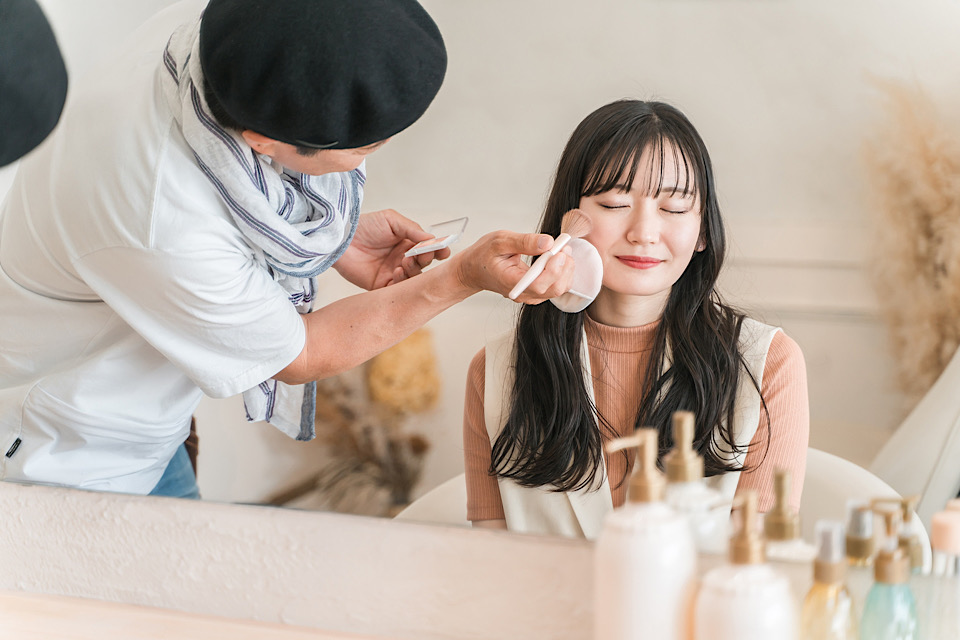
For individual guests seeking a more exclusive and highly satisfying subculture experience, we recommend the following plans.
Fully Customized Experiences
Experiences can be fully customized according to each guest’s preferences.
Examples of customization:
・After enjoying a cosplay photoshoot around Tokyo, guests can visit a famous hotel featured in anime and enjoy afternoon tea while still dressed in costume.
・Create an anime using your own original character, then take part in a voice acting experience to perform the character yourself.
Private Anime & Creative Studio Experiences
Receive one-on-one lessons from a professional animator and experience the process of creating your own anime. Watch your original drawings come to life as a real animated work.
Professional Cosplay Makeup & Photoshoot Experience
Preparing a cosplay costume, doing the makeup, and arranging a photoshoot on your own requires time and skill.
With this course, everything is handled by professionals, allowing you to fully transform into your favorite character and capture a stunning, model-quality photo.
Helping You Fulfill Your Dream
We also offer special tours designed to help fulfill your dreams, such as becoming a voice actor or an idol.
By discussing your wishes in advance, we can propose the most suitable experience tailored just for you.
If you would like to learn more about this experience or discuss group size and budget, please contact the consultation desk below.
Sample Subculture Itineraries
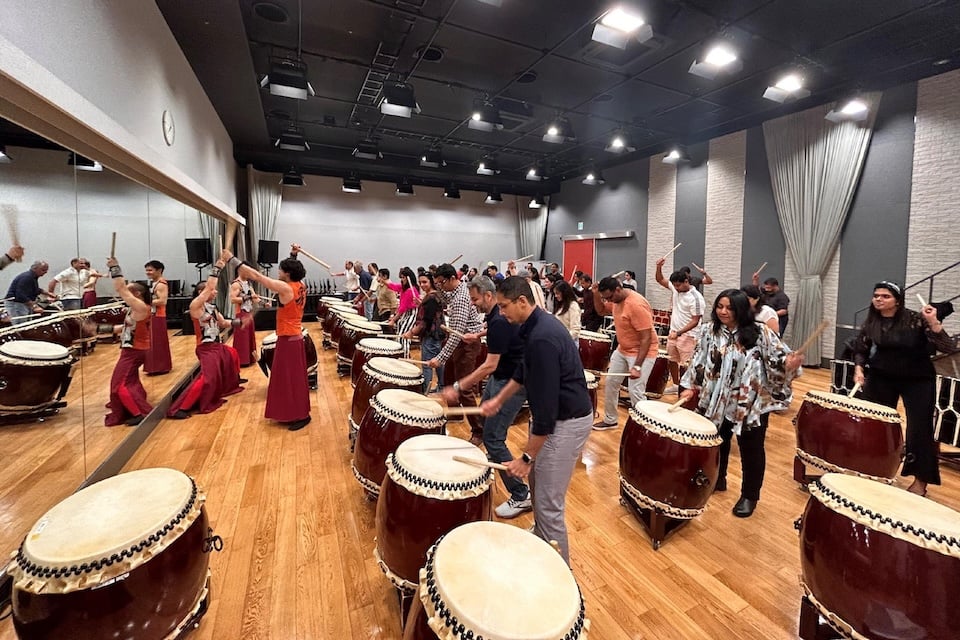
What kind of travel plan would let you truly enjoy these subculture experiences? To help you make the most of them while creating lasting memories, we’ve put together a sample itinerary.
Corporate Plan
For corporate clients, we offer more professional plans designed to boost motivation and enhance workplace performance.
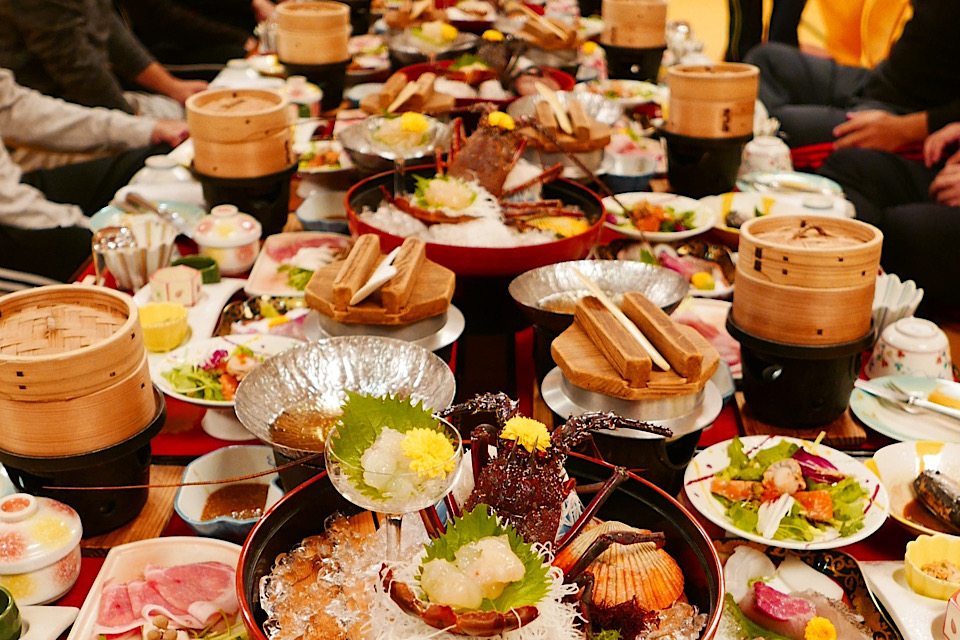
You will arrive in Japan in the evening and be transferred by bus to your hotel.
A welcome party will be held in a private banquet hall at the hotel.
You will visit an animation studio and enjoy a lunch discussion with a professional anime creator at a restaurant.
After that, under professional guidance, you will split into teams to experience character design, music production, and 3D modeling.
After the activities, you will return to the hotel, have some free time, and then enjoy dinner.
The teams formed the previous day will work together to create a single anime project.
After completion, the work will be screened, followed by a reflection session in a reserved room at the hotel.
You will travel by private bus to Tokyo Disneyland and enjoy free time in the park.
You will have free time to explore Tokyo from morning until the afternoon.
In the evening, you will be transferred by bus to the airport for your departure.
Individual Plan

We have created a special and exciting five-day plan designed to help make your dreams come true.
We will welcome you at the airport and transfer you by taxi to MIMARU Tokyo Ikebukuro, where you will stay in the popular Pokémon Room.
For dinner, we will reserve your preferred restaurant in advance and provide taxi transportation.
Join a large-scale anime event held according to the season. After traveling to the venue by taxi, you’ll be guided by an English-speaking guide while enjoying shopping for anime merchandise and interacting with anime fans from around the world.
You will visit a famous anime studio, receive guidance from a professional animator, and create your own anime. A voice-acting experience will allow you to record your voice for the completed animation.
Travel by bus or taxi to Yokohama Hakkeijima Sea Paradise. At one of Japan’s largest aquariums, you can relax and enjoy your time freely—watch around 700 species of marine life, enjoy a dolphin show, and have a meal at one of the restaurants.
On your final day, explore Tokyo freely until the evening before taking a taxi to the airport for your departure.
With a plan like this, you can enjoy multiple experiences even in a short period of time.
If this has sparked your interest in anime production, we also recommend the article below. It provides more in-depth information about anime production experiences designed for international visitors.

Cultural Etiquette

When experiencing Japanese subculture, keeping the following points in mind will help you enjoy it more comfortably and safely.
Etiquette for Cosplaying in Japan
When cosplaying in Japan, please keep the following points in mind.
・Outfits that expose underwear or the chest
・Gore or bloody costumes
・Costumes carrying toy guns or items that could be mistaken for dangerous objects
・Costumes that insult the Japanese flag or Japanese people
・Costumes that are indistinguishable from real police uniforms
Photography Etiquette
In Japan, photography is prohibited in some places.
Please keep the following points in mind and enjoy responsibly.
・When taking photos at public facilities, check the website or official information in advance to confirm whether photography is allowed.
・Avoid taking photos in front of or inside someone else’s house or garden. It may be considered trespassing and could lead to arrest.
・When shooting in flower fields, be careful not to step on the flowers.
・Do not occupy the same spot for too long. After about five minutes of shooting, give others a turn.
・Be mindful not to include other people in your photos.
・Do not photograph others without their permission.
Best Seasons & Transportation
To enjoy Japanese subculture experiences more comfortably, it’s helpful to know the best times to visit and some useful transportation tips.
Best Seasons
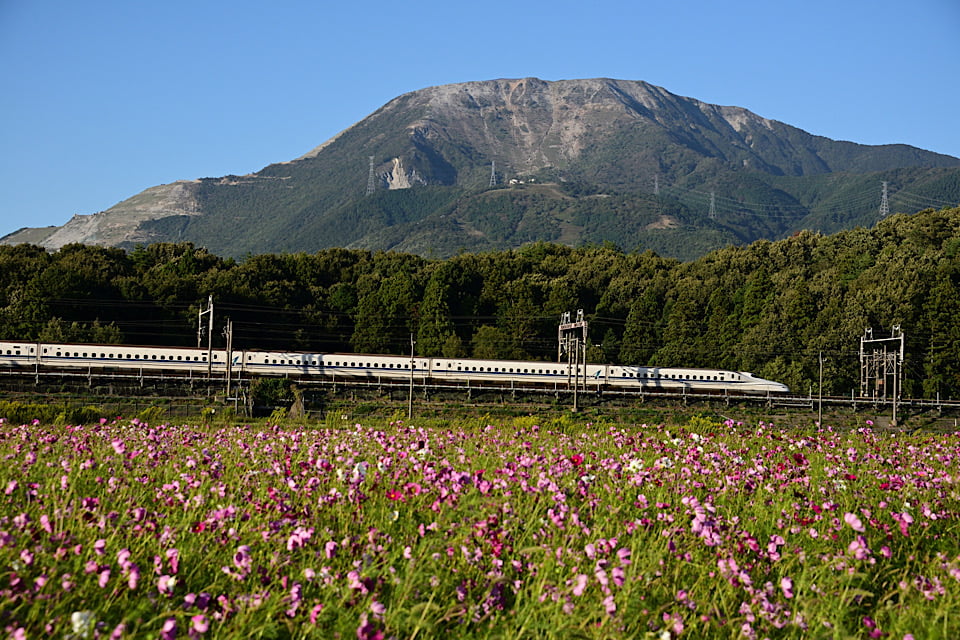
The best seasons to visit are spring (March–April) and autumn (September–November).
During these periods, the weather is mild and many beautiful flowers are in bloom, making it perfect for photos.
Autumn is especially recommended, as it tends to be less crowded with tourists, allowing for a more relaxed experience.
Transportation
Public transportation in Japan, especially trains, can be complex and crowded.
By following the tips below, you can travel more comfortably.
Trains
- These cards can be used on trains, buses, and even at convenience stores. For international visitors, the Welcome Suica is a convenient option.
- Many major subculture areas—Akihabara, Harajuku, Shibuya, Ikebukuro, and Shinjuku—are all located along the JR Yamanote Line, making it easy to visit multiple neighborhoods in a single day.
- Install a route guide app like NAVITIME and enter your departure and arrival stations to find the best transfer options.
Buses
・Boarding methods vary by region, so it’s helpful to search in advance (for example, “how to ride a bus in [prefecture]”).
・Some buses only accept coins, so it’s a good idea to carry small change.
Taxis
・Using ride-hailing apps like GO or JapanTaxi makes it easy to call a taxi.
Taxis are the most reliable way to reach your destination directly.
If you would like to learn more about transportation in Japan, the article below may also be helpful. Please take a look.
FAQ

Here, we answer some of the most common questions about subculture experiences.
We hope this helps ease your concerns and allows you to enjoy a wonderful trip to Japan.
Is it OK for International visitors to participate in Japanese subcultures?
Yes, absolutely.
Japanese subcultures are generally open and welcoming to international fans.
As long as you respect local rules and etiquette, you can fully enjoy and participate.
Do I need to speak Japanese to enjoy these areas?
Not necessarily.
Major areas like Akihabara and Harajuku have English signs and staff used to foreign visitors.
However, using simple Japanese phrases or translation apps can enhance your experience.
Can I cosplay in public places in Tokyo?
Cosplay is usually allowed only at designated events or specific locations.
Wearing costumes in regular public spaces may require permission, so always check the rules in advance.
What is the best time of year to visit for subculture events?
If you’re visiting Japan, why not take the opportunity to join a famous anime event?
Here, we’ve put together an easy-to-understand overview of major anime events, including their schedules and highlights.
| When | Location | Overview | |
| Jump Festa | Mid to late December (weekend) | Makuhari Messe, Chiba | Latest announcements for popular shonen manga and anime, voice actor stages, and more |
| AnimeJapan | Late March (weekend) | Tokyo Big Sight | One of Japan’s largest comprehensive anime exhibitions, featuring new announcements from major companies |
| Comic Market (Summer Comiket) | Mid-August (Obon holiday period) | Tokyo Big Sight | One of the world’s largest fan-made comic markets, with very popular cosplay areas |
| Comic Market (Winter Comiket) | Late December (year-end) | Tokyo Big Sight | A large-scale fan event comparable to the summer Comiket. |
Event dates may change, so if there is an event you are interested in, be sure to check the latest schedule in advance.
If you would like more detailed information about tickets and the events themselves, the article below may also be helpful.
Beyond Sightseeing: Experience Japanese Subculture in a Deeper Way
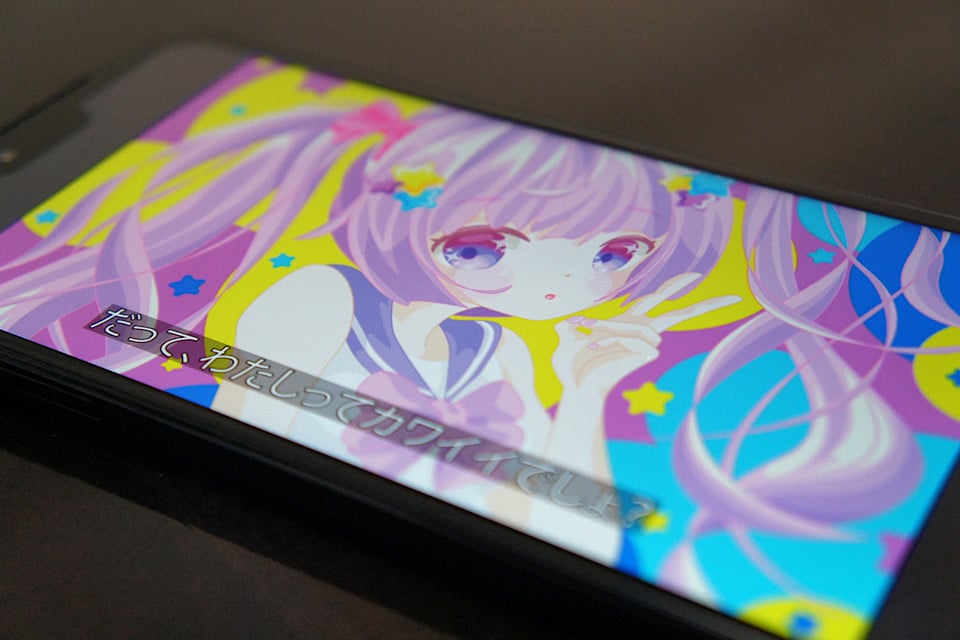
Japan’s subculture is diverse and full of individuality.
Have you found a field you like or a tour you would like to experience? If you are interested but feel unsure about something, please feel free to contact us below.
We would be happy to help make your dreams come true.
Wishing you a wonderful journey.

After graduating from Kansai University, I joined JTB as a new graduate and worked in the inbound tourism sector.
After getting married, I moved to Australia due to my husband’s work and obtained a diploma in early childhood education there.
I am currently working at a kindergarten while also working as a writer.


